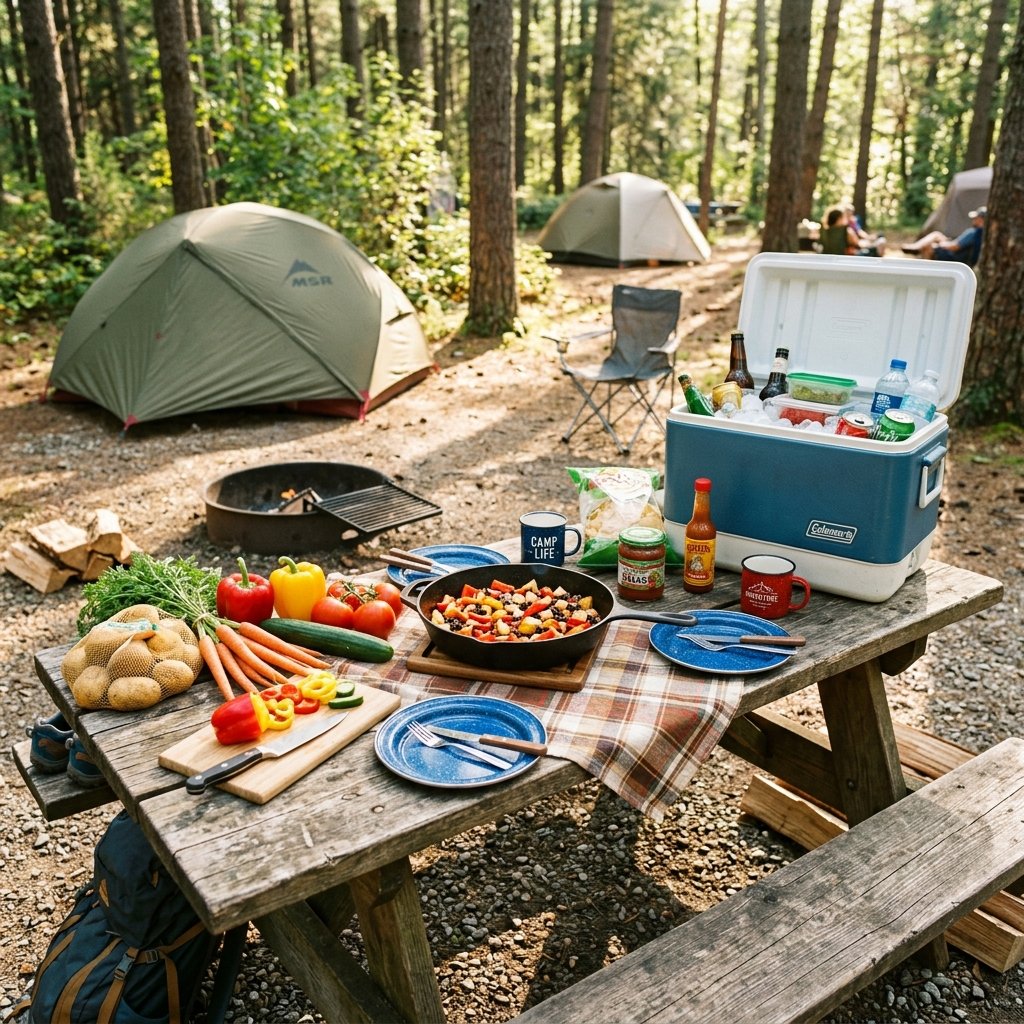

Hey there, frugal outdoor enthusiasts! Welcome to your new favorite way to hit the wilderness without emptying your wallet. We all know that camping is supposed to be the ultimate cheap getaway, right? You sleep in a tent, you hike in nature, and you unplug from the expensive modern world. But somehow, between the freeze-dried meals, the fancy trail mix, the expensive cooler gadgets, and the last-minute grocery runs, you end up spending more than a night at a luxury hotel! Well, not anymore. As your resident frugal hacker, I am here to show you how to eat like royalty in the woods for pennies on the dollar.
This is The Ultimate 3-Day Camping Menu: Delicious, Cheap, and Easy To Pack. We are officially ditching the $15 single-serving mountain meals and creating a mouth-watering, budget-friendly feast that will keep you fueled for every hike and cozy for every campfire. Whether you are a seasoned outdoors expert or a family looking for a cheap weekend getaway, mastering your camp kitchen is the number one way to slash your travel budget. Let’s get packing and start saving!
The Golden Rules of Frugal Camp Cooking
Before we dive headfirst into the menu, we need to establish some ground rules. Frugal camping isn’t just about buying cheap hot dogs and living off stale crackers; it is about strategy, preparation, and maximizing what you already have in your pantry at home. If you want to master the art of the cheap campsite feast, you need to think like a hacker.
Key Rule #1: Prep at home, not at camp. Chop your veggies, pre-mix your pancake dry ingredients, and marinate your proteins in your own kitchen. It saves time, saves precious cooler space, and totally prevents food waste! Plus, you won’t need to buy expensive pre-chopped items from the store.
Key Rule #2: Repurpose your ingredients. If we are using tortillas for dinner on night one, we are absolutely using them for breakfast burritos on morning two. Cross-utilization is the ultimate secret to a cheap grocery bill. Never buy an ingredient for just one meal.
- Ice is money: Freeze your own water bottles instead of buying expensive bags of ice from the gas station. They keep your cooler freezing cold and provide perfectly chilled drinking water as they melt!
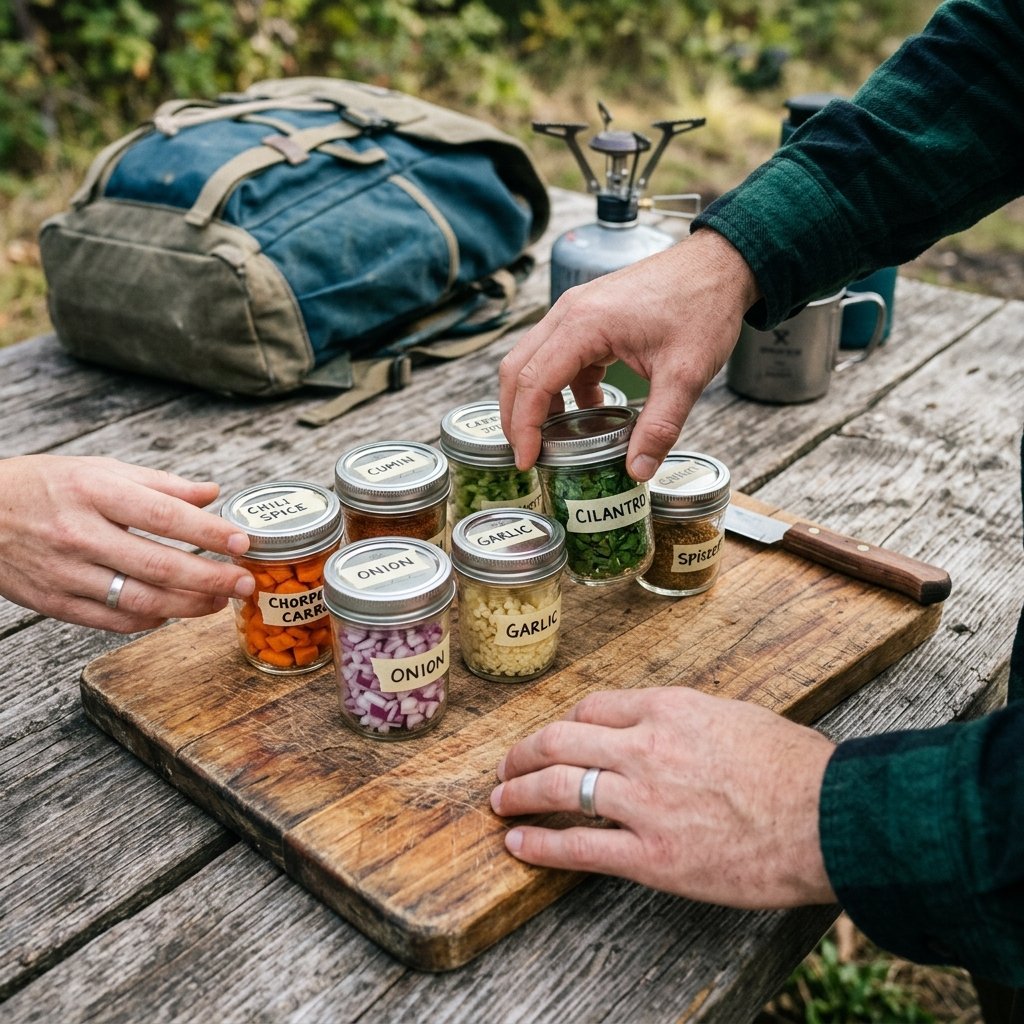
- Spice it up smartly: Don’t buy those overpriced travel-sized spices. Put your home spices into old tic-tac boxes or small pill organizers. It costs absolutely zero dollars.
The Math: Cost Breakdown: DIY vs Store Bought
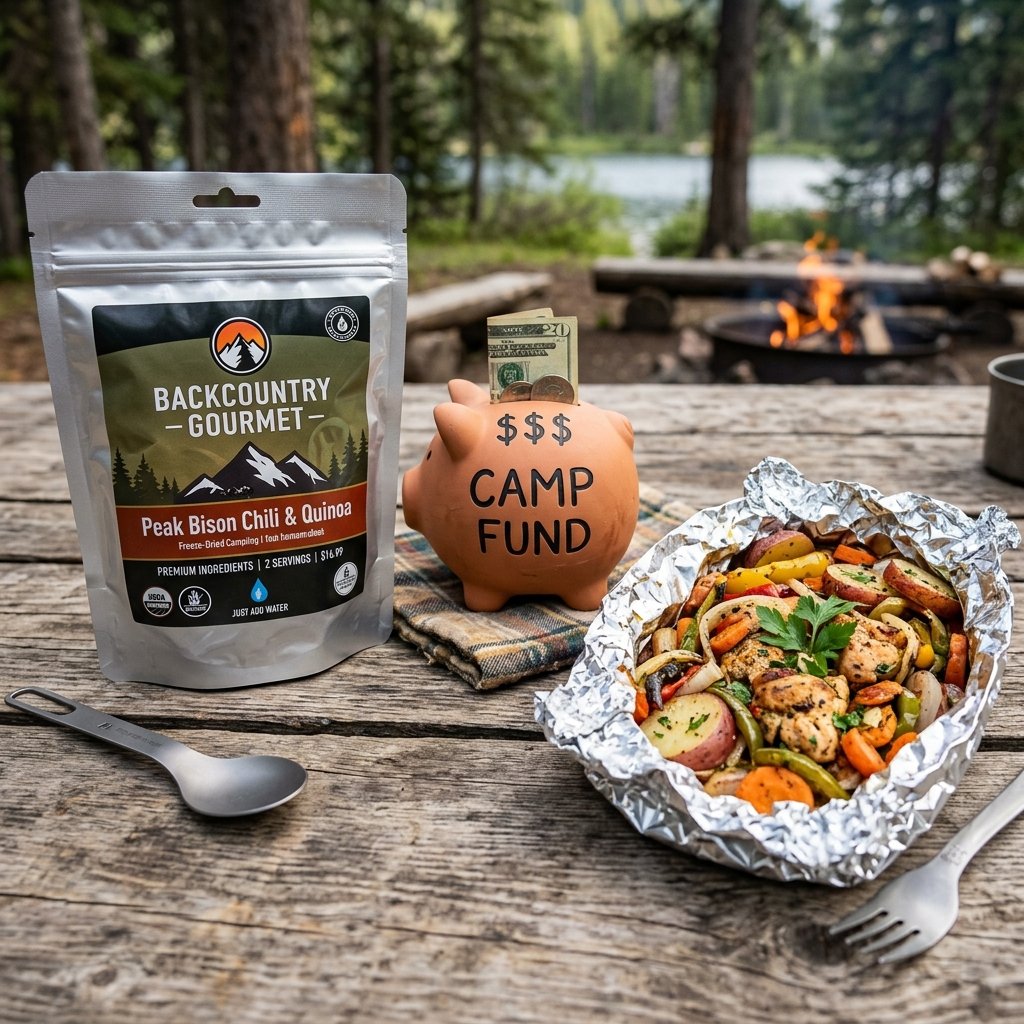
Let’s look at the numbers because, as we always say, the math never lies! If you were to buy pre-packaged, freeze-dried camping meals or rely on eating at expensive roadside diners for a 3-day weekend for two people, you would be absolutely shocked at the total. Here is exactly how our DIY frugal menu stacks up against the store-bought convenience route.
| Meal Category (3 Days for 2 People) | Store-Bought / Freeze-Dried Cost | Our DIY Frugal Menu Cost |
|---|---|---|
| Breakfasts | $45.00 | $8.50 |
| Lunches / Trail Snacks | $35.00 | $12.00 |
| Dinners | $75.00 | $18.50 |
| Total Estimated Cost | $155.00 | $39.00 |
By doing a little bit of prep work and following this guide, you are saving over $116 just on food for a simple weekend trip! That is cold, hard cash you can put toward your next adventure, use to upgrade your sleeping bags, or simply stash away in your emergency savings account.
Day 1: Easy Setup and Campfire Classics
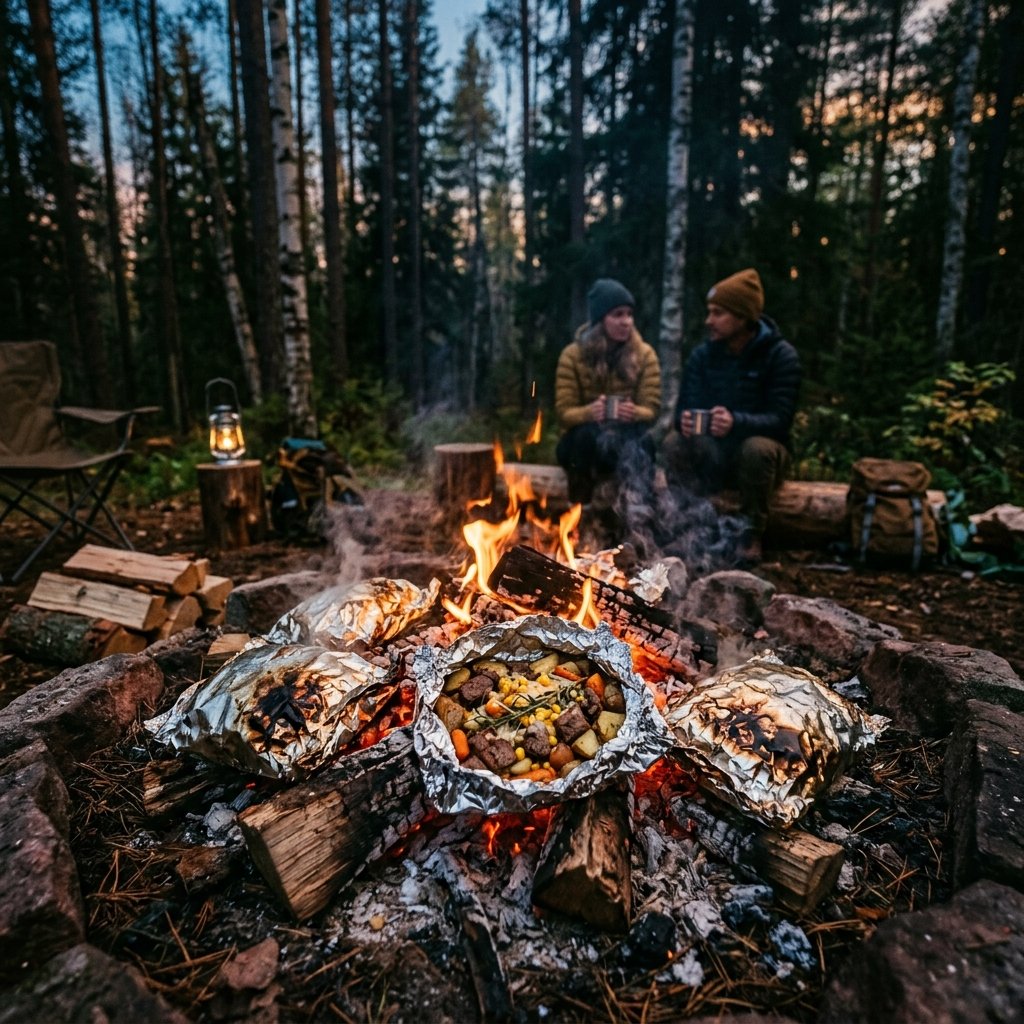
When you first arrive at the campsite, the absolute last thing you want to do is cook a complicated, messy meal. You are tired from the drive, you need to pitch the tent, and you want to start relaxing. Day 1 is all about extreme ease and using the most perishable items in your cooler first.
Lunch: The Classic Frugal Sandwiches
Keep it incredibly simple while you set up camp. We are talking peanut butter and jelly or pre-made deli wraps that require zero cooking.
- Grab your pre-sliced bread and spreads right out of the top of the cooler.
- Assemble quickly on the picnic table without needing any plates or utensils.
- Pair with a handful of generic-brand pretzels or chips (saving you at least $3 over the fancy name brands).
Dinner: Foil Packet Hobo Meals
This is a frugal camping staple that has stood the test of time. It requires zero pots and pans, which means absolutely zero cleanup! You just eat right out of the foil.
- At home, before you left, you should have chopped potatoes, onions, and carrots.
- Form ground beef or turkey into small patties (buy your meat in bulk and freeze half to save extra cash, bringing the cost to about $1.50 per serving).
- Wrap the meat and veggies tightly in heavy-duty aluminum foil with a dab of butter and your favorite seasonings from your DIY spice kit.
- Toss the packets directly onto the hot campfire coals for about 30 minutes, turning once. Carefully open and enjoy a hearty, cheap dinner!
Day 2: Trail Fuel and Hearty Feasts
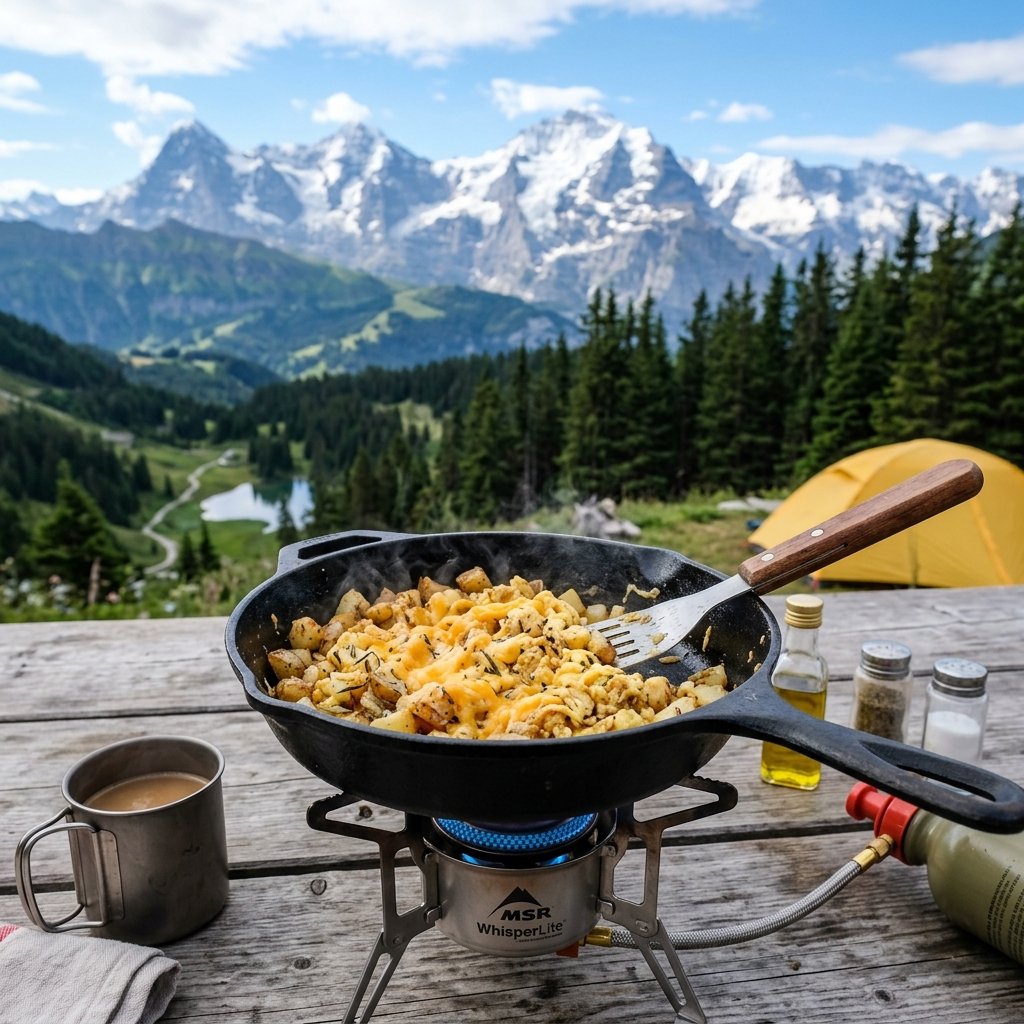
Day two is your main adventure day. You are going to be hiking, swimming, exploring, or just aggressively relaxing in a hammock. Either way, you need cheap, high-energy fuel that keeps you full without causing a sugar crash.
Breakfast: Skillet Breakfast Burritos
Remember those tortillas you brought? It is time to put them to work for a powerhouse breakfast.
- Scramble a half-dozen eggs in your cast iron skillet (eggs are an incredibly cheap protein source, usually clocking in at roughly $0.20 per egg).
- Toss in any leftover potatoes or onions from last night’s foil packet dinners. Waste nothing!
- Wrap the hot scramble up in tortillas with a sprinkle of generic-brand cheese and a dash of hot sauce.
Lunch: DIY Trail Mix and Pasta Salad
Skip the outrageously expensive pre-made trail mix bags that cost $8 for a tiny pouch. Buy bulk peanuts, raisins, and generic chocolate candies to make a massive batch of your own for under $4.
- Mix your bulk nuts, seeds, and sweets in a large reusable silicone bag.
- Serve this energy-boosting snack alongside a pre-made cold pasta salad. Pasta is incredibly cheap (around $1 per box) and keeps perfectly in the cooler.
Dinner: Elevated Campfire Chili and Dogs
Nothing screams camping quite like hot dogs, but we are elevating this classic on a strict budget to make it a filling feast.
- Roast generic-brand hot dogs on sticks over the open fire. Kids and adults both love this part!
- Heat up a large can of store-brand chili in a single pot over the camp stove (usually under $2 a can).
- Top your hot dogs with the hot chili and leftover cheese for a filling, warm, and incredibly cheap dinner that feels like a massive treat.
Day 3: The Clean-Out-The-Cooler Extravaganza
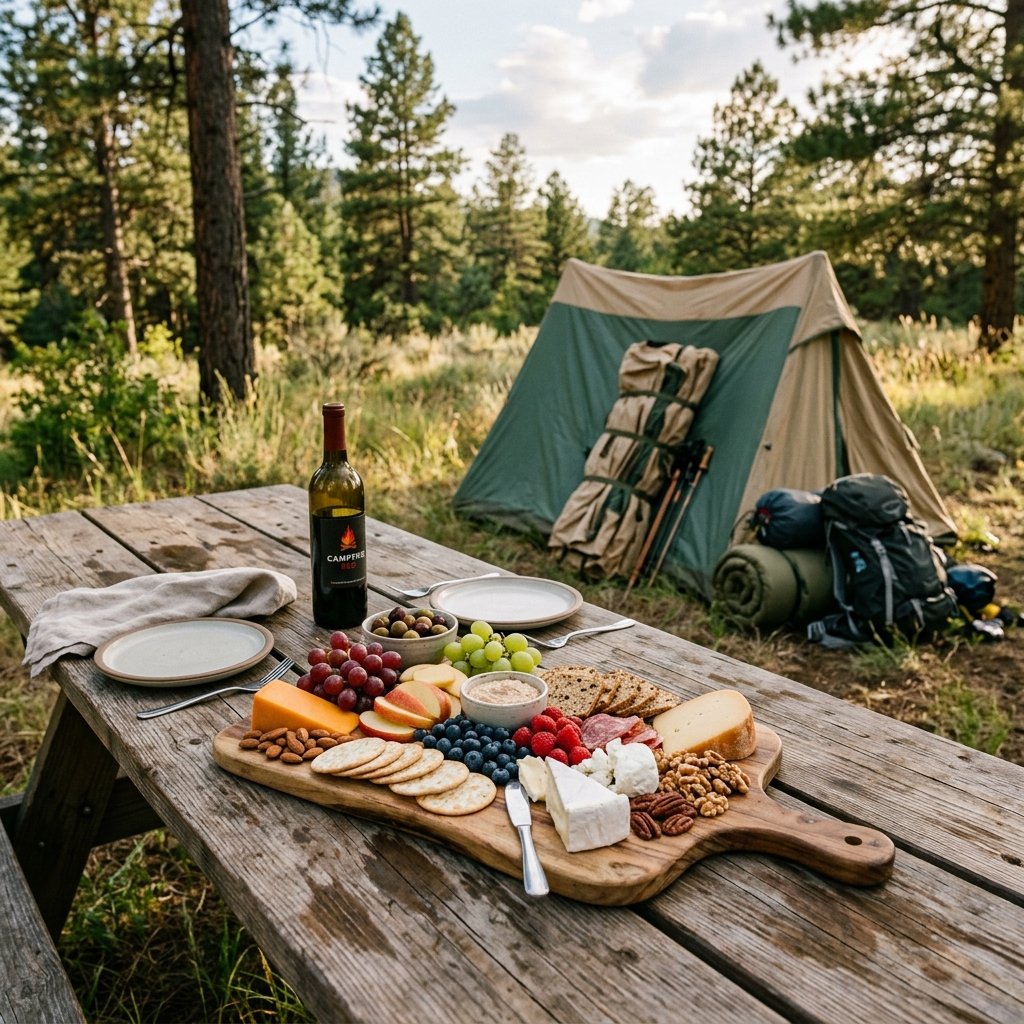
It is sadly time to pack up and head back to civilization. This means we want to eat whatever is left in the cooler so we absolutely do not have to haul it home or throw it away.
Breakfast: The Everything Scramble
This is where the true frugal magic happens. You take every single remaining vegetable, slice of cheese, and egg, and throw it into the skillet.
- Fire up the camp stove one last time.
- Sauté any remaining onions, peppers, or even chopped up leftover hot dogs.
- Pour in your remaining eggs and scramble everything together until fully cooked. It is a massive, protein-packed breakfast that costs essentially nothing because it uses leftovers!
Lunch: The Snack Board Finale
Instead of trying to cook a formal lunch while taking down the tent, create a rustic ‘charcuterie’ board on the picnic bench using all your leftover crackers, cheese slices, fruit, and trail mix. It feels trendy and fancy, but it is literally just you refusing to waste food! You will head home with a full stomach, an empty cooler, and the satisfaction of knowing you maximized every single penny spent on this trip.
Pro Frugal Hacks for Packing and Storing
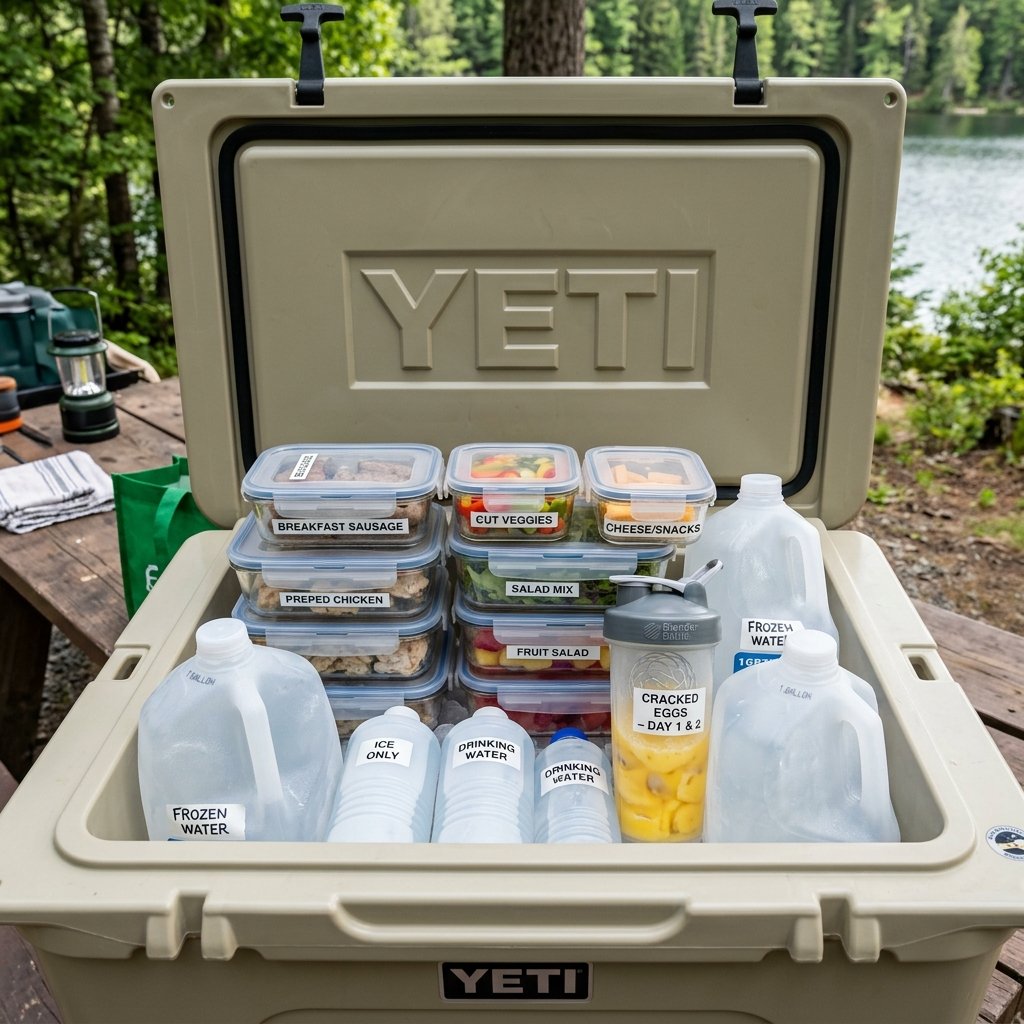
To make this epic 3-day menu work flawlessly, your packing game needs to be strong. Here are the ultimate frugal hacker tips to keep your food fresh without buying ridiculously expensive camping gadgets.
- The Water Bottle Egg Trick: Crack your eggs into a wide-mouth water bottle or shaker bottle before you leave home. One bottle holds about 8-10 eggs, saving tons of cooler space and entirely preventing a messy, crushed-egg disaster in your cooler!
- Block Ice Over Cubed Ice: If you must buy ice, always choose block ice (or make your own by freezing water in clean, empty milk jugs). Block ice melts significantly slower than cubed ice, meaning your food stays safely cold for the full 3 days without needing a $300 designer cooler.
- Duct Tape Labels: Use a simple strip of duct tape and a sharpie to label your pre-chopped veggies and marinated meats. It saves you from digging around and letting all the precious cold air out of the cooler.
Scam Warning: Beware of ‘camping specific’ cookware or utensils sold at high-end outdoor retailers. They will try to sell you a titanium spork for $15! A standard set of silverware from your kitchen or a heavy cast-iron skillet from a local thrift store for $5 will outlast and outperform a $50 branded camping pan any day of the week! Stick to the basics and keep your money in your wallet.
Conclusion
There you have it, my fellow frugal hackers! A completely delicious, stress-free, and incredibly cheap 3-day camping menu that proves you do not need to spend a fortune to enjoy the great outdoors. By prepping at home, utilizing cross-over ingredients, and avoiding the expensive trap of freeze-dried convenience meals, you can enjoy nature for a fraction of the cost.
Remember, the absolute best part of camping is the memories you make around the fire, the trails you hike, and the fresh air you breathe—not the amount of money you spend on gourmet trail food. Take these tips, adapt them to your family’s tastes, and watch your vacation budget stretch further than ever before. So grab your cooler, freeze those water bottles, and get ready for an epic, budget-friendly weekend in the woods. Stay frugal, stay savvy, and happy camping!


Makenzie is the founder and lead writer at MoneyHackTips.com — a personal finance blog dedicated to delivering street-smart financial wisdom for real people on real budgets. With 300+ published articles covering everything from debt management to investing fundamentals, Makenzie’s mission is to make every dollar work harder. When not writing about money hacks, Makenzie is testing frugal living strategies, optimizing side hustles, and helping readers build financial freedom from scratch.