


Listen up, frugal hackers! If you have ever stared at your bank account and thought your dreams of traveling the globe were permanently on hold, it is time to rewrite that narrative. We all know that accommodation is the absolute biggest budget-killer on any trip. Dropping $150 to $300 a night on a sterile, boring hotel room? No thank you. That is hard-earned money that could be spent on authentic street food, museum tickets, or better yet, kept right in your emergency fund where it belongs. Enter Couchsurfing: the ultimate travel hack for the budget-conscious, street-smart explorer. But here is the reality check—traveling for free does not mean you can afford to be careless. When you are staying in a stranger’s home, your personal safety is the absolute top priority. This guide is your ultimate cheat sheet to navigating the world of free accommodation like a pro. We are going to dive deep into the essential Couchsurfing safety tips for beginners, equipping you with the exact scripts, red flags, and vetting strategies you need to protect yourself while saving thousands of dollars. Grab your backpack, open your mind, and let us get into the ultimate frugal travel strategy!
What is Couchsurfing and the Real Math Behind the Savings
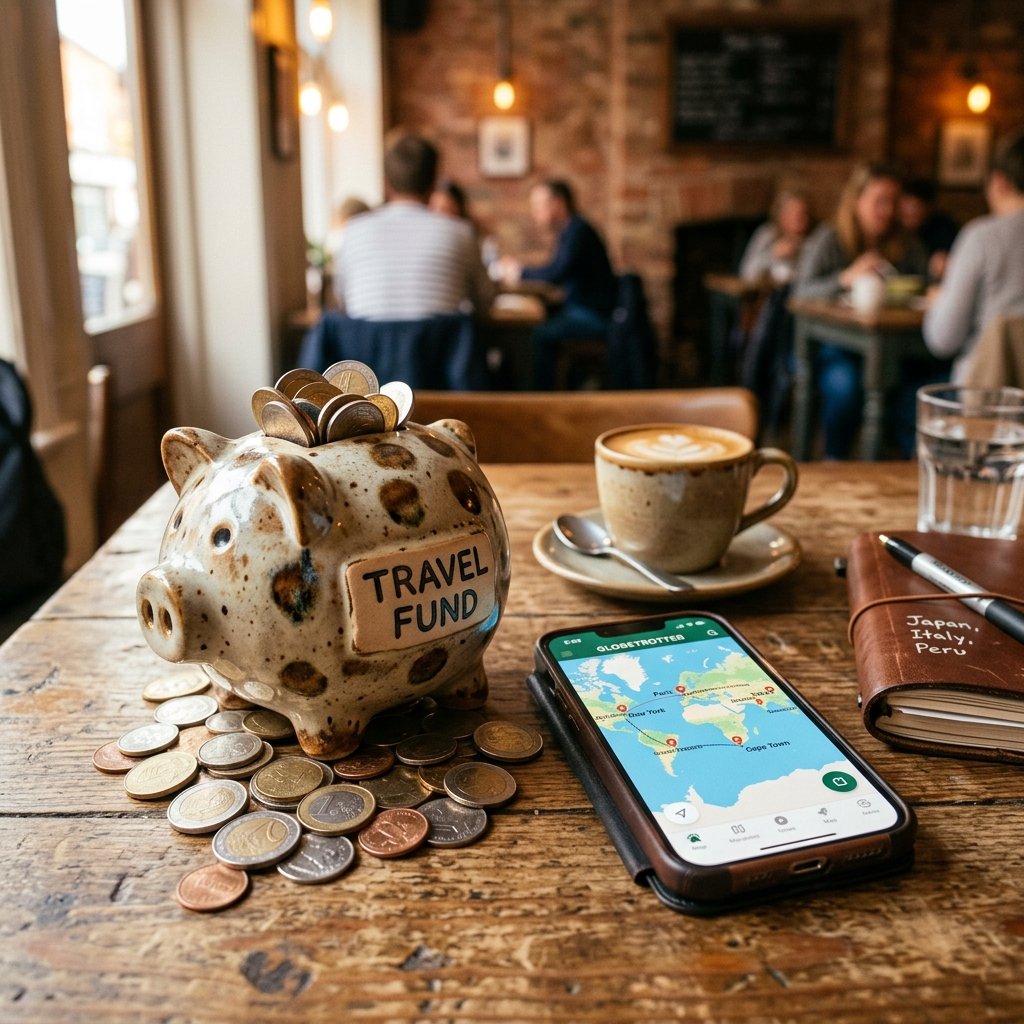
Before we dive into the nitty-gritty safety protocols, let us talk about why Couchsurfing is a completely non-negotiable tool in your frugal living arsenal. At its core, Couchsurfing is a global community of travelers and hosts who open up their homes—whether it is a spare bedroom, a blow-up air mattress, or literally a living room couch—to visitors for absolutely zero cost. Yes, you read that right: $0. But it is not just about the money; it is about authentic cultural exchange, getting off the beaten path, and seeing a city through the eyes of a local rather than a tourist trap guidebook. However, the financial benefits are absolutely staggering. Let us break down the math so you can see exactly how much cash you are saving on a typical two-week international adventure.
The Accommodation Cost Breakdown
Here is a realistic look at what a typical 14-day trip might cost you depending on where you decide to rest your head at night.
| Accommodation Type | Average Cost Per Night | 14-Day Trip Total | Total Money Saved |
|---|---|---|---|
| Standard Hotel | $150 | $2,100 | $0 |
| Budget Hostel | $45 | $630 | $1,470 |
| Couchsurfing | $0 | $0 | $2,100 |
By utilizing Couchsurfing, you are literally keeping $2,100 in your pocket. That is enough cash to fund your next three trips, invest in your future, or pay off high-interest debt! But remember, the currency of Couchsurfing is trust, respect, and shared experiences. You are not paying with cash, but you are paying with your time, your stories, and your gratitude. To make this incredible exchange work safely and smoothly, you need a rock-solid strategy.
The Golden Rules of Profile Vetting

Your absolute first line of defense in the Couchsurfing world is the user profile. Think of yourself as a private investigator. You should never, ever send a request to a host without thoroughly vetting their digital footprint first. A complete, detailed profile is a sign of a committed, serious community member. An empty profile with one blurry photo is a massive red flag. Here is exactly how to vet a potential host.
How to Be a Profile Detective
- Read Every Single Reference: Do not just look at the star rating or the total number of positive reviews. Read the actual text of what other travelers are saying. Are previous surfers praising the host for being respectful and giving them space? Or are there subtle, passive-aggressive hints that the host is overbearing, messy, or inappropriate? Pay attention to what is *not* being said.
- Look for Verified Profiles: The platform offers a verification process where users verify their phone number, government ID, and home address. Always prioritize verified hosts, especially for your first few trips.
- Check the ‘My Home’ Section: Know exactly what you are walking into. Are you getting a private guest room with a door that locks, or are you sleeping on a futon in a shared living room with three roommates and a dog? If you have allergies, need privacy to work, or are a light sleeper, this is crucial information.
Key Rule: Never stay with a host who has zero references, incomplete profiles, or unexplained negative reviews. Your safety is worth infinitely more than a free place to crash. If your gut says no, listen to it immediately.
Take your time. A true frugal hacker never rushes into a situation just to save a buck. Your peace of mind is your most valuable asset, and thorough vetting is how you protect it.
Communication Hacks: Setting Boundaries Before You Arrive

Once you have found a host who looks solid on paper, the next step is communication. This is where you set the tone for your entire stay. Being crystal clear about your boundaries, your daily schedule, and your expectations before you even arrive will save you from incredibly awkward—or potentially unsafe—situations later. Communication is your best tool for filtering out bad matches.
The Art of the Perfect Request
Do not send generic, copy-paste messages. Experienced hosts can spot them a mile away and will instantly reject you. You need to show that you actually took the time to read their profile. Furthermore, you need to establish your boundaries politely but firmly right from the start.
Script: “Hi [Host Name], I loved reading your profile, especially your passion for [Shared Interest/Hobby]. I am planning a budget-friendly trip to your city from [Date] to [Date] and am looking for a safe, quiet place to crash. I am a pretty independent traveler and usually spend my days exploring and my evenings recharging quietly by myself, but I would love to cook you a simple dinner one night to say thank you for your incredible hospitality! Let me know if you are available to host.”
Notice what this script does? It flatters them, shows you read the profile, but clearly states: I am independent and I need time to recharge. This prevents the host from expecting you to be their 24/7 entertainment or drinking buddy. It is all about managing expectations from day one.
Always Have a Financial Backup Plan
Even with the best communication, things can fall through. A host might have a sudden family emergency, or you might arrive and instantly get a bad vibe. You must always have a backup accommodation plan. Bookmark three affordable hostels in the area on the Hostelworld or Booking.com app, and ensure you have an emergency fund of at least $100 to $150 specifically earmarked for last-minute lodging. Never put yourself in a desperate situation where you are forced to stay somewhere unsafe simply because you are completely broke.
Arriving Safely: Street-Smart Tips for Your First Night

The day has finally arrived. You have touched down in a new, exciting city, your backpack is strapped on tight, and you are ready to meet your host. This critical transition period is where your street smarts need to be sharper than ever. Do not just show up at a stranger’s doorstep in the dark without a plan.
The Public Meet-Up Strategy
Whenever possible, arrange to meet your host in a public place first. A local coffee shop, a busy public plaza, or a well-lit train station cafe is absolutely perfect. This gives you a low-pressure chance to feel out their vibe in a safe, neutral environment. If they give you the creeps over a cappuccino, you can easily and politely decline the stay, grab your bag, and head straight to your backup hostel.
Essential First-Night Safety Protocols
- Share Your Live Location: Before you even meet the host, drop a pin of their address to a trusted friend or family member back home. Use apps like WhatsApp, Telegram, or Life360 to share your live location for the first 24 hours.
- Keep Your Valuables Secured: When you arrive at the host’s home, do not just leave your passport, laptop, and cash lying around on the table. Keep your most crucial items locked in your bag or on your person until you are completely comfortable in the space.
- Identify the Exits: It sounds dramatic, but it is just basic good sense. When you are shown to your sleeping area, mentally note how to get out of the house quickly if there is an emergency, a fire, or if you just need to leave abruptly.
Remember, a good, experienced host will want you to feel safe and comfortable. If they are offended by your basic safety precautions, they are absolutely not the right host for you.
Scam Warnings and Red Flags to Avoid

While the vast majority of the Couchsurfing community is made up of wonderful, generous people who genuinely love cultural exchange, bad actors exist everywhere in the world. As a frugal traveler, you are a prime target for scams because you are actively looking for deals, hacks, and freebies. You must stay vigilant and recognize the red flags before you get caught in a trap that costs you money or compromises your safety.
Recognizing the Traps
One of the most common issues is the ‘Bait and Switch.’ A host’s profile shows a beautiful, clean private room, but when you arrive, they suddenly expect you to share a bed with them or sleep on a dirty, unheated floor. If this happens, leave immediately. Do not worry about being polite; worry about your safety and comfort.
Scam Warning: If a host asks you to pay for your stay outside of the platform, requests a ‘security deposit’ via wire transfer or crypto, or asks you to pay for their time as a ‘tour guide,’ report them immediately. Couchsurfing is strictly a non-monetary exchange. Anyone asking for cash is violating the platform’s core rules and is likely trying to scam you out of your travel funds.
The ‘Overly Persistent’ Host
Another massive red flag is a host who completely ignores the boundaries you set in your initial messages. If they constantly demand your attention, try to isolate you from other travelers, insist on buying you excessive amounts of alcohol, or make inappropriate comments, trust your gut. You do not owe anyone your time, your body, or your presence just because they offered you a free couch. Grab your bag, head to a hostel, and leave an honest, factual review to protect future travelers.
Conclusion
Traveling the world for free is not a myth; it is a daily reality for thousands of smart, frugal hackers every single day. By leveraging platforms like Couchsurfing, you can drastically cut your travel expenses, keep more of your hard-earned money in your bank account, and experience global cultures in a deeply authentic, localized way. But as we have explored, the key to unlocking these incredible savings is preparation, vigilance, and an uncompromising commitment to your own personal safety.
Remember to vet every single profile like a master detective, communicate your boundaries clearly and confidently, always have a financial backup plan of at least $100 to $150, and never, ever ignore your gut instincts. The world is full of generous, amazing people waiting to share their homes, their food, and their stories with you. Be smart, stay safe, and go hack your dream vacation!
Disclaimer: The information provided in this article is for educational and informational purposes only. I am not a financial advisor, travel agent, or security expert. Always conduct your own thorough research, have a backup budget, and prioritize your personal safety when traveling locally or abroad.


Makenzie is the founder and lead writer at MoneyHackTips.com — a personal finance blog dedicated to delivering street-smart financial wisdom for real people on real budgets. With 300+ published articles covering everything from debt management to investing fundamentals, Makenzie’s mission is to make every dollar work harder. When not writing about money hacks, Makenzie is testing frugal living strategies, optimizing side hustles, and helping readers build financial freedom from scratch.