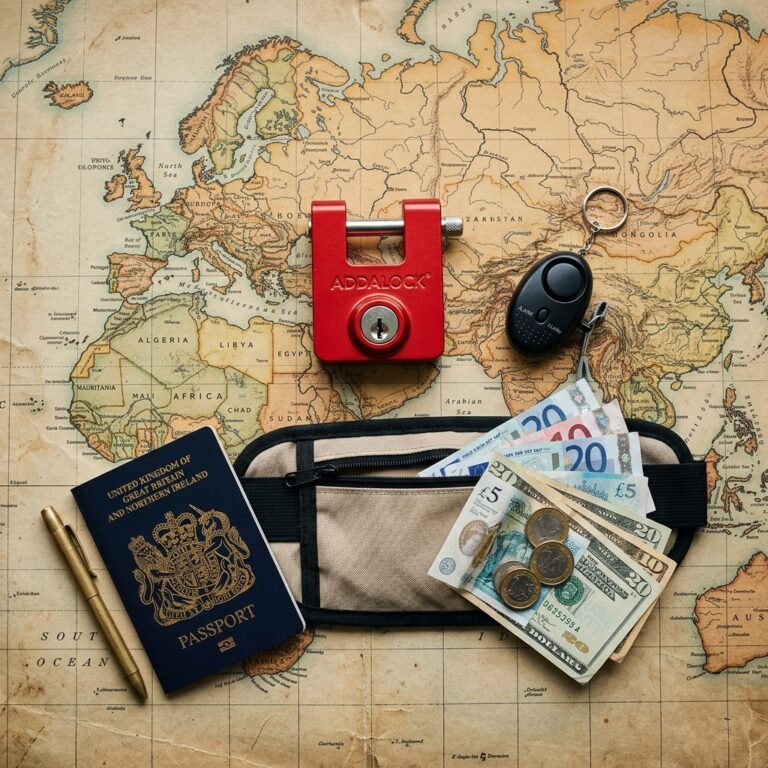
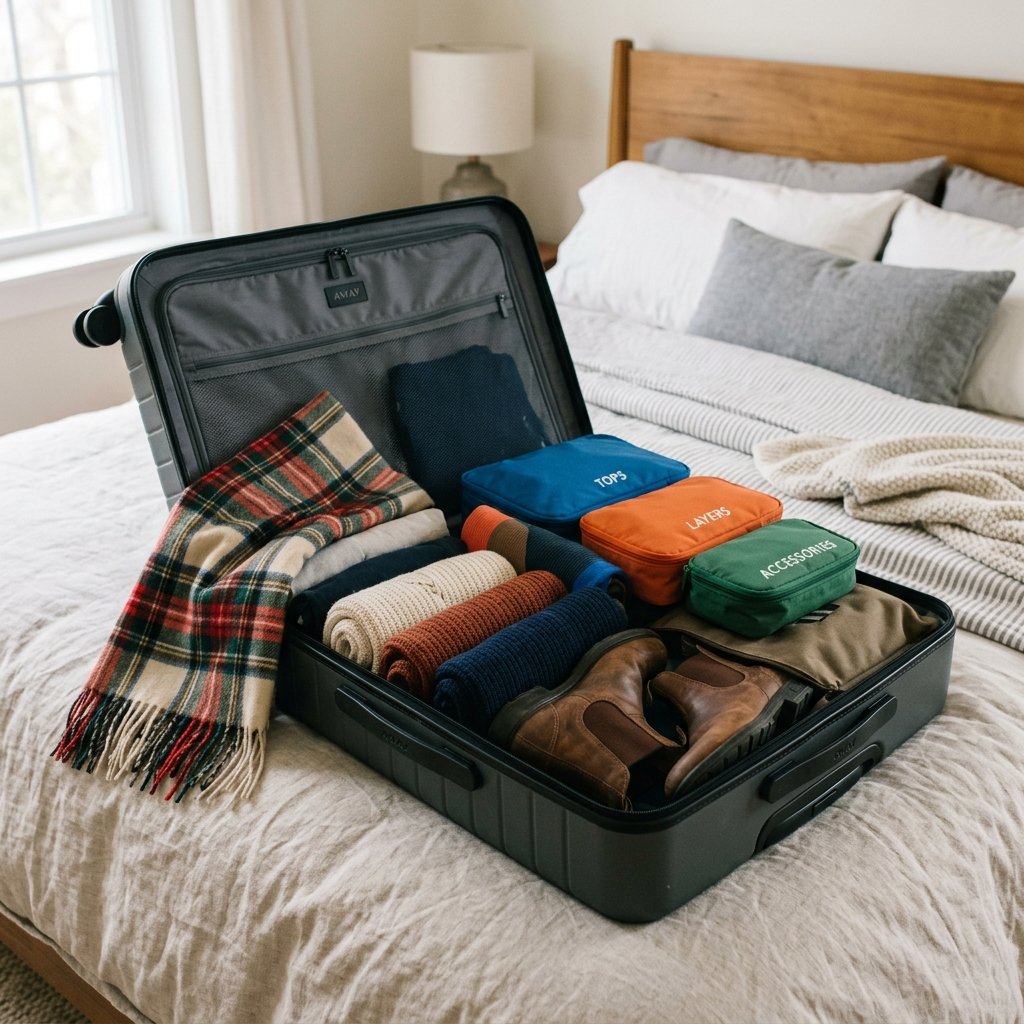

Welcome, fellow travelers and budget warriors! If you have ever felt the sting of paying $60 or more just to bring a suitcase on a plane, you know why we are here. Airlines are getting craftier with their fees, but we are craftier with our packing. Winter travel is the ultimate test of the frugal hacker. How do you fit those bulky sweaters, heavy coats, and thick boots into a tiny overhead bin? It sounds impossible, but I promise you, it is not. By the time you finish this guide, you will be gliding past the check-in counter with nothing but a carry-on and a smile, keeping that hard-earned cash in your pocket where it belongs. We are talking about saving potentially $120 on every round trip. That is money that could go toward a fancy dinner, a local tour, or your next flight! Let us dive into the science of the winter carry-on.
The Math of the Carry-On Win

Why We Fight the Baggage Fee
Let us look at the cold, hard numbers. Most domestic airlines now charge between $30 and $40 for the first checked bag each way. If you are traveling as a couple, that is $120 to $160 per trip. Over three trips a year, you are literally throwing away nearly $500. As a frugal hacker, that number should make you wince. By mastering the carry-on, you are not just saving money; you are saving time. No more waiting at the baggage carousel for 45 minutes while your vacation time ticks away.
Cost Comparison: The True Price of Luggage
| Airline Type | Checked Bag Fee (Round Trip) | Carry-On Fee | Potential Savings |
|---|---|---|---|
| Legacy Carriers (Delta, United) | $60 – $80 | $0 | $80 |
| Budget Airlines (Spirit, Frontier) | $100 – $150 | $70 – $110 | Up to $150 |
| International Carriers | $150+ | $0 | $150+ |
The math is clear: the carry-on is the ultimate frugal tool. Even on budget airlines where they charge for carry-ons, the fee is almost always lower than a checked bag, and the risk of lost luggage drops to zero.
The Essential Gear: Frugal vs. Premium
The Tools of the Trade
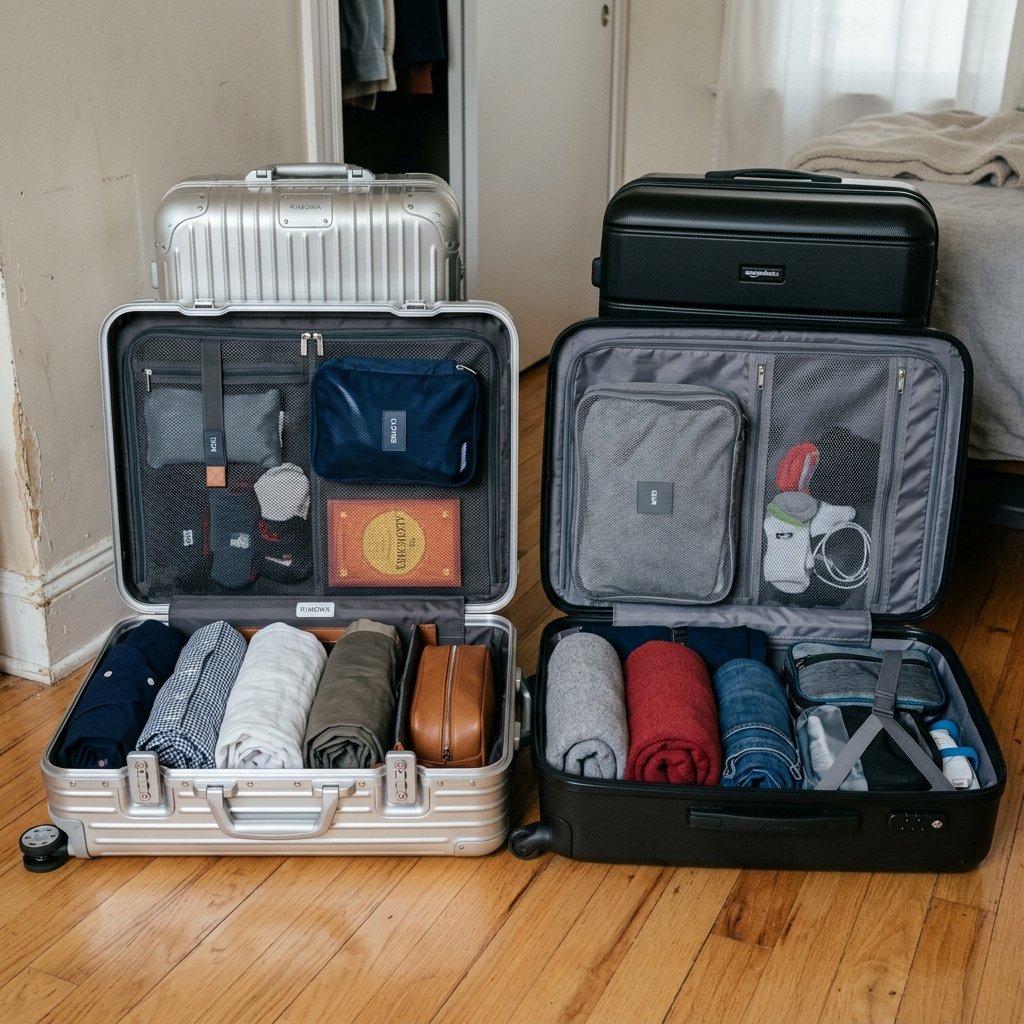
You do not need to spend $300 on a fancy ‘smart’ suitcase to be a pro. In fact, many of the best tools for frugal packing are incredibly cheap. The secret lies in organization and compression. If you can shrink the air out of your clothes, you can fit twice as much.
Brand Name vs. Generic Comparison
| Item | Premium Brand Price | Frugal Alternative Price | Savings |
|---|---|---|---|
| Compression Cubes | $45 | $14 (Amazon Generic) | $31 |
| Lightweight Carry-On Bag | $225 | $45 (Target/Walmart) | $180 |
| Toiletry Containers | $20 | $2 (Dollar Store) | $18 |
The Packing Cube Secret
Packing cubes are non-negotiable for winter travel. They allow you to compartmentalize your bulky items. Pro Tip: Look for compression packing cubes. These have an extra zipper that squishes the cube down, acting like a manual vacuum sealer. You can fit three thick sweaters into the space of one.
The 5-4-3-2-1 Winter Capsule Wardrobe
How to Pack a Week in a Cube
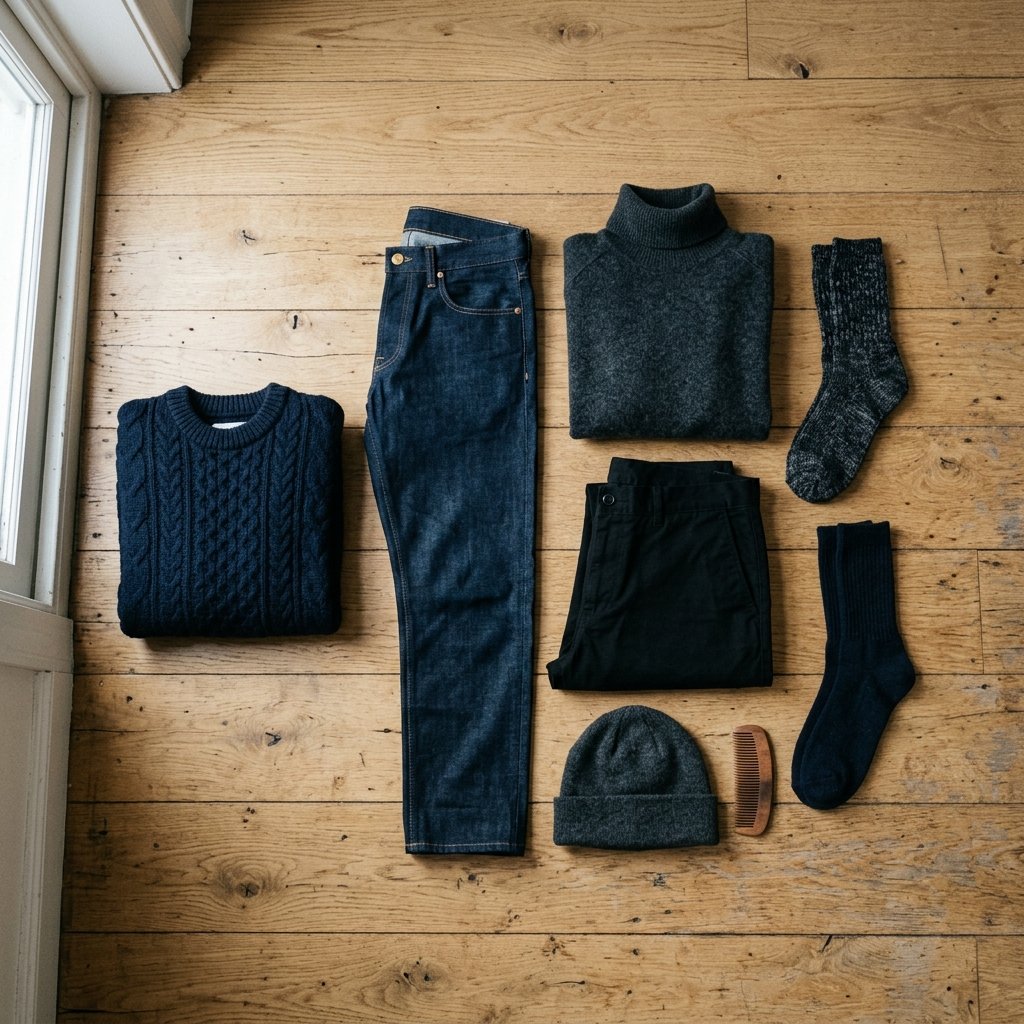
The biggest mistake people make is packing ‘just in case’ items. In the winter, you can wear the same outer layers multiple times. No one knows what you are wearing under that coat! We use the 5-4-3-2-1 rule to keep things lean.
- 5 Sets of Socks and Underwear (Merino wool is best as it resists odors).
- 4 Tops (Think thin layers: two long-sleeve tees, one flannel, one lightweight sweater).
- 3 Bottoms (One pair of jeans, one pair of tech chinos, and one pair of thermal leggings).
- 2 Pairs of Shoes (Wear your heavy boots on the plane, pack one pair of light sneakers).
- 1 Hat, Glove, and Scarf Set (Tuck these into your shoes to save space).
The Fabric Hack
Avoid heavy cotton. It is bulky, heavy, and takes forever to dry. Instead, look for synthetic blends or merino wool. You can often find these at thrift stores for $5 to $10. They provide more warmth for much less volume.
Advanced Packing Techniques: Roll, Don’t Fold
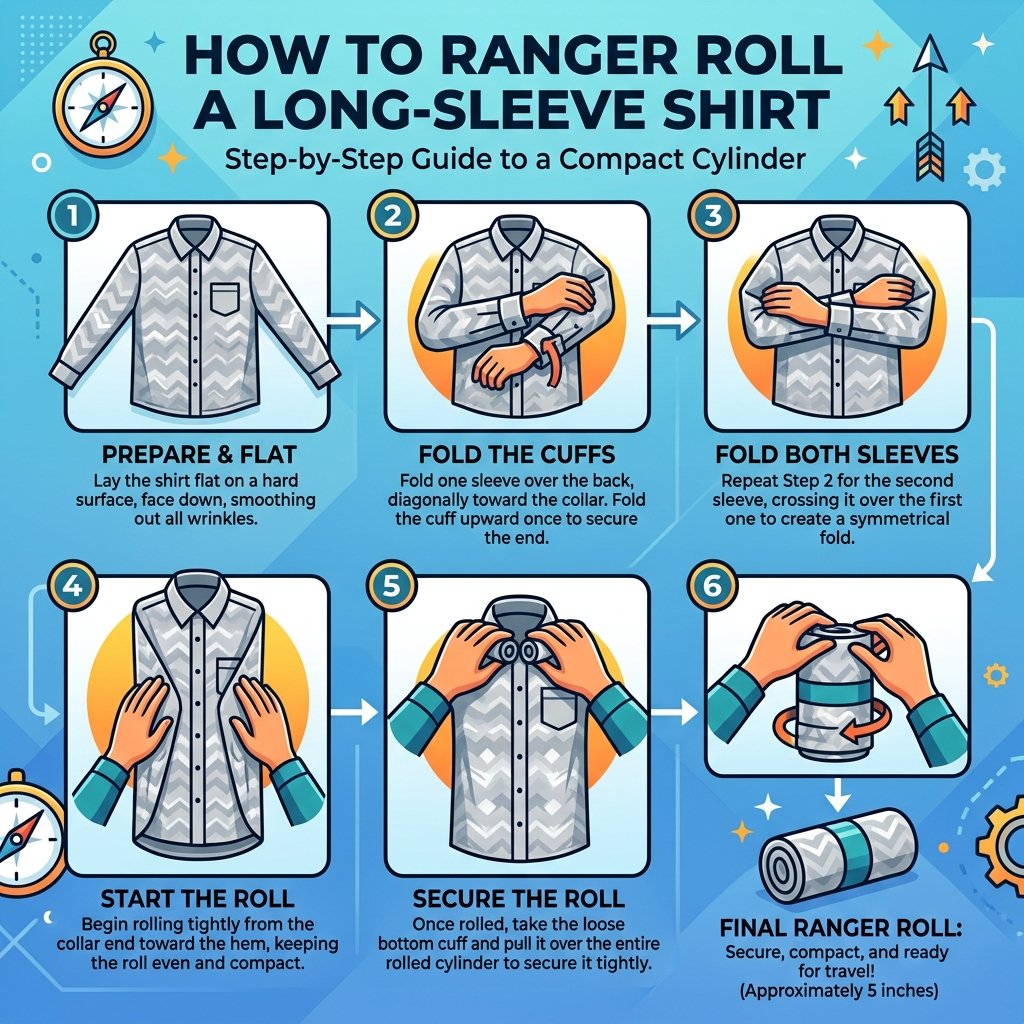
The Ranger Roll Method
If you are still folding your clothes like you do at home, you are losing valuable real estate. The ‘Ranger Roll’ is a military technique that turns your clothes into tight, burrito-like cylinders. This prevents wrinkles and maximizes every square inch of your bag.
- Lay the garment flat.
- Fold the bottom 2 inches inside out to create a ‘cuff’.
- Fold the sides inward so the garment is a long rectangle.
- Roll as tightly as possible from the top down.
- Tuck the roll into the cuff you created in step one.
“The goal is to eliminate all air between the fibers of your clothing. If your bag doesn’t feel solid like a brick, you have more room to work with!”
The Bundle Wrap
For items that absolutely cannot be wrinkled, like a nice blazer or dress, use the bundle wrap method. You wrap your clothes around a central ‘core’ (like your toiletry bag). This creates soft curves rather than hard folds, keeping your clothes crisp without needing an iron.
The ‘Wear Your Luggage’ Strategy
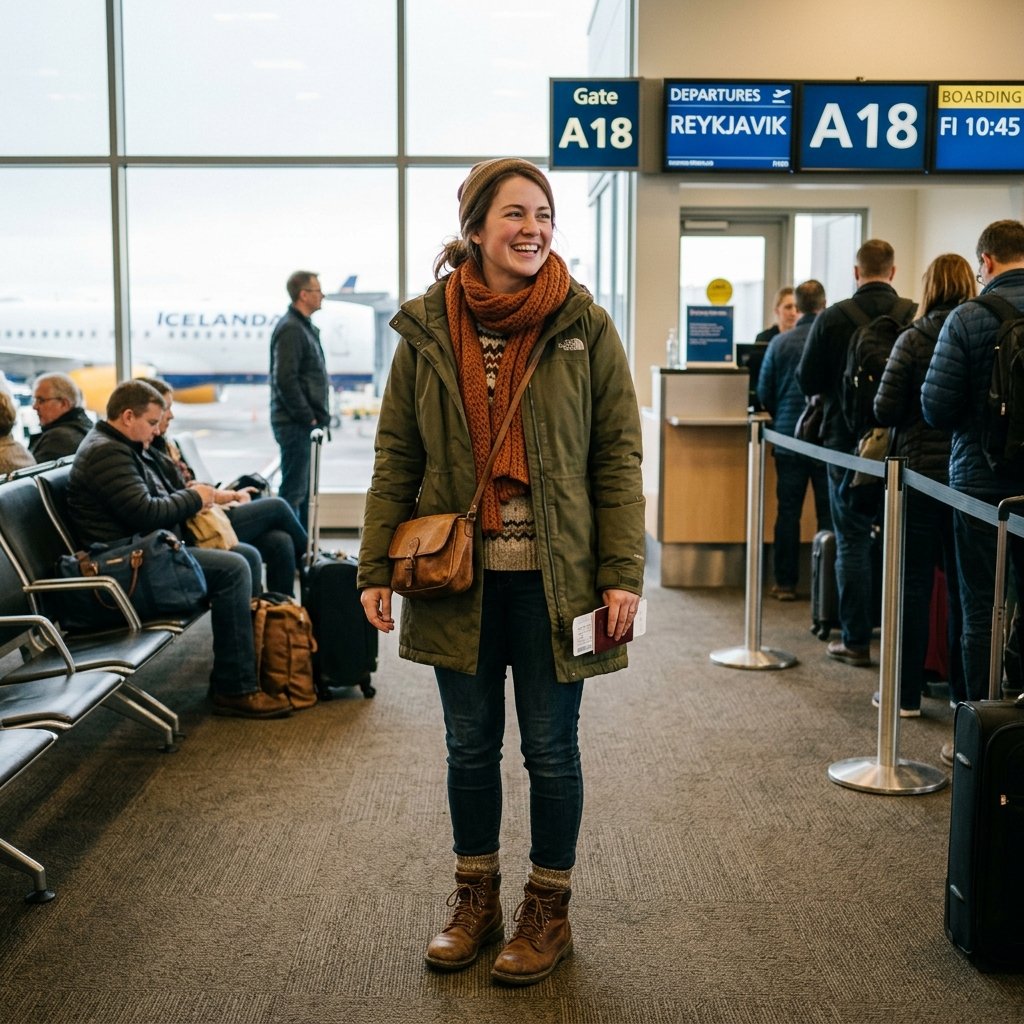
The Ultimate Loophole
Airlines regulate the size of your bag, but they do not regulate the size of you. This is the oldest trick in the frugal hacker’s book. On travel days, you should look like a marshmallow.
- Wear your heaviest coat onto the plane. Once you board, you can use it as a blanket or a pillow.
- Wear your bulkiest boots. Never pack boots in a carry-on; they are ‘space-killers’.
- Layer up! Wear a t-shirt, a flannel, and a sweater. You can take them off once you pass security if you get too warm.
- Use your pockets. Cargo pants are a frugal traveler’s best friend. Heavy chargers, power banks, and even socks can go in your pockets.
The Personal Item Hack
Remember, most airlines allow one carry-on AND one personal item (like a backpack). Use a backpack that maximizes the ‘under-seat’ dimensions (usually 18 x 14 x 8 inches). This is where you put your heavy electronics and your ‘must-access’ winter gear.
Navigating the Gate: Scripts and Scams
Dealing with ‘Mandatory’ Gate Checks
Sometimes, even if your bag fits, the gate agent will announce that the flight is full and they are ‘mandatory gate-checking’ all bags. If you want to keep your bag with you, you need to be prepared.
The ‘Polite Refusal’ Script:
“Actually, I have fragile electronics and expensive camera gear in here that I’m not comfortable checking. Is there any way I can try to find a spot under the seat or wait until the end to see if there’s room?”
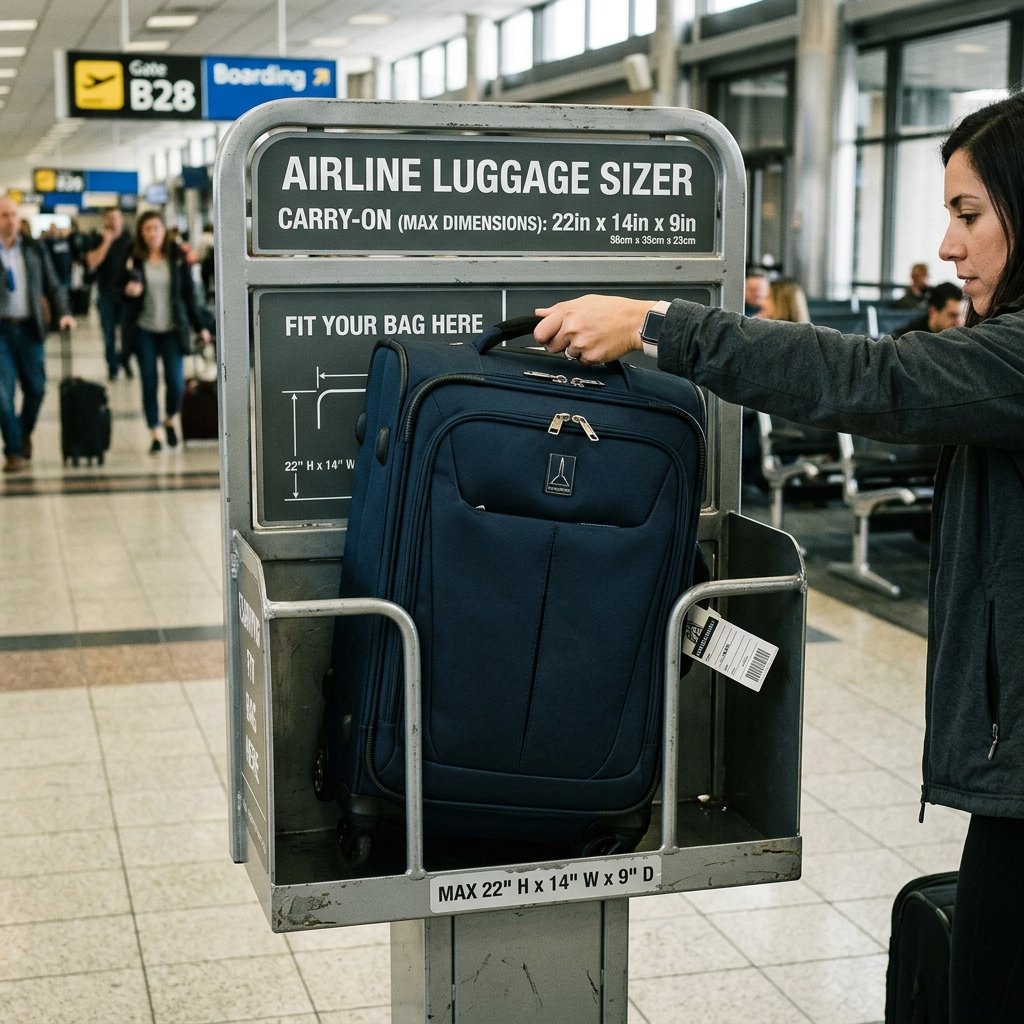
Scam Warning: The Oversized Sizer
Be wary of airline bag sizers. Sometimes they include the handle and wheels, and sometimes they don’t. Always measure your bag at home including the wheels. If an agent tries to charge you for a bag that clearly fits, stay calm. Show them your measurements and be polite but firm. Most agents will back down if you aren’t being difficult.
Conclusion
Packing for a winter trip in a carry-on isn’t just about saving $50; it is about the freedom of movement and the discipline of a frugal lifestyle. When you stop hauling massive suitcases, you start focusing on the experience rather than the gear. You have the math, the gear list, and the techniques to beat the airlines at their own game. So, the next time you book a winter getaway, challenge yourself. Leave the big bag in the closet, roll your sweaters tight, and wear your boots on the plane. Your wallet—and your back—will thank you. Happy (and cheap) travels!


Makenzie is the founder and lead writer at MoneyHackTips.com — a personal finance blog dedicated to delivering street-smart financial wisdom for real people on real budgets. With 300+ published articles covering everything from debt management to investing fundamentals, Makenzie’s mission is to make every dollar work harder. When not writing about money hacks, Makenzie is testing frugal living strategies, optimizing side hustles, and helping readers build financial freedom from scratch.