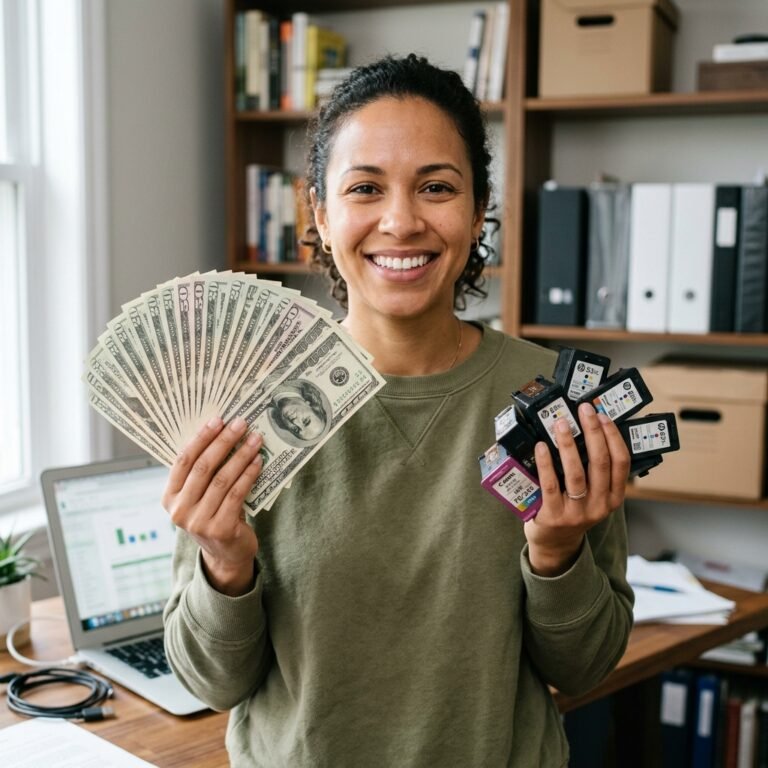


Hey there, fellow frugal hackers! Let us have a real talk about that monster lurking in your bedroom. You know the one. The closet that is so stuffed with clothes it is practically bursting at the seams, yet somehow, you still wake up every morning feeling like you have absolutely nothing to wear. I was right there with you. I was staring at a mountain of denim, sweaters I had not worn since 2019, and shoes that pinched my toes, realizing I was sitting on a literal goldmine. That is when I decided to take control. I went on a mission to declutter my life and pad my wallet, and guess what? I ended up making an extra $1,000 in just a few months, strictly by selling clothes I already owned.
If you are a frugal living enthusiast looking for a killer side hustle, selling your old clothes is the ultimate gateway. It requires zero upfront investment, clears up your physical space, and puts cash directly into your pocket. But let me be clear: throwing a blurry photo on the internet and hoping for the best is not going to cut it. You need a strategy. You need to know the platforms, the pricing psychology, and exactly how to talk to buyers. In this guide, I am going to walk you through my exact blueprint for turning unwanted apparel into serious cash. Grab a cup of coffee, roll up your sleeves, and let us turn your closet into your new favorite ATM!
The Closet Audit: Finding the Hidden Gold

Before you can start raking in the cash, you have to find the inventory. The biggest mistake people make is getting overly emotional about their clothes. To succeed at this side hustle, you need to adopt a ruthless, business-owner mindset. We are looking for items that have resale value, not holding onto a stained t-shirt just because you wore it to a great concert five years ago.
The 12-Month Rule
Here is my golden rule: If you have not worn it in the last 12 months, it is time to sell it. The only exceptions are formal wear or extreme weather gear. Pull everything out of your closet and lay it on your bed. Yes, everything. Seeing the sheer volume of what you own is a powerful psychological trigger that makes it easier to let go.
Sorting Your Inventory
Create three distinct piles:
- Pile 1: The Keepers. These are the items you wear regularly, fit you perfectly, and make you feel great.
- Pile 2: The Trash/Donate. Anything with unfixable holes, severe stains, or extreme wear and tear. Do not try to sell trash; it will ruin your seller reputation.
- Pile 3: The Cash Cow. Items in good to excellent condition that no longer fit your body or your style. This is your inventory!
Once you have your Cash Cow pile, check every single item for flaws. Check the armpits, the zippers, the hems, and the buttons. Honesty is the best policy when selling online, so you need to know exactly what condition your items are in.
Where to Sell: The Ultimate Platform Breakdown
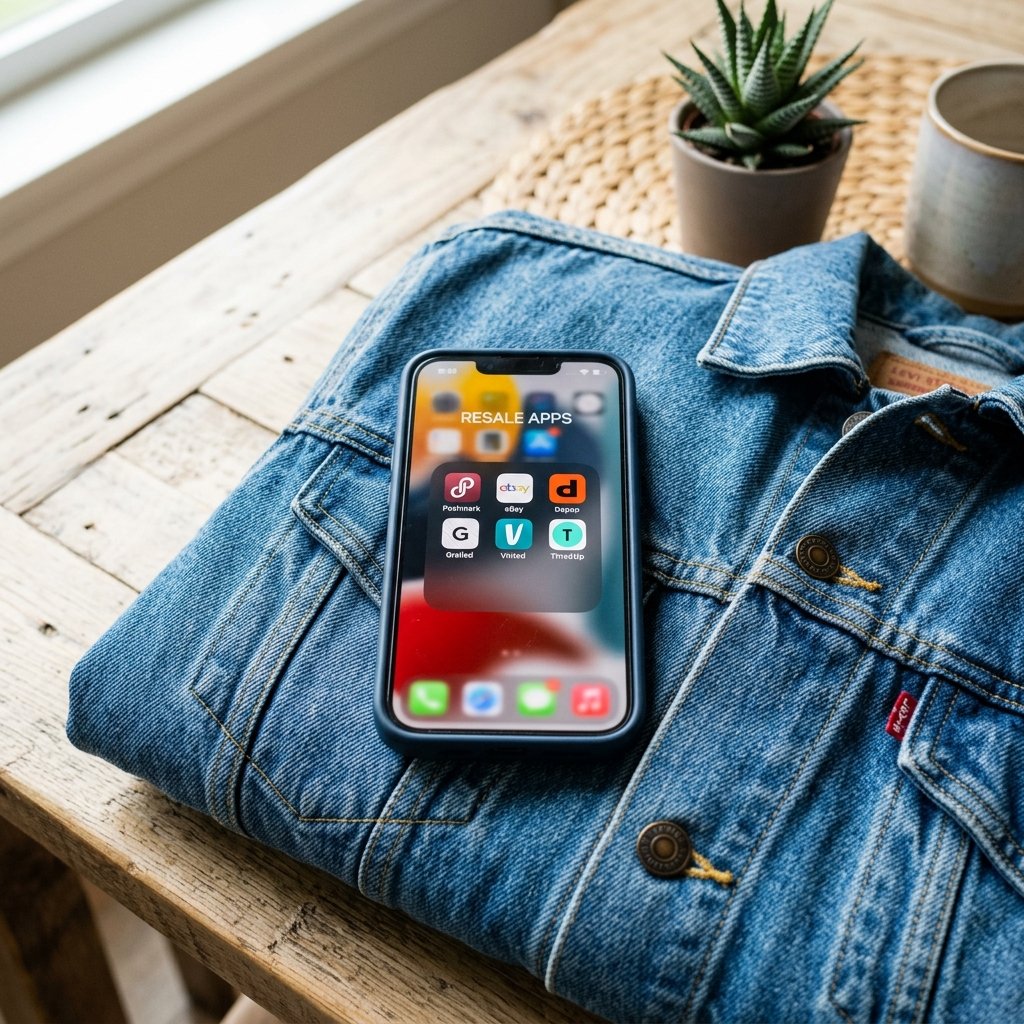
Not all selling platforms are created equal. Where you choose to list your items can drastically impact your earning potential and how quickly your clothes sell. You want to match the item to the platform’s demographic. Here is the street-smart breakdown of where to list your gear to maximize your profits.
Platform Cost Comparison & Earning Potential
| Platform | Best For | Seller Fees | Realistic Earning Potential |
|---|---|---|---|
| Poshmark | Mid-to-high end brands, trendy pieces | 20% flat fee (over $15) | $200 – $500/month |
| Mercari | Basics, mall brands, vintage, shoes | 10% plus payment processing | $100 – $300/month |
| eBay | Niche vintage, rare sneakers, high-end | Varies (roughly 13-15%) | $300 – $1,000+/month |
| Depop | Y2K, streetwear, Gen Z trends | 10% plus payment processing | $150 – $400/month |
My advice? Cross-list your best items. If you have a vintage Levi’s denim jacket, put it on Poshmark, Mercari, and Depop. The more eyes on your item, the faster it sells. Just remember to delete the listing from the other platforms the second it sells to avoid double-selling!
The Formula: Photography & Descriptions that Sell
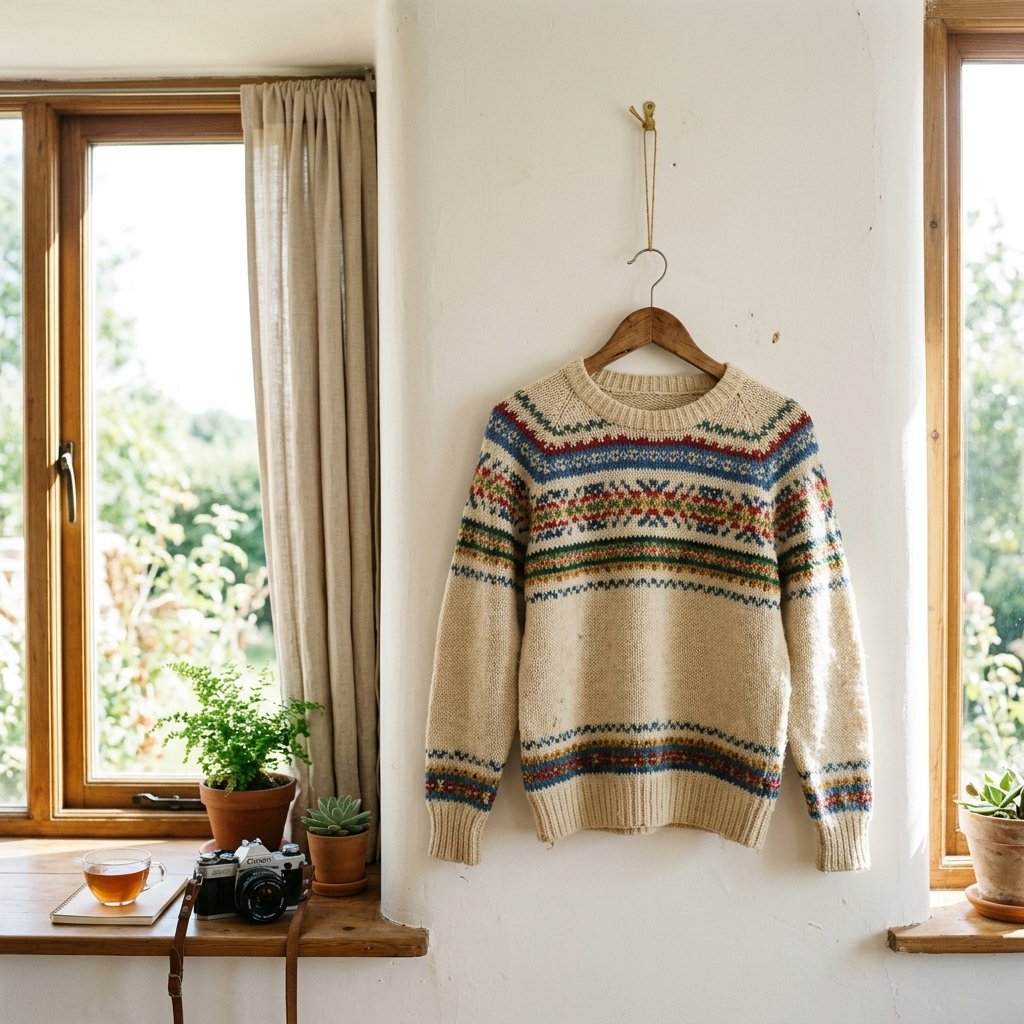
Listen up, frugal hackers: your photos are your storefront. If your photos look like they were taken in a dark dungeon with a potato, nobody is going to give you their hard-earned money. You do not need a fancy camera, but you do need to follow a few basic rules to make your items look irresistible.
Photography Hacks
- Natural Light is King: Never use a flash. Set up a hook on a blank wall near a window and shoot during the day.
- The Cover Shot: Your first photo needs to show the entire item clearly. Hang it neatly or do a clean flat-lay on a white background.
- Detail Shots: Take photos of the brand tag, the size tag, the material tag, and any flaws. Buyers want to know exactly what they are getting.
Writing Descriptions that Convert
Your description is where you close the deal. You need to use SEO (Search Engine Optimization) keywords so people can actually find your listing. Do not just write ‘cute blue shirt.’ Write ‘J.Crew Navy Blue Silk Button-Down Blouse Size Medium Long Sleeve Office Wear.’ See the difference?
Always include measurements! Pit-to-pit and length are the bare minimum. This prevents returns and shows buyers you are a serious, professional seller.
Pricing & Negotiation: Securing the Bag

Pricing is a psychological game. If you price too high, your item sits forever. If you price too low, you leave money on the table. My rule of thumb is to search the platform for ‘Sold’ listings of your exact item. See what people are actually paying, not what they are asking. Then, price your item 20% higher than your target sale price. This leaves room for buyers to make offers and feel like they are getting a deal!
Mastering the Art of Negotiation
Buyers are going to lowball you. It is part of the game. Do not take it personally. Instead, use these exact scripts to counter-offer and secure the bag while keeping the tone friendly and professional.
The Counter-Offer Script: “Hi there! Thank you so much for the offer! Because of the platform fees and the excellent condition of this piece, the lowest I can go right now is $45. Let me know if that works for you!”
The Firm Price Script: “Hey! Thanks for your interest. I just listed this item and have priced it at my absolute lowest to give everyone a great deal upfront. The price of $30 is currently firm. I can ship it out tomorrow if you purchase!”
Always respond to offers quickly. Strike while the buyer’s impulse to purchase is hot!
Scam Warnings & Shipping Hacks
As you build your side hustle empire, you need to protect yourself. The internet is full of opportunists, but if you know the red flags, you will never get caught off guard.
The Ultimate Scam Warning
The most common scam targets new sellers. A buyer will comment on your item asking you to text them or email them to arrange payment outside of the app.
Scam Warning: The “Take it Off-Platform” Trap. If a buyer says, “I love this! Please text me at 555-0199 or email me to arrange payment via CashApp,” ignore and report them immediately! Scammers use this to send fake payment confirmation emails and steal your item. ALWAYS keep communication and payments 100% on the app. If you go off-platform, you lose all seller protection.
Frugal Shipping Hacks
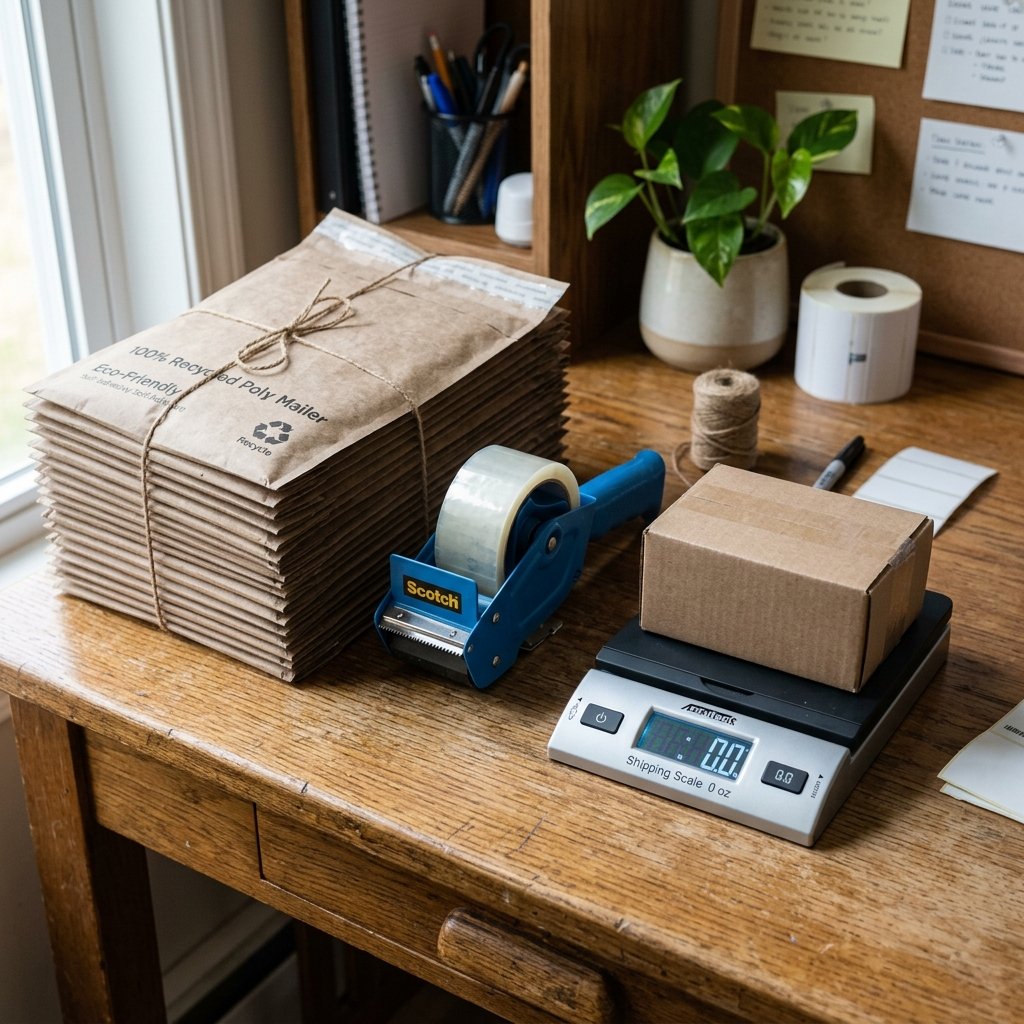
Shipping supplies can eat into your profits if you are not careful. As a frugal hacker, you should rarely pay for boxes. Save every Amazon, Target, or shoe box that comes into your house. Ask friends and family to save their polymailers for you. If you are selling on eBay, use a free service like PirateShip to get massive discounts on USPS and UPS rates. A digital shipping scale costs about $15 on Amazon and will pay for itself in a week by preventing over-postage fees.
Conclusion
Turning your closet into cash is one of the most rewarding side hustles out there. Not only did I make $1,000, but I also reclaimed my physical space and developed a much healthier relationship with my wardrobe. I stopped buying fast fashion and started viewing my clothes as assets. By auditing your closet, choosing the right platforms, taking bright photos, and negotiating like a pro, you can absolutely replicate this success. Remember, consistency is key. List a few items every day, share your closet, and watch those sales roll in. You have got this, frugal hackers! Now go tackle that closet and secure the bag.
Disclaimer: I am not a financial advisor, tax professional, or CPA. The earning potentials and strategies shared in this article are based on my personal experience and are for educational and entertainment purposes only. Always do your own research and consult a professional regarding tax implications for side hustle income in your specific state or country.


Makenzie is the founder and lead writer at MoneyHackTips.com — a personal finance blog dedicated to delivering street-smart financial wisdom for real people on real budgets. With 300+ published articles covering everything from debt management to investing fundamentals, Makenzie’s mission is to make every dollar work harder. When not writing about money hacks, Makenzie is testing frugal living strategies, optimizing side hustles, and helping readers build financial freedom from scratch.