


Hey there, my frugal friends! Welcome to the ultimate cheat code for seeing the world without emptying your wallet. If you are sitting there thinking that luxury travel, sipping coconuts on a pristine beach, or flying first class is only for the ultra-rich, I am here to tell you that you are dead wrong. You do not need a trust fund to travel; you just need a solid strategy. As your resident Ultimate Frugal Hacker, I am about to blow the lid off the travel industry’s best-kept secret: credit card points.
We are not talking about saving a few pennies or clipping coupons here; we are talking about hacking the system to get thousands of dollars in free travel. Travel hacking is the art of using your normal, everyday spending to earn massive credit card sign-up bonuses and points, which you then strategically redeem for flights, hotels, and experiences. It is a game, and the big banks have set the rules to favor themselves. But today, we are learning how to play the game so well that we win every single time. Grab a cup of home-brewed coffee, get comfortable, and let us dive into the idiot-proof guide to hacking credit card points so you can travel for absolutely free.
The Golden Rule of Travel Hacking
The Golden Rule of Travel Hacking
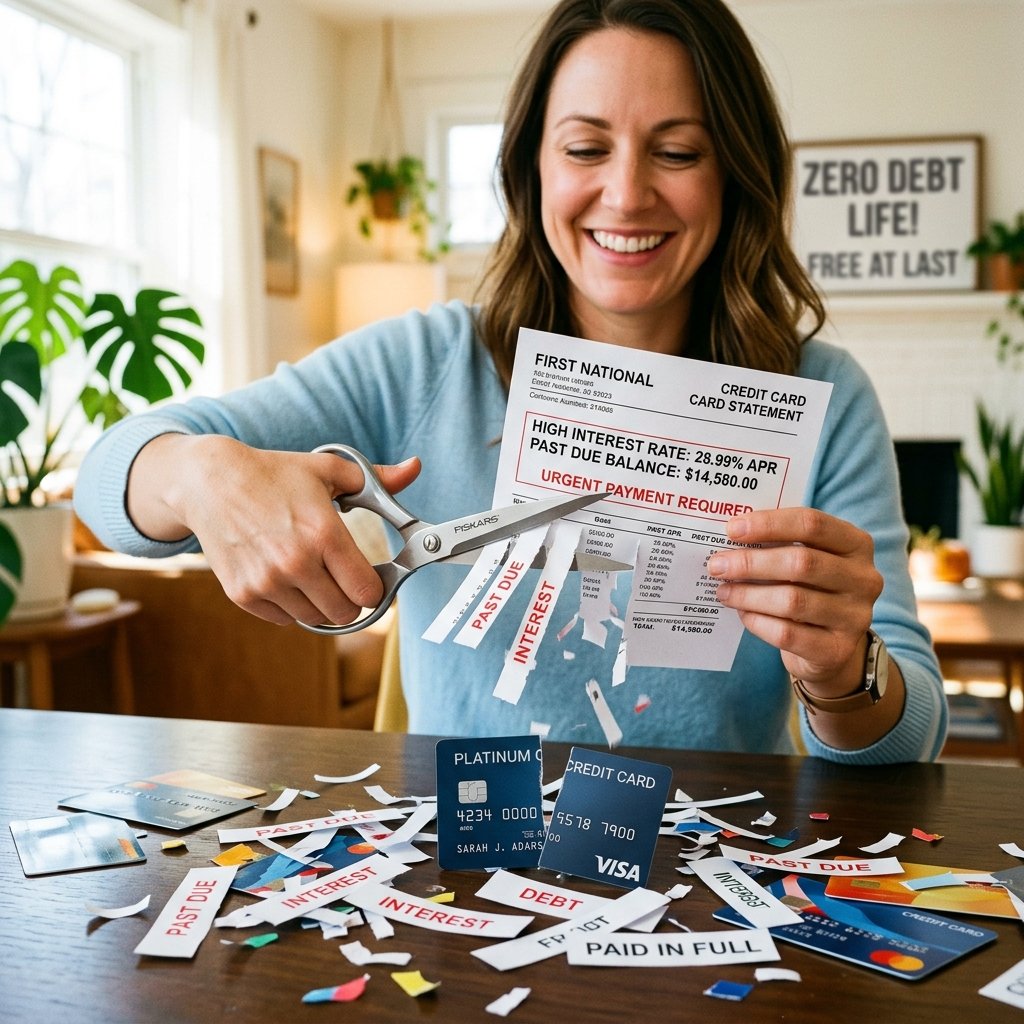
Before we even look at a single credit card or dream about our destination, we need to have a serious heart-to-heart about your finances. Travel hacking is incredibly lucrative, but it is a double-edged sword. The banks offer these massive sign-up bonuses because they are betting that you will mess up, carry a balance, and pay them a fortune in interest. We are frugal hackers; we do not pay interest. Ever. If you do not have control over your spending, this game is not for you.
The Golden Rule: You MUST pay off your credit card balance in full, every single month. If you pay even one cent of interest, the bank wins and your free travel is no longer free.
Treat your credit card exactly like a debit card. If you do not have the cash sitting in your checking account to buy those groceries, pay that utility bill, or cover your gas, you do not put it on the credit card. It is that simple. This strategy requires absolute discipline. By routing your normal, everyday expenses through a rewards card and paying it off immediately, you are essentially getting free money for things you were going to buy anyway. Furthermore, doing this will actually boost your credit score over time by lowering your credit utilization ratio and building a solid history of on-time payments. It is a win-win situation, but only if you follow the Golden Rule religiously.
The Math: Paying Cash vs. Hacking Points

The Math: Paying Cash vs. Hacking Points
Let us look at some hard numbers because, as frugal living enthusiasts, we know that the math never lies. Imagine you want to take a dream vacation to Hawaii for two people. Normally, you would have to save up for months, maybe years, to afford the expensive flights and luxury hotels. Let us break down the exact costs of paying out of pocket versus using a basic travel hacking strategy with just one or two credit card sign-up bonuses.
| Expense Category | Paying Cash (Out of Pocket) | Hacking Points (The Smart Way) |
|---|---|---|
| Round-Trip Flights (x2) | $1,200 | $22 (Taxes and Fees only) |
| 5 Nights Hotel Stay | $1,500 | $0 (Covered by Hotel Points) |
| Rental Car | $400 | $400 (Or less with portal discounts) |
| Food and Activities | $800 | $800 |
| Total Trip Cost | $3,900 | $1,222 |
By simply opening a couple of the right credit cards and routing your normal grocery, gas, and utility bills through them to hit the sign-up bonuses, you just saved a whopping $2,678 on a single trip. That is money that stays in your bank account, growing in your high-yield savings, or funding your next frugal project. The return on investment for the few hours it takes to learn this system is absolutely astronomical. The math proves that hacking points is the most efficient way to travel.
The Best Starter Cards for Frugal Beginners
The Best Starter Cards for Frugal Beginners
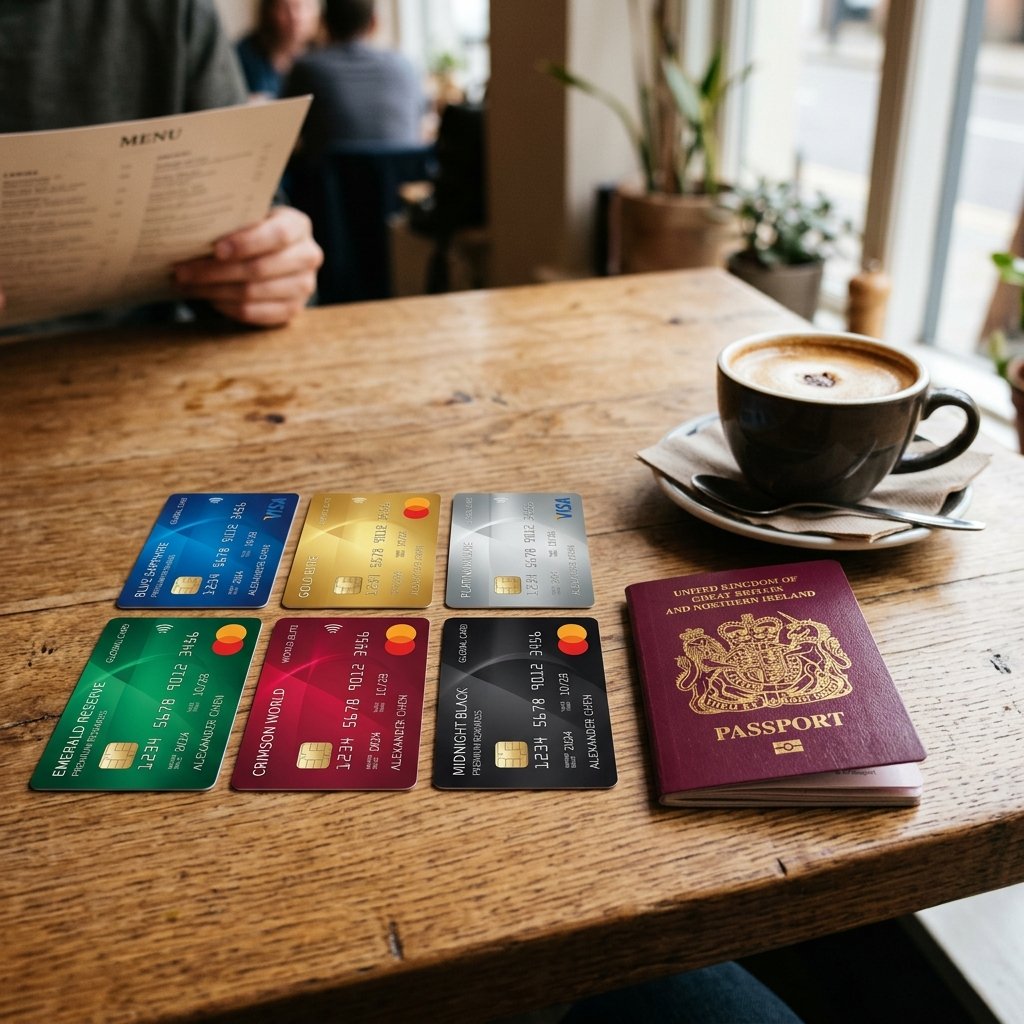
Now that you see the incredible potential of travel hacking, you are probably wondering exactly where to start. The credit card market is flooded with thousands of options, but for beginners, we want cards that offer flexible points, reasonable annual fees, and massive sign-up bonuses. Here is your cheat sheet to the best starter cards that every frugal hacker should have in their wallet.
Chase Sapphire Preferred
This is the undisputed king of beginner travel cards. The points you earn (Chase Ultimate Rewards) are incredibly valuable and easy to use.
- Sign-Up Bonus: Usually around 60,000 points after spending $4,000 in the first 3 months.
- Annual Fee: $95 (Easily offset by the value you get).
- Why Frugal Hackers Love It: You can transfer these points directly to travel partners like United Airlines or Hyatt. A 60,000 point bonus can easily get you three or four free nights at a beautiful Hyatt hotel, which would normally cost hundreds of dollars per night!
Capital One Venture Rewards
If you want something even simpler that does not require you to learn complicated transfer partners, this is a fantastic option. It acts more like an eraser for your travel purchases.
- Sign-Up Bonus: Typically 75,000 miles after spending $4,000 in the first 3 months.
- Annual Fee: $95.
- Why Frugal Hackers Love It: You earn 2x miles on every single purchase. No thinking about categories or rotating bonuses. Plus, you can just book a flight or hotel with the card, and use your points to wipe the charge off your statement entirely. It is the ultimate lazy travel hack for the frugal minimalist.
Tools of the Trade: Apps and Websites You Need
Tools of the Trade: Apps and Websites You Need
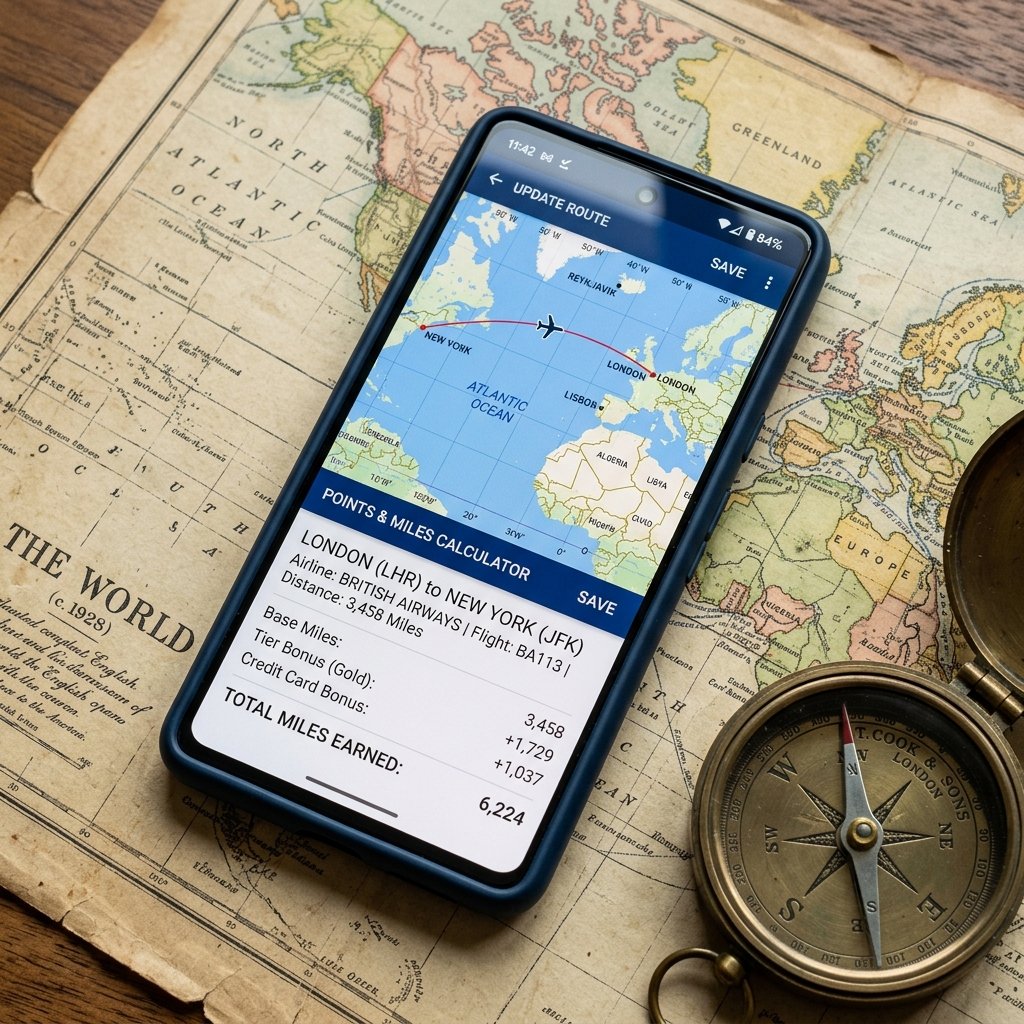
A true frugal hacker never works alone; they use the best tools available to maximize their efficiency and squeeze every drop of value out of their points. You do not need to memorize complicated award charts or airline alliances. You just need to bookmark these specific websites and download these essential apps to make your travel hacking journey a breeze.
- TravelFreely: This is a 100% free app that helps you track your credit cards, your sign-up bonus deadlines, and your 5/24 status (a strict rule Chase uses to limit how many cards you can get). It is essentially a free personal assistant for your wallet.
- Point.me: Think of this tool as Google Flights, but specifically for credit card points. You type in where you want to go, and it searches dozens of airline programs to tell you exactly which points to transfer and how to book the flight. It saves hours of frustrating research.
- AwardHacker: A fantastic, free website where you input your origin and destination, and it tells you the absolute lowest number of points required to get there across all frequent flyer programs.
- Google Flights: Even when booking with points, you need to know the cash prices to ensure you are getting a good deal. Google Flights is the best tool for finding cheap cash fares and tracking price drops, ensuring you never waste points on a cheap flight.
Scam Warning & Pitfalls to Avoid

Scam Warning & Pitfalls to Avoid
Listen up, because this is where a lot of eager beginners trip up and end up losing money. The banks are smart, but we are smarter. To protect your frugal lifestyle, you must navigate this game carefully. Here are the biggest pitfalls you must avoid at all costs.
Scam Warning: Beware the Store Card Trap! Never, ever apply for a retail store credit card just to save 15% on your purchase at the register. These cards have terrible point systems, astronomical interest rates, and they take up a valuable slot in your credit report that could have been used for a premium travel card offering a $750 bonus. A $20 discount on jeans is not worth losing a free flight to Europe!
Another major pitfall is the infamous Chase 5/24 Rule. Chase will automatically deny your application for any of their credit cards if you have opened 5 or more personal credit cards across ANY bank in the last 24 months. Because Chase has the best beginner cards, you must prioritize them first. Do not waste your first few applications on random cash-back cards from your local credit union. Finally, beware of annual fee creep. While a $95 fee is perfectly fine if the card gives you $500 in value, do not hold onto 10 cards with annual fees if you are not actively using their benefits. You can always call the bank and ask to downgrade the card to a no-annual-fee version to keep your credit history alive without paying the fee.
Conclusion
And there you have it, the absolute idiot-proof guide to hacking credit card points and traveling for free! By treating your credit cards like debit cards, understanding the math, picking the right starter cards, and using the best tools, you have unlocked a lifetime of cheap travel. Frugal living is not about depriving yourself; it is about ruthlessly cutting costs on the things that do not matter so you can live lavishly on the things that do. Travel is one of those things. So, check your budget, plan your everyday spending, and get ready to book that dream vacation. Remember, every time you swipe a debit card, you are leaving free money on the table. It is time to hack the system and see the world!
Disclaimer: I am not a financial advisor. This content is strictly for educational and entertainment purposes. Credit cards involve financial risk. Always do your own research, understand the terms and conditions, and never spend more than you can afford to pay off in full every month.


Makenzie is the founder and lead writer at MoneyHackTips.com — a personal finance blog dedicated to delivering street-smart financial wisdom for real people on real budgets. With 300+ published articles covering everything from debt management to investing fundamentals, Makenzie’s mission is to make every dollar work harder. When not writing about money hacks, Makenzie is testing frugal living strategies, optimizing side hustles, and helping readers build financial freedom from scratch.