
The War on Highway Robbery
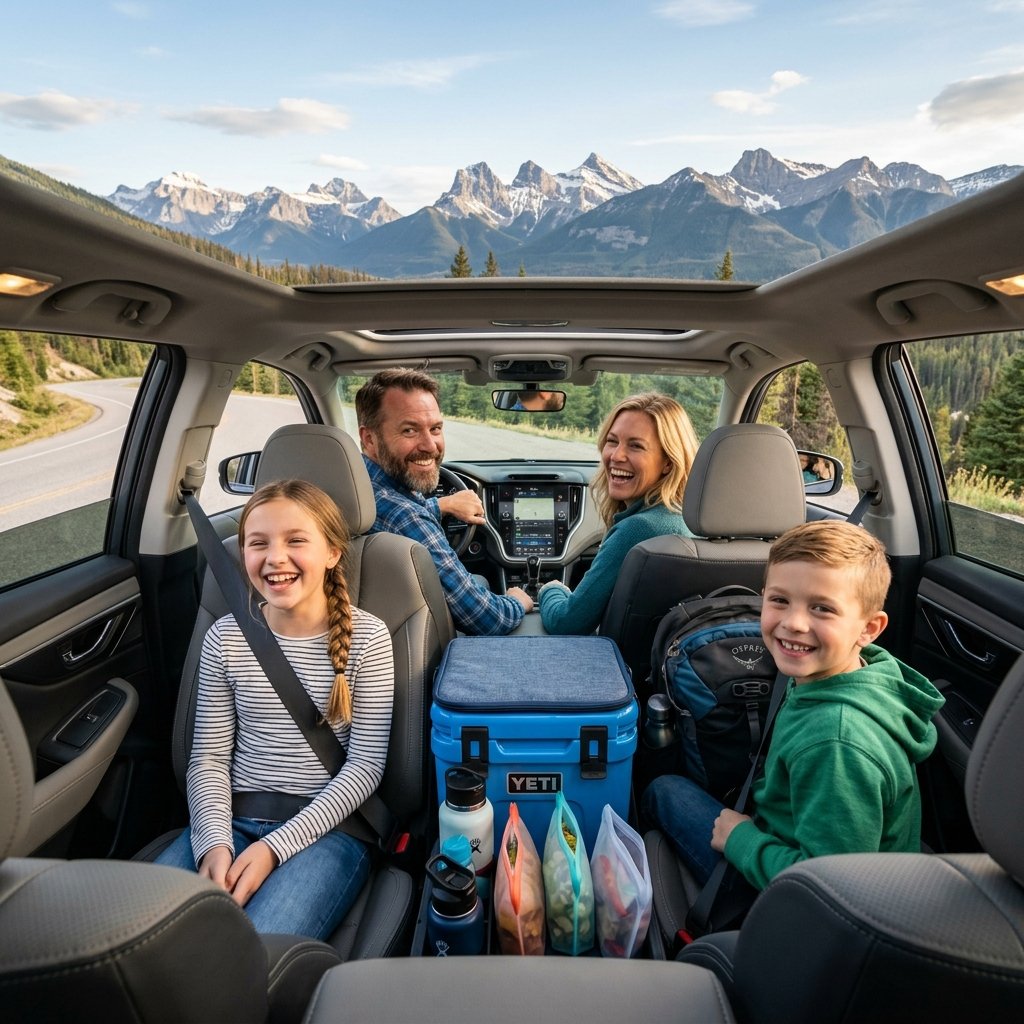
Listen, we have all been there. You are three hours into a cross-country trek, the kids are starting to get ‘hangry,’ and the only sign of life is a neon-lit rest stop. You pull in, grab four ‘value’ meals, a few bags of chips, and some sodas. By the time you swipe your card, you are down $65 and your stomach already regrets the decision. As the Ultimate Frugal Hacker, I am here to tell you that there is a better way. You can feed a family of four for just $20 a day without living on stale crackers. This is not just about saving money; it is about reclaiming your health and your travel budget. We are talking about $140 for a full week of food versus the $400+ you would spend at drive-thrus. That is extra money for gas, national park passes, or even a nicer hotel at the end of the night. In this guide, I am going to break down the exact gear you need, the grocery list that makes it happen, and the street-smart hacks to keep your costs at rock bottom while you are on the open road.
The Gear: Building Your Mobile Kitchen
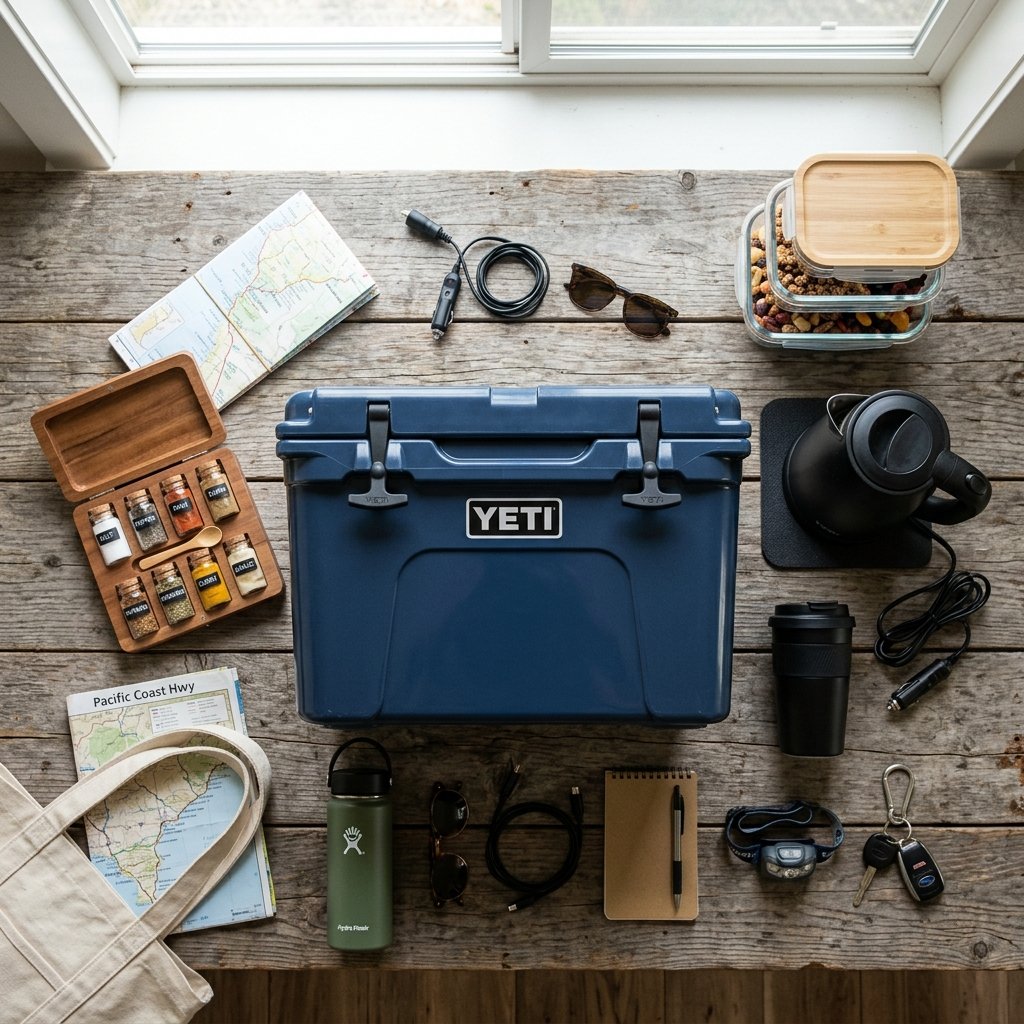
The Frugal Hacker’s Toolkit
Before you even turn the ignition, you need the right setup. You cannot save $100s if you do not have a way to keep food cold and organized. You do not need a fancy RV kitchen; you just need a few key items that pay for themselves in the first two days.
The Essential Packing List
- The High-Efficiency Cooler: You do not need a $400 brand-name cooler, but a well-insulated rotomolded one or a high-quality soft-sided cooler is key.
- Electric Kettle (12V): This is the secret weapon. It plugs into your car’s cigarette lighter and allows you to make oatmeal, coffee, and even instant noodles while moving.
- Stackable Containers: Square containers save more space than round ones. Use them to portion out meals before you leave.
- The ‘Condiment Kit’: Stop buying full-sized bottles. Use a pill organizer or small travel jars for salt, pepper, hot sauce, and mayo.
Pro Tip: Freeze gallon jugs of water to use as ice packs. As they melt, you have ice-cold drinking water for free, and they do not leave a soggy mess in the bottom of your cooler.
The $20 Daily Menu Breakdown
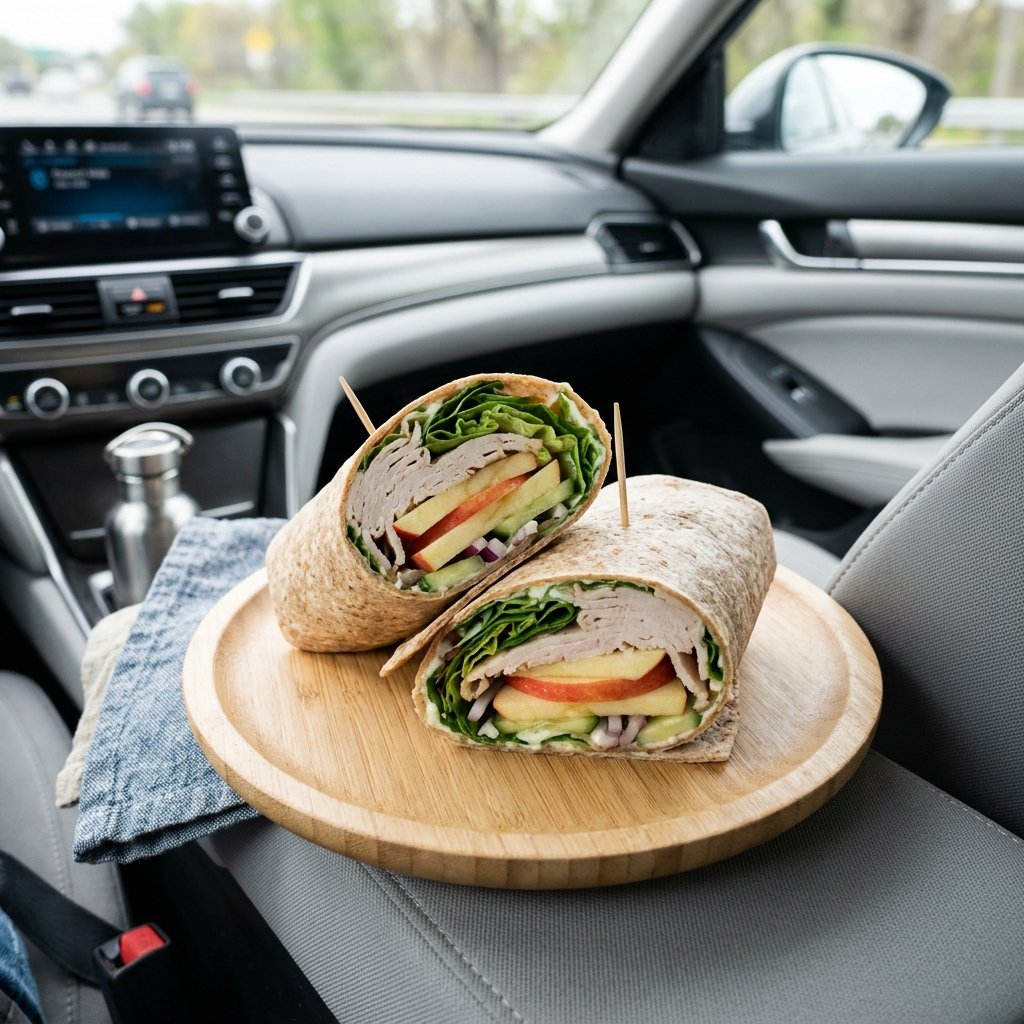
How the Math Works
Feeding four people on $20 a day means each person has a daily budget of $5. That sounds impossible if you are thinking about restaurant prices, but when you buy at grocery store prices, it is actually quite generous. Here is what a typical ‘Hacker Day’ looks like on the road.
| Meal | What We Are Eating | Estimated Cost |
|---|---|---|
| Breakfast | Instant Oatmeal with Dried Fruit & Bananas | $3.00 |
| Lunch | Turkey and Cheese Wraps with Apple Slices | $6.50 |
| Dinner | Couscous with Canned Chicken and Veggies | $7.50 |
| Snacks | Bulk Popcorn and Hard-Boiled Eggs | $3.00 |
| Total | Full Day of Food for 4 | $20.00 |
Why This Works
We focus on high-protein, high-fiber foods that keep the family full longer. Wraps are better than bread because they do not get squished in the cooler. Couscous is the ultimate road dinner because it only requires hot water—no boiling on a stove for 10 minutes required.
The Grocery Strategy: DIY vs. Convenience Store
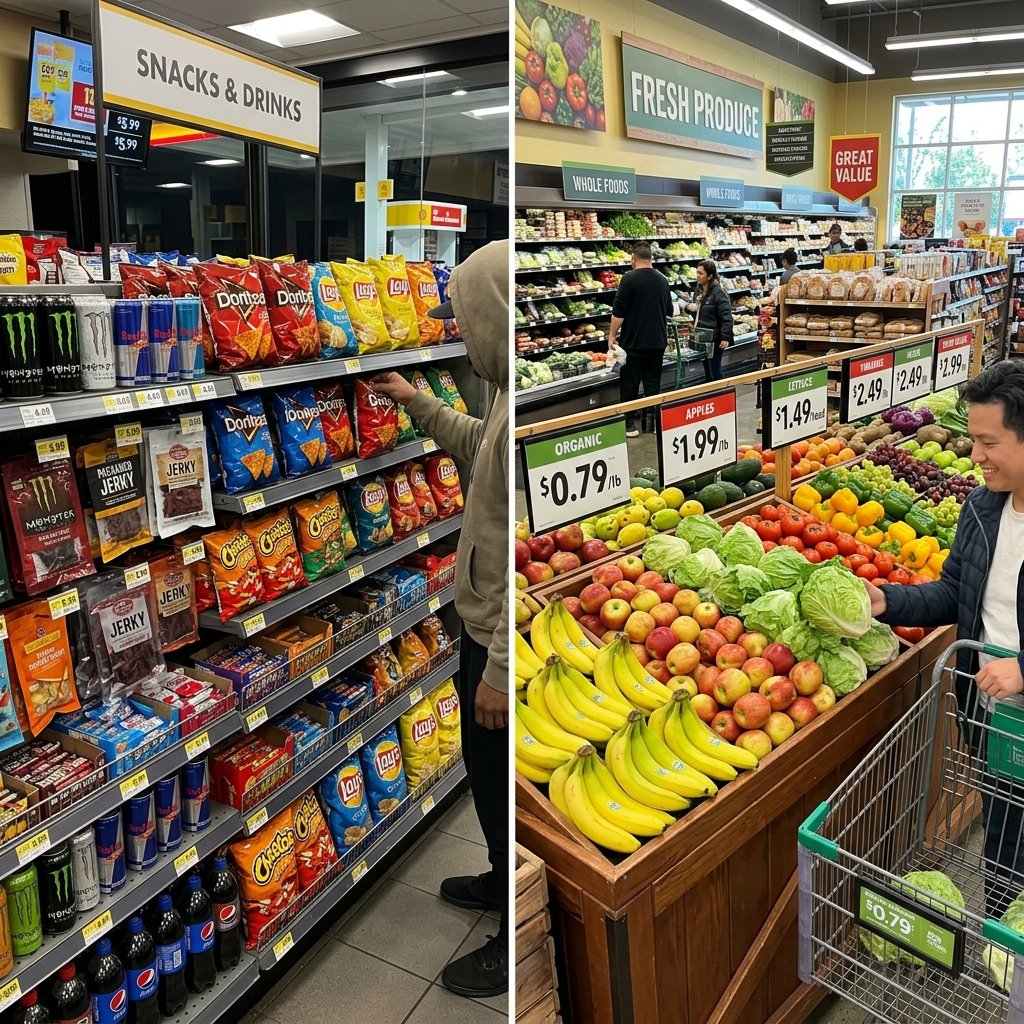
The Price of Convenience
The biggest enemy of the frugal traveler is the ‘convenience tax.’ Everything inside a gas station is marked up by 200% to 500%. By shopping at a discount grocer like Aldi or Walmart before your trip, you are effectively giving yourself a 75% discount on your entire food bill.
Cost Comparison: The Real Numbers
| Item | Gas Station Price | Grocery Store (Bulk) | Total Savings |
|---|---|---|---|
| Bottled Water (4 pack) | $8.00 | $1.50 | $6.50 |
| Beef Jerky (Large bag) | $12.00 | $5.00 | $7.00 |
| Individual Yogurt | $2.50 | $0.60 | $1.90 |
| Family Sized Chips | $6.00 | $2.50 | $3.50 |
When you look at these numbers, it is clear: one stop at a gas station for snacks can cost as much as your entire day’s meal plan. Over a 5-day trip, these small choices save you over $150.
Hacks for Freebies and Refills
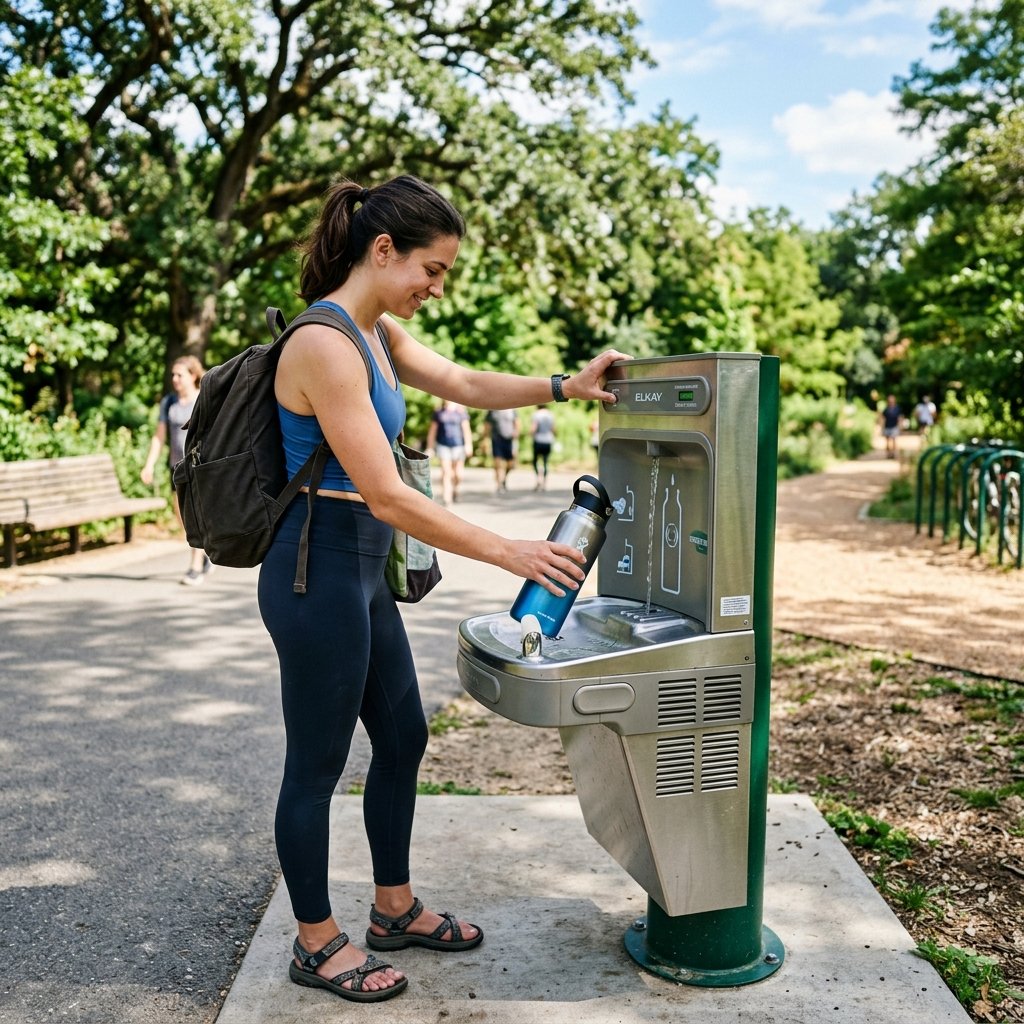
The Hacker’s Guide to Free Stuff
Part of being a Frugal Hacker is knowing where the ‘free’ stuff is hidden. You should never pay for ice, water, or basic condiments while on a road trip. These small wins add up to big savings over hundreds of miles.
The Freebie Checklist
- Ice Refills: Most fast-food places will let you fill your cooler with ice for free if you ask nicely, or for a $0.50 ‘cup charge.’ Always ask before you buy a $5 bag of ice.
- The Condiment Hoard: If you do have to stop for a coffee, grab a few extra mustard, mayo, or red pepper packets. These are perfect for your car-side wraps and save you from buying full jars.
- Water Stations: Use apps like ‘Refill’ to find locations where you can fill your gallon jugs with filtered water for free. Avoid the $2.00 plastic bottles at all costs.
- Hotel Breakfast Stealth: If you are staying at a budget hotel with free breakfast, that is your lunch too. Grab an extra couple of apples and a bagel to smear with peanut butter for the road.
Scam Warning: Beware of ‘Travel Size’ sections in grocery stores. They often charge $2.00 for a tiny bottle of aspirin or dish soap. Buy the full size and use small reusable containers from home instead.
Step-by-Step Meal Prep Instructions
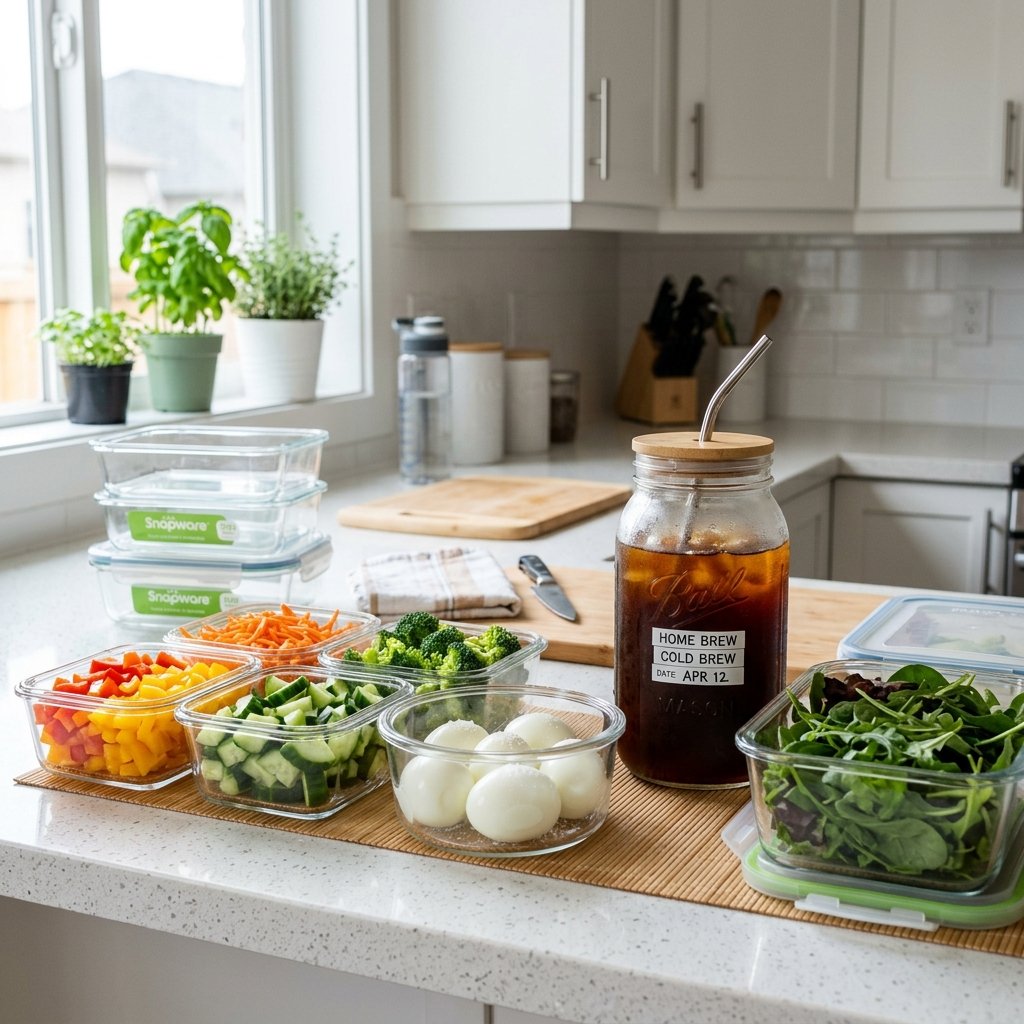
The Frugal Tutorial: Preparing for the Drive
Success on a $20 budget happens in your kitchen 24 hours before you leave. If you wait until you are on the road to ‘figure it out,’ you will fail. Follow these steps to ensure your mobile pantry is ready for action.
- Pre-Cook the Protein: Boil a dozen eggs and grill a pack of chicken breasts. These stay fresh in the cooler for 3-4 days and provide the bulk of your protein.
- The ‘Dry Box’ vs. ‘Wet Box’: Organize your food into two bins. The ‘Dry Box’ holds bread, nuts, and fruit. The ‘Wet Box’ (the cooler) holds the perishables. This prevents your crackers from getting soggy.
- Pre-Chop the Veggies: Carrots, celery, and bell peppers should be pre-sliced. They are the perfect ‘boredom snack’ for kids and cost $0.50 compared to the $4.00 pre-cut trays.
- Batch Coffee: If you are a coffee drinker, do not spend $5 per cup at Starbucks. Brew a large pot of cold brew before you leave and keep it in a half-gallon jar in the cooler.
By doing this prep, you eliminate the ‘decision fatigue’ that leads to expensive fast food detours. You have a plan, and the plan costs $20.
The Strategy for Long-Haul Savings
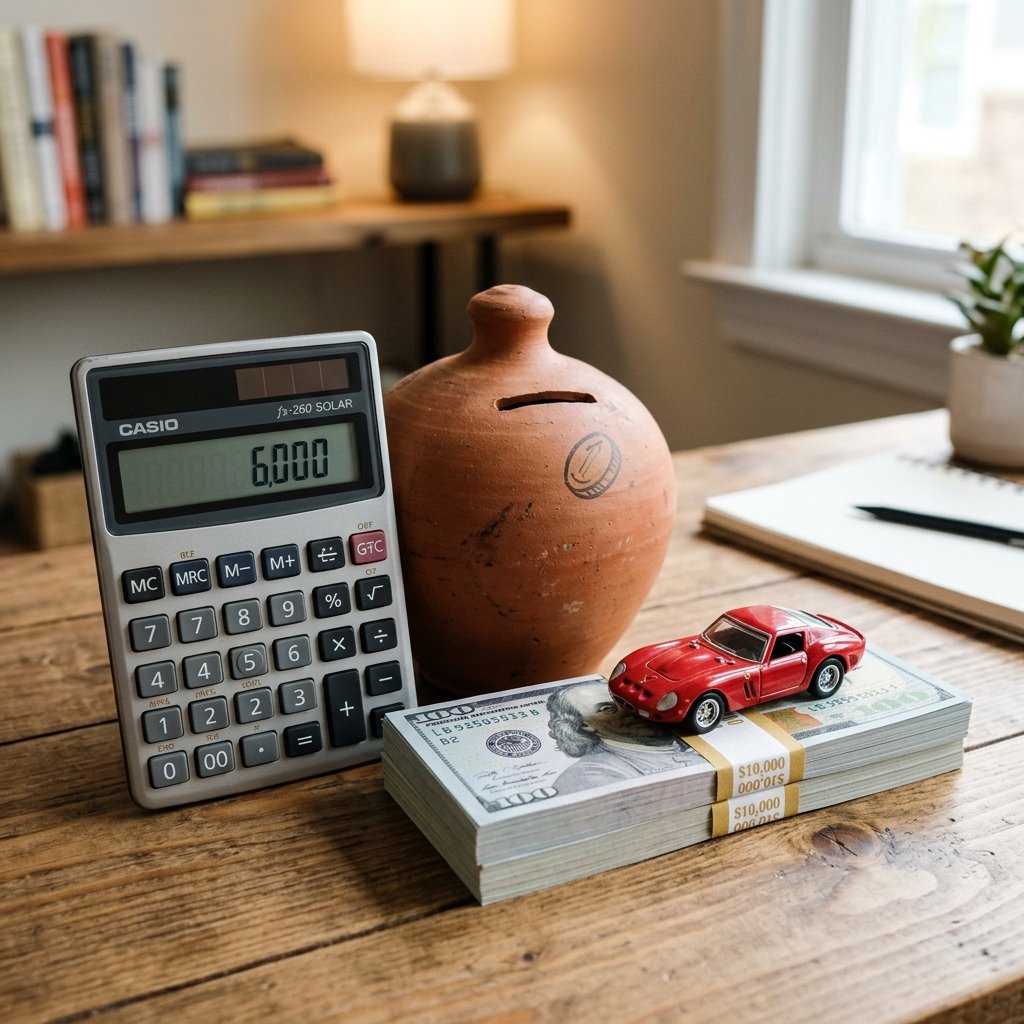
Scaling Your Savings
If you take two road trips a year and follow this $20/day plan instead of the standard $80/day family spend, the math is staggering. Over a 10-year period, you aren’t just saving pennies; you are saving for a down payment or a college fund.
Long-Term Math Example
- Average Road Trip Food Spend (5 days): $400
- Frugal Hacker Spend (5 days): $100
- Savings per Trip: $300
- Savings over 10 Years (2 trips/year): $6,000
That $6,000 is the ‘Frugal Dividend.’ It is the reward for being smart, prepared, and a little bit ‘hacky’ with your travel habits. It proves that living frugally isn’t about deprivation; it is about intentionality.
Conclusion
Hit the Road Without Breaking the Bank
Feeding a family of four on a road trip for $20 a day is more than just a challenge; it is a badge of honor for the savvy traveler. By investing a little time in prep, choosing the right gear, and avoiding the convenience traps of the highway, you can see the world without draining your bank account. Remember, the best memories aren’t made in the drive-thru line; they are made at the scenic overlooks and the roadside parks where you enjoy a meal together as a family. So, pack that cooler, fill those water jugs, and get out there. The road is calling, and it is finally affordable. Not a financial advisor.


Makenzie is the founder and lead writer at MoneyHackTips.com — a personal finance blog dedicated to delivering street-smart financial wisdom for real people on real budgets. With 300+ published articles covering everything from debt management to investing fundamentals, Makenzie’s mission is to make every dollar work harder. When not writing about money hacks, Makenzie is testing frugal living strategies, optimizing side hustles, and helping readers build financial freedom from scratch.