

The Ultimate Frugal Career Hack
Let’s get real for a second. We’ve been told for decades that the only way to earn a professional wage is to spend four years and $40,000 (or more!) on a degree. But what if I told you that you could skip the student debt and jump straight into a career that pays $60 per hour? Welcome to the world of virtual bookkeeping. As a frugal living enthusiast, you already possess the most important skill: a keen eye for where the money is going. In this guide, we aren’t just talking about a hobby; we are talking about building a scalable, low-overhead business that respects your time and your wallet. You don’t need to be a math genius or a CPA. You just need a system, a laptop, and the grit to follow through. Let’s dive into how you can launch your own $60/hr virtual bookkeeping business from home without a single college credit.
The Math: Why Bookkeeping is a Frugal Goldmine

When we evaluate side hustles, we have to look at the ‘Return on Effort.’ Driving for ride-share apps or delivering groceries might put cash in your pocket today, but after gas, insurance, and wear-and-tear on your car, you’re lucky to clear $15/hr. Bookkeeping is different. Because you are providing a high-value professional service that helps business owners save money and stay legal, you can command much higher rates.
Realistic Earning Potential
Most entry-level virtual bookkeepers start their rates at $40/hr, but once you have a few months of experience and a niche, $60/hr to $80/hr is the industry standard for independent contractors. Here is a breakdown of what your monthly income could look like based on your commitment level:
| Client Load | Hours per Month | Hourly Rate | Monthly Gross Income |
|---|---|---|---|
| 3 Small Clients | 15 Hours | $60 | $900 |
| 10 Small Clients | 50 Hours | $60 | $3,000 |
| Full-Time Load | 120 Hours | $60 | $7,200 |
The beauty of this model is the recurring revenue. Unlike a one-off project, a bookkeeping client needs you every single month. This means you spend less time ‘hunting’ for work and more time ‘doing’ the work.
The Low-Cost Toolkit: Setting Up for Under $100

A true frugal hacker knows that you don’t need the fanciest gear to start. You likely already have the most expensive piece of equipment: a reliable computer. To launch a professional bookkeeping business, your ‘startup capital’ is incredibly low compared to a brick-and-mortar business.
The Bare Essentials
- Accounting Software: Most clients will pay for their own QuickBooks Online or Xero subscription. You can often get a ‘ProAdvisor’ account for $0 as the practitioner.
- Communication: Use a professional email address (e.g., yourname@yourbiz.com). You can set this up through Google Workspace for about $6/month.
- Security: A reliable password manager and a basic VPN are non-negotiable when handling financial data. Budget $10/month.
- Education: Do not pay for an expensive $2,000 course right away. Start with the free QuickBooks ProAdvisor certification provided directly by Intuit.
By leveraging free certifications and client-funded software, your initial out-of-pocket costs can be kept under $100. This is the definition of a low-risk, high-reward venture.
The Step-by-Step Launch Plan

You don’t need a degree, but you do need knowledge. Here is the exact sequence to go from ‘interested’ to ‘open for business.’
- Get Certified (For Free): Sign up for the QuickBooks Online Accountant portal. It is free for bookkeepers. Complete the ProAdvisor training. This gives you a badge to put on your website and LinkedIn, proving you know the software.
- Choose Your Niche: Don’t just be a ‘bookkeeper.’ Be a ‘Bookkeeper for E-commerce Sellers’ or ‘Bookkeeper for Landscapers.’ Specializing allows you to work faster and charge more because you understand their specific tax deductions.
- Set Up Your Business Structure: In the US, you can start as a Sole Proprietorship, but an LLC offers better protection. Check your state’s filing fees; some are as low as $50.
- Open a Business Bank Account: Keep your personal and business finances separate from day one. Look for a ‘No-Fee’ business checking account at a local credit union to stay frugal.
Key Rule: Never mix your personal coffee runs with your business expenses. Clean books start with your own!
The Hunt: How to Land Your First $60/Hr Client

Finding your first client is the hardest part, but once the seal is broken, referrals will do most of the work for you. Forget expensive ads; use the ‘Frugal Hacker’ approach to networking.
The Outreach Strategy
Start with your local network. Every small business owner—the person who cuts your hair, the owner of your favorite coffee shop, your local plumber—needs clean books for tax season. Many are currently doing it themselves and hating every second of it.
The Script
Use this exact script when reaching out to potential clients via LinkedIn or email:
“Hi [Name], I’ve been a fan of [Business Name] for a while! I’m a certified QuickBooks specialist helping local [Niche] businesses save an average of 10 hours a month by streamlining their bookkeeping. I noticed you’re growing fast and wondered if you’ve considered outsourcing your books to free up your time for more high-level growth? I’d love to offer a free 15-minute ‘Financial Health Check’ to see if I can help you find some hidden savings. No pressure at all!”
Notice that we aren’t asking for a job; we are offering value. By finding them ‘hidden savings’ (like forgotten subscriptions or tax-deductible expenses), your $60/hr fee pays for itself.
Scam Warning: How to Spot ‘Fake’ Bookkeeping Jobs
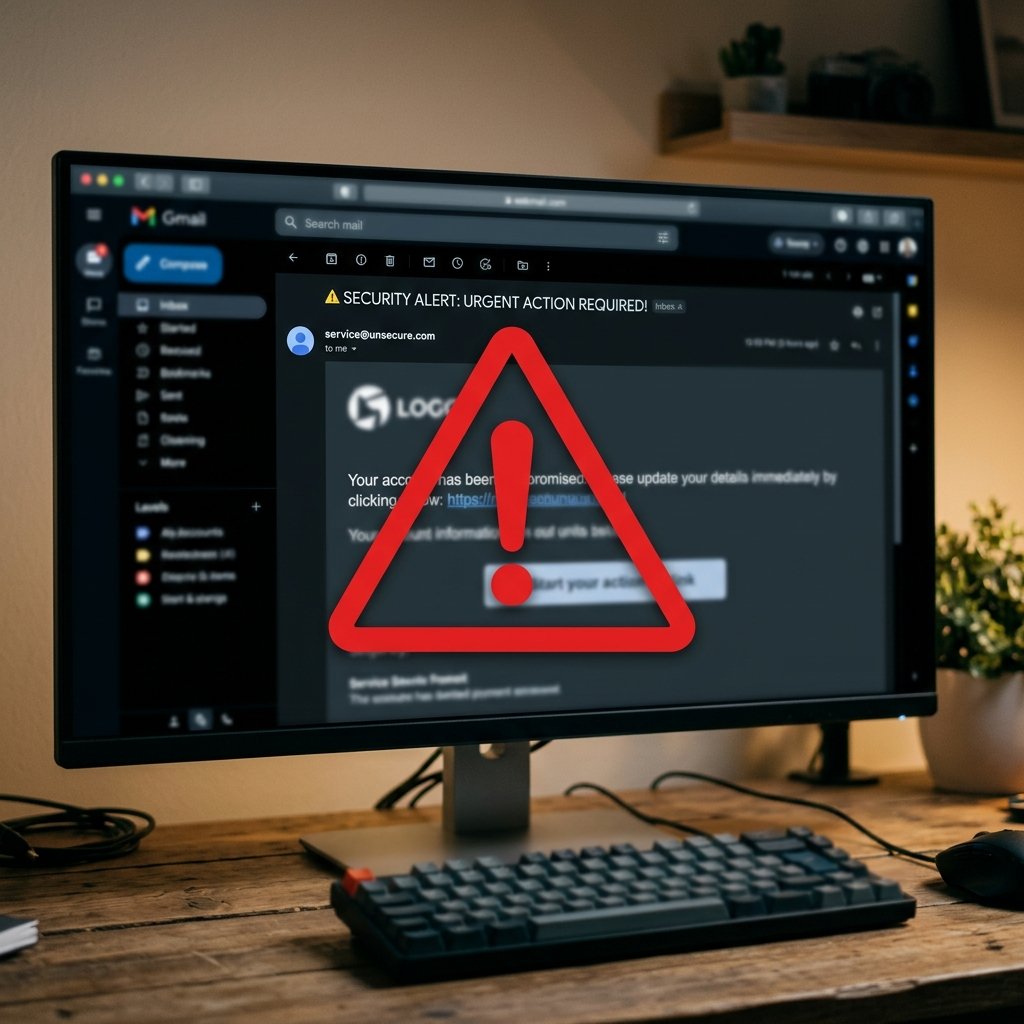
As you search for remote work, you will encounter scammers. Because ‘Work from Home Bookkeeping’ is a popular search term, bad actors are everywhere. Protect your identity and your wallet with these rules.
Red Flags to Watch For
- The ‘Check’ Scam: If a ‘client’ sends you a check for $2,000 and asks you to buy equipment and send the ‘leftover’ money back to them, it is a scam. The check will bounce, and you will be out of your own money.
- Payment for Training: If a company asks you to pay them for a ‘mandatory’ training program before you start working, run away. Real employers pay you for training.
- Interviewing on Telegram/WhatsApp: Legitimate businesses use professional platforms like Zoom, Google Meet, or Microsoft Teams. If they insist on chatting only via an encrypted app without a face-to-face call, be extremely cautious.
Scam Warning: Never provide your Social Security Number or banking info until you have verified the business via a video call and a signed, legal contract.
Conclusion
Launching a virtual bookkeeping business is one of the most effective ways to achieve financial independence without the baggage of traditional higher education. For the frugal hacker, it is the perfect storm: low startup costs, high hourly rates, and total location independence. You have the tools, you have the script, and you have the plan. Now, the only thing left is to take that first step and get your free certification. Your future self—the one earning $60/hr while sipping coffee in their pajamas—will thank you. Not a financial advisor.


Makenzie is the founder and lead writer at MoneyHackTips.com — a personal finance blog dedicated to delivering street-smart financial wisdom for real people on real budgets. With 300+ published articles covering everything from debt management to investing fundamentals, Makenzie’s mission is to make every dollar work harder. When not writing about money hacks, Makenzie is testing frugal living strategies, optimizing side hustles, and helping readers build financial freedom from scratch.