
Welcome to the World’s Largest Treasure Hunt
Have you ever dreamed of being Indiana Jones, minus the snakes and the rolling boulders? What if I told you that right now, as you read this, there are millions of hidden containers scattered across the globe—in parks, under park benches, and tucked into tree hollows—waiting for you to find them? Welcome to the world of geocaching. It is the ultimate frugal hobby because the world is your game board, and the entry fee is exactly $0. As your Ultimate Frugal Hacker, I am here to show you that you do not need expensive GPS equipment or high-end hiking gear to join this global community. All you need is a sense of adventure and the smartphone already in your pocket. Geocaching is more than just a game; it is a way to explore your own neighborhood, find hidden gems in new cities, and get some exercise without the soul-crushing monthly cost of a $50 gym membership. In this guide, we are going to break down how to start, what to bring, and how to keep it entirely budget-friendly.
Getting Started for Absolutely Zero Dollars
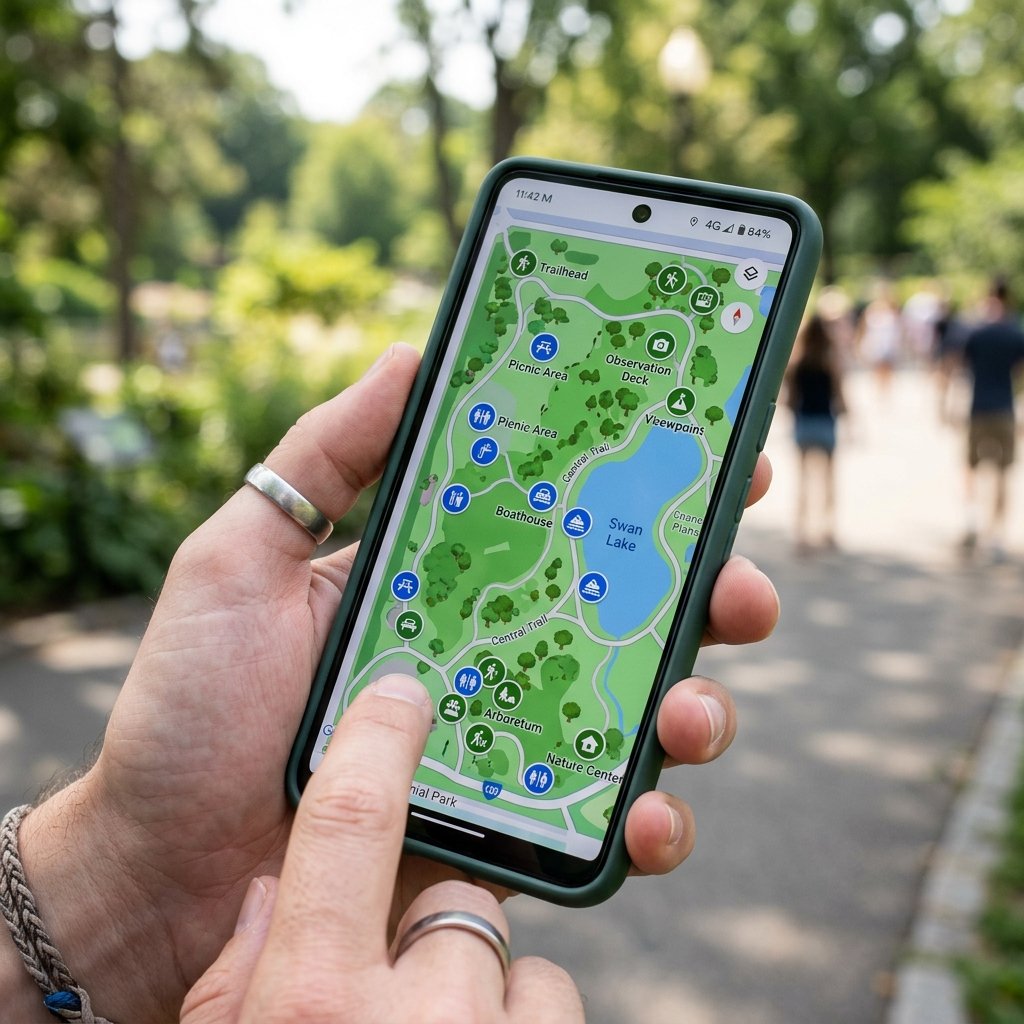
The Digital Map to Treasure
The first rule of the Frugal Hacker is never to pay for what you can get for free. While there are premium subscriptions available for geocaching, the basic version is more than enough to keep you busy for a lifetime. To start, you simply need to download the official Geocaching app or use the website. There are also several high-quality third-party apps like c:geo for Android that provide incredible features for free. Once you create an account, you will see a map dotted with icons. Each icon represents a ‘cache’—a hidden container. For beginners, I recommend looking for ‘Traditional Caches’ with a low difficulty rating. These are usually small-to-medium-sized containers that are easier to spot.
Setting Up Your Free Profile
- Download the app and sign up using a free email account.
- Enable GPS on your phone—this is the ‘satellite’ that guides you.
- Look for green icons on the map; these are usually the most accessible for free users.
Pro Tip: Always check the ‘Recent Logs’ before you head out. If the last five people couldn’t find it, the cache might be missing, and you don’t want to waste your precious time or gas!
The Essential Frugal Toolkit
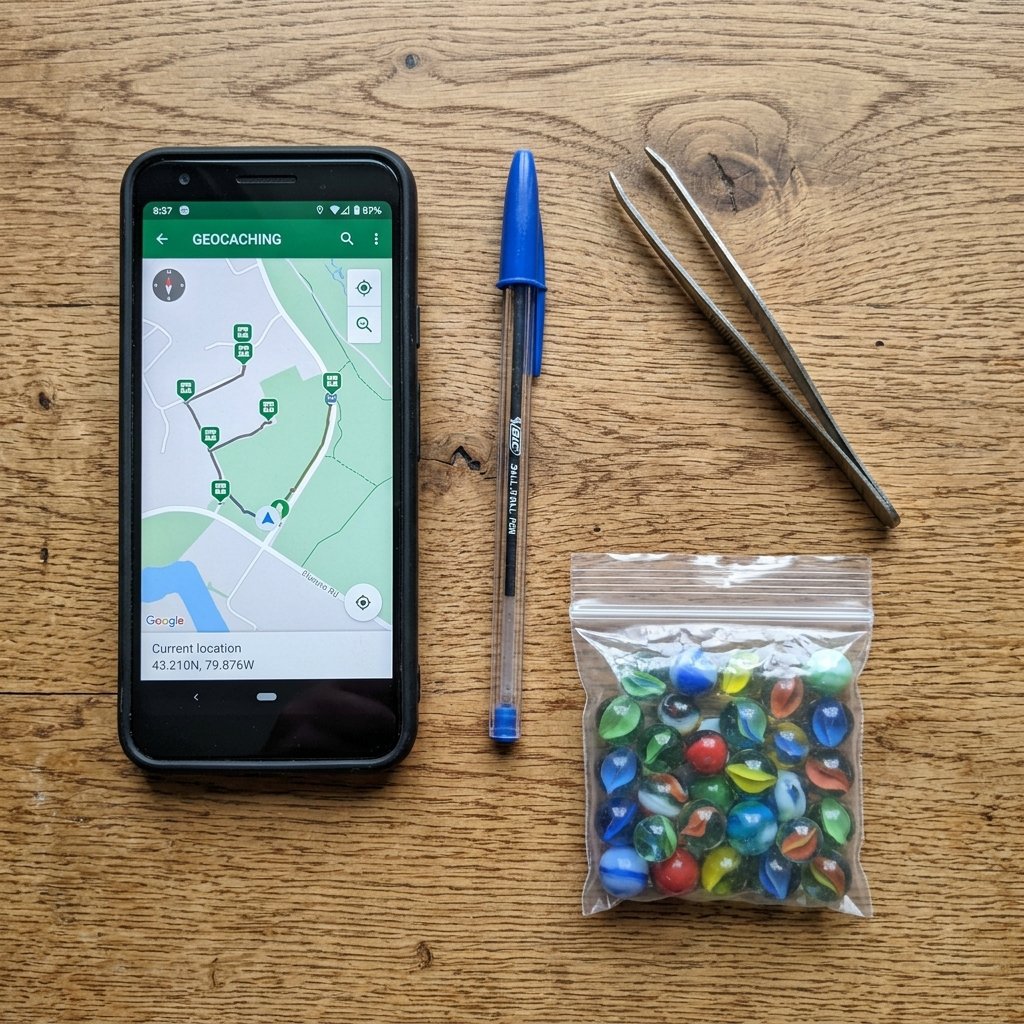
Gear Up Without Opening Your Wallet
The beauty of geocaching is that it requires almost no specialized equipment. While ‘pro’ geocachers might carry telescopic ladders and UV lights, we are going to stick to the basics. You likely already have everything you need in your junk drawer. The most important tool is a pen. Many caches are ‘micros’ (like a film canister or a tiny magnetic bolt) that only contain a paper logbook. If you don’t have a pen to sign your name, you can’t claim the find! Here is a comparison of what the ‘pros’ spend versus what a Frugal Hacker uses.
| Professional Gear | Frugal Alternative | Estimated Savings |
|---|---|---|
| Dedicated GPS Unit ($300) | Your Current Smartphone ($0) | $300 |
| High-End Hiking Boots ($150) | Comfortable Sneakers ($0) | $150 |
| Specialty Retrieval Tools ($40) | A Sturdy Stick or Tweezers ($0) | $40 |
| Premium Swag Items ($20) | Cleaned Recycled Trinkets ($0) | $20 |
The ‘Just-In-Case’ Bag
I recommend keeping a small bag in your car or by the door. Inside, keep a few pens, some spare paper, a pair of tweezers (for those tiny logs), and a few small items to trade. Remember the golden rule of swag: If you take something, leave something of equal or greater value. For the frugal hunter, this means raiding your kids’ old toy bins or using cool rocks or shells you’ve found on your travels.
Decoding the Cache: Sizes and Types
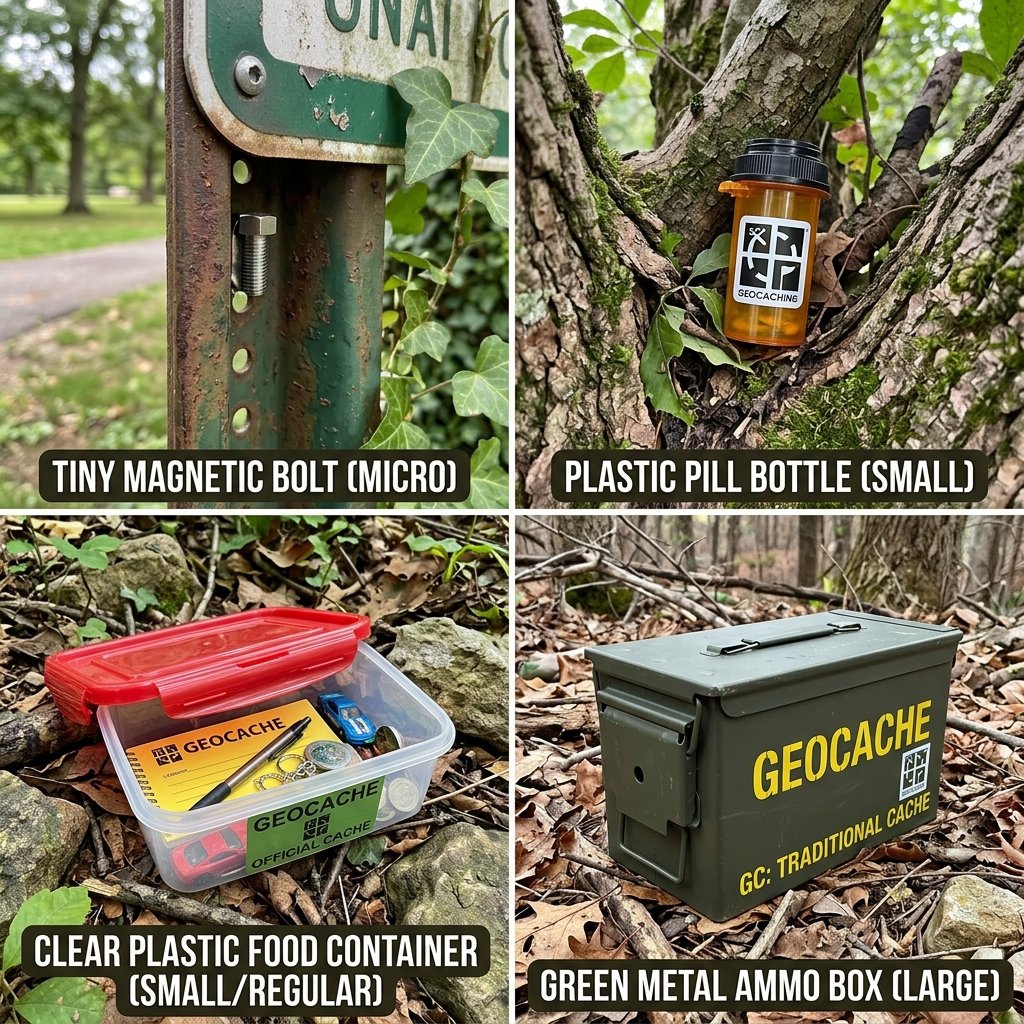
Know What You Are Looking For
One of the biggest mistakes beginners make is looking for a giant treasure chest when the cache is actually the size of a fingernail. Caches come in four main sizes: Micro, Small, Medium, and Large. As a beginner, aim for Small or Medium. These are usually Tupperware containers or ammo cans that are much easier to find among the bushes.
Common Cache Containers
- Micro: Film canisters, magnetic ‘nano’ bolts, or pill bottles. Hardest to find!
- Small: Sandwich-sized plastic containers. Often contain ‘swag’ (trinkets).
- Medium: Large plastic containers or metal ammo cans. The ‘classic’ treasure box.
- Large: Buckets or large crates. Rare but exciting!
The Golden Rule: Cache In, Trash Out (CITO). If you see litter while you are hunting, pick it up. It keeps the game areas beautiful and costs you nothing but a few seconds of your time.
Understanding the ‘Difficulty’ and ‘Terrain’ (D/T) ratings is also key to a successful, free outing. A 1/1 rating means the cache is easy to find and the ground is flat (often wheelchair accessible). A 5/5 rating might require a boat or mountain climbing gear. Stick to the 1s and 2s to keep your adventure stress-free and accessible.
The Math of Fun: Why Geocaching Wins
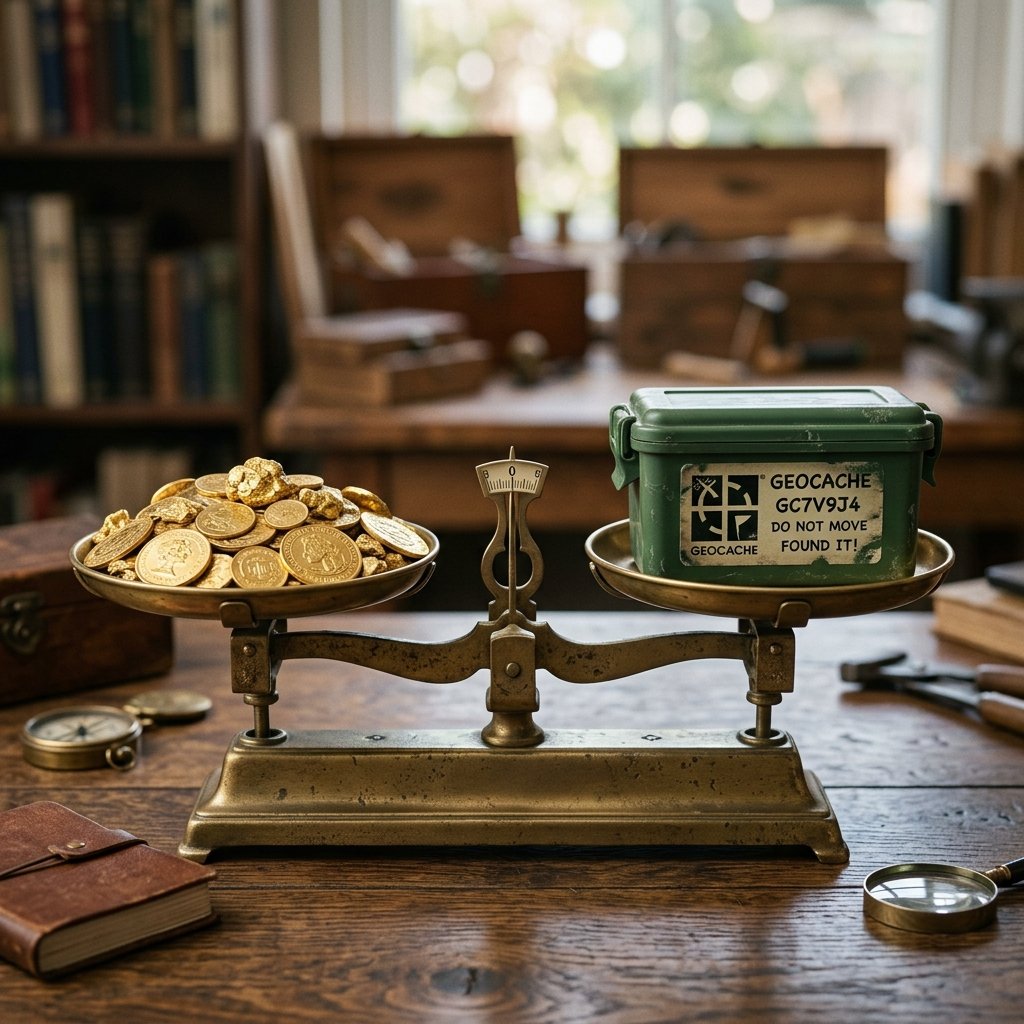
Comparing Entertainment Costs
Let’s talk numbers. Most people spend a fortune on entertainment. A trip to the movies for a family of four can easily top $80 once you add popcorn and drinks. A theme park? You’re looking at $400 minimum. Geocaching offers the same thrill of discovery and family bonding for the price of the gas it takes to drive to the local park. If you geocache once a week instead of going to the movies, you could save over $4,000/year.
| Activity | Cost Per Hour | Family of 4 (4 Hours) |
|---|---|---|
| Movie Theater | $15 | $120 (with snacks) |
| Bowling | $10 | $80 (with shoe rental) |
| Geocaching | $0.50 (Gas only) | $2.00 |
Maximizing Your Savings
To make this hobby truly $0, combine geocaching with other errands. Look for caches near the grocery store or on your way to work. This eliminates ‘special trips’ and saves on fuel. You can also use free apps like ‘GasBuddy’ to find the cheapest fuel on your route, ensuring your treasure hunt remains a net positive for your wallet.
Creating Your Own Cache on a Budget

Becoming a Cache Owner
Once you have found 20 or 30 caches, you might want to hide your own. This is a great way to give back to the community. You don’t need to buy a ‘Geocaching Starter Kit’ for $30. You can make a high-quality, weather-proof cache using recycled materials.
DIY Cache Ideas
- The Peanut Butter Jar: Thoroughly wash a plastic jar. Paint the outside with ‘camo’ colors (brown, green, black) using leftover spray paint.
- The Pill Bottle: Great for micros. Wrap it in black electrical tape to make it waterproof and stealthy.
- The Magnetic Hide: Glue a strong magnet (recycled from an old hard drive or fridge magnet) to a small tin.
For the logbook, don’t buy one! Use a paper cutter to slice up old notebooks or use the back of clean scrap paper. Roll it up, secure it with a rubber band, and you have a free, functional logbook. Just make sure your container is 100% waterproof; there is nothing worse for a geocacher than a soggy logbook!
Advanced Frugal Hacks: Trackables and Events

The World of ‘Trackables’
Every now and then, you will find a coin or a toy with a unique code on it. This is a ‘Trackable.’ These items are not swag—you don’t keep them. Instead, you move them from one cache to another, helping them reach a specific goal (like ‘travel to Paris’). It’s like a free travel agency for toys!
Attending Free Events
Geocaching ‘Events’ are gatherings where local players meet up at a park or a coffee shop. These are 100% free to attend and are the best way to learn ‘inside’ tips about where the best hidden treasures are in your city. You might even find a mentor who can show you the ropes of more complex ‘Mystery’ or ‘Multi’ caches. Searching for these events on the app is a great way to build a social circle without the cost of a ‘club membership’ or ‘entry fees’. It’s community building at its most frugal.
Scam Warning: Never pay for ‘coordinates’ or ‘treasure maps’ online. The geocaching community is built on free sharing. If someone asks for money to reveal a location, it’s a scam!
Conclusion
Your Adventure Starts Now
Geocaching is the ultimate proof that you don’t need a lot of money to have a lot of fun. It combines technology, nature, and the thrill of the hunt into one perfectly budget-friendly package. By using your smartphone, recycling containers, and walking your local trails, you are engaging in a hobby that enriches your life without depleting your bank account. So, grab a pen, charge your phone, and head outside. There is a treasure hidden less than a mile from where you are sitting right now. Go find it! Happy Hunting!


Makenzie is the founder and lead writer at MoneyHackTips.com — a personal finance blog dedicated to delivering street-smart financial wisdom for real people on real budgets. With 300+ published articles covering everything from debt management to investing fundamentals, Makenzie’s mission is to make every dollar work harder. When not writing about money hacks, Makenzie is testing frugal living strategies, optimizing side hustles, and helping readers build financial freedom from scratch.