

Hey there, frugal friends! Let us talk about one of the biggest myths in the education world: the idea that studying abroad is a luxury reserved strictly for trust fund kids and the ultra-wealthy. If you have been crossing ‘live in Paris’ or ‘study in Tokyo’ off your bucket list because you think you cannot afford it, I need you to grab a cup of coffee and pay close attention. We are about to completely flip the script on college expenses.
As your resident Ultimate Frugal Hacker, I am here to tell you that paying retail price for education is a rookie mistake. In fact, depending on where you live and where you want to go, packing up your bags and moving across the world could actually save you money. Yes, you heard that right. We are not just talking about saving a few pennies; we are talking about saving tens of thousands of dollars while gaining global experience, learning a new language, and eating authentic gelato instead of instant ramen.
In this ultimate cheat sheet, I am going to break down the exact math of why studying abroad can be cheaper than staying at your local state school. We will dive into the heavy-hitting government grants that literally hand you free money, uncover the secret countries where tuition is zero (yes, zero), and give you the exact scripts and hacks you need to bypass the expensive middlemen. If you are ready to hack your way to a global education without taking on crippling debt, let us dive into these 10 proven grants and hacks to study abroad for free or dirt cheap.
The Math: Why Studying Abroad Can Actually Be CHEAPER
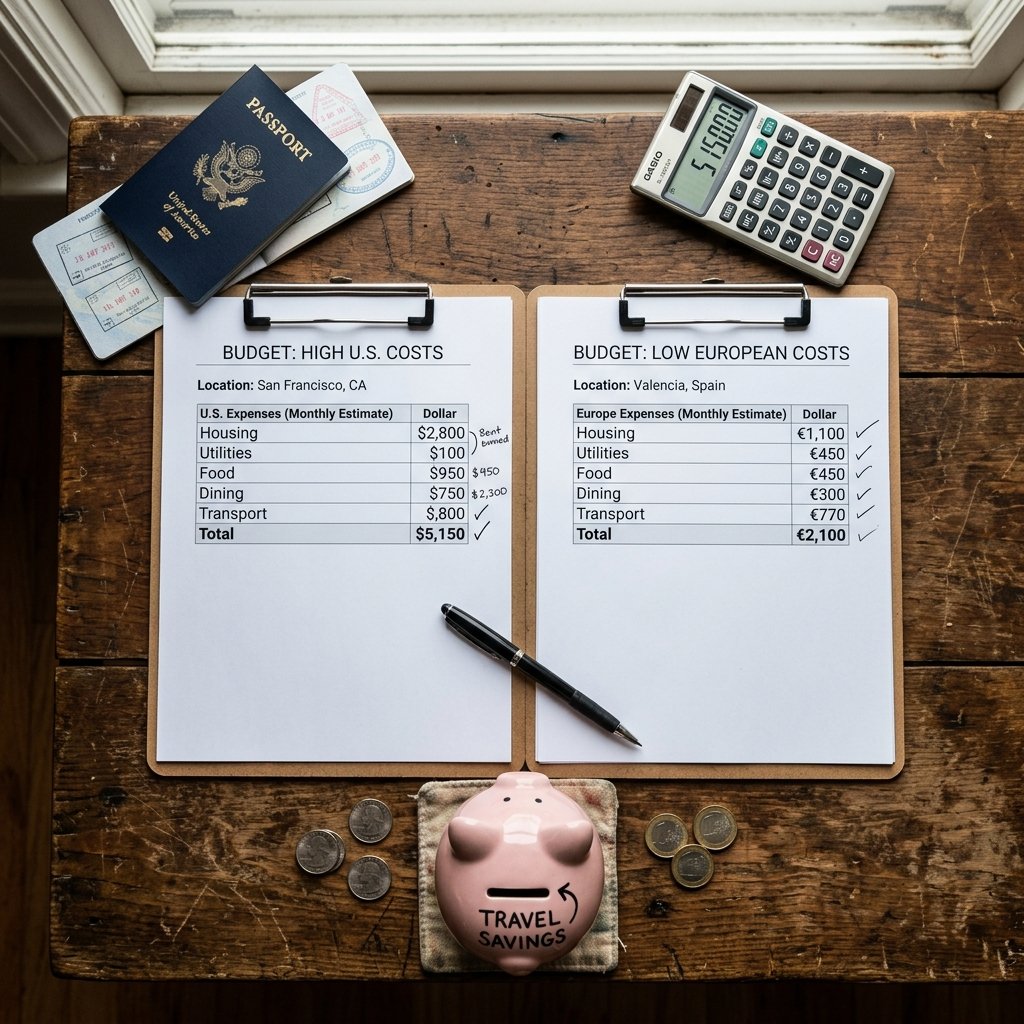
Before we get into the specific hacks, we need to address the elephant in the room: the math. Most students assume that adding international flights and foreign rent to their college bill will make it explode. But they are forgetting one crucial factor: the baseline cost of American higher education is astronomically high compared to the rest of the civilized world.
When you stay in the US, you are not just paying for tuition. You are paying inflated costs for room and board, mandatory meal plans, campus fees, and let us not forget the hidden costs of car ownership, gas, and insurance because most US cities are not walkable. Now, compare that to a student living in Berlin or Madrid. They are paying a fraction of the tuition, using cheap public transit, and buying subsidized groceries.
Cost Comparison: US State University vs. European University
Let us look at a realistic breakdown of a single academic year. This is where the frugal magic happens.
| Expense Category | Average US State University (In-State) | Public University in Germany (Direct) |
|---|---|---|
| Annual Tuition & Fees | $11,260 | $700 (Semester fees only) |
| Room & Board (9 Months) | $11,950 | $5,400 (Shared flat & groceries) |
| Transportation | $1,200 (Car, gas, parking) | $0 (Included in semester fee) |
| Health Insurance | $2,500 | $1,300 (Public student health insurance) |
| Total Estimated Cost | $26,910 | $7,400 |
By simply changing your geographic location, you could save a staggering $19,510 per year. Over a four-year degree, that is a savings of nearly $78,000! The math does not lie. The real luxury is staying home and paying inflated American tuition prices. Now that we have established that going abroad is a brilliant financial move, let us look at how to fund it.
Hack #1 & #2: The Heavy-Hitter Government Grants (Free Money!)
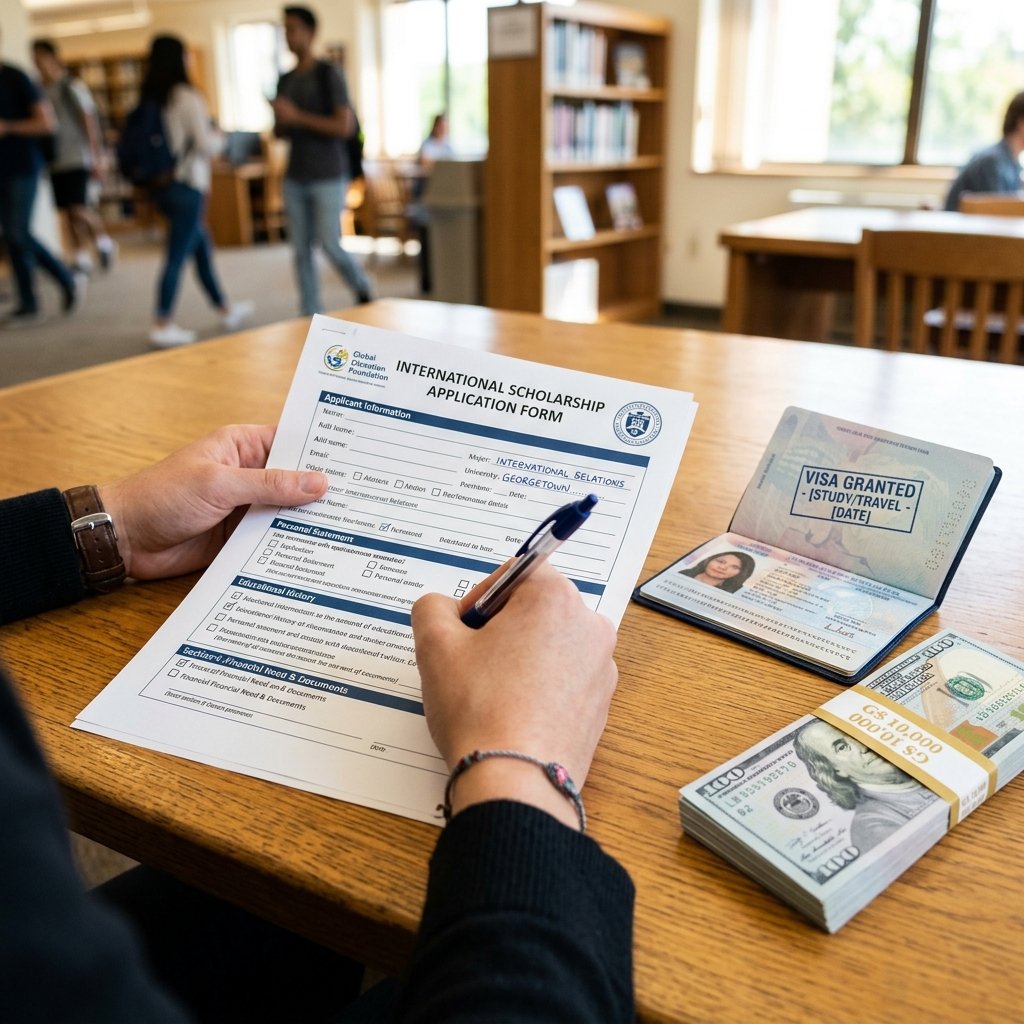
If you want to study abroad for free, your first stop should always be government-funded grants. Unlike loans, grants are free money that you never have to pay back. The US government actually wants students to go abroad because it builds international relations and creates a more globally competitive workforce. Here are the two biggest grants you need to apply for.
Hack #1: The Benjamin A. Gilman International Scholarship
The Gilman Scholarship is the holy grail for frugal students. It is specifically designed for undergraduate students who are receiving the Federal Pell Grant. If you are a Pell Grant recipient, you absolutely must apply for this. The Gilman program offers up to $5,000 for your study abroad program. If you are studying a critical need language (like Arabic, Japanese, or Swahili), you can get an additional $3,000, bringing your total free money to $8,000!
Hack #2: The Boren Awards
If you are serious about languages and do not mind a little government service, the Boren Awards offer massive payouts. They provide up to $25,000 for a full academic year abroad. The catch? Boren focuses on geographic areas, languages, and fields of study deemed critical to US national security. Furthermore, you must commit to working in the federal government for at least one year after graduation. If you are interested in a government career anyway, this is essentially a free ride to study abroad followed by a guaranteed job.
Key Rule: Never, ever pay an application fee for a scholarship or grant. Legitimate organizations want to give you money, not take it. If a website asks for a $50 processing fee to ‘find’ scholarships for you, run the other way. Stick to official .gov or .edu sources.
Hack #3 & #4: Tuition-Free Countries (Yes, They Really Exist)
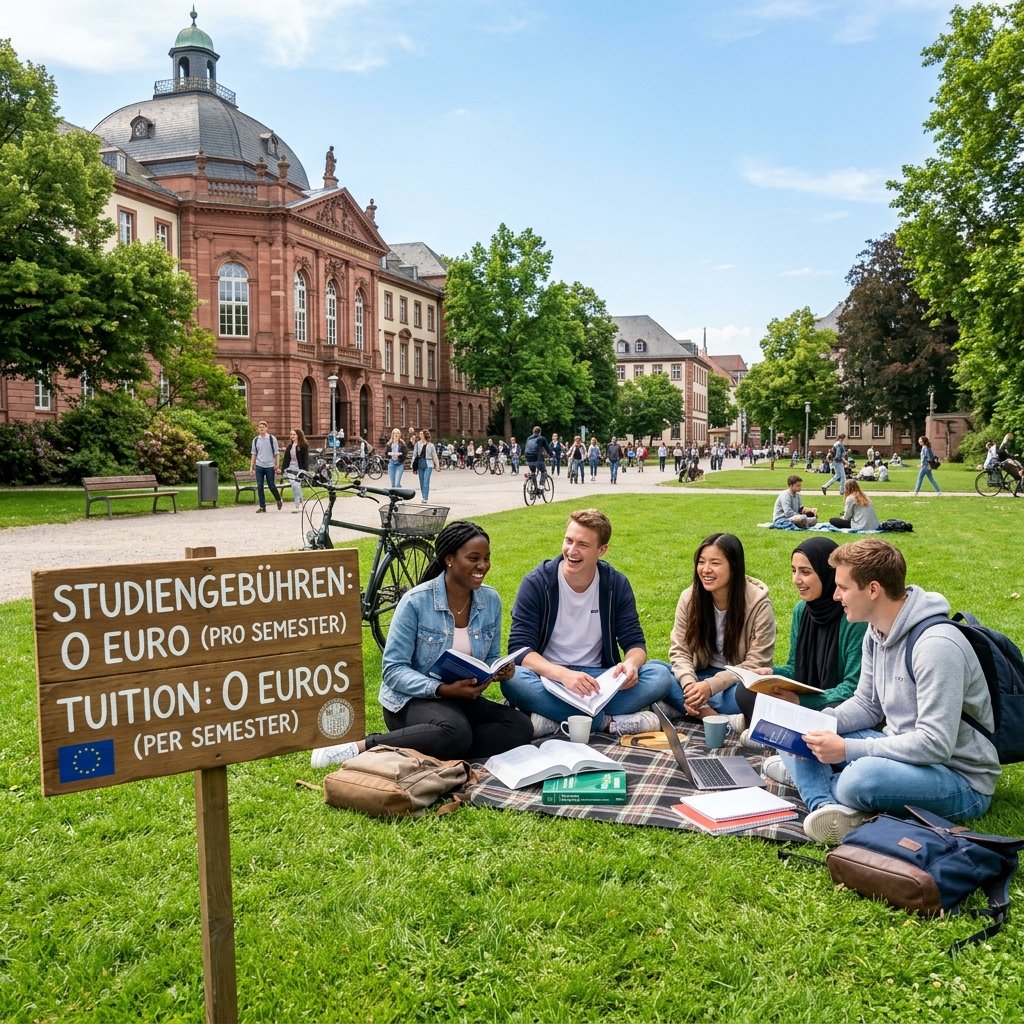
What if I told you that you do not even need a scholarship to avoid paying tuition? There are entire countries that believe education is a fundamental human right, not a profit-driven business, and they extend this philosophy to international students.
Hack #3: Public Universities in Germany
Germany is the undisputed champion of cheap higher education. The vast majority of public universities in Germany charge absolutely zero tuition fees, even for American students. You only have to pay a small administrative ‘semester fee’ which usually ranges from $250 to $350. The best part? This fee almost always includes a ‘Semesterticket’ which gives you free public transportation in your city and sometimes the entire region for the whole six months! You will need to prove you have around $12,000 in a blocked bank account (Sperrkonto) to get your visa—this proves you can afford to feed and house yourself—but that money is yours to spend on living expenses.
Hack #4: Ultra-Cheap Tuition in France and Iceland
If Germany is not your vibe, look at France or Iceland. While Norway recently started charging non-EU students, Iceland’s public universities still do not charge tuition fees (just an annual registration fee of around $600). France heavily subsidizes its higher education. Even as an international student, you might only pay around $3,000 per year for a bachelor’s degree at a public university. Compared to the US, that is basically a rounding error.
Budget Breakdown: Monthly Living in Berlin
| Monthly Expense | Estimated Cost (USD) |
|---|---|
| Student Housing (WG / Shared Flat) | $450 – $600 |
| Groceries (Aldi, Lidl) | $200 – $250 |
| Health Insurance (TK or AOK) | $130 |
| Phone & Internet | $40 |
| Entertainment & Eating Out | $150 |
| Total Monthly Budget | $970 – $1,170 |
As you can see, you can comfortably live in a major European capital for around $1,000 a month. Try doing that in Boston or Los Angeles!
Hack #5 & #6: Direct Enrollment vs. The Middleman Markup
This is where most students lose thousands of dollars without even realizing it. When you go to your university’s study abroad office, they will often hand you glossy brochures from third-party program providers (like CIEE, AIFS, or CEA). These companies are great—they hold your hand, organize excursions, and arrange housing. But you pay a massive premium for that hand-holding.
Hack #5: Cut the Middleman with Direct Enrollment
If you want to be a true frugal hacker, you need to use Direct Enrollment. This means you apply directly to the foreign university as an international student, completely bypassing the third-party provider. A provider might charge you $18,000 for a semester in Spain, while direct enrollment at the University of Valencia might only cost you $3,000 in tuition. You will have to find your own apartment and figure out your own visa, but saving $15,000 is worth a few hours of Googling and paperwork.
Hack #6: Bilateral Exchange Programs
If direct enrollment sounds too scary, ask your university about Bilateral Exchange Programs. This is a direct swap: a student from a foreign university comes to your school, and you go to theirs. The financial magic here is that you usually just pay your regular home university tuition. If you already have a full-ride scholarship or massive financial aid at your home university, those funds will directly cover your study abroad semester!
The Frugal Hacker Script: Asking for Direct Options
Do not let your study abroad advisor push you into an expensive package. Use this script:
‘Hi [Advisor Name], I am extremely excited to study abroad, but I am working with a strict budget. I cannot afford the premium fees of third-party providers. Can you please provide me with a list of our university’s direct bilateral exchange partners, or advise me on the process for direct enrollment at an approved foreign institution?’
Hack #7 & #8: Hustling Abroad (How to Earn While You Learn)

Studying abroad does not mean you have to pause your income. In fact, earning foreign currency can completely offset your living expenses, making your trip effectively free. You just have to know the legal rules and the best side hustles.
Hack #7: Maximize Your Student Visa Work Rights
Many countries legally allow international students to work part-time. For example, in the UK, Australia, and Ireland, students on a tier-4 or equivalent student visa are generally allowed to work up to 20 hours per week during the semester, and full-time during holidays. Getting a local job at a pub, cafe, or retail store not only brings in cash but is also the absolute best way to make local friends and immerse yourself in the culture.
Hack #8: The Digital Nomad Student
If your visa does not allow local employment, or if you want more flexibility, take your side hustle online. Freelance writing, graphic design, video editing, or tutoring can all be done from a dorm room in Florence just as easily as in Florida. Teaching English online is still a massive market. Platforms like Cambly or iTalki allow you to set your own hours and get paid in US dollars while you spend in cheaper local currencies.
Earning Potential: The Study Abroad Side Hustle
| Side Hustle | Estimated Hourly Rate | Monthly Potential (at 15 hrs/week) |
|---|---|---|
| Local Cafe/Pub Worker (e.g., Australia) | $15 – $20 (USD equivalent) | $900 – $1,200 |
| Online English Tutor | $12 – $20 | $720 – $1,200 |
| Freelance Writer / Virtual Assistant | $20 – $35 | $1,200 – $2,100 |
By simply working 15 hours a week online, you can pull in over $1,000 a month. If we look back at our Berlin budget from Hack #4, that side hustle completely covers your rent, groceries, and entertainment. Boom! You are now studying abroad for free.
Hack #9 & #10: Street-Smart Frugal Living on Foreign Soil

Getting there cheaply is only half the battle; the real test of a frugal hacker is how you live once your boots hit the ground. Tourists hemorrhage money; locals keep their cash. You need to live like a local.
Hack #9: Travel Hacking and Student Discounts
First, never book a flight without checking student-specific portals like StudentUniverse. They negotiate exclusive contracts with airlines that can save you hundreds on transatlantic flights. Once you are abroad, get an International Student Identity Card (ISIC). This card is globally recognized and will get you massive discounts on trains, museums, software, and even restaurants. When traveling between countries on your weekends, utilize budget airlines like Ryanair, EasyJet, or Wizz Air. If you pack light (just a personal item backpack), you can literally fly from London to Rome for $20.
Hack #10: Avoid the Expat Traps
The fastest way to go broke abroad is eating out in tourist squares. If the menu has pictures of the food and is translated into six languages, walk away. Shop where the locals shop. In Europe, that means hitting up Aldi, Lidl, or local open-air markets. Learn to cook regional dishes—pasta in Italy, lentils in Spain, potatoes in Germany—because local ingredients are always the cheapest. Finally, avoid expensive international dorms and look for local flatshares (called a WG in Germany, or a colocation in France).
Scam Warning: The Fake Housing Trap
When looking for cheap local housing on Facebook groups or Craigslist equivalents, beware of the ‘Out of Town Landlord’ scam. If a landlord says they are currently out of the country, cannot show you the apartment in person, and asks you to wire a $1,000 deposit via Western Union or direct bank transfer to secure the keys—IT IS A SCAM. Never transfer money for an apartment you haven’t seen in person or verified through an official university channel.
Conclusion
There you have it, my fellow frugal hackers! Studying abroad does not have to be a pipe dream, and it certainly does not require taking out a second mortgage on your future. By understanding the true math of global tuition, hunting down those massive government grants like Gilman and Boren, targeting tuition-free havens like Germany, and aggressively cutting out the middlemen, you can hack your way to a world-class international education.
Remember, the systems are designed to make you pay retail, but you now have the cheat codes. Do your research, use the scripts provided, hustle a little on the side, and live like a savvy local rather than a clueless tourist. The world is massive, and your classroom shouldn’t be limited by geographical borders or artificial price tags. Go update your passport, start filling out those applications, and get ready for the adventure of a lifetime. You’ve got this!
Disclaimer: I am The Ultimate Frugal Hacker, not a licensed financial advisor, tax professional, or immigration attorney. Visa rules, tuition costs, and tax implications for freelancing abroad change frequently. Always verify current regulations with official embassies, your university’s financial aid office, and certified professionals before making major financial or legal decisions.


Makenzie is the founder and lead writer at MoneyHackTips.com — a personal finance blog dedicated to delivering street-smart financial wisdom for real people on real budgets. With 300+ published articles covering everything from debt management to investing fundamentals, Makenzie’s mission is to make every dollar work harder. When not writing about money hacks, Makenzie is testing frugal living strategies, optimizing side hustles, and helping readers build financial freedom from scratch.