
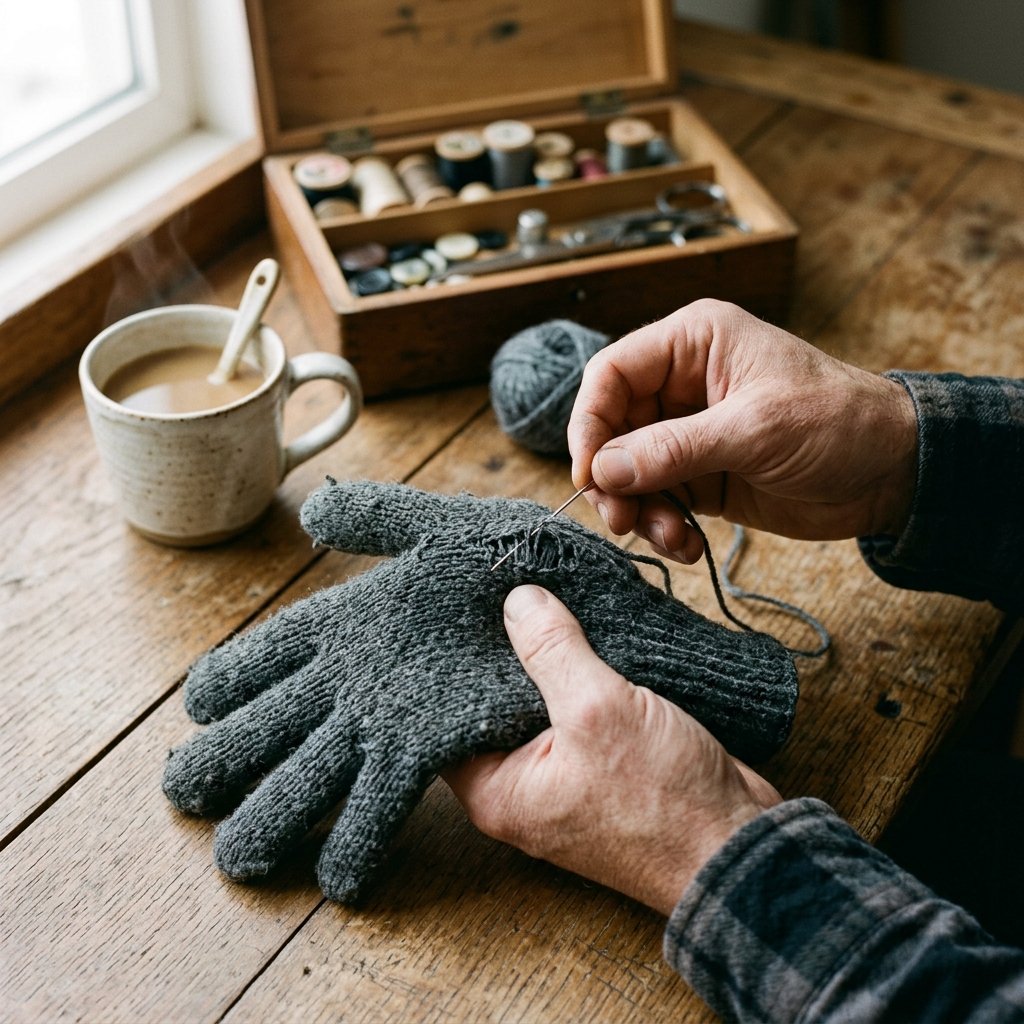

The Art of the Save: Why Mending is the Ultimate Power Move
There is a certain rugged satisfaction in taking something broken and making it whole again. In a world of fast fashion and disposable gear, the ability to invisibly mend a pair of knit gloves isn’t just a craft—it’s a statement of self-reliance. Whether it’s your favorite pair of wool liners or those trusty touchscreen-compatible knits, a small hole doesn’t have to mean a trip to the landfill. This guide is designed for the frugal DIYer who values quality and isn’t afraid to get their hands a little busy to save a $25 pair of gloves with $0.05 worth of thread.
By the time you finish this tutorial, you will possess the ‘Grandma-approved’ secret to the Ladder Stitch and the Darning Weave, ensuring your hands stay warm and your wallet stays full. We aren’t just sewing; we are performing surgical-grade restoration on your winter essentials.
The Rugged Mender’s Minimalist Toolkit
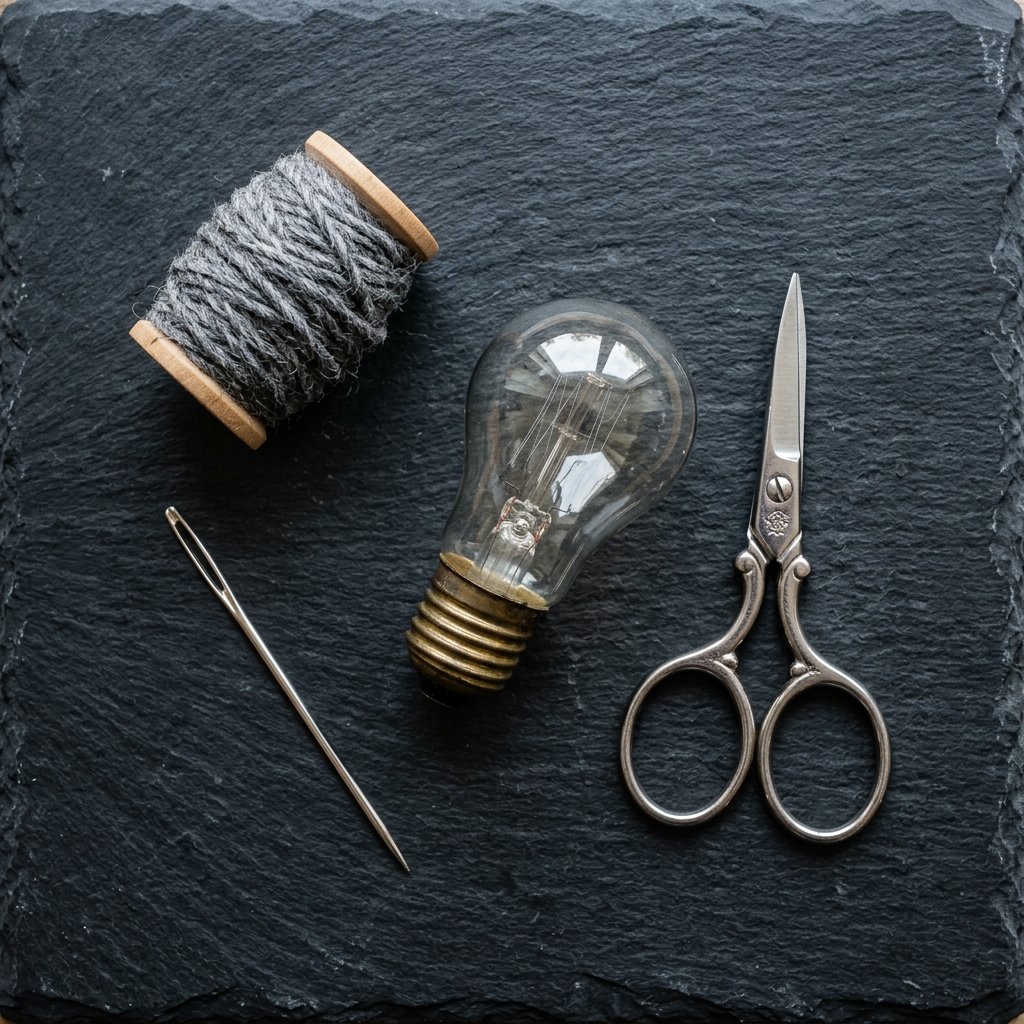
Before we dive into the stitches, we need to gather our supplies. A true craftsman knows that the right tools make a 5-minute job look like a professional repair. You don’t need an expensive sewing machine; in fact, for knitwear, a machine is often too aggressive. We are going old-school.
Essential Materials & Budget Breakdown
| Item | Purpose | Estimated Cost |
|---|---|---|
| Tapestry Needle | Blunt tip to slide between knit loops without splitting fibers. | $0.50 |
| Matching Yarn/Thread | Choose a weight that matches the glove (Wool, Acrylic, or Cotton). | $0.10 (Scraps) |
| Tennis Ball or Lightbulb | Inserted into the glove to provide a firm, curved surface. | FREE (Found) |
| Small Scissors | For clean snips of the thread ends. | $1.00 |
“A stitch in time saves nine, but a clever mend saves twenty dollars.” — The Frugal Mender’s Mantra
If you don’t have matching yarn, a clever trick is to use embroidery floss. It comes in hundreds of shades, allowing you to find a near-perfect match for almost any knit color. For a rugged, masculine look, don’t be afraid to use a slightly darker shade; it tends to hide better in the shadows of the knit texture.
The 5-Minute Invisible Mend: The Ladder Stitch Method
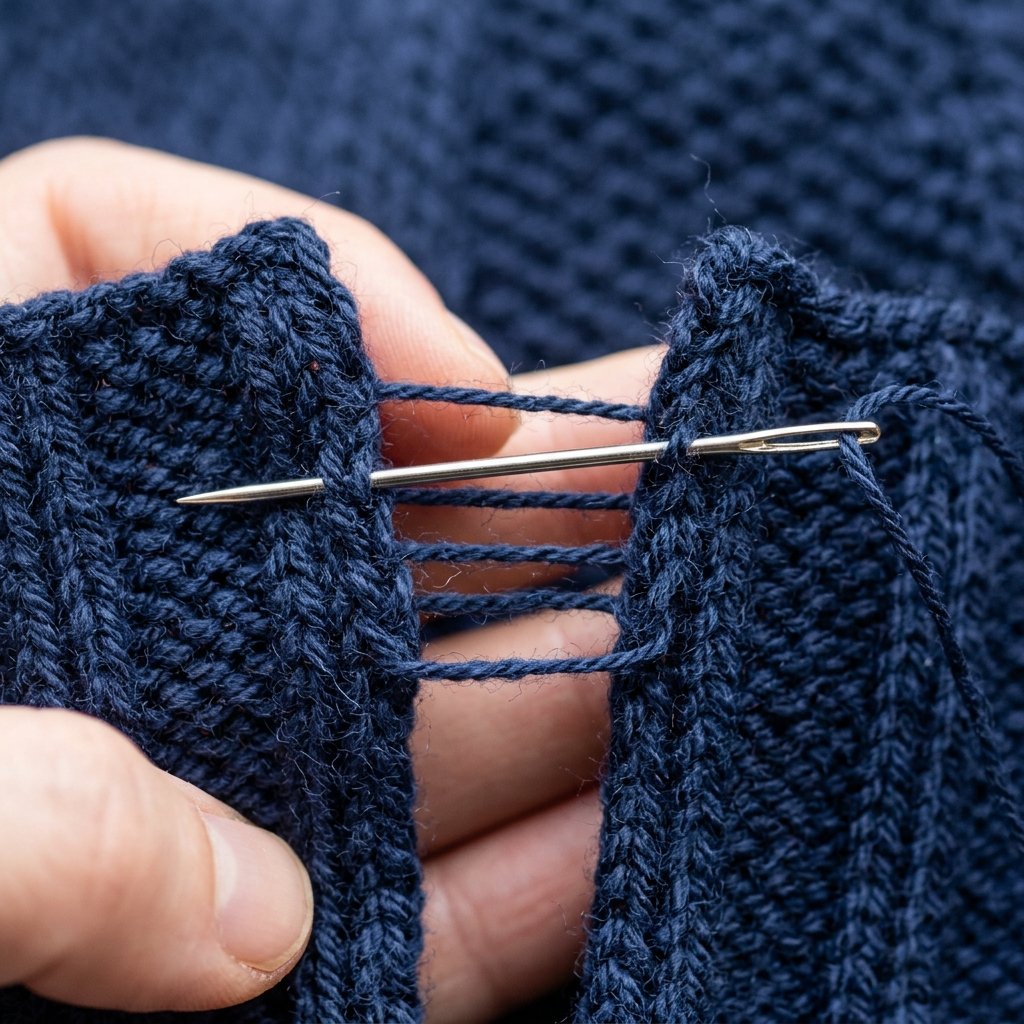
The Ladder Stitch (also known as the Mattress Stitch) is the gold standard for invisible repairs. It works by pulling the two edges of a hole together from the inside of the fabric loops, effectively hiding the thread entirely once tension is applied.
Step-by-Step Execution
- Prep the Wound: Insert your tennis ball or lightbulb into the glove finger or palm where the hole is located. This stretches the knit naturally so you don’t accidentally sew the glove shut.
- Secure the Anchor: Thread your needle with about 10 inches of yarn. Do not tie a bulky knot. Instead, weave the needle through a few healthy stitches about half an inch away from the hole to anchor the thread.
- The Ladder Maneuver: Insert the needle into the edge of the hole, catching a ‘bar’ or loop of the knit. Cross over to the opposite side and catch the corresponding loop.
- Maintain Tension: Keep your stitches loose initially so you can see the ‘rungs’ of your ladder.
- The Magic Pull: Once you have traversed the entire hole, gently pull the thread. The two sides will zip together, and the thread will disappear into the knit texture.
This method is ideal for seam failures or clean snags where the yarn hasn’t completely disintegrated. It is fast, efficient, and 100% invisible to the naked eye.
Darning for High-Wear Areas: When the Yarn is Gone

Sometimes a hole isn’t just a snag; it’s a ‘blowout’ where the actual fabric has worn away. This is common in the fingertips and the thumb crotch. In this case, we use Darning—a miniature weaving technique that creates new fabric where there was none.
Darning vs. Ladder Stitch: Which One to Use?
| Hole Type | Best Technique | Time Estimate |
|---|---|---|
| Clean Tear / Seam Rip | Ladder Stitch | 2-3 Minutes |
| Worn-through / Missing Fabric | Darning (Weaving) | 5-8 Minutes |
| Small Snag / Loose Loop | Snag Tool / Pull-through | 1 Minute |
The Weaving Process
- Vertical Warp: Create a series of vertical parallel lines across the hole, anchoring them into the strong fabric on either side.
- Horizontal Weft: Weave your needle over and under the vertical threads. On the return trip, reverse the pattern (under then over).
- Density Check: Pack the rows tightly together to ensure the repair is wind-proof.
“Treat your darning like a tiny tapestry. You aren’t just fixing a hole; you’re reinforcing the future of the garment.”
Fabric Compatibility & Thread Selection Guide

Not all knits are created equal. Using the wrong thread can result in a repair that is too stiff or one that snaps under pressure. Use this guide to match your materials to your gloves for the most durable result.
| Glove Material | Recommended Repair Thread | Pro Tip |
|---|---|---|
| Chunky Wool | Matching Weight Wool Yarn | Split the yarn ply if it’s too thick. |
| Fine Gauge Acrylic | Polyester All-Purpose Thread | Double the thread for extra strength. |
| Tactical / Work Gloves | Heavy-duty Nylon or Upholstery Thread | Provides superior abrasion resistance. |
| Cashmere / Luxury | Silk Thread or Fine Wool Scraps | Keep tension very light to avoid puckering. |
Safety First: A Note on Sharp Tools
Always keep your fingers clear of the needle’s exit point. When working inside a tight glove finger, the tennis ball serves as a shield for your hand as much as a form for the knit.
Conclusion
Mastering the Five-Minute Fix
By investing just 5 minutes and using materials you likely already have around the house, you’ve successfully extended the life of your gear. Mending is a quiet act of rebellion against a throwaway culture. It’s clever, it’s budget-savvy, and it ensures that your favorite pair of gloves remains in your rotation for seasons to come.
Next time you see a hole, don’t see a ruined item—see an opportunity to practice your craft. Whether you use the invisible ladder stitch or a sturdy darning weave, you are now equipped to keep your hands warm and your style intact. Happy mending!


Makenzie is the founder and lead writer at MoneyHackTips.com — a personal finance blog dedicated to delivering street-smart financial wisdom for real people on real budgets. With 300+ published articles covering everything from debt management to investing fundamentals, Makenzie’s mission is to make every dollar work harder. When not writing about money hacks, Makenzie is testing frugal living strategies, optimizing side hustles, and helping readers build financial freedom from scratch.