
The Art of the High-End Discount Dupe
Let’s be honest: we’ve all walked through the aisles of Dollar Tree and seen those thin, neon-colored plastic signs or the flimsy MDF cutouts and thought, ‘There is no way that could ever look expensive.’ But as a seasoned frugal guru, I’m here to tell you that with a bit of resourceful creativity and a few strategic techniques, those $1.25 blanks are actually the foundation for high-end, ‘Pottery Barn’ style decor. This isn’t just about slapping some glue on a plastic flower; it’s about a rugged and practical approach to home styling that values craftsmanship over brand names. In this masterclass, we are going to build a spring door hanger that will have your neighbors asking which local boutique you visited. We’ll use the baking soda paint trick, master the art of the structural bow, and learn how to curate florals so they look fresh-cut, not plastic-pressed.
Budget Mantra: It’s not about what you spend; it’s about the vision you have for the materials in your hands.
Strategic Sourcing: The Material Blueprint
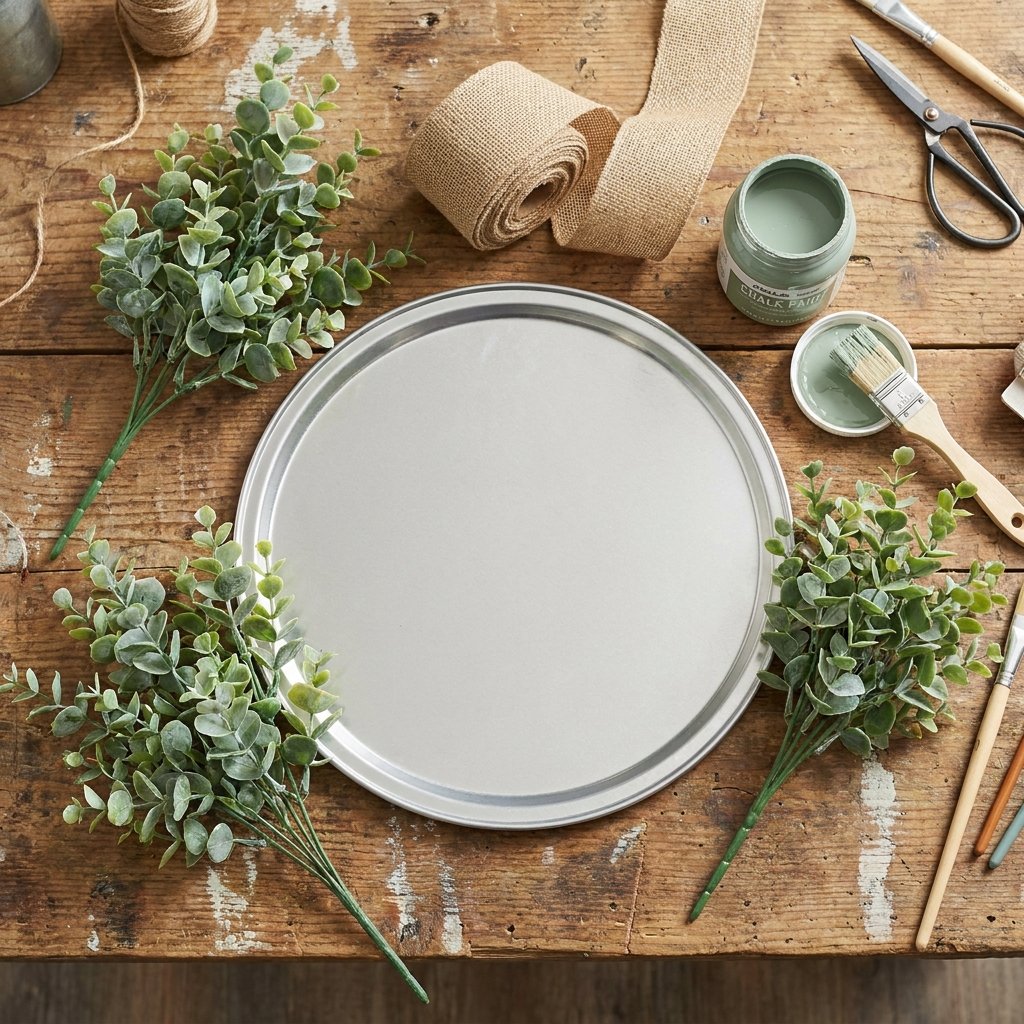
Before we pick up a glue gun, we need a plan. The secret to a successful ‘No One Will Know’ project is starting with the right structural base. For this spring door hanger, we are looking for circular pizza pans, MDF wood rounds, or even wire wreath forms. By choosing a sturdy base, we ensure the final product has the weight and ‘heft’ of a premium piece.
| Material Item | Dollar Tree Cost | Boutique Equivalent Price |
|---|---|---|
| Metal Pizza Pan or MDF Round | $1.25 | $12.00 – $18.00 |
| Faux Eucalyptus & Peonies (4 bunches) | $5.00 | $24.00 |
| Wired Ribbon (2 rolls) | $2.50 | $15.00 |
| Chalk Paint & Baking Soda | $1.25 (Pro-rated) | $10.00 |
| Total Investment | $10.00 | $61.00+ |
As you can see, we are aiming for a savings of over 80%. When shopping, look for florals with realistic textures. Avoid the ‘shiny’ plastic leaves; instead, hunt for the flocked or matte finishes that mimic real greenery. This clever sourcing is the first step in the transformation process.
The Foundation: Faux-Stone and Patina Techniques
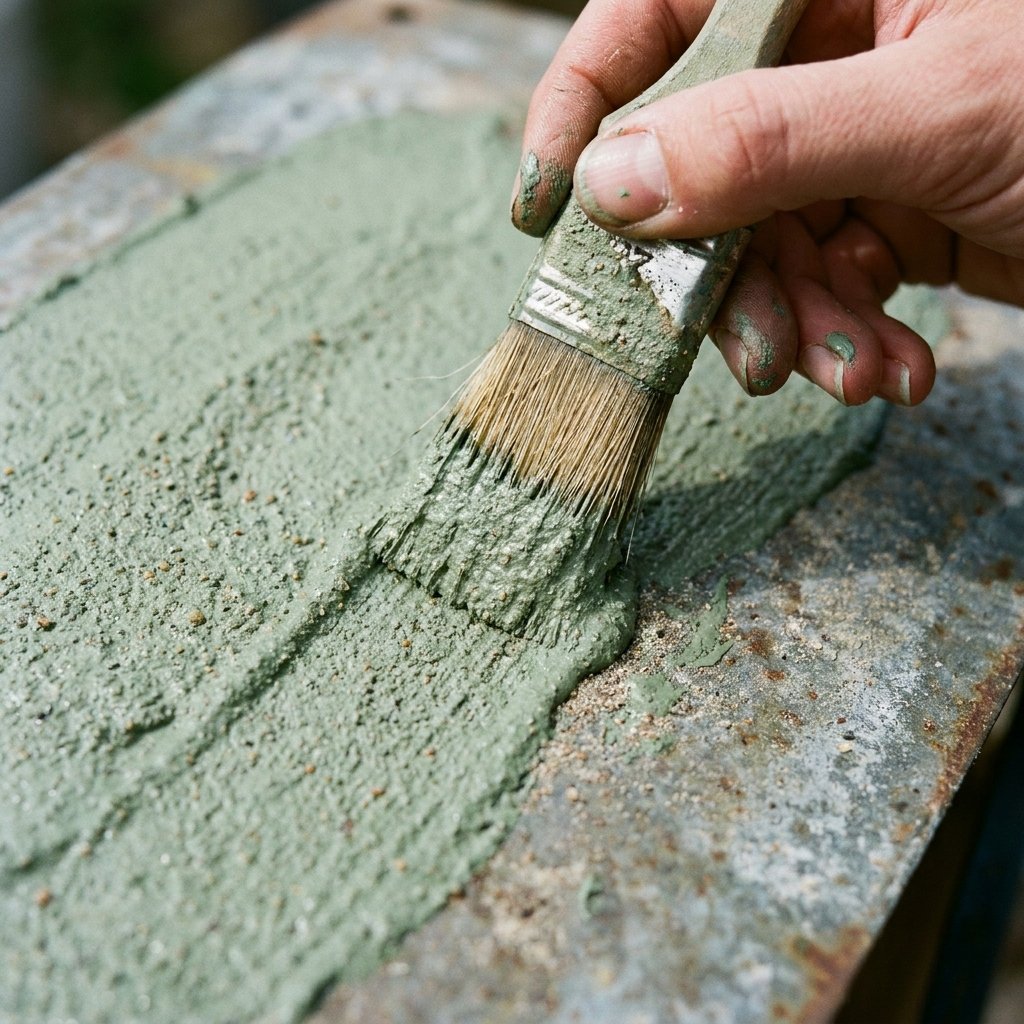
The biggest giveaway of a budget project is a flat, plastic-looking finish. To combat this, we utilize the baking soda paint trick. This creates a ceramic, stone-like texture that adds instant masculine-elegant weight to the piece. Here is the formula for a perfect matte finish:
- Step 1: Mix 1 cup of acrylic or chalk paint with 1/4 cup of baking soda. The mixture should be thick, almost like frosting.
- Step 2: Use a coarse brush to ‘stipple’ the paint onto your base (the pizza pan or MDF). Do not use long strokes; instead, tap the brush vertically to create peaks and valleys.
- Step 3: While the paint is still tacky, lightly dust a small amount of cinnamon or dark grey pigment into the crevices to simulate a natural, aged patina.
Allow this to dry for at least 45 minutes. The result is a surface that looks like heavy stoneware rather than thin metal or wood. This crafty-expert technique is the ‘secret sauce’ that fools the eye every time.
Floral Architecture: Curating the Spring Aesthetic
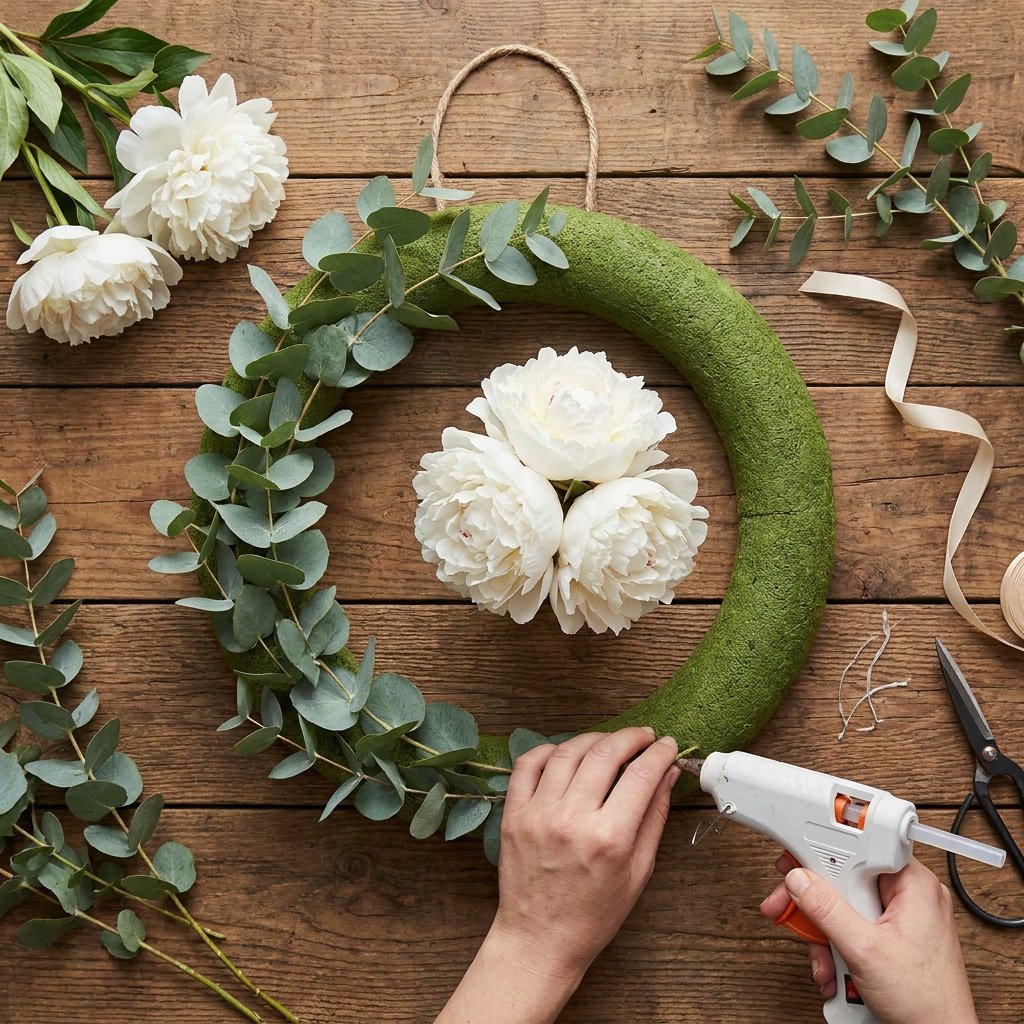
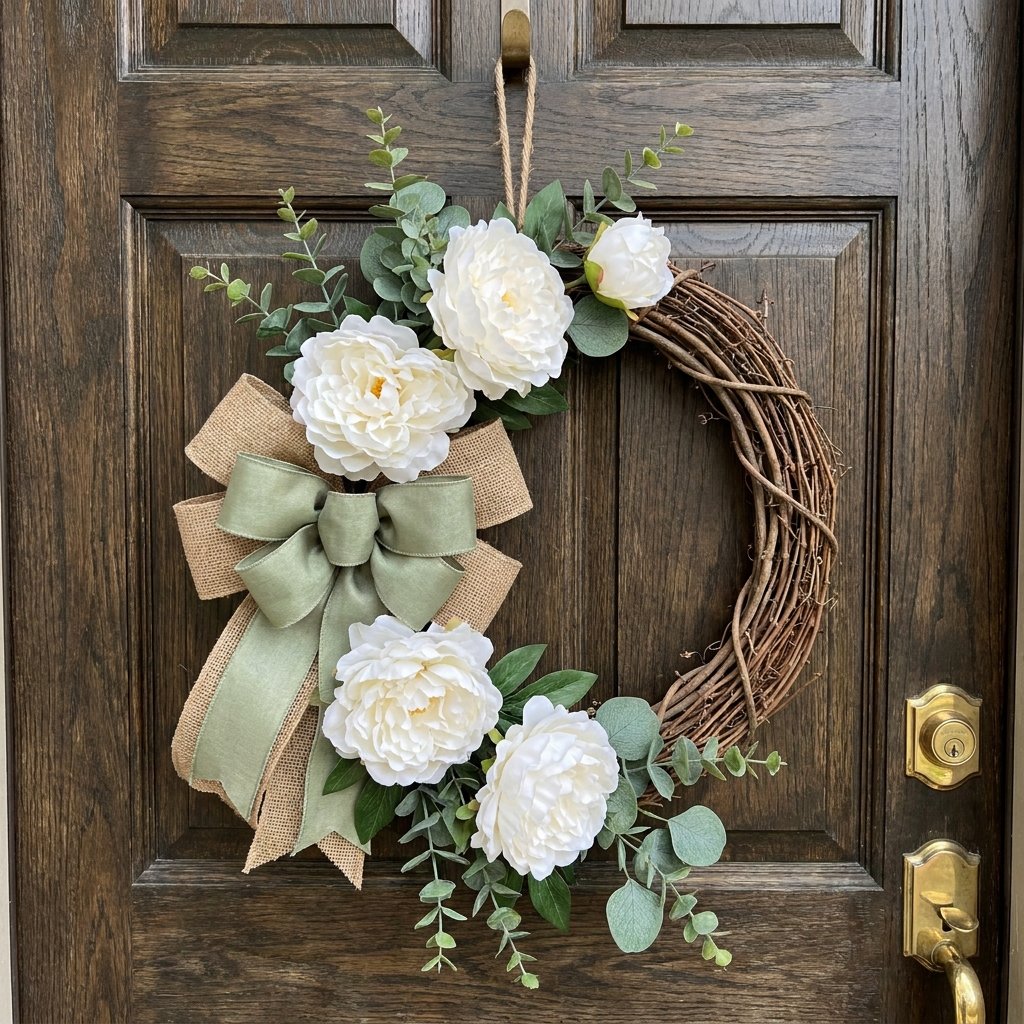
Most DIYers make the mistake of using too many different types of flowers. For a high-end look, restraint is key. Choose a primary ‘hero’ flower (like a white peony) and a secondary ‘filler’ greenery (like eucalyptus or lamb’s ear). This creates a clean, sophisticated visual palette.
The Structural Arrangement Process
- Deconstruct the Bunches: Use wire cutters to snip individual stems from the main plastic trunk. This allows for precise placement.
- The C-Curve Layout: Instead of covering the whole circle, arrange your greenery in a ‘C’ shape along the left or right side. This leaves ‘negative space’ which is a hallmark of professional design.
- Layering for Depth: Glue your largest leaves down first to create a base. Then, nestle your hero flowers into the center of the greenery. Pro-Tip: Use a dab of E6000 glue along with hot glue for a permanent, weather-resistant bond.
Design Tip: Always point your leaves in the direction of the curve. It creates a sense of natural growth and movement that mimics a real vine.
The ‘Boutique’ Bow: Mastering the Multi-Loop
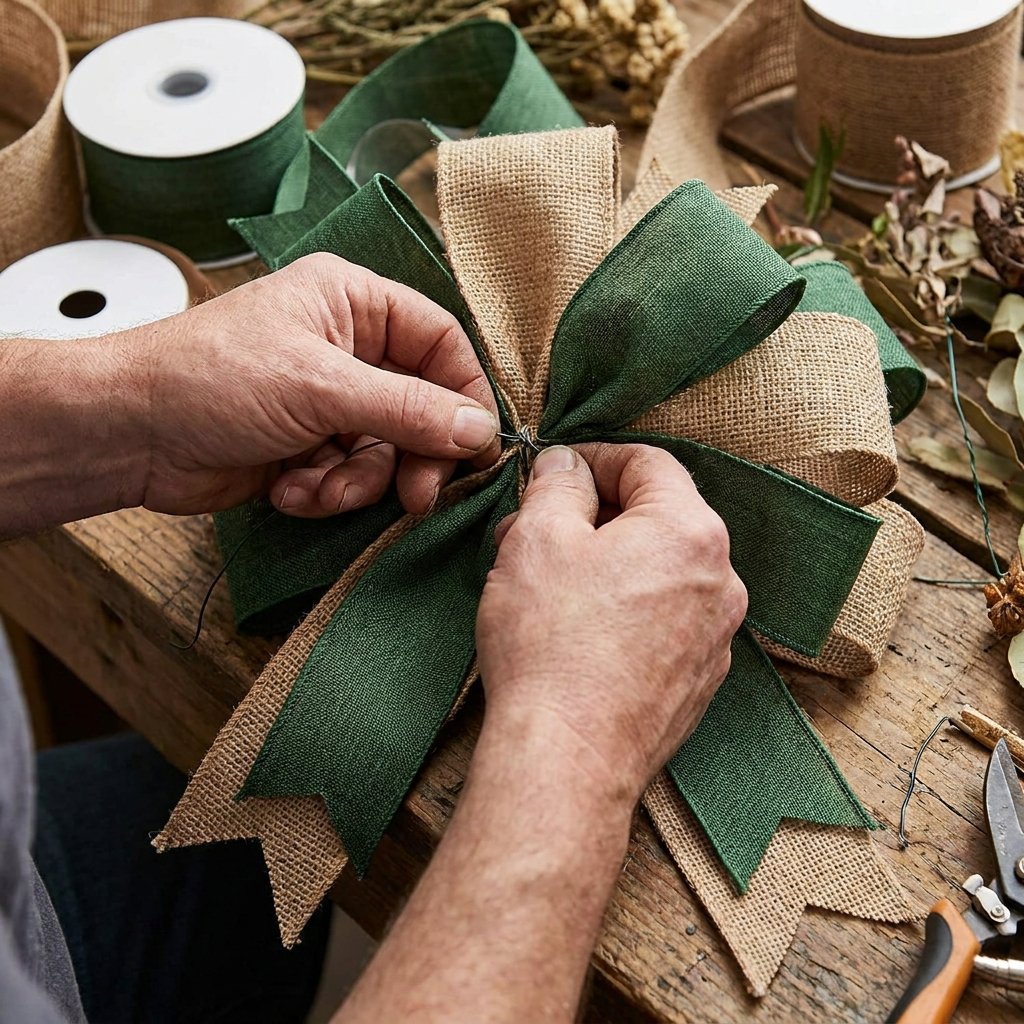
A flimsy bow is the fastest way to make a project look ‘cheap.’ To achieve that rugged, elegant look, we need a structural bow with wired ribbon. Wire allows you to ‘fluff’ and shape the loops so they never fall flat.
The 5-Minute Designer Bow Steps
- Create the Loops: Create four 6-inch loops of burlap ribbon, holding them in the center with your thumb.
- Add the Accent: Layer two 4-inch loops of a thinner, sage green or cream ribbon on top.
- Secure the Core: Use a pipe cleaner or floral wire to cinch the center tightly. This is better than string because it gives you a ‘handle’ to attach the bow to your hanger.
- Dovetail the Tails: Fold the ends of your ribbon in half and cut at a 45-degree angle to create the classic ‘V’ shape. It’s a small detail that screams professional quality.
Attach the bow at the ‘top’ of your floral C-curve. The contrast between the rugged burlap and the delicate flowers creates a beautiful, balanced aesthetic.
Final Assembly and Weatherproofing
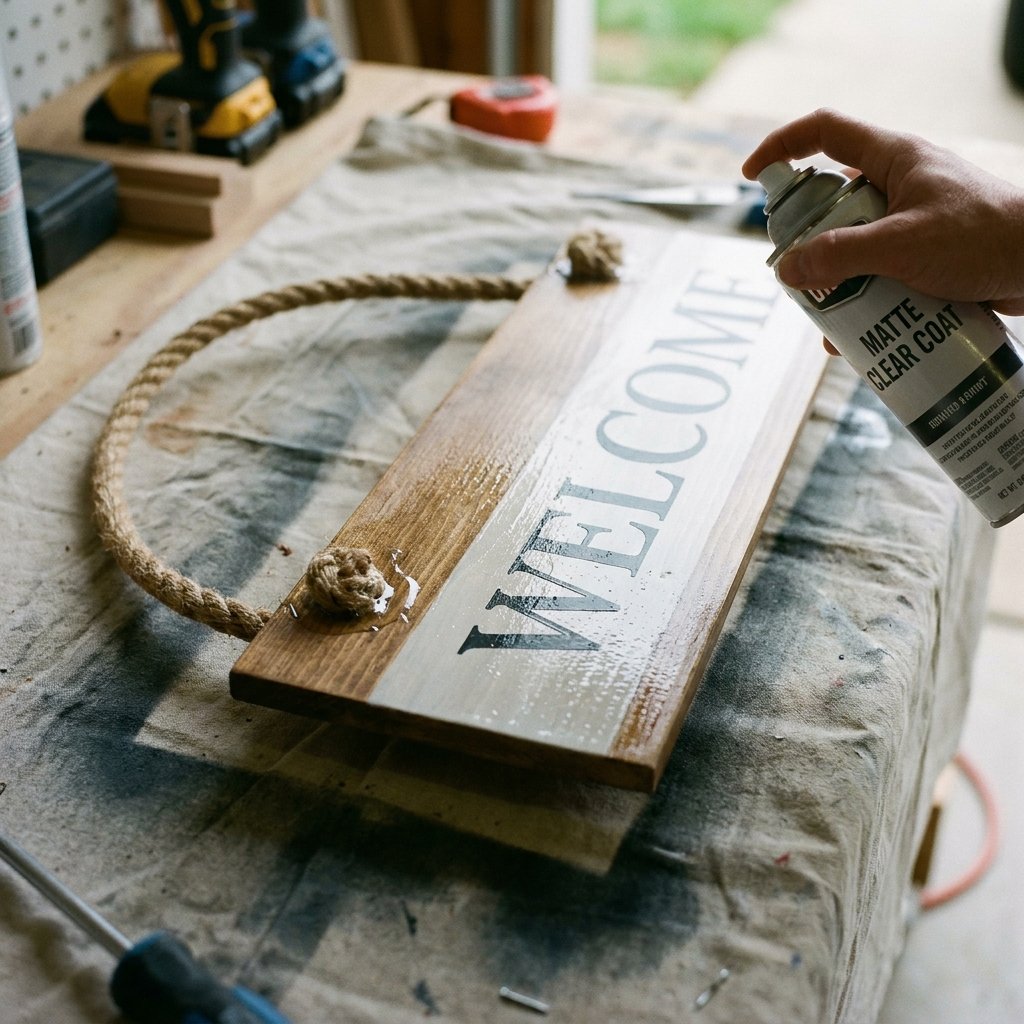
Your door hanger will likely be exposed to the elements, so we need to ensure it’s practically durable. A high-end piece doesn’t just look good; it lasts. Follow these final handy parent tips for a long-lasting finish:
- Seal the Surface: Use a matte spray sealer over the painted areas to prevent moisture from bubbling the paint.
- The Hanging Mechanism: Instead of a thin string, use a thick jute twine or a leather strip. Secure it to the back with a heavy-duty staple gun or industrial adhesive.
- Weight Balance: If your florals make the hanger lopsided, glue a few washers or pennies to the back of the opposite side to ensure it hangs perfectly straight.
By taking these extra 10 minutes, you elevate the project from a ‘craft’ to a ‘home fixture.’ Your total time investment is roughly 2 hours, but the result is a piece that looks like it cost $50 or more at a home goods store.
Conclusion
The Satisfaction of the Savvy Maker
There is a unique thrill in knowing that your beautiful front porch decor cost less than a fancy latte. By using resourceful techniques like the baking soda paint trick and structural floral layering, you’ve proven that style is not synonymous with spending. This spring door hanger is more than just a decoration; it’s a testament to your crafty expertise and your ability to see the potential in the everyday. Now, hang that masterpiece with pride, and when the neighbors ask where you got it, you can smile and say, ‘Oh, it’s a custom piece.’ Technically, you’re not lying! Happy crafting, and stay budget-savvy.


Makenzie is the founder and lead writer at MoneyHackTips.com — a personal finance blog dedicated to delivering street-smart financial wisdom for real people on real budgets. With 300+ published articles covering everything from debt management to investing fundamentals, Makenzie’s mission is to make every dollar work harder. When not writing about money hacks, Makenzie is testing frugal living strategies, optimizing side hustles, and helping readers build financial freedom from scratch.