
The High-End Greenery Myth
Let’s be honest: we’ve all walked through those high-end home decor stores and felt the sting of a $150 price tag on a single faux fiddle-leaf fig or a curated bunch of ‘real-touch’ eucalyptus. It’s enough to make any budget-savvy crafter scoff. But here is the rugged truth: the difference between a $1.25 Dollar Tree stem and a $95 Pottery Barn centerpiece isn’t the material—it’s the finish. Most cheap plants suffer from ‘the plastic sheen,’ a dead giveaway that your greenery was born in a factory mold rather than a forest. Today, we are going to use some resourceful, crafty expertise to bridge that gap. We’re talking about a total transformation using simple household items and a bit of masculine-elegant styling. By the time we’re done, your guests won’t be asking if your plants are real; they’ll be asking which boutique you raided to find them.
Budget Mantra: Luxury is not about what you spend; it is about the attention to detail you apply to the ordinary.
Deconstructing the ‘Cheap’ Aesthetic: Why Dollar Store Plants Look Fake
The Enemy: Industrial Shine
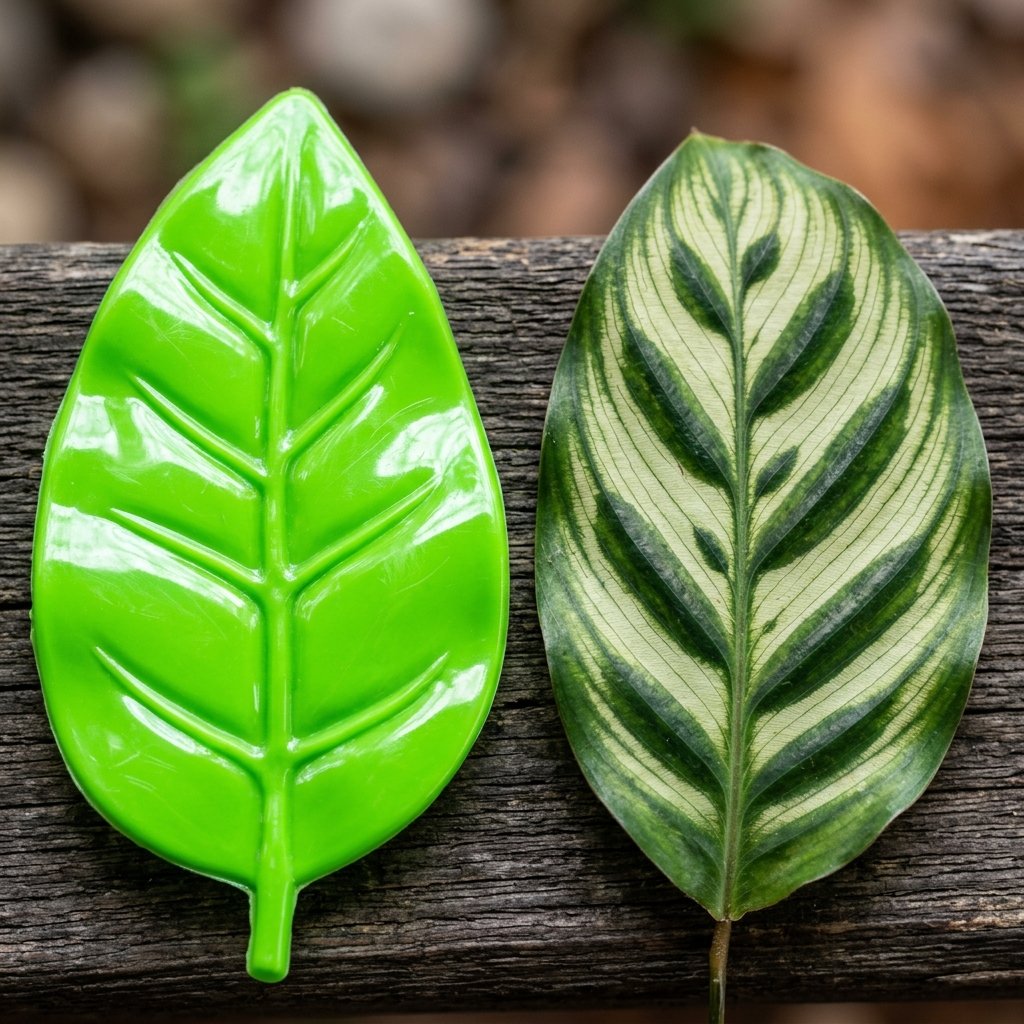
The primary reason cheap faux plants look ‘off’ is their reflective surface. Natural leaves have a complex, matte, or waxy texture that absorbs light in specific ways. Plastic stems from the dollar store reflect light uniformly, screaming ‘artificial.’ Additionally, the colors are often too vibrant—a single, flat shade of green that lacks the variegation of a living organism.
The Structural Flaw
Cheap plants are often perfectly symmetrical or oddly stiff. In nature, plants are rugged and slightly imperfect. They lean toward the light, have varying heights, and occasionally possess a ‘wonky’ leaf. To make our budget finds look luxury, we have to introduce some of that organic chaos.
- Plastic Flash: Excess plastic bits from the mold.
- Uniform Color: Lack of brown tips or lighter green new growth.
- Stiff Spacing: Leaves that are perfectly spaced at 90-degree angles.
The Resourceful Maker’s Toolkit: Materials and Cost Comparisons
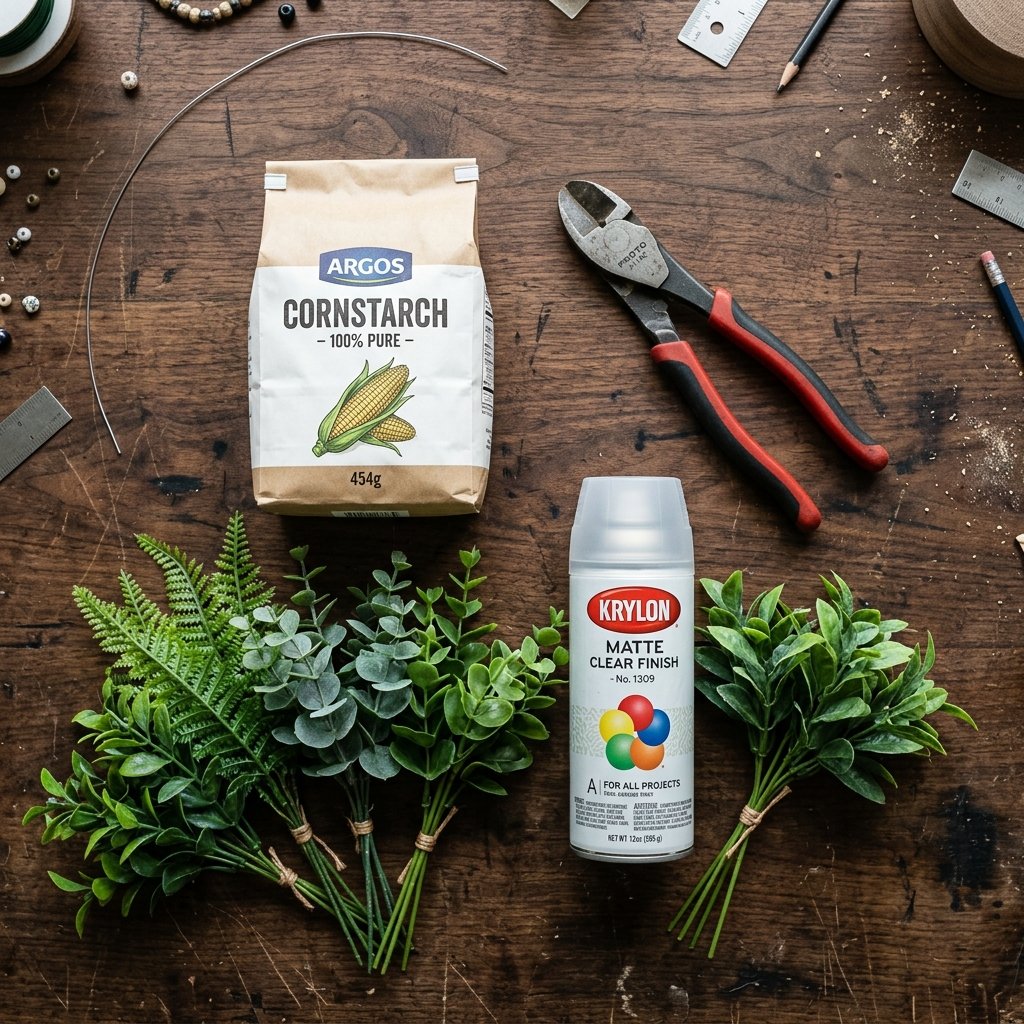
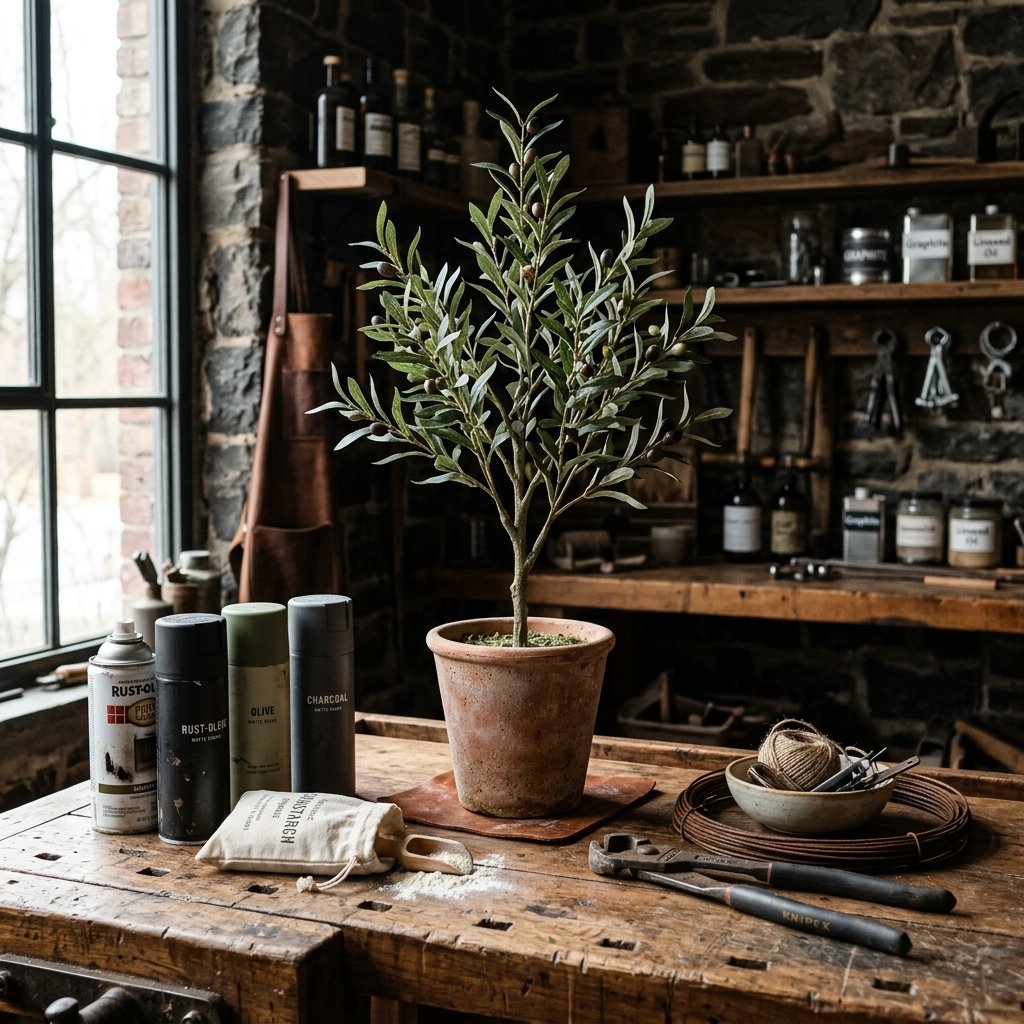
Before we dive into the ‘trick,’ let’s look at the numbers. A high-end faux olive bush can cost you upwards of $60. Our DIY version? We’re looking at under $10 for a full, lush arrangement. Here is the breakdown of what you’ll need from your local dollar store and your workshop.
| Item | Store-Bought Price | DIY Resourceful Cost |
|---|---|---|
| Faux Eucalyptus/Olive Stems (x5) | $45.00 | $6.25 |
| Matte Finishing Spray or Cornstarch | $12.00 | $1.25 |
| High-End Ceramic or Terracotta Pot | $25.00 | $1.25 (Upcycled) |
| Floral Foam & Real Dirt | $10.00 | $0.00 (Found) |
| Total | $92.00 | $8.75 |
By being clever with your materials, you are saving over 90% while achieving the same aesthetic result. That is the power of the crafty expert.
The Secret ‘Matte-Texture’ Protocol: Step-by-Step Transformation
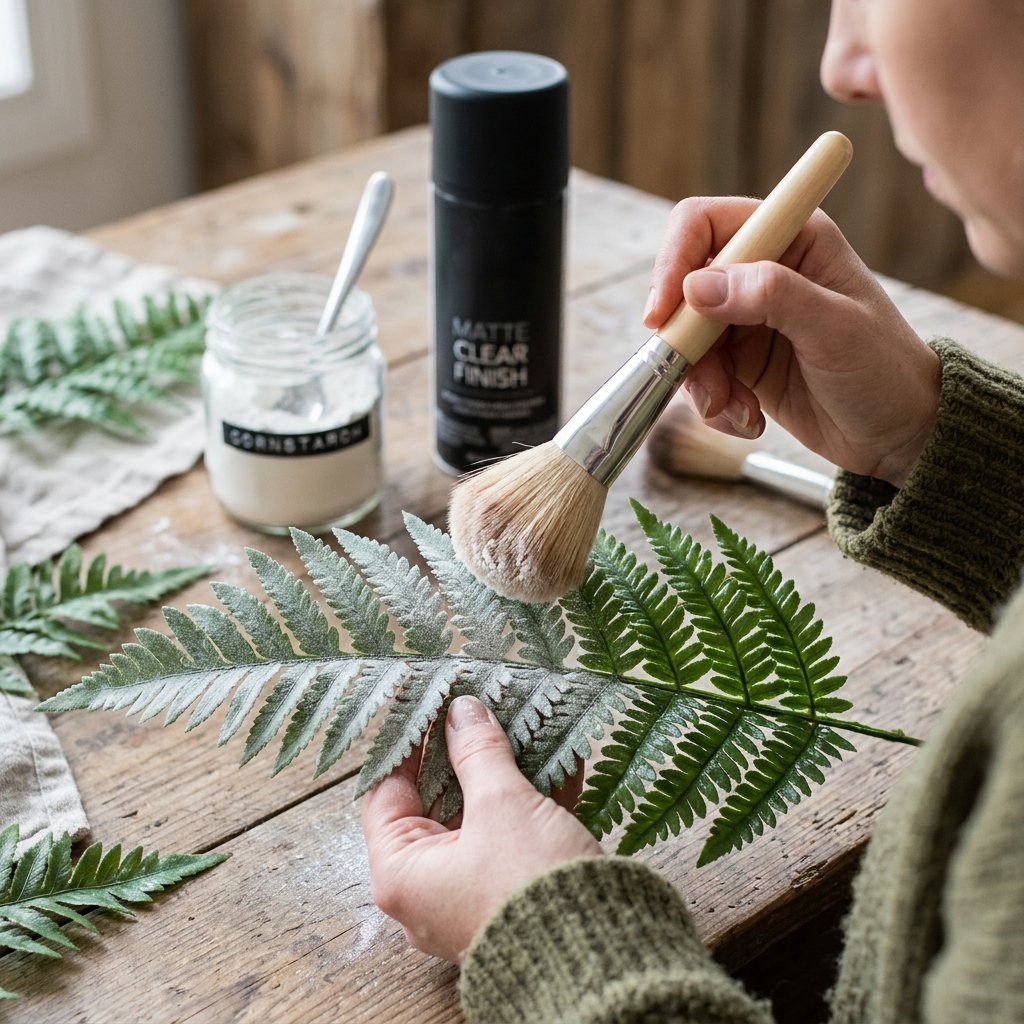
This is the ‘trick’ that changes everything. We are going to strip away that factory shine and replace it with a sophisticated, organic finish.
Step 1: The Matte Spray Hack
Take your plastic stems outside. Using a clear matte spray paint (or even a cheap matte hairspray in a pinch), apply a very light, misty coat over the leaves. Do not soak them. You want to break the surface tension of the plastic. This takes exactly 2 minutes to dry.
Step 2: The Cornstarch Dusting
While the spray is still slightly tacky, or even if it’s dry, take a small brush and light dust the leaves with cornstarch or baby powder. This creates a ‘velvety’ texture similar to the natural dust found on real eucalyptus or succulents. Wipe away the excess with a microfiber cloth.
Step 3: The Paint Wash
For stems that are too bright green, mix a tiny drop of brown or dark grey acrylic paint with 90% water. Brush this ‘grime’ into the crevices of the leaves and stems. It mimics the natural dirt and age of a real plant.
- Spray with matte finish.
- Dust with cornstarch for ‘bloom’ texture.
- Apply a watery dark wash to the stems.
- Wipe highlights with a damp cloth.
Foundational Realism: Potting, Weighting, and the ‘Real Dirt’ Illusion
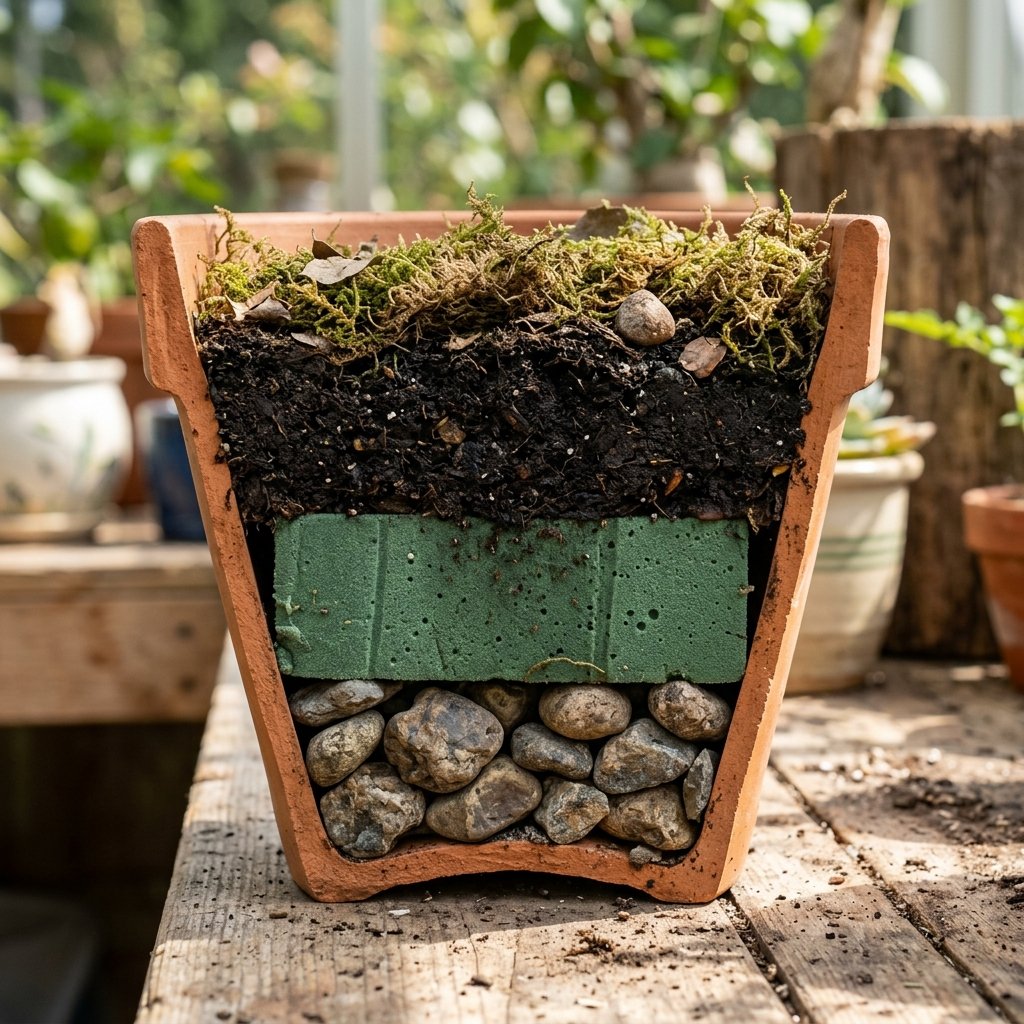
Nothing gives away a fake plant faster than a pot that is too light. If a 3-foot tall plant weighs 4 ounces, the brain immediately knows it’s a fraud. We need to give our project some ‘heft.’
The Weighting Technique
Fill the bottom of your pot with rocks, gravel, or even old hardware (nuts and bolts). This lowers the center of gravity and makes the pot feel like it’s filled with heavy, moisture-rich soil.
The ‘Real Dirt’ Topper
Stop using that neon-green craft moss! It looks like a miniature golf course. Instead, use real dried coffee grounds or actual dirt from your backyard. Secure it with a layer of white glue. This tiny detail is the hallmark of a masculine-elegant design.
Pro Tip: For an ultra-luxury look, use ‘Spanish Moss’ in a grey-scale tone, or black lava rocks for a modern, rugged finish.
Advanced Sculpting: Heat-Setting and Stem Manipulation
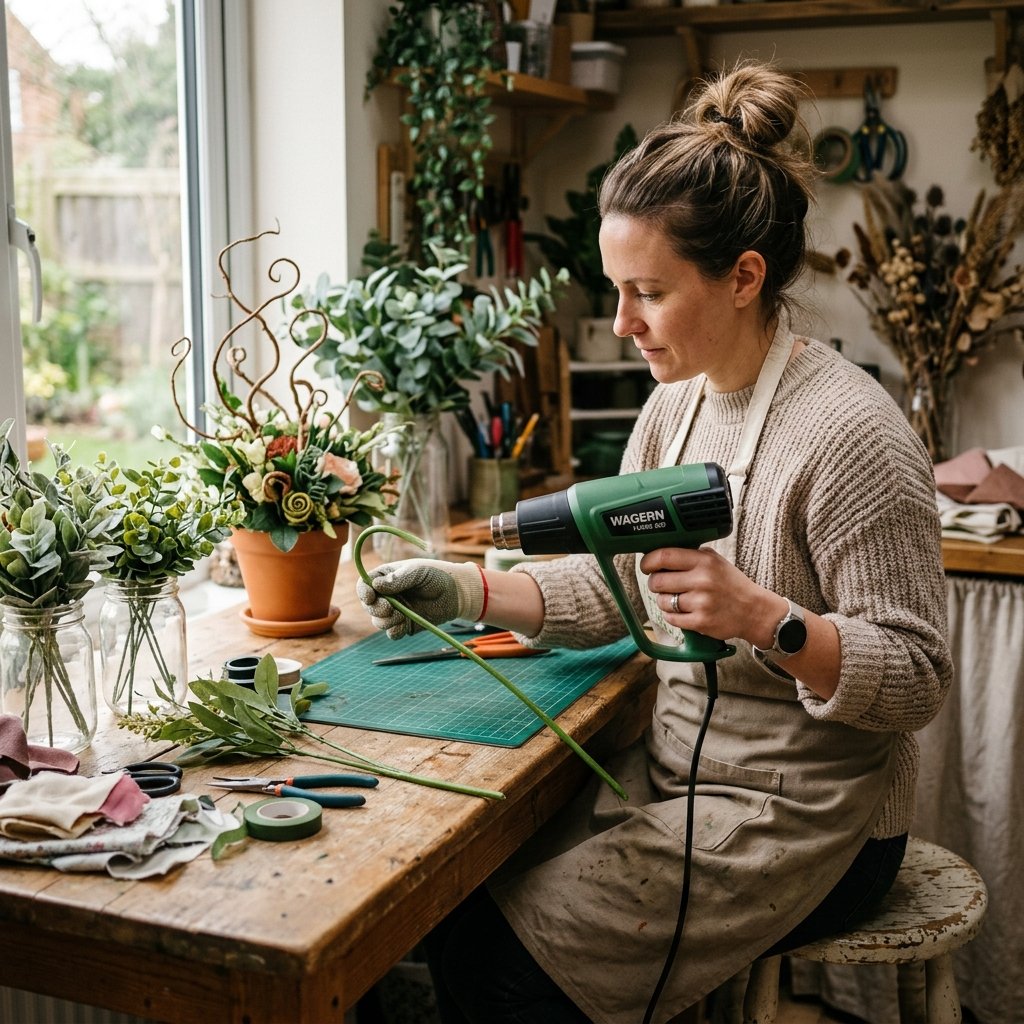
In nature, plants aren’t straight. They have ‘gesture.’ To achieve this, we use the Heat-Setting Trick.
Using a Hairdryer or Heat Gun
Gently heat the plastic stems for 30 seconds. While the plastic is warm and pliable, bend the stems into a slight ‘S’ curve. Hold them in place until they cool. This removes the ‘straight out of the box’ look.
The Pruning Method
Luxury plants are often sparser and more architectural. Don’t be afraid to take your wire cutters and snip off the small, obviously fake plastic buds or excess leaves. A ‘less is more’ approach creates a more sophisticated, curated silhouette.
- Bend at the base: Make the plant look like it’s reaching for a window.
- Vary the heights: If using multiple stems, cut them at different lengths to avoid a ‘flat’ top.
- Angle the leaves: Flip some leaves over so the underside shows, just like a real plant in a breeze.
Conclusion
The Luxury Result on a Thrift Budget
By applying these resourceful techniques—matte finishes, weighted potting, and heat-sculpting—you have effectively turned $5 worth of materials into a piece of decor that would retail for ten times that amount. You’ve mastered the ‘Trash-to-Treasure’ philosophy, proving that a clever eye and a little bit of workshop grit are more valuable than a big budget. Now, go forth and ‘green up’ your home with the confidence of a professional stylist. Your space will look more vibrant, your wallet will stay heavy, and your ‘fake’ plants will finally have the soul they were missing. Happy crafting!


Makenzie is the founder and lead writer at MoneyHackTips.com — a personal finance blog dedicated to delivering street-smart financial wisdom for real people on real budgets. With 300+ published articles covering everything from debt management to investing fundamentals, Makenzie’s mission is to make every dollar work harder. When not writing about money hacks, Makenzie is testing frugal living strategies, optimizing side hustles, and helping readers build financial freedom from scratch.