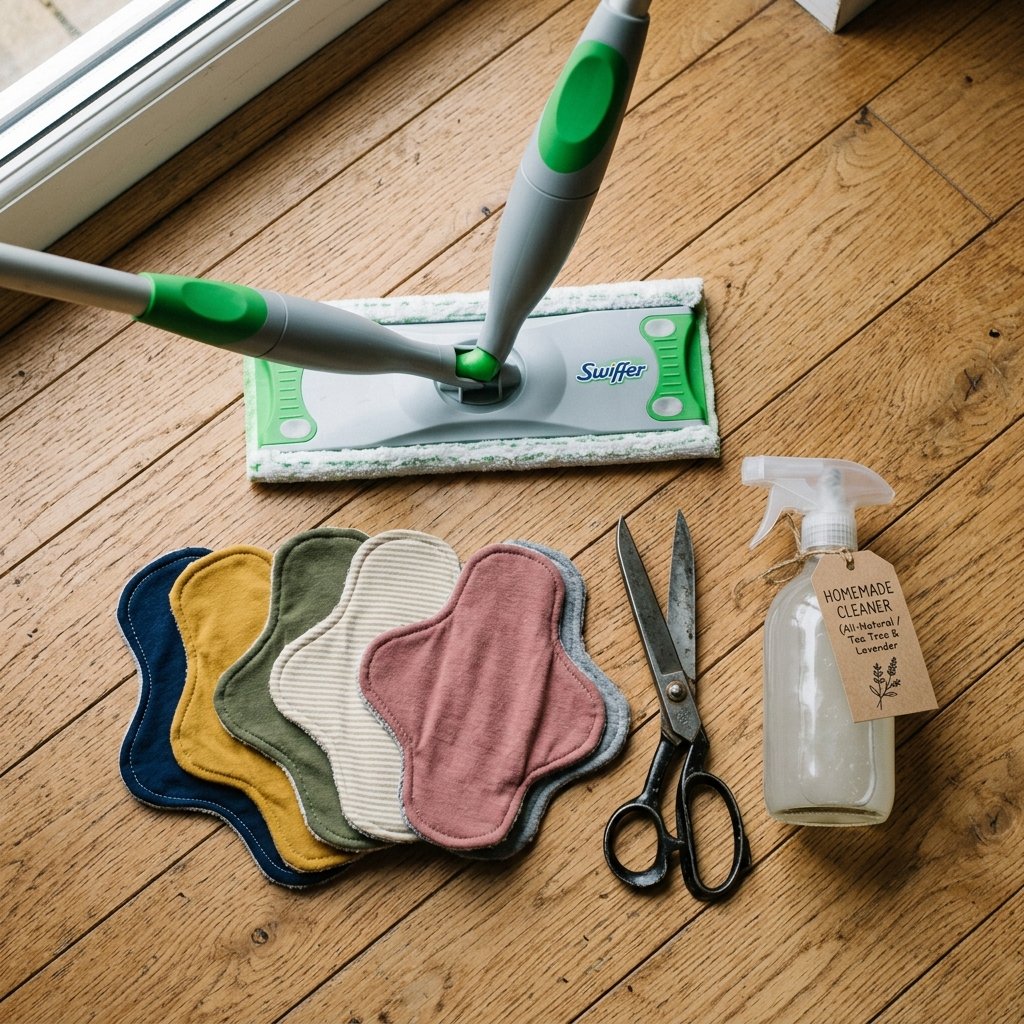

Let’s talk about the hidden tax on your household budget: the disposable floor wipe. If you are a frugal DIYer, you know that those $15 to $20 boxes of name-brand refills are essentially money being thrown into the trash—literally. Every time you finish a room, you peel off a piece of polyester and toss it. It’s inefficient, expensive, and frankly, we can do better. As a resourceful crafter, you likely have a goldmine sitting in your dresser or a local thrift store’s $1 bin: the humble, 100% cotton T-shirt.
By upcycling old shirts into reusable Swiffer pads, you aren’t just saving money; you’re creating a tool that actually performs better. Cotton jersey has a natural grip and absorbency that synthetic disposables can’t match. In this guide, we are going to dive deep into the rugged, practical world of trash-to-treasure cleaning. We’ll cover the precise measurements, the best fabric weights for scouring, and even a few no-sew hacks for those who want results in under 5 minutes. It is time to reclaim your cleaning budget and give those old shirts a second life as high-performance floor warriors.
The Financial Breakdown: Store-Bought vs. The T-Shirt Goldmine
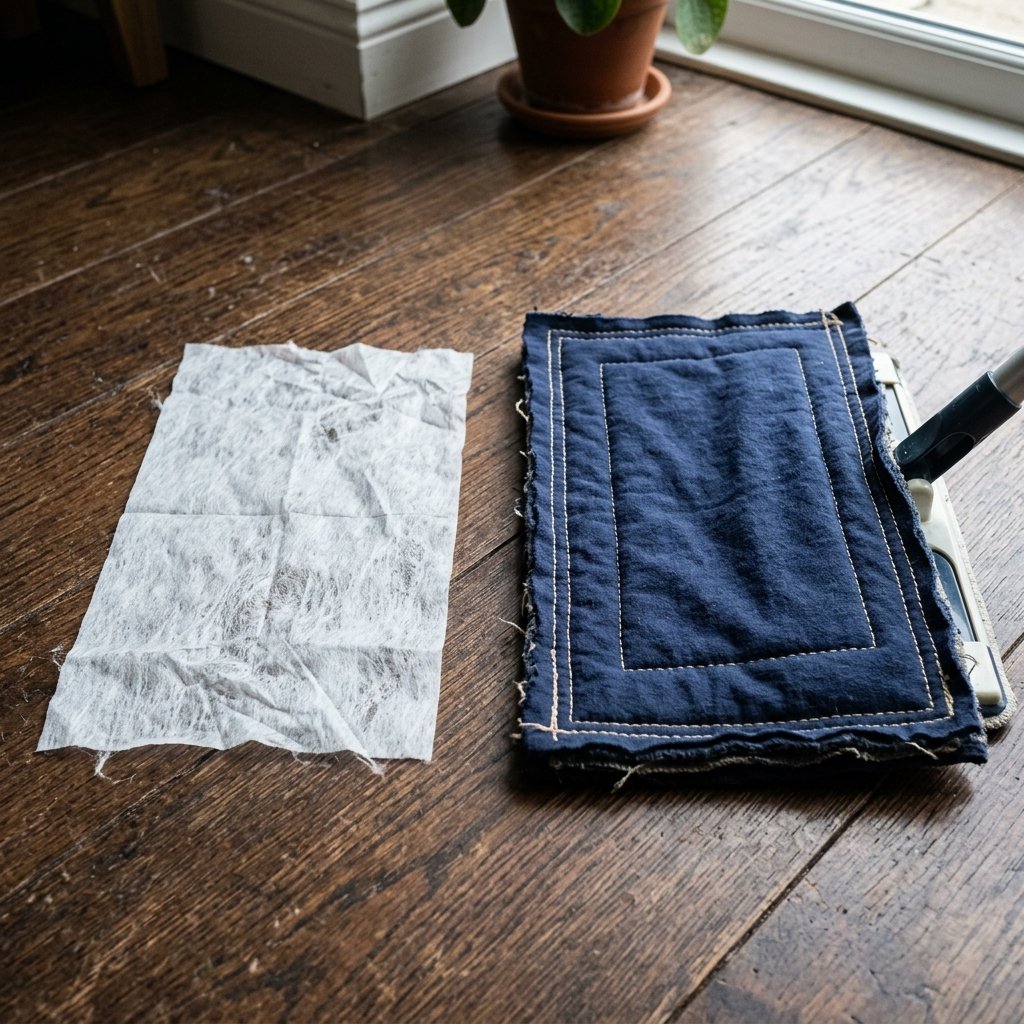
Before we pick up the scissors, let’s look at the hard numbers. The average household goes through roughly one box of 24-count refills every two months. Over a year, that is a recurring cost that never ends. By switching to DIY reusable pads, your investment is essentially $0 if you use shirts you already own, or about $0.50 per pad if you source high-quality cotton from thrift stores.
| Item | Store-Bought Disposables | DIY Upcycled Pads |
|---|---|---|
| Initial Cost | $12.00 – $18.00 per box | $0.00 (Upcycled) |
| Annual Cost | $72.00 – $108.00 | $0.00 |
| Durability | Single Use (15 mins) | 50+ Washes |
| Environmental Impact | High (Landfill waste) | Zero (Biodegradable/Reusable) |
| Cleaning Power | Chemical-heavy/Thin | Customizable/Absorbent |
As you can see, the savings are significant. Over five years, you are looking at saving over $500 just by spending 20 minutes at your crafting table today. That is money that could go toward your next big project or a well-deserved night out.
Fabric Science: Selecting the Ultimate Cleaning Material
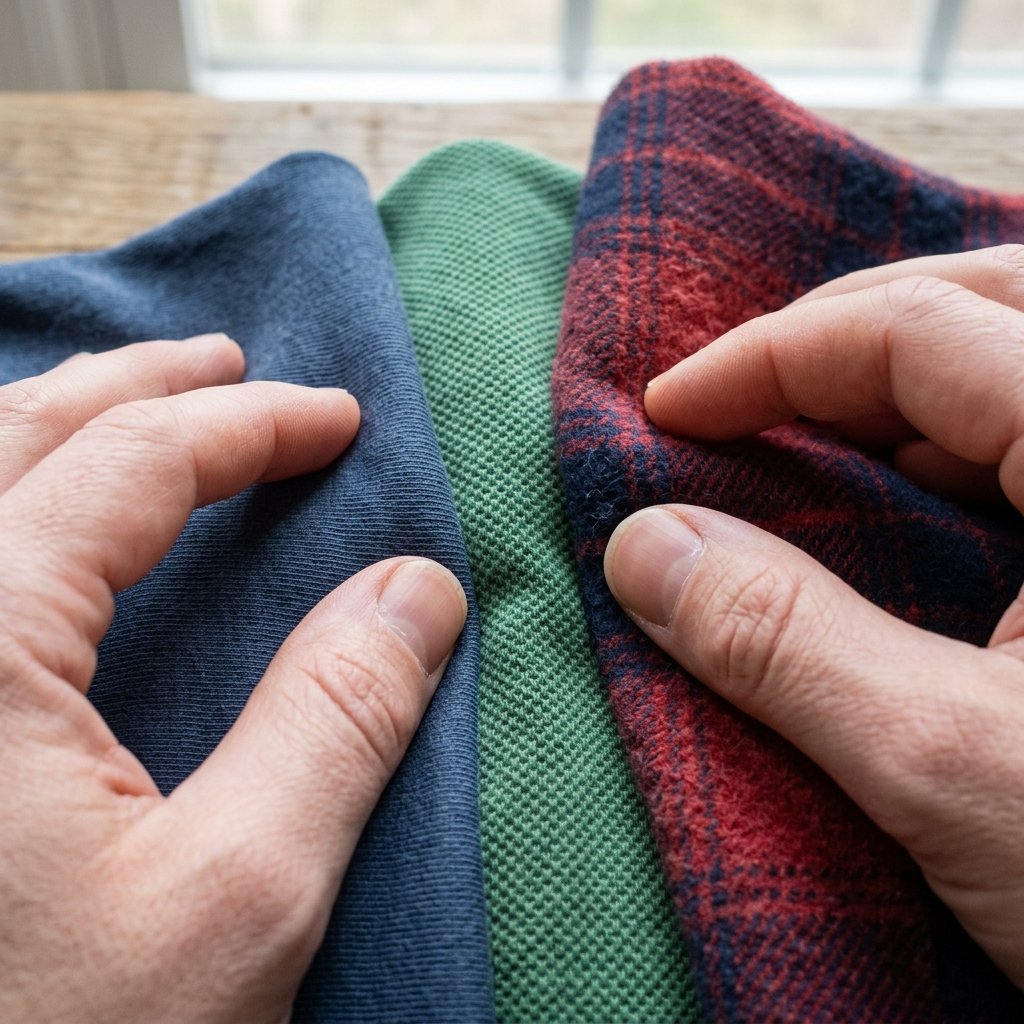
Not all T-shirts are created equal. When you are scouting your closet for materials, you need to look for specific characteristics to ensure your pads actually pick up dust and hair rather than just pushing it around. The goal is maximum surface area and capillary action.
The Best Fabric Candidates
- 100% Heavyweight Cotton: These are usually your thicker, masculine-cut shirts. They offer the best absorbency for wet mopping and can withstand heavy scrubbing without tearing.
- Cotton-Polyester Blends (80/20): A slight bit of polyester adds durability and helps the pad dry faster after washing. It also provides a bit of ‘static cling’ which is excellent for dry dusting.
- Terry Cloth (Old Polos): If you have old pique or terry-style shirts, these are the ‘gold standard’ for scrubbing dried-on mud or kitchen spills.
Frugal Tip: Avoid shirts with large plastic-style screen prints on the cleaning side. These prints are non-absorbent and will leave streaks on your hardwood or tile. Use the plain back of the shirt for the cleaning surface!
| Fabric Type | Best Use Case | Scrubbing Power |
|---|---|---|
| 100% Jersey Cotton | Everyday Dusting | Moderate |
| Heavyweight Flannel | Polishing Wood Floors | Low |
| Pique (Polo Shirt) | Wet Mopping/Kitchens | High |
The Precision Cut: Dimensional Guide for a Perfect Fit
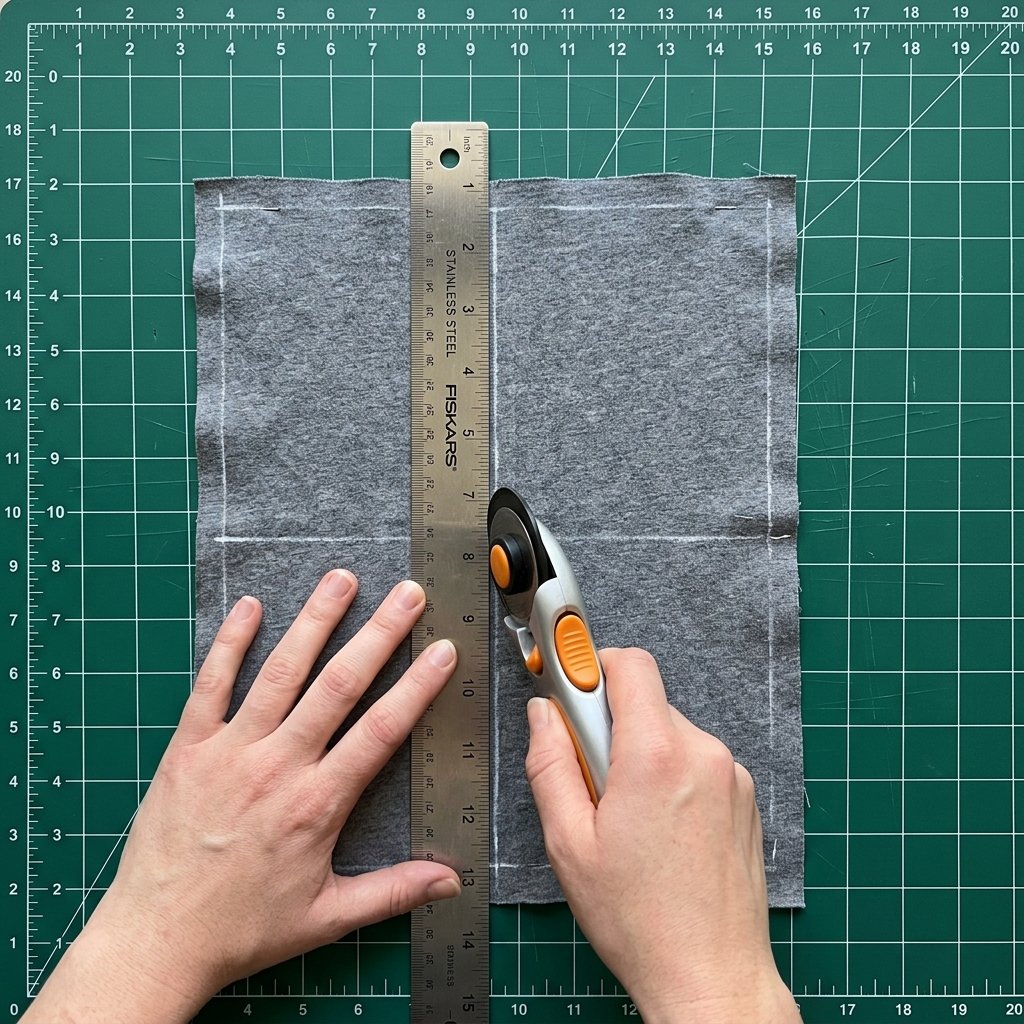
A standard Swiffer Sweeper head measures approximately 10 inches by 4.5 inches. To ensure your DIY pad stays secure in the ‘gripper’ holes on top of the mop, you need to cut your fabric larger than the base. We are aiming for a wrap-around fit.
Step-by-Step Cutting Instructions
- Laying Flat: Lay your T-shirt on a flat cutting mat. Ensure there are no wrinkles.
- The Template: Use a ruler to mark a rectangle that is 10 inches wide and 12 inches long. This allows for 4.5 inches of base coverage and nearly 4 inches of ‘over-wrap’ to tuck into the grippers.
- The Double-Layer Hack: For a more rugged feel, do not cut the shirt into single layers. Cut through both the front and back of the shirt at once. This gives you a double-thick pad that holds more cleaning solution.
- Edge Finish: If you have pinking shears (the scissors that cut zig-zags), use them! This prevents the cotton jersey from curling and fraying in the wash, keeping your DIY pads looking professional and ‘masculine-elegant’ for longer.
If you find that the fabric is slipping out of the grippers, you can increase the length to 13 inches. The extra bulk ensures a tighter lock.
Rugged Reinforcement: The Stitched ‘Pro’ Version
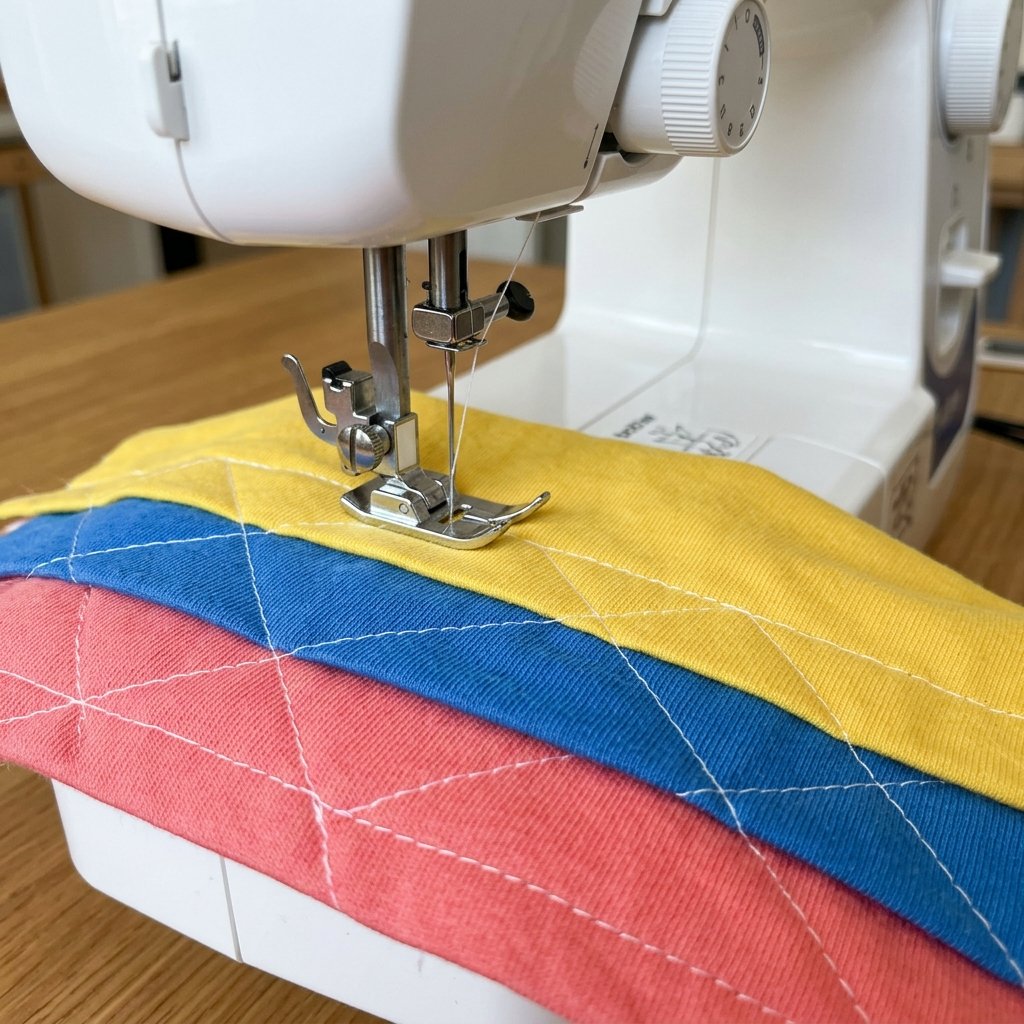
While the no-sew method is great for a quick fix, the Crafty Expert knows that a few minutes with a needle and thread (or a sewing machine) can turn a rag into a long-term tool. By stitching multiple layers together, you create a pad with ‘quilted’ channels that trap dirt more effectively.
The ‘Channel’ Stitch Method
- Layering: Stack 3 layers of T-shirt fabric. You can even use a layer of an old towel in the middle for extreme absorbency.
- The Border: Sew a straight stitch 1/2 inch from the edge all the way around the perimeter.
- The Channels: Sew three vertical lines down the length of the pad. This prevents the fabric from bunching up when you are scrubbing vigorously.
- The Fastener (Optional): If you hate the ‘gripper’ holes on the Swiffer, sew two strips of Velcro onto the top flaps of your pad. This allows you to ‘strap’ the pad onto the mop head securely.
Mending Mantra: “A stitch in time saves nine, but a double-stitched hem saves fifty bucks a year on refills.”
The Secret Sauce: DIY Non-Toxic Floor Sprays
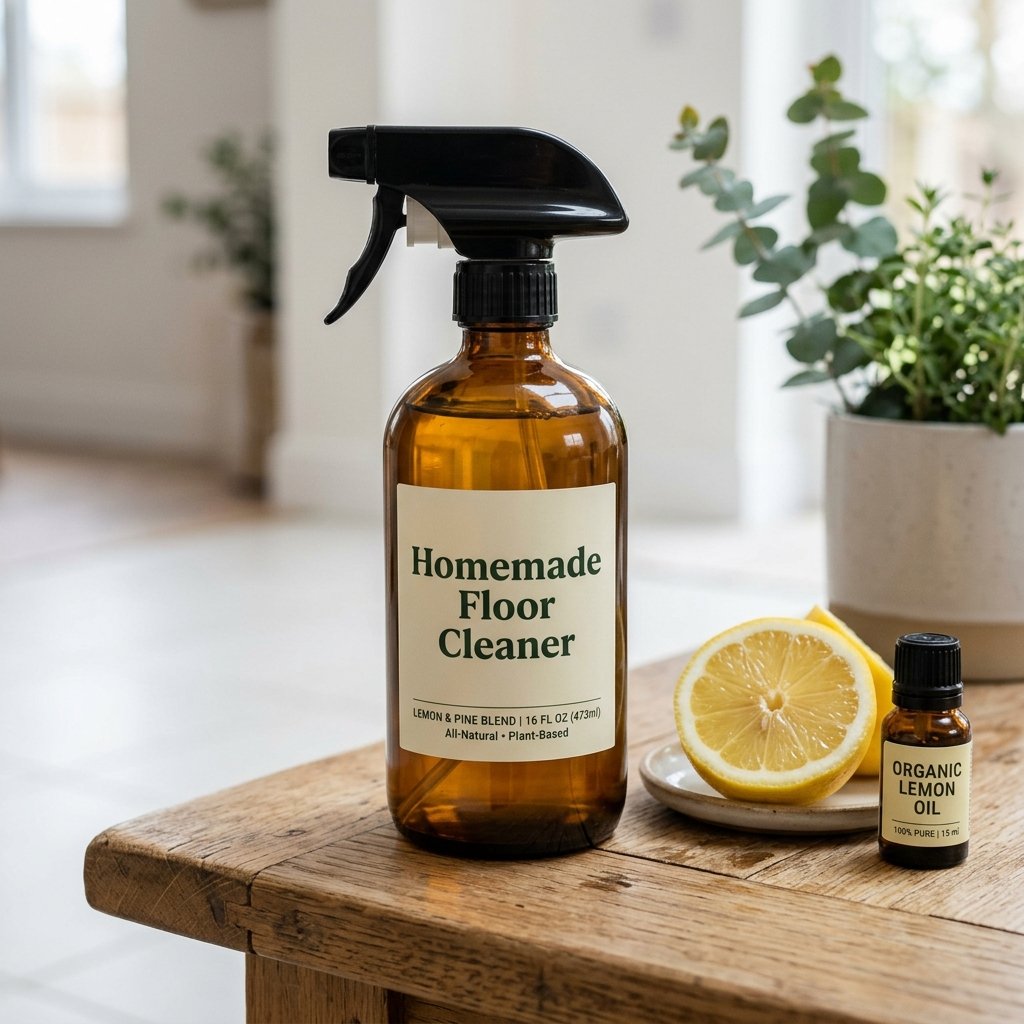
Now that you have your reusable pads, you need a high-quality cleaning solution. Stop buying the plastic bottles of ‘pre-mixed’ solution. They are mostly water and synthetic fragrances. You can make a rugged, effective, and wood-safe cleaner for pennies.
The Ultimate All-Purpose Floor Recipe
| Ingredient | Measurement | Purpose |
|---|---|---|
| Distilled Water | 2 Cups | Base / Dilution |
| White Vinegar | 1/2 Cup | Disinfectant & Degreaser |
| Rubbing Alcohol | 1/4 Cup | Streak-free Drying |
| Essential Oil (Lemon/Pine) | 10 Drops | Natural Scent & Antimicrobial |
| Castile Soap | 1 Teaspoon | Lifts Dirt |
Simply mix these in a glass spray bottle. Spray the floor directly ahead of your mop, or pre-soak your DIY T-shirt pads in a container for ‘grab-and-go’ cleaning. The alcohol ensures the floor dries almost instantly, which is vital for maintaining the integrity of laminate or hardwood.
Laundering and Longevity: Keeping Your Pads Fresh
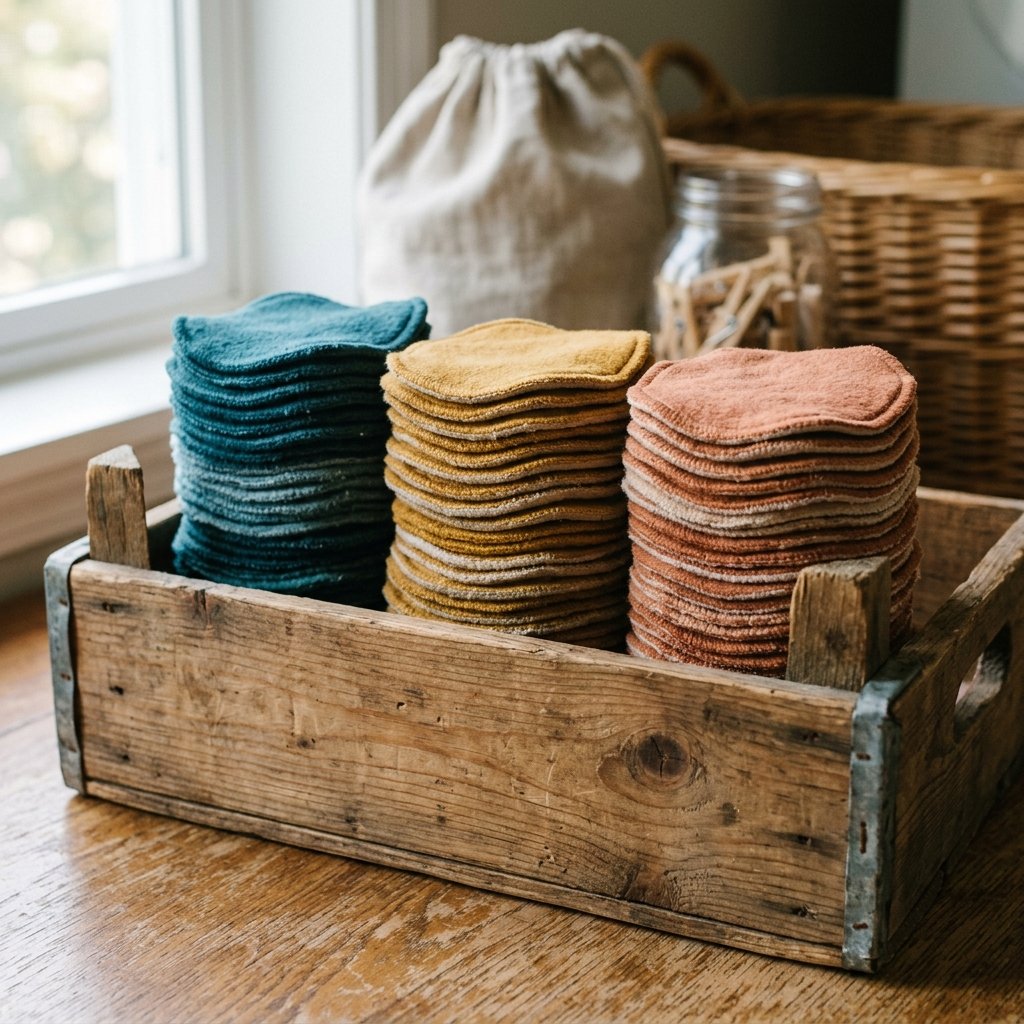
To keep your upcycled pads in peak condition, you need a simple maintenance routine. Because these are made of cotton, they can be treated just like your regular laundry, but with one critical rule: avoid fabric softener.
The Maintenance Protocol
- The Shake-Out: After use, shake the dry dust into the bin or use a stiff brush to remove hair clumps.
- The Wash: Toss them in a mesh laundry bag. Wash on Hot to kill bacteria and allergens.
- The ‘No-Softener’ Rule: Never use fabric softener or dryer sheets with your cleaning pads. Softeners leave a waxy coating on fibers that destroys absorbency and will cause your floors to look cloudy.
- Storage: Store them in a repurposed shoebox or a small wooden crate near your mop for easy access.
With proper care, a single set of 10-12 pads made from 3-4 old shirts can last you two to three years of weekly cleaning.
Conclusion
Upcycling your old T-shirts into reusable Swiffer pads is the ultimate budget-savvy win. You have successfully diverted waste from the landfill, saved nearly $100 a year, and equipped your home with a cleaning tool that is more effective than anything you can buy in a plastic tub. Whether you chose the 5-minute no-sew route or the heavy-duty stitched version, you’ve proven that being resourceful is always in style.
Next time you see a worn-out shirt with a hole in the armpit, don’t toss it. See it for what it truly is: a high-performance, zero-cost floor refill waiting to happen. Happy cleaning, and stay crafty!


Makenzie is the founder and lead writer at MoneyHackTips.com — a personal finance blog dedicated to delivering street-smart financial wisdom for real people on real budgets. With 300+ published articles covering everything from debt management to investing fundamentals, Makenzie’s mission is to make every dollar work harder. When not writing about money hacks, Makenzie is testing frugal living strategies, optimizing side hustles, and helping readers build financial freedom from scratch.