
The Secret Weapon of Stealthy Stylists
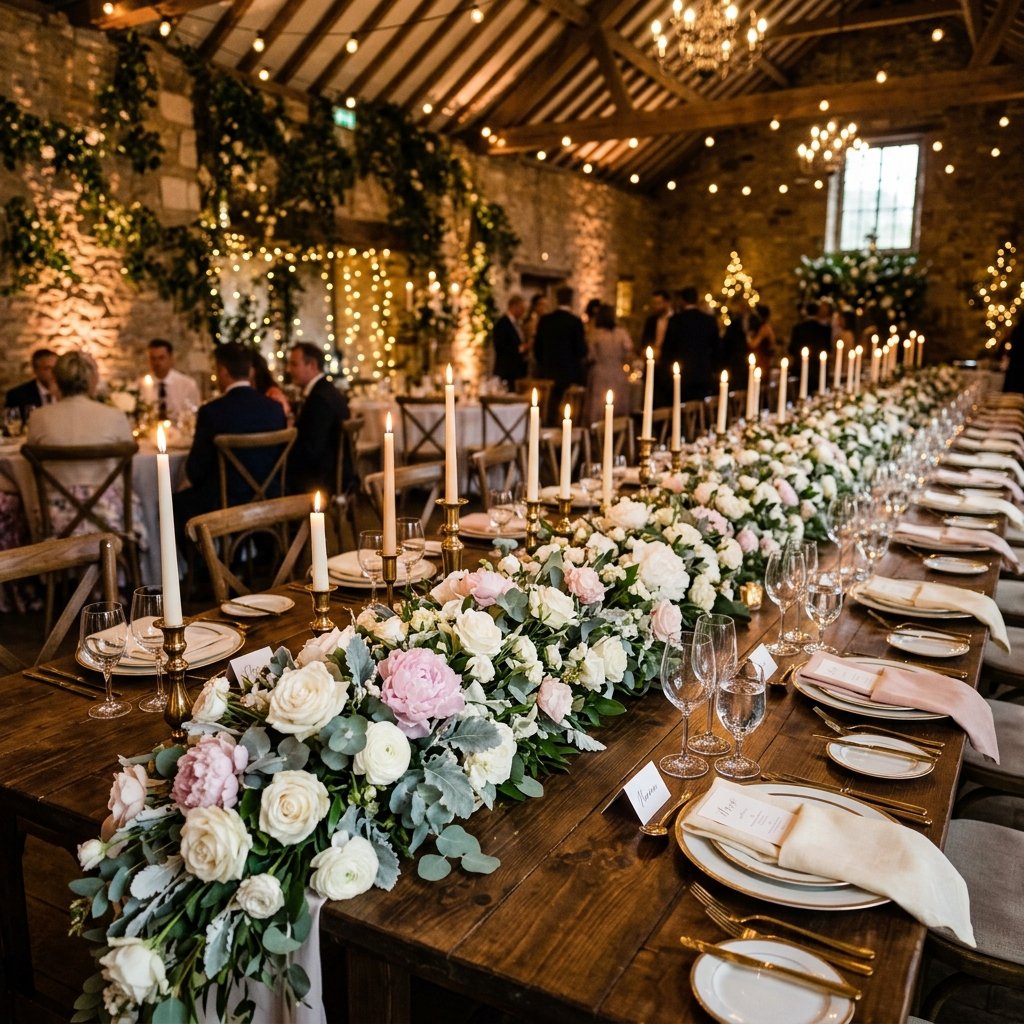
Let’s talk about a little secret that high-end wedding planners and event stylists don’t want you to know: you don’t need a $500 floral budget to create a centerpiece that looks like it belongs on the cover of a luxury magazine. In the world of resourceful crafting, we look past the intended use of an object to find its structural soul. Enter the humble pool noodle. Yes, that neon-colored foam tube floating in your neighbor’s pool is actually the most versatile, lightweight, and budget-friendly floral foam alternative on the market. Whether you are a frugal DIYer planning a dream wedding, a crafty parent hosting a baby shower, or just someone who loves a ruggedly elegant home aesthetic, this tutorial is your roadmap to creating a jaw-dropping floral table runner for next to nothing.
“True creativity is seeing a diamond in the rough—or in this case, a floral masterpiece in a $1.25 foam tube.”
In this guide, we aren’t just sticking flowers into foam; we are engineering a centerpiece that is durable, reusable, and visually dense. We will cover the mechanics of the build, the art of the ‘layering’ technique, and how to source high-quality looking silks without the high-end price tag. Prepare to save 90% compared to florist rates while earning 100% of the bragging rights.
The Engineering of Elegance: Why the Pool Noodle is a DIY Powerhouse
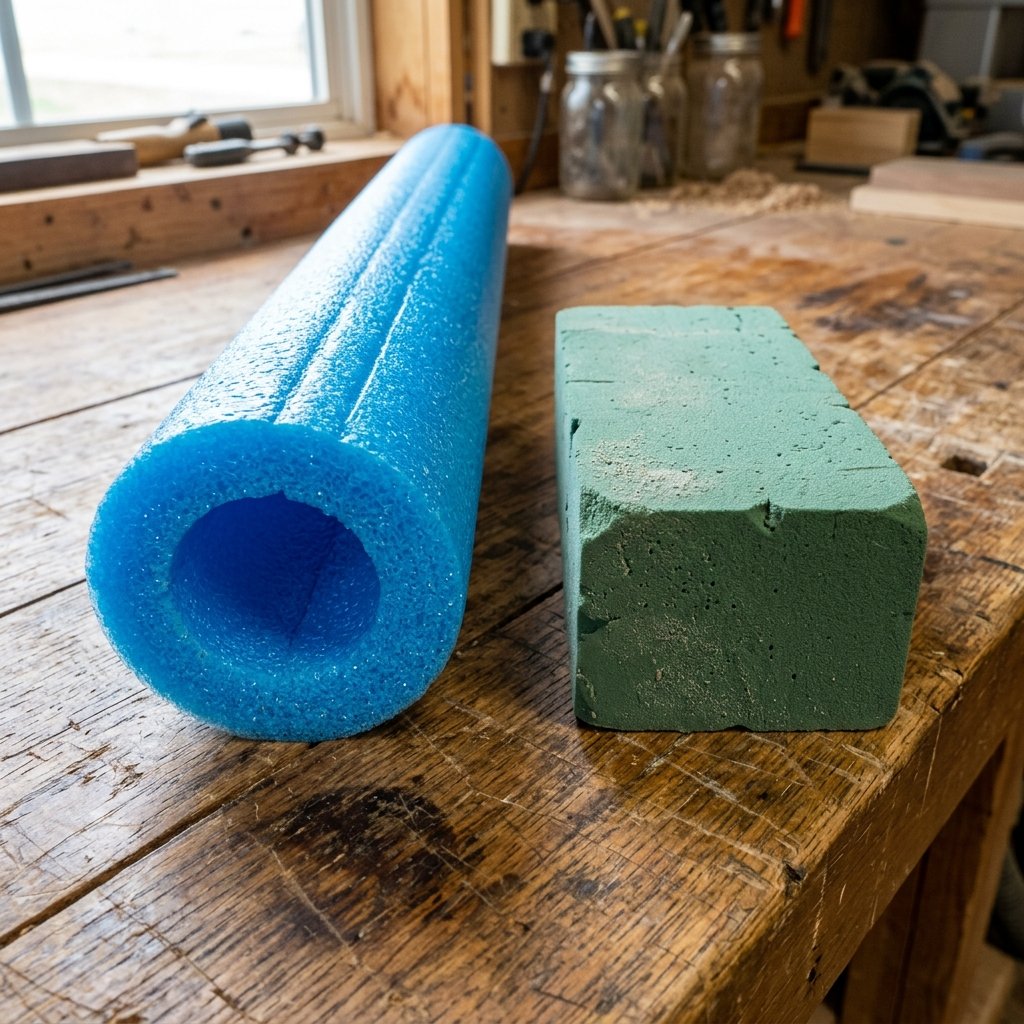
Why a pool noodle instead of traditional green floral foam bricks? As a savvy crafter, you need to think about portability, cost, and durability. Traditional floral foam is brittle, creates a mess of green dust, and can cost upwards of $5.00 per block. A single pool noodle from the local dollar store costs just $1.25 and provides nearly four feet of continuous mounting surface. Its cylindrical shape provides a natural ‘dome’ effect, which means you need fewer flowers to create a lush, full look because the base already has built-in height and curvature.
Benefits of the Noodle Base
- Feather-Light: Easy to transport from your craft room to the venue without breaking your back.
- Flexibility: Unlike rigid foam, a noodle can be curved to fit round tables or snaked across a long banquet table for a more organic feel.
- Gripping Power: The dense polyethylene foam holds wire stems securely, often eliminating the need for messy adhesives.
- Waterproof: If you choose to mix in real greenery, the noodle won’t degrade when it gets damp.
By choosing this rugged and practical base, you are setting yourself up for a professional-grade result. The goal here is to create a foundation that is so sturdy it can be moved, stored, and reused for multiple events, saving you even more money in the long run.
The Receipt of Victory: Cost Comparison and Material List
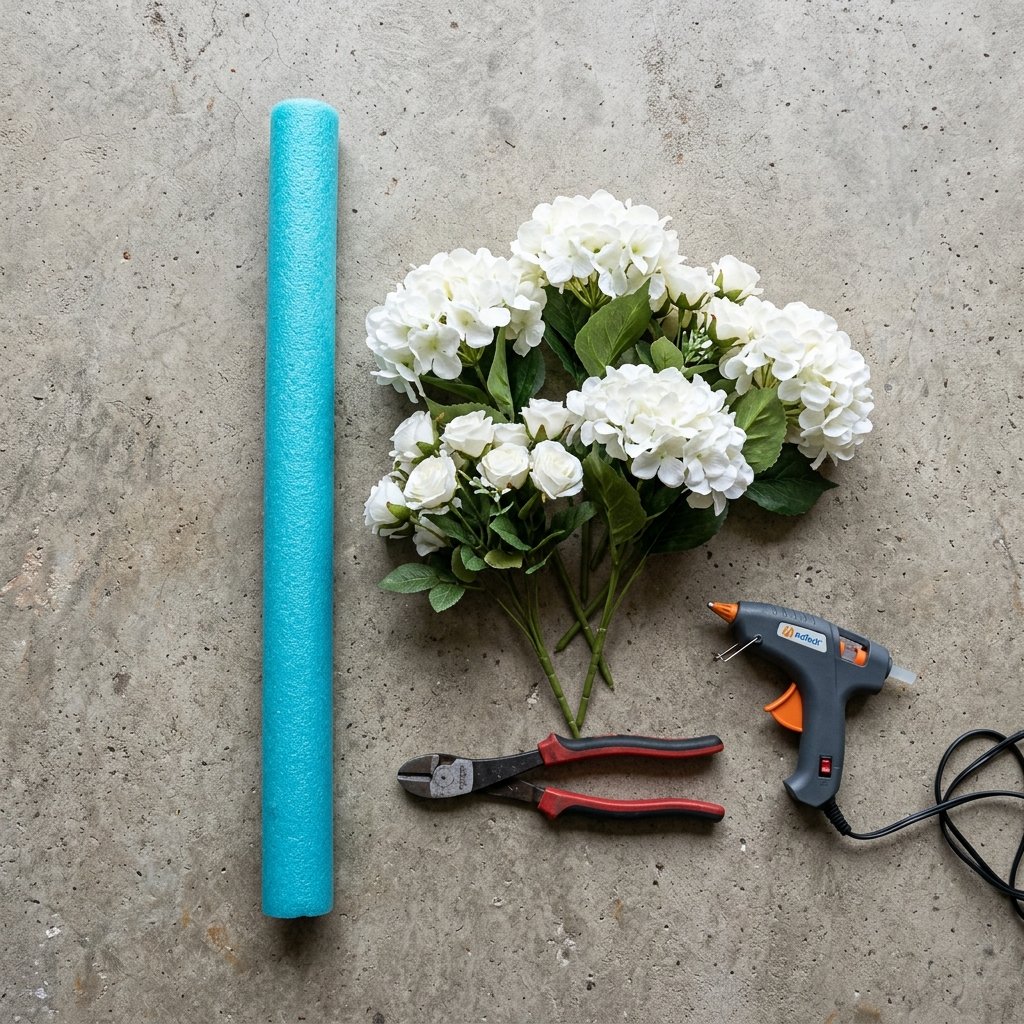
Before we pick up the hot glue gun, let’s look at the numbers. A professional florist-made 4-foot silk floral runner can easily retail for $150 to $300 depending on the density of the blooms. Our goal is to achieve that exact same look for under $20. By being clever with your sourcing—think Dollar Tree, thrift stores, and end-of-season clearance—you can maximize your aesthetic impact while minimizing your financial output.
| Material Item | DIY Cost (Approx.) | Store/Pro Price |
|---|---|---|
| Base Foundation (Pool Noodle) | $1.25 | $15.00 (Floral Foam) |
| Main Blooms (Roses/Peonies) | $7.50 | $80.00+ |
| Filler Greenery (Eucalyptus/Ferns) | $5.00 | $45.00+ |
| Adhesives & Hardware | $1.25 | $10.00 |
| Total | $15.00 | $150.00+ |
As you can see, the savings are staggering. That $135 difference is money that can go toward the catering, the dress, or your next big DIY project. To get started, gather your tools: a utility knife, a high-temp hot glue gun (for those stubborn stems), wire cutters, and your selected florals. Look for silk flowers with variegated colors and realistic textures; avoid anything that looks too ‘plastic’ or shiny to maintain that masculine-elegant and sophisticated finish.
Prepping the Foundation: Cutting, Shaping, and Securing Your Base
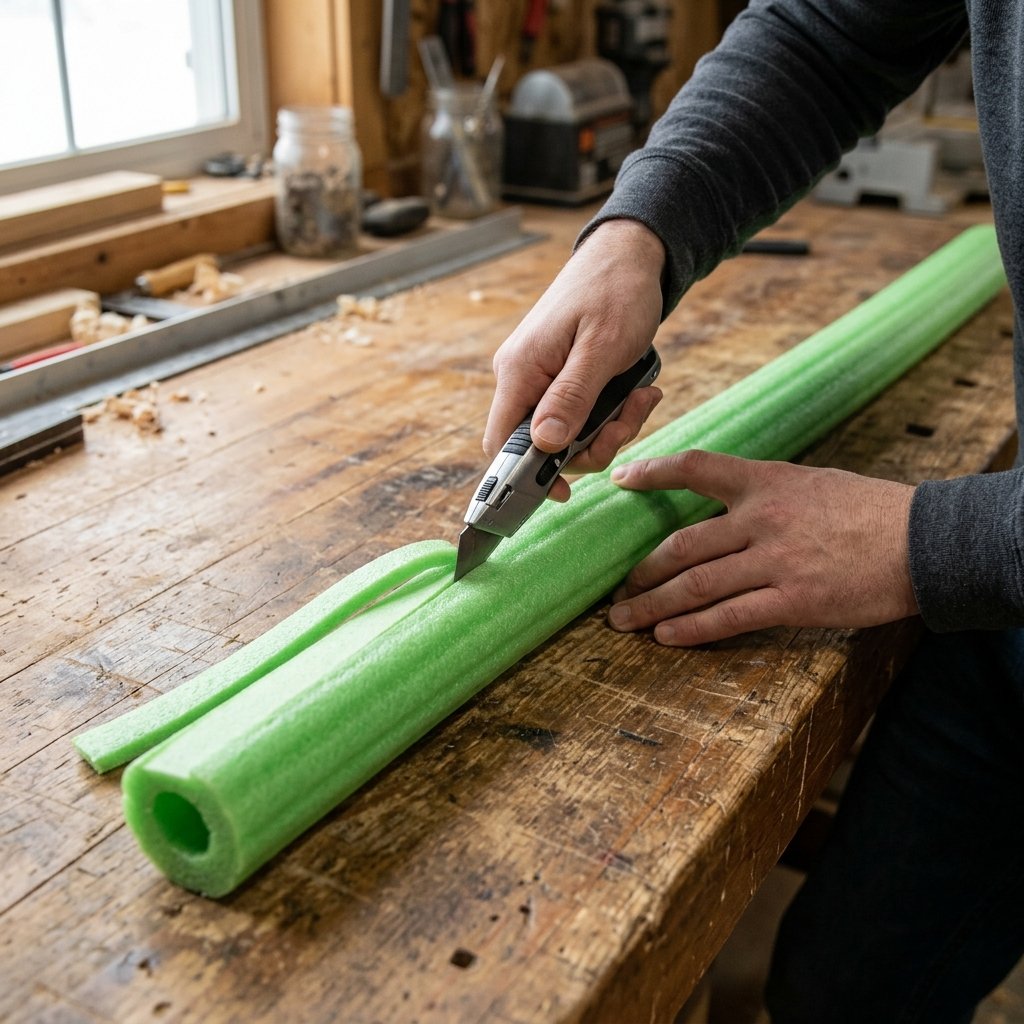
The most critical step in this process is preparing the noodle so it sits flat on your table. A rolling centerpiece is a disaster waiting to happen. You want a stable, low-profile base that looks like it is growing out of the table rather than hovering over it.
Safety Note: Always cut away from your body when using a utility knife. Work on a self-healing mat or a piece of scrap cardboard to protect your table surface.
Step-by-Step Base Prep
- Leveling the Noodle: Lay the pool noodle flat. Using a sharp utility knife, carefully slice a thin strip off the bottom of the noodle along its entire length. This creates a flat surface so the noodle won’t roll.
- Sectioning: If your table is 6 feet long, you might want to join two noodles. Use a wooden dowel or a piece of PVC pipe inserted into the hollow centers to bridge the gap, then secure with a liberal amount of hot glue.
- Camouflaging: If you are using very light-colored flowers, consider wrapping the noodle in green tissue paper or painting it with a foam-safe spray paint. This ensures that if there are any tiny gaps in your florals, the neon foam won’t peek through.
Once your base is flat and the desired length, you have a rugged and practical foundation ready for artistry. This step takes less than 10 minutes but is the difference between a ‘craft project’ and a ‘professional installation.’
Florals on a Dime: Selecting and Prepping Your Blooms
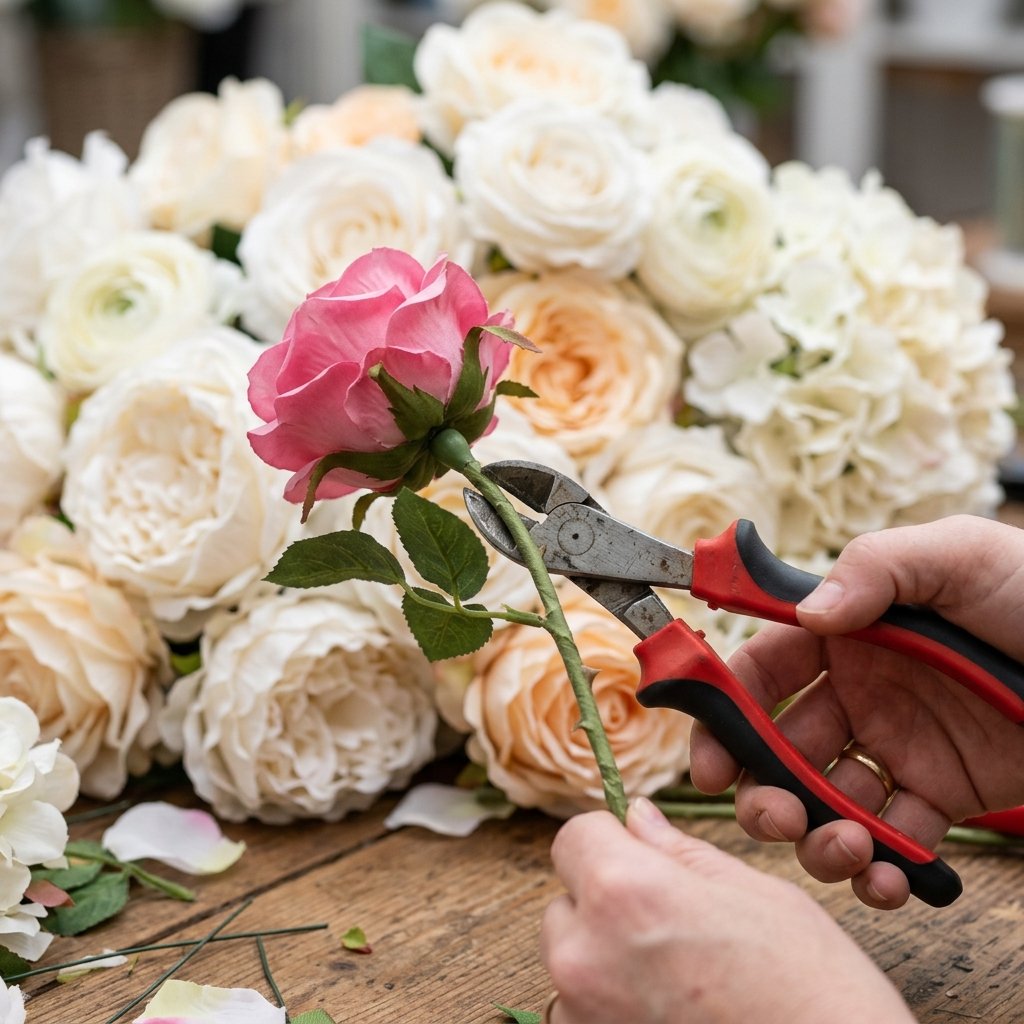
To make a $15 runner look like a $200 one, you must be picky about your florals. The trick is to mix different sizes and textures. You need ‘thrillers’ (large focal flowers), ‘fillers’ (medium-sized blooms), and ‘spillers’ (greenery that hangs off the edge). When shopping at budget stores, look for bunches that have multiple shades of the same color; this mimicry of nature is what creates the high-end ‘jaw-dropping’ effect.
The Prepping Process
- Deconstruction: Don’t use the flowers as they come on the bush. Use your wire cutters to snip every individual stem, leaving about 2 to 3 inches of stem to poke into the foam.
- Leaf Stripping: Remove the cheap-looking plastic leaves that often come attached to lower-end silks. We will replace these with higher-quality looking greenery later.
- Fluffing: Silk flowers often arrive smashed. Give them a quick blast with a hair dryer on low heat or a handheld steamer to open up the petals and restore their volume.
By taking the time to prep your materials, you are acting as a crafty expert. You are treating cheap materials with the respect of high-end components, which is the hallmark of the successful upcycler.
The Art of the Layered Look: Step-by-Step Assembly Guide
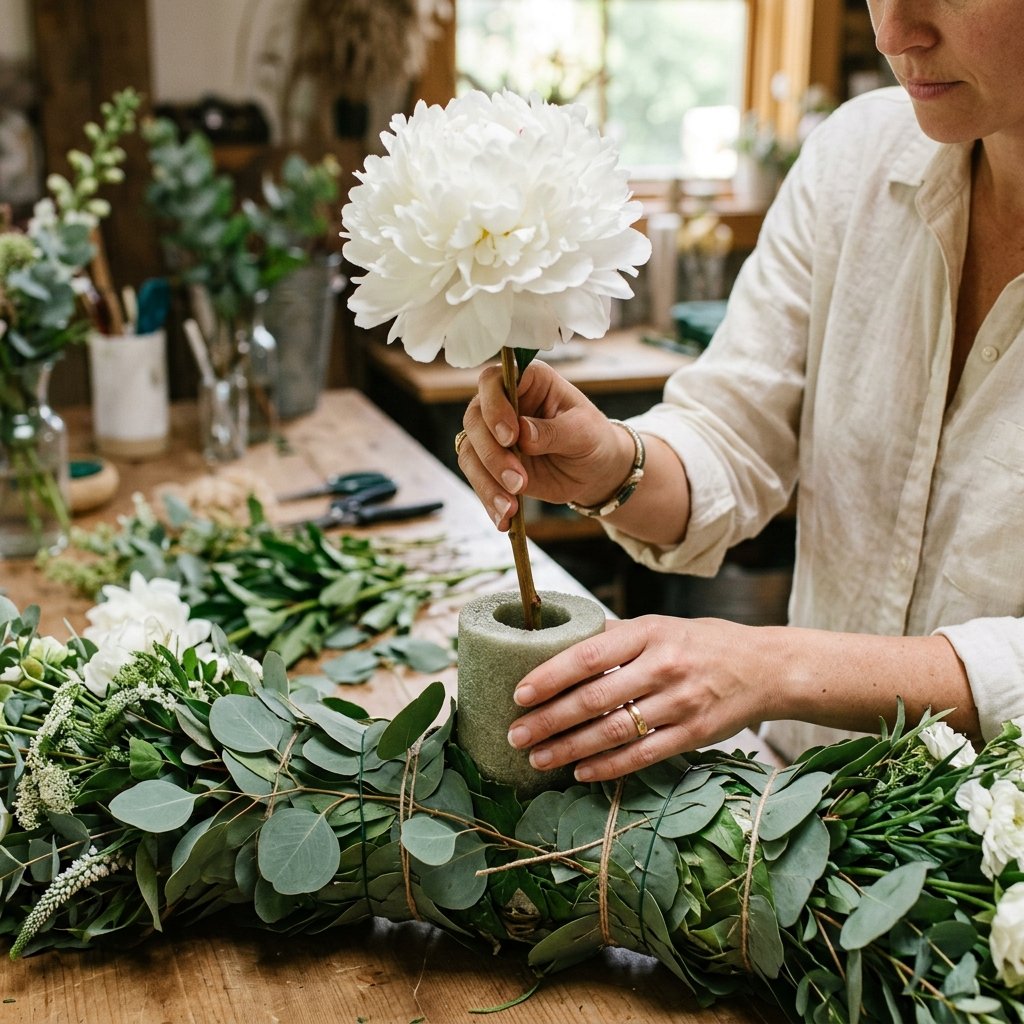
Now comes the magic. We aren’t just poking flowers in randomly; we are building a composition. The goal is to hide the noodle completely while creating a balanced, flowing aesthetic. We will use a clever and resourceful layering technique that maximizes coverage.
The Assembly Order
- The Greenery Anchor: Start by inserting your greenery (the ‘spillers’) along the bottom edges of the noodle. Angle them downward so they touch the table surface. This hides the base and creates the illusion of width.
- The Focal Points: Place your largest flowers (the ‘thrillers’) in a zigzag pattern along the top and sides. Don’t put them in a straight line; nature isn’t linear.
- The Gap Fillers: Use your medium and small flowers to fill the spaces between the large blooms. Vary the depth—push some deep into the foam and leave others slightly raised.
- The Final Polish: Tuck in small sprigs of baby’s breath, berries, or moss to cover any remaining visible foam.
Pro Tip: If a stem feels loose, add a dab of hot glue to the tip before inserting it into the noodle. This ensures your runner can survive being moved or bumped by guests.
This process is meditative and rewarding. As the neon foam disappears under a blanket of silk petals, you’ll see your budget-savvy vision come to life.
Customization Hacks: Adapting Your Runner for Every Occasion

One of the best things about this DIY project is its versatility. Once you master the pool noodle technique, you can adapt it for any holiday or theme. Because the noodle is so rugged and durable, you can actually pull the flowers out and ‘re-skin’ the base for the next season, making this the ultimate zero-waste decor strategy.
| Occasion | Floral/Element Suggestions | Color Palette |
|---|---|---|
| Autumn Harvest | Sunflowers, dried wheat, mini pumpkins | Burnt orange, gold, deep red |
| Winter Wonderland | Pine branches, silver baubles, white poinsettias | Silver, white, navy blue |
| Rustic Father’s Day | Succulents, magnolia leaves, driftwood pieces | Sage green, brown, cream |
| Boho Wedding | Pampas grass, protea, eucalyptus | Terracotta, dusty rose, sand |
To add a touch of masculine elegance, consider weaving in non-traditional elements like leather cord, copper wire, or even small battery-operated LED fairy lights. These additions provide a sophisticated ‘glow’ and a tactile quality that elevates the runner from a simple craft to a piece of bespoke event design.
Conclusion
Luxury Within Reach
Creating a jaw-dropping floral table runner doesn’t require a massive bank account; it requires a resourceful spirit and a bit of ‘trash-to-treasure’ ingenuity. By looking at a simple pool noodle and seeing the skeletal structure of a masterpiece, you’ve mastered the art of the budget-savvy stylist. You’ve turned $15 and an afternoon of effort into a centerpiece that will have your guests asking which high-end florist you hired. Remember, the best DIY projects aren’t just about the money you save—they are about the pride of saying ‘I made that.’ So go ahead, clear the table, grab your utility knife, and start building. Your dream event is just one pool noodle away.


Makenzie is the founder and lead writer at MoneyHackTips.com — a personal finance blog dedicated to delivering street-smart financial wisdom for real people on real budgets. With 300+ published articles covering everything from debt management to investing fundamentals, Makenzie’s mission is to make every dollar work harder. When not writing about money hacks, Makenzie is testing frugal living strategies, optimizing side hustles, and helping readers build financial freedom from scratch.