
The Modern Craftsman’s Secret to a Premium Beard
Let’s be honest: the world of men’s grooming has become unnecessarily inflated. Walk into any boutique or high-end apothecary, and you will find tiny 2-ounce tins of beard balm retailing for anywhere from $20 to $40. While the packaging looks sophisticated, the ingredients are often simple oils and waxes you can source yourself for pennies on the dollar. As a frugal DIYer, you know that true luxury isn’t defined by a price tag, but by the quality of the craft. By making your own beard balm, you aren’t just saving money—you’re taking control of what goes on your skin. You are eliminating synthetic fragrances, parabens, and cheap fillers. In this guide, we will channel our inner chemist and woodsman to create a product that rivals—and likely surpasses—anything you’d find on a store shelf. Whether you are looking to tame your own mane or create the perfect homemade gift for Father’s Day, this recipe is your blueprint for rugged elegance on a budget.
The Anatomy of a High-End Beard Balm
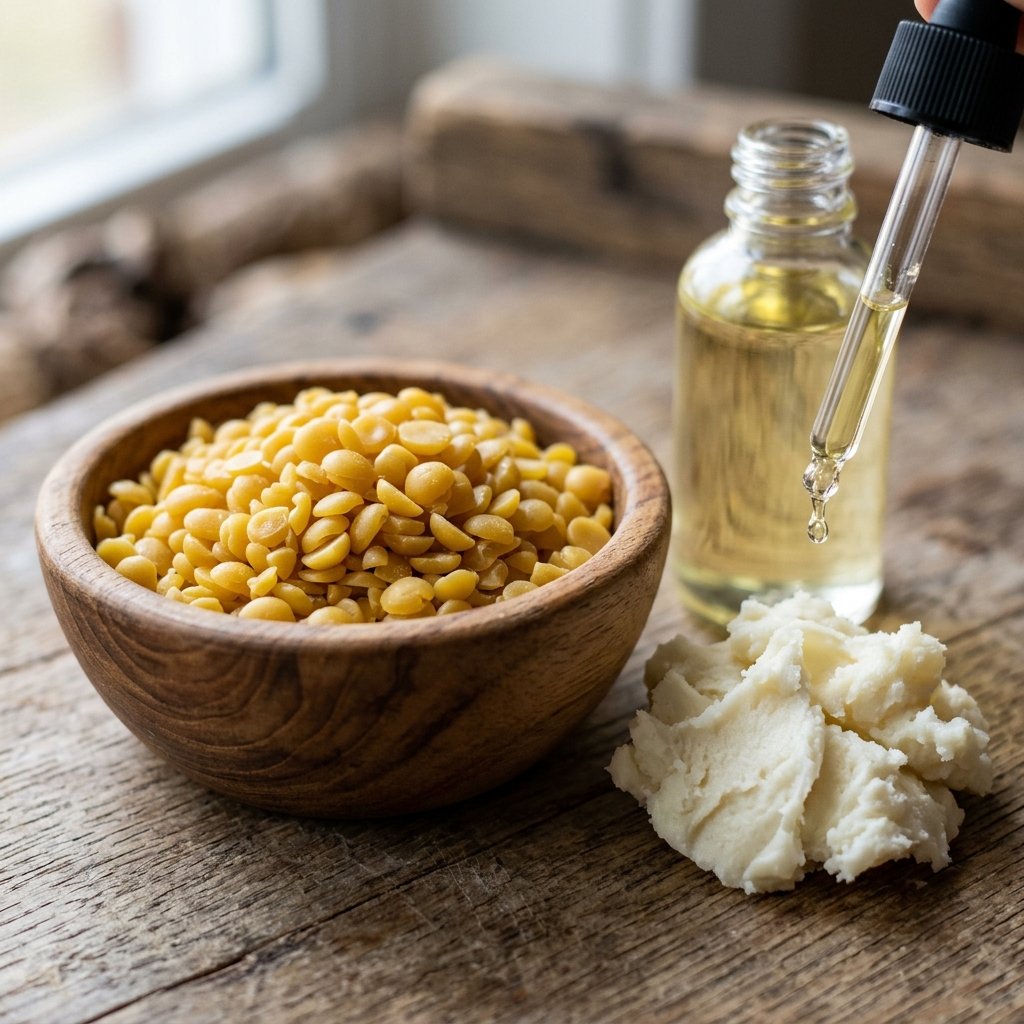
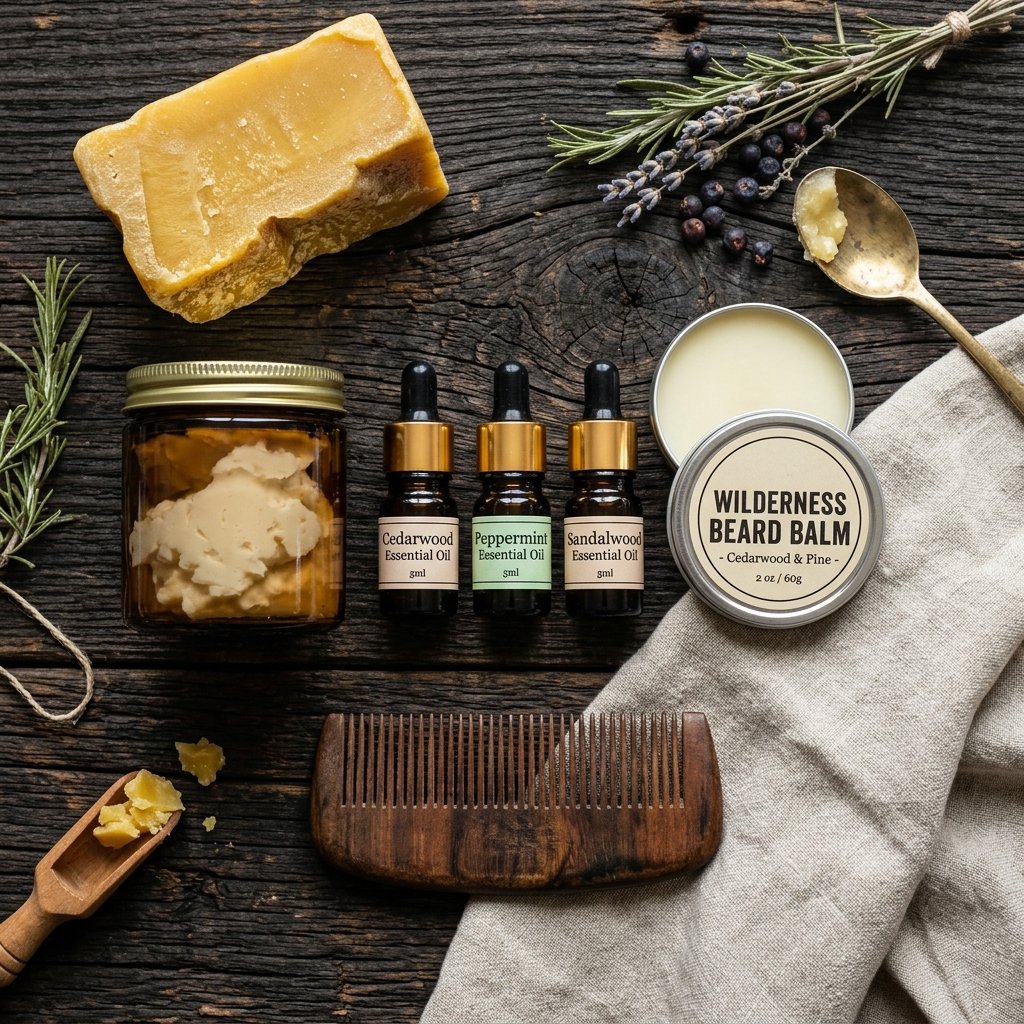
To build a superior product, you must understand the foundation. A professional beard balm serves two purposes: it conditions the hair and provides a light hold for styling. To achieve this, we use a specific ratio of four key components: Beeswax, Butters, Carrier Oils, and Essential Oils.
1. The Structural Foundation: Beeswax
Beeswax is what gives the balm its ‘hold.’ It creates a protective barrier that locks in moisture and helps keep stray hairs in place. For a medium hold, we aim for a 25% concentration in our final mix.
2. The Creamy Texture: Shea or Cocoa Butter
Butters provide the spreadability. Shea butter is the gold standard because it is rich in vitamins A and E, making it incredibly nourishing for the skin underneath the beard. It melts at body temperature, ensuring your balm isn’t a rock-hard brick.
3. The Liquid Gold: Carrier Oils
Carrier oils like Jojoba, Argan, or Sweet Almond oil are the workhorses. They penetrate the hair follicle to prevent ‘beardruff’ (beard dandruff) and itching. Jojoba is particularly clever because its molecular structure closely mimics human sebum, the natural oil our skin produces.
| Ingredient Type | Function | Recommended Source |
|---|---|---|
| Beeswax Pellets | Structure & Hold | Local Apiary or Bulk Supply |
| Shea Butter | Moisture & Softness | Unrefined Organic Grade |
| Jojoba Oil | Skin Health | Cold-Pressed |
| Essential Oils | Scent & Therapy | Pure Therapeutic Grade |
The Master Recipe: Ratios for Success
Precision is the hallmark of the crafty expert. While you can eyeball it, using a consistent ratio ensures every batch is as perfect as the last. This recipe makes approximately 4 ounces of balm, which would typically last 2 to 3 months with daily use.
“The Golden Ratio for a perfect balm is 1 part beeswax, 1 part butter, and 2 parts carrier oil. This creates a firm consistency that melts instantly between your palms.”
- Measure your solids: Take 1 ounce of beeswax pellets and 1 ounce of shea butter.
- Measure your liquids: Use 2 ounces of your chosen carrier oil (a 50/50 mix of Jojoba and Sweet Almond oil is a ruggedly elegant choice).
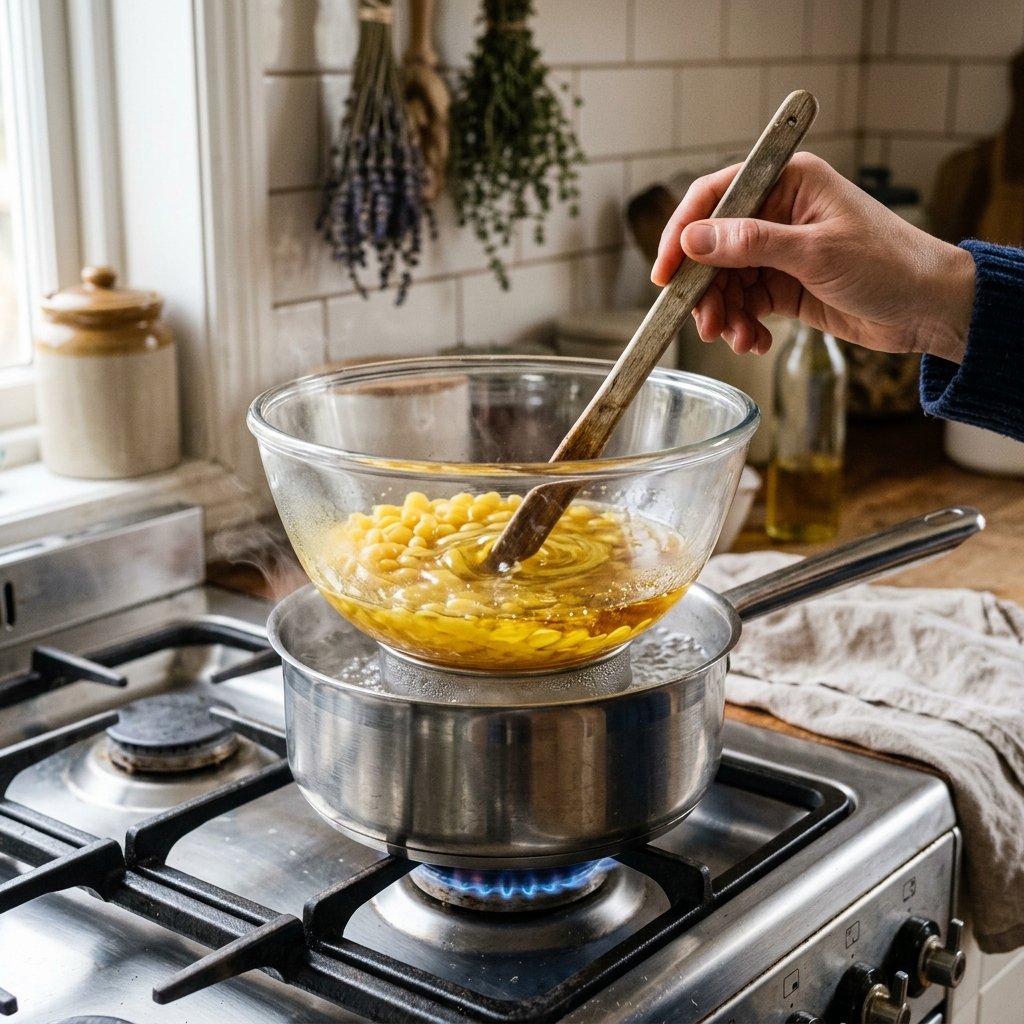
- The Double Boiler Method: Do not put these ingredients directly over a flame. Place a glass bowl over a pot of simmering water. This gentle heat prevents the oils from scorching and losing their nutrients.
- The Melt: Add the beeswax first, as it has the highest melting point. Once liquid, add the shea butter and carrier oils. Stir with a wooden skewer or stainless steel spoon.
Safety First: Handling Hot Wax
Always use oven mitts when handling the glass bowl. Beeswax can reach high temperatures and cause burns if splashed. Keep a clean workspace to avoid contamination.
The Alchemy of Aroma: Scent Profiles for the Modern Gentleman

This is where you transform a basic salve into a luxury experience. Avoid ‘fragrance oils,’ which are often synthetic. Instead, use pure essential oils. They offer therapeutic benefits and a more sophisticated, layered scent profile.
The ‘Northwoods’ Blend (Rugged & Fresh)
- 10 drops Cedarwood (Base Note)
- 5 drops Pine or Fir Needle (Middle Note)
- 3 drops Bergamot (Top Note)
The ‘Spiced Tobacco’ Blend (Warm & Sophisticated)
- 8 drops Sandalwood (Base Note)
- 6 drops Vanilla (Middle Note)
- 4 drops Black Pepper (Top Note)
Wait until the mixture has slightly cooled (but is still liquid) before adding your essential oils. Adding them to boiling hot liquid can cause the delicate aromatic compounds to evaporate instantly. Aim for a total of 15-25 drops per 4-ounce batch to maintain a 1% dilution, which is safe for facial skin.
Budget Breakdown: DIY vs. Store-Bought
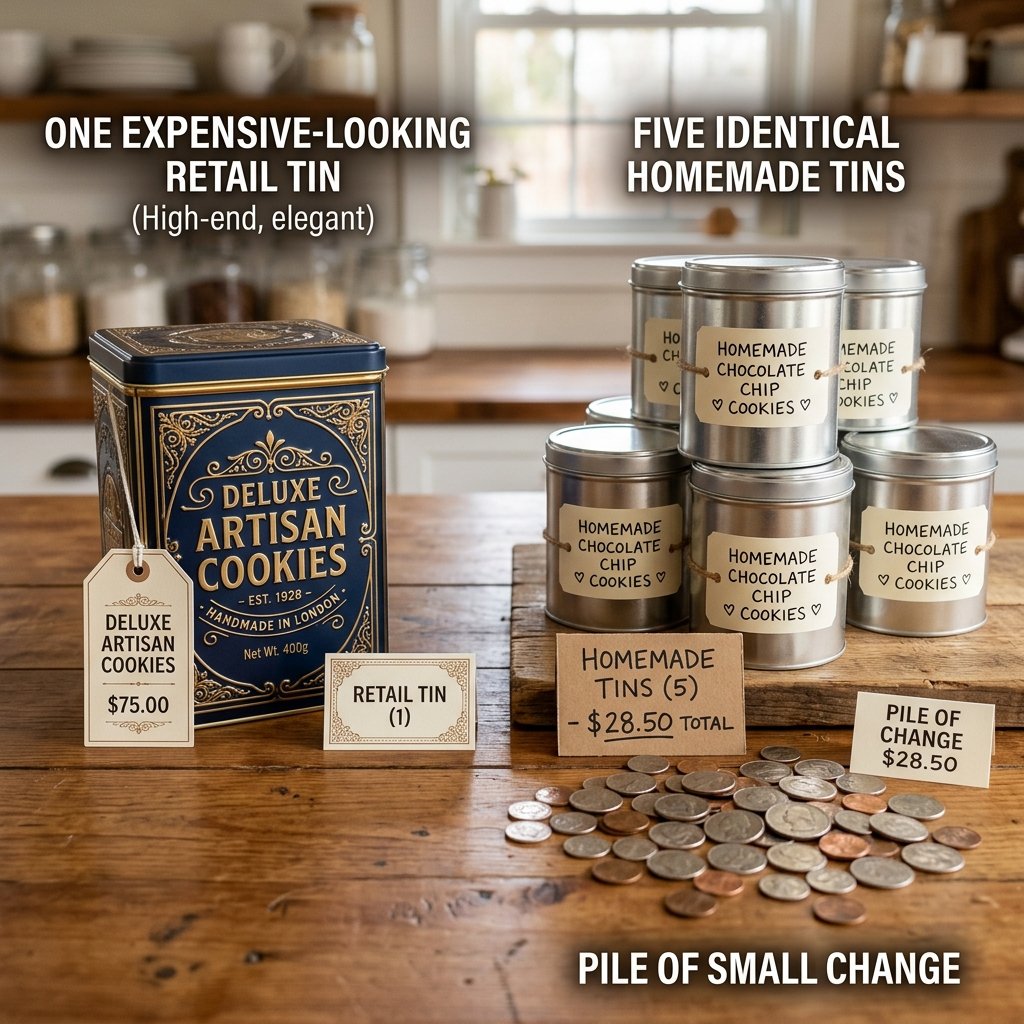
Let’s talk numbers. The initial investment in bulk ingredients might seem higher, but the cost per ounce is where the frugal DIYer wins. When you buy in bulk, you can make dozens of tins for the price of one ‘designer’ brand.
| Item | Retail Boutique Price | DIY Cost Per Batch |
|---|---|---|
| 2 oz Beard Balm | $24.00 | $1.85 |
| Packaging | Included | $0.50 (or $0 if upcycled) |
| Labor | Included | 15 Minutes of fun |
| Total Cost | $24.00 | $2.35 |
By choosing the DIY route, you are effectively saving over 90% per tin. Over a year, this simple swap saves you enough money to buy a high-quality set of woodworking tools or a premium leather bag. That is what we call a budget-savvy victory!
The Gentleman’s Presentation: Upcycling & Gifting
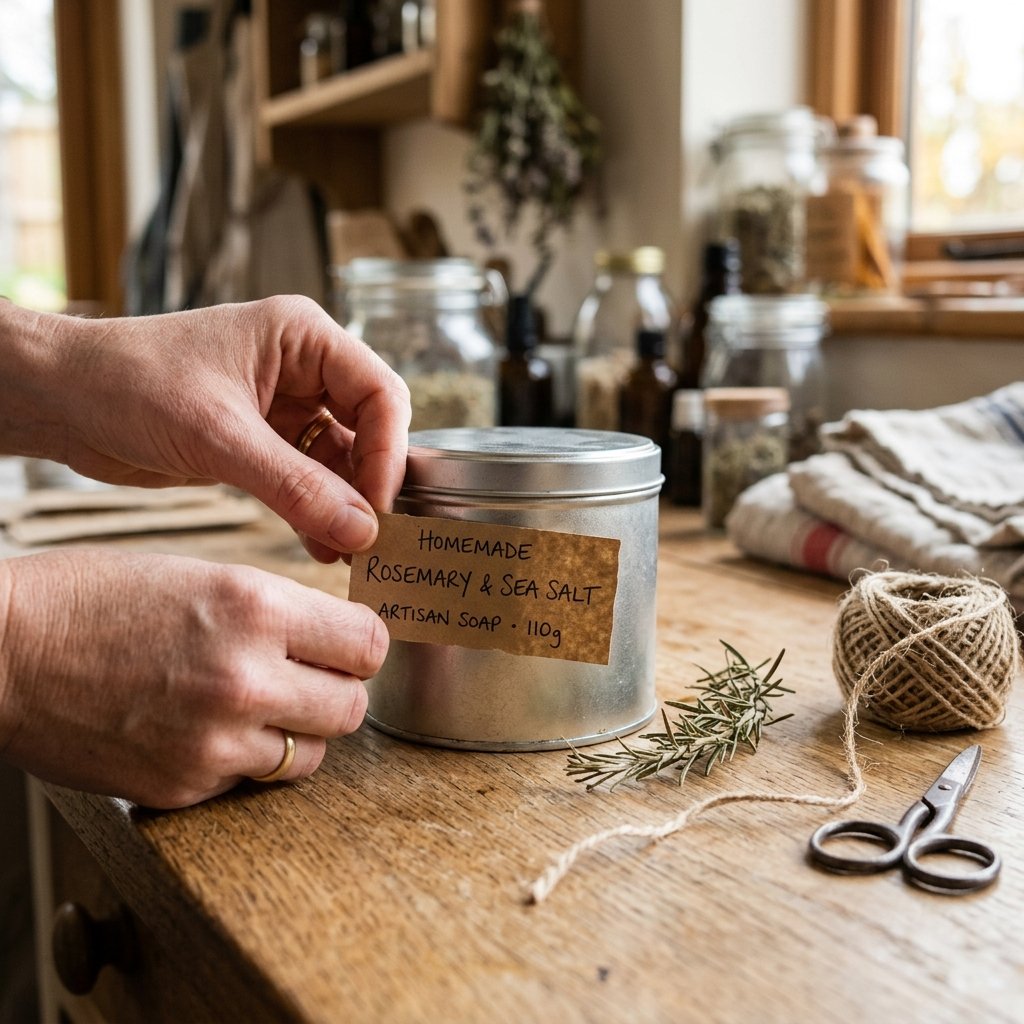
A luxury product deserves luxury packaging. You don’t need to buy new tins. Look around your house for small, shallow containers that can be repurposed. Old mint tins (like Altoids), small jelly jars, or even vintage snuff boxes make excellent vessels.
How to Upcycle a Tin:
- Clean thoroughly: Use boiling water and soap to remove all residue.
- Sterilize: Wipe the interior with 70% isopropyl alcohol to ensure no bacteria remains.
- The Label: Use brown kraft paper and a fine-liner pen to create a hand-drawn, ‘artisanal’ label. Secure it with a thin layer of Mod Podge or clear packing tape for a waterproof finish.
For gifting, wrap the tin in a small piece of burlap or a scrap of flannel fabric tied with twine. It’s a thoughtful, practical gift that shows you put time and effort into the recipient’s well-being.
Troubleshooting & Expert Tips
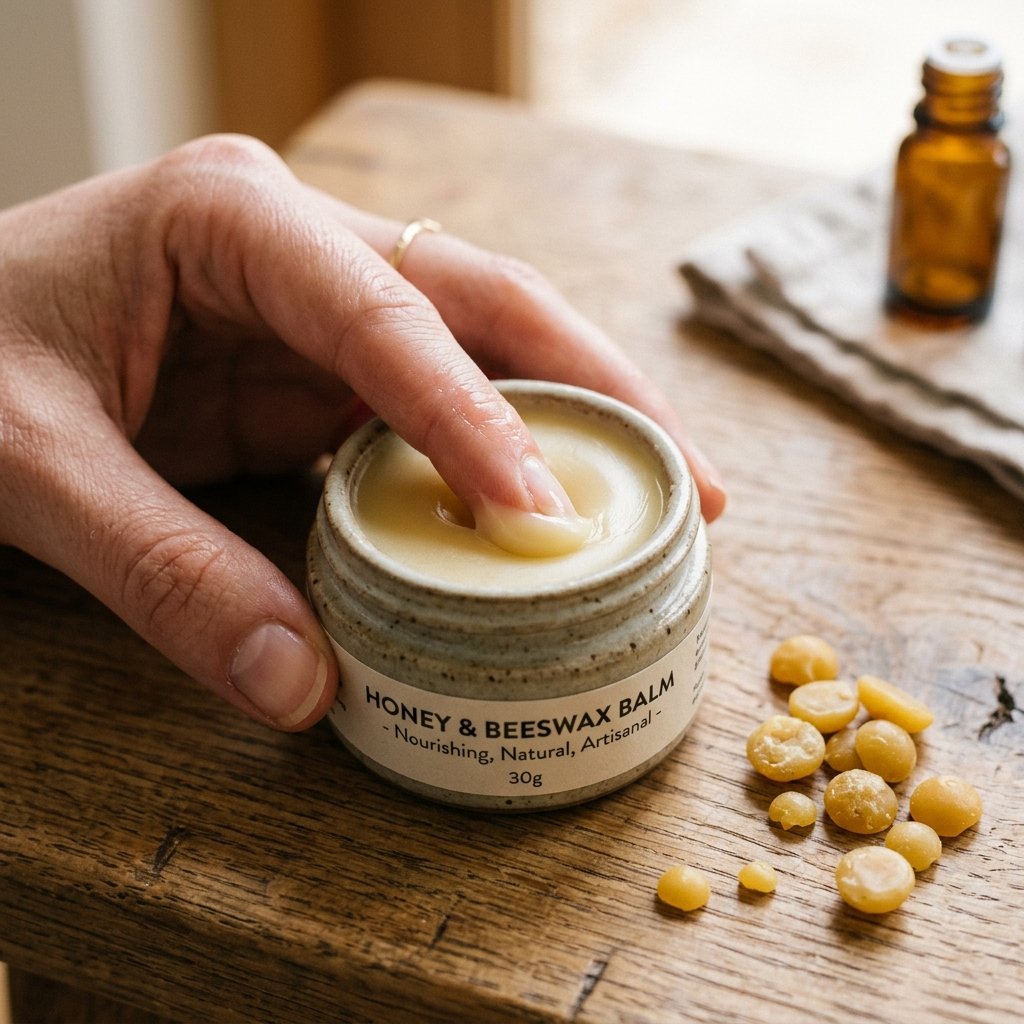
Even the most seasoned crafter encounters the occasional hiccup. Here is how to ensure your balm is top-tier every time.
The ‘Grit’ Factor
If your balm feels grainy, it’s usually because the shea butter cooled too slowly, allowing the fats to crystallize. The Fix: Pop your filled tins into the refrigerator immediately after pouring. This rapid cooling keeps the texture buttery smooth.
Adjusting the Firmness
Is your balm too soft for the summer heat? Or too hard for a cold winter morning? You can easily adjust the recipe:
- For a Summer/Firm Hold: Add an extra 1/4 ounce of beeswax.
- For a Winter/Softer Balm: Add an extra 1/2 ounce of carrier oil.
“The beauty of DIY is that you are the formulator. Don’t be afraid to re-melt a batch if the consistency isn’t exactly to your liking.”
Conclusion
Luxury is a Choice, Not a Price Tag
You have now mastered the art of the DIY Beard Balm. By sourcing your own ingredients and understanding the chemistry of grooming, you’ve bypassed the ‘luxury tax’ and created something truly superior. This balm isn’t just about aesthetics; it’s about the rugged, practical satisfaction of being self-reliant. Whether you’re grooming your own beard for a sharp, professional look or gifting a batch to a friend, you can take pride in the fact that this ‘pure luxury’ was made by hand, for a fraction of the cost. Now, go forth, stay groomed, and keep your budget as sharp as your style!


Makenzie is the founder and lead writer at MoneyHackTips.com — a personal finance blog dedicated to delivering street-smart financial wisdom for real people on real budgets. With 300+ published articles covering everything from debt management to investing fundamentals, Makenzie’s mission is to make every dollar work harder. When not writing about money hacks, Makenzie is testing frugal living strategies, optimizing side hustles, and helping readers build financial freedom from scratch.