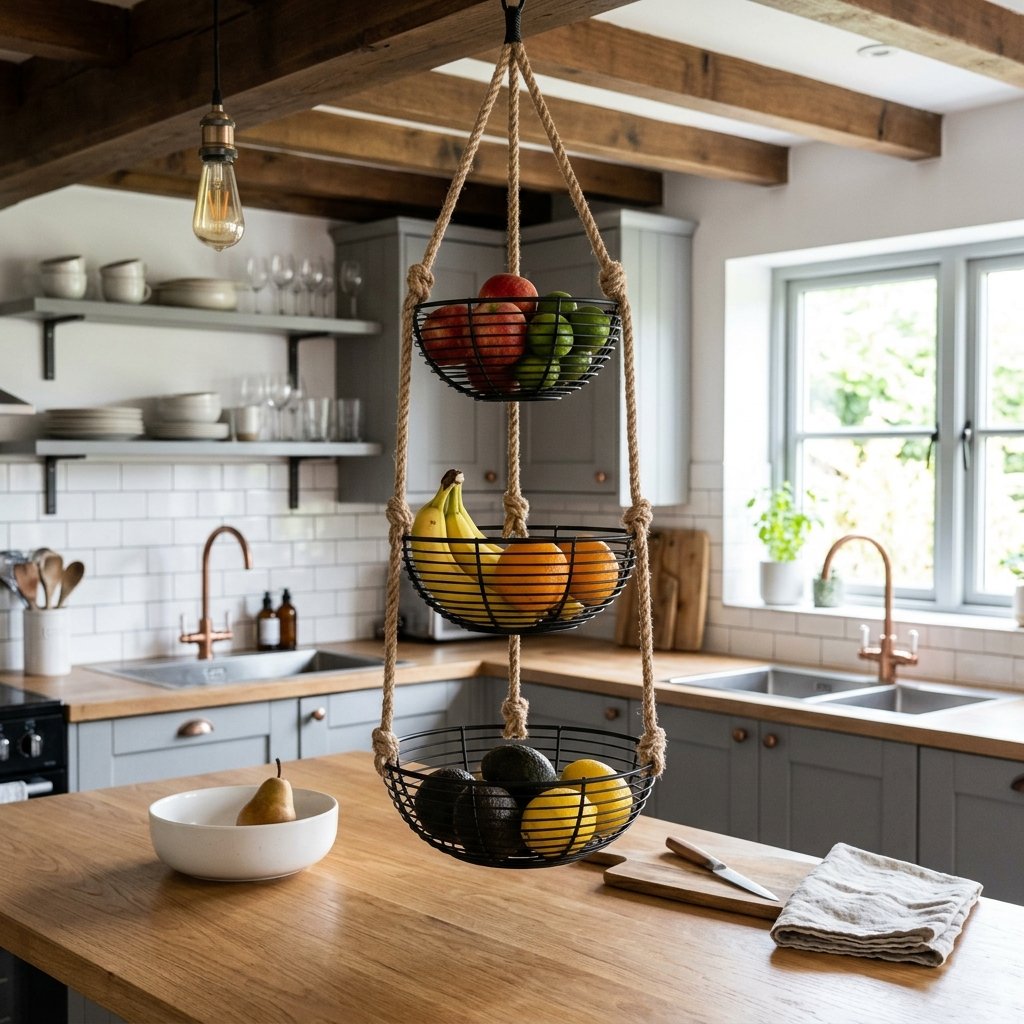

Every home chef knows the struggle of the ‘disappearing countertop.’ One minute you have a clear workspace for meal prep, and the next, it is overtaken by a sprawling mountain of bananas, avocados, and citrus. In a compact kitchen, horizontal real estate is gold. To reclaim your territory, you have to look up. This guide isn’t just about storage; it’s about a strategic vertical maneuver. We are going to build a rugged, masculine-elegant hanging fruit basket that looks like it belongs in a high-end loft but costs less than a fancy latte. By utilizing vertical space, you not only clear the clutter but also improve the airflow around your produce, keeping it fresh for longer. Let’s get crafty and resourceful with this trash-to-treasure kitchen upgrade.
The Strategic Advantage of Vertical Produce Storage
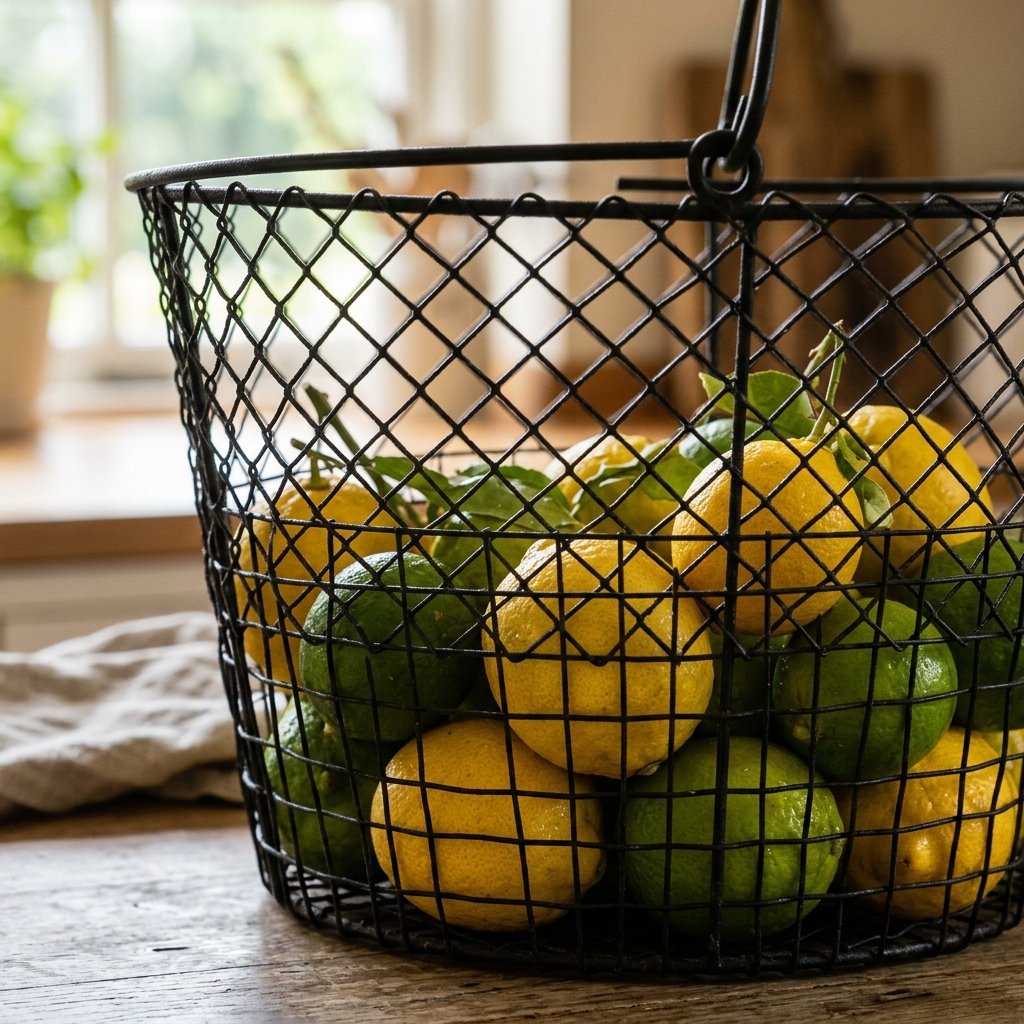
Why hang your fruit? Beyond the obvious benefit of clearing the $0-cost clutter from your counters, hanging storage mimics the natural environment of many fruits. Air circulation is the enemy of mold and the friend of even ripening. When fruit sits in a bowl on a flat surface, pressure points develop, leading to bruising and ‘wet spots.’ A tiered hanging system allows 360-degree ventilation.
The Psychology of an Organized Workspace
A clear counter leads to a clear mind. By moving the colorful textures of your produce to eye level, you turn functional food into a living piece of decor. This project is designed for the budget-savvy DIYer who values utility as much as aesthetics. We will be using materials that emphasize structural integrity and a clean, industrial look.
Material Reconnaissance: Budget vs. Retail Breakdown
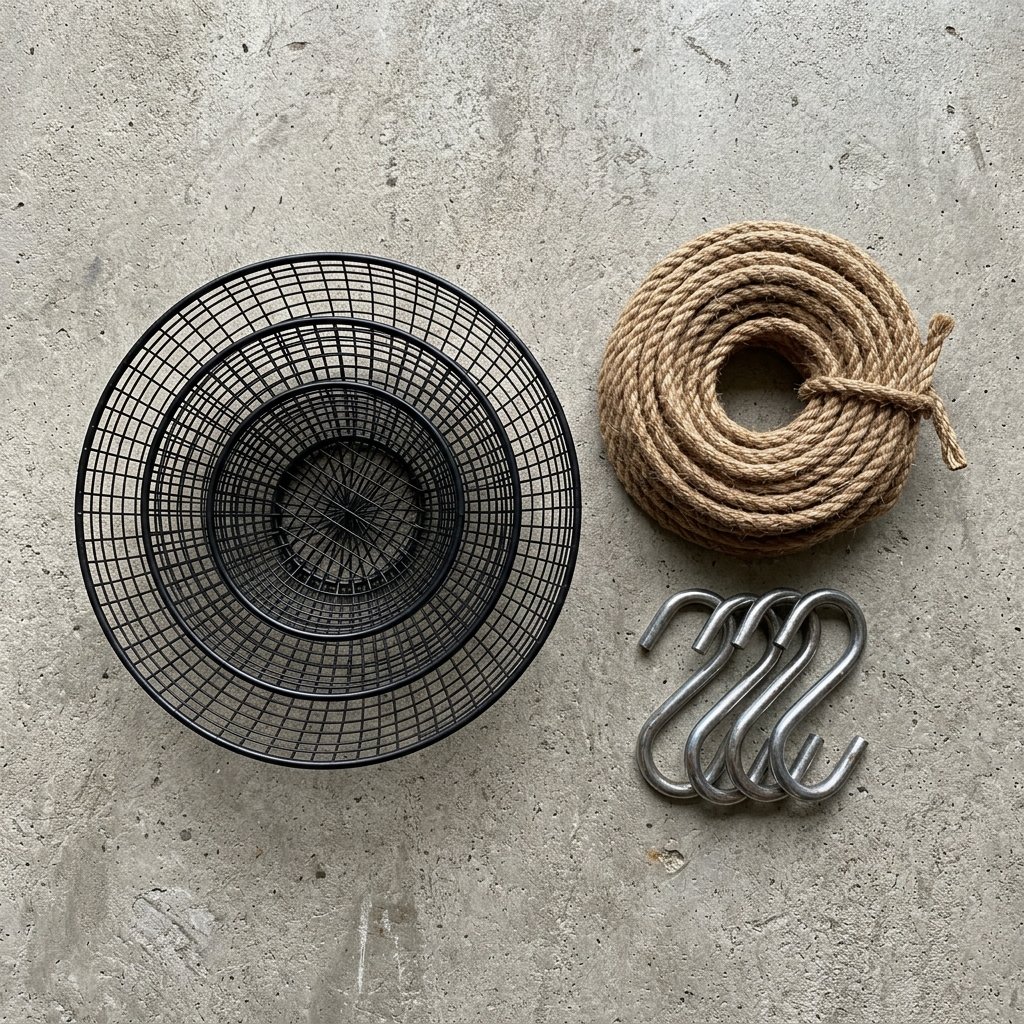
Before we pick up the tools, let’s look at the financial intelligence of this build. A high-end tiered hanging basket from a kitchen boutique can easily run you $45 to $60. Our mission is to replicate that quality for under $10 using resourceful sourcing.
| Material Item | DIY Source (e.g., Dollar Tree/Hardware Store) | Estimated Cost |
|---|---|---|
| Wire Bowls (3 Sizes) | Discount Store / Thrift Shop | $3.75 |
| Natural Jute Rope (10ft) | Hardware Store / Craft Aisle | $2.00 |
| Heavy Duty S-Hooks | Hardware Store | $1.50 |
| Ceiling Swivel Hook | Hardware Store | $2.00 |
| Total Investment | Resourceful Build | $9.25 |
The secret to a high-end look on a low-end budget is consistency. If your baskets don’t match, a $4 can of matte black spray paint will unify the entire project and add that ‘industrial chic’ finish.
The Tactical Build: Step-by-Step Assembly
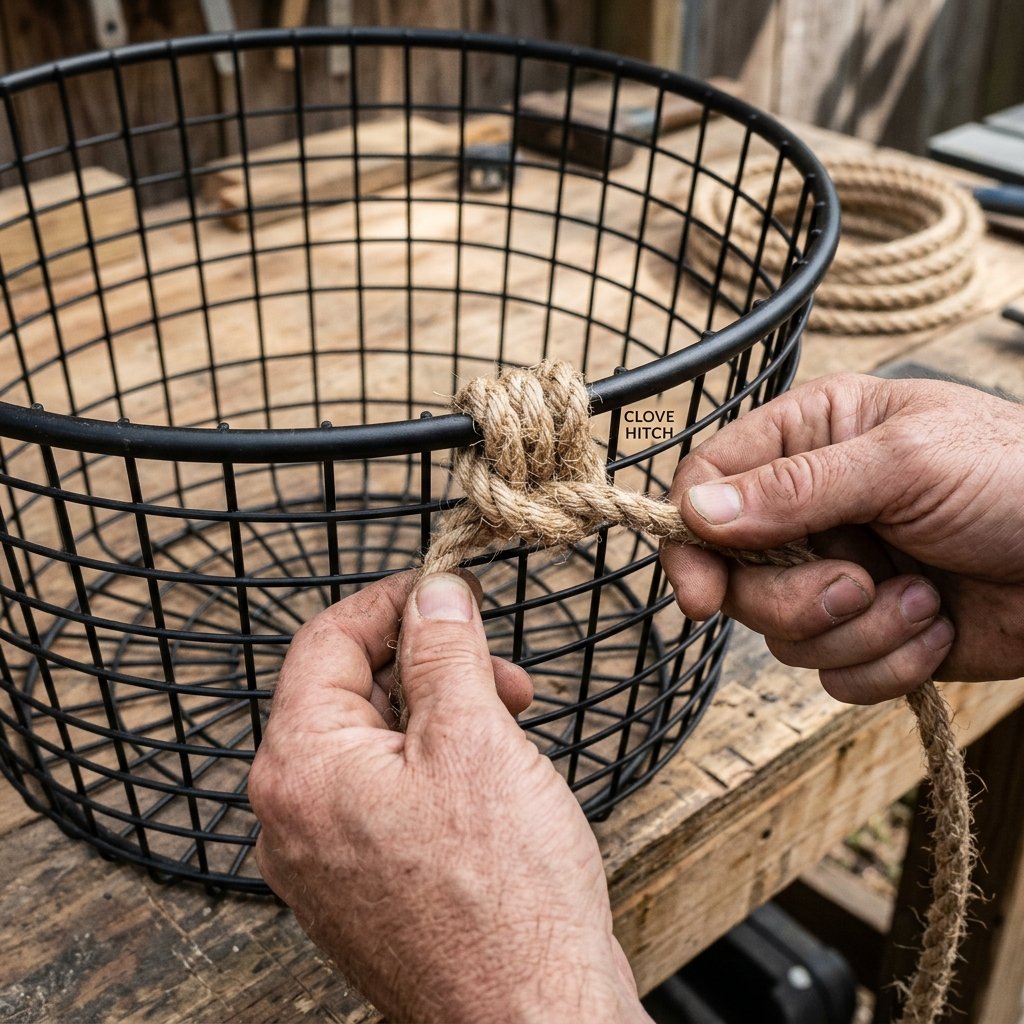
This process requires precision and a bit of ‘maker’ grit. We are creating a three-tiered system that must be balanced to prevent your oranges from taking a dive.
- Prepare the Vessels: If your wire bowls aren’t already the color you want, give them two light coats of matte black or copper spray paint. Let them dry for 24 hours.
- The Rope Framework: Cut three equal lengths of jute rope, approximately 4 feet each. Knot them together at the top, leaving a small loop for your main ceiling hook.
- Establishing the Tiers: Starting with the largest bowl at the bottom, thread the three ropes through the outer rim of the basket at equidistant points (think 12, 4, and 8 on a clock face).
- The Anchor Knot: Use a ‘clove hitch’ or a simple overhand knot under the rim of each basket to hold it in place. Ensure the basket is level before tightening.
- Spacing the Tiers: Move up 10-12 inches and repeat the process for the medium bowl, then another 8-10 inches for the smallest bowl at the top.
Pro-Tip: Tension is Your Friend
When tying your knots, keep the rope taut. A sagging rope will lead to an asymmetrical basket that tilts when loaded with heavy items like potatoes or apples.
Installation and Load-Bearing Safety
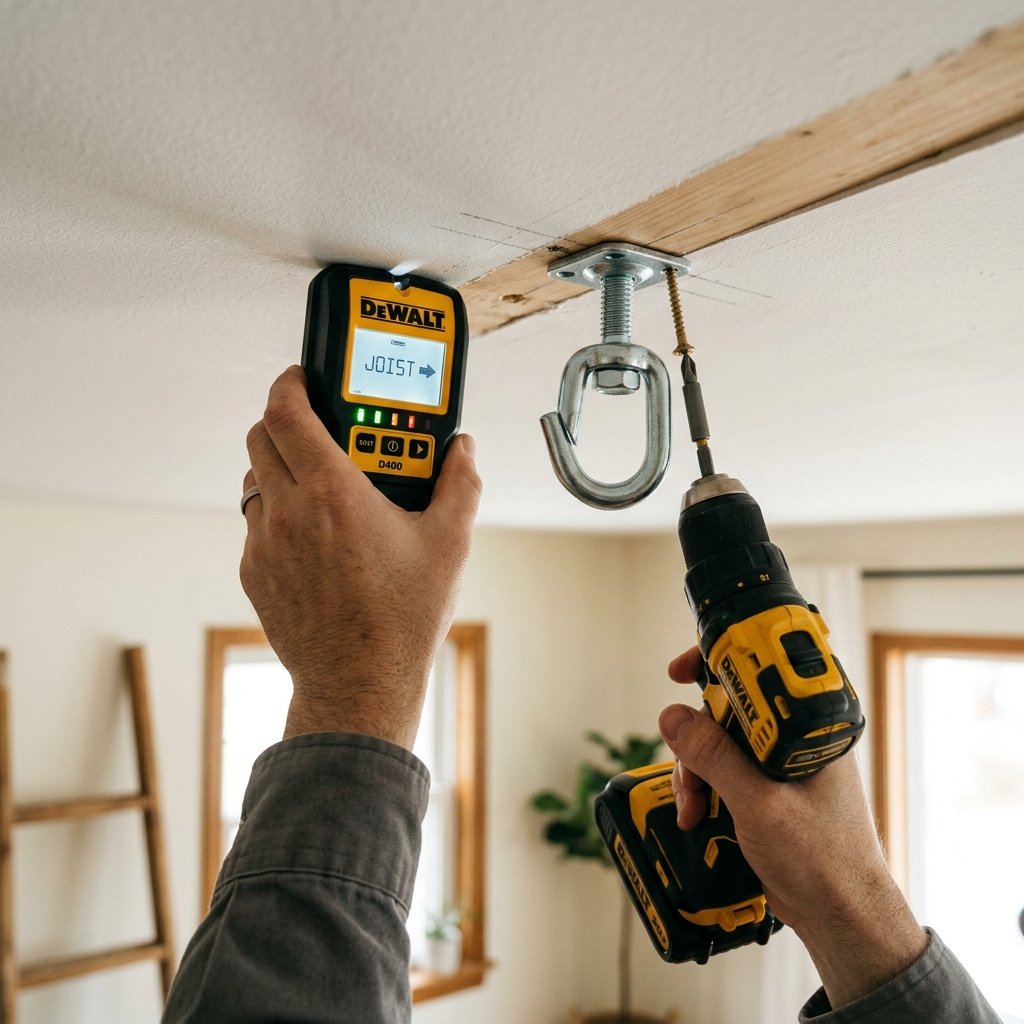
You aren’t just hanging a feather; a full load of fruit can weigh 5 to 10 pounds. You must ensure your mounting point is secure. Do not simply screw a hook into drywall; it will eventually pull through, resulting in a bruised-banana catastrophe.
Safety Mantra: Always find the joist. A project is only as good as its foundation. Use a stud finder to locate the wooden ceiling joist before drilling your pilot hole.
- The Pilot Hole: Drill a hole slightly smaller than the diameter of your ceiling hook screw.
- The Swivel Hook: Use a swivel-style hook. This allows the basket to rotate, making it easier to reach the fruit in the back without tangling the ropes.
- Testing the Load: Once installed, give the rope a firm tug. If there is any movement in the hook, reconsider your mounting point.
Styling for the Masculine-Elegant Kitchen
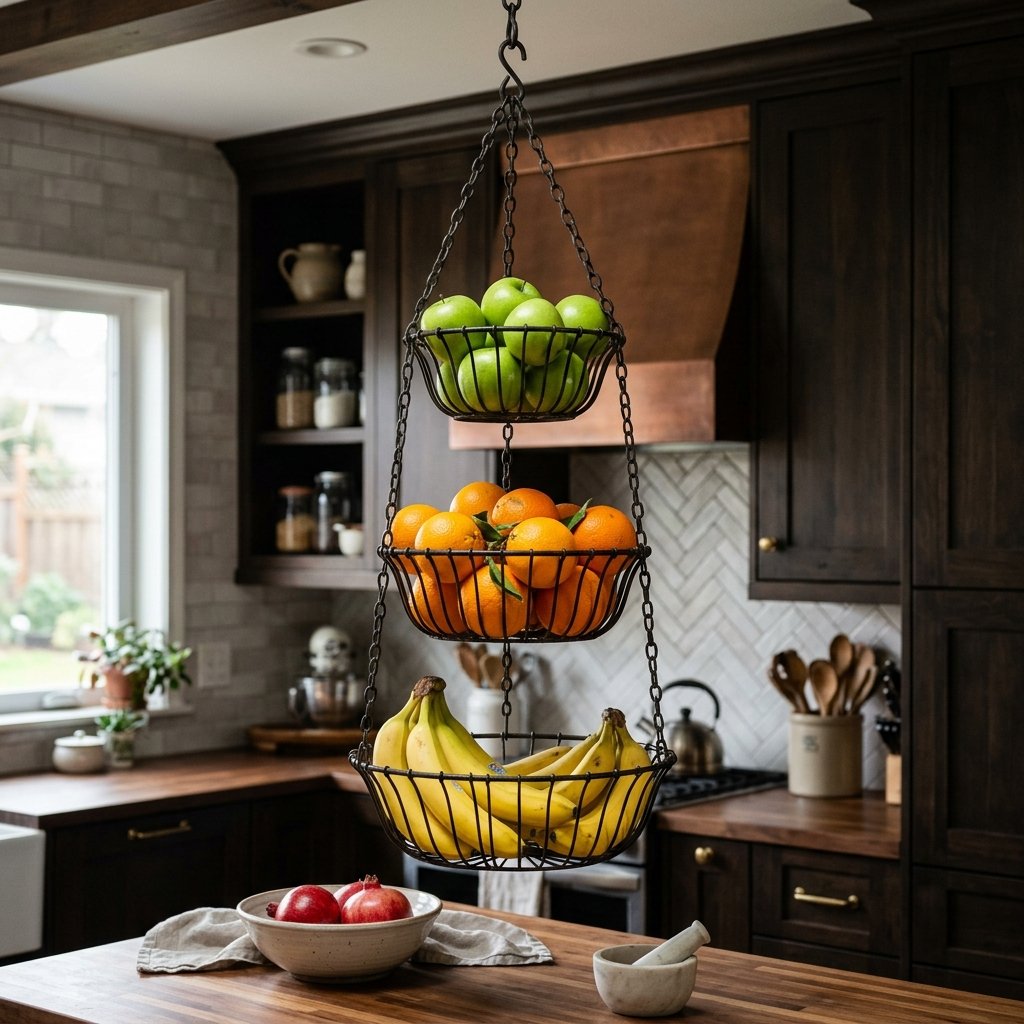
To truly elevate this hack from ‘craft project’ to ‘designer feature,’ consider the textures. If jute rope feels too rustic, you can swap it for paracord for a more tactical, modern look, or leather strips for a sophisticated, rugged vibe. Pairing the black wire with dark leather creates a stunning contrast that fits perfectly in a modern kitchen or a bachelor pad.
Maintenance and Longevity
Because fruit can occasionally over-ripen, you want a system that is easy to clean. Since we used S-hooks or simple knots, you can easily untie or unhook the baskets once a month for a quick rinse in the sink. This prevents the buildup of fruit fly attractants and keeps your kitchen smelling fresh.
Conclusion
By taking your produce vertical, you have reclaimed valuable kitchen territory and added a custom, handcrafted element to your home. This DIY hanging fruit basket hack is the epitome of resourceful living—turning basic materials into a high-functioning, stylish solution. Whether you are a frugal DIYer looking to save a buck or a handy parent trying to organize a chaotic kitchen, this project proves that you don’t need a massive budget to achieve a massive impact. Now, enjoy those clear counters and get back to the joy of cooking!


Makenzie is the founder and lead writer at MoneyHackTips.com — a personal finance blog dedicated to delivering street-smart financial wisdom for real people on real budgets. With 300+ published articles covering everything from debt management to investing fundamentals, Makenzie’s mission is to make every dollar work harder. When not writing about money hacks, Makenzie is testing frugal living strategies, optimizing side hustles, and helping readers build financial freedom from scratch.