
The Alchemy of the Ordinary: Why We Never Toss Old Glass
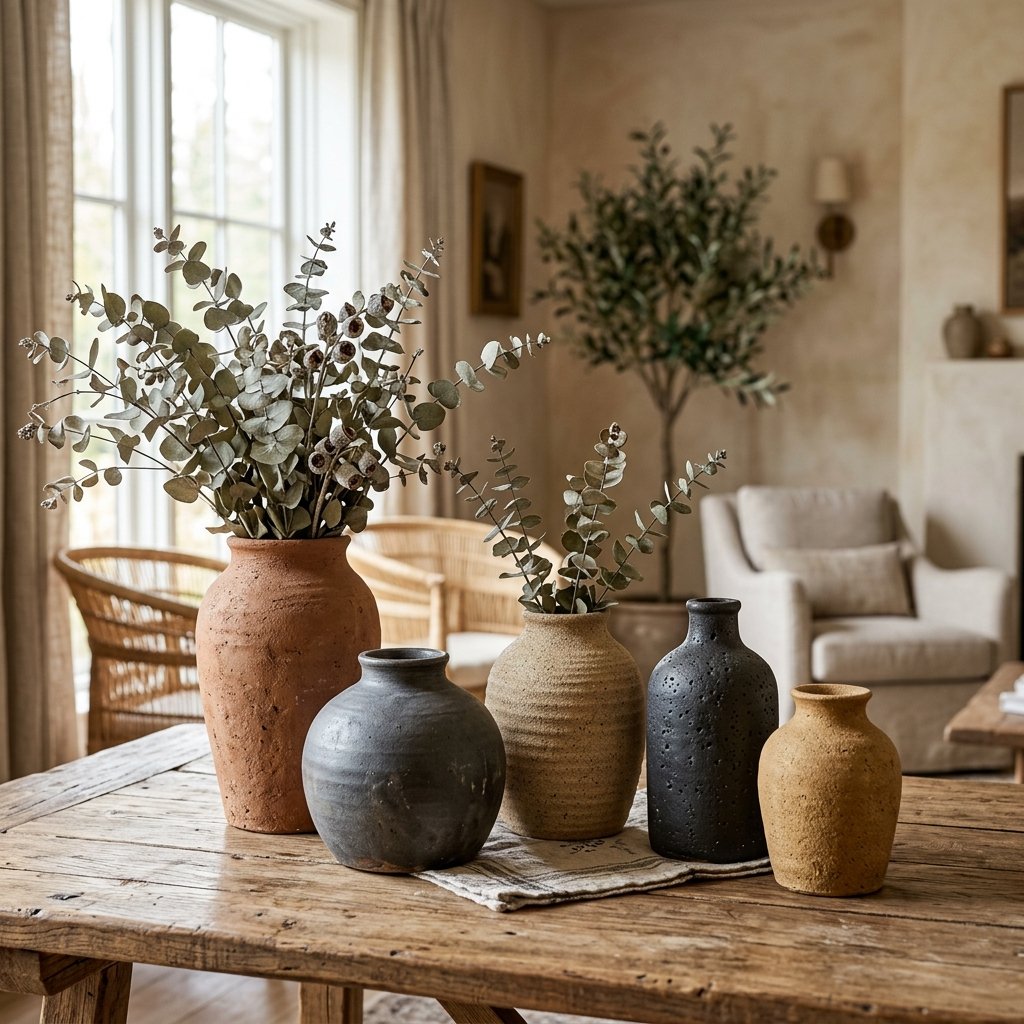
We have all been there: staring at that dated, shiny florist vase that came with a grocery store bouquet, or perhaps a neon-colored plastic vessel from a clearance bin. Your first instinct is to toss it in the recycling bin. Stop right there. As a resourceful crafter who values both the rugged aesthetic of stoneware and the cleverness of a budget-savvy hack, I am here to tell you that those ‘trash’ items are actually high-end ceramic masterpieces waiting to happen. The ‘Baking Soda Paint Trick’ isn’t just a fleeting internet trend; it is a legitimate technique for achieving a sophisticated, matte, stone-like texture that mimics brands like Pottery Barn or Anthropologie for literally pennies. In this guide, we are going to dive deep into the chemistry of texture, the art of the ‘dab,’ and how to curate a home that looks like a million bucks using items that cost less than a cup of coffee.
The Budget Breakdown: Boutique Luxury vs. DIY Reality
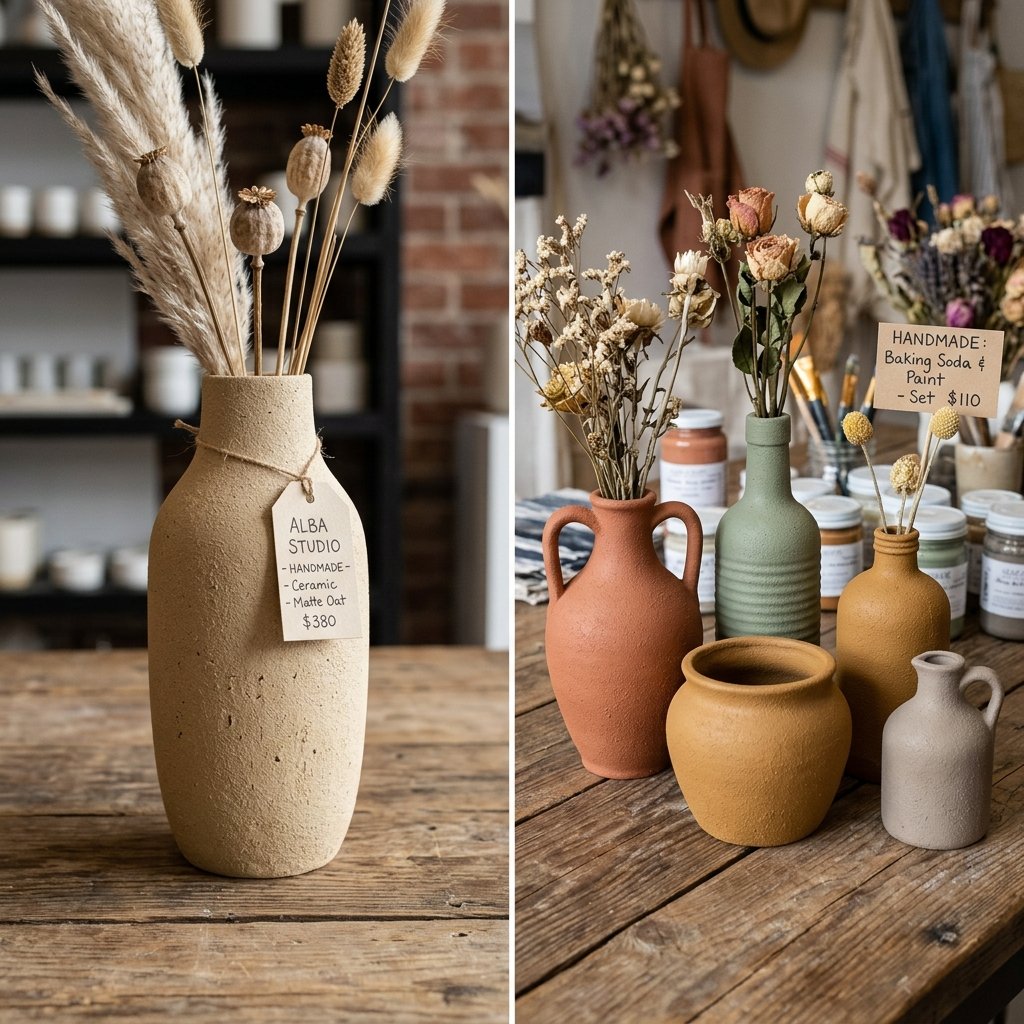
Before we pick up a brush, let’s talk numbers. High-end ceramic vases from luxury home goods stores can easily range from $45 to $150 per piece. By using the baking soda paint method, you are leveraging materials you likely already have in your pantry and utility closet. This project is the epitome of the ‘Trash-to-Treasure’ philosophy, allowing you to allocate your hard-earned cash toward other home improvements while maintaining a masculine-elegant aesthetic.
| Item | Boutique Price (Average) | DIY Upcycle Cost |
|---|---|---|
| Large Ceramic Floor Vase | $120.00 | $2.50 |
| Small Textured Bud Vase | $35.00 | $0.75 |
| Matte Stoneware Bowl | $55.00 | $1.25 |
| Total Investment | $210.00 | $4.50 |
As you can see, the savings are staggering—nearly 98% off retail prices. Whether you are a handy parent looking to spruce up the mantel or a frugal DIYer prepping for a budget-friendly wedding, these margins are impossible to ignore. The only real investment here is about 30 minutes of your time and a bit of creative grit.
The Master Recipe: Ratios for Perfect Texture

The secret to this trick lies in the chemical reaction—or rather, the physical suspension—of baking soda within acrylic or latex paint. The baking soda acts as a thickening agent and a texturizer, turning smooth, runny paint into a thick, plaster-like goop that holds its shape. This is what creates that ‘hand-thrown’ pottery look. To get the best results, you need to follow a specific formula. Too much soda and the paint will flake off; too little, and it will just look like flat paint.
The Golden Ratio: Mix 1 cup of water-based paint (acrylic or leftover wall paint) with 1/4 cup of baking soda. Stir slowly until the mixture starts to puff up and look like thick chocolate mousse.
For a more rugged, ‘lava rock’ texture, you can increase the baking soda to a 1:1 ratio, but be prepared for a very fast drying time. If you want a finer, more elegant ‘satin ceramic’ finish, stick to 2 tablespoons of soda per cup of paint. Always ensure your vase is cleaned with rubbing alcohol first to remove oils and fingerprints, ensuring maximum adhesion for your new ‘ceramic’ skin.
Application Techniques: The ‘Dab’ vs. The ‘Stroke’
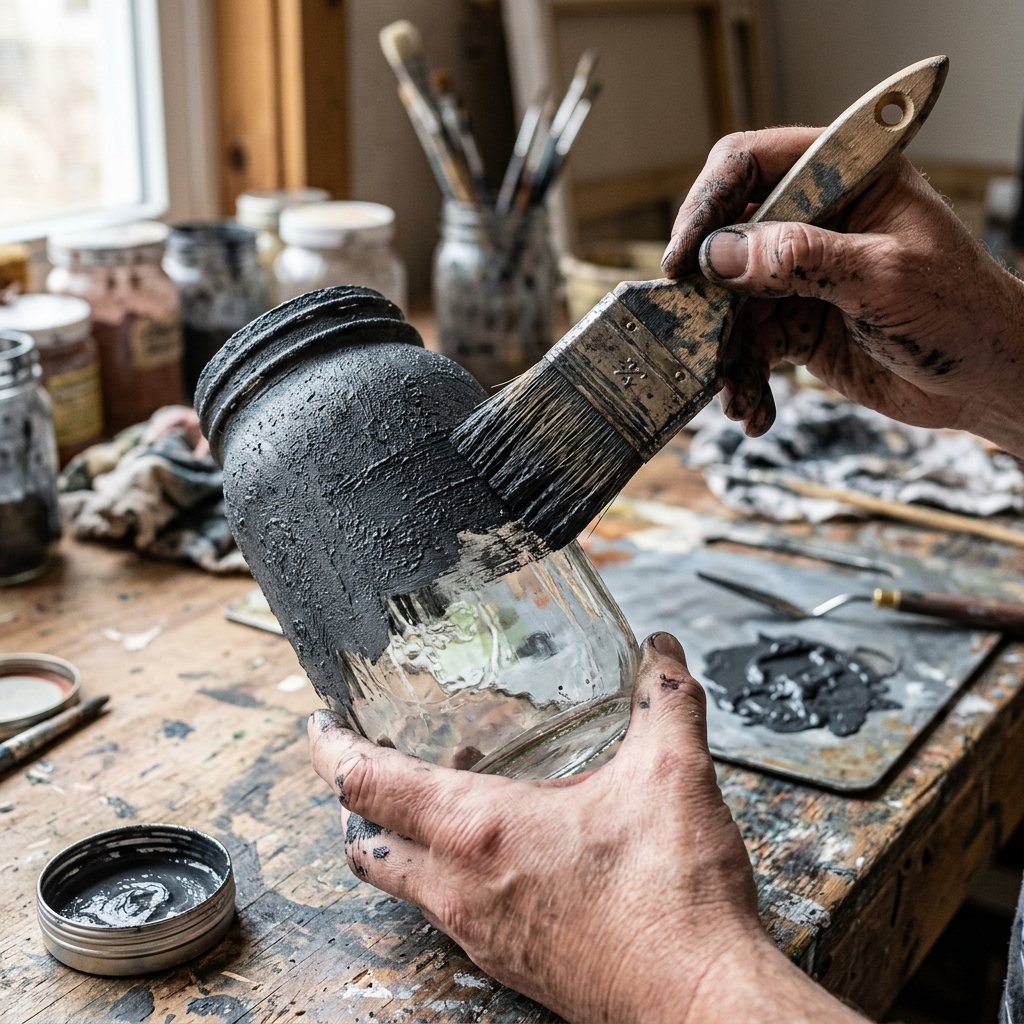
How you apply the paint determines the final ‘era’ of your ceramic piece. Do you want a modern, minimalist look or an ancient, weathered artifact aesthetic? Your brushwork is your signature. Here are the two primary methods used by the pros:
- The Vertical Stroke: Using a stiff-bristled brush, apply the paint in long, top-to-bottom strokes. This mimics the look of a vase that has been turned on a pottery wheel. It is clean, masculine, and elegant.
- The Stippling Dab: Use a sponge or the tip of a brush to ‘pounce’ the paint onto the surface. This creates a heavy, pitted texture reminiscent of natural stone or aged concrete. It is perfect for hiding imperfections in the underlying glass.
Regardless of the method, the key is layering. Do not try to cover the vase in one thick coat. Apply two thin coats, allowing at least 45 minutes of dry time between them. This prevents the paint from sagging and ensures the texture remains crisp and defined. If you are working on a non-porous surface like glass, your first coat might look ‘streaky’—don’t panic! The second coat is where the magic happens and the high-end look truly solidifies.
Advanced Aging: The ‘Dirt’ Trick for Authenticity

Once your vase is dry, it might look a little ‘too’ perfect. To achieve that coveted ‘found object’ look seen in high-end galleries, we need to add a bit of history. This is where the rugged, crafty expert side of DIY comes in. We are going to use actual earth or coffee grounds to age the piece.
- Wait for the final coat of paint to be 100% dry (usually 2-4 hours).
- Take a handful of dry, fine garden soil or used coffee grounds.
- Rub the dirt vigorously into the crevices and textured areas of the vase.
- Use a soft, dry cloth to buff away the excess.
The dirt will settle into the ‘pores’ created by the baking soda, giving the vase a natural patina that looks like it was unearthed from an archaeological dig. This technique adds depth and a masculine-elegant weight to the piece that paint alone cannot achieve. For a final touch, you can lightly sand the edges with 220-grit sandpaper to reveal a hint of the ‘clay’ underneath, further selling the illusion of authentic stoneware.
Safety First: Handling Your New Treasures
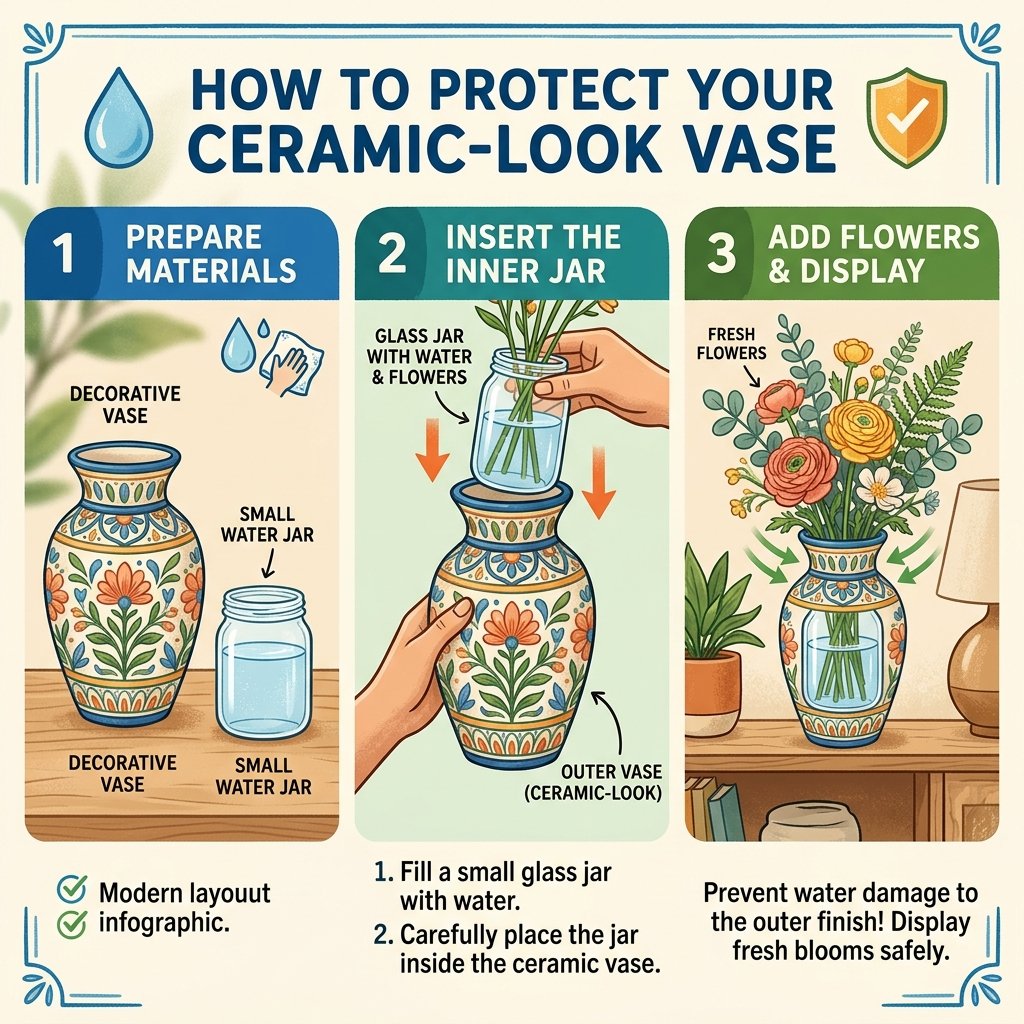
While this hack is incredible for aesthetics, we must remember the limitations of the medium. Baking soda paint is not waterproof. Because the baking soda remains a dry particulate within the paint, exposing the exterior to heavy water will cause the finish to soften and eventually peel. Use these vases for dried florals, pampas grass, or faux greenery.
Pro-Tip for Fresh Flowers: If you must use fresh flowers, place a smaller glass jar inside your painted vase to hold the water. This ‘vessel-within-a-vessel’ technique protects your hard work while allowing you to enjoy live blooms.
Additionally, always work in a well-ventilated area if you are using spray-paint-based versions of this hack, and keep your workspace covered with drop cloths or old newspapers—this mixture is thick and can be messy if spilled on carpet or upholstery.
Conclusion
Your Home, Curated by Your Own Hands
The beauty of the baking soda paint trick lies in its accessibility. It levels the playing field, allowing anyone with a $1.25 thrift store find and a box of pantry staples to create decor that rivals the most expensive showrooms. By choosing to upcycle rather than discard, you are not just saving money; you are practicing a form of creative stewardship that values the potential in the ‘old’ and the ‘ugly.’ So, the next time you see a glass vase headed for the bin, see it for what it truly is: a blank canvas for your next high-end masterpiece. Grab your brush, mix your ‘mousse,’ and start transforming your space one texture at a time. Happy crafting!


Makenzie is the founder and lead writer at MoneyHackTips.com — a personal finance blog dedicated to delivering street-smart financial wisdom for real people on real budgets. With 300+ published articles covering everything from debt management to investing fundamentals, Makenzie’s mission is to make every dollar work harder. When not writing about money hacks, Makenzie is testing frugal living strategies, optimizing side hustles, and helping readers build financial freedom from scratch.