


Let’s be real. You love your pet more than most humans. They’re family. But looking at your bank statement after a trip to the vet or the pet store can feel like a punch to the gut. The costs are staggering, and the moment you even think about switching to a cheaper food or skipping a non-essential visit, a wave of guilt washes over you. Am I a bad pet parent for trying to save money?
I’m here to tell you, loud and clear: Stop that thinking right now. Being a frugal pet owner isn’t about loving them less; it’s about loving them smarter. It’s about being resourceful so you can provide the best care possible without putting yourself in financial jeopardy. This guide is your ultimate playbook for slashing those pet-related costs, filled with actionable strategies and real math, all completely guilt-free. Let’s hack your pet budget and prove you can be an incredible owner without going broke.
Hack #1: Master Preventive Care to Dodge Catastrophic Vet Bills
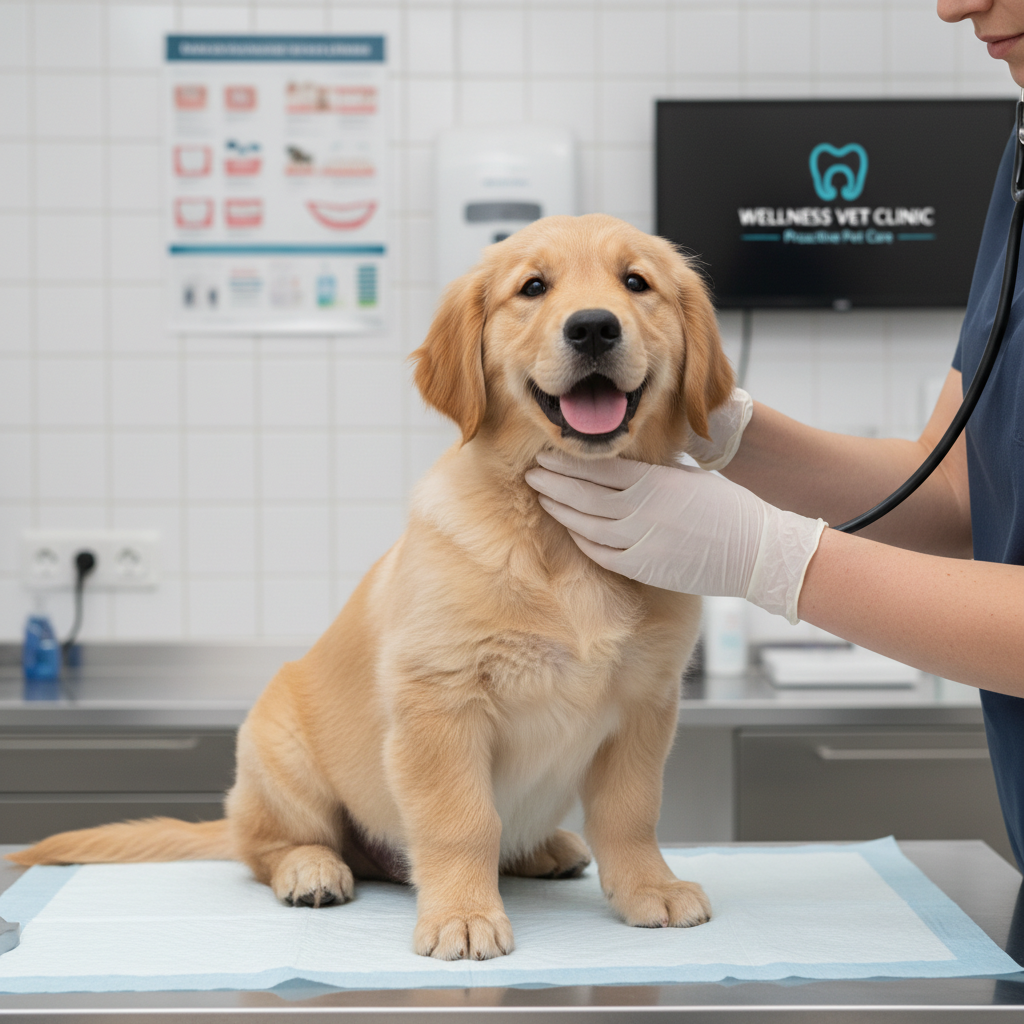
The single biggest money-saver in pet ownership isn’t a coupon or a deal—it’s prevention. Think of it like maintaining your car. You can pay $70 for an oil change now, or you can pay $4,000 for a new engine later. The same logic applies to your pet’s health. Spending a little on routine care now helps you dodge the five-figure emergency bills that send people into debt.
The Non-Negotiable Investments
- Vaccinations: Core vaccines are your frontline defense. A puppy’s parvo vaccine series might cost $100-$150. Treating parvo? You’re looking at a devastating $1,500 – $5,000 bill with no guarantee of survival. The math is a no-brainer.
- Parasite Prevention: A monthly flea, tick, and heartworm preventative might seem like a pesky $25 expense. But treating heartworm disease can cost upwards of $1,000 and is incredibly hard on your dog. Treating a flea infestation in your home can cost hundreds more.
- Spay/Neuter: Beyond preventing unwanted litters, spaying/neutering drastically reduces the risk of certain cancers (mammary, testicular, uterine) and infections like pyometra, an emergency surgery that can cost $2,000+.
The Hidden Cost of Bad Teeth
You might roll your eyes at the idea of brushing your dog’s teeth, but dental disease is a silent budget-killer. A routine, preventative dental cleaning under anesthesia might run you $400 – $700. But if you wait until your pet has severe periodontal disease, requiring multiple tooth extractions and advanced care, that bill can easily balloon to $1,200 – $2,500. Investing in a $10 pet toothbrush and toothpaste, or even dental chews, can save you a fortune in the long run.
Hack #2: How to Find Affordable Vet Care Without Compromising Quality

Not all vets charge the same price, and the fanciest lobby doesn’t always mean the best care. You have options, and being a savvy shopper for veterinary services is one of the smartest things you can do.
Rule #1: You MUST Shop Around for Non-Emergencies
For routine check-ups, vaccines, and planned procedures like a spay/neuter or dental cleaning, call at least 3-5 clinics in your area and get a quote. Prices can vary by 50% or more for the exact same service. Don’t be shy; you are the consumer.
| Vet Clinic Type | Average Cost for Annual Exam & Vaccines | Potential Savings |
|---|---|---|
| Private Practice (Trendy Urban Area) | $200 – $300 | Baseline |
| Private Practice (Suburbs/Rural) | $120 – $220 | Up to $80 |
| Local Humane Society / Non-Profit Clinic | $75 – $150 | Up to $150 |
| Mobile Vaccine Clinic (at a pet store) | $60 – $110 (for vaccines only) | Major savings on specific services |
Explore Low-Cost Goldmines
- Veterinary Schools: If you live near a university with a veterinary program, check out their community clinic. You’ll get top-notch care from students overseen by experienced professors, often at a reduced cost.
- Non-Profits and Municipal Shelters: Organizations like the Humane Society or local city shelters often run low-cost clinics for the public, focusing on essentials like spay/neuter surgeries and vaccinations at a fraction of the standard price.
The Pet Insurance Debate: Is It a Hack or a Hassle?
Pet insurance can be a lifesaver or a money pit, depending on your situation. It typically doesn’t cover routine care but is designed for accidents and major illnesses. A plan might cost $30 – $60 per month ($360 – $720 per year). If your dog tears an ACL (a $4,000 surgery), you’ll be glad you have it. If your pet stays healthy, you’ve paid for peace of mind. An alternative? Create your own ‘pet emergency fund.’ Automatically transfer $50 a month into a high-yield savings account. In five years, you’ll have $3,000 ready to go, and if you never use it, the money is still yours.
Hack #3: Dominate the Pet Food Aisle (And Save Hundreds)
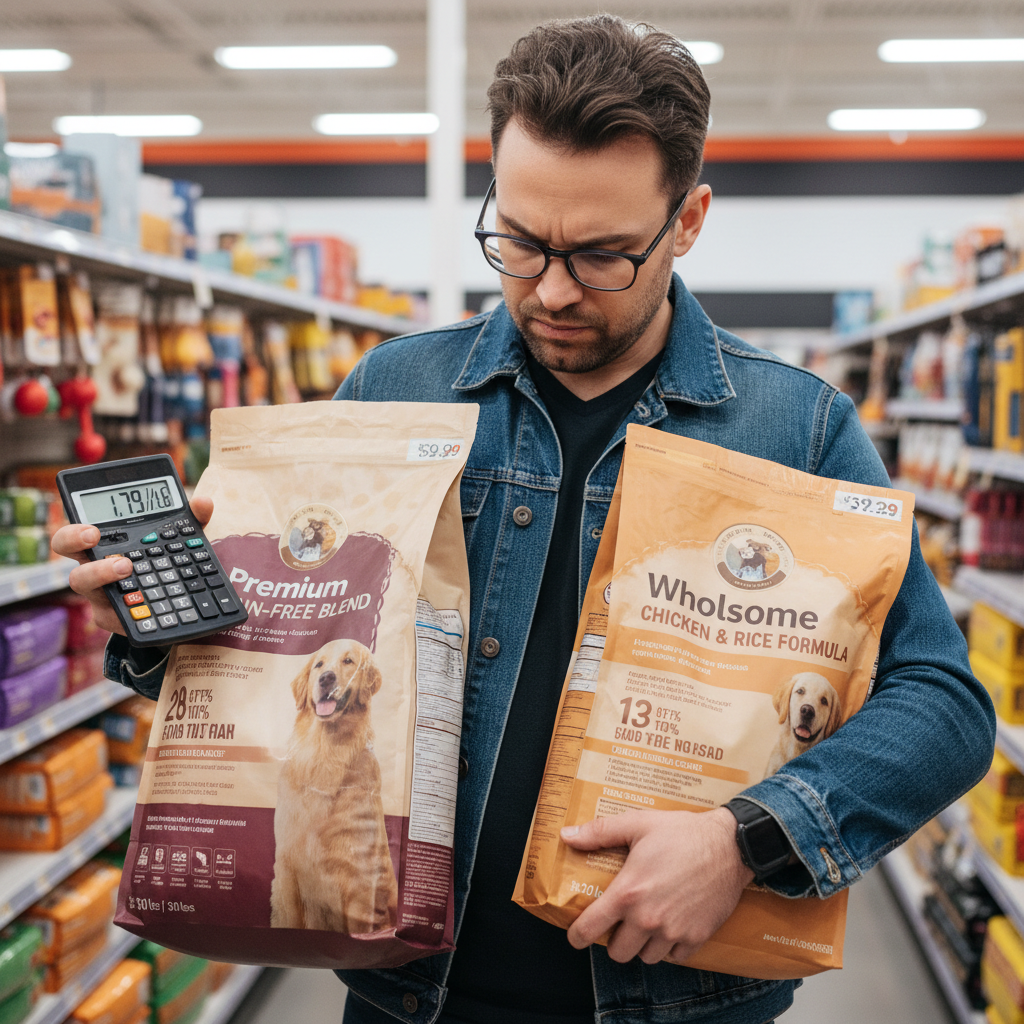
The pet food industry is a master of marketing. Fancy bags with pictures of wolves and vegetables don’t always mean it’s better food—but it almost always means a higher price. Here’s how to cut through the noise and feed your pet well for less.
Become a Label Detective
Ignore the flashy words on the front of the bag. Flip it over and look for two things:
- The AAFCO Statement: Look for the phrase “[Pet Food Name] is formulated to meet the nutritional levels established by the AAFCO Dog (or Cat) Food Nutrient Profiles.” This is a minimum standard ensuring the food is nutritionally complete. Don’t buy food without it.
- The First 5 Ingredients: These make up the bulk of the food. Look for a specific meat source (e.g., “chicken,” “deboned lamb”) rather than a vague term like “meat and bone meal.”
Key Rule: Expensive, grain-free, boutique diets are not automatically better. In fact, unless your pet has a diagnosed grain allergy, these diets are often just a way to charge you more money. Many vets recommend classic, science-backed brands like Purina, Hill’s Science Diet, or Royal Canin, which have affordable lines.
The Undeniable Math of Buying in Bulk
Buying the biggest bag you can reasonably store and use before it goes stale is a guaranteed money-saver. You just have to look at the price per pound.
| Brand & Bag Size | Total Price | Price Per Pound | Annual Cost (for a 50lb dog) |
|---|---|---|---|
| Premium Brand, 4lb Bag | $22.00 | $5.50/lb | $2,007 |
| Premium Brand, 30lb Bag | $75.00 | $2.50/lb | $912 |
| Store Brand, 30lb Bag | $45.00 | $1.50/lb | $547 |
As you can see, simply switching from small bags to large bags of the same brand saves you over $1,000 a year. Switching to a quality store brand can save even more. To keep large bags fresh, invest in a $20 airtight storage container.
Automate Your Savings
Use websites like Chewy or Amazon’s “Subscribe & Save” to get a 5-10% discount and free shipping. This automates your pet food buying and ensures you never run out and have to make an expensive last-minute trip to the store.
Hack #4: The DIY Zone: Safe Grooming and Treat Hacks

You don’t need to be a professional to handle some of your pet’s basic needs. Taking on a few simple tasks at home can lead to massive savings over the course of a year, freeing up hundreds of dollars.
Basic Grooming You Can Absolutely Master
With a little patience and a few YouTube tutorials, you can easily learn to do the following at home:
- Nail Trims: A groomer charges $15-$25 for a 5-minute nail clip. A good pair of clippers costs $20 once.
- Bathing: A bath for a medium-sized dog can cost $50 or more. A bottle of quality pet shampoo costs $15 and lasts for months.
- Brushing: Regular brushing prevents matting (which can be painful and expensive to remove) and keeps your pet’s coat healthy. A good brush is a one-time $20 purchase.
Cost Breakdown: DIY vs. Professional Groomer
Let’s look at the math for a medium-sized dog requiring minimal grooming.
| Grooming Task | Professional Groomer (Annual Cost) | DIY Cost (One-time tools + supplies) | First-Year Savings |
|---|---|---|---|
| Nail Trims (10x/year @ $20) | $200 | $25 (clippers, styptic powder) | $175 |
| Baths (4x/year @ $50) | $200 | $15 (pet-safe shampoo) | $185 |
| Total Annual Savings | $400 | $40 | A whopping $360! |
Whip Up Healthy, Cheap Homemade Treats
A bag of fancy, single-ingredient treats can cost $15. You can make your own for pennies.
Super Simple 2-Ingredient Dog Treats: Mix 1 cup of pure pumpkin purée (not pie filling!) with 1 cup of whole wheat flour. Roll it out, cut into shapes, and bake at 350°F (175°C) for 20-25 minutes. It’s that easy.
Safety Warning: Always check with your vet before introducing new foods to your pet’s diet, as some have allergies or sensitivities. Never use human toothpaste or shampoos, as they can be toxic to animals.
Conclusion
See? It’s not about being cheap; it’s about being strategic. Being a pet parent is a huge responsibility, both emotionally and financially. By shifting your focus to smart prevention, becoming an educated consumer, outsmarting the marketing hype, and embracing a little safe DIY, you can reclaim control of your budget. You can absolutely provide top-tier love and care without the soul-crushing financial stress.
Forget the guilt. You’re not cutting corners; you’re building a sustainable, happy life for you and your beloved pet. Now, pick one hack from this list and put it into action this week. Your wallet—and your furry best friend—will thank you for it.


Makenzie is the founder and lead writer at MoneyHackTips.com — a personal finance blog dedicated to delivering street-smart financial wisdom for real people on real budgets. With 300+ published articles covering everything from debt management to investing fundamentals, Makenzie’s mission is to make every dollar work harder. When not writing about money hacks, Makenzie is testing frugal living strategies, optimizing side hustles, and helping readers build financial freedom from scratch.