

Let’s be real: you see adorable dogs everywhere and that little voice in your head whispers, “I want one.” But then the much louder, more practical voice screams, “CAN YOU AFFORD IT?!” The fear of surprise vet bills, endless bags of expensive food, and all the gear can be enough to scare anyone off. It’s a valid concern. A dog isn’t just a friend; it’s a financial commitment, and the last thing you want is to bring a pup home only to realize you’re in over your head.
But here’s the secret the super-spenders don’t want you to know: you don’t need to be rich to be an amazing dog parent. You just need to be smart. This isn’t about being cheap or cutting corners on your pup’s health. It’s about being a frugal hacker—knowing where to spend, where to save, and how to prepare for the unexpected so you can give your dog the best life without sacrificing your own financial peace. This guide is your roadmap to spoiling your pup while keeping your wallet full. Let’s break it down.
The Real Price Tag: Unpacking the First-Year Dog Budget
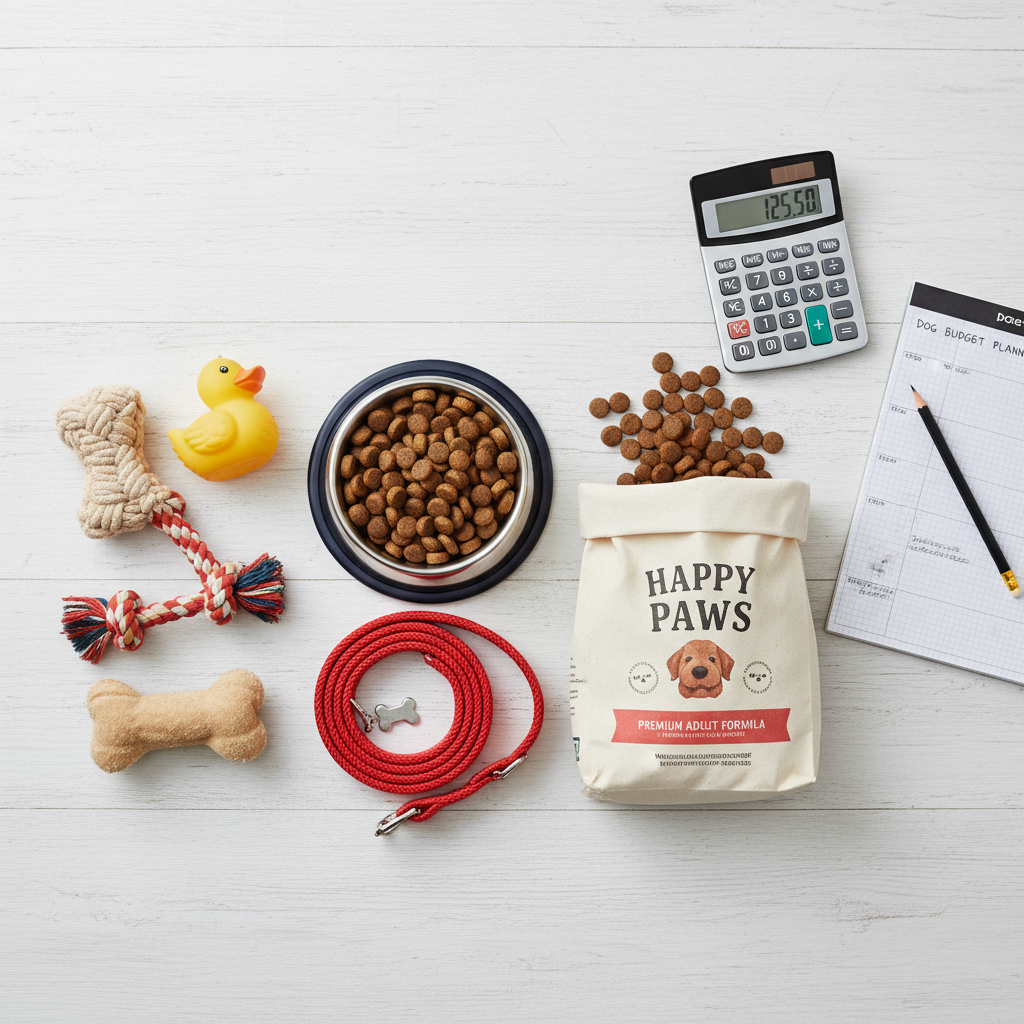
Before we get into the fun hacks, we need to face the numbers head-on. Ignoring the true cost of a dog is the fastest way to get into financial trouble. The first year is almost always the most expensive because you have a ton of one-time costs on top of the regular monthly expenses. Let’s put it all on the table so there are no surprises.
One-Time vs. Ongoing Costs
Think of it in two categories: the stuff you buy once (or infrequently) and the stuff you’ll be buying forever. Seeing it laid out like this helps you plan where your money is going to go, both now and in the future.
| Expense Category | Typical One-Time Cost Range | Typical Annual Ongoing Cost Range |
|---|---|---|
| Adoption or Purchase Fee | $50 – $500 (Shelter) / $1,500 – $5,000+ (Breeder) | $0 |
| Spay / Neuter | $150 – $700 (Often included in adoption fee) | $0 |
| Initial Vet Exam & Vaccinations | $100 – $400 | $100 – $300 (Annual Checkup/Boosters) |
| Microchipping | $25 – $60 | $0 |
| Essential Supplies (Crate, Bed, Bowls, Leash, Collar) | $150 – $400 | $50 – $100 (Replacements) |
| Food | N/A | $400 – $1,200+ |
| Treats & Toys | N/A | $100 – $300 |
| Flea, Tick, & Heartworm Prevention | N/A | $200 – $500 |
| Grooming | N/A | $50 – $600 (Varies wildly by breed) |
| Pet Insurance or Vet Fund Savings | N/A | $300 – $900 |
| TOTALS (Example using Shelter Adoption) | ~ $475 – $2,060 | ~ $1,200 – $4,200+ |
Seeing a potential first-year cost of over $6,000 can be a shock, but don’t panic! This is the high-end, worst-case scenario. Our entire goal here is to show you how to systematically crush those numbers and bring them way, way down.
The Smart Start: Hacking Your Way to Lower Upfront Costs
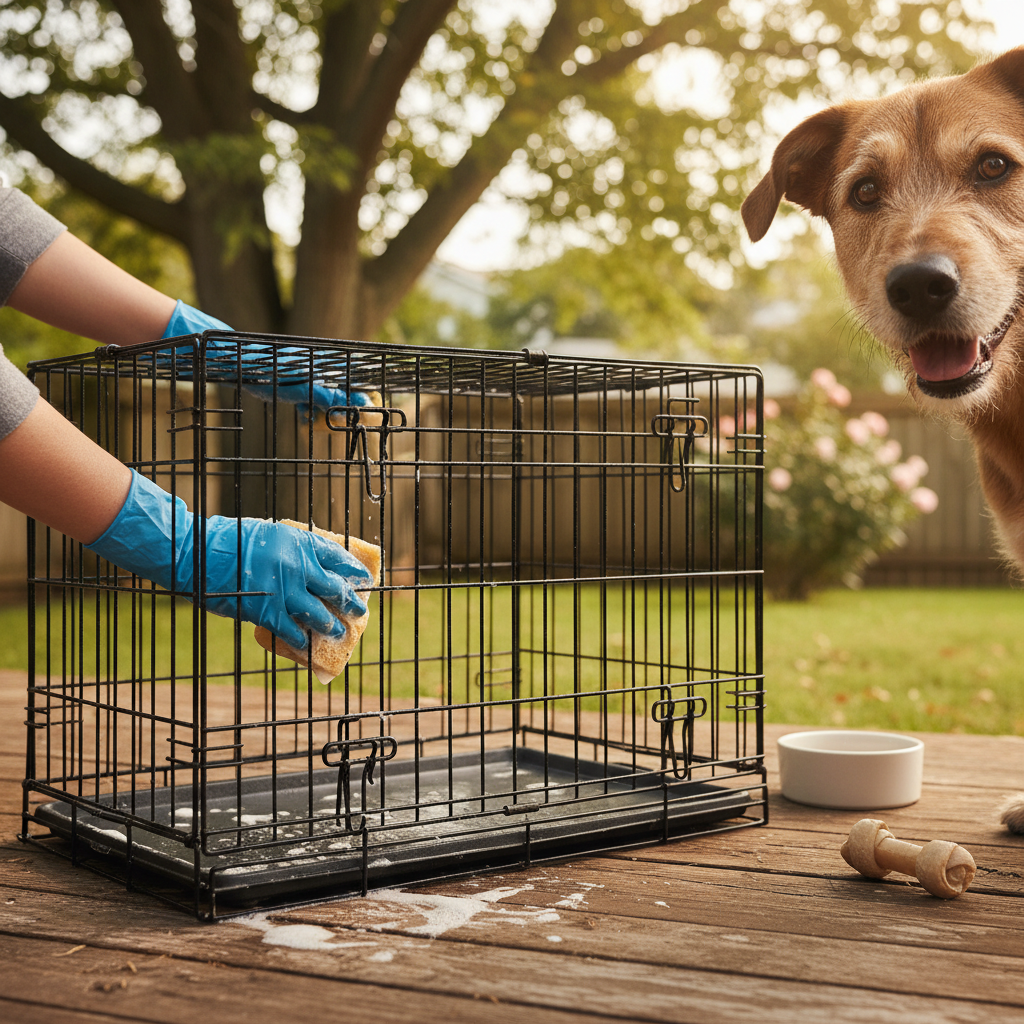
That initial cash outlay is often the biggest hurdle. But with a little street smarts, you can slash these one-time costs dramatically, freeing up cash for your emergency fund or ongoing care. This is where you can make the biggest financial impact right out of the gate.
The Golden Rule: Adopt, Don’t Shop
This is the single biggest money-saving (and life-saving) decision you can make. The math is undeniable. A purebred puppy from a reputable breeder can easily cost $2,000, $3,000, or even more. An adoption fee from a local shelter or rescue? Typically between $50 and $500.
The Math: Let’s take a conservative example. A $2,000 puppy vs. a $250 adoption fee. That’s an immediate, upfront saving of $1,750. But it gets better. That adoption fee almost always includes spaying/neutering, initial vaccinations, and microchipping, which could cost you another $500+ on your own. By adopting, you’re not just saving a life; you’re potentially saving over $2,000 before you even bring your new friend home.
Become a Secondhand Scavenger
Your new dog doesn’t need a brand-new, top-of-the-line everything. They need things that are safe and functional. Gently used items are your best friend.
- Facebook Marketplace & Buy Nothing Groups: People are constantly getting rid of perfectly good crates, dog beds, gates, and bowls. Many people will give them away for free just to get them out of their house.
- Thrift Stores: Don’t sleep on the pet section at Goodwill or your local thrift shop. You can also find old blankets and towels to use for bedding for just a few bucks.
A new crate can cost $75. A used one might be $20 or free. That’s a $75 win right there. Just be sure to thoroughly clean and disinfect anything you bring home.
Time Your Adoption
Keep an eye on local shelters for special events. Many participate in national campaigns like “Clear the Shelters,” where adoption fees are drastically reduced or even waived for a day or weekend. A little patience can literally save you hundreds of dollars.
The Daily Grind: Frugal Hacks for Food, Fun, and Health
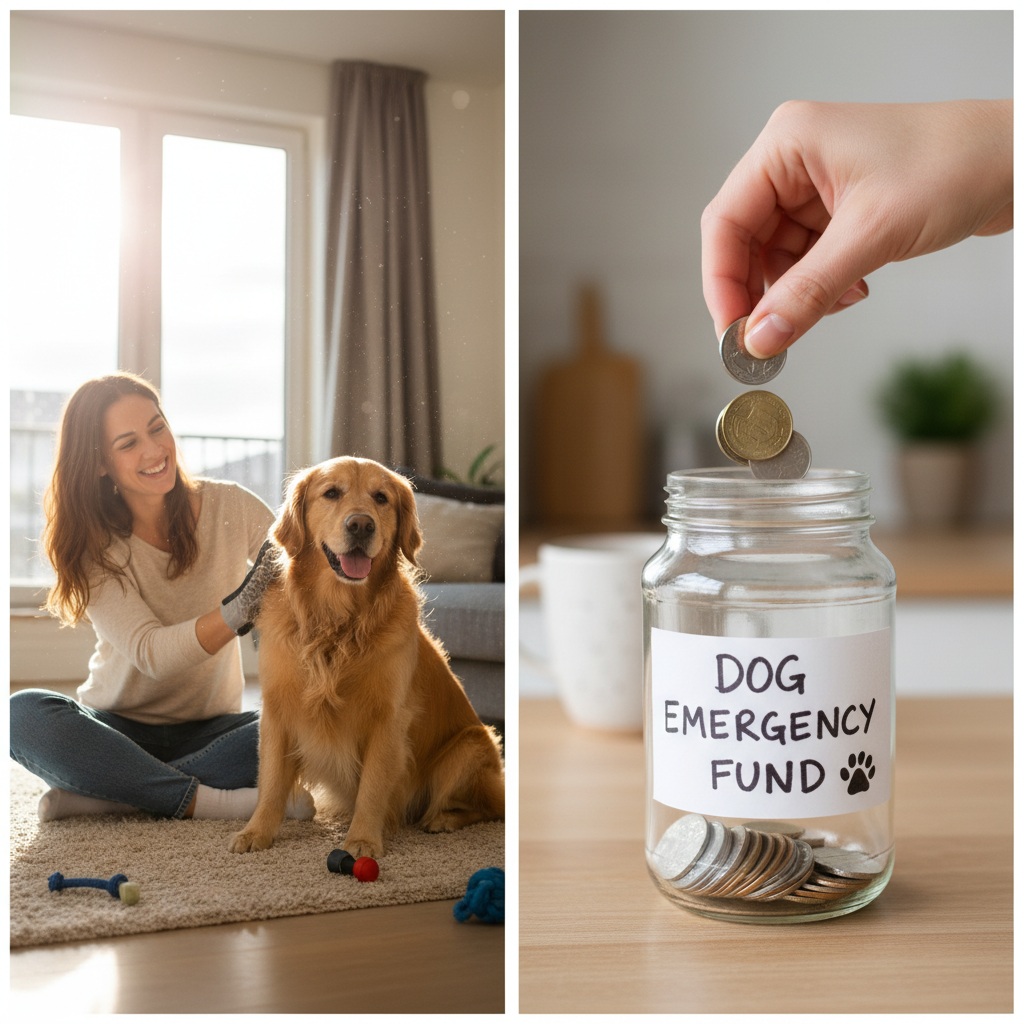
Once your pup is settled in, the focus shifts to managing those recurring monthly costs. This is where consistent, smart habits will save you thousands over the lifetime of your dog. It’s a marathon, not a sprint.
Food for Thought: Smart Savings on Kibble
Dog food will be one of your biggest and most consistent expenses. The goal is to find the sweet spot between quality and cost.
Key Rule: Never sacrifice quality for price. Feeding your dog cheap, low-nutrient filler is a recipe for health problems, which means massive vet bills later. Being frugal means investing in good health now to avoid huge costs later.
- Buy in Bulk: The price-per-pound is almost always cheaper on the largest bag of food. If storage is an issue, get an airtight container to keep it fresh.
- The Math: Let’s say a 15lb bag of quality dog food costs $35 ($2.33/lb). The 30lb bag of the same food might be $55 ($1.83/lb). By buying the bigger bag, you save $0.50 per pound. If your dog eats 30lbs a month, that’s a saving of $15 every single month, or $180 a year. That’s real money.
- Subscribe & Save: Services like Chewy or Amazon often offer a 5-10% discount for setting up auto-shipments. It’s convenient and saves you cash, as long as you’d be buying the food anyway.
DIY Grooming, Toys, and Training
You don’t need to pay a pro for everything. A little DIY effort goes a long way.
- Grooming: Regular brushing at home reduces shedding and prevents matting, which can save you money on professional grooming fees. You can also easily learn to do basic baths and, if you’re brave and careful, nail trims. A $15 nail clipper can save you a $25 fee at the groomer every month.
- Entertainment: Dogs don’t need expensive, fancy toys. A knotted-up old t-shirt makes a great tug toy. An empty plastic water bottle in a sock is a fun crinkle toy (with supervision!). Smearing some peanut butter or yogurt inside a Kong and freezing it provides hours of cheap entertainment.
- Training: Instead of expensive private trainers, start with high-quality trainers on YouTube (like Zak George’s Dog Training Revolution). The library also has tons of free dog training books and DVDs. Consistent, positive reinforcement training at home is often more effective than a few pricey classes.
The Side Hustle Pup: Turning Your Dog Into an Asset (Seriously!)
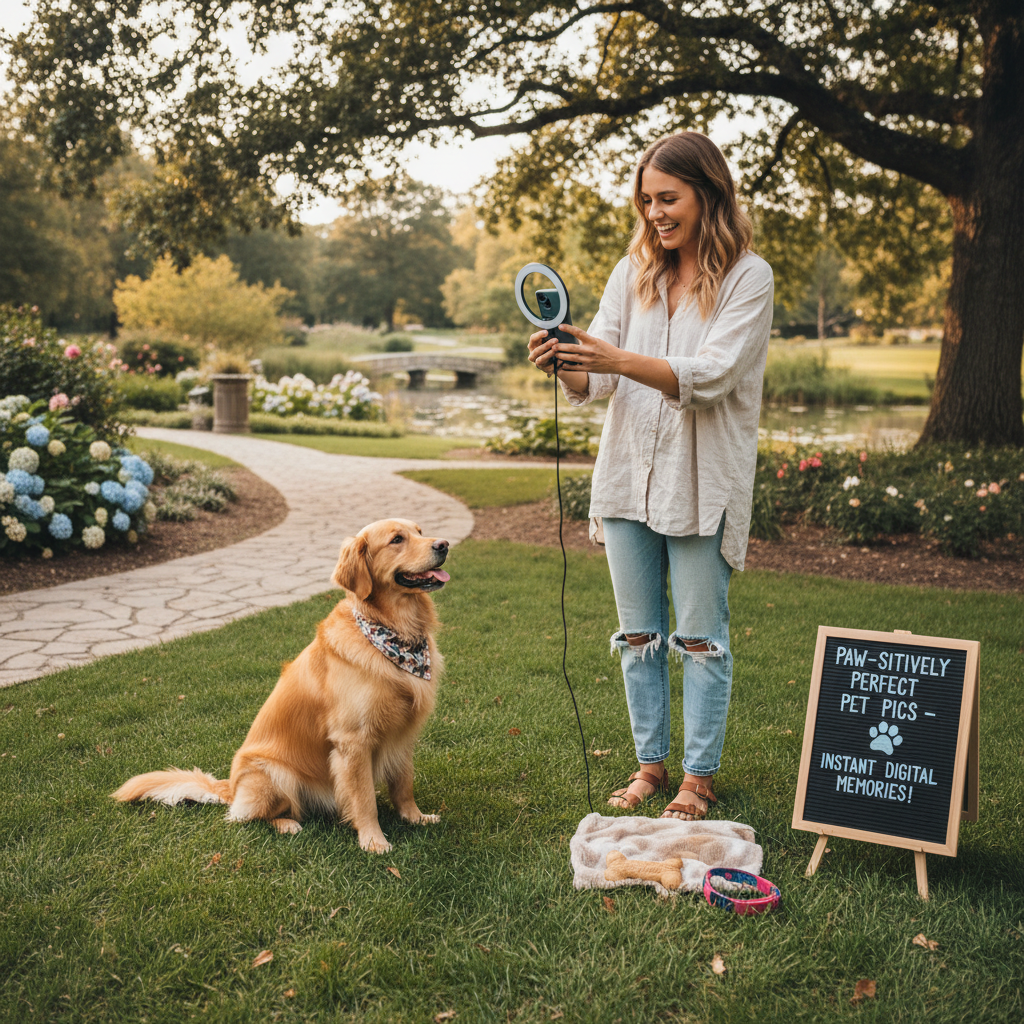
Alright, side hustlers, this one’s for you. What if I told you that your dog could actually help you MAKE money? It sounds crazy, but by leaning into your new life as a dog person, you can open up new income streams that can easily cover—and even exceed—the cost of their care.
Monetize Your Daily Dog Routine
You’re already walking them, playing with them, and taking pictures of them. Why not get paid for it? Here are a few realistic options to get you started.
| Side Hustle | Realistic Earning Potential | What You Need |
|---|---|---|
| Dog Walking / Pet Sitting | $15 – $30 per walk/visit; $50 – $100+ per night for boarding | A smartphone with an app like Rover or Wag!, reliability, and a love for animals. |
| Pet Photography | $100 – $300 for a photo session | A decent camera (even a modern smartphone), some photo editing skills, and a portfolio (use your own dog!). |
| Homemade Dog Treat Baker | $10 – $20 per batch | An oven, simple ingredients (flour, pumpkin, peanut butter), and knowledge of local cottage food laws. |
| Dog Influencer / Content Creator | Varies wildly (from free products to $100s per post) | A cute dog, a knack for social media, consistency, and a lot of patience. This is a long game. |
Getting Started with Dog Walking on Rover
This is the most accessible hustle for most new dog owners. You’re already walking your dog, so why not bring another one along and get paid? Here’s a simple script to use when creating your Rover profile bio to attract your first clients:
“Hi! I’m [Your Name], a dedicated and loving dog owner to my own furry friend, [Your Dog’s Name]. Because I’m already out and about every day for walks in the [Your Neighborhood] area, I’d love to have your pup join our pack! I’m reliable, communicative, and will treat your dog with the same care and attention I give my own. I’m excited to meet you and your best friend!”
Just one extra 30-minute walk per day, five days a week, at $20 a walk could bring in an extra $400 a month. That more than covers even a high-end estimate for your dog’s annual costs.
The ‘Oh Crap’ Fund: Preparing for the Unexpected Without Panic

This is the most important section in this entire guide. All the frugal hacks in the world won’t matter if you’re hit with a $4,000 emergency vet bill and have no way to pay for it. A lack of emergency savings is the number one reason people get into financial trouble with pets. This is non-negotiable.
Pet Insurance vs. a Dedicated Savings Account
There are two main schools of thought here, and neither is wrong—it’s about what works for you.
- Pet Insurance: You pay a monthly premium (e.g., $30-$70) to an insurance company. When an emergency happens, you pay the vet bill upfront, and the insurance company reimburses you for a percentage (usually 70-90%) after you meet your deductible. It’s great for catastrophic, multi-thousand-dollar events. However, it often doesn’t cover pre-existing conditions or routine wellness exams.
- Dedicated Savings Account: You automatically transfer a set amount of money each month (e.g., $50-$100) into a separate, high-yield savings account (HYSA) labeled “Dog Emergency Fund.” The money is yours, it earns interest, and you can use it for any vet expense you choose. The downside is it takes time to build up a substantial balance.
The Math: Let’s say you put $50 a month into an HYSA instead of paying for an insurance premium. In one year, you’ll have $600 saved. In three years, you’ll have $1,800 (plus interest). This can cover most common emergencies. Many frugal experts prefer this method because you keep the money if you never have a major emergency. A hybrid approach can also work: get a high-deductible, accident-only insurance plan for cheap, and simultaneously build up your savings account.
The Goal: Your Freedom Fund
Your ultimate goal should be to have $3,000 to $5,000 set aside for your pet. It sounds like a lot, but by automating your savings, you can get there. This fund isn’t just for your dog; it’s for you. It’s the freedom from having to make a heartbreaking decision based on money. It’s the peace of mind knowing that if the worst happens, you’re prepared. That peace of mind is priceless.
Conclusion
Bringing a dog into your life is one of the most rewarding things you can do. They bring joy, laughter, and unconditional love. And that experience shouldn’t be reserved only for the wealthy. By being a savvy, prepared, and frugal pet parent, you can absolutely make it work without derailing your financial goals.
Remember the core principles: start smart by adopting, hack your daily costs by buying in bulk and DIY-ing, build a non-negotiable emergency fund, and maybe even let your pup inspire a new side hustle. It’s not about spending less; it’s about spending smarter. Now go on—your future best friend is waiting for you, and your wallet is ready.


Makenzie is the founder and lead writer at MoneyHackTips.com — a personal finance blog dedicated to delivering street-smart financial wisdom for real people on real budgets. With 300+ published articles covering everything from debt management to investing fundamentals, Makenzie’s mission is to make every dollar work harder. When not writing about money hacks, Makenzie is testing frugal living strategies, optimizing side hustles, and helping readers build financial freedom from scratch.