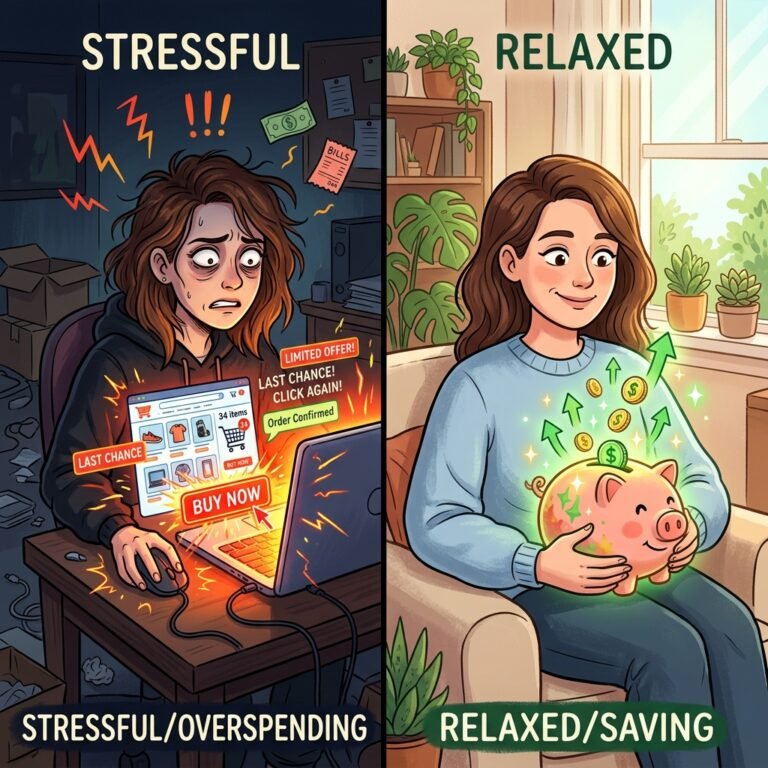
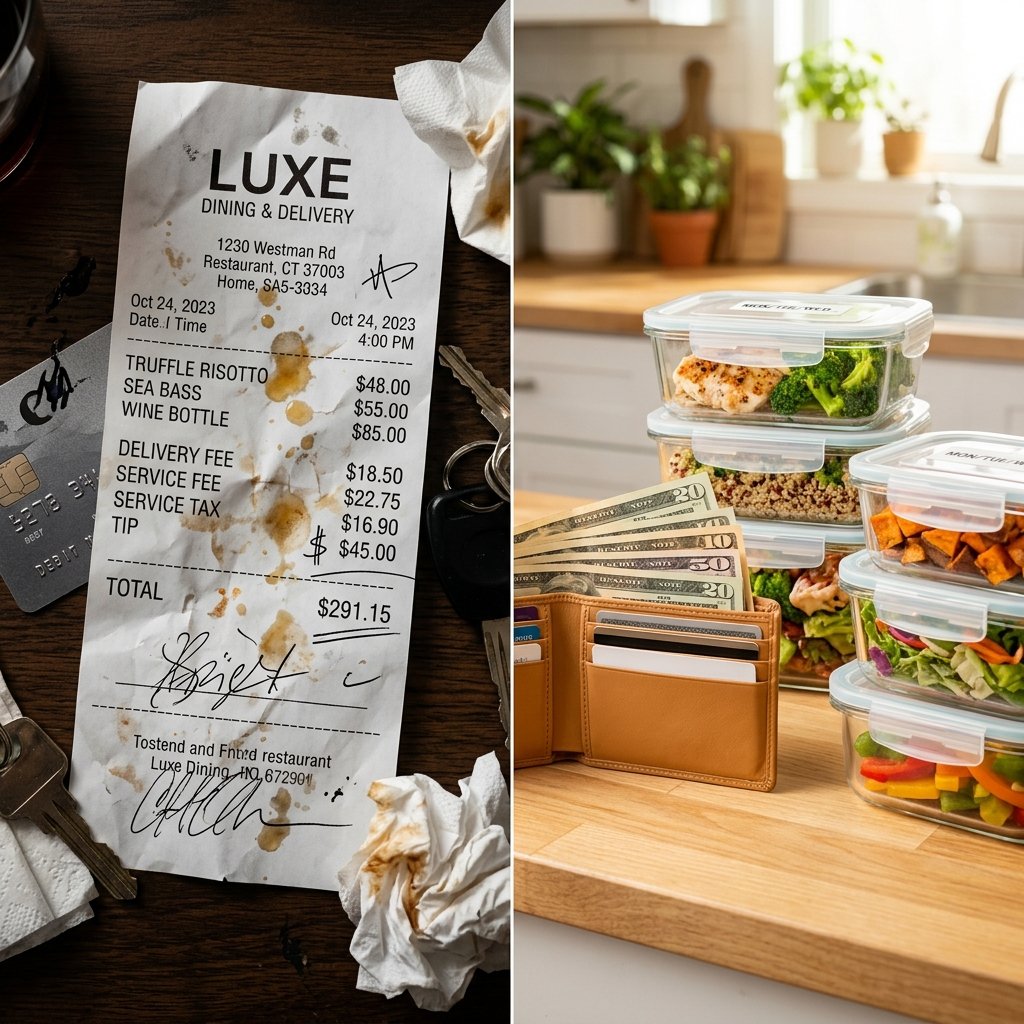

Hey there, fellow frugal hackers! Let’s talk about the elephant in the room, or rather, the empty takeout containers sitting in your recycling bin. We have all been there. It is 6:00 PM on a Tuesday, you are exhausted from a long day at work, and the absolute last thing you want to do is chop an onion. So, you open that familiar delivery app, click a few buttons, and boom—dinner is on its way. It feels like magic, right? But here is the brutal reality: that magic is draining your bank account faster than you can say ‘extra guac.’ I realized I was bleeding money through a thousand tiny cuts of convenience. The $5 lattes, the $15 desk lunches, the $40 weekend dinners—it was all adding up to a massive financial leak. So, I decided to draw a line in the sand. I challenged myself to stop eating out completely for 30 days. No restaurants, no drive-thrus, no delivery apps, and absolutely no overpriced coffee shops. In this guide, I am going to walk you through exactly how I survived this challenge, the street-smart meal prep hacks I used to avoid kitchen burnout, and most importantly, the cold, hard math of how much money I actually saved. Spoiler alert: the number is going to blow your mind. If you are ready to take control of your budget and stop paying the convenience tax, grab a homemade coffee, pull up a chair, and let’s dive into the ultimate frugal hack.
The Cold, Hard Math: My 30-Day Savings Breakdown
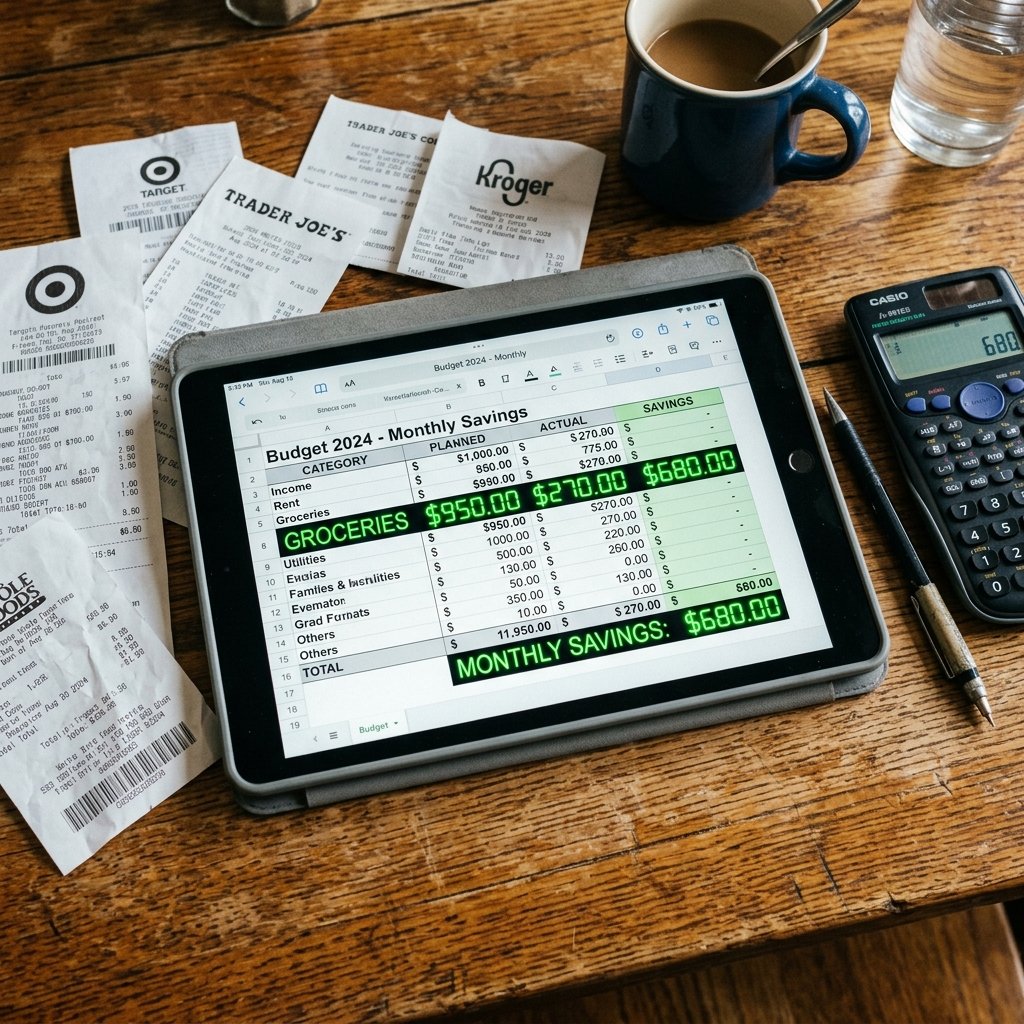
Let’s get right down to business because I know you are here for the numbers. Before I started this challenge, I thought I was doing ‘okay’ with my food budget. I was not eating at five-star steakhouses every night, just grabbing the usual quick meals. But when I actually sat down and audited my previous month’s bank statements, I was horrified. The sheer volume of transactions at cafes, fast-casual spots, and delivery services was staggering. To give you a clear picture of the transformation, I meticulously tracked every single penny I spent on food during my 30-day no-restaurant challenge and compared it to my ‘normal’ month. Here is the exact budget breakdown of my savings.
| Expense Category | Previous Month (Eating Out) | Challenge Month (Home Cooked) | Total Savings |
|---|---|---|---|
| Work Lunches | $250 | $45 | $205 |
| Weekend Dinners | $320 | $80 | $240 |
| Coffee & Snacks | $110 | $25 | $85 |
| Late Night Delivery | $150 | $0 | $150 |
When I tallied it all up, I saved a jaw-dropping $680 in just one month! If we extrapolate that math over a year, we are talking about saving $8,160/year just by changing where I eat. That is a fully funded Roth IRA, an emergency fund, or a massive chunk of debt paid off. Seeing these numbers in black and white was the ultimate wake-up call. It proved that eating out is not just a small treat; it is a massive wealth killer disguised as convenience.
The Withdrawal Phase: Surviving the First Week
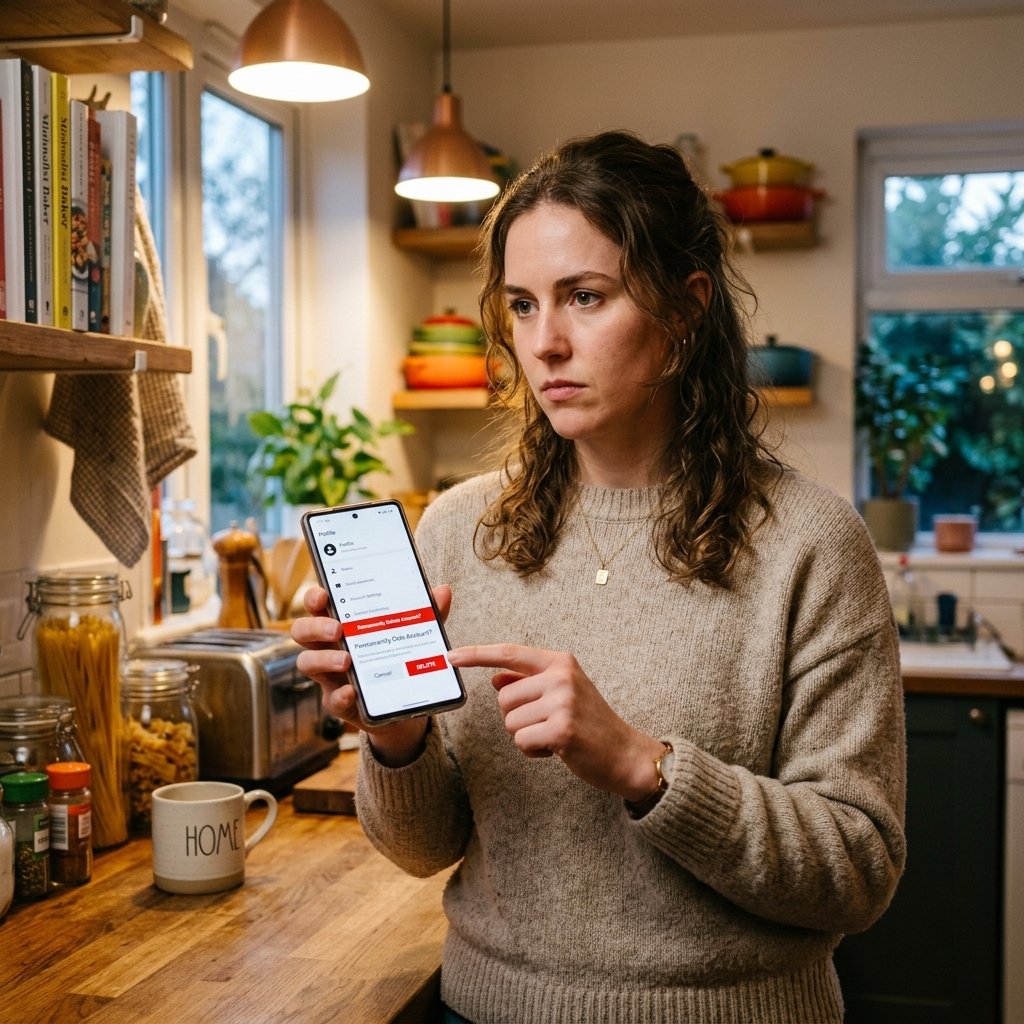
I am not going to sugarcoat it—the first week was incredibly tough. Your brain is literally wired to crave the high-fat, high-sodium foods that restaurants engineer to keep you coming back. Plus, the habit loop of ‘feel tired -> order food -> feel temporary relief’ is deeply ingrained. By day three, the urge to just order a pizza was overwhelming. I had to implement strict psychological boundaries to stop myself from caving. This is where you have to be a true frugal hacker and outsmart your own brain.
The 24-Hour Takeout Rule: If you feel an intense urge to order food, you must force yourself to wait 24 hours. Tell yourself you can have it tomorrow. 99% of the time, by the time tomorrow comes, the emotional craving has passed, you have eaten something at home, and your wallet remains safe.
During this withdrawal phase, I also deleted every single food delivery app from my phone. Out of sight, out of mind. I removed my saved credit card information from my web browsers to add friction to the ordering process. If I wanted to order food, I would have to physically get up, find my wallet, and type in the numbers—that tiny bit of extra effort was often enough to snap me out of the impulse. Remember, the first week is not about culinary perfection; it is purely about survival and breaking the habit loop.
The Frugal Hacker’s Meal Prep Strategy

You cannot survive a 30-day cooking challenge if you are spending three hours a night washing pots and pans. You will burn out by day four. The secret to this challenge is aggressive, strategic meal prepping. I am not talking about making dry chicken breast and broccoli for seven days straight. I am talking about building a system that makes cooking at home faster than waiting for a delivery driver. Here is my step-by-step strategy for dominating the kitchen.
1. The Base Ingredient Batching
Instead of prepping full meals, I prep versatile base ingredients. On Sunday, I make a massive batch of rice, roast a huge tray of seasonal vegetables, and cook a large protein (like pulled pork or shredded chicken). Throughout the week, I can mix and match these bases into tacos, stir-fries, or grain bowls in under five minutes.
2. The ‘Emergency’ Freezer Stash
You need a backup plan for the days when everything goes wrong. I always keep frozen pizzas, frozen dumplings, and frozen veggies in the house. Yes, a frozen pizza costs $6, but it prevents you from ordering a $30 delivery pizza. It is the ultimate frugal safety net.
3. Flavor Bombs
Restaurant food tastes good because of sauces and spices. I invested $15 in a variety of hot sauces, soy sauce, sesame oil, and spice blends. A simple bowl of rice and beans transforms into a gourmet experience when you have the right flavor bombs on hand.
- Always cook double portions for dinner so lunch is automatically packed for the next day.
- Clean as you go. A messy kitchen is the number one deterrent to cooking.
- Embrace the slow cooker. Throwing ingredients in a pot in the morning and coming home to a hot meal feels like you have a personal chef.
Cost Comparison: The Convenience Tax Exposed
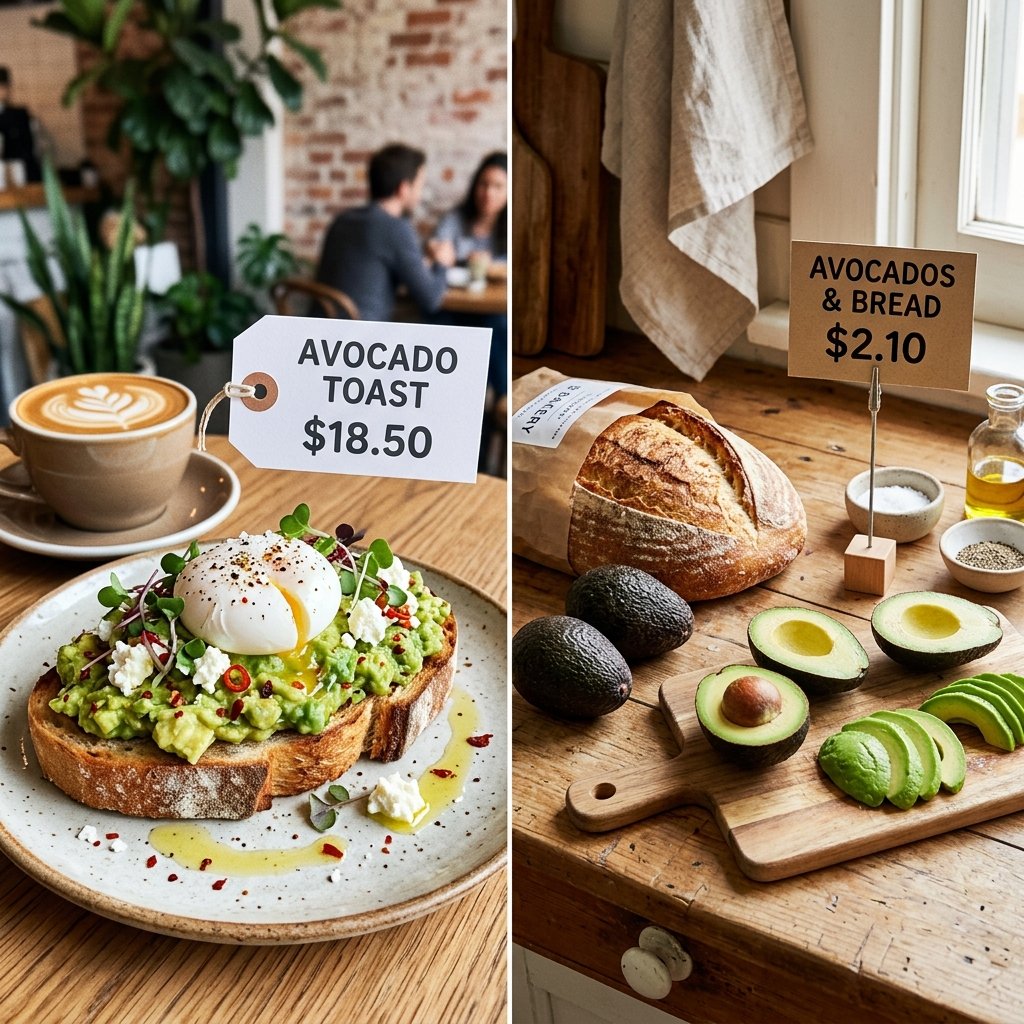
To truly understand why eating out is so financially destructive, we have to look at the ‘Convenience Tax.’ This is the markup you pay for the labor, the restaurant’s rent, the delivery app fees, and the tip. When you break down the raw ingredient cost versus the restaurant price, the markup is borderline offensive. I recreated some of my favorite restaurant meals at home to see exactly how much I was being upcharged. Here is the shocking Cost Breakdown of DIY versus Store Bought.
| Meal Type | Restaurant / App Price (with fees & tip) | DIY Home Cost | The Convenience Tax (Markup) |
|---|---|---|---|
| Gourmet Avocado Toast & Coffee | $18.50 | $2.10 | $16.40 |
| Spicy Tuna Sushi Roll (2 rolls) | $22.00 | $4.50 | $17.50 |
| Bacon Cheeseburger & Fries | $19.00 | $3.80 | $15.20 |
| Chicken Pad Thai | $24.00 | $3.20 | $20.80 |
Look at that Pad Thai! I was paying $24.00 for noodles, a few pieces of chicken, and some sauce that cost me literally $3.20 to make in my own kitchen. That is a 650% markup! Once you see the math laid out like this, it completely changes your psychology. You stop seeing a $24 meal and start seeing $20.80 stolen from your future wealth. Becoming a frugal hacker means refusing to pay ridiculous markups for things you can easily execute yourself.
Social Life on a Budget: Saying No to Dinner Invites

One of the biggest hurdles of the 30-day no-restaurant challenge is navigating your social life. In our culture, almost all socializing revolves around spending money at bars and restaurants. When you suddenly stop participating in that, people get confused. You might feel the FOMO (Fear Of Missing Out) creeping in, or worry that your friends will think you are cheap. The key is to pivot the plans, not cancel them. You have to take the lead and suggest alternatives that are just as fun but cost zero dollars. Here are the exact scripts I used to protect my budget without losing my friends.
Script 1 (The Honest Pivot): ‘Hey! I am actually doing a massive 30-day financial reset challenge right now and avoiding all restaurants. I would absolutely love to catch up though! Want to come over to my place for some homemade tacos and board games this Friday?’
Script 2 (The Activity Swap): ‘Dinner sounds great, but I am keeping my food budget super tight this month. How about we grab a walk around the lake on Saturday morning instead and bring our own coffees in travel mugs?’
What I discovered was incredibly refreshing: most of my friends were actually relieved! A lot of people are secretly stressed about money and are tired of dropping $50 every time they want to see a friend. By being the one to suggest a frugal alternative, you give them permission to save money too. We ended up having movie nights, hiking, and hosting potlucks. The quality of our conversations actually improved because we weren’t shouting over loud restaurant music.
The Ripple Effect: What Else Happened When I Stopped Eating Out

The original goal of this challenge was purely financial. I wanted to see the exact dollar amount I could save. But what surprised me the most was the massive ‘ripple effect’ this challenge had on other areas of my life. When you radically change one keystone habit, it tends to upgrade everything else around it.
Health and Energy Levels
Restaurant food is loaded with hidden butter, salt, and sugar to make it taste incredible. By cooking at home, I automatically controlled my portions and ingredients. Without even trying to diet, I felt less bloated, my afternoon energy slumps disappeared, and I slept significantly better. My body was thanking me for the break from heavy, processed takeout.
Time Management
I used to think ordering food saved me time. But when you factor in scrolling through apps, waiting 45 minutes for the driver, and dealing with incorrect orders, it is a massive time sink. With my batch-cooking strategy, I was actually getting dinner on the table in 10 minutes. I used that reclaimed time to read, work on my side hustle, and actually relax.
Financial Confidence
This was the biggest win. Saving $680 in a month proved to me that I actually had control over my financial destiny. I wasn’t ‘broke’; I was just misallocating my resources. This sudden injection of cash allowed me to crush a credit card balance and gave me a sense of empowerment that no fancy restaurant meal could ever replicate.
Conclusion
So, will I ever eat out again? Yes, of course. I am a frugal hacker, not a hermit. But this 30-day challenge completely rewired my relationship with food and money. Moving forward, I am adopting the 80/20 rule. 80% of my meals are prepped and cooked at home to protect my wealth and health. The other 20% is reserved for truly special occasions—not a lazy Tuesday night because I forgot to thaw the chicken. If you are feeling financially stuck, I challenge you to try this for just 30 days. Track every penny, embrace the meal prep life, and watch your savings account explode. You have the power to stop paying the convenience tax today. Disclaimer: I am a frugal living enthusiast and a hacker of everyday habits, not a licensed financial advisor. The numbers and strategies shared in this article are based on my personal experience and are for educational and entertainment purposes only. Always evaluate your own budget and consult with a professional for personalized financial advice.

Makenzie is the founder and lead writer at MoneyHackTips.com — a personal finance blog dedicated to delivering street-smart financial wisdom for real people on real budgets. With 300+ published articles covering everything from debt management to investing fundamentals, Makenzie’s mission is to make every dollar work harder. When not writing about money hacks, Makenzie is testing frugal living strategies, optimizing side hustles, and helping readers build financial freedom from scratch.