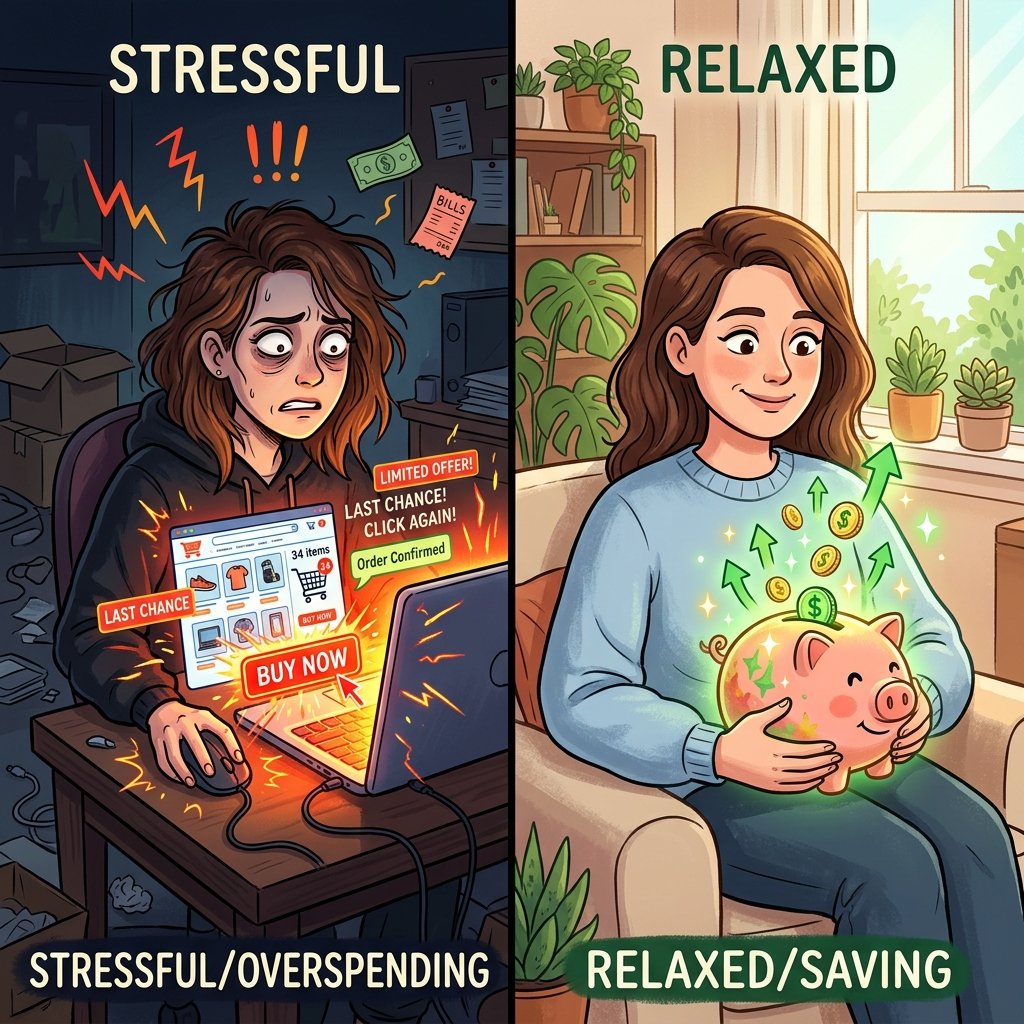

Hey there, my fellow frugal hackers! We need to have a real, heart-to-heart conversation today about something that drains more budgets than almost anything else: retail therapy. You know the exact feeling. You had a stressful day at work, your boss was breathing down your neck, or maybe you are just feeling a little lonely, anxious, or bored. Suddenly, you find yourself scrolling through your favorite online store, endlessly adding items to your cart. The dopamine hits, you click checkout, and for a brief, fleeting moment, you feel so much better. But then the package arrives, the credit card bill hits, and that temporary high is immediately replaced by a massive wave of buyer’s remorse.
Buying your feelings is a psychological trap designed by marketers to keep you broke. But do not worry, because today, we are breaking out of that trap. I am going to walk you through my ultimate five-step strategy to end retail therapy addiction for good. This is not about punishing or depriving yourself; it is about empowering yourself to take control of your hard-earned money and your emotions. We are going to rewire how you view spending so you can keep more cash in your wallet where it belongs. Let us dive in and hack your spending habits!
Step 1: Unmask Your Spending Triggers

Before we can fix the leak in your wallet, we have to figure out exactly what is causing it. Emotional spending rarely happens in a vacuum; it is almost always triggered by a specific feeling or situation. The first step to becoming a true frugal hacker is developing radical self-awareness about your emotional state before you open your wallet.
The HALT Method
Psychologists and addiction specialists often use an acronym called HALT. It is incredibly effective for curbing retail therapy. Before you make any non-essential purchase, ask yourself if you are feeling any of the following:
- Hungry: Never go grocery shopping on an empty stomach, but also, do not browse Amazon when your blood sugar is crashing.
- Angry: Frustration makes us want to seek immediate comfort or revenge-spend to feel a sense of control.
- Lonely: Buying things can temporarily mimic the feeling of connection or self-worth.
- Tired: Sleep deprivation destroys your prefrontal cortex, which is the part of your brain responsible for impulse control.
Key Rule: Never shop when you are feeling less than 100% emotionally stable. If you trigger any letter in the HALT method, step away from the screen or walk out of the store immediately.
Start keeping a small notebook or a note on your phone. Every time you feel the urge to buy something you do not need, write down what happened right before that urge hit. Within a week, you will see a clear pattern of your emotional spending triggers.
Step 2: Implement the 48-Hour Cart Quarantine
This is my absolute favorite frugal hack, and it is a total game-changer for anyone struggling with impulse buying. The retail industry spends billions of dollars to create a sense of false urgency. Flash sales, countdown timers, and ‘only 2 left in stock’ banners are all designed to make you panic-buy before your logical brain can catch up.
How the Quarantine Works
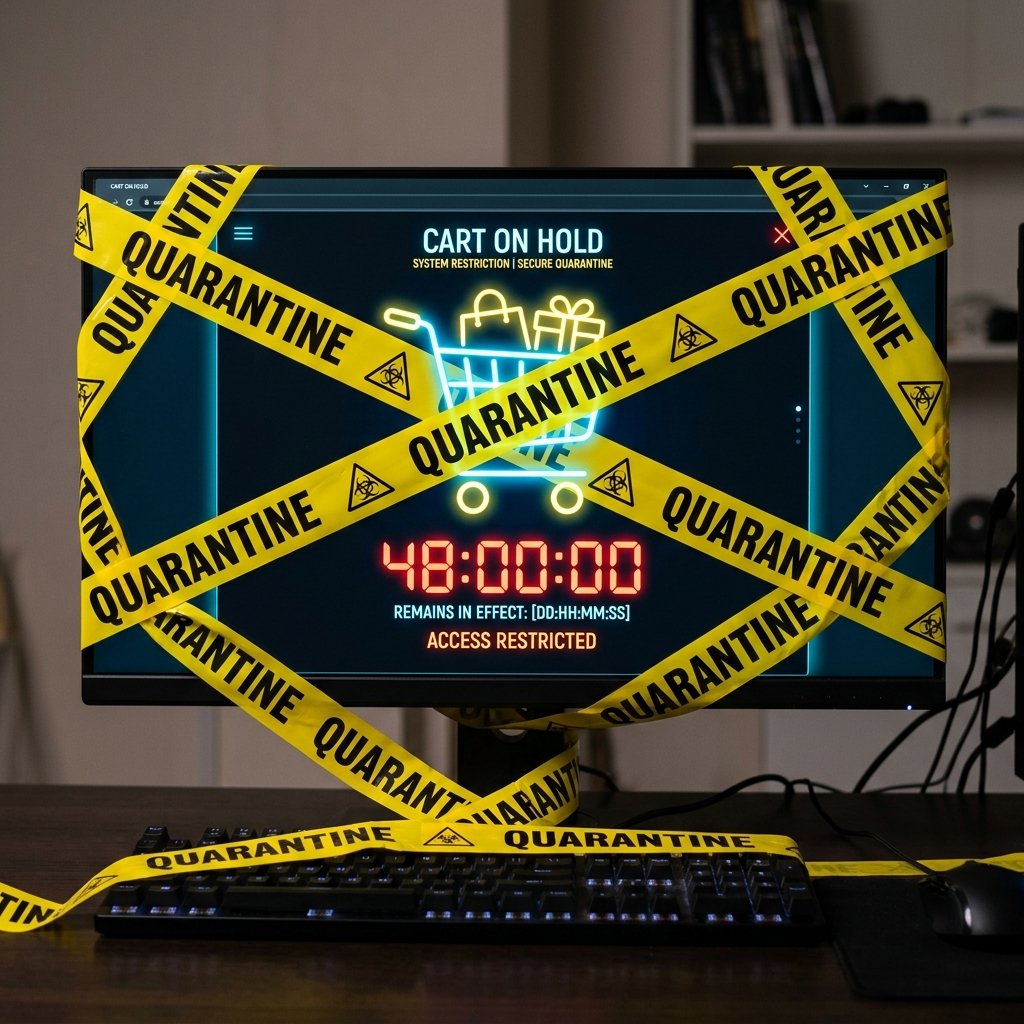
Whenever you find an item you want to buy online, go ahead and put it in your cart. Let yourself have that tiny initial dopamine hit of clicking ‘Add to Cart.’ But here is the catch: you are not allowed to check out. You must close the tab and leave the item in digital quarantine for exactly 48 hours.
Key Rule: If an item is not an absolute, life-sustaining necessity, it must wait 48 hours before purchase. No exceptions.
During those 48 hours, the emotional high will fade. Your rational brain will step back into the driver’s seat. More often than not, when you return to your cart two days later, you will look at the items and think, ‘Why did I even want this?’
The Math: Look at the Savings!
Let us look at the math of how much this simple habit can save you. If the 48-Hour Quarantine stops you from making just three $50 impulse purchases a month, you save $150 monthly. That translates to saving $1,800/year! If you invested that $1,800 annually into an index fund returning 7%, over 10 years, you would have over $25,000. That is the power of stopping emotional spending.
Step 3: Do the Life-Energy Math
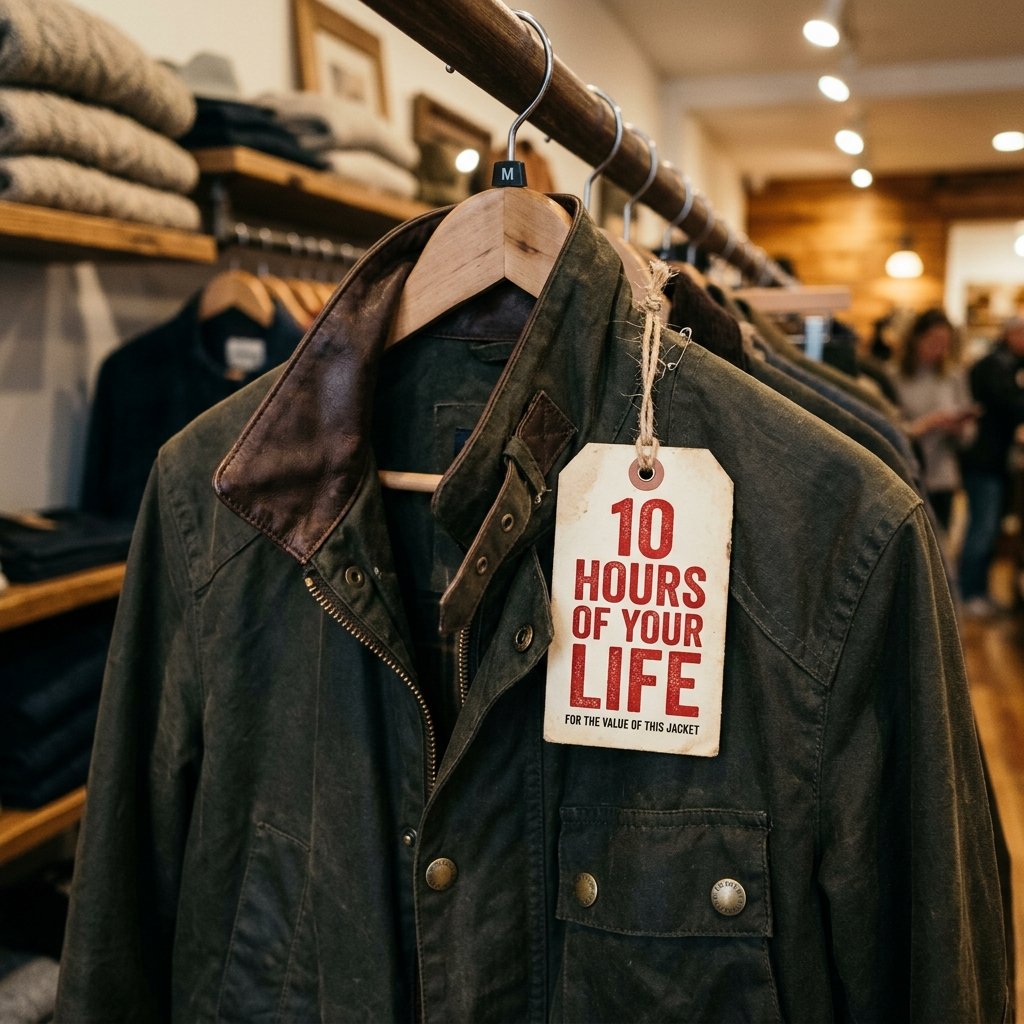
When we use credit cards or Apple Pay, money feels invisible. It does not feel like we are losing anything. To cure retail therapy, we need to make the cost feel real again. You do this by converting the dollar price of an item into your ‘Life Energy’—the actual hours of your life you have to work to pay for it.
Calculating Your Real Hourly Wage
First, figure out your true hourly wage. If you make $20/hour, you do not actually take home $20. After taxes, commuting costs, work clothes, and the time spent getting ready, your true hourly wage might be closer to $14/hour. Now, whenever you want to buy something to soothe your feelings, divide the price by your true hourly wage.
| Impulse Item | Cost | Hours of Life-Energy Required (at $14/hr) | 10-Year Opportunity Cost (if invested instead) |
|---|---|---|---|
| Trendy Designer Jacket | $140 | 10 Hours (More than a full workday!) | $275 |
| Latest Smartphone Upgrade | $840 | 60 Hours (A week and a half of your life!) | $1,652 |
| Random Target Run Haul | $70 | 5 Hours | $137 |
Suddenly, that $140 jacket is not just a piece of clothing; it is ten hours of dealing with your annoying boss or standing on your feet all day. Is that temporary dopamine hit really worth sacrificing a day and a half of your precious life? Usually, the answer is a resounding no.
Step 4: Swap the Shopping Cart for Free Dopamine

Let us get one thing straight: wanting to feel good is not a crime. Your brain is craving dopamine, serotonin, and endorphins to counteract the stress of your day. The problem is not the craving; the problem is that you have trained your brain to believe that spending money is the only way to get that chemical reward. We need to build a new menu of free, healthy dopamine triggers.
Your Free Dopamine Menu
Next time you feel the emotional urge to shop, force yourself to choose an activity from this list instead. You are redirecting your brain’s reward pathway.
- Move Your Body: Go for a brisk 20-minute walk outside. Physical activity releases endorphins that naturally combat stress and anxiety without costing a dime.
- Shop Your Own Closet: Sometimes we just want the feeling of something ‘new.’ Reorganize your wardrobe or challenge yourself to put together three new outfits from clothes you already own.
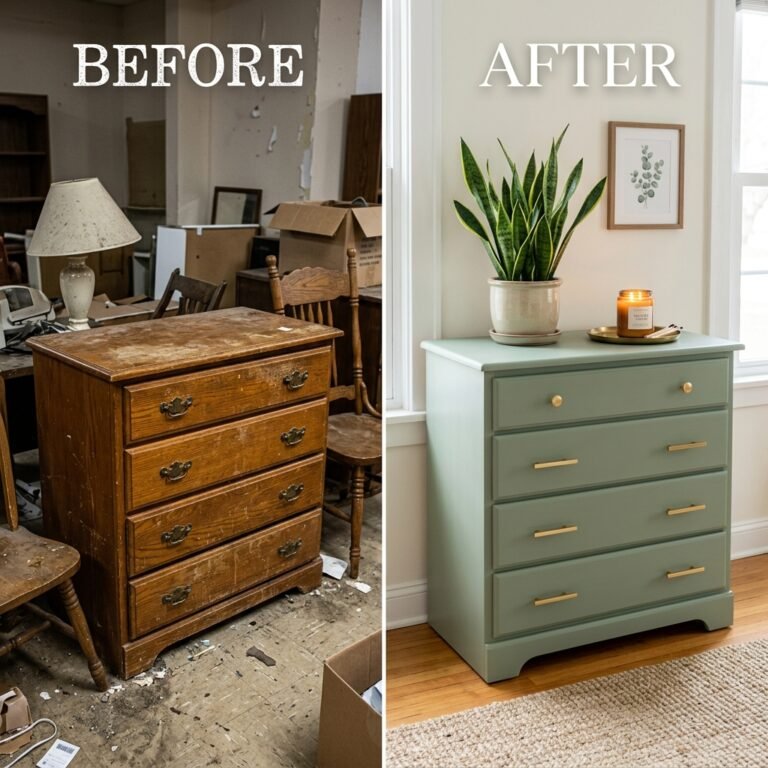
- Learn a Frugal Skill: Watch a YouTube tutorial on how to mend clothes, cook a new budget meal, or upcycle old furniture. The sense of accomplishment provides a massive, long-lasting dopamine boost.
- Declutter: Pick one drawer or one corner of a room and organize it. The visual peace will calm your mind much better than adding more clutter to your home.
By swapping out the spending trigger for a productive, free activity, you are actively rewiring your brain to find joy outside of consumerism.
Step 5: Budget for Guilt-Free Splurges
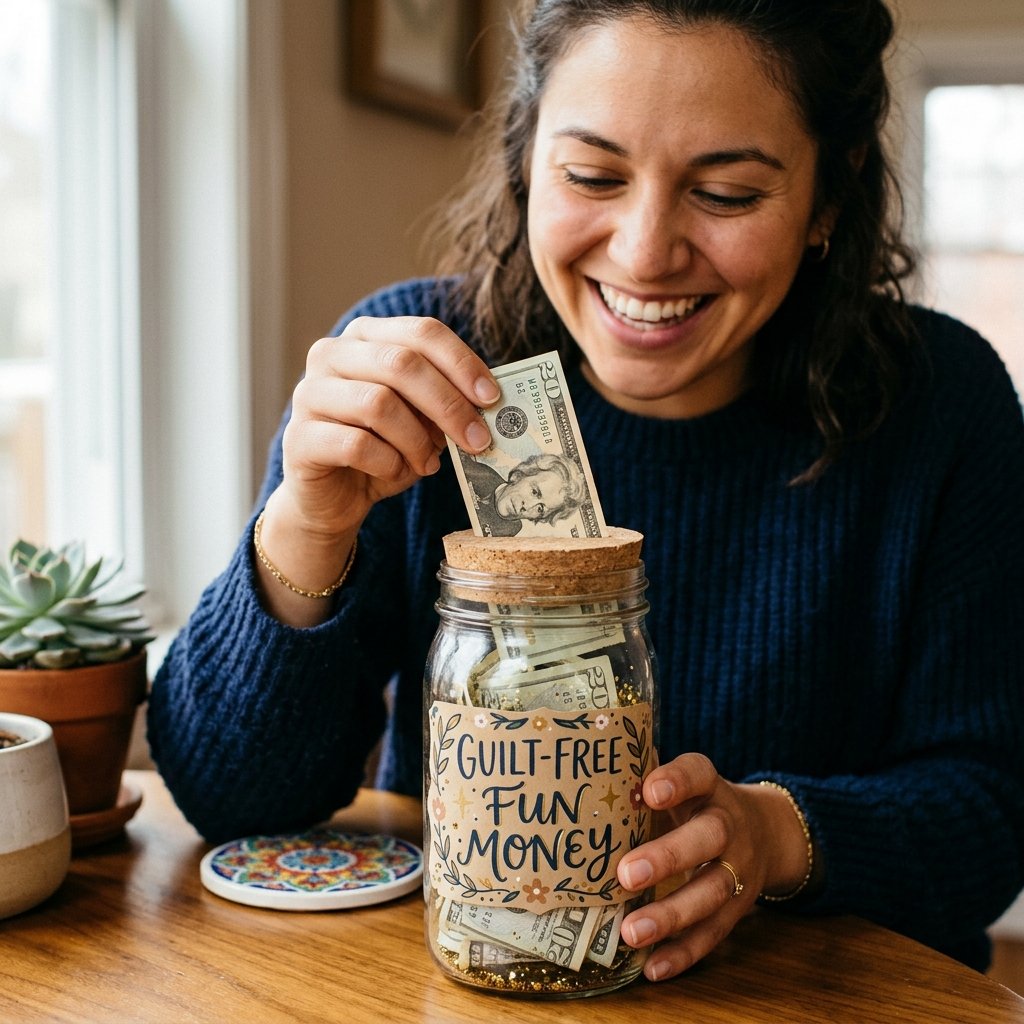
Here is a secret that most extreme minimalists will not tell you: strict, 100% deprivation never works. If you try to completely eliminate all fun spending from your life forever, you are going to build up resentment. Eventually, that restriction will lead to a massive, budget-destroying spending binge. To truly end retail therapy addiction, you have to plan for joy.
The ‘Fun Money’ Buffer
You need to create a specific line item in your budget dedicated entirely to guilt-free splurges. This is your pressure valve.
- Set a Realistic Limit: Allocate a small, specific amount each month—maybe it is $30, maybe it is $50. This money is yours to blow on whatever silly, fun, or comforting thing you want.
- Use Cash or a Separate Account: Keep this money physically or digitally separate from your bill money and savings. When it is gone, it is gone until next month.
- Remove the Guilt: Because this money is planned for, you can spend it without the buyer’s remorse. You are in control.
Key Rule: Budgeting is not about restricting your freedom; it is about giving yourself permission to spend on the things that actually matter to you, without destroying your financial future.
By giving yourself a structured, safe outlet for spending, you completely remove the chaotic, emotional element of retail therapy.
Conclusion
Ending your reliance on retail therapy is not going to happen overnight. It takes time to unlearn years of marketing conditioning and emotional habits. But by unmasking your triggers, enforcing a 48-hour quarantine, doing the life-energy math, finding free dopamine, and budgeting for controlled fun, you are taking back your power. You are no longer at the mercy of your emotions or targeted ads. You are a frugal hacker, and you are building a life of true financial freedom, one intentional choice at a time.
Disclaimer: I am a frugal living enthusiast and content creator, not a certified financial advisor. The information provided in this article is for educational and entertainment purposes only. Always consult a professional for your specific financial situation.


Makenzie is the founder and lead writer at MoneyHackTips.com — a personal finance blog dedicated to delivering street-smart financial wisdom for real people on real budgets. With 300+ published articles covering everything from debt management to investing fundamentals, Makenzie’s mission is to make every dollar work harder. When not writing about money hacks, Makenzie is testing frugal living strategies, optimizing side hustles, and helping readers build financial freedom from scratch.