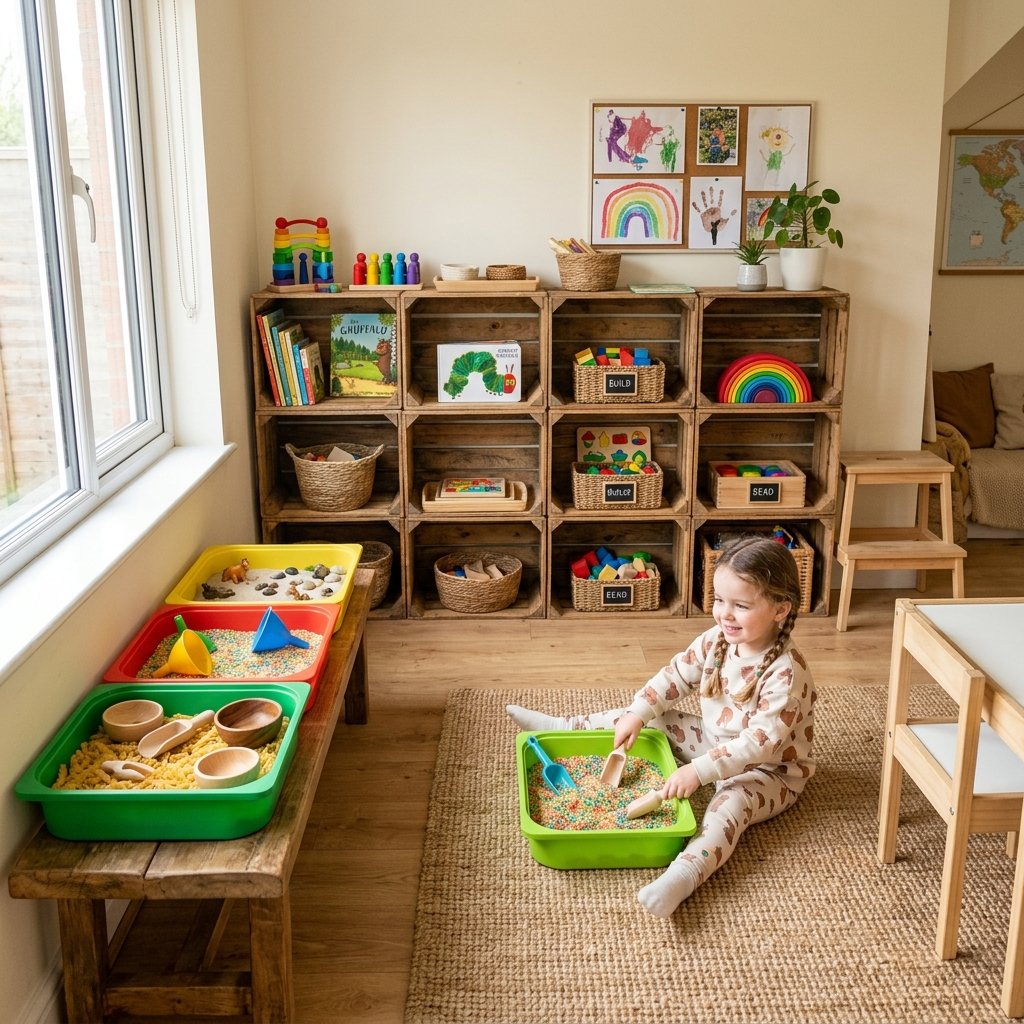

Welcome, fellow frugal hackers! If you have spent any time scrolling through parenting feeds on social media, you have undoubtedly seen those gorgeous, minimalist Montessori playrooms. You know the ones: featuring stunning, expensive wooden shelves, perfectly curated aesthetic activity trays, and calming neutral tones. They are undeniably beautiful, but let us be real—they can also cost a small fortune. As frugal living enthusiasts, we know there is always a smarter, more affordable way to achieve the exact same developmental benefits without emptying our wallets. You absolutely do not need to spend $500 on a single boutique shelving unit or $50 on a wooden pouring activity to be a good parent.
Today, we are going to hack the Montessori method using our favorite budget-friendly paradise: Dollar Tree. The Montessori philosophy is fundamentally about fostering independence, concentration, and a genuine love of learning through a carefully prepared environment. It is about the child’s development, not the price tag on the toys. By thinking creatively and looking at everyday items through a new lens, we can build an incredible space. By the end of this guide, you will know exactly how to transform a corner of your living room or a dedicated playroom into a child-led oasis for pennies on the dollar. Grab your notebook, because we are diving deep into the ultimate frugal tutorial!
The Core Principles of a Budget Montessori Space
Before we run to the store and start tossing items into our cart, we need to understand what makes a space truly Montessori. It is not about buying specific brand-name items or perfectly matching wooden aesthetics; it is about the design, accessibility, and intention behind the room. Here are the foundational frugal rules we will follow to ensure our dollar store finds are used effectively:
1. Keep Everything Accessible
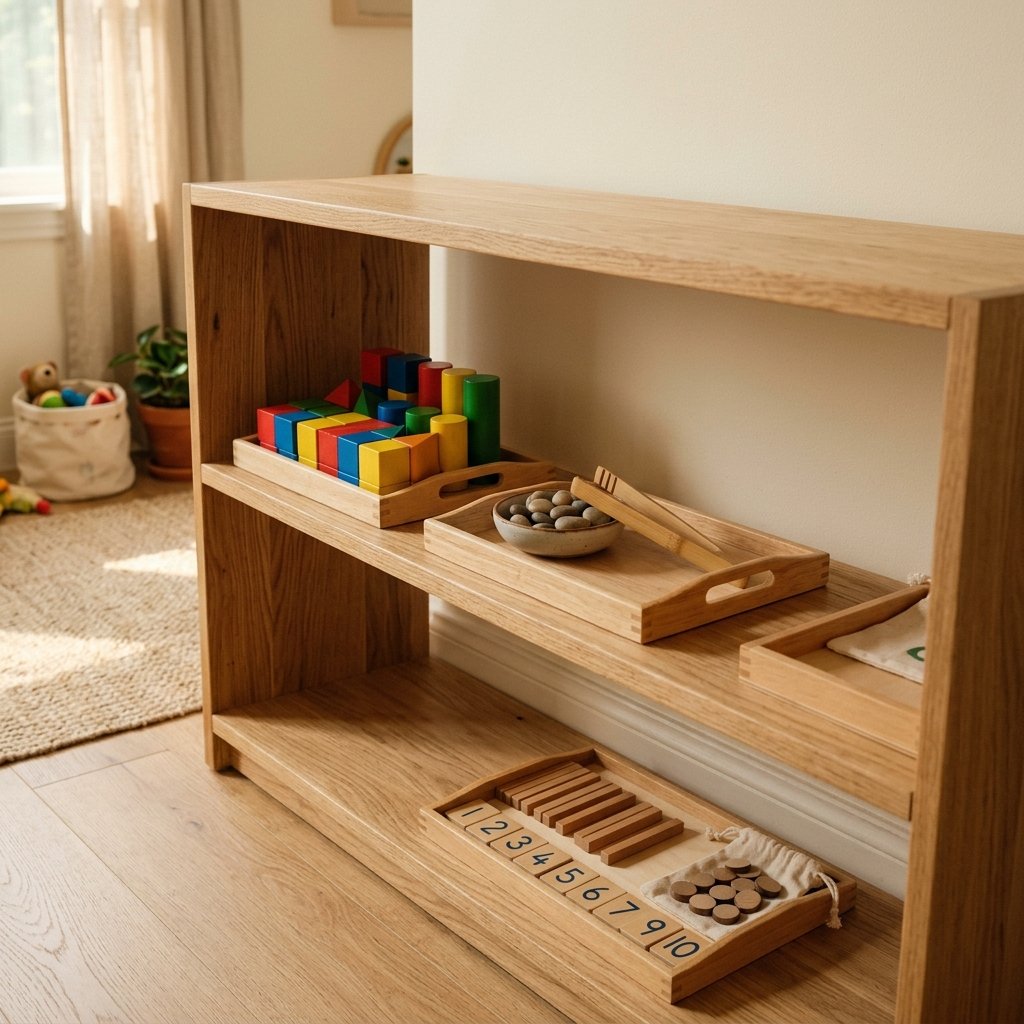
The golden rule of Montessori is that everything your child needs should be at their physical level. This means low shelves, floor beds (if applicable), and easy-to-reach art supplies. When children can access their own activities without asking an adult for help, they build immense confidence and independence. This is why we focus on low, open shelving rather than deep toy boxes.
2. Foster Simplicity and Order
A cluttered room leads to a cluttered mind. In a Montessori space, we want to display just a few activities at a time and rotate them out as the child masters them or loses interest. This principle is a massive win for frugal parents because it means you actually need fewer toys! You are not buying out the toy aisle; you are carefully selecting a few purposeful items.
3. Emphasize Natural and Real Materials
While plastic is sometimes unavoidable (especially on a tight budget), we want to look for wood, glass, metal, and natural fibers whenever possible. Believe it or not, Dollar Tree has a fantastic selection of bamboo, glass, and metal items if you know which aisles to scour. Real materials teach natural consequences (glass can break if dropped), which fosters carefulness and respect for the environment.
Key Rule: The environment must serve the child, not the aesthetic. If a $1.25 plastic tray helps your toddler independently pour water just as well as a $30 boutique wooden one, the frugal hack wins every single time. Do not let perfection be the enemy of a great budget!
Cost Breakdown: DIY Dollar Tree vs. High-End Store Bought
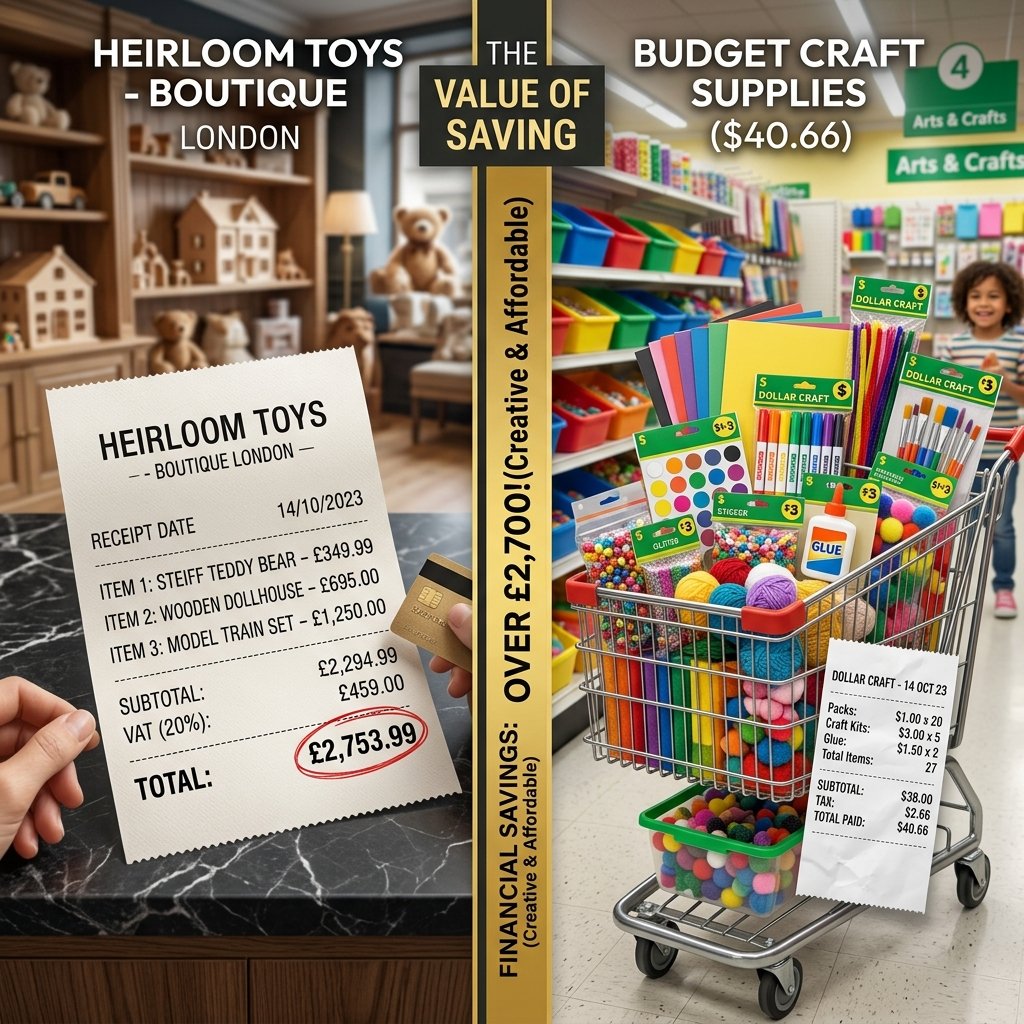
Let us look at the math, because as frugal hackers, we love seeing exactly how much cash we are keeping in our wallets. Creating a Montessori playroom from high-end boutique educational stores can easily cost over $800 just for the basics. By utilizing clever Dollar Tree hacks, we can build out the foundational essentials for under $50. Here is the undeniable proof that frugality pays off:
| Montessori Item | Boutique Store Price | Dollar Tree Hack Price | Total Savings |
|---|---|---|---|
| Low Wooden Shelving Unit | $150.00 | $15.00 (Crates & Zip Ties) | $135.00 |
| Wooden Activity Trays (Set of 4) | $45.00 | $5.00 (Bamboo/Plastic Trays) | $40.00 |
| Sensory Bin with Tools | $60.00 | $6.25 (Bin, Rice, Tongs, Cups) | $53.75 |
| Practical Life Cleaning Set | $40.00 | $5.00 (Mini Broom, Spray Bottle, Cloths) | $35.00 |
| Art Station Organizers | $35.00 | $3.75 (Caddies & Jars) | $31.25 |
| Total Estimated Cost | $330.00 | $35.00 | $295.00 Saved! |
As you can clearly see from the budget breakdown, you are saving nearly $300 just on the foundational elements of the room. That is real money you can put toward your emergency fund, family investments, or a memorable family experience! Frugality is not about deprivation; it is about resource allocation.
Step-by-Step: Building Your Dollar Tree Montessori Shelves
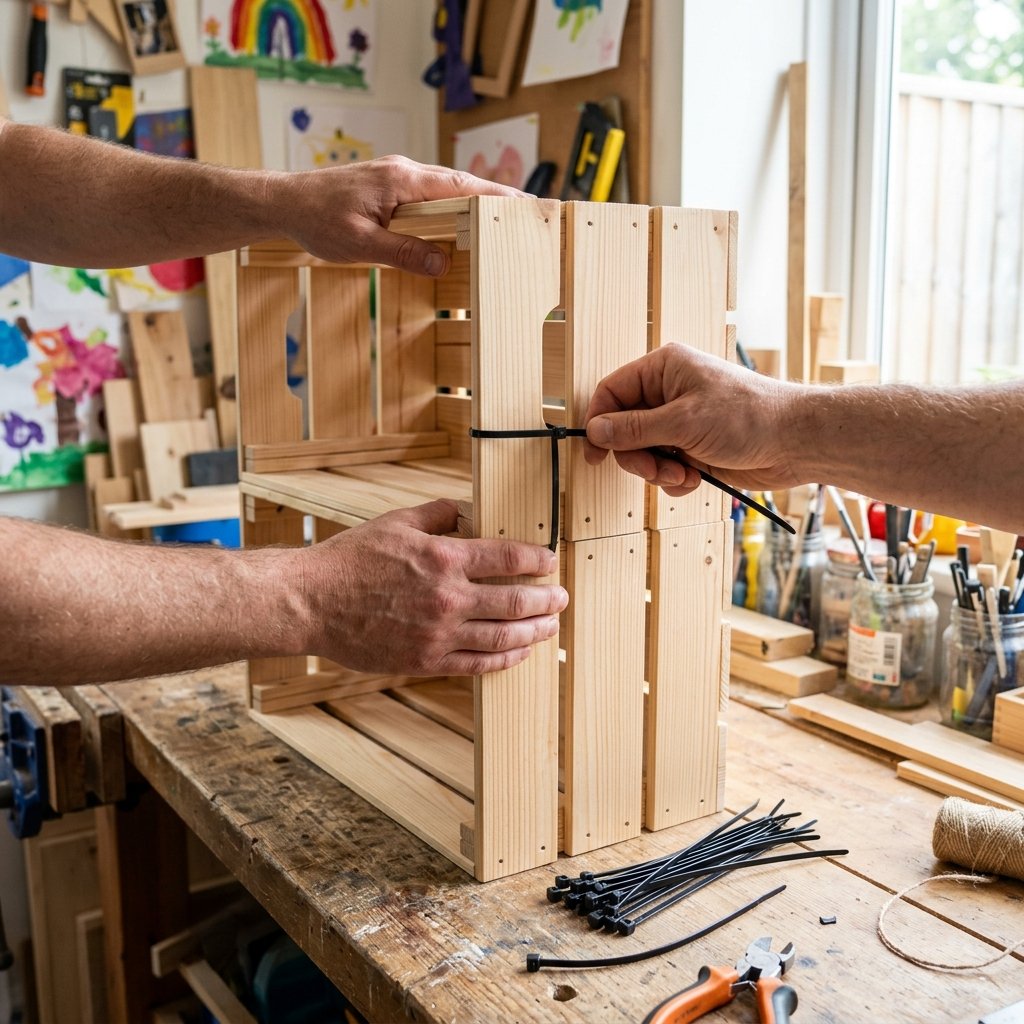
The centerpiece of any functional Montessori room is the low shelving. Open shelves allow the child to visually scan their options and choose an activity independently, without digging through a messy toy bin. Instead of buying expensive, heavy wooden furniture, we are going to build our own modular, child-sized shelving using Dollar Tree crates.
Materials Needed:
- 6 to 8 Dollar Tree rectangular crates (check the storage, organization, or craft aisles)
- 1 pack of small, strong zip ties (found in the hardware or automotive aisle)
- Optional: Dollar Tree wood glue or hot glue for extra stability
- Optional: Wood-grain contact paper (to cover plastic crates for a faux-wood aesthetic)
The Frugal Tutorial:
- Prep the Crates: If you purchased plastic storage crates and want them to look like expensive wood, carefully wrap the outer edges in Dollar Tree wood-grain contact paper. If you were lucky enough to find the wooden craft crates, you can leave them raw, give them a quick sanding, or paint them a calming neutral color.
- Plan the Layout: Stack the crates horizontally to form shelves. A standard Montessori shelf for toddlers is usually two tiers high. Place three crates side-by-side on the floor to form the bottom base, and place three on top for the second tier.
- Secure the Base: Take your bottom row of crates and use your zip ties to connect them side-by-side. Thread the zip tie through the slats near the front and back corners where the crates meet, pull it as tight as possible, and snip off the excess tail with scissors.
- Add the Second Tier: Place the next row of crates on top of your secured base. Zip tie these top crates to each other side-by-side, and then zip tie them downwards to the bottom row of crates to create a solid unit.
- Reinforce the Structure: For extra durability against busy toddlers, apply a generous dab of wood glue or hot glue between the crates before zip-tying them together. Let it dry completely before use.
Safety Warning: Always anchor your DIY shelves to the wall using a proper furniture anchor, regardless of how lightweight they seem. Toddlers love to climb, and safety must always come first. Protect your little ones, frugal friends!
Congratulations! You now have a customized, perfectly child-sized, open shelving unit for under $15. It is functional, adaptable, and incredibly cheap.
The Best Dollar Tree Finds for Montessori Activities
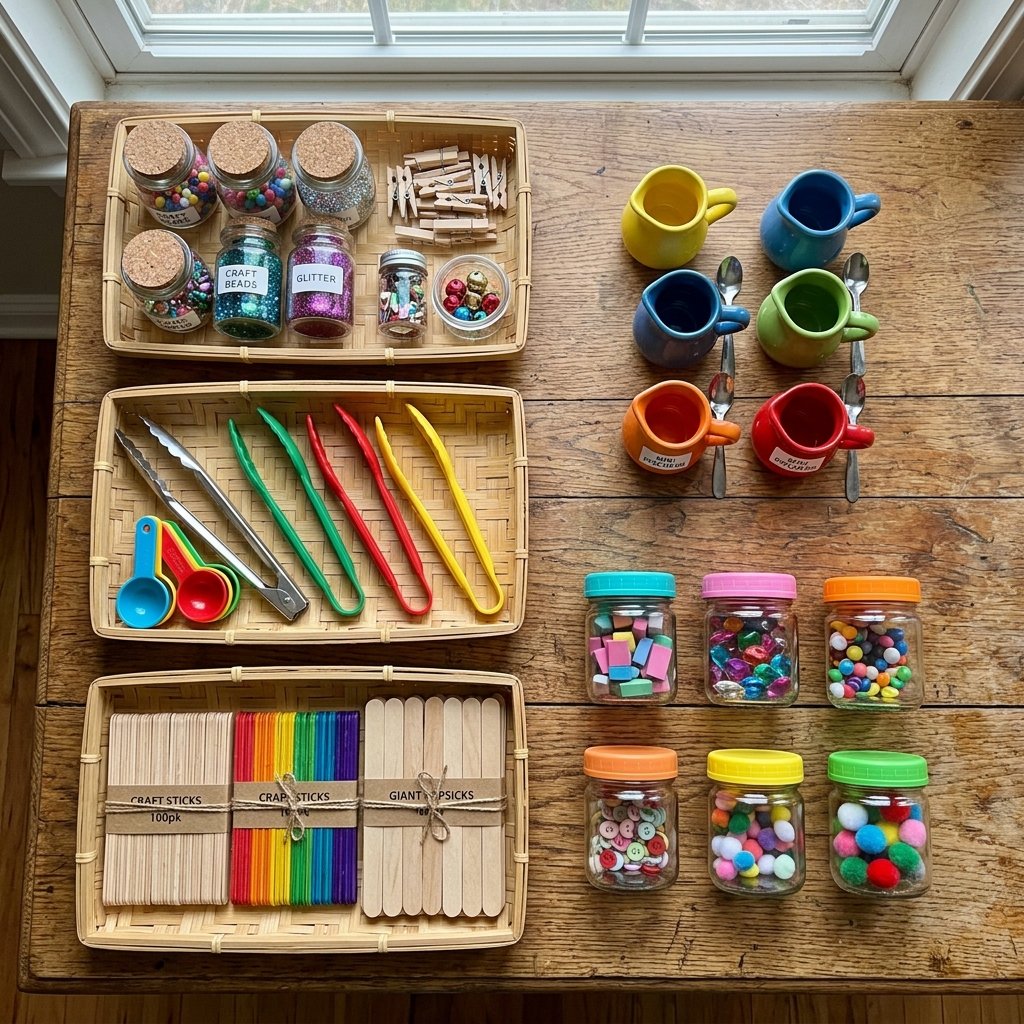
Now that we have our beautiful, budget-friendly shelves built, it is time to stock them with engaging, developmentally appropriate activities. In the Montessori method, activities are traditionally presented on individual trays or in shallow baskets so the child can carry the entire activity to a table or a work rug on the floor. Here is your ultimate, aisle-by-aisle shopping list for the best Dollar Tree finds.
1. The Kitchen Aisle (Practical Life & Fine Motor Skills)
The kitchen aisle is an absolute goldmine for Montessori materials. Look for small bamboo cutting boards to use as sturdy trays. Grab a set of metal tongs or large tweezers for transfer activities (moving objects like pom-poms from one bowl to another builds crucial pre-writing hand strength). Pick up small glass creamers, mini pitchers, or measuring cups for water pouring exercises. Do not forget to look for small whisks, mini silicone spatulas, and tiny bowls for real cooking and food prep experiences!
2. The Organization Aisle (Trays and Baskets)
You need trays to define the workspace for each activity. Dollar Tree sells fantastic shallow plastic trays in neutral colors, as well as small woven baskets. Buy a stack of these. Remember the rule: one tray equals one activity. This keeps the space organized, visually appealing, and helps the child understand that all pieces of an activity belong together.
3. The Craft Aisle (Sensory and Art Supplies)
Montessori encourages open-ended, creative art. Grab small glass jars or metal pails to hold crayons and colored pencils. Buy wooden craft sticks for building, and small wooden boxes for sorting activities. You can also find bags of river rocks, glass gems, and faux moss to create beautiful, nature-inspired sensory bins or counting games.
4. The Hardware & Automotive Aisle (Nuts, Bolts, and Locks)
Older toddlers and preschoolers love figuring out how mechanical things work. Buy a cheap padlock with a set of keys, or a set of large metal nuts and bolts. Place them neatly on a small tray. This is an incredible, ultra-cheap fine motor activity that rivals expensive wooden lock boards sold at boutique toy stores for $40 or more.
Setting Up a Practical Life Station on a Dime
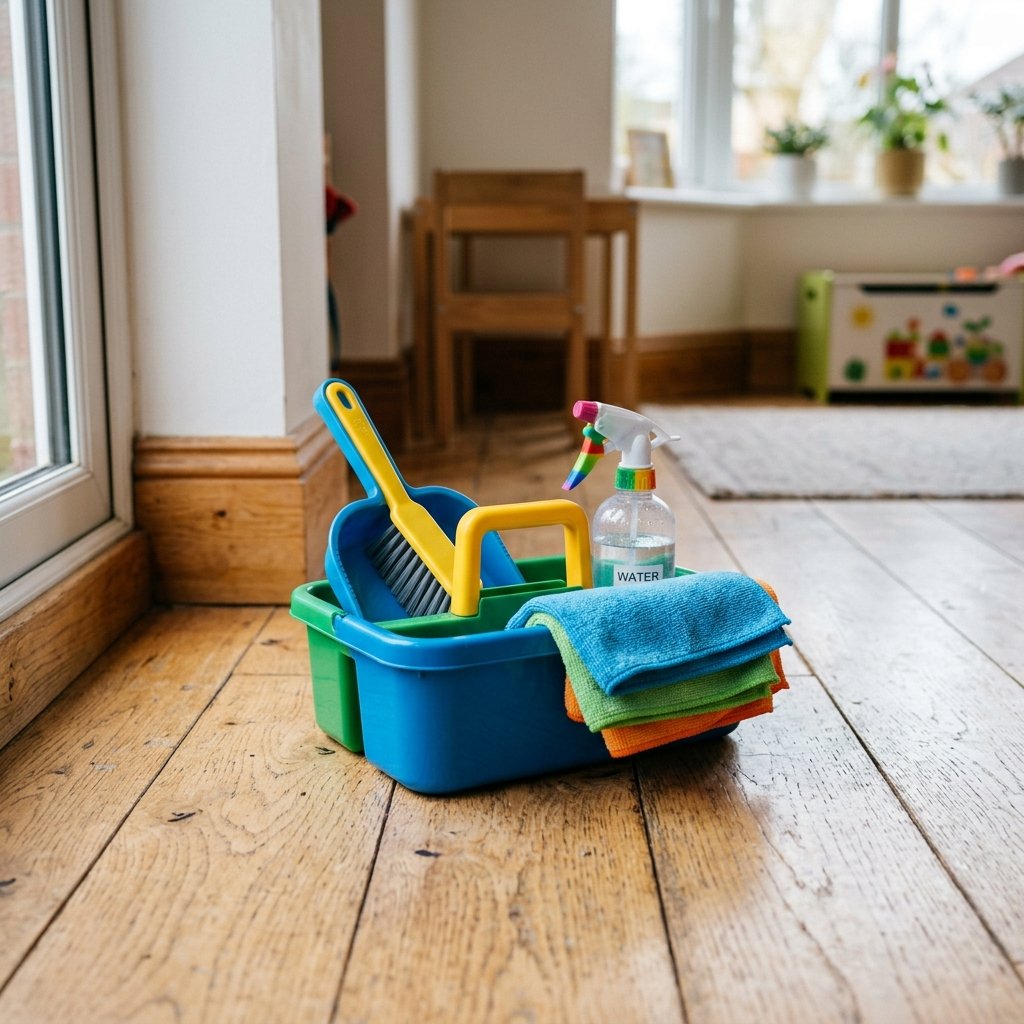
Practical life activities are the beating heart of the Montessori method. Young children desperately want to do real, meaningful work! They want to sweep the floor, wipe the tables, and care for their environment just like the adults do. You absolutely do not need to buy a fancy, branded child-sized cleaning set to make this happen. We can hack it perfectly at the dollar store.
Creating the Ultimate Cleaning Caddy
Head straight to the cleaning aisle at Dollar Tree. Purchase a small plastic shower caddy or bucket, a mini dustpan and brush set, a small plastic spray bottle, and a pack of brightly colored microfiber cloths. Fill the spray bottle with plain water or water with a tiny drop of dish soap. Place all these items into the caddy and set it on the bottom shelf of your new DIY shelving unit. Take the time to show your child exactly how to spray a spill and wipe it up. They will take immense pride in cleaning up their own messes!
The Independent Snack Station
Fostering independence in eating and food preparation is a huge milestone. Clear out a low drawer or a bottom shelf in your actual kitchen, or set up a small station in the playroom. Use clear Dollar Tree storage bins to hold pre-portioned dry snacks like crackers or dried fruit. Add a small stack of their plastic or bamboo plates and a small pitcher of water. Now, when they are hungry, they can independently choose a snack, put it on a plate, pour a drink, and sit at their table. You just saved yourself a hundred “Mom, I’m hungry!” requests a day, all for an initial investment of maybe $5.00.
Remember, the ultimate goal is empowerment. Every single time you substitute an expensive, single-use, battery-operated toy with a practical, real-world item from the dollar store, you are teaching your child capability, focus, and resourcefulness. That, my friends, is the ultimate frugal hack.
Mastering the Art of Toy Rotation
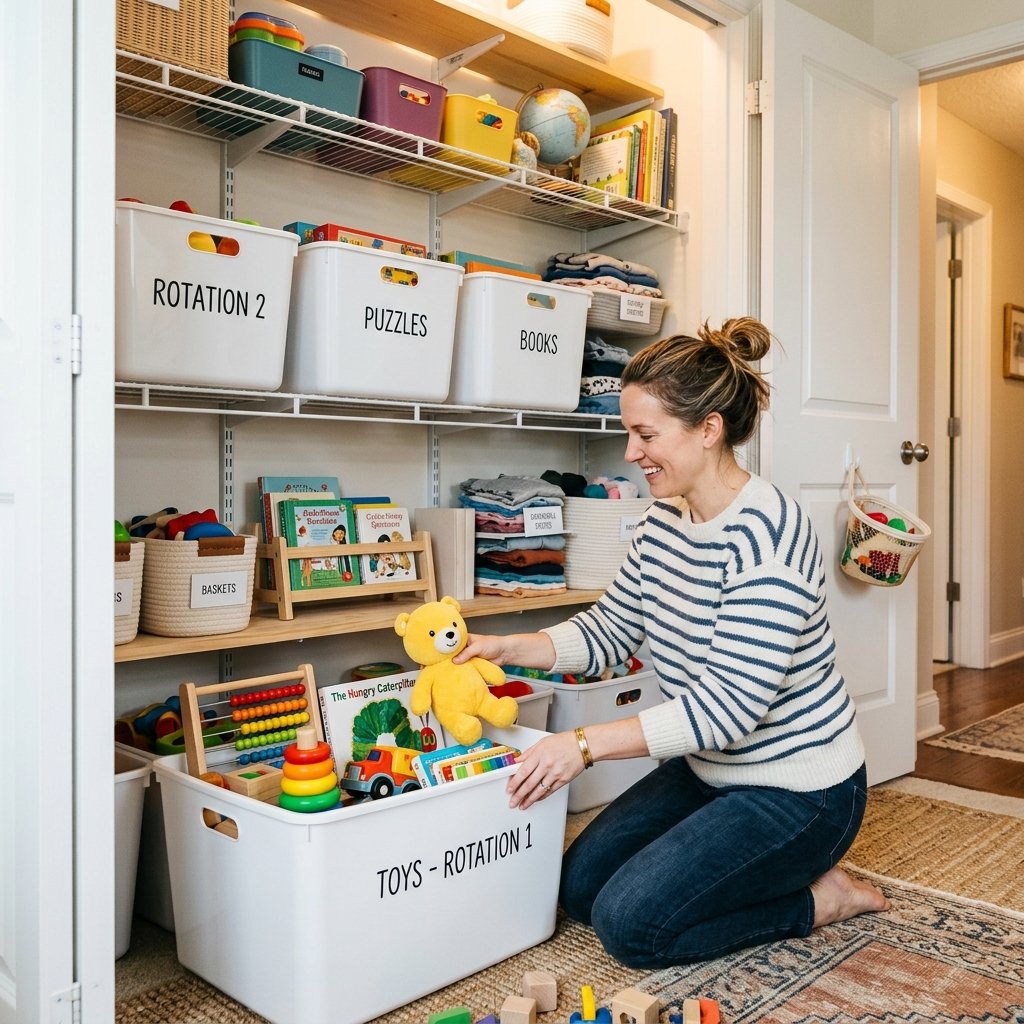
One of the biggest secrets to maintaining a dreamy, peaceful Montessori space is toy rotation. When a child has access to fifty toys at once, they become overwhelmed, and the toys end up scattered across the floor in minutes. By displaying only six to eight activities on your DIY shelves at any given time, you encourage deep concentration and meaningful play.
The Frugal Storage Solution
So, where do the rest of the toys go? Back to Dollar Tree we go! Purchase a few large, opaque storage bins with lids. Gather all the extra toys, puzzles, and dollar store activity materials that are not currently on the shelves. Sort them by category (building, fine motor, art, practical life) and pack them away in a closet or garage. Every two weeks, or whenever you notice your child losing interest in their current setup, swap out a few items. Pull out a ‘new’ tray from your storage bins and pack an old one away.
Why This Hack Works
This strategy is brilliant for frugal living because it completely eliminates the need to constantly buy new toys. When a toy has been hidden away in a bin for a month, bringing it back out makes it feel brand new to your child. You are essentially creating a free, endless toy subscription box inside your own home! Plus, it keeps your newly built Dollar Tree shelves looking clean, aesthetic, and perfectly aligned with the minimalist Montessori philosophy.
Conclusion
Creating a dreamy, highly functional Montessori playroom does not require maxing out your credit cards, taking out a personal loan, or sacrificing your financial goals. By applying these frugal hacker strategies, thinking outside the box, and utilizing the hidden gems waiting for you at your local Dollar Tree, you can curate an incredible, enriching space that honors your child’s development and fiercely respects your family budget.
Remember, your child does not care about brand names, boutique labels, or aesthetic price tags. They care about having the freedom to explore, the tools to learn, and a space designed just for their size and capabilities. So grab your keys, head to the dollar store with your strategic shopping list, and start building that playroom! You have got this, you are an amazing parent, and your wallet will absolutely thank you.
Disclaimer: I am a frugal living enthusiast and a parent, not a certified financial advisor or a licensed Montessori educator. The cost estimates, savings, and hacks provided are for illustrative purposes and based on average store prices. Always prioritize safety when DIYing furniture, ensure shelves are securely anchored to the wall, and verify that all small items and materials are age-appropriate for your specific child to prevent choking hazards. Play safe and save smart!


Makenzie is the founder and lead writer at MoneyHackTips.com — a personal finance blog dedicated to delivering street-smart financial wisdom for real people on real budgets. With 300+ published articles covering everything from debt management to investing fundamentals, Makenzie’s mission is to make every dollar work harder. When not writing about money hacks, Makenzie is testing frugal living strategies, optimizing side hustles, and helping readers build financial freedom from scratch.