
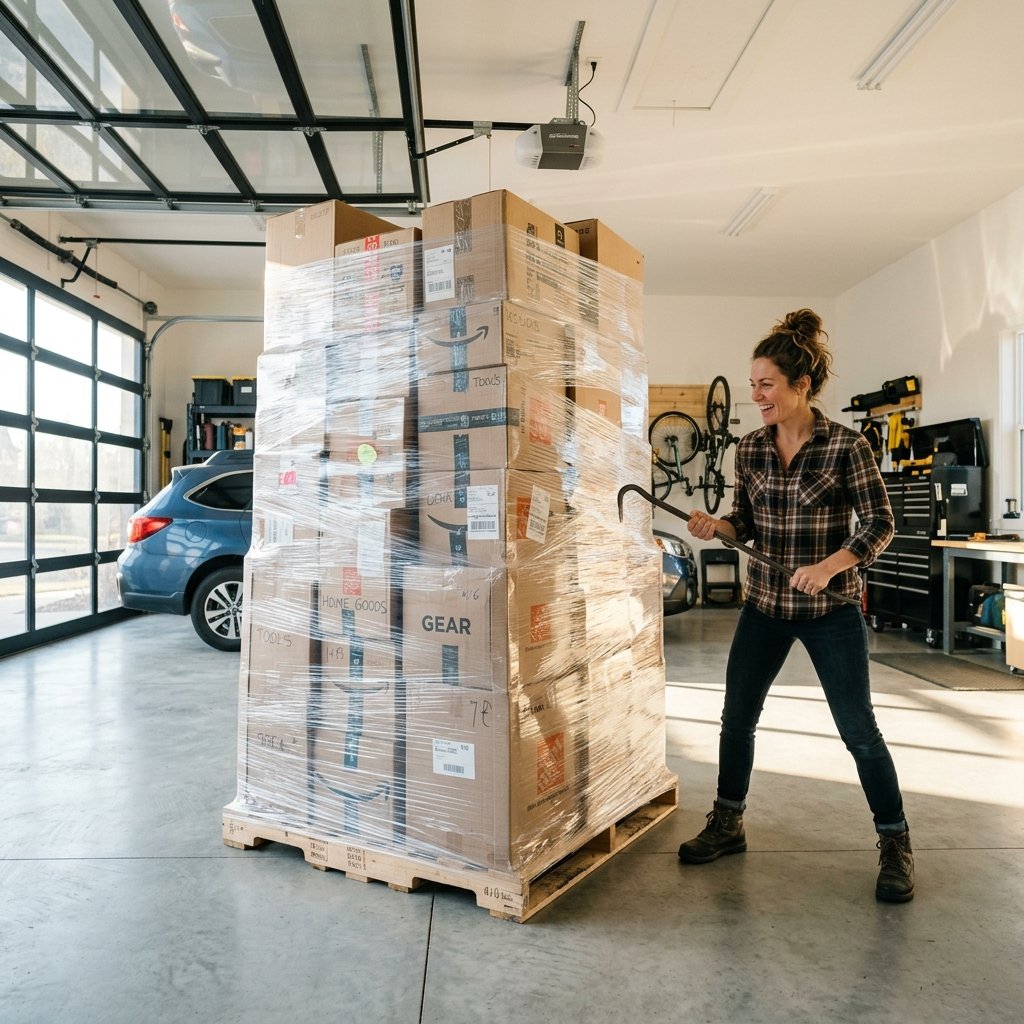

Hey there, fellow frugal hackers! If you have spent any time on social media lately, you have probably seen those tantalizing videos of people unboxing massive Amazon return pallets and finding brand-new iPhones, high-end espresso machines, or designer clothes. It looks like a treasure hunt for adults, right? But as someone who lives and breathes the frugal lifestyle, I know that if something looks too good to be true, it usually is. However, the curiosity finally got the best of me. I decided to put my own hard-earned $800 on the line to find out if this is a legitimate way to build a side hustle or just a fast way to lose a paycheck.
In this deep dive, I am taking you through the entire process: from the moment I clicked ‘buy’ on a liquidation site to the final sale on Facebook Marketplace. We are going to look at the raw numbers, the ‘junk’ I had to haul to the landfill, and the gems that actually made me some cash. If you are looking for a way to boost your income while keeping your expenses low, grab a coffee and let’s break down the math of the Amazon return world.
The Logistics: Where I Bought It and What It Cost

Before we get into the ‘loot,’ let’s talk about the barrier to entry. You can’t just walk into an Amazon warehouse and ask for a pallet. You have to go through liquidation companies. I spent weeks researching sites like Direct Liquidation, B-Stock, and 888 Lots. I eventually settled on a local liquidation warehouse to save on the most expensive part of this process: shipping.
The Hidden Costs of Liquidation
When you see a pallet listed for $400, that is never the final price. You have to factor in ‘Buyer’s Premiums’ (usually 10-15%), sales tax, and the dreaded freight shipping. If you don’t have a loading dock or a forklift at your house (who does?), you have to pay for a ‘liftgate service’ which can add another $50 to $100 to your bill.
- Pallet Category: Small Electronics & General Merchandise
- Manifested vs. Unmanifested: I chose a ‘Manifested’ pallet, meaning I had a list of what was supposed to be inside.
- Condition: ‘Customer Returns’ (the riskiest category).
| Expense Item | Cost |
|---|---|
| Pallet Purchase Price | $550.00 |
| Buyer’s Premium (10%) | $55.00 |
| Sales Tax | $44.00 |
| Gas & Truck Rental (Local Pickup) | $65.00 |
| Total Investment | $714.00 |
The Unboxing: The Good, The Bad, and The Broken

Unboxing the pallet was an emotional rollercoaster. Within the first ten minutes, I found a high-end gaming keyboard that looked brand new. Five minutes later, I pulled out a shattered humidifer that smelled like old mold. This is the reality of the Amazon return game. You are essentially buying someone else’s problems.
The Inventory Breakdown
My pallet contained 42 items. Here is how they were categorized after a thorough inspection:
- Brand New/Factory Sealed: 8 items (mostly small kitchen gadgets and phone accessories).
- Open Box/Like New: 15 items (everything was there, just the box was ripped).
- Used/Scratched: 10 items (fully functional but definitely used).
- Broken/Incomplete/Trash: 9 items (straight to the bin or for parts only).
As a frugal hacker, your goal here is to minimize the trash. I spent about 4 hours cleaning items, testing electronics, and looking up missing manuals online. Pro Tip: Always keep a stash of universal power cables and batteries; you will need them to test your inventory!
Realistic Earning Potential: The Math
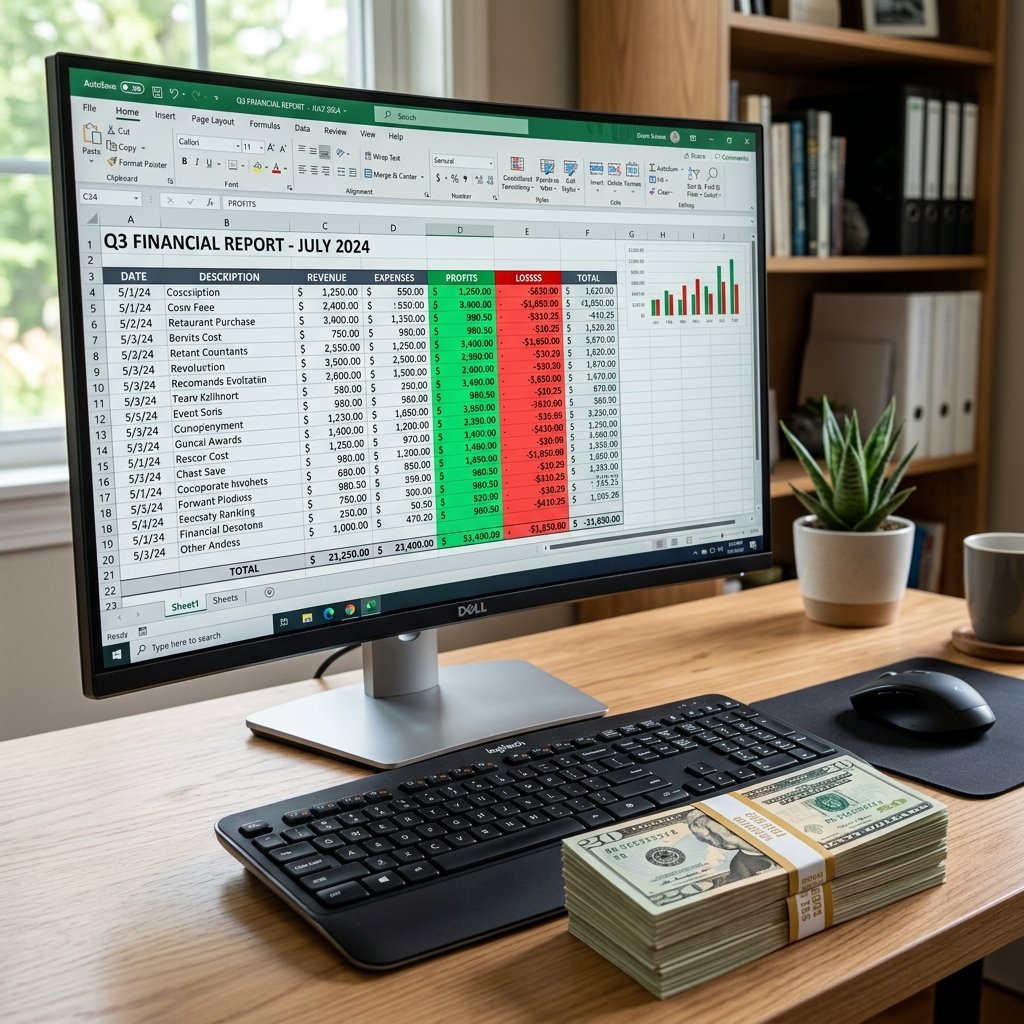
Now for the part you have been waiting for: the profit. To make this a sustainable side hustle, you cannot just look at the ‘MSRP’ (Manufacturer’s Suggested Retail Price). Nobody pays MSRP for an open-box item on eBay. I priced my items at 50-60% of their current Amazon price to ensure they moved quickly.
The Profit Spreadsheet
| Item Description | Estimated Resale Value | Platform Used |
|---|---|---|
| Gaming Keyboard (Mechanical) | $120.00 | eBay |
| Instant Pot (Open Box) | $65.00 | FB Marketplace |
| Set of 4 Smart Bulbs | $30.00 | eBay |
| Weighted Blanket | $45.00 | FB Marketplace |
| High-End Hair Dryer (Used) | $85.00 | Poshmark |
| Assorted Small Items (Cables, Cases) | $110.00 | Yard Sale |
| Total Potential Revenue | $1,345.00 | – |
Calculating Net Profit
After subtracting the initial investment of $714.00 and accounting for approximately $150.00 in shipping supplies and marketplace fees, my net profit stood at $481.00. Considering I spent about 15 hours total on this project, that works out to about $32/hour. Not bad for a side gig, but definitely not ‘get rich quick’ money.
How to Start: The Frugal Hacker’s Action Plan

If you want to try this yourself, don’t just dive in blindly. You need a strategy to protect your capital. Follow this step-by-step plan to ensure you don’t end up with a garage full of expensive garbage.
- Start Local: Search for ‘Liquidation Warehouses’ in your city. Picking up a pallet yourself saves you $150+ in shipping, which is often the difference between profit and loss.
- Niche Down: Don’t buy ‘General Merchandise’ if you don’t know how to test tools or electronics. Stick to categories you understand.
- Account for Fees: eBay takes about 13%, and shipping can eat you alive. Use a shipping calculator before you list!
- Be Honest: When selling on Facebook Marketplace, always disclose if an item was a return. It builds trust and prevents returns on your end.
“Always assume 20% of the pallet is complete trash. If the math doesn’t work with that 20% loss, don’t buy the pallet.”
When you are negotiating with buyers on local apps, use this script to keep things professional and firm:
“Hi [Name], thanks for the interest! Since this is an open-box item, I have already discounted it 40% below retail. The price is firm at $50, and I can meet you at the local police station parking lot for a safe exchange!”
Scam Warning: How to Avoid Getting Burned
The liquidation industry is unfortunately filled with bad actors. Some ‘middlemen’ buy the best pallets, pick out the high-value items (like iPhones and MacBooks), reseal the boxes, and sell the ‘junk’ pallets to unsuspecting beginners. This is called ‘cherry-picking.’
Red Flags to Watch For:
- Stock Photos Only: If the auction only shows 3D renders of products and not the actual pallet in a warehouse, stay away.
- Too Many High-Value Items: A pallet that claims to have 10 PS5s for $500 is 100% a scam.
- Wire Transfer Only: Never pay for a pallet via Western Union, Wire Transfer, or ‘Friends and Family’ on PayPal. Always use a credit card so you have chargeback protection.
“SCAM ALERT: If a liquidation site asks you to pay in Bitcoin or via a gift card, close the tab immediately. No legitimate wholesaler operates this way.”
Conclusion
So, is buying Amazon return pallets worth it? For the frugal living enthusiast who has extra space in their garage and a few hours of free time a week, it can be a fantastic way to generate an extra $400 to $600 a month. It is essentially a part-time job that requires cleaning, testing, and customer service skills. However, if you are looking for passive income or a ‘sure thing,’ this isn’t it. You are taking a calculated risk every time you cut those plastic straps.
My experience taught me that the real profit isn’t in the ‘big wins,’ but in the disciplined processing of every small item. Every $10 charging cable adds up. If you are ready to hustle, start small, stay local, and keep your spreadsheets updated. Happy hunting!
Disclaimer: I am not a financial advisor. Reselling involves financial risk. Please do your own due diligence before investing in liquidation inventory.


Makenzie is the founder and lead writer at MoneyHackTips.com — a personal finance blog dedicated to delivering street-smart financial wisdom for real people on real budgets. With 300+ published articles covering everything from debt management to investing fundamentals, Makenzie’s mission is to make every dollar work harder. When not writing about money hacks, Makenzie is testing frugal living strategies, optimizing side hustles, and helping readers build financial freedom from scratch.