
Welcome to the Inner Circle of Appliance Hacking
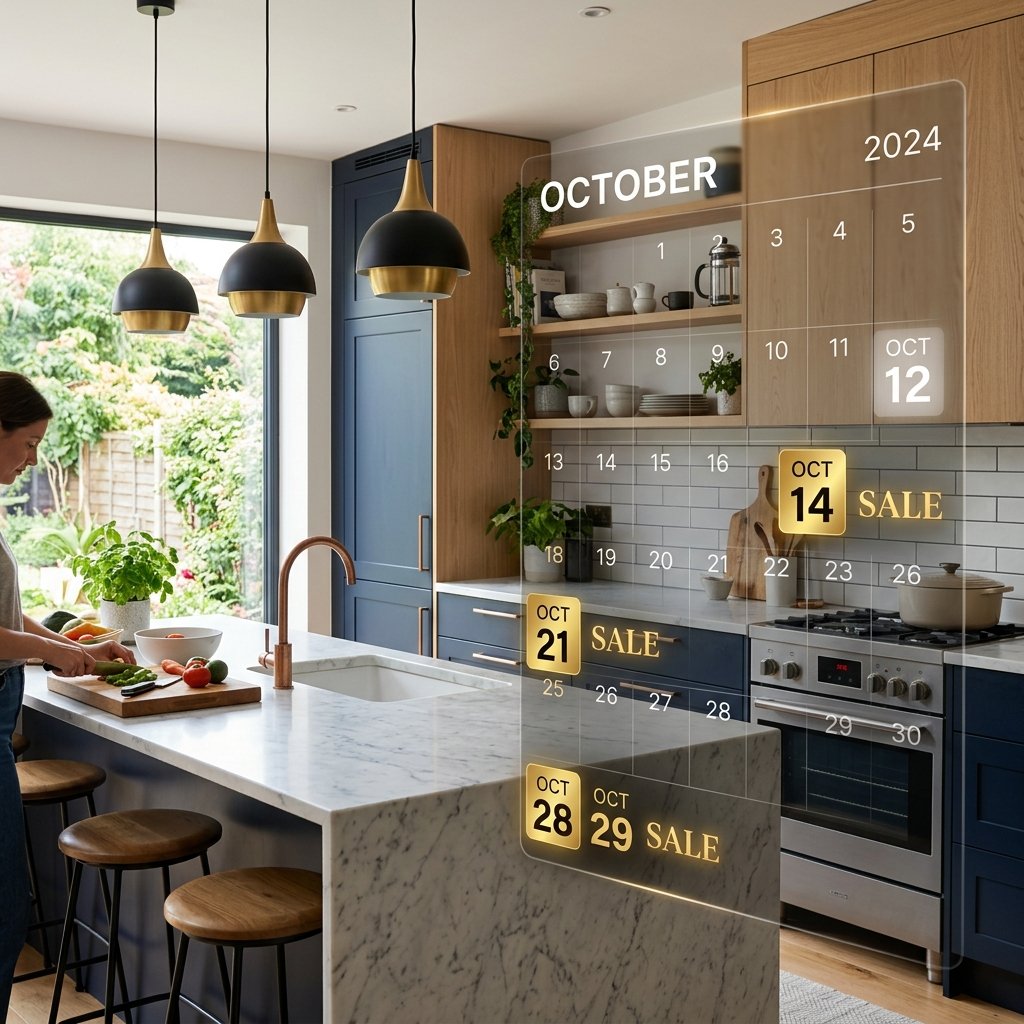
Let’s be real for a second: walking into a big-box retailer and paying full price for a refrigerator feels like a punch to the gut. As a frugal hacker, I know that your hard-earned money belongs in your pocket, not in the coffers of a multi-billion dollar corporation. Most people treat appliance shopping like an emergency—their washer dies, and they rush out to buy whatever is on the floor. That is exactly what the retailers want you to do! But you? You’re smarter than that. You know that there is a Secret Calendar to these things.
The appliance industry operates on a very specific, almost rhythmic cycle. Manufacturers have set times when they roll out new models, and retailers have specific windows where they need to clear out ‘old’ inventory to make room for the latest gadgets with marginally better Wi-Fi connectivity. If you can master this rhythm, you can save $500, $800, or even $1,000 on a single purchase. In this guide, we are going to break down the exact months, holidays, and ‘hacker’ strategies you need to upgrade your home without draining your savings account. We’re talking about high-end tech for budget prices. Ready to beat the system? Let’s dive into the calendar.
The Manufacturer Cycle: Why Timing is Everything
Cracking the Manufacturer Code
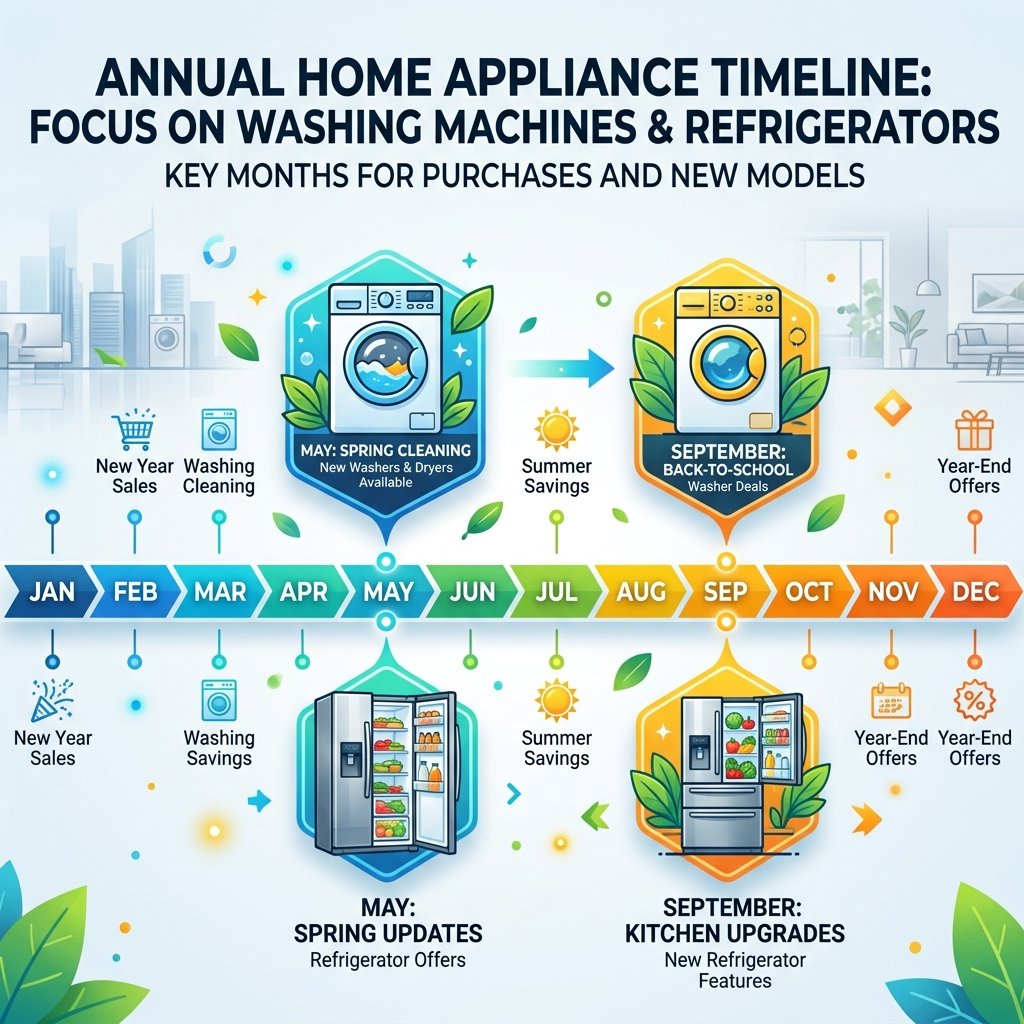
To understand when to buy, you first have to understand how the manufacturers think. Most major appliances—think dishwashers, ranges, and laundry pairs—follow a release cycle that culminates in the fall. In September and October, brand-new models start hitting the showroom floors. Retailers are desperate to get rid of the current year’s stock to make room for the new shiny versions. This is your primary ‘strike zone.’
The Refrigerator Exception
Now, here is a secret most people miss: refrigerators don’t follow the fall rule. Unlike other appliances, new fridge models usually debut in the spring, specifically around May. Why? Because that’s when people start thinking about cold drinks and ice for summer parties. If you need a new fridge, May is your golden month. You’ll see deep discounts on last year’s models as stores clear space.
| Appliance Category | New Model Release Month | Best Clearance Window |
|---|---|---|
| Washers & Dryers | September / October | Late September – Early November |
| Dishwashers | September / October | October |
| Ranges & Ovens | September / October | October |
| Refrigerators | May | April – May |
| Microwaves | Variable | Holiday Weekends |
By targeting these specific windows, you aren’t just getting a ‘sale’—you are getting a clearance price on a machine that was ‘top of the line’ just thirty days prior. The difference between a 2023 model and a 2024 model is often just a slightly different handle design or a new digital display color, yet the price difference can be $400 or more.
The Holiday Sale Showdown: When to Strike
Navigating the Big Sale Weekends
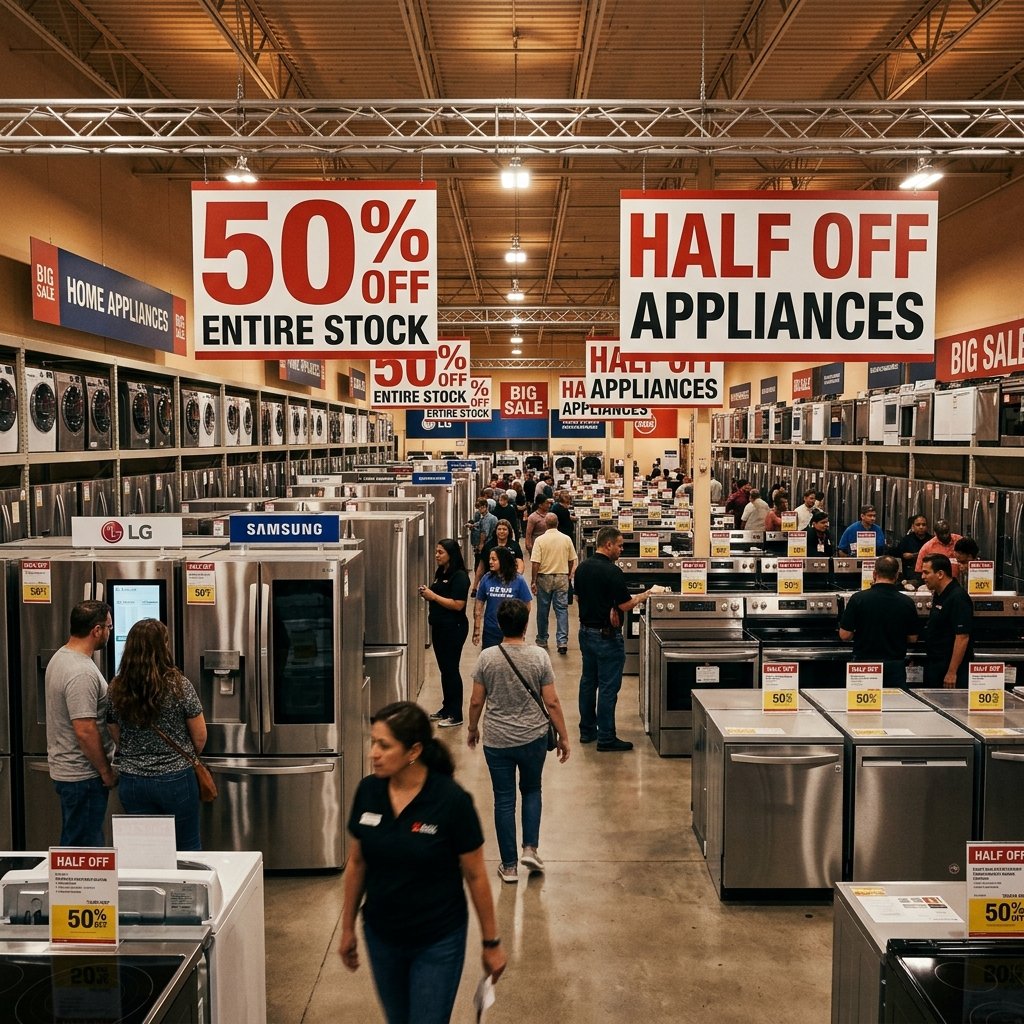
If you can’t wait for the manufacturer clearance cycle, your next best bet is the holiday weekend circuit. Retailers plan their entire fiscal year around these events. However, not all holidays are created equal. Let’s look at the heavy hitters for appliance savings.
Black Friday: The Heavyweight Champion
Black Friday is no longer just a day; it’s practically the entire month of November. This is when you will find the lowest absolute prices on mid-range and entry-level appliances. However, a word of caution: many ‘Black Friday Special’ models are actually lower-quality versions manufactured specifically for the sale. Look for the standard model numbers to ensure you’re getting the real deal at a discount.
Memorial Day and Labor Day
These two holidays are the bookends of the ‘home improvement’ season. Memorial Day (May) is fantastic for refrigerators, while Labor Day (September) kicks off the clearance season for everything else. Expect to see ‘Buy More, Save More’ bundles where you can save an extra $300 to $600 if you buy a kitchen package.
| Holiday Event | Typical Discount Range | Best For… |
|---|---|---|
| Presidents’ Day | 15% – 25% Off | Individual Replacements |
| Memorial Day | 20% – 40% Off | Refrigerators & Outdoor Kitchens |
| Fourth of July | 20% – 35% Off | Mid-Summer Emergencies |
| Labor Day | 30% – 50% Off | Full Kitchen Suites |
| Black Friday | 35% – 60% Off | Laundry Pairs & Dishwashers |
The Hacker Rule: Never buy an appliance at full price during the months of March, June, or August. These are ‘dead zones’ where retailers wait for desperate buyers who have an emergency. If your fridge dies in June, try to find a used one on Facebook Marketplace for $50 to bridge the gap until the July 4th sales kick in.
The ‘Floor Model’ and ‘Open Box’ Strategy
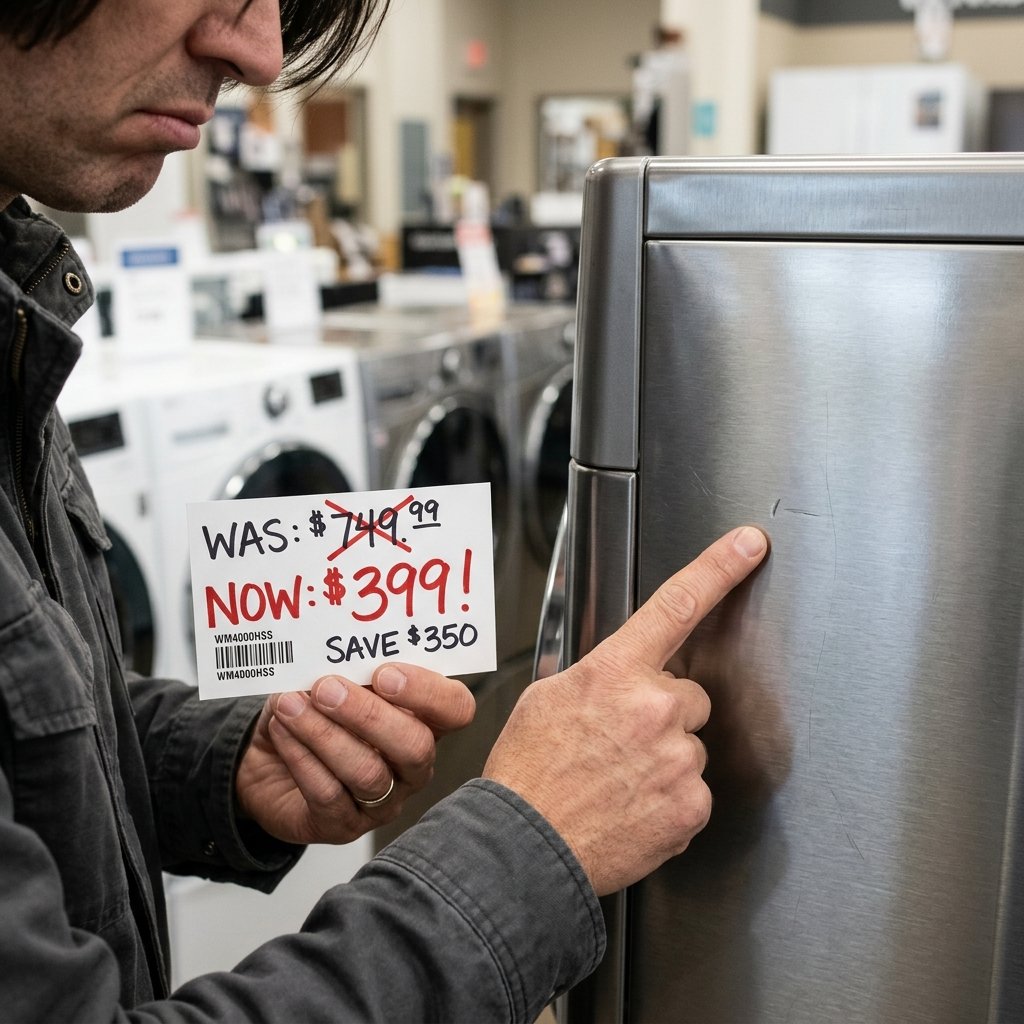
The Secret World of Scratch and Dent
If you really want to flex your frugal muscles, you need to step away from the pristine, boxed units and head to the back of the store. This is where the ‘Floor Models’ and ‘Open Box’ units live. A floor model is a unit that has been sat in a showroom for months. It hasn’t actually ‘run’ a load of laundry; it’s just been touched by a few hundred people. The savings? Massive.
How to Negotiate the Floor Model
Retailers have a ‘floor life’ for every unit. Once a model is discontinued, that floor unit is essentially dead weight. They want it gone. This is where your negotiation skills come into play. Unlike a new-in-box unit, managers have significant leeway on the price of floor models.
The Negotiation Script: “I see this dishwasher is the last one in stock and it’s the floor model. It has some fingerprints and a tiny scuff on the kickplate. Since I’m taking it ‘as-is’ and you need the space for the new models coming in Tuesday, would you be willing to do $350 out the door today? I have my truck ready right now.”
The Math of the Open Box
An ‘Open Box’ item is usually a return. Maybe it didn’t fit in the customer’s kitchen, or they didn’t like the shade of stainless steel. The store cannot sell it as new. Check out this cost comparison:
| Condition | MSRP Price | Hacker Price | Total Savings |
|---|---|---|---|
| Brand New (In Box) | $1,200 | $1,200 | $0 |
| Holiday Sale (New) | $1,200 | $850 | $350 |
| Floor Model (Clearance) | $1,200 | $600 | $600 |
| Open Box (Minor Dent) | $1,200 | $450 | $750 |
By opting for a unit with a dent on the side (which will be hidden by your cabinets anyway!), you can save $750. That is the ultimate frugal win.
Tools and Apps to Automate Your Savings

Let the Tech Do the Work
You don’t have to manually check prices every day. We are frugal hackers, which means we use tools to do the heavy lifting. There are several websites and apps designed specifically to track price drops and alert you when the ‘Secret Calendar’ hits its peak.
- CamelCamelCamel: Specifically for Amazon. It shows you the price history of any appliance. If you see the price is currently at its all-time high, wait!
- Honey / PayPal Shopping: This browser extension automatically searches for coupon codes and offers cash-back rewards that can stack on top of sale prices.
- Google Shopping Alerts: Set an alert for a specific model number. Google will email you the second a retailer drops the price.
- Flipp: This app digitizes all your local weekly flyers. It’s the easiest way to compare the ‘Big Three’ (Lowe’s, Home Depot, and Best Buy) in one interface.
Using these tools can save you an average of $150/year just by ensuring you never buy at a price peak. Combine this with a cash-back credit card (if you pay it off monthly!), and you’re essentially getting paid to shop.
The Total Cost of Ownership: Don’t Get Stung Later
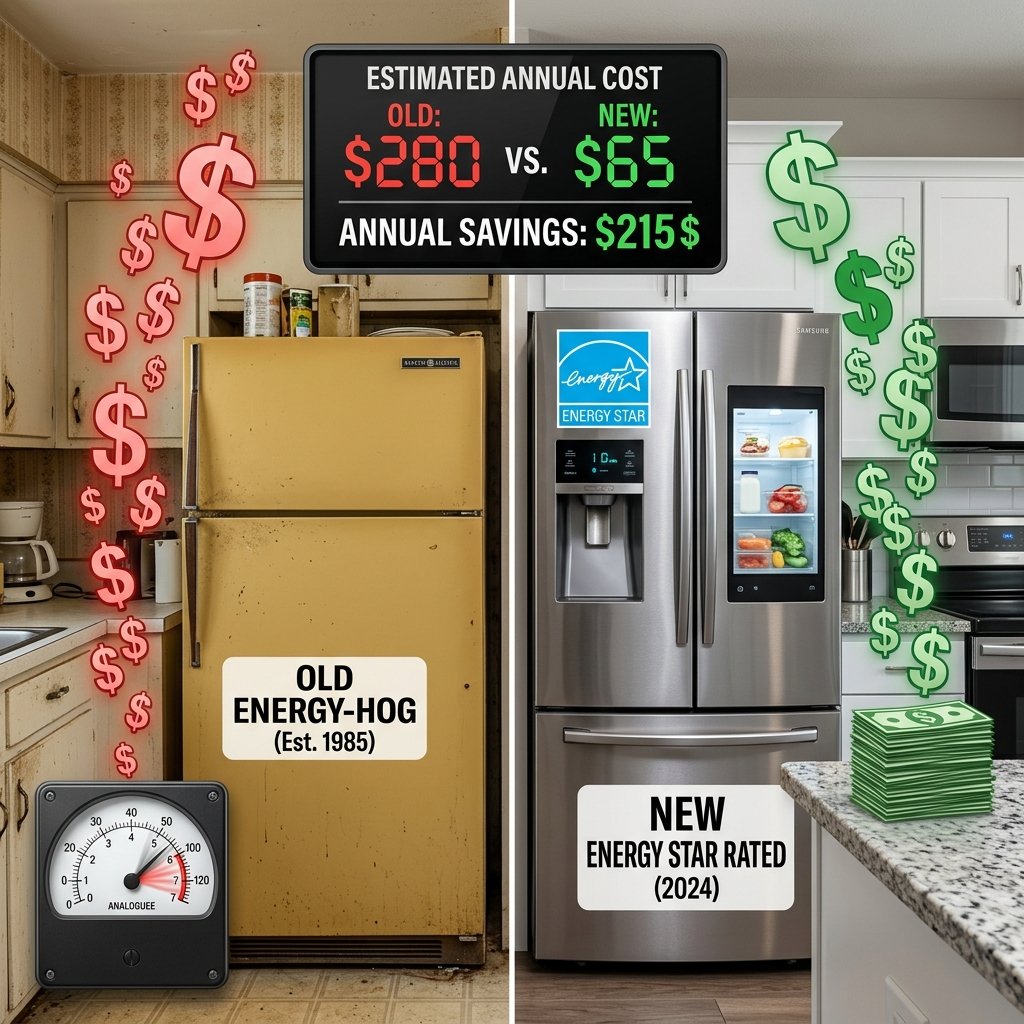
The Math Beyond the Price Tag
A cheap appliance that breaks in three years or costs a fortune to run isn’t actually frugal—it’s a trap. When you’re looking at the secret calendar, you also need to look at the ‘Energy Guide’ sticker. A fridge that costs $100 less today but costs $40 more per year in electricity will end up costing you $300 more over its decade-long lifespan.
Reliability Rankings
Stick to brands known for longevity. While a ‘smart fridge’ with a giant screen looks cool, that screen is just one more thing that can break. Frugal hackers love ‘mechanical’ simplicity. Brands like Speed Queen for laundry or Bosch for dishwashers often have higher upfront costs but much lower ‘per-year’ costs because they last 15-20 years instead of 5-7.
| Appliance Type | Efficiency Savings (Annual) | Expected Lifespan | Lifetime Value Score |
|---|---|---|---|
| Energy Star Washer | $75 | 10-12 Years | High |
| Standard Washer | $0 | 8-10 Years | Low |
| Heat Pump Dryer | $120 | 12 Years | Very High |
| LED Refrigerator | $50 | 10 Years | Medium |
Always factor in the cost of installation and hauling away your old unit. Many ‘lowest price’ retailers hide these fees. A $600 dishwasher becomes a $800 dishwasher real fast if you don’t negotiate free delivery and haul-away during those holiday sales.
Conclusion
Your Blueprint for Appliance Victory
You are now armed with the secret calendar and the hacker mindset. Remember: the goal isn’t just to buy an appliance; it’s to acquire a high-quality tool for your home at the absolute lowest possible price point. By timing your purchase with manufacturer cycles in May and September, leveraging holiday weekends, and hunting for those ‘perfectly imperfect’ floor models, you are taking control of your household budget.
Don’t let a sudden appliance failure force you into a bad financial decision. If you can, start planning your upgrades 6-12 months in advance. Keep a ‘replacement fund’ ready so that when Black Friday or a clearance event hits, you can strike while the iron—and the price—is hot. You’ve got the scripts, you’ve got the data, and you’ve got the tools. Go out there and save some serious cash!
Disclaimer: I am a frugal living enthusiast, not a financial advisor. Appliance prices and cycles can vary by region and brand. Always do your own research before making a large purchase.


Makenzie is the founder and lead writer at MoneyHackTips.com — a personal finance blog dedicated to delivering street-smart financial wisdom for real people on real budgets. With 300+ published articles covering everything from debt management to investing fundamentals, Makenzie’s mission is to make every dollar work harder. When not writing about money hacks, Makenzie is testing frugal living strategies, optimizing side hustles, and helping readers build financial freedom from scratch.