
The Art of the Instant Tailor
There is nothing quite like the breathable, sophisticated drape of linen pants. Whether you have unearthed a high-quality pair at a local thrift shop for $5 or snagged a designer pair on clearance, there is one common hurdle: the length. Often, these trousers come with an unfinished or excessively long inseam designed for someone much taller. In the past, this meant a $20 to $30 trip to the tailor or hours spent hunched over a sewing machine. But for the resourceful DIYer, there is a better way. Enter the world of fabric fuse tape—the secret weapon of the budget-savvy professional. This guide will teach you how to achieve a crisp, permanent, and ruggedly elegant hem in under 10 minutes without ever threading a needle. We are talking about professional results on a Dollar Tree budget, ensuring your wardrobe looks bespoke while your wallet stays heavy.
The Gear List: Tactical Tools for a Perfect Hem
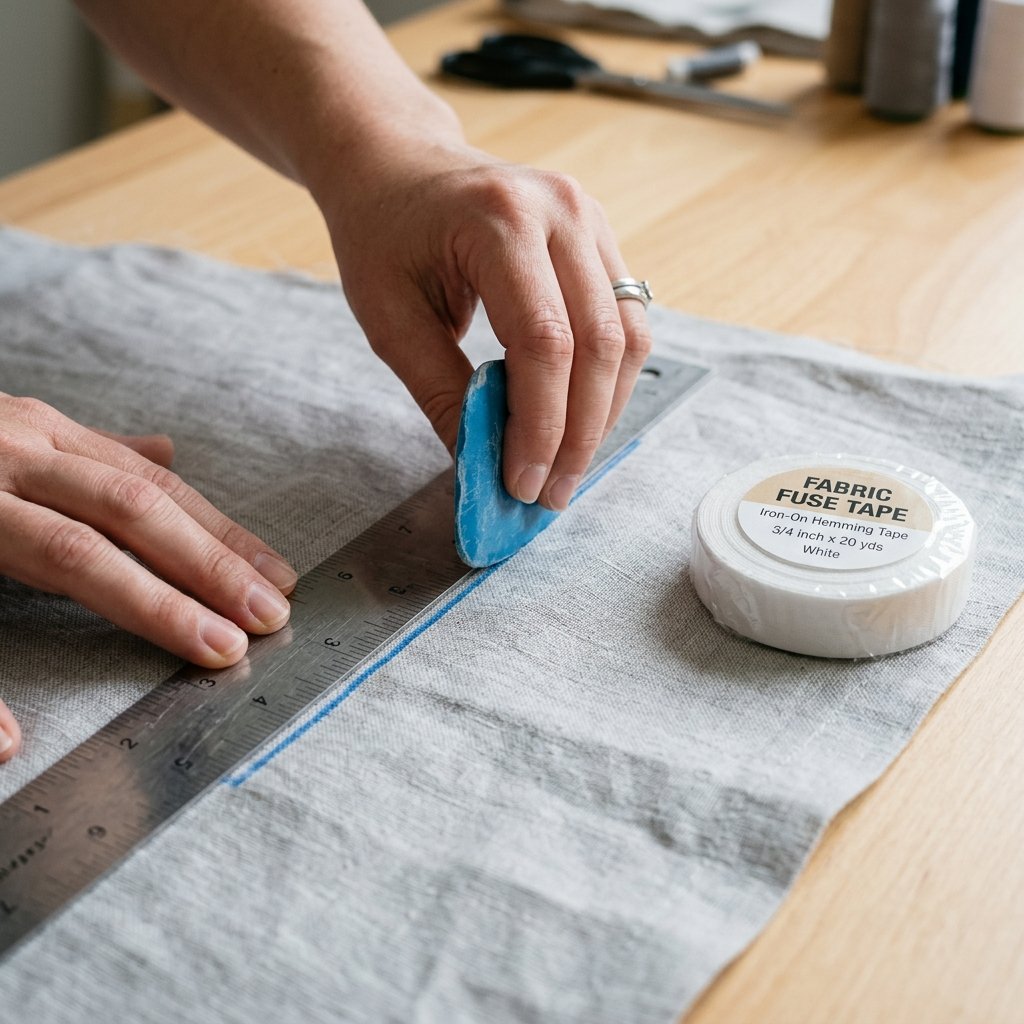
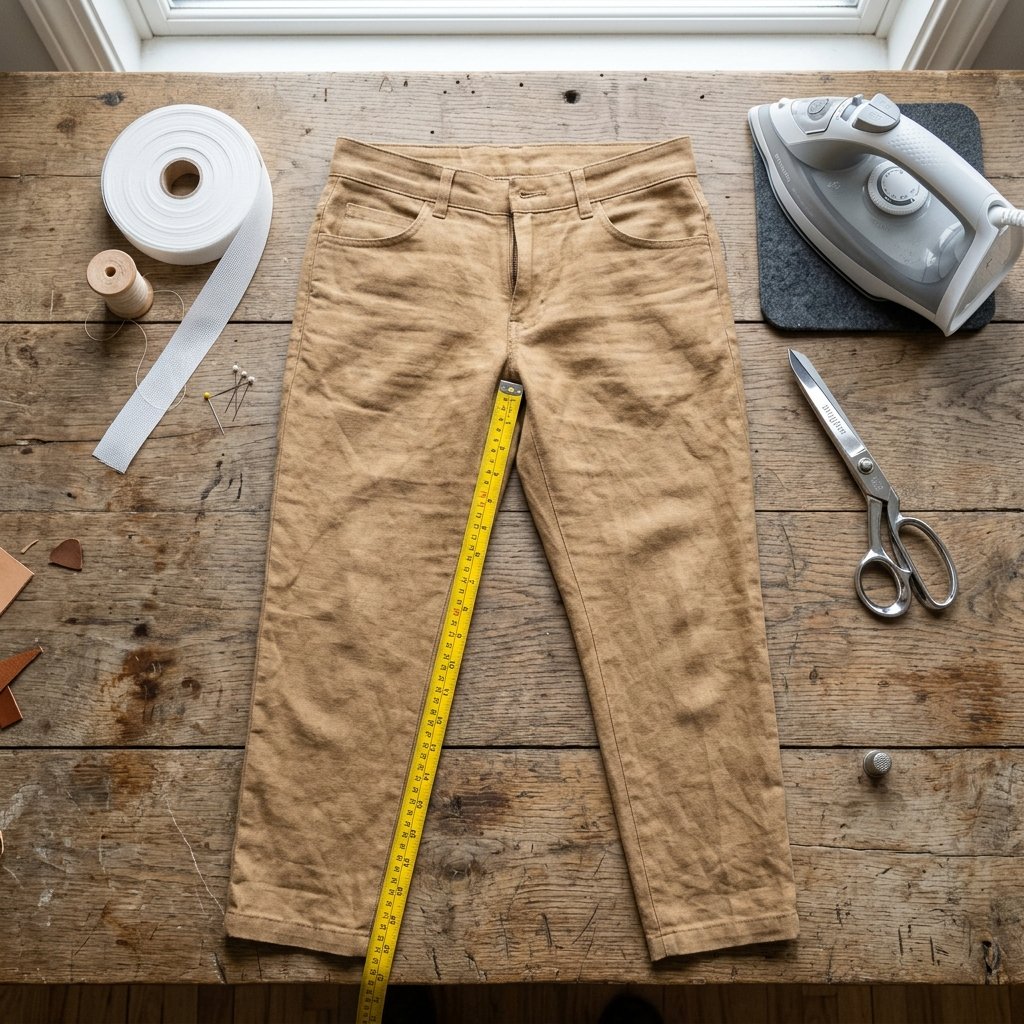
Before we dive into the folding, we must assemble our kit. In the spirit of the frugal craftsman, we prioritize tools that are multi-purpose and high-value. You likely have most of these items in your utility closet already. If not, a quick trip to the craft aisle will cost you less than a single latte.
Essential Materials
- Fabric Fuse Tape (Heavy Duty): Look for the double-sided, heat-activated variety. For linen, a regular or heavy-duty bond works best due to the textured fibers of the flax.
- Steam Iron: Your primary engine for this project. Steam is the catalyst that activates the adhesive.
- Measuring Tape or Ruler: Precision is the difference between a ‘DIY job’ and a ‘Custom Fit.’
- Tailor’s Chalk or a Pencil: To mark your cut and fold lines invisibly.
- Sharp Fabric Scissors: Dull blades lead to frayed linen, which is the enemy of a clean bond.
- Damp Pressing Cloth: A simple scrap of cotton or an old t-shirt to protect the linen from direct iron heat.
| Material | Source | Estimated Cost |
|---|---|---|
| Fabric Fuse Tape (Roll) | Craft Store / Dollar Store | $1.50 – $4.00 |
| Steam Iron | Owned / Thrifted | $0.00 – $10.00 |
| Fabric Shears | Home Tool Kit | $0.00 |
| Total Project Cost | DIY Savings | Under $5.00 |
“The quality of your hem is determined by the heat of your iron and the accuracy of your fold. Measure twice, fuse once.”
Preparation & The Science of the Linen Bond
Understanding Your Fabric
Linen is a natural fiber derived from the flax plant. It is celebrated for its strength and breathability, but it has a loose weave compared to denim or cotton twill. This loose weave is actually an advantage when using fabric fuse tape. The adhesive, when melted, seeps into the gaps between the flax fibers, creating a mechanical bond that is often stronger than a standard thread stitch. However, linen is also prone to shrinking. If your pants are brand new, wash and dry them once before hemming. There is nothing more frustrating than a perfect hem that becomes a ‘high-water’ pant after the first laundry cycle.
The 3-Step Prep
- De-wrinkle: Iron the bottom six inches of the pant legs thoroughly. You cannot get an accurate measurement on wrinkled fabric.
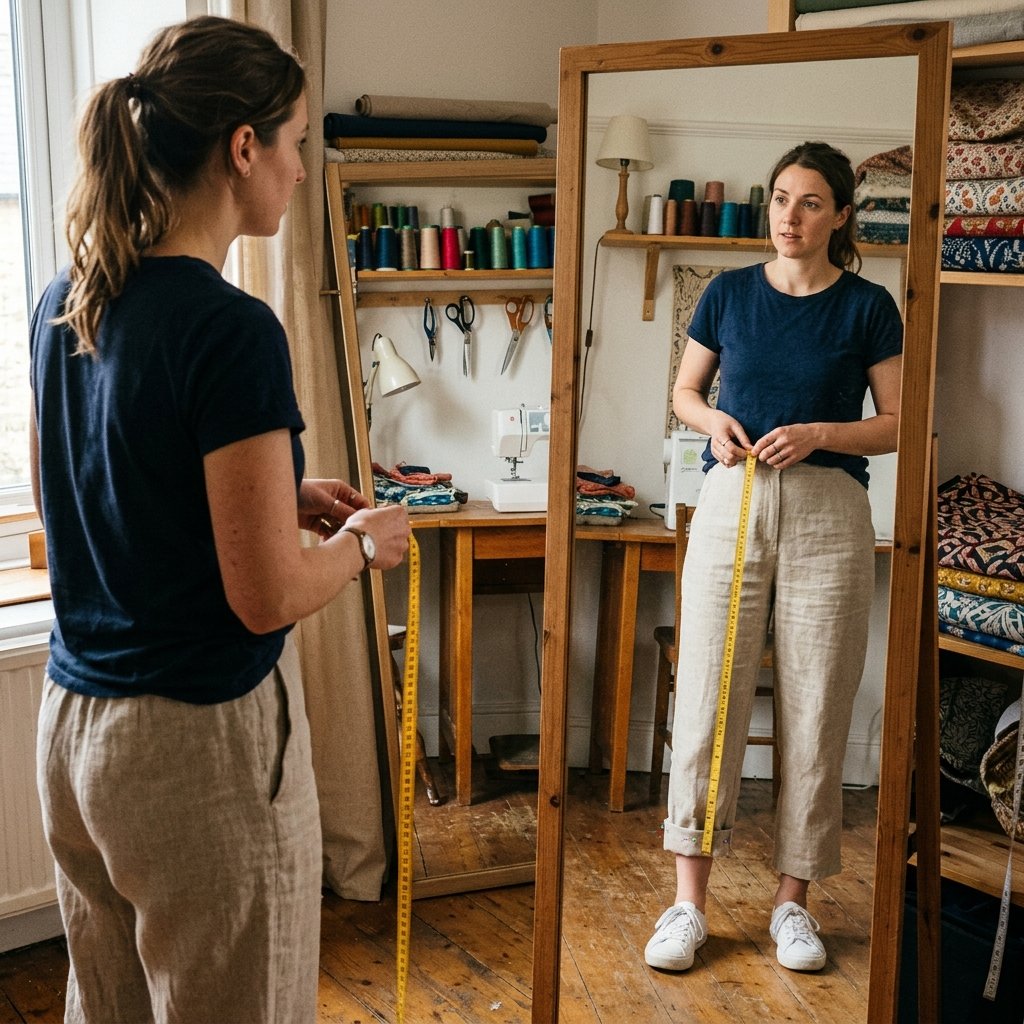
- The Try-On: Put the pants on with the shoes you intend to wear. Fold the excess fabric inward until the hem sits exactly where you want it (usually 1/2 inch above the floor for a classic look).
- Pin or Mark: Use your chalk to mark the ‘finish line’ on both legs while wearing them.
Step-by-Step: Executing the 10-Minute Hem
The Precision Fold and Fuse
Now we move into the execution phase. This is where the 10-minute clock starts. Follow these steps with the focus of a master tailor.
The Process
- Measure the Excess: Lay the pants flat on your workspace. Measure from your chalk mark to the original bottom of the pant. If you have more than 2 inches of excess, trim the fabric so you only have 1.5 inches to fold up. This prevents a bulky, heavy hem.
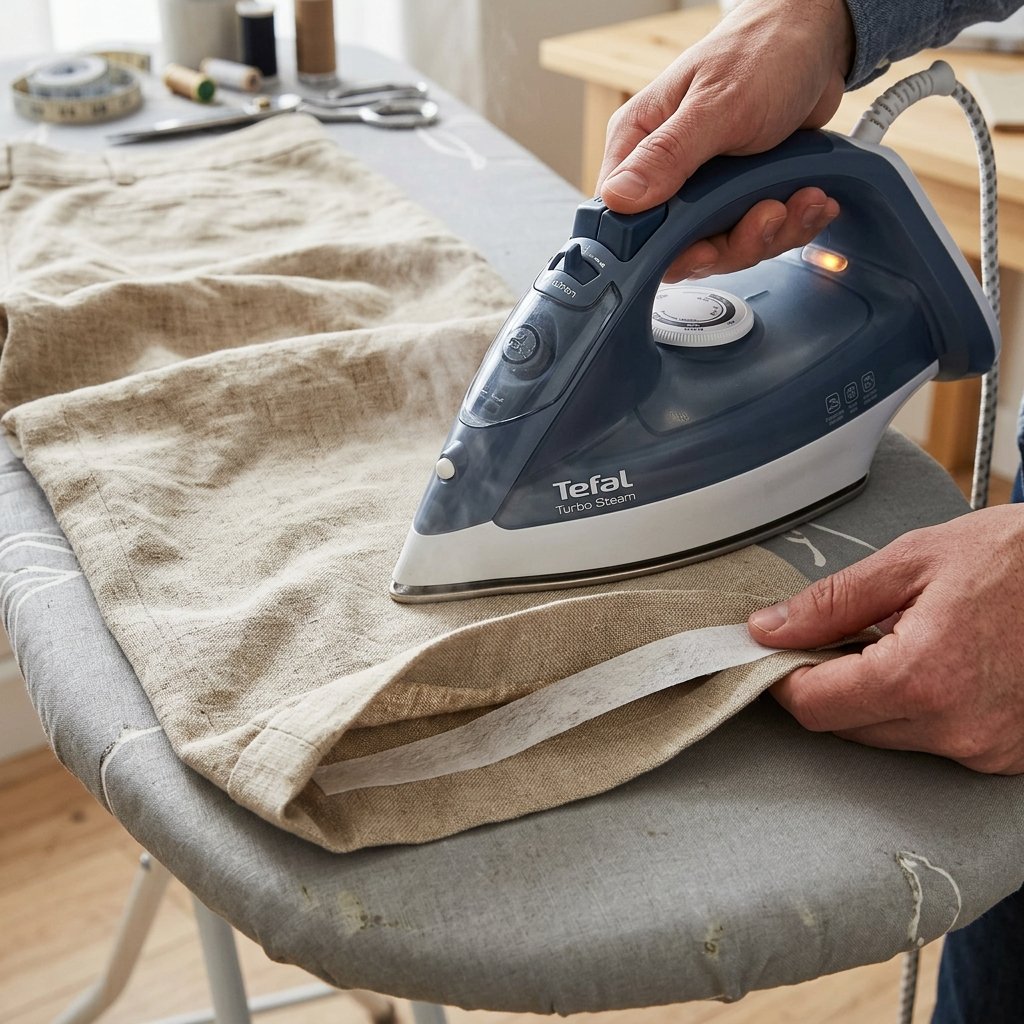
- Create the Memory Fold: Fold the fabric inward at your chalk mark. Use your iron to press this fold firmly. This creates a ‘memory’ in the linen, making the tape application much easier.
- Apply the Tape: Unroll the fabric fuse tape. Place it inside the fold, tucked right up against the crease. Ensure no tape is peeking out of the bottom, as it will stick to your iron.
- The Heat Press: Set your iron to the ‘Linen’ or ‘High’ setting with no steam initially. Press the iron down firmly on the hem for 10 to 15 seconds. Do not slide the iron; lift and press.
- The Steam Finish: Once the initial bond is set, use the steam function or a damp pressing cloth to give it one final 5-second press. This ‘locks’ the adhesive into the fibers.
“A rugged hem is a flat hem. If you see bubbling, re-apply heat immediately to smoothen the adhesive before it cools.”
| Step | Action | Duration |
|---|---|---|
| 1. Measuring | Marking the Inseam | 2 Minutes |
| 2. Trimming | Cutting Excess Fabric | 1 Minute |
| 3. Pressing | Creating the Crease | 2 Minutes |
| 4. Fusing | Applying Heat to Tape | 4 Minutes |
| 5. Cooling | Setting the Bond | 1 Minute |
The Professional’s Edge: Troubleshooting and Maintenance

Avoiding Common No-Sew Pitfalls
Even the most seasoned DIYer can run into hiccups. Linen is forgiving, but the fuse tape requires respect. If the tape isn’t sticking, it’s usually one of two things: not enough heat or too much lint. Ensure the inside of the pant leg is clean before applying the tape.
Maintenance for Longevity
- Washing: While most fuse tapes are ‘permanent,’ high-heat dryers can eventually soften the glue. For the longest life, wash your linen pants in cold water and hang them to dry. If you must use a dryer, use the low heat setting.
- Repairs: If a corner of the hem begins to lift after 20 washes, don’t panic. Simply cut a small 1-inch piece of tape, tuck it in, and re-press with your iron. It takes 30 seconds to fix.
- Dry Cleaning: Most fabric fuse tapes are dry-clean friendly, but always inform your cleaner that the hem is fused so they don’t use industrial-strength steam presses that might migrate the adhesive.
| Fabric Type | Iron Temp | Tape Compatibility |
|---|---|---|
| Linen | High / 445°F | Heavy Duty Recommended |
| Cotton | Medium-High | Regular Bond |
| Silk/Synthetic | Low | Ultra-Light / Fine Bond |
Why This Beats the Tailor: A Budget Comparison
The Frugal Guru’s ROI
Let’s talk numbers. Being resourceful isn’t just about the craft; it’s about the Return on Investment (ROI). When you master the 10-minute hem, you aren’t just saving time; you are building a ‘tailoring fund’ for other parts of your life.
Cost Analysis
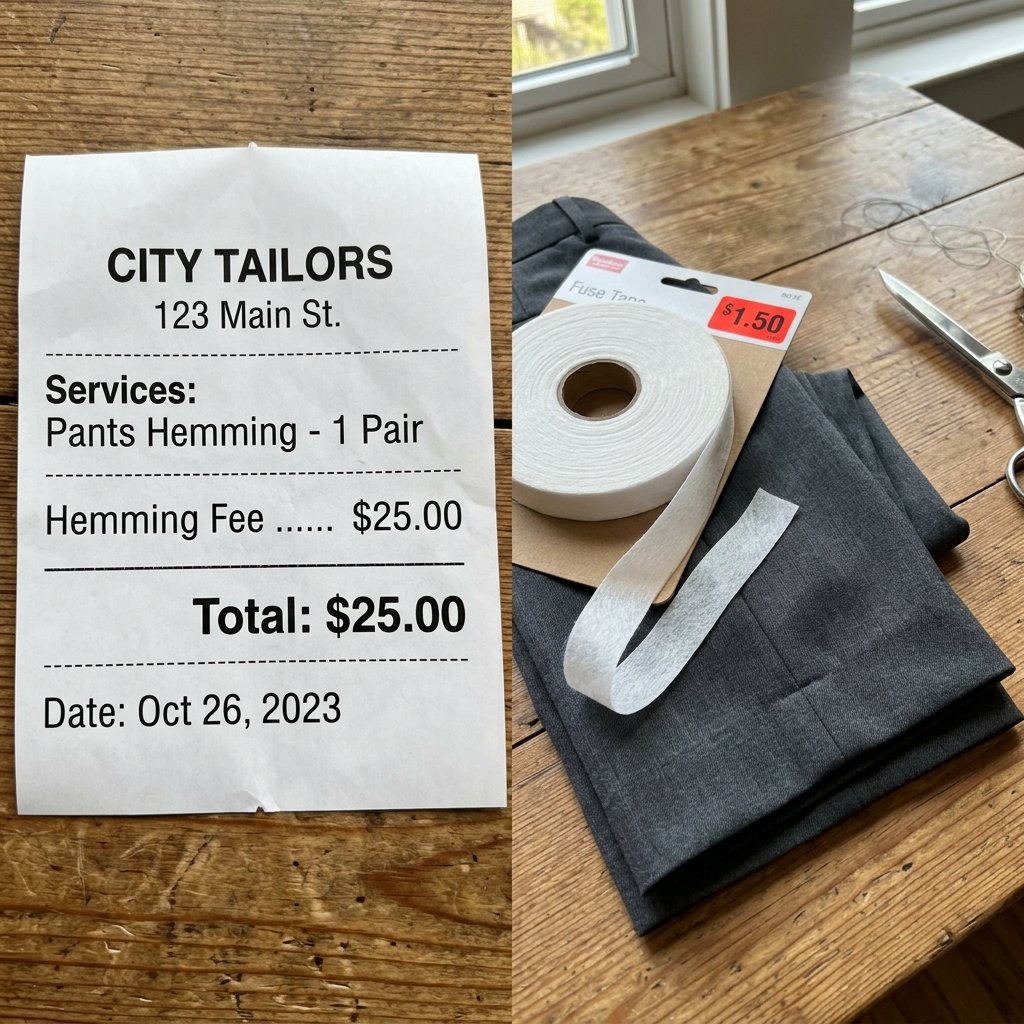
- Professional Tailor: $15 – $25 per pair + Gas/Travel + 3-7 day wait time.
- DIY Fuse Tape: $0.15 worth of tape per pair + 10 minutes of your time.
If you hem 10 pairs of pants over the next two years, you have saved approximately $200. That is enough to buy a high-quality, pre-owned sewing machine or a complete wardrobe of thrifted linen for the summer. This is the essence of the Crafty Expert: maximizing style while minimizing waste and expense.
“True elegance isn’t about how much you spent on the garment; it’s about how well that garment fits your frame. A $2 thrifted pant with a $0.10 hem looks better than a $200 pant that bunches at the ankles.”
Conclusion
Step Out in Style
You have now successfully bypassed the traditional tailoring route, saving both time and money without sacrificing a shred of style. The 10-minute linen hem is a foundational skill for any frugal DIYer. It transforms how you shop, allowing you to buy ‘too-long’ pants with confidence, knowing you have the tools and the talent to fix them in the time it takes to brew a pot of coffee. Remember, the key to a rugged, masculine-elegant look is the attention to detail. Keep your iron hot, your measurements precise, and your budget intact. Now, go forth and conquer the summer in your perfectly fitted, bespoke-style linen trousers!


Makenzie is the founder and lead writer at MoneyHackTips.com — a personal finance blog dedicated to delivering street-smart financial wisdom for real people on real budgets. With 300+ published articles covering everything from debt management to investing fundamentals, Makenzie’s mission is to make every dollar work harder. When not writing about money hacks, Makenzie is testing frugal living strategies, optimizing side hustles, and helping readers build financial freedom from scratch.