
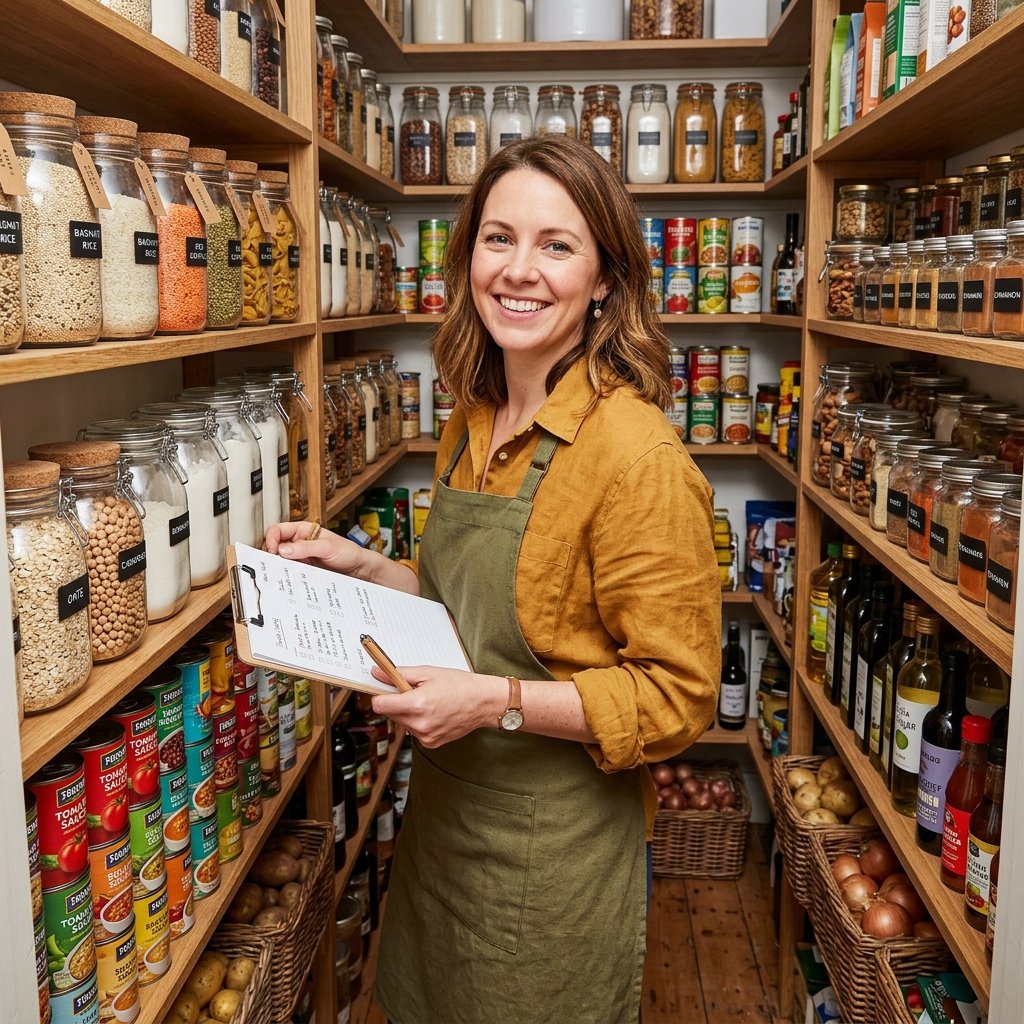

Welcome to the Ultimate Grocery Reset
Hey there, my savvy savers! Are you tired of watching your hard-earned cash vanish at the grocery checkout line? If you are feeling the pinch of inflation and watching your food budget balloon out of control, you are in exactly the right place. Today, we are talking about a strategy so powerful, it is going to feel like you just gave yourself a massive raise. We are diving deep into the legendary Pantry Challenge. Imagine going an entire month without stepping foot in a grocery store, yet still eating delicious, filling meals every single day. Sounds crazy? It is not. It is entirely possible, and I am going to show you exactly how to do it.
The average family spends over $800 a month on groceries, and a shocking amount of that food ends up pushed to the back of the pantry, buried in the chest freezer, or rotting in the crisper drawer. We are putting a stop to that right now. By committing to eating only what you already have in your house, you can easily save $500 to $1000 this month alone. This is not just about saving pennies; this is about taking radical control of your finances, reducing food waste, and getting incredibly creative in the kitchen. Grab a cup of coffee, roll up your sleeves, and let us get ready to eat for free this month!
The Strategy: Taking Inventory Like a Boss
Unearthing Your Hidden Treasure
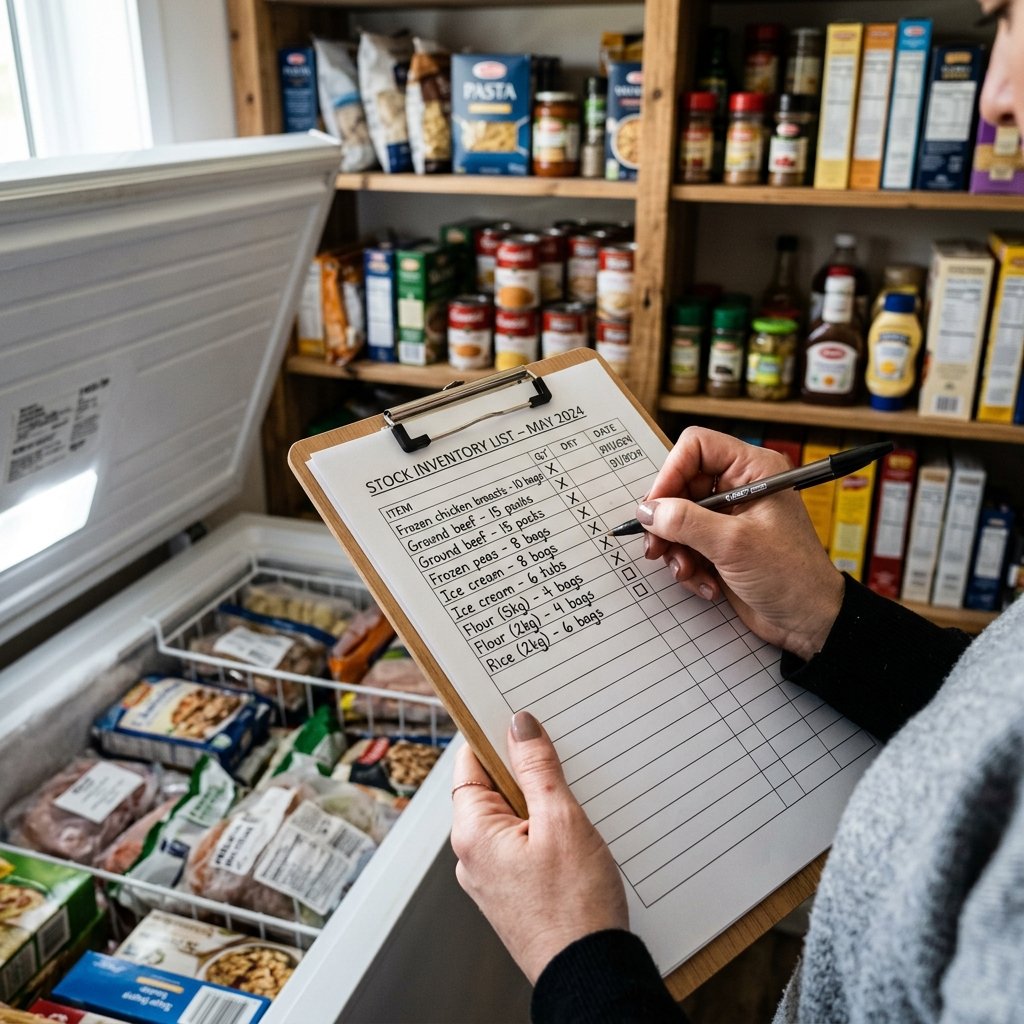
You cannot crush the pantry challenge if you do not know what you are working with. Right now, your kitchen is a goldmine of untapped resources. Your first mission is to tear through your cabinets, fridge, and freezer, and document every single edible item. This is where the magic begins. Do not just glance in the cupboards; pull everything out, wipe down the shelves, and start categorizing. You will be shocked at how many meals are hiding behind those dusty cans of soup.
Step-by-Step Inventory Guide
- Empty everything onto your counters. Yes, everything. This forces you to confront your hoarding habits.
- Group items by category: proteins (beans, canned meat, frozen chicken), carbs (pasta, rice, oats), veggies (canned, frozen), and flavor boosters (sauces, spices, broths).
- Check expiration dates. Move items that are close to expiring to the front of the line.
- Write it all down. Create a master list on a clipboard or a digital note on your phone. This is your holy grail for the month.
Once you have your master list, you can start seeing the patterns. Got five boxes of pasta and three jars of marinara? That is three dinners right there. A random bag of frozen shrimp and some stir-fry sauce? Boom, another meal. The goal is to match your proteins with your carbs and veggies to build complete plates.
The Math: Cost Breakdown of Pantry vs Store Bought
Seeing the Savings Add Up
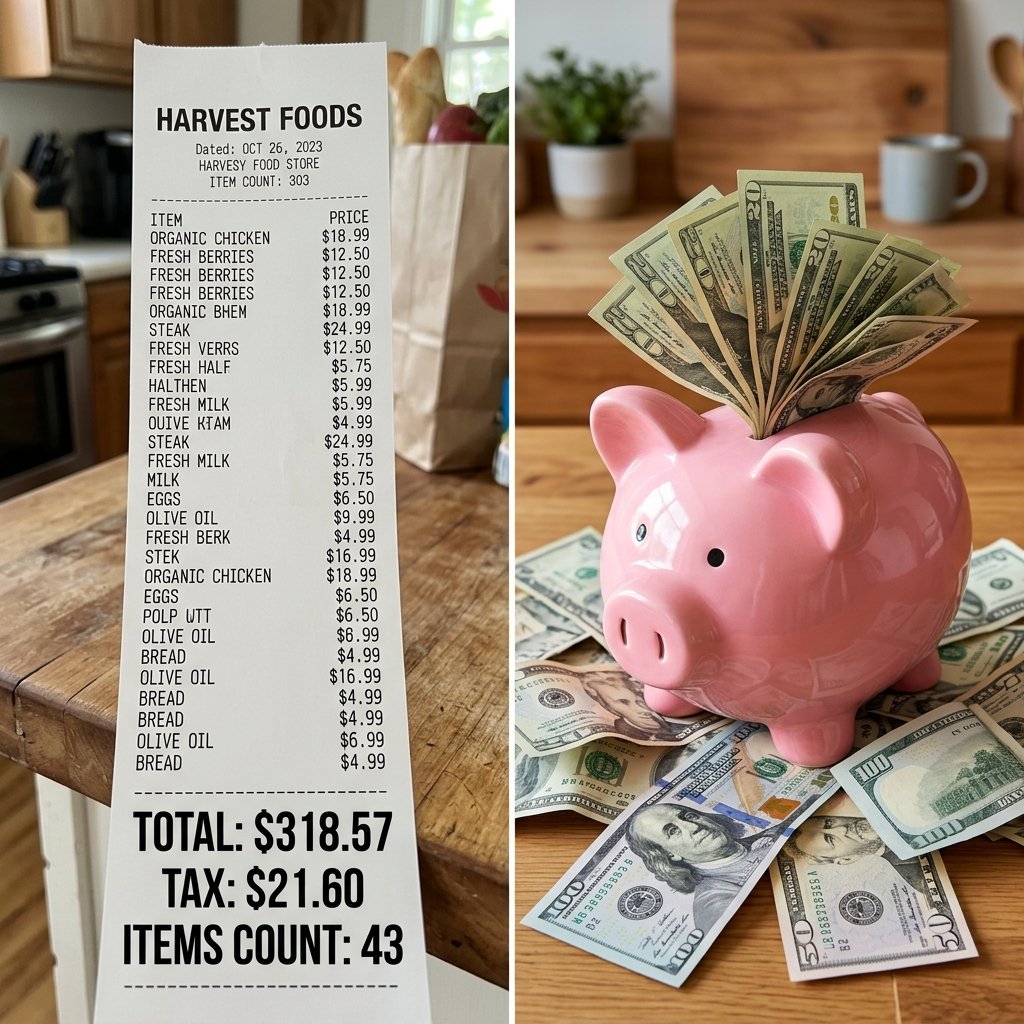
Let us talk numbers, because as frugal hackers, we know that math is our best friend. When you do a pantry challenge, you are not just saving the cost of the ingredients; you are saving the impulse buys, the taxes, and the gas it takes to drive to the store. Let us look at a realistic breakdown of what a typical week of meals costs when you buy them fresh versus when you pull them from your existing stockpile.
| Meal Type | Standard Grocery Cost | Pantry Challenge Cost | Total Weekly Savings |
|---|---|---|---|
| Breakfast (Oats, Frozen Fruit, Coffee) | $25.00 | $0.00 | $25.00 |
| Lunch (Rice & Bean Bowls, Leftovers) | $40.00 | $0.00 | $40.00 |
| Dinner (Pasta, Frozen Meats, Canned Veggies) | $75.00 | $0.00 | $75.00 |
| Snacks & Desserts (Popcorn, Baking Mixes) | $30.00 | $0.00 | $30.00 |
As you can see from the table above, a single week of relying strictly on your pantry can save you $170.00. Multiply that by four weeks, and you are looking at a whopping $680.00 saved in a single month! That is money you can throw at debt, invest, or put towards a family vacation. The numbers do not lie; eating what you already own is the ultimate financial hack.
The Rules of Engagement: Setting Boundaries

Establishing Your Frugal Framework
A challenge is only as good as its rules. If you leave too much wiggle room, you will find yourself wandering down the snack aisle at the grocery store by day three. To truly crush this, you need ironclad boundaries. The most important rule of the pantry challenge is simple, yet brutal.
Key Rule: If it is not in the house, it does not exist. No quick runs to the store for a missing ingredient. You must substitute, omit, or pivot!
If a recipe calls for milk and you only have water or powdered milk, you use it. If you are out of fresh onions, you use onion powder. This challenge forces you to become a culinary MacGyver. Now, what happens when your family starts complaining about eating lentil soup for the third time? You need to get them on board with the vision. Here is exactly what you say to them:
Family Script: We are on a mission to save $600 this month to put towards our emergency fund and a fun weekend trip. That means we are getting creative with our meals and eating what we have. It might get a little weird, but it is going to be an adventure. Who wants to be the head chef and invent a new dinner tonight?
By framing it as a game and a shared family goal rather than a punishment, you will get much better cooperation. Remember, attitude is everything when you are hacking your budget.
Frugal Hacker Meal Formulas
Turning Random Ingredients into Masterpieces
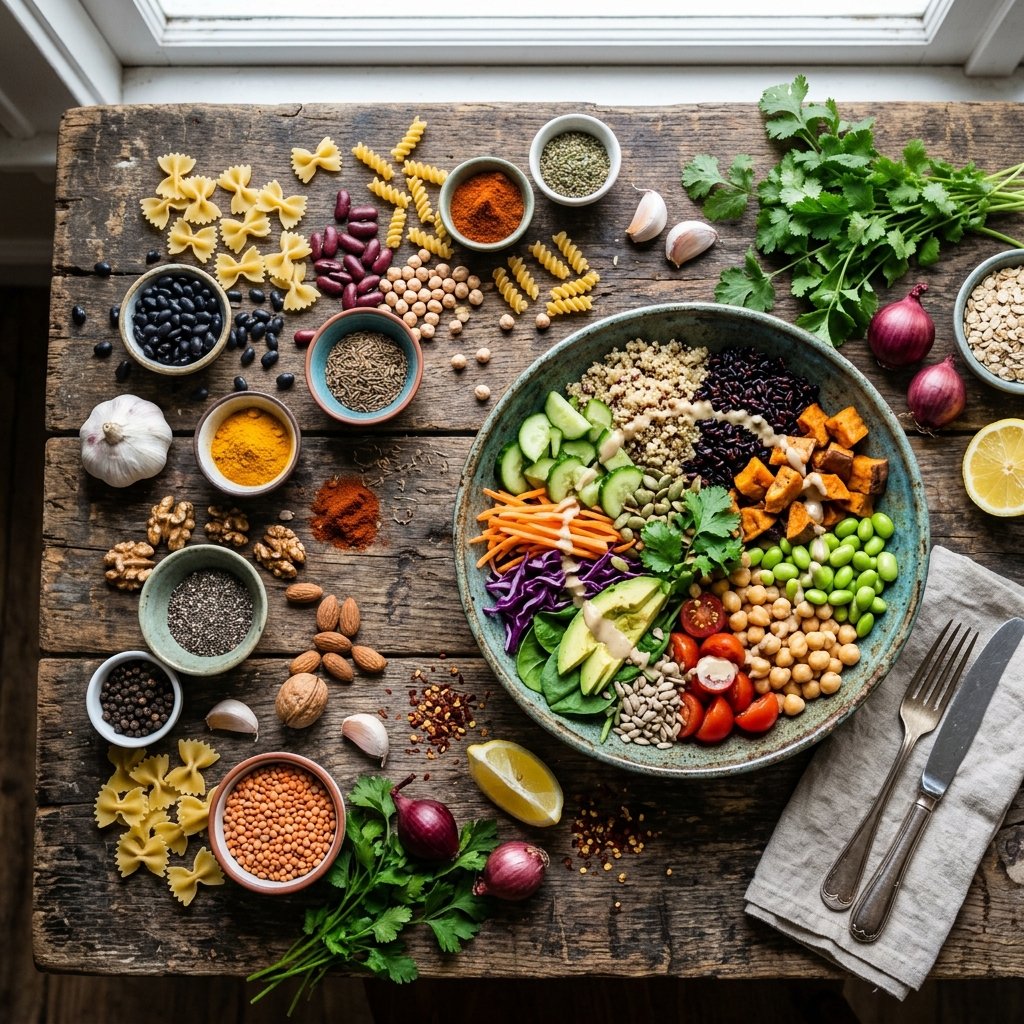
You have your inventory, you know the math, and you have set the rules. Now comes the fun part: actually cooking this stuff. When you are deep in a pantry challenge, you cannot rely on traditional recipes because you rarely have all the exact ingredients. Instead, you need to rely on meal formulas. Formulas are flexible templates that allow you to plug in whatever you have on hand.
The Kitchen Sink Soup
- The Base: Start with any broth, bouillon cubes, or even just water and heavy seasoning.
- The Bulk: Throw in whatever carbs you have. Leftover rice, broken lasagna noodles, or diced potatoes work perfectly.
- The Protein: Canned beans, leftover roasted chicken, or frozen meatballs.
- The Veggies: Dump in those half-empty bags of frozen corn, peas, or canned diced tomatoes. Simmer until delicious!
The Ultimate Grain Bowl
- The Base: Quinoa, brown rice, couscous, or barley. Cook a massive batch at the start of the week.
- The Toppings: Roasted chickpeas, canned tuna, or a fried egg.
- The Sauce: This is crucial. Mix soy sauce, peanut butter, and a dash of hot sauce, or whisk together olive oil, vinegar, and dried herbs. A good sauce hides a multitude of weird ingredient combinations.
Do not be afraid to experiment. Have breakfast for dinner. Make a massive batch of pancakes using that mix that has been sitting in the back of the cupboard for six months. Bake your own bread if you run out of sandwich loaves. The kitchen is your playground, and every meal you make from scratch is keeping cash in your pocket.
Surviving the Fresh Food Drought

Handling the Lack of Produce
Around week two of the pantry challenge, you are going to hit a wall. You will run out of fresh milk, fresh greens, and fresh fruit. This is where most people quit. But not you! You are a frugal hacker. When the fresh stuff runs out, you pivot to your backup systems.
Hacks for Freshness
- Regrow Your Scraps: Keep the root ends of green onions, celery, and romaine lettuce. Place them in a shallow glass of water on your windowsill, and they will sprout new, fresh greens in days!
- Embrace Frozen and Canned: Frozen vegetables are often flash-frozen at peak ripeness, making them just as nutritious as fresh. Roast canned green beans with garlic powder and olive oil to completely transform their mushy texture.
- Bake Your Own Carbs: When the bread runs out, do not buy more. Flour, water, yeast, and salt cost pennies. Making a simple no-knead bread will make your house smell amazing and satisfy that craving for fresh bakery items.
If you absolutely must have a rule for perishables, set a strict micro-budget. Allow yourself exactly $10.00 a week for milk and eggs, but nothing else. Pay in cash so you cannot overspend. But try to push yourself to go entirely without the store—you will be amazed at how resilient you actually are.
Conclusion
Your Wallet Will Thank You
Crushing the pantry challenge is not just about eating weird combinations of canned goods; it is a profound exercise in gratitude, resourcefulness, and financial discipline. By taking the time to inventory your food, setting strict boundaries, and utilizing flexible meal formulas, you are proving to yourself that you have everything you need right at home. You are going to save hundreds of dollars, clear out the clutter in your kitchen, and build habits that will keep your grocery budget low long after the month is over.
So, take the leap! Lock away your credit cards, grab your inventory clipboard, and start cooking. I promise you, the feeling of transferring that extra $500 into your savings account at the end of the month will taste sweeter than any restaurant meal. Let us hack this budget and eat for free!
Disclaimer: I am your ultimate frugal hacker, not a licensed financial advisor. The numbers and savings presented in this article are estimates based on average consumer data. This guide is for educational and entertainment purposes to help you save money and live frugally!

Makenzie is the founder and lead writer at MoneyHackTips.com — a personal finance blog dedicated to delivering street-smart financial wisdom for real people on real budgets. With 300+ published articles covering everything from debt management to investing fundamentals, Makenzie’s mission is to make every dollar work harder. When not writing about money hacks, Makenzie is testing frugal living strategies, optimizing side hustles, and helping readers build financial freedom from scratch.