


Hey there, fellow frugal hackers! Let us have a real, heart-to-heart conversation about your hard-earned cash. If you feel like you are working your tail off every single week but your bank account is still gasping for air by the time Friday rolls around, you are definitely not alone. Millions of people are stuck in a frustrating cycle of earning and burning, wondering where all their money went. The truth? It is rarely the massive, once-in-a-lifetime purchases that leave us broke. Instead, it is the sneaky, everyday routines—the toxic money habits—that quietly drain our wallets while we are not looking.
As your resident frugal hacker, I am here to tell you that being broke is often a symptom of bad systems, not bad intentions. You do not need to win the lottery to build wealth; you just need to plug the leaks in your financial bucket. Today, we are going to dive deep into the 15 toxic money habits keeping you poor. More importantly, we are going to give you the street-smart, actionable fixes to turn things around. Grab a cup of coffee (brewed at home, of course), and let us start hacking your way to financial freedom!
The Daily Bleed: Small Leaks That Sink Big Ships
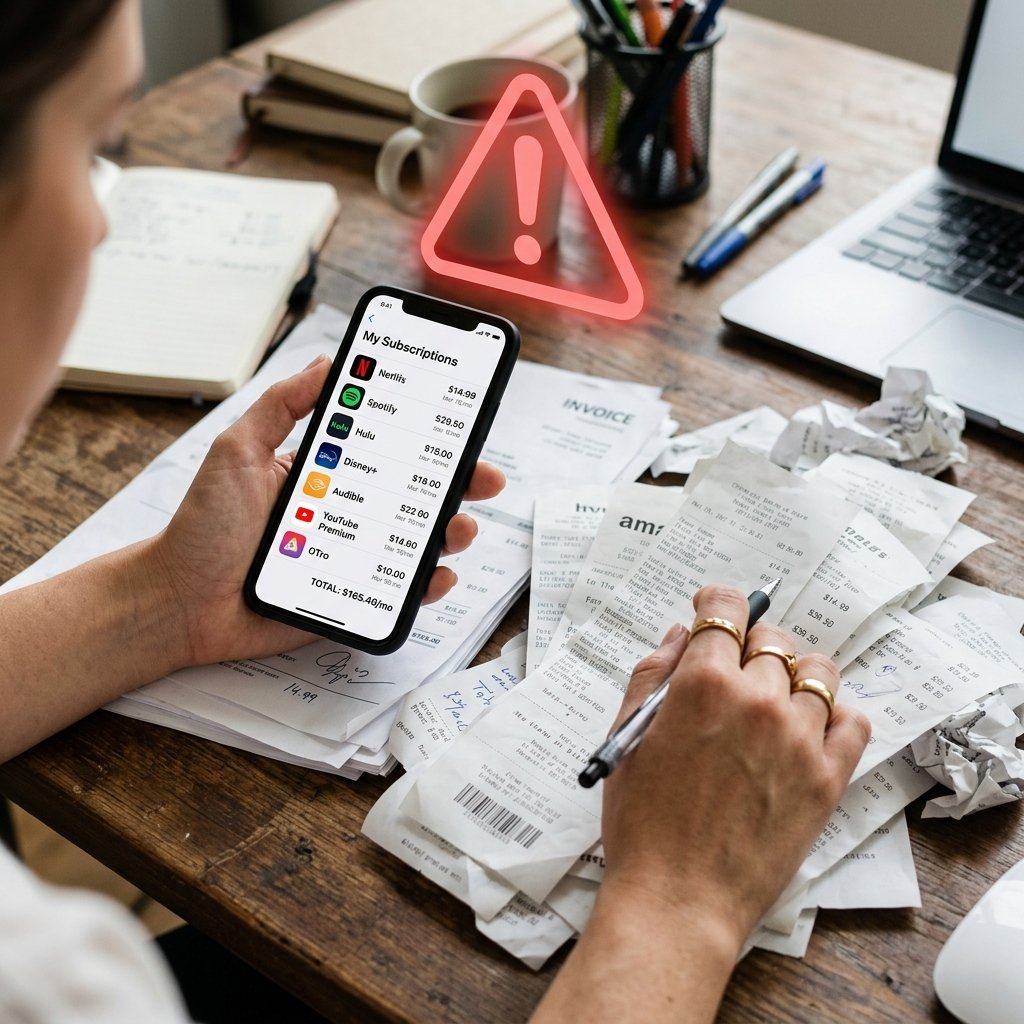
We often think we need to make massive changes to our lifestyle to save money, but the reality is that your daily routines dictate your financial destiny. Let us look at the first five habits that make up ‘The Daily Bleed.’
1. The Convenience Lunch Trap
Grabbing a quick lunch near the office feels harmless, but the math is terrifying. If you spend $15 a day on lunch, that is $75 a week, or roughly $3,900 a year! The Fix: Batch-cook your meals on Sundays. A home-cooked meal costs around $3 a portion. By bringing your lunch, you could easily save $3,120/year.
2. Subscription Creep
When was the last time you audited your subscriptions? Streaming services, gym memberships you never use, and app subscriptions drain your account $10 at a time. The Fix: Print your last two months of bank statements. Highlight every recurring charge. Cancel anything you have not used in 30 days.
3. Grocery Shopping Without a List
Walking into a supermarket without a battle plan is a recipe for a drained bank account. The stores are literally engineered to make you impulse buy. The Fix: Always write a list, and never shop hungry. Stick to the perimeter of the store where the whole foods are, and ignore the flashy end-cap displays.
4. Brand Name Blindness
Paying a premium for a fancy logo on basic items like ibuprofen, cleaning supplies, or pantry staples is a classic toxic habit. The Fix: Switch to generic store brands. The ingredients are usually identical. You will instantly save 20% to 30% on your grocery bill.
5. The Coffee Shop Default
Yes, the classic avocado toast and latte argument. But seriously, a $6 daily latte adds up to $2,190 annually. The Fix: Invest in a quality thermos and a French press. You can make better coffee at home for pennies.
| Habit | Yearly Cost | The Frugal Fix Cost | Annual Savings |
|---|---|---|---|
| Daily Takeout Lunch | $3,900 | $780 | $3,120 |
| Daily Fancy Coffee | $2,190 | $200 | $1,990 |
| Unused Subscriptions | $600 | $0 | $600 |
Rule #1 of Frugal Hacking: If you cannot measure it, you cannot manage it. Track every single penny that leaves your account for 30 days. You will be shocked at what you find.
The Debt and Credit Trap

Credit cards and lending apps are marketed as lifesavers, but they are often the exact anchors dragging you down. Let us break down habits 6 through 10.
6. The Minimum Payment Treadmill
Paying only the minimum on your credit card is exactly what the banks want you to do. It maximizes their profit and keeps you in debt for decades. The Fix: Use the Debt Avalanche or Debt Snowball method. Throw every spare dollar at your debt until it is gone.
7. Buy Now, Pay Later (BNPL) Reliance
Services like Afterpay or Klarna make it dangerously easy to buy things you cannot afford. Splitting a $200 clothing haul into four payments does not make it cheaper; it just masks the pain. The Fix: If you do not have the cash in your checking account today, you cannot afford it. Period.
8. Retail Therapy as Coping
Having a bad day and buying a new gadget or outfit to feel better is a toxic loop. The high fades, but the bill remains. The Fix: Find free dopamine hits. Go for a walk, call a friend, or reorganize a room. Create a mandatory 48-hour cooling-off period for any non-essential purchase.
9. Ignoring Your Credit Score
Burying your head in the sand will not make a bad credit score go away. A low score means you pay higher interest rates on everything from cars to mortgages. The Fix: Check your score for free using apps like Credit Karma. Dispute errors and focus on on-time payments.
10. Winging Your Finances (No Budget)
If you do not tell your money where to go, you will always wonder where it went. The Fix: Adopt the Zero-Based Budget or the Envelope System. Give every single dollar a job before the month begins.
| Debt Strategy | Interest Paid | Time to Payoff |
|---|---|---|
| Minimum Payments Only | $4,500 | 12 Years |
| Aggressive Frugal Payoff | $600 | 1.5 Years |
Scam Warning: Beware of ‘Credit Repair’ companies that promise to magically erase valid debts for an upfront fee. You can do everything they do for free by contacting the bureaus directly!
Future Fumbles and Mindset Mistakes
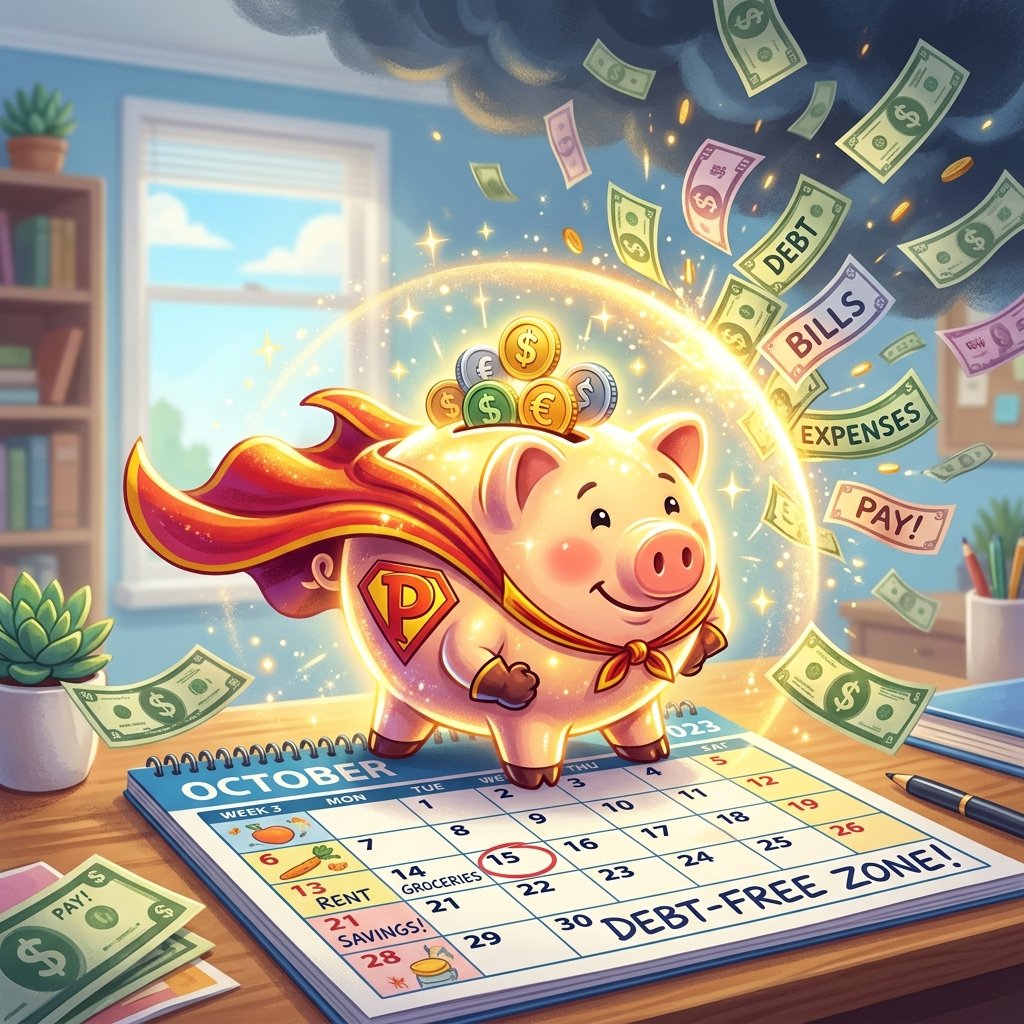
Frugal living is not just about surviving today; it is about thriving tomorrow. These final habits (11-15) are all about long-term wealth destruction.
11. The Zero-Dollar Emergency Fund
Living paycheck to paycheck without a safety net means one flat tire can send you into a spiral of credit card debt. The Fix: Start small. Sell unused items around the house until you have a beginner emergency fund of $1,000. Then, build it up to 3-6 months of living expenses.
12. Lifestyle Creep
You get a raise, and suddenly you ‘upgrade’ your car, your apartment, and your wardrobe. Your income went up, but your wealth stayed the same. The Fix: Pretend you never got the raise. Automate the extra money directly into savings or investments before you ever see it.
13. Paying Yourself Last
Most people pay their landlord, the utility company, and the grocery store first, then save whatever is left over. Usually, nothing is left. The Fix: Reverse the process. The moment your paycheck hits, automatically transfer 10% to 20% into your savings account. Treat your savings like a non-negotiable bill. You could easily save $5,000/year just by automating this process.
14. Ignoring Free Money (Employer Match)
If your employer offers a 401(k) match and you are not contributing enough to get it, you are literally leaving free money on the table. The Fix: Log into your HR portal today and increase your contribution to at least the match limit. It is an instant 100% return on your money!
15. The ‘I Will Start Tomorrow’ Excuse
Procrastination is the ultimate wealth killer. Waiting for the ‘perfect time’ to start budgeting or saving means you lose out on the magic of compound interest. The Fix: Do one financial task today. Cancel one subscription, transfer $20 to savings, or download a budgeting app. Momentum builds from small actions.
- Action Step 1: Identify your top 3 toxic habits from this list.
- Action Step 2: Implement the frugal fix for just ONE of them this week.
- Action Step 3: Track your progress and celebrate the small wins!
Conclusion
Breaking toxic money habits is not about punishing yourself or living a life of deprivation. It is about taking back control of your hard-earned cash so you can build a life of freedom, security, and peace of mind. As a frugal hacker, you have the power to rewrite your financial script starting today. Remember, it is not about being perfect; it is about being just a little bit better than you were yesterday. Start plugging those leaks, automate your savings, and watch your wealth grow. You have got this!
Disclaimer: The Ultimate Frugal Hacker is a personal finance enthusiast, not a licensed financial advisor. The information provided in this article is for educational and entertainment purposes only. Always do your own research or consult with a professional before making major financial decisions, investments, or tackling complex debt situations.


Makenzie is the founder and lead writer at MoneyHackTips.com — a personal finance blog dedicated to delivering street-smart financial wisdom for real people on real budgets. With 300+ published articles covering everything from debt management to investing fundamentals, Makenzie’s mission is to make every dollar work harder. When not writing about money hacks, Makenzie is testing frugal living strategies, optimizing side hustles, and helping readers build financial freedom from scratch.