
The Art of the High-End Dupe
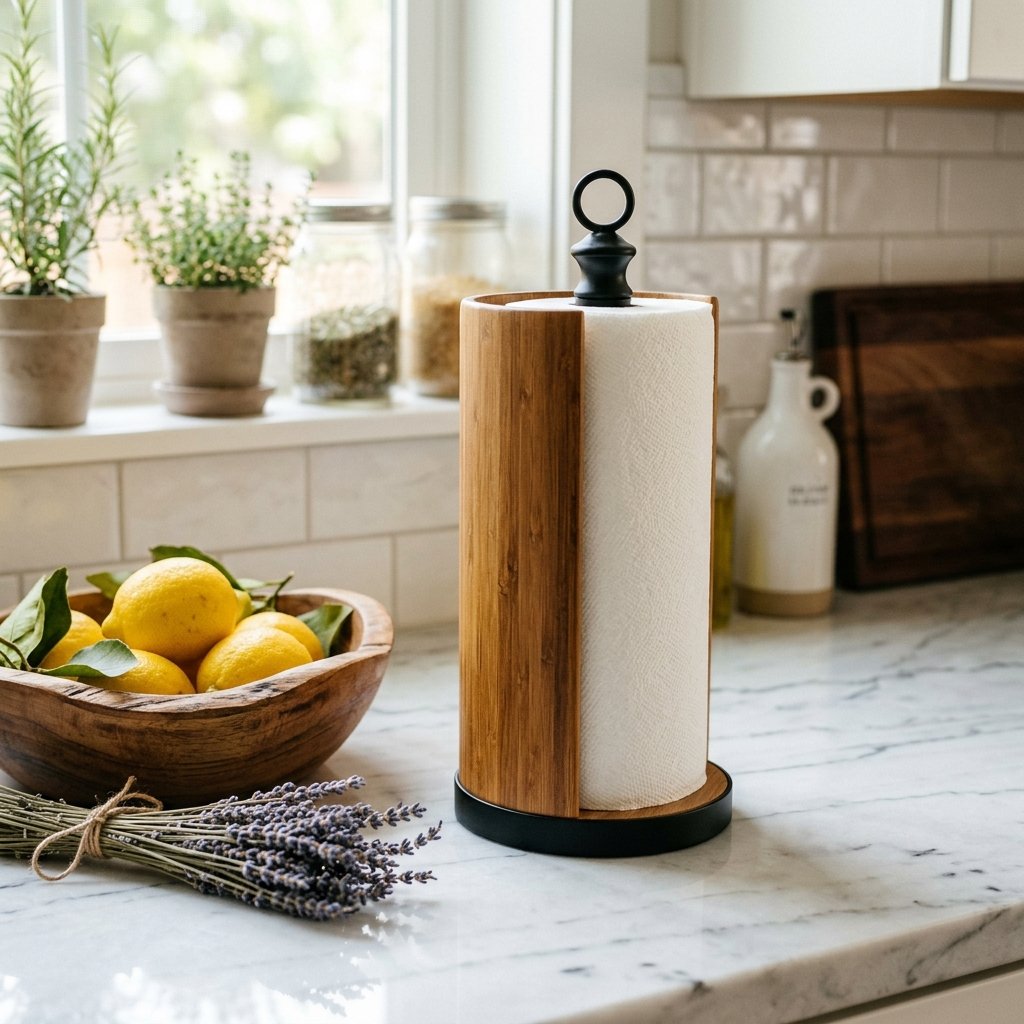
In the world of interior design, the ‘Farmhouse’ aesthetic has long reigned supreme, characterized by its blend of rustic charm and modern clean lines. However, walking into a high-end home goods store often reveals a startling truth: simplicity comes with a hefty price tag. A basic bamboo or wooden paper towel holder can easily fetch $30 to $45 at boutique retailers. But for the resourceful crafter and the budget-savvy DIYer, these prices are merely a challenge. Why spend a fortune when you can harness the rugged elegance of bamboo using items found at your local Dollar Tree? This project is about more than just saving money; it is about the clever transformation of ‘trash’ into treasure, utilizing practical skills and a bit of creative elbow grease to achieve a result that looks like it was plucked straight from a designer catalog.
Why Bamboo?
Bamboo is the ultimate material for the frugal yet stylish decorator. It is sustainable, incredibly durable, and possesses a natural grain that exudes a sophisticated, masculine-elegant vibe. By upcycling Dollar Tree bamboo cutting boards and dowels, we are not just making a kitchen accessory; we are crafting a statement piece that stands the test of time. In this guide, we will walk through the exact steps to build a sturdy, weighted, and aesthetically pleasing paper towel holder for under $5. Get your glue guns ready and your sanding blocks out—it is time to outsmart the retail market.
The Blueprint: Materials and Budget Breakdown
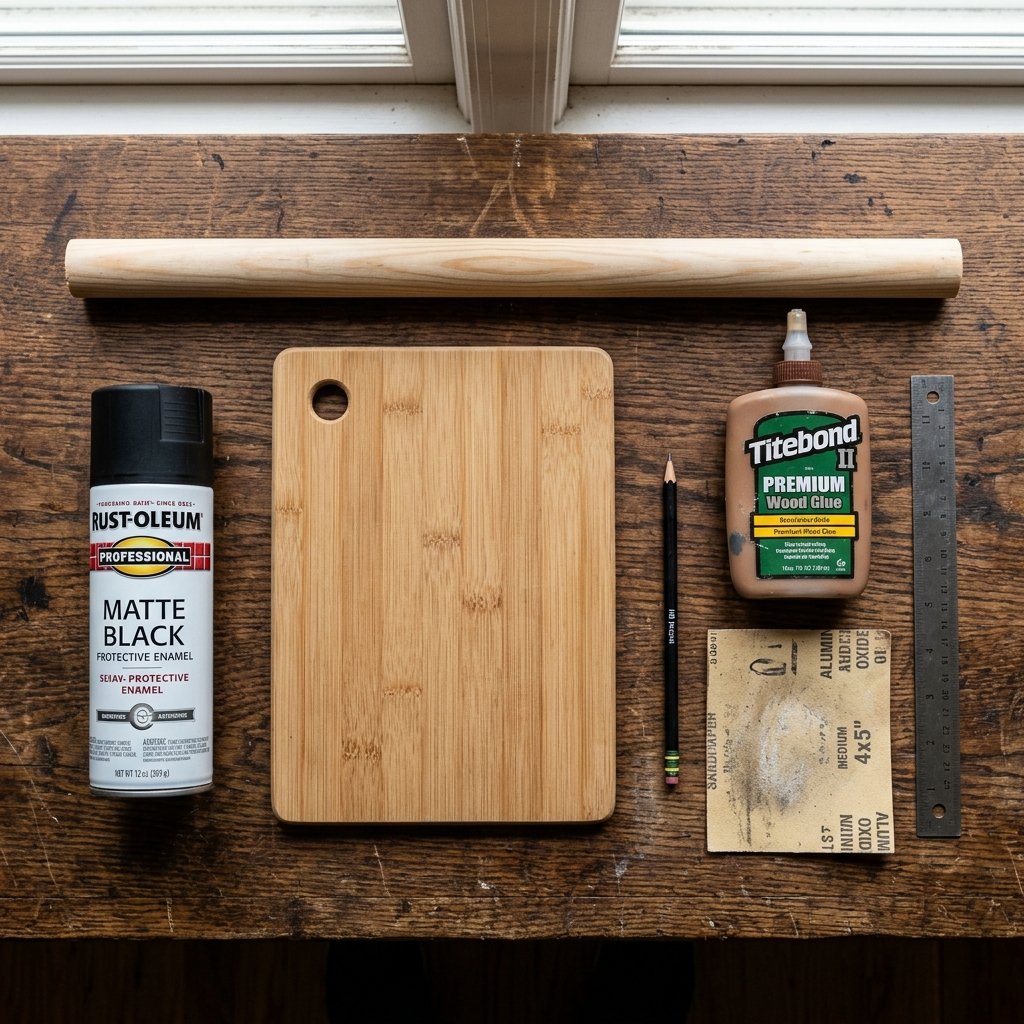
Before we dive into the construction, we must gather our supplies. The beauty of this project lies in its accessibility. Most of these items are readily available at discount stores or already hiding in your junk drawer. We are looking for structural integrity and visual appeal. For the base, we will use a small bamboo cutting board, which provides the necessary weight and surface area. For the center post, we will repurpose a bamboo candle pillar or a set of thick bamboo stakes.
Materials Needed & Estimated Cost
| Item | Source | Estimated Cost |
|---|---|---|
| Bamboo Small Cutting Board | Dollar Tree | $1.25 |
| Bamboo Dowel or Candle Pillar | Dollar Tree / Scrap Wood | $1.25 |
| Wood Glue (E6000 or Gorilla Glue) | Hardware Store / Stash | $0.50 |
| Matte Black Spray Paint or Wood Stain | Craft Stash | $1.00 |
| Felt Pads (for the base) | Dollar Tree | $0.25 |
| Total Project Cost | – | $4.25 |
When selecting your bamboo cutting board, look for one with a consistent grain and no deep gouges. Since we will be staining or painting this, the original color doesn’t matter as much as the smoothness of the surface. For the center post, if you cannot find a thick bamboo dowel, you can bundle three thinner bamboo stakes together and wrap them in twine for a more rugged, industrial farmhouse look.
Prepping the Foundation: Sanding and Shaping
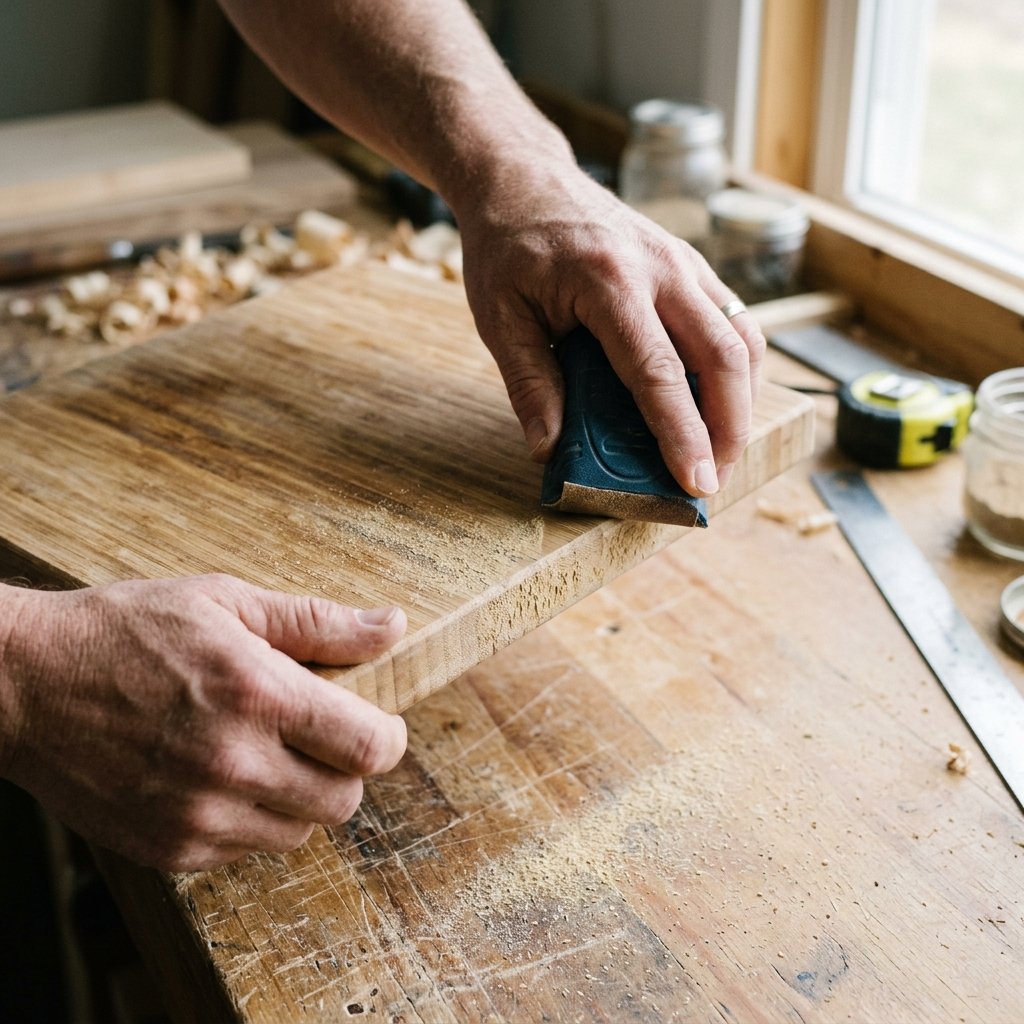
The secret to a high-end dupe is in the finish. If you leave the bamboo in its raw, ‘dollar store’ state, it will look exactly like what it is. To elevate the piece, we must focus on the texture. Bamboo cutting boards often come with a light food-grade oil coating that can repel glue and stain. Therefore, our first step is a thorough sanding.
“The difference between a craft project and a custom furniture piece is about 20 minutes of sanding. Never skip the prep if you want the ‘Pottery Barn’ look.”
Use a 120-grit sandpaper to strip away the top layer of the bamboo board and the dowel. This opens up the pores of the wood, allowing our adhesive and stain to penetrate deeply. Focus specifically on the edges of the cutting board. Many budget boards have sharp, unfinished edges; rounding these out slightly gives the base a more expensive, custom-molded appearance. Once sanded, wipe the pieces down with a tack cloth or a slightly damp microfiber towel to ensure no dust remains. Any leftover debris will create bumps in your final finish, ruining the sleek aesthetic we are aiming for.
The Assembly: Building for Durability
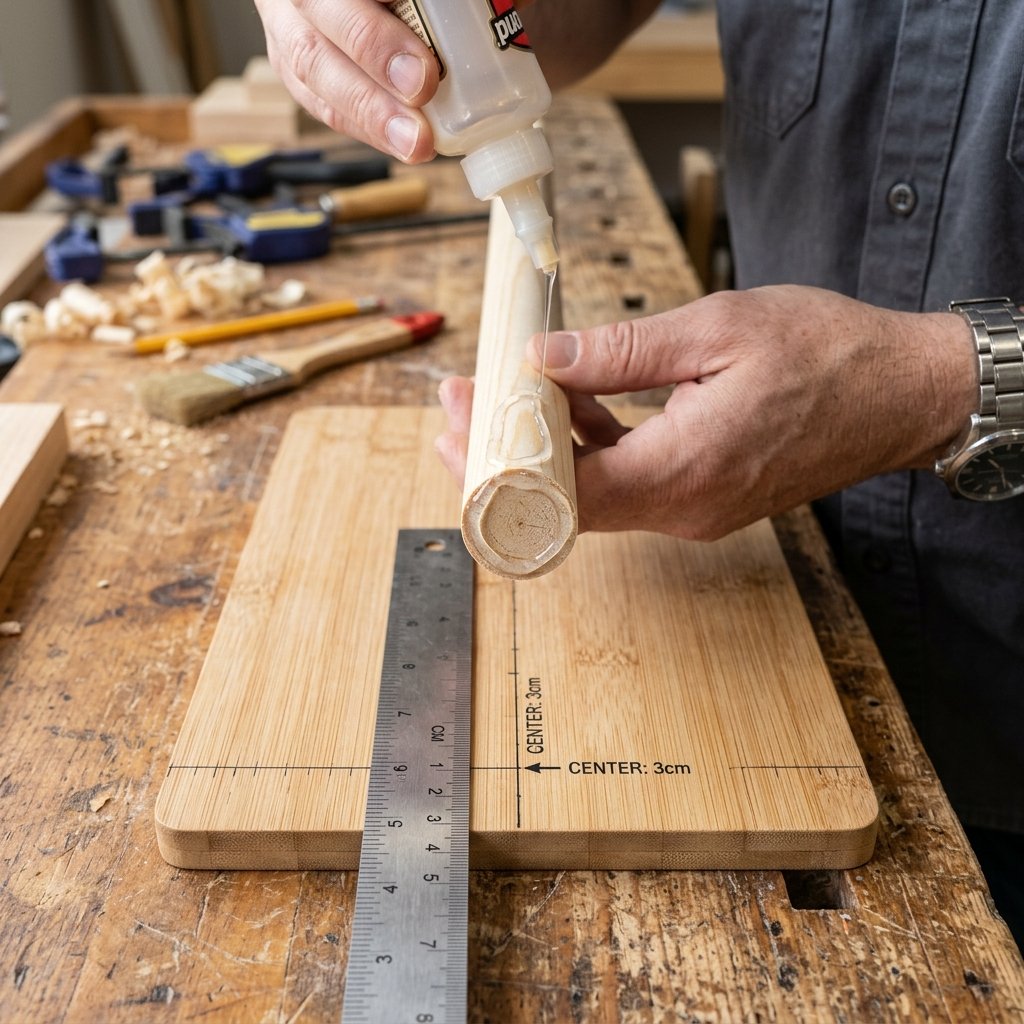
A paper towel holder needs to be functional. There is nothing more frustrating than a holder that tips over every time you try to grab a sheet. To ensure stability, we will use a ‘double-bond’ method for the center post. This involves both wood glue for the long-term hold and a small amount of hot glue for the instant ‘tack’ while the wood glue sets.
- Find the Center: Use a ruler to mark the exact center of your bamboo cutting board. Precision is key here; an off-center post will make the whole piece look amateurish.
- Prepare the Dowel: If your dowel is too long, cut it to approximately 12 inches. This height accommodates standard and jumbo-sized paper towel rolls.
- The Glue Application: Apply a generous ring of high-strength wood glue to the bottom of the dowel. In the very center of that ring, add a small dab of hot glue.
- The Set: Press the dowel firmly onto your center mark. Hold it in place for 60 seconds. The hot glue will act as a temporary clamp, while the wood glue creates a permanent, rugged bond.
- Reinforcement (Optional): For maximum durability, you can drive a single wood screw through the bottom of the cutting board into the center of the dowel. Just be sure to countersink the screw so the base remains flat.
Let the assembly cure for at least 4 hours, though overnight is preferred. This patience ensures that your holder can withstand the daily tugging and pulling of a busy kitchen.
The High-End Finish: Staining and Detailing
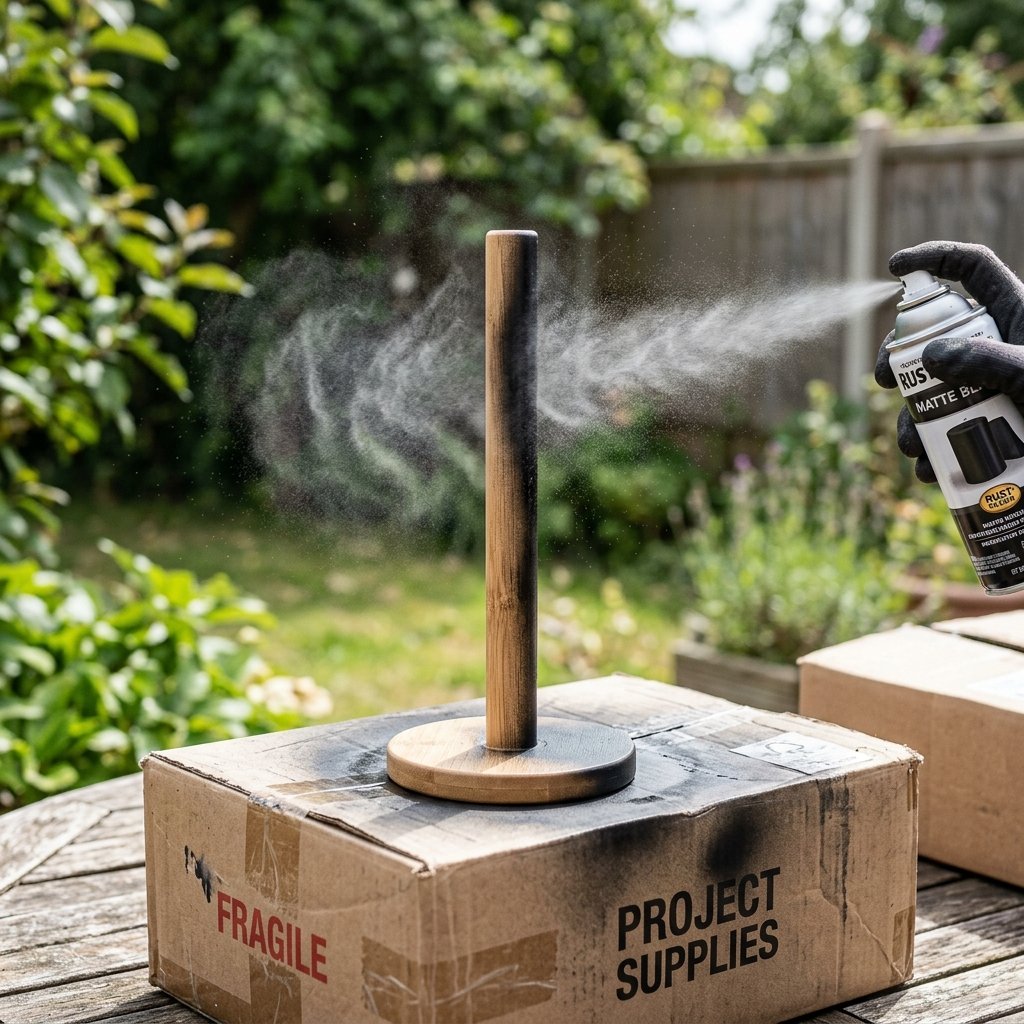
Now comes the transformation phase. To achieve that ‘Farmhouse’ or ‘Modern Industrial’ look, we have two primary options: a deep wood stain or a matte black ‘iron’ finish. Both look incredible, but they offer different vibes. A dark walnut stain highlights the bamboo’s natural beauty, while matte black provides a sharp, masculine-elegant contrast against white paper towels.
Finish Comparison: Stain vs. Paint
| Finish Type | Aesthetic Goal | Drying Time |
|---|---|---|
| Dark Walnut Stain | Rustic, Traditional Farmhouse | 8-12 Hours |
| Matte Black Paint | Modern, Industrial, Rugged | 1-2 Hours |
| Weathered Gray Wash | Coastal, Shabby Chic | 4 Hours |
If you choose to stain, apply it with a lint-free rag, rubbing with the grain of the bamboo. Let it sit for 5 minutes before wiping away the excess. If you prefer the painted look, use a high-quality matte spray paint. Apply two thin coats rather than one thick one to avoid drips. To truly ‘dupe’ a high-end brand, consider adding a small decorative element to the top of the dowel, such as a wooden bead or a small drawer knob, painted to match. This ‘finial’ detail is what separates a DIY project from a professional home accessory.
Stability and Floor Protection
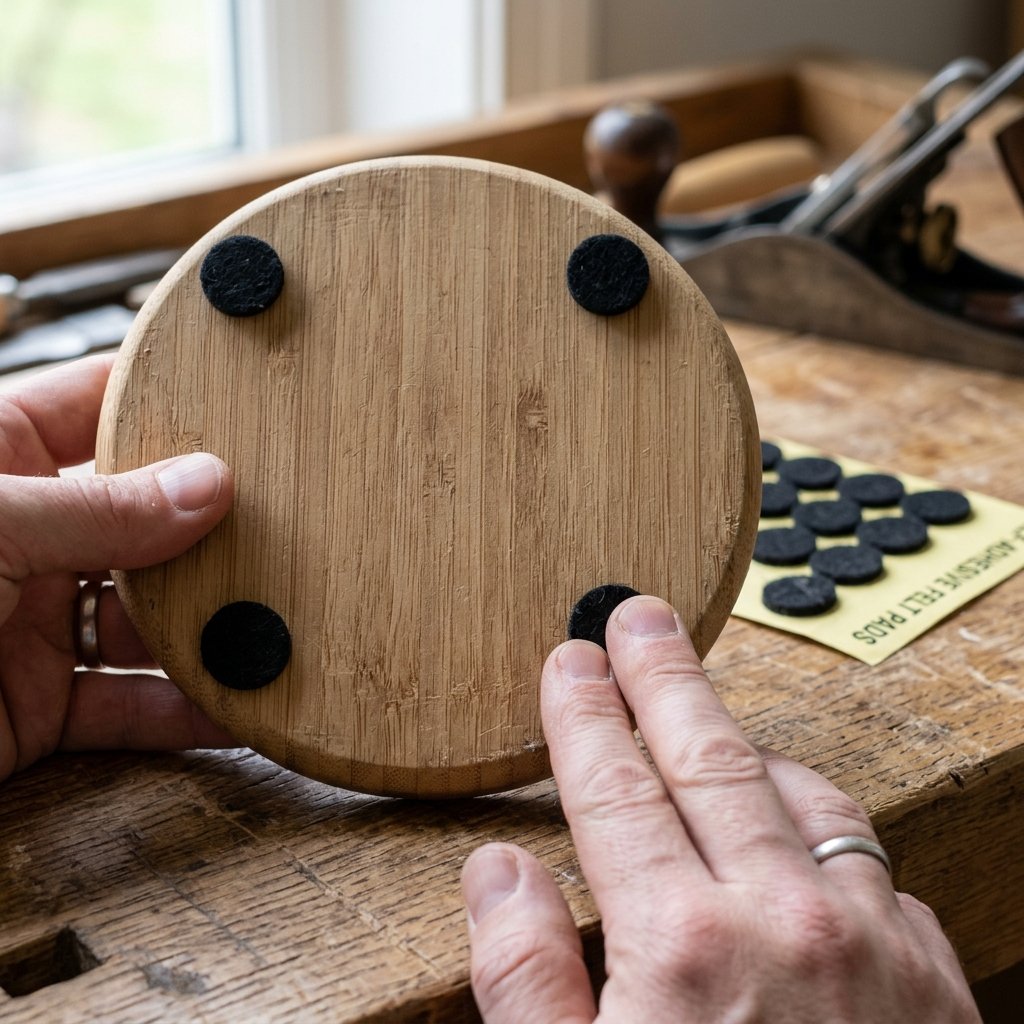
A practical crafter knows that the bottom of the project is just as important as the top. Since our base is a bamboo cutting board, it is relatively hard and could potentially scratch a delicate granite or marble countertop. Furthermore, we want to add a bit of ‘grip’ so the holder doesn’t slide around during use.
Take four small felt pads or clear rubber bumpers and apply them to the four corners of the underside of the base. This small addition provides three major benefits: protection for your surfaces, stability during one-handed paper towel tearing, and a slight elevation that prevents any spilled water on the counter from soaking into the bottom of your bamboo holder. It is these small, thoughtful touches that define the ‘Handy Parent’ approach to DIY—making items that are not just beautiful, but better than store-bought in their functionality.
“A tool is only as good as its grip, and a decor piece is only as good as its stability. Don’t let your hard work slide away.”
Styling Your Masterpiece
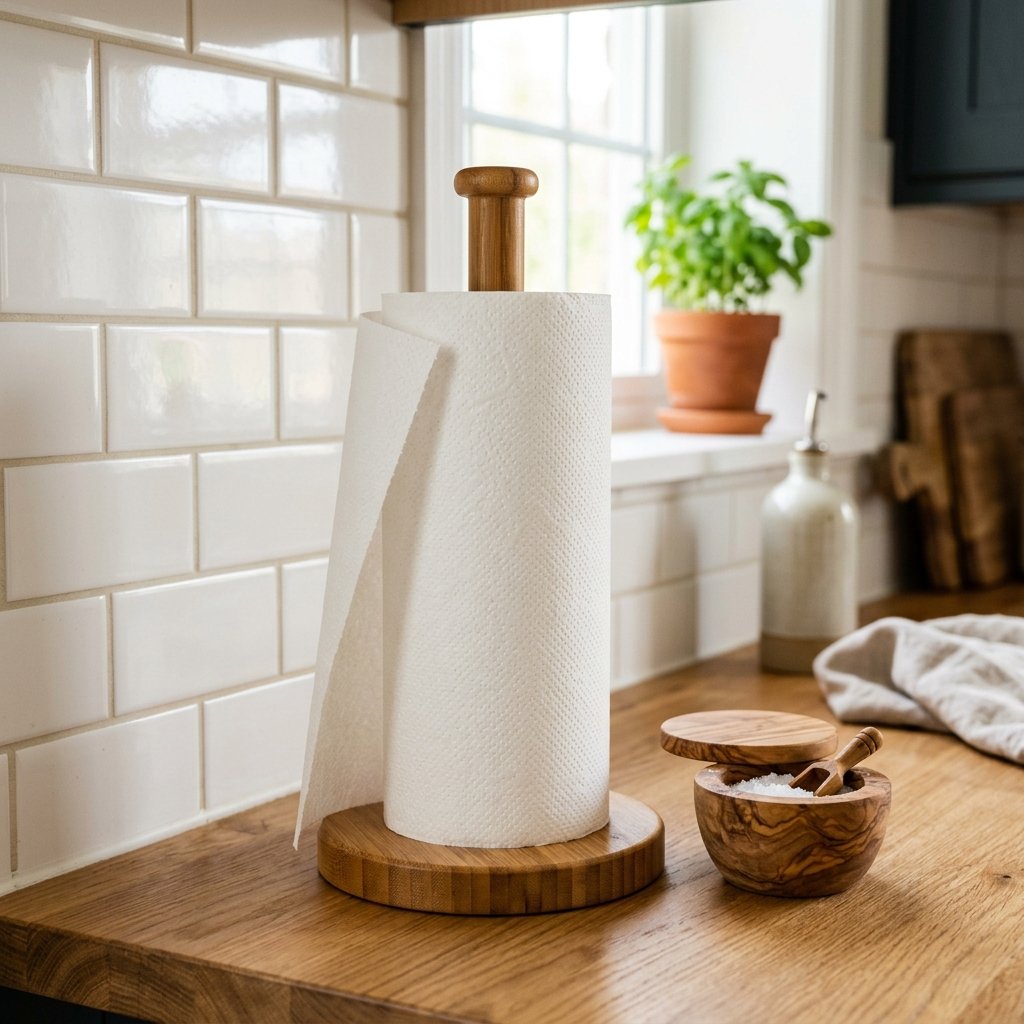
Once your DIY Dollar Tree Bamboo Paper Towel Holder is dry and fitted with its protective feet, it is time for the reveal. To truly embrace the high-end look, style it on your counter with intention. Place it near other natural textures, like a ceramic crock of wooden spoons or a potted herb. The contrast of the organic bamboo grain against the utilitarian nature of the paper towels creates a balanced, lived-in feel.
Budget Savings Comparison
| Retailer | Product Name | Price |
|---|---|---|
| Pottery Barn | Classic Wood Holder | $39.00 |
| Anthropologie | Bamboo Kitchen Stand | $44.00 |
| Target (Hearth & Hand) | Wooden Towel Holder | $19.99 |
| Our DIY Dupe | Custom Bamboo Stand | $4.25 |
By choosing to build instead of buy, you have saved over $30, which can be reinvested into your next room makeover or a nice dinner. This project proves that with a resourceful mindset and a few clever tricks, you can curate a home that looks expensive without emptying your wallet. You are now a master of the high-end dupe!
Conclusion
The Frugal Guru’s Victory
Creating a high-end home doesn’t require a high-end budget; it requires a creative eye and the willingness to see the potential in the everyday. This DIY Dollar Tree Bamboo Paper Towel Holder is a testament to the power of upcycling. We took basic, affordable materials and, through sanding, staining, and strategic assembly, transformed them into a piece of functional art. Whether you are a frugal DIYer looking to save a few bucks or a crafty gift-giver searching for a thoughtful housewarming present, this project hits all the marks: it is budget-savvy, ruggedly elegant, and immensely practical. So, the next time you walk through the aisles of a discount store, look past the price tag and see the possibilities. Happy crafting!


Makenzie is the founder and lead writer at MoneyHackTips.com — a personal finance blog dedicated to delivering street-smart financial wisdom for real people on real budgets. With 300+ published articles covering everything from debt management to investing fundamentals, Makenzie’s mission is to make every dollar work harder. When not writing about money hacks, Makenzie is testing frugal living strategies, optimizing side hustles, and helping readers build financial freedom from scratch.