
The Blue Gold in Your Closet
Every year, millions of pounds of textile waste end up in landfills, and a significant portion of that is heavy-duty denim. But to the resourceful DIYer, a pair of worn-out jeans isn’t trash—it’s blue gold. Denim is one of the most durable, versatile, and aesthetically pleasing fabrics ever created. Its unique ability to fade and weather over time gives it a character that synthetic materials simply cannot replicate. If you have a pile of jeans with blown-out knees or frayed hems, you are sitting on the raw materials for a stunning, masculine-elegant patchwork rag rug that would easily retail for $300 or more at high-end home boutiques.
In this guide, we aren’t just making a floor covering; we are engineering a heritage piece. Whether you are a budget-savvy parent looking to toughen up a playroom or a craft enthusiast wanting to add a rugged, industrial vibe to your den, this project is for you. We will take a deep dive into the ‘Trash-to-Treasure’ philosophy, showing you how to turn those scraps into a functional masterpiece using nothing but a few basic tools and a bit of ‘clever-crafty’ grit.
The Denim Triage: Sourcing and Sorting Your Scraps
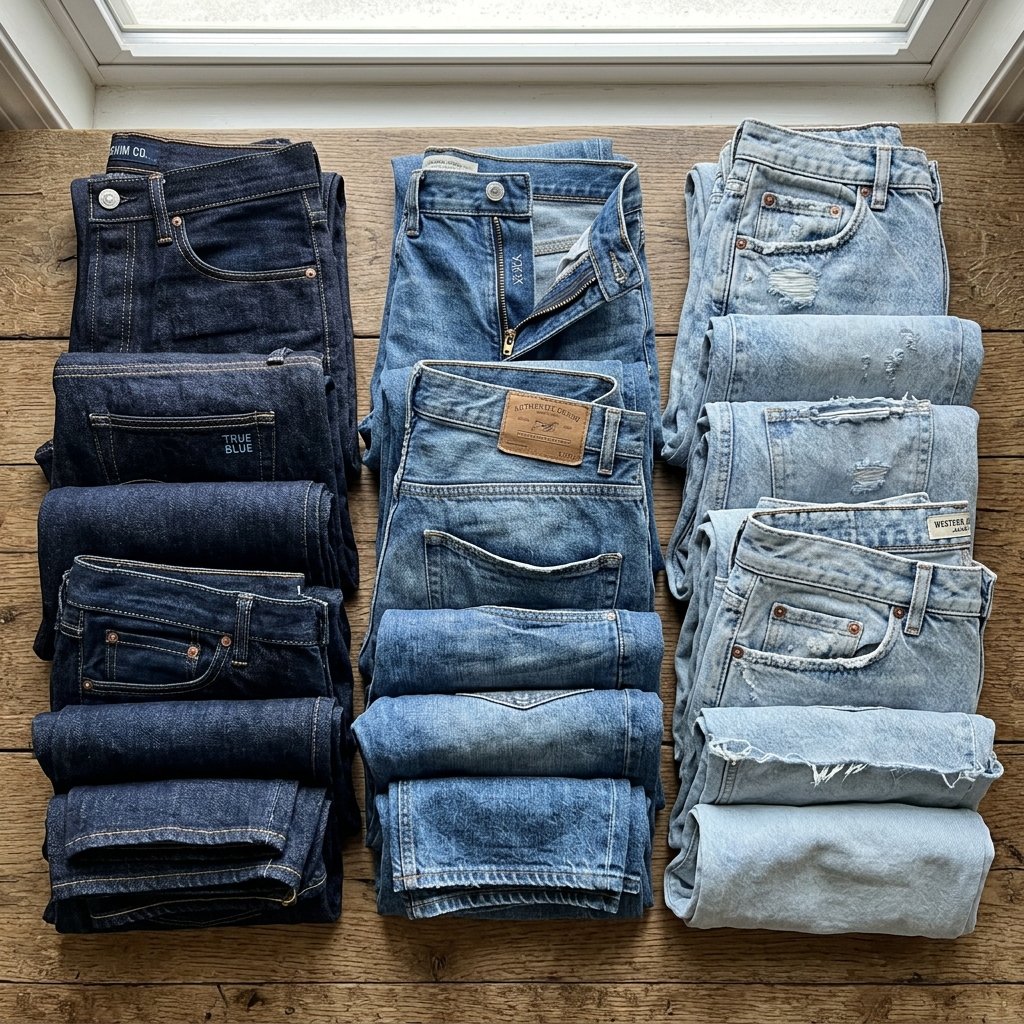
Not all denim is created equal. To build a rug that lasts a lifetime, you need to understand your materials. Before you pick up the shears, conduct a ‘Denim Triage’ to categorize your scraps by weight and wash.
- 100% Cotton Denim: This is the holy grail. It’s stiff, durable, and braids beautifully. Look for vintage Levi’s or workwear brands.
- Stretch Denim: Contains elastane (Lycra). It’s softer but can be tricky because it pulls. We will use this for the inner ‘filler’ strips to maintain flexibility.
- Selvedge Denim: If you have scraps of this, use them for the outermost border. The finished edge provides a premium, high-end look.
By sorting your scraps into light, medium, and dark washes, you can create intentional patterns—like a gradient ‘ombre’ effect or a high-contrast checkerboard—that make the rug look professionally designed rather than randomly assembled.
| Material Source | Durability Rating | Best Use Case |
|---|---|---|
| Old Work Jeans | High | High-traffic areas (Entryways) |
| Fashion Leggings (Denim-look) | Low | Decorative wall hangings |
| Denim Jackets/Vests | Medium | Textural accents and borders |
The Master Toolkit: Professional Results on a Dollar Tree Budget
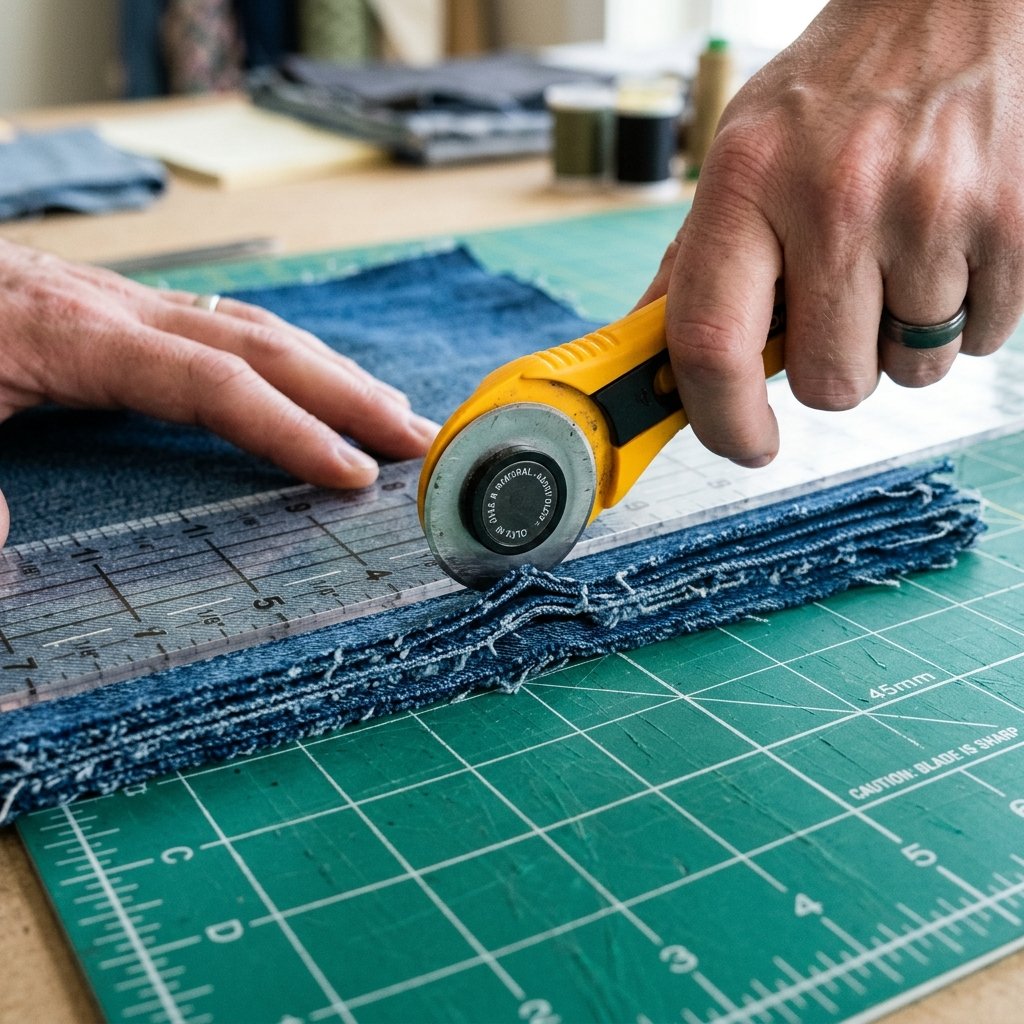
You don’t need a $500 sewing machine to make a professional-grade rug. In fact, many of the best rag rugs are made using ‘slow-craft’ hand techniques that offer superior structural integrity. Here is your essential toolkit for this project:
- Heavy-Duty Fabric Shears: Essential for cutting through thick seams. If you’re on a budget, look for ‘industrial’ grade scissors at hardware stores; they are often cheaper and tougher than craft-store equivalents.
- Rotary Cutter and Mat: This is a ‘pro-tip’ for speed. It allows you to cut perfectly uniform 2-inch strips in seconds.
- Large Safety Pins: Used to secure the ends of your braids while you work.
- Waxed Upholstery Thread: Regular thread will snap under the tension of a heavy rug. Waxed thread is bulletproof and glides through denim like butter.
The Budget Guru’s Mantra: “Investment in the right tool today saves the cost of a replacement tomorrow. Buy it once, use it for a lifetime.”
Step-by-Step: The Continuous Strip Cutting Method
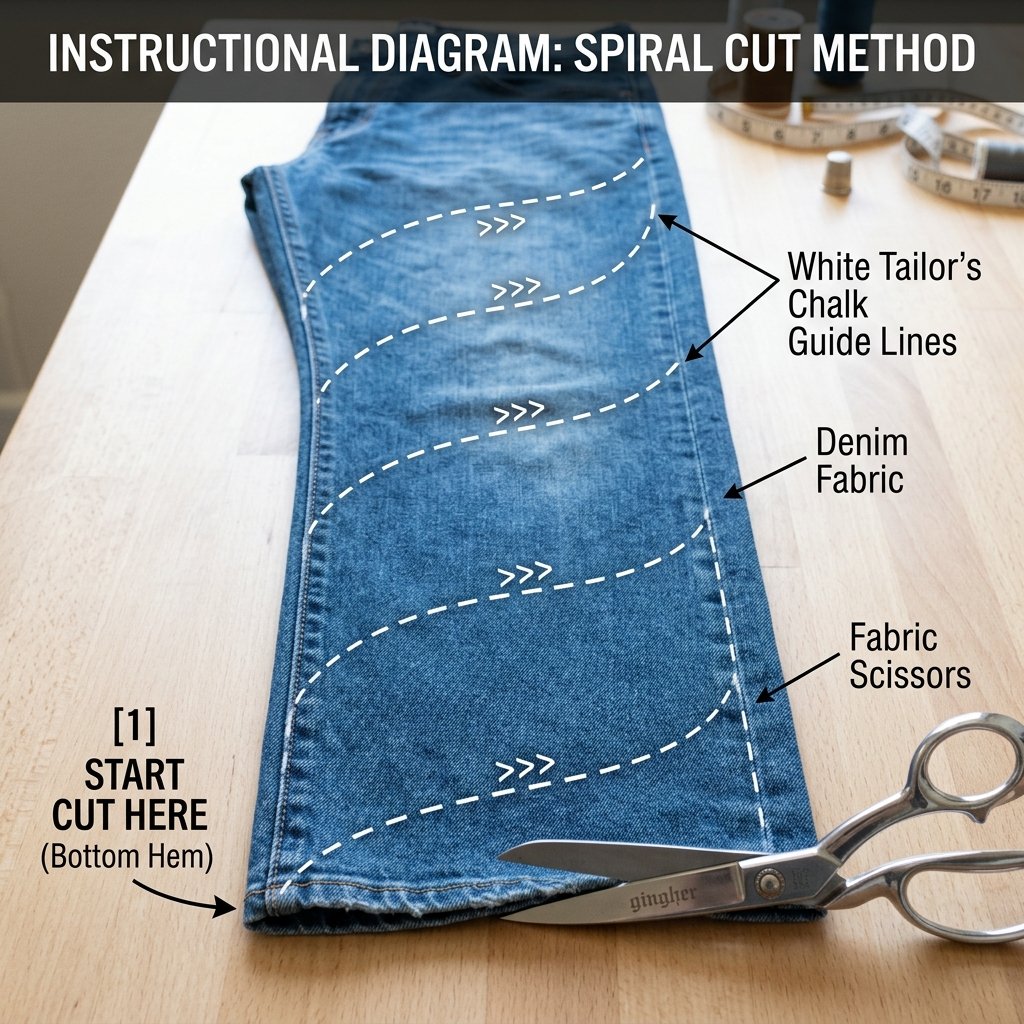
To minimize bulky knots and weak points, we use the ‘Spiral Cutting’ method. This allows you to turn a single pant leg into one long, continuous strip of denim.
- Lay the pant leg flat on your work surface.
- Cut off the bottom hem and the thick side seams (save these for smaller ‘shag’ projects!).
- Cut the leg into a large rectangle of fabric.
- Starting at one corner, cut a 2-inch wide strip, but stop 1 inch before you reach the edge.
- Turn the fabric and continue cutting in a spiral fashion toward the center.
This technique ensures you have long lengths of material, which makes the braiding process much smoother. Pro Tip: Aim for strips that are approximately the same thickness. If you have a very thin denim, cut the strip 3 inches wide; for heavy work denim, 1.5 inches is sufficient.
| Denim Weight | Recommended Strip Width | Estimated Length per Pant Leg |
|---|---|---|
| Lightweight (8oz) | 3.0 Inches | 12-15 Feet |
| Standard (12oz) | 2.0 Inches | 10-12 Feet |
| Heavyweight (14oz+) | 1.5 Inches | 8-10 Feet |
Constructing the Rug: The Triple-Strand Braid & Coil
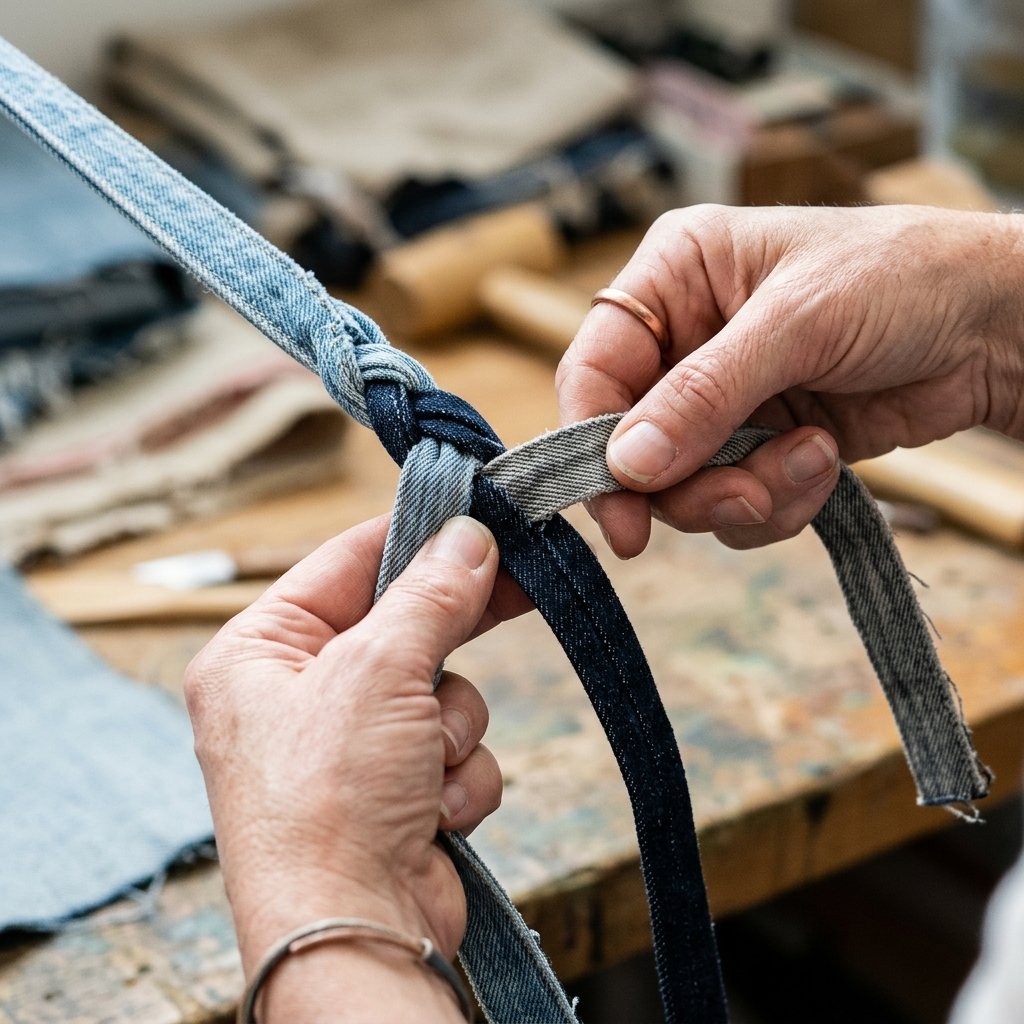
This is where the magic happens. We will use a traditional three-strand braid, which provides a rugged, thick cushion underfoot. This method is incredibly forgiving and hides imperfections perfectly.
1. The Initial Braid
Take three strips of denim. Secure the tops with a heavy safety pin or a quick stitch. Begin a standard braid, keeping the tension firm but not tight. As you reach the end of a strip, simply overlap a new strip by 2 inches and secure it with a small ‘hidden’ stitch or a dab of fabric glue.
2. The Coiling Process
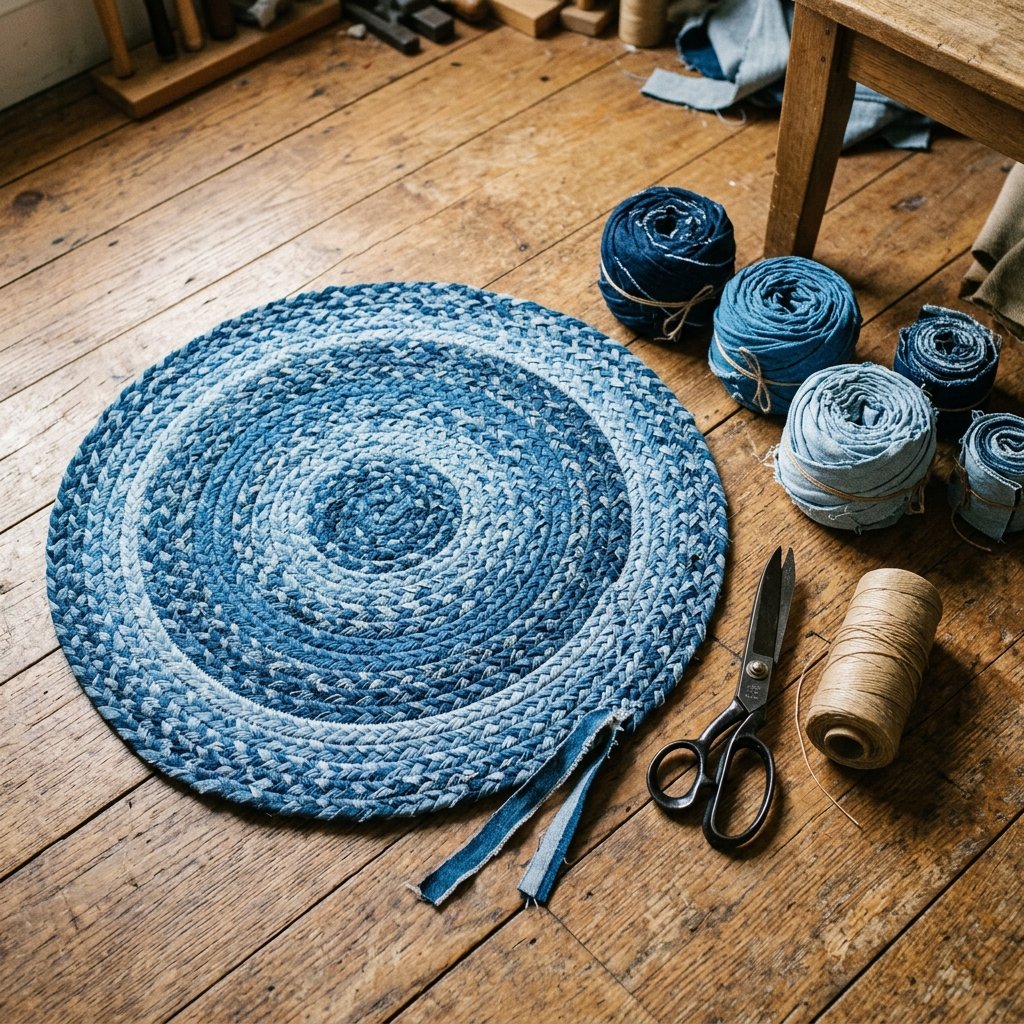
Once you have about 5 feet of braid, start coiling it into a circle or oval on a flat surface. This is the ‘foundation’ of your rug. Use your waxed thread and a large needle to ‘lace’ the edges of the braid together.
Folding Step: To ensure no raw edges show, fold the sides of each denim strip inward to the center before braiding. This creates a ‘double-fold’ effect that makes the rug look incredibly polished and prevents fraying over time.
As you coil, ensure the rug stays perfectly flat on the floor. If you pull the thread too tight, the rug will begin to ‘bowl’ (cup upwards). If it’s too loose, it will ripple. Keep it flat, keep it steady.
Design Strategy: Creating a High-End ‘Store-Bought’ Look
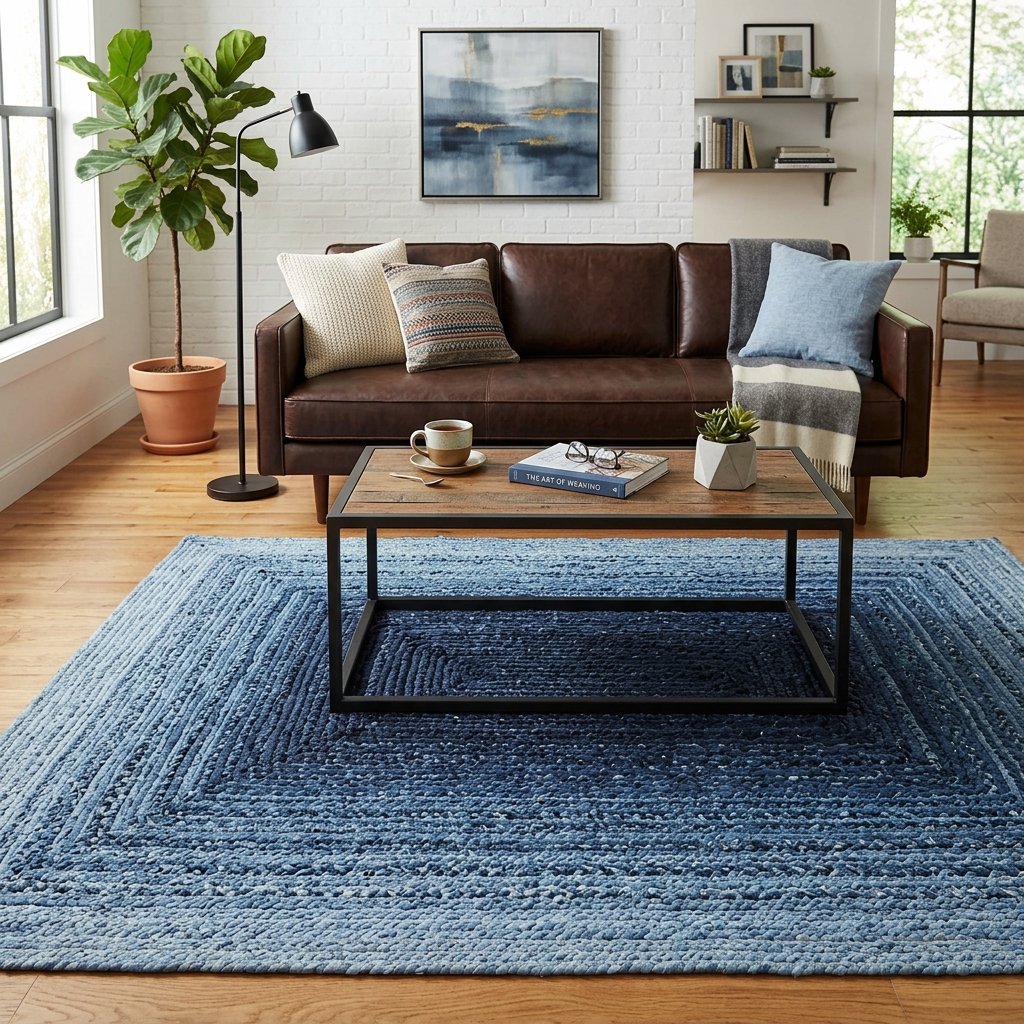
A common mistake in upcycling is making the item look ‘too homemade.’ To achieve a masculine-elegant aesthetic, we need to be intentional with our color palette. Instead of a random mix, try these ‘Designer Dupe’ patterns:
- The Indigo Gradient: Start with the darkest denim in the center and gradually transition to lighter washes as you move toward the outer edge. This creates a ‘sunburst’ effect.
- The Pinstripe: Use two strands of dark denim and one strand of bleached white denim throughout the entire rug. This creates a sophisticated, speckled look similar to expensive wool rugs.
- The ‘Border’ Technique: Use a mix of scraps for the main body of the rug, but finish the last three outer coils with identical, dark navy denim strips for a clean, framed finish.
| Design Style | Material Needed | Vibe |
|---|---|---|
| Industrial Raw | All dark washes, raw edges | Rugged, Workshop, Loft |
| Coastal Chic | Bleached and light blues | Bright, Airy, Modern |
| Heritage Patchwork | Multi-color, heavy textures | Cozy, Cabin, Traditional |
Finishing and Maintenance: Making it Bulletproof
Once your rug has reached your desired size (a 3-foot diameter rug usually requires about 8-10 pairs of jeans), it’s time to finish the edge. Taper the ends of your three denim strips so they gradually get thinner, then tuck the final tail under the previous coil and sew it down firmly with multiple passes of waxed thread.
How to Clean Your Denim Masterpiece
Denim is heavy, and a rug made of it will be even heavier. For regular maintenance, a simple vacuuming with the brush attachment is sufficient. For a deep clean:
- Spot Clean: Use a mixture of mild detergent and water for small spills.
- The Bathtub Soak: If the rug is too large for a washing machine, soak it in a bathtub with cool water and a bit of vinegar to preserve the indigo dye.
- Air Dry ONLY: Never put a heavy denim rug in the dryer. The weight can damage the machine’s drum, and the heat may cause uneven shrinking. Lay it flat in the sun to dry—this also gives it a fresh, outdoor scent.
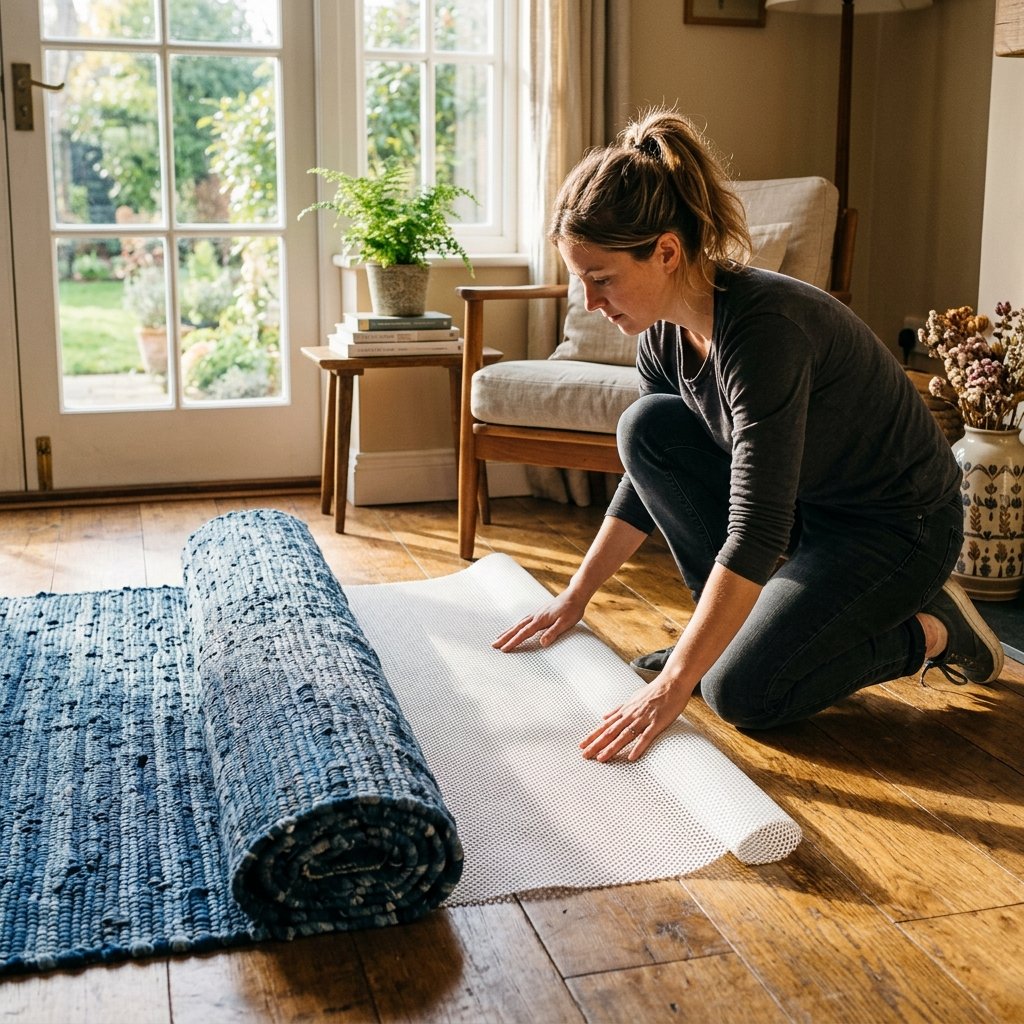
Safety First: Because denim rugs can be heavy and lack a rubber backing, always place a non-slip rug pad underneath to prevent sliding on hardwood or tile floors.
Conclusion
From Waste to Wow
By transforming your old denim scraps into a patchwork rag rug, you’ve done more than just save a few dollars—you’ve engaged in a centuries-old tradition of resourceful craftsmanship. You have created a piece of decor that is durable enough for a high-traffic workshop but elegant enough for a modern living room. This project proves that with a little creativity and a ‘budget-savvy’ mindset, the items we often overlook can become our most prized possessions.
So, the next time you see a pair of jeans destined for the bin, remember: that’s not trash. That’s the foundation of your next handmade masterpiece. Grab your shears, start your ‘Denim Triage,’ and build something that lasts.


Makenzie is the founder and lead writer at MoneyHackTips.com — a personal finance blog dedicated to delivering street-smart financial wisdom for real people on real budgets. With 300+ published articles covering everything from debt management to investing fundamentals, Makenzie’s mission is to make every dollar work harder. When not writing about money hacks, Makenzie is testing frugal living strategies, optimizing side hustles, and helping readers build financial freedom from scratch.