


Welcome to the Golden Age of Reselling
Hey there, frugal hackers! If you have ever walked through a thrift store, spotted a dusty mid-century lamp, and thought, ‘I bet that is worth a fortune,’ then you are already thinking like a thrift flipper. Thrift flipping is the ultimate side hustle for the modern frugal enthusiast. It combines the thrill of the hunt with the creative satisfaction of restoration and the sweet, sweet reward of a $500 profit margin. In this guide, we are going to break down exactly how you can turn those ‘dated’ consignment finds into cold, hard cash. Whether you are looking to pay off debt, save for a vacation, or eventually quit your 9-to-5, thrift flipping is a scalable, sustainable, and incredibly fun way to reach your financial goals. Let us dive into the world of high-margin flipping and turn your local Goodwill into your personal gold mine!
The Scouting Strategy: Where the Profits Hide

Finding the Diamond in the Rough
Success in thrift flipping is 80% sourcing. You cannot flip what you cannot find! To be a pro, you need to look beyond the clutter. Focus on high-quality materials: solid wood, real leather, vintage denim, and designer labels. Avoid the fast-fashion racks and head straight for the ‘vintage’ or ’boutique’ sections, but do not sleep on the ‘as-is’ bins where the real steals live.
Top Sourcing Locations
- Thrift Stores (Goodwill, Salvation Army): The bread and butter of flipping. Go on ‘tag sale’ days to save an extra 50%.
- Estate Sales: Perfect for high-end furniture and collectibles. Use apps like EstateSales.net to find them.
- Facebook Marketplace: Look for ‘Free’ or ‘Moving Must Go’ listings.
- Garage Sales: The best place for aggressive negotiating.
When you are out in the field, always carry a small ‘kit’ consisting of a portable charger, a measuring tape, and a smartphone with the eBay and Poshmark apps ready to check ‘Sold’ listings. This ensures you never overpay for an item that won’t sell.
The Math: Realistic Earning Potential

Crunching the Numbers
Let us talk money. Thrift flipping is not just about making a few bucks; it is about ROI (Return on Investment). You want to aim for items that offer at least a 3x return after fees and shipping. Here is a breakdown of what a typical ‘Flipping Weekend’ might look like for a beginner versus an intermediate flipper.
Profit Comparison Table
| Item Found | Purchase Price | Cleaning/Repair Cost | Sale Price | Net Profit |
|---|---|---|---|---|
| Vintage Levi 501s | $6.00 | $0.00 | $55.00 | $49.00 |
| Solid Oak Side Table | $15.00 | $10.00 | $120.00 | $95.00 |
| Designer Handbag (Authentic) | $25.00 | $5.00 | $250.00 | $220.00 |
| Mid-Century Modern Lamp | $10.00 | $2.00 | $85.00 | $73.00 |
As you can see, a single Saturday of sourcing can easily net you over $400 in profit if you know what to look for. The key is to keep your ‘buy-in’ low. Never spend $50 to make $70. That is too much risk for too little reward!
The Flip: Restoration and Presentation
Increasing Value with Sweat Equity
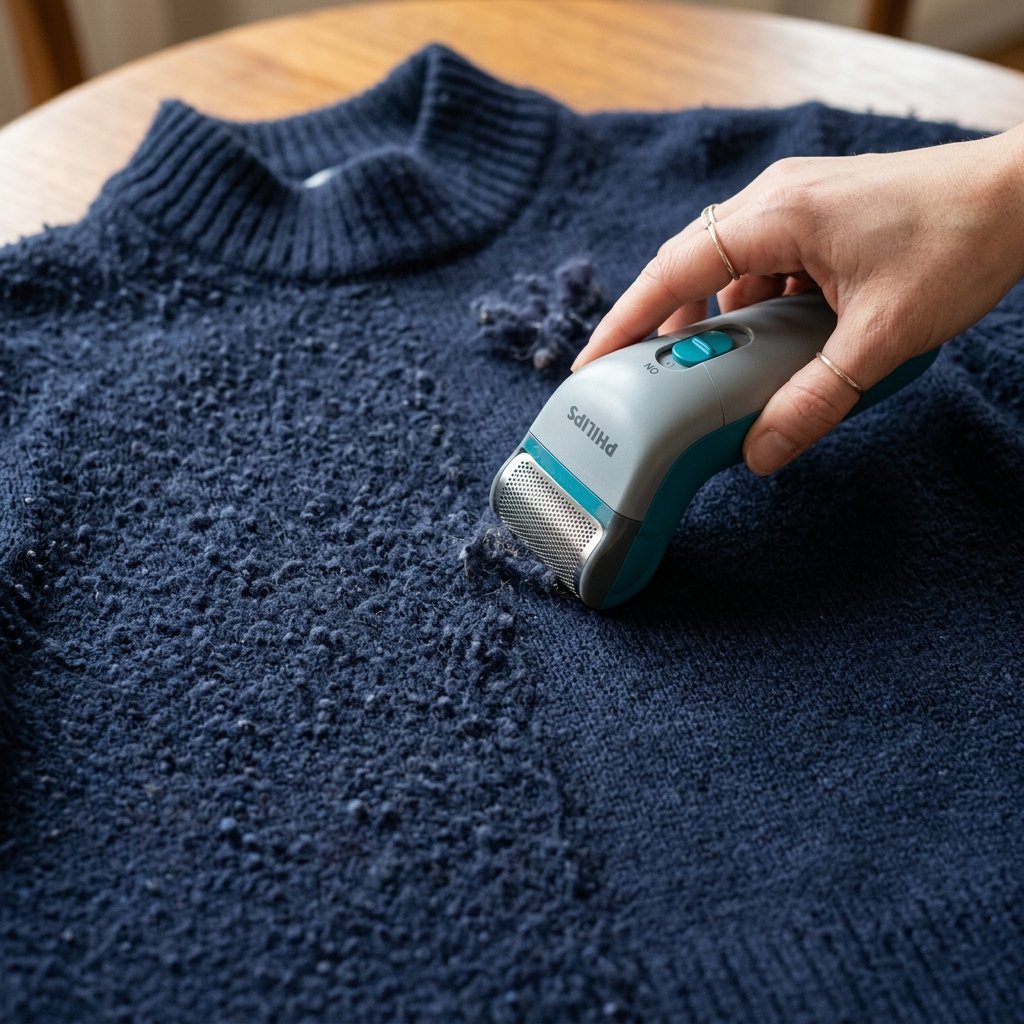
The ‘Flip’ happens when you take something that looks like junk and make it look like a boutique find. This doesn’t always require a full workshop. Sometimes, a simple ‘deep clean’ is all it takes to add $50 to the price tag.
Step-by-Step Restoration Guide
- Deep Clean: Use a high-quality leather cleaner for bags or a wood soap for furniture. For clothes, a fabric shaver is a $10 tool that can make a pilled sweater look brand new.
- Minor Repairs: Replace missing buttons, tighten loose screws on furniture, or use a ‘Tibet Almond Stick’ to hide scratches on wood.
- Staging: This is where the magic happens. Do not just take a photo of a dress on a bed. Hang it on a nice wooden hanger against a white wall with a plant nearby. Good lighting is worth $20 extra per item.
“Pro Tip: Always disclose any flaws. A small stain described honestly builds trust. A hidden stain leads to a return and a bad review!”
The Listing: Writing Scripts That Sell
Mastering the Algorithm
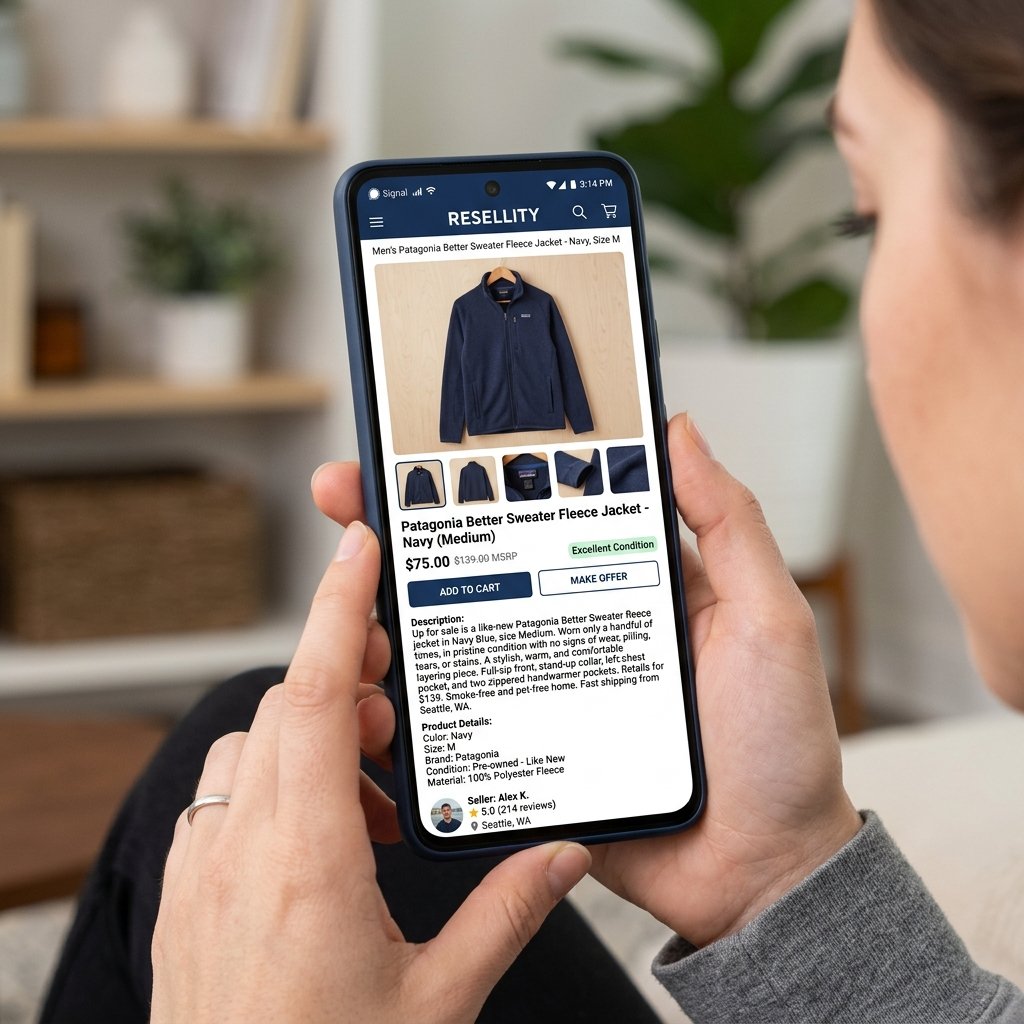
To get your items in front of buyers, you need to use the right keywords. Think like a shopper. They aren’t searching for ‘blue shirt’; they are searching for ‘Vintage 90s Oversized Navy Flannel Grunge Style.’ Your title should be a string of high-value keywords.
The Perfect Listing Script
Use this template for every item you list to save time and maintain a professional look:
“[Brand Name] [Item Name] [Size] [Color/Pattern]
Description: Stunning [Brand] piece in excellent condition. Features [Feature 1] and [Feature 2]. Perfect for [Season/Occasion].
Measurements: Pit-to-pit: [X] inches, Length: [Y] inches.
Condition: No flaws, smoke-free home. Ships next day!”
Using a consistent script helps you list items in under 5 minutes, allowing you to scale your business without burning out.
Safety First: Avoiding Scams and Red Flags

Protecting Your Profits
The world of online reselling is generally safe, but as a frugal hacker, you need to protect your bottom line from bad actors. Scammers love to target new sellers who seem eager to make a quick buck.
Scam Warning Checklist
- The ‘Off-Platform’ Request: If a buyer asks to move the conversation to WhatsApp or text, it is a scam. Keep all communication on the app.
- The Overpayment Scam: Never accept a check for ‘extra’ money with a request to send the change back to a ‘shipper.’
- The Verification Code: Never give out a Google Voice or any other verification code to a potential buyer.
“SCAM ALERT: If a buyer offers you $100 more than your asking price but asks you to buy a gift card to include in the box, block them immediately. This is a classic ‘Gift Card Scam’ that will leave you with zero dollars and no item.”
Scaling Your Hustle: From $100 to $1000
Leveling Up Your Business
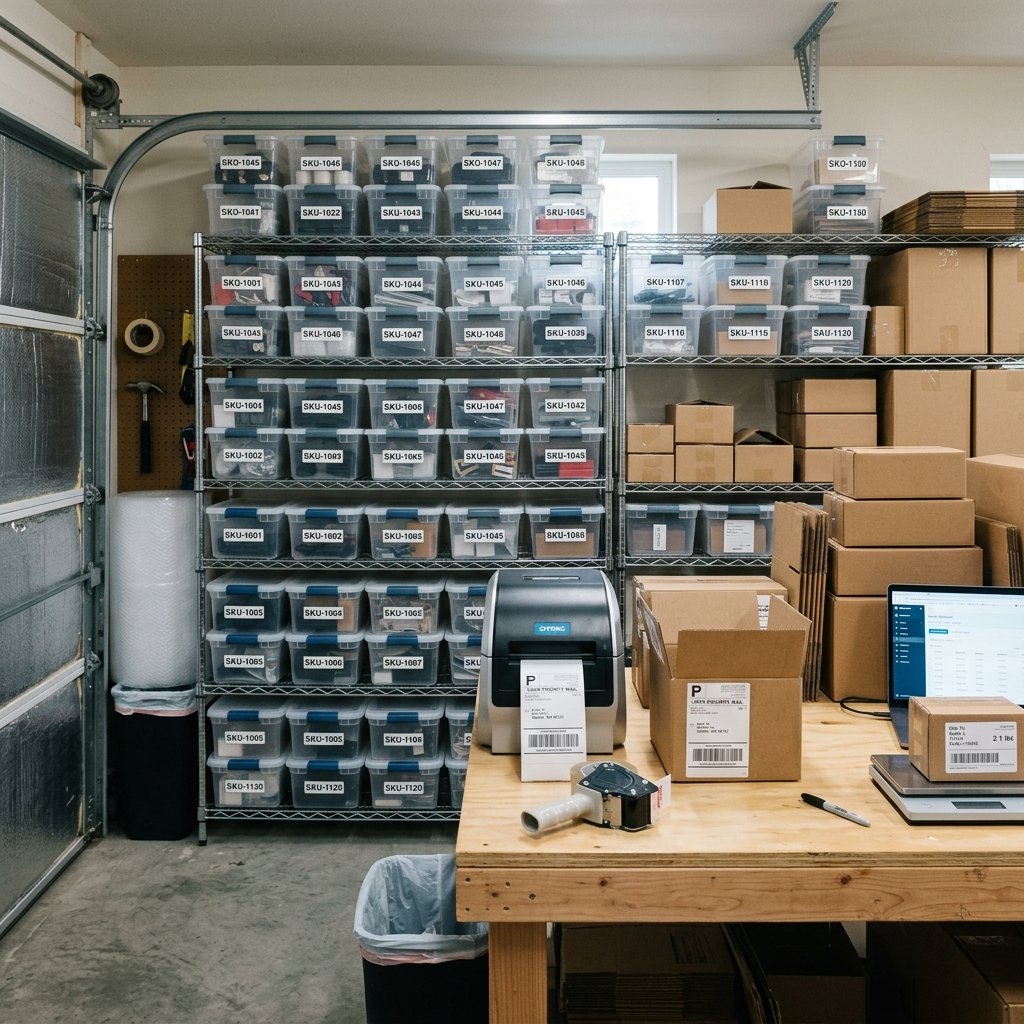
Once you have mastered the basics, it is time to scale. You cannot do everything yourself forever. To hit that $1,000/month mark, you need systems.
How to Scale Fast
- Cross-Listing Tools: Use apps like Vendoo or List Perfectly to post one item to eBay, Poshmark, and Mercari simultaneously.
- Inventory Management: Start using a SKU system (Stock Keeping Unit) to track where your items are stored so you don’t lose an hour looking for a sold shirt.
- Batching: Dedicate one day to sourcing, one day to cleaning/photos, and one day to listing. This ‘assembly line’ approach is much more efficient than doing one item at a time.
Remember, thrift flipping is a marathon, not a sprint. Start small, reinvest your profits, and watch your ‘frugal hobby’ turn into a significant income stream!
Conclusion
Ready to Flip?
Thrift flipping is more than just a way to make money; it is a way to give new life to forgotten items and keep waste out of landfills. By following the 101 steps in this guide, you are well on your way to becoming a master flipper. Start with what you have, stay consistent, and always keep your eyes peeled for that next big score. You have the tools, you have the scripts, and now you have the plan. Go out there and turn those consignment finds into cash! Happy flipping!
Disclaimer: This article is for informational and educational purposes only. I am not a financial advisor. Your earning potential depends entirely on your own effort, market conditions, and the items you source. Always follow local tax laws regarding reselling income.


Makenzie is the founder and lead writer at MoneyHackTips.com — a personal finance blog dedicated to delivering street-smart financial wisdom for real people on real budgets. With 300+ published articles covering everything from debt management to investing fundamentals, Makenzie’s mission is to make every dollar work harder. When not writing about money hacks, Makenzie is testing frugal living strategies, optimizing side hustles, and helping readers build financial freedom from scratch.