
Welcome to the World of Automated Retail
Hey there, fellow frugal hackers! If you have ever walked past a vending machine and heard the satisfying clink of coins, you have heard the sound of passive income. Most people think you need thousands of dollars to break into the vending world, but I am here to tell you that with $500 and some street-smart strategy, you can start your own mini-empire. We are talking about a business that works for you 24/7, requires no boss, and can be scaled as fast as you can find new locations. This is not a get-rich-quick scheme; it is a ‘get-smart-slow’ strategy that leverages small investments into consistent cash flow. In this guide, we are going to strip away the fluff and look at exactly how to find, place, and profit from your first machine without emptying your savings account. Whether you are looking to fund a vacation or build a retirement nest egg, the humble vending machine is one of the most accessible entry points into the world of entrepreneurship. Let’s dive into the mechanics of how to turn $500 into a recurring revenue stream.
The Frugal Hacker’s $500 Blueprint
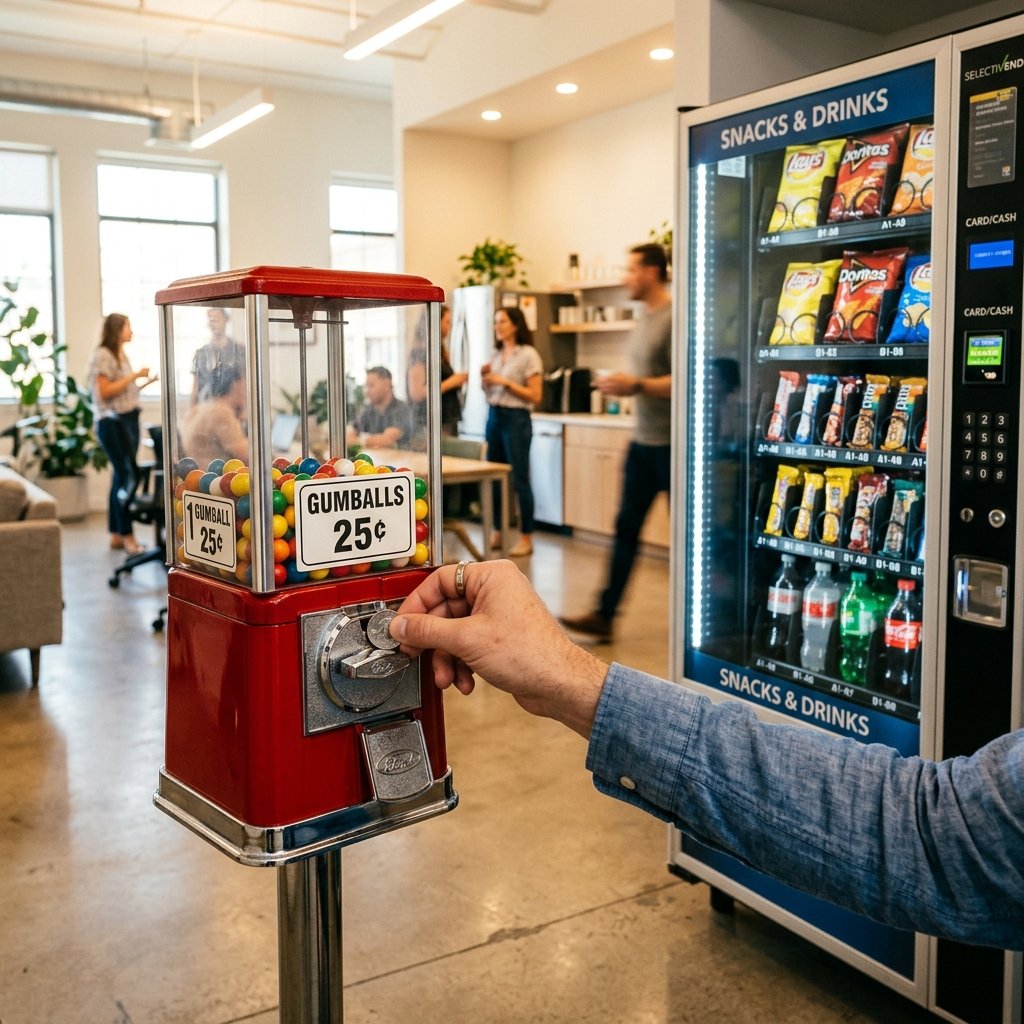
The biggest mistake beginners make is thinking they need a brand-new, high-tech machine that takes credit cards and talks to customers. Those machines cost $3,000 to $5,000. As frugal hackers, we are going to start with ‘Mechanical Bulk Vending’ or used ‘Refurbished’ machines. A double-head gumball machine or a used candy dispenser can often be found for under $100 on platforms like Facebook Marketplace or Craigslist. This leaves you with $400 for inventory, commissions, and your business license. By starting small, you minimize risk while learning the ropes of the industry.
| Expense Item | Estimated Cost |
|---|---|
| Used Double-Head Gumball Machine | $120 |
| Initial Bulk Inventory (Gum/Candy) | $60 |
| Business License & Permits | $100 |
| Location Commission (First Month Prep) | $50 |
| Cleaning Supplies & Tools | $30 |
| Emergency Maintenance Fund | $140 |
| Total Startup Cost | $500 |
Why Start with Bulk Vending?
- Low Maintenance: No electricity needed, fewer moving parts to break.
- High Margins: A handful of candy costs you pennies but sells for $0.25 or $0.50.
- Portability: You can move these machines in the trunk of a sedan.
Scouting the Golden Location: Where the Quarters Flow
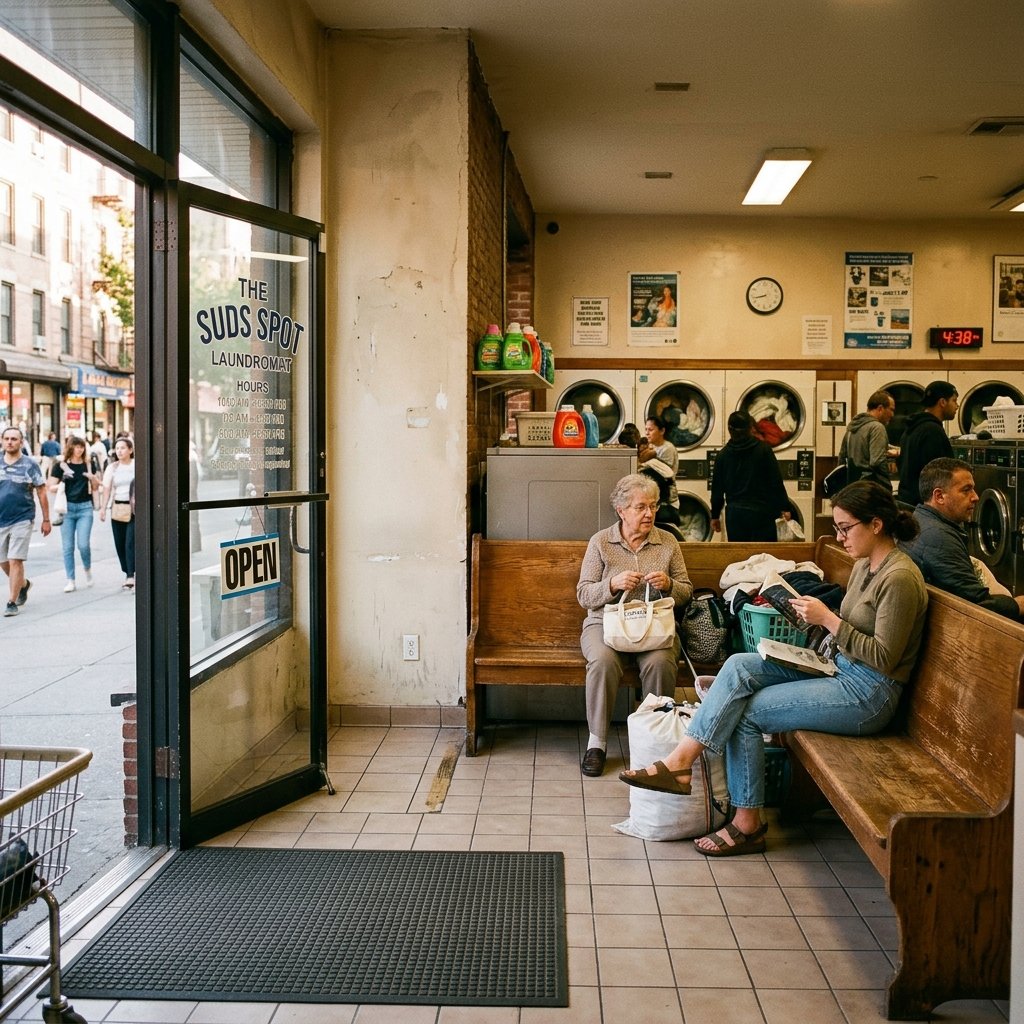
In the vending business, location is not just important—it is everything. You want ‘captive audiences’ or high-foot-traffic areas where people are waiting. Think about places where people get bored or hungry: laundromats, car repair shops, barber shops, and community centers. The goal is to find a business owner who does not already have a machine and offer them a ‘value add’ for their customers. You are not just asking for space; you are providing a service that keeps their customers happy while they wait.
The Frugal Pitch Script
When approaching a business owner, don’t be nervous. You are a local entrepreneur looking to improve their customer experience. Use this script:
“Hi, I am [Your Name], a local small business owner. I noticed your customers often spend quite a bit of time waiting here, and I would love to provide a high-quality candy or snack machine for their convenience. I handle all the maintenance, cleaning, and restocking personally. In exchange for the small space, I offer a 15% commission of the profits back to your business, or a flat monthly fee. It is a completely hands-off way for you to add a perk for your clients. Would you be open to a 30-day trial?”
Always emphasize the 30-day trial. It lowers the barrier to entry for the business owner because they know they aren’t locked into a long-term contract if they don’t like the machine.
Sourcing Inventory for Maximum Profit
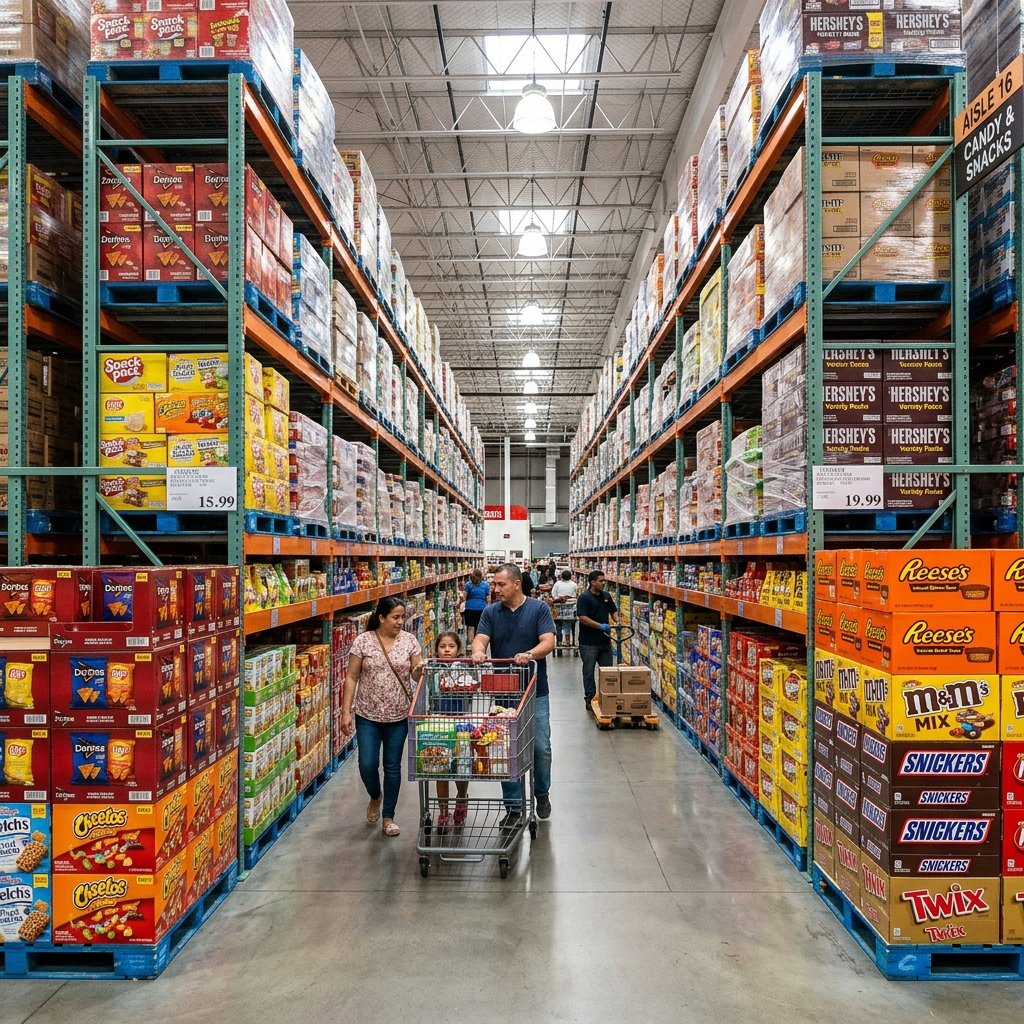
To keep your margins high, you must stop thinking like a consumer and start thinking like a wholesaler. Never buy your inventory at a convenience store. Your best friends are warehouse clubs like Costco, Sam’s Club, or online bulk wholesalers. For bulk vending, you want items with a long shelf life—think 1-inch gumballs, Mike and Ikes, or bouncy balls. Bouncy balls are a ‘secret weapon’ because they never expire and have a massive appeal to kids.
| Product Type | Cost Per Unit | Sale Price | Profit Margin |
|---|---|---|---|
| Bulk Gumballs | $0.03 | $0.25 | 88% |
| Bouncy Balls (1 inch) | $0.07 | $0.50 | 86% |
| Canned Soda (Wholesale) | $0.45 | $1.25 | 64% |
| Potato Chip Bags | $0.55 | $1.50 | 63% |
By focusing on items with at least a 60% margin, you ensure that even after paying a 15% commission to the location owner, you are still walking away with a healthy profit. Remember to track which items sell fastest and adjust your inventory accordingly. If the Mike and Ikes are flying out the door but the Runts are sitting there for months, swap them out!
The Math: Realistic Earning Potential

Let’s talk numbers. One machine will not make you rich, but it will prove the concept. A typical bulk vending machine in a decent location might bring in $30 to $100 per month. That might sound small, but remember your initial investment was only $500. If you make $50 a month in profit, you have a 100% return on your investment in just 10 months. Everything after that is pure, 100% passive income.
Scaling Your Empire
The ‘Hacker’ way to scale is to take every penny that first machine makes and put it into a ‘Machine Fund.’ Once that fund hits $150, you buy your second used machine. Now you have two machines generating cash. This is the ‘Snowball Effect’ of passive income. By the time you have 10 machines, you could be looking at $500 to $1,000 in monthly profit for just a few hours of work per week.
| Number of Machines | Monthly Revenue (Avg) | Monthly Expenses | Net Monthly Profit |
|---|---|---|---|
| 1 Machine | $75 | $25 | $50 |
| 5 Machines | $375 | $125 | $250 |
| 10 Machines | $750 | $250 | $500 |
| 20 Machines | $1,500 | $500 | $1,000 |
As you grow, you can upgrade to ‘Full-Line Vending’ (sodas and snacks), where the revenue per machine is much higher, often reaching $300 to $600 per month per machine, though the maintenance and startup costs are also higher.
Scam Alert: Don’t Fall for the ‘Business-in-a-Box’ Trap

As you start researching, you will see ads for ‘Vending Routes’ for sale. Be extremely careful. Many of these are scams or vastly overpriced. Scammers will try to sell you ‘guaranteed’ locations and low-quality machines for $10,000 or more. They often place machines in terrible locations just to make the sale, leaving you with a garage full of junk and no income.
SCAM WARNING: If a company promises you ‘guaranteed’ $5,000 a month with no work, run away. If they refuse to show you 6 months of verified tax records for an existing route, it is a red flag. Real vending success is built one machine at a time, through manual scouting and relationship building.
Always do your own ‘due diligence.’ If you are buying an existing route, sit in your car across from the location for two hours on a Tuesday and a Saturday. Count how many people actually use the machine. If the seller says it does $500 a week but you only see two people use it in four hours, the math doesn’t add up.
Maintenance and Legal Essentials
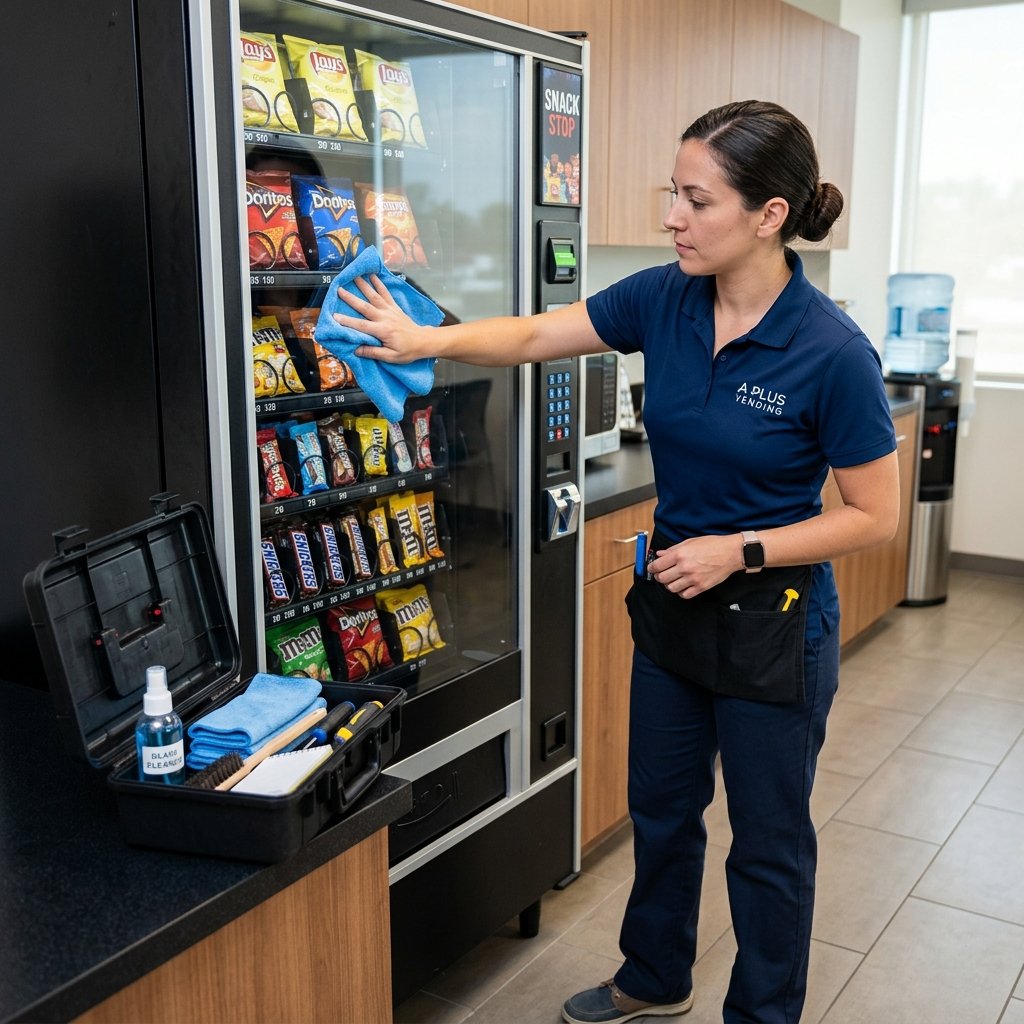
To keep your business running smoothly, you need a routine. Visit your machines at least once every two weeks. Bring a ‘Service Kit’ consisting of a microfiber cloth, food-grade sanitizer, a small vacuum for crumbs, and your replacement inventory. A clean machine sells 50% more than a dusty, sticky one. People buy with their eyes first!
The Legal Side of Quarters
- Sales Tax: Most states require you to pay sales tax on the items you sell. Keep a log of your collections.
- Insurance: Once you scale past 3 or 4 machines, look into ‘General Liability Insurance.’ It is surprisingly cheap (often around $500/year) and protects you if someone trips over your machine.
- Permits: Some cities require a specific ‘Vending Sticker’ for each machine. Check with your local clerk’s office to stay legal.
By staying organized and keeping your machines sparkling clean, you build a professional reputation that makes it easier to land even better locations in the future. Business owners talk to each other; if you are the ‘reliable vending person,’ you will get referrals!
Conclusion
Your Path to Passive Freedom
Starting a vending machine business with only $500 is one of the most practical ways to dip your toes into entrepreneurship. It teaches you about overhead, inventory management, sales, and customer service—all with a very low ‘tuition’ cost if you make a mistake. Remember, the goal is consistency. Don’t get discouraged if your first location only brings in $20 in the first month. Analyze, adjust, and keep scouting. You are building a system that rewards patience and persistence. So, go out there, find that used machine, secure your first spot, and start collecting those quarters. Your future self will thank you for the passive income stream you started today! Not a financial advisor. This content is for educational purposes only. Small business ventures involve risk; please consult with a professional for legal and tax advice.


Makenzie is the founder and lead writer at MoneyHackTips.com — a personal finance blog dedicated to delivering street-smart financial wisdom for real people on real budgets. With 300+ published articles covering everything from debt management to investing fundamentals, Makenzie’s mission is to make every dollar work harder. When not writing about money hacks, Makenzie is testing frugal living strategies, optimizing side hustles, and helping readers build financial freedom from scratch.