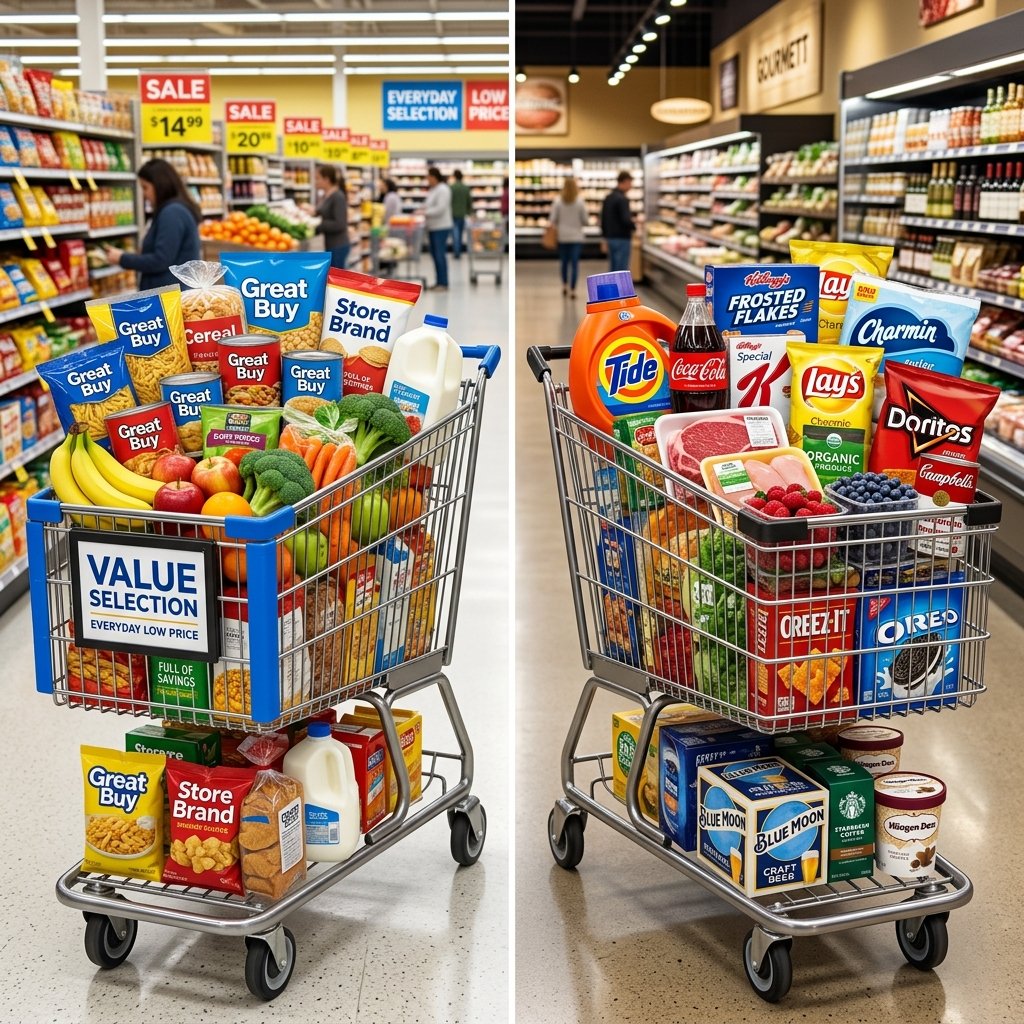

Hey there, fellow frugal hackers! Welcome back to your ultimate guide for keeping more of your hard-earned cash right where it belongs: in your wallet. Today, we are having a real talk about the biggest, most socially accepted scam in the entire supermarket: the ‘Brand Tax.’
Have you ever walked down the cereal aisle, looked at a box of name-brand oats, and then looked at the store-brand version sitting right next to it for half the price? If you’ve ever hesitated to grab the cheaper box because you thought it might taste like cardboard, you are not alone. Supermarkets and massive food conglomerates spend billions of dollars on advertising to convince you that their specific logo means better quality, better taste, and a happier family. But here is the street-smart truth: they are playing you.
We are going to dive deep into the secret world of grocery manufacturing and expose the 20 generic swaps that taste exactly the same as the name brands. By the end of this guide, you’ll have the exact blueprint to slash your grocery bill, optimize your pantry, and start saving serious money every single month. Grab your shopping list, and let’s get hacking!
The Hack: The Secret World of Store Brands
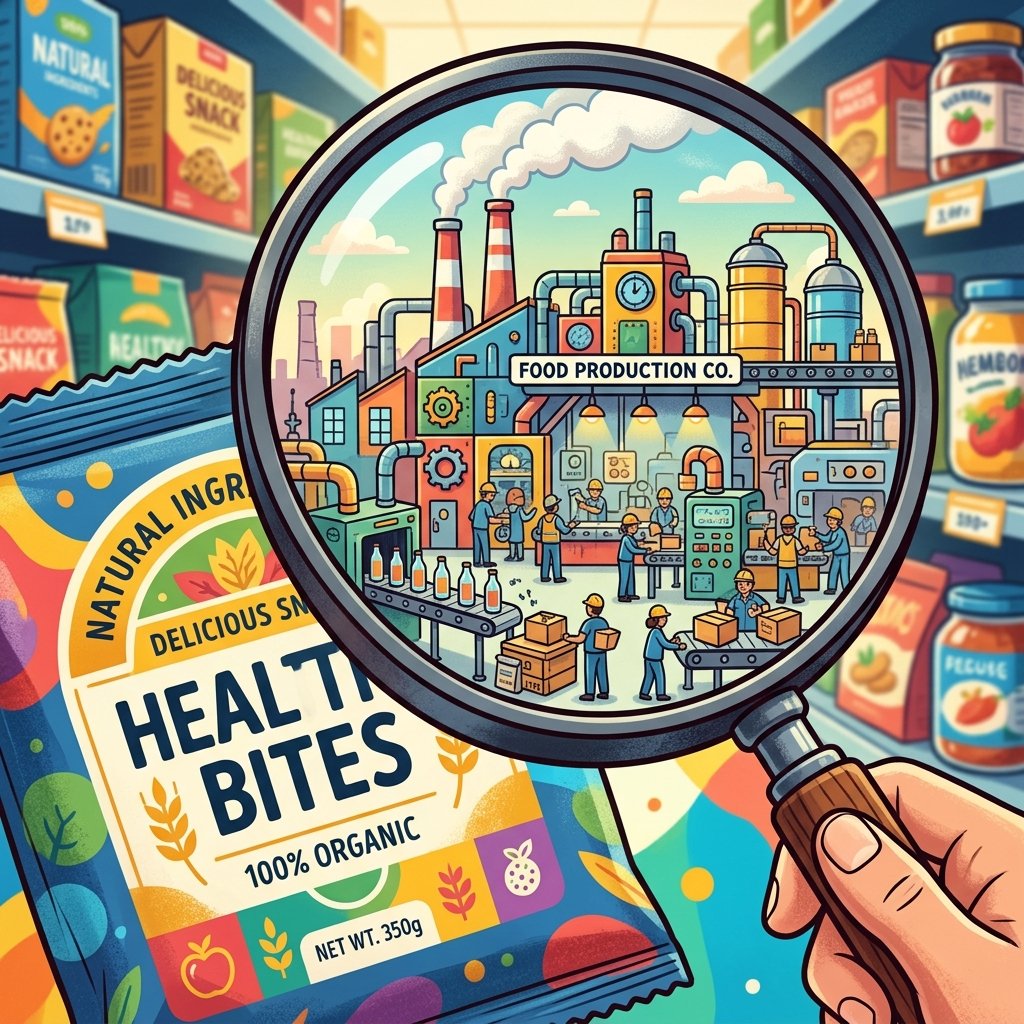
Before we get into the exact swaps, you need to understand why generic brands taste exactly the same as name brands. It all comes down to an industry secret called ‘co-packing’ or ‘white-labeling.’
Here is the reality: supermarkets like Walmart, Target, Aldi, and Kroger do not own massive farms or dedicated factories for every single item they sell. Instead, they contract the exact same manufacturing plants that produce the big name-brand items to run a batch of food and simply slap a different label on the box. That’s right—the generic item and the name-brand item often roll off the exact same assembly line, on the exact same day, using the exact same ingredients.
Key Rule: If the ingredients list and nutritional facts are identical, you are only paying for the cardboard box and the Super Bowl commercial. Never pay for marketing!
Once you realize that food is essentially chemistry and manufacturing, the illusion of the logo disappears. Sucrose is sucrose. Rolled oats are rolled oats. The FDA has strict regulations on what can be called certain foods, meaning the generic brands have to meet the exact same quality and safety standards as the expensive guys. Now, let’s look at the specific items you need to swap today.
Breakfast & Pantry Staples (Swaps 1-7)
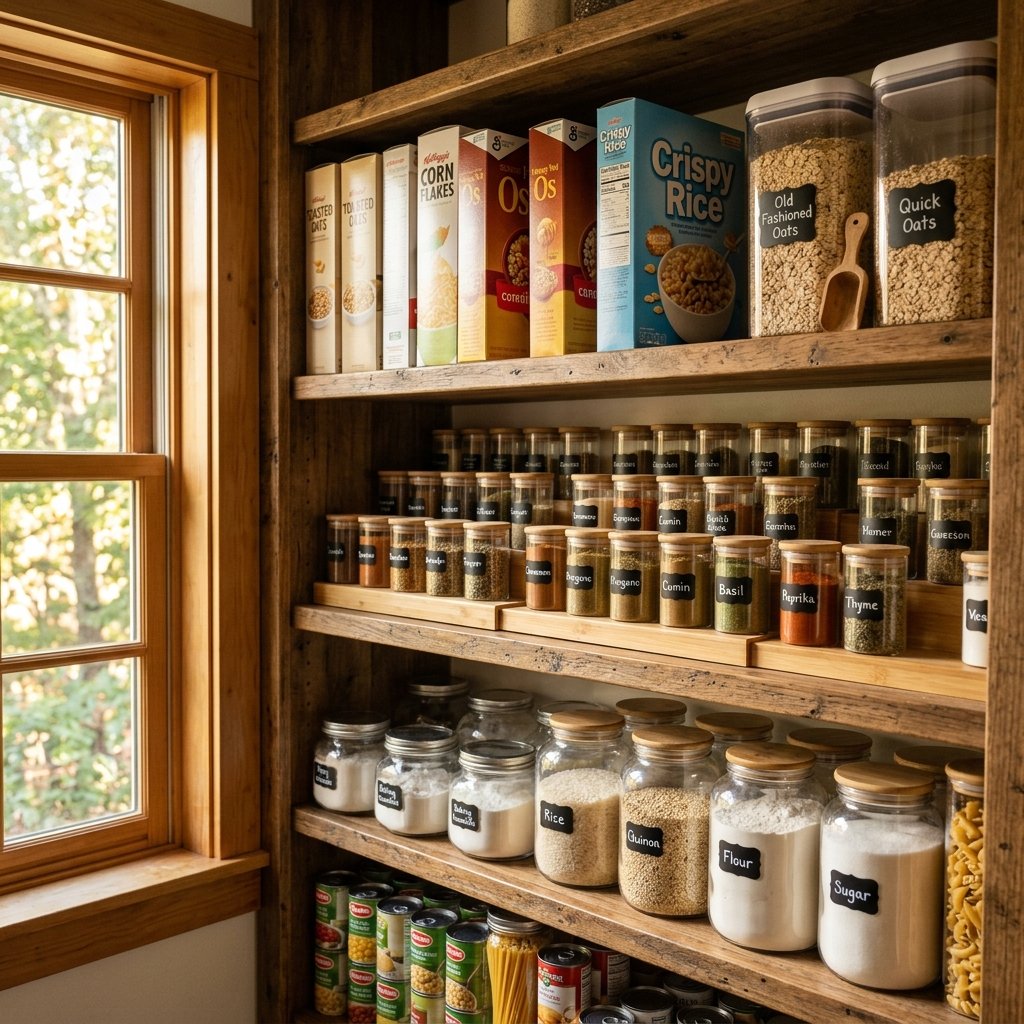
Let’s start with the most important meal of the day and the backbone of your kitchen: the pantry staples. These are items where the generic swap is an absolute no-brainer.
1. Cheerios vs. Generic Toasted Oats
General Mills makes a great toasted oat, but so does literally every store brand. Whether it’s Aldi’s Millville or Walmart’s Great Value, generic toasted oats use the exact same extrusion process for oat flour. The crunch, the slight nuttiness, and the way they hold up in milk are indistinguishable. You’ll save about $2.50 per box.
2. Quaker Oats vs. Store Brand Rolled Oats
Oats are a single-ingredient agricultural product. There is no secret recipe to a rolled oat. Quaker simply buys oats, steams them, and rolls them flat. The store brand does the exact same thing. Buying generic here is mandatory for the frugal hacker.
3. Cinnamon Toast Crunch vs. Cinnamon Squares
This is a favorite for kids and adults alike. The generic versions (like Target’s Good & Gather or Kroger’s brand) have mastered the cinnamon-sugar ratio. In blind taste tests, many people actually prefer the generic because it often has a slightly thicker crunch that doesn’t get soggy as fast.
4. Heinz Ketchup vs. Store Brand Ketchup
Ketchup is a highly debated topic, but the truth is that store-brand ketchups have perfectly reverse-engineered the Heinz flavor profile. It’s tomato concentrate, distilled vinegar, high fructose corn syrup, salt, and spices. Try the swap once, and you won’t look back.
5. McCormick Spices vs. Generic Spices
Spices are regulated commodities. Garlic powder is dehydrated, ground garlic. Period. McCormick charges a premium for their glass bottles and brand legacy. Buying generic spices (or bagging them yourself in the bulk section) can save you $3.00 to $5.00 per bottle.
6. Domino Sugar vs. Generic Cane Sugar
Sugar is pure sucrose. The chemical structure does not change because of a brand name. Generic white sugar will bake, dissolve, and taste exactly identical to Domino or any other premium brand.
7. Nutella vs. Generic Hazelnut Spread
Aldi’s Berryhill Hazelnut Spread or Walmart’s Great Value version are phenomenal. They match the creamy, chocolatey, hazelnut richness of Nutella perfectly, often with slightly less palm oil separation.
| Name Brand Item | Generic Swap | Estimated Savings |
|---|---|---|
| Cheerios (18oz) | Great Value Toasted Oats | $2.50 |
| Quaker Oats (42oz) | Store Brand Rolled Oats | $2.20 |
| McCormick Garlic Powder | Store Brand Garlic Powder | $3.15 |
| Domino Sugar (4lb) | Generic Cane Sugar | $1.50 |
Snacks & Sweets: Don’t Pay for the Logo (Swaps 8-14)
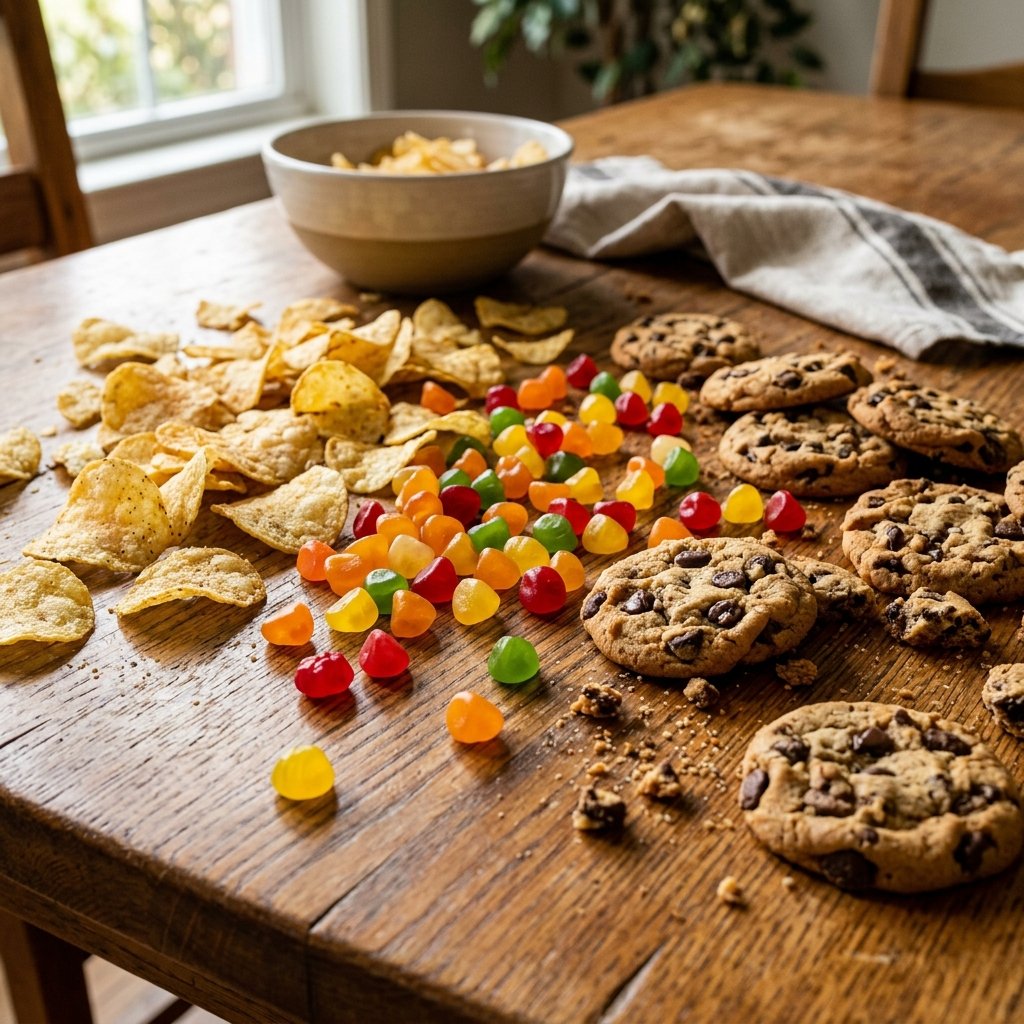
Snack foods are where the brand tax hits the hardest. Companies know we buy snacks for comfort, so they rely on nostalgia to keep us paying premium prices. Break the cycle with these swaps.
8. Doritos vs. Generic Nacho Cheese Chips
Aldi’s Clancy’s brand or Kroger’s store brand nacho chips deliver the exact same cheesy, salty, MSG-laden punch as Doritos. The dust on your fingers is just as orange, but your wallet will be much greener.
9. Oreo Cookies vs. Generic Sandwich Cookies
Walmart’s Twist & Shouts or Aldi’s Benton’s chocolate sandwich cookies are legendary in the frugal community. They have the identical cocoa-forward crunch and sweet vanilla creme center. At nearly half the price, they are a slam dunk.
10. Ritz Crackers vs. Generic Buttery Crackers
Ritz crackers are famous for their buttery, flaky texture. But store-brand buttery crackers use the same oil-spraying baking technique. They are perfect for cheese spreads or peanut butter, and you won’t taste a difference.
11. Cheez-Its vs. Cheese Baked Snack Crackers
Real cheese baked into a tiny square. The generics have caught up completely. They offer the same sharp cheddar bite and toasty finish. Save yourself $2.00 a box and make the switch.
12. Welch’s Fruit Snacks vs. Store Brand Fruit Smiles
Fruit snacks are essentially gummy candies made with fruit juice concentrate and gelatin or pectin. The store brands have the exact same chewy texture and fruity flavor profiles, perfect for school lunches.
13. Pop-Tarts vs. Generic Toaster Pastries
Whether you love Strawberry or Brown Sugar Cinnamon, generic toaster pastries frost and bake exactly like the Kellogg’s originals. They get perfectly warm and gooey in the toaster without the premium price tag.
14. Lay’s Potato Chips vs. Generic Classic Chips
A potato chip is a thinly sliced potato fried in oil and salted. Lay’s does not have a monopoly on potatoes. Store-brand classic chips are crispy, salty, and satisfying, saving you up to $1.50 per bag.
| Name Brand Item | Generic Swap | Estimated Savings |
|---|---|---|
| Doritos (9.25oz) | Clancy’s Nacho Chips | $2.10 |
| Oreo Cookies (14.3oz) | Great Value Twist & Shouts | $1.80 |
| Cheez-Its (12.4oz) | Generic Cheese Squares | $2.00 |
| Lay’s Chips (8oz) | Store Brand Classic Chips | $1.50 |
Dairy, Frozen & Beverages (Swaps 15-20)
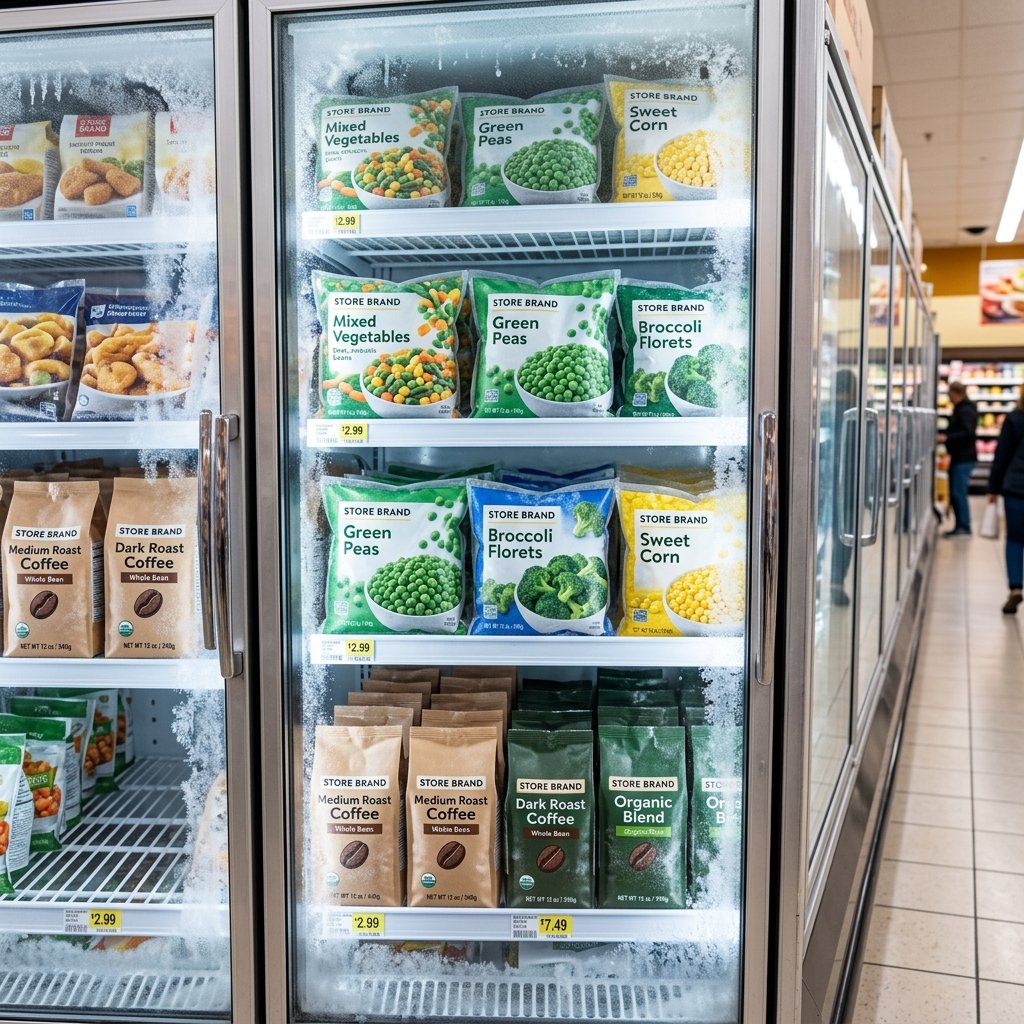
The perimeter of the grocery store is full of generic goldmines. Dairy and frozen goods are heavily regulated, meaning the quality across brands is incredibly consistent.
15. Philadelphia Cream Cheese vs. Store Brand Cream Cheese
Cream cheese is simply pasteurized milk and cream, cheese culture, salt, and stabilizers. The store brand blocks perform identically in baking cheesecakes, spreading on bagels, or making dips. You will save around $1.50 per block.
16. Tropicana Orange Juice vs. Store Brand 100% OJ
If the label says ‘100% Orange Juice, Not From Concentrate,’ it doesn’t matter whose name is on the jug. It is the exact same juice, often processed in the exact same regional facilities.
17. Birds Eye Frozen Veggies vs. Generic Frozen Veggies
Frozen vegetables are flash-frozen at the peak of ripeness. A bag of generic frozen broccoli florets or mixed vegetables is nutritionally and texturally identical to the Birds Eye or Green Giant versions.
18. Starbucks Packaged Coffee vs. Generic Premium Coffee
Stop paying $9.00 for a bag of Starbucks coffee beans. Aldi’s Barissimo line, Target’s Good & Gather, or Walmart’s premium roasts source their beans from the same global regions (Colombia, Ethiopia, Sumatra) and roast them to perfection for half the price.
19. Daisy Sour Cream vs. Store Brand Sour Cream
Cultured cream. That’s it. Store-brand sour cream delivers the exact same tangy, rich dollop for your tacos and baked potatoes as Daisy, saving you about $1.00 per tub.
20. Eggo Waffles vs. Homestyle Frozen Waffles
Generic homestyle frozen waffles crisp up in the toaster with the exact same golden-brown exterior and fluffy interior. Drown them in generic syrup, and your kids will never know the difference.
| Name Brand Item | Generic Swap | Estimated Savings |
|---|---|---|
| Philadelphia Cream Cheese | Store Brand Cream Cheese | $1.50 |
| Tropicana OJ (52oz) | Generic 100% OJ | $2.00 |
| Starbucks Coffee (12oz) | Store Brand Premium Roast | $4.00 |
| Eggo Waffles (10ct) | Generic Homestyle Waffles | $1.20 |
The Math: Calculate Your Massive Annual Savings

As a frugal hacker, you know that saving a dollar here and there might not feel like much in the moment, but the compound effect over time is staggering. Let’s break down the actual math of swapping these 20 items from name brand to generic. We aren’t talking about pennies; we are talking about real, actionable wealth that you can redirect toward your debt, your investments, or your emergency fund.
Let’s assume you buy a mix of these 20 items regularly. On average, swapping a name brand for a generic brand saves you about $1.50 to $2.00 per item. If you swap out 20 items per week, that is a savings of roughly $35.00 every single time you hit the checkout lane.
When you extrapolate those numbers, the reality of the ‘brand tax’ becomes crystal clear. You are literally funding corporate marketing budgets with your hard-earned money. By making these swaps, you reclaim that cash.
| Timeframe | Average Savings (20 Items) | What You Could Do With It |
|---|---|---|
| Weekly | $35.00 | Extra tank of gas or a pizza night. |
| Monthly | $140.00 | Pay down a credit card or utility bill. |
| Yearly | $1,680.00 | Fund a family vacation or a Roth IRA! |
Think about that. By simply choosing a different colored box that contains the exact same food, you can save nearly $1,700 a year. That is the definition of working smarter, not harder.
How to Start: The Frugal Hacker’s Grocery Toolkit
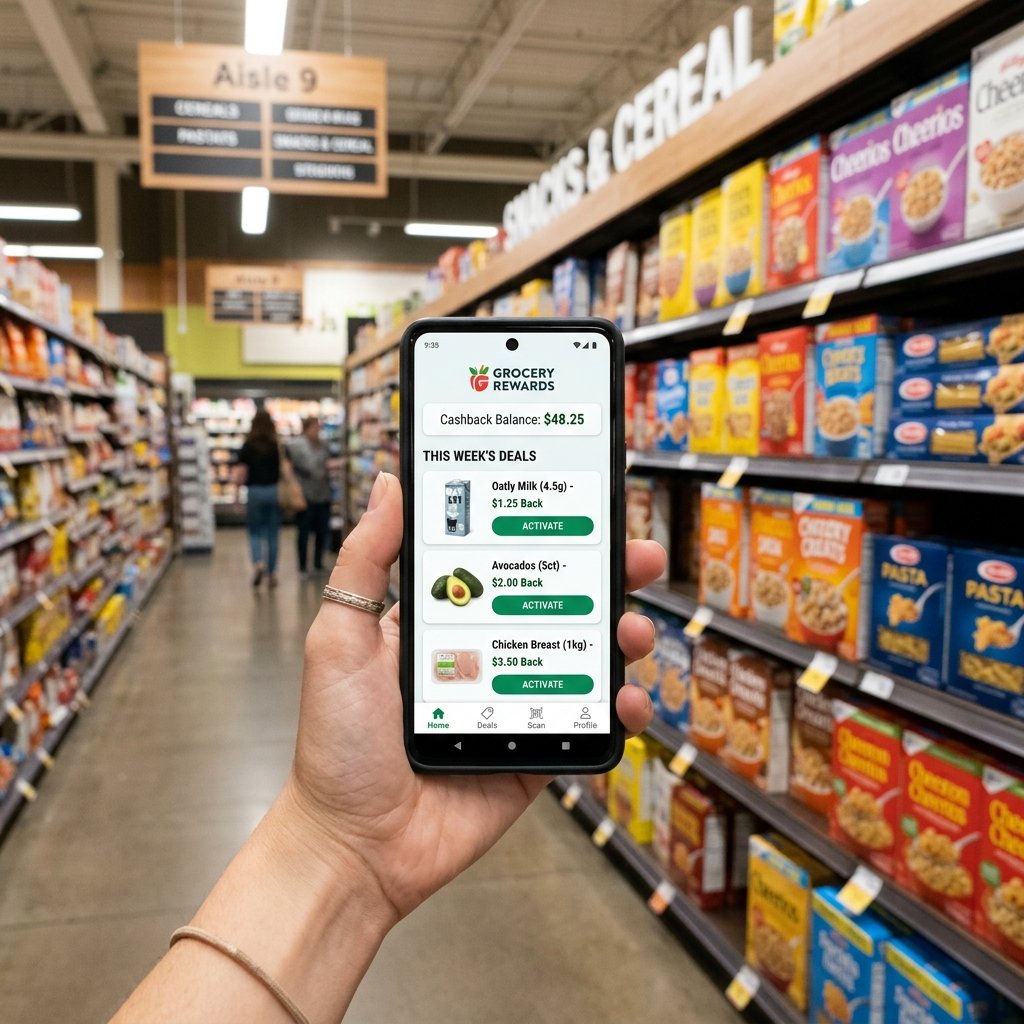
Ready to put this into action? Transitioning your pantry from name brands to generic doesn’t have to happen overnight. Here is your street-smart action plan to make the switch seamlessly without upsetting picky eaters in your household.
- The Blind Taste Test: If you have family members who swear they can taste the difference, prove them wrong. Pour the generic cereal into a reusable container. Serve the generic chips in a bowl. 9 times out of 10, they won’t even notice.
- Leverage Cashback Apps: Frugal living isn’t just about buying cheap; it’s about getting paid to shop. Use apps like Ibotta and Fetch Rewards. While these apps often feature name brands, they frequently offer ‘Any Brand’ rebates (e.g., get $0.25 back on ANY milk or ANY bread). Stack this with generic prices for maximum savings.
- Shop the Right Stores: Aldi is the undisputed king of high-quality private label goods. Over 90% of their store is generic, and the quality is phenomenal. Target’s Good & Gather line and Walmart’s Great Value are also top-tier choices for white-labeled name brands.
Scam Warning: Don’t fall for the ‘New and Improved’ label on name brands. It’s usually a marketing gimmick to distract you from ‘shrinkflation’—where they shrink the package size while raising the price. Always check the price per ounce on the shelf tag!
Conclusion
There you have it, frugal hackers—20 generic swaps that taste exactly the same as the name brands, plus the math to prove why it’s worth it. Breaking the psychological hold that marketing has on us is one of the most empowering steps you can take for your personal finances. Start small this week: swap out your oats, your sugar, and your snacks. Watch your grocery bill plummet while your pantry stays fully stocked with delicious food.
Remember, the goal of frugal living isn’t to deprive yourself; it’s to stop wasting money on things that don’t matter (like cardboard boxes with fancy logos) so you can spend money on the things that do. Happy hacking, and happy saving!
Disclaimer: I am a frugal living enthusiast, not a licensed financial advisor. The savings estimates provided are for educational and illustrative purposes. Always review your own budget and local prices, as grocery costs can vary by region.


Makenzie is the founder and lead writer at MoneyHackTips.com — a personal finance blog dedicated to delivering street-smart financial wisdom for real people on real budgets. With 300+ published articles covering everything from debt management to investing fundamentals, Makenzie’s mission is to make every dollar work harder. When not writing about money hacks, Makenzie is testing frugal living strategies, optimizing side hustles, and helping readers build financial freedom from scratch.