


Welcome to the Lazy Girl Era of Taxes
Let us be completely honest for a second: absolutely nobody enjoys tax season. If you are anything like the old me, your current receipt organization system probably involves a dusty shoebox shoved in the back of your closet, a random folder on your desktop titled ‘Stuff 2023’, and a whole lot of panic come April. You spend hours squinting at faded thermal paper from CVS, trying to remember if that $45.99 purchase was for printer ink or a really aggressive snack run. But here is the street-smart truth from your ultimate frugal hacker: being disorganized is costing you serious money. Every single receipt you lose, fade, or forget to claim is quite literally handing your hard-earned cash back to the government.
As frugal living enthusiasts, we clip coupons, we negotiate bills, and we side-hustle our hearts out. Why on earth would we leave hundreds or even thousands of dollars on the table just because we do not want to deal with a little paperwork? The good news is that you do not need to become a Type-A, color-coding spreadsheet fanatic to get this right. You just need a system. A lazy, automated, set-it-and-forget-it system that does the heavy lifting for you.
This guide is designed specifically for the ‘lazy girl’—the one who wants maximum financial returns with minimum daily effort. We are going to build a foolproof strategy that takes less than five minutes a week, ensures you capture every single eligible write-off, and sets you up for the juiciest tax refund possible. Grab your favorite beverage, get comfortable, and let us turn that chaotic shoebox into a streamlined, money-saving machine.
The Strategy Guide: The Real Math Behind Lost Receipts

Before we get into the hacks, we need to talk about the ‘Why.’ Why should you care about a crinkled piece of paper from a coffee shop? Because those little pieces of paper add up to massive tax deductions. When you run a side hustle, freelance, or have deductible expenses, every dollar you spend on your business reduces your taxable income. If you forget to claim a $100 expense, and you are in the 24% tax bracket, you just lost $24.00 in pure cash. Do that ten times a month, and you are bleeding money.
The Math Example: Tracking vs. Ignoring
Let us look at a real-world example. Meet Sarah. Sarah runs a small side hustle selling vintage clothes online. She buys shipping supplies, drives to the post office, and pays for internet. In Scenario A, Sarah is ‘too busy’ to track receipts. In Scenario B, Sarah uses the Lazy Girl System.
| Expense Category | Scenario A: Unorganized (Lost Deductions) | Scenario B: Lazy Girl System (Claimed) |
|---|---|---|
| Shipping Supplies & Boxes | $50 claimed (lost the rest) | $450 claimed |
| Mileage to Post Office/Thrift Stores | $0 claimed (didn’t track) | $320 claimed |
| Home Internet (Business Portion) | $0 claimed (forgot) | $240 claimed |
| Thrift Store Inventory Purchases | $300 claimed (faded receipts) | $1,200 claimed |
| Total Deductions Claimed | $350 | $2,210 |
| Estimated Tax Savings (at 25%) | $87.50 | $552.50 |
By simply organizing her receipts, Sarah saves an extra $465.00 a year. That is a free vacation, a massive boost to her emergency fund, or a nice chunk of change invested in her future. The math does not lie: saving your receipts is one of the highest-paying hourly tasks you can do for yourself.
The Core Rule: Digital Over Physical
If there is one thing you take away from this guide, let it be this:
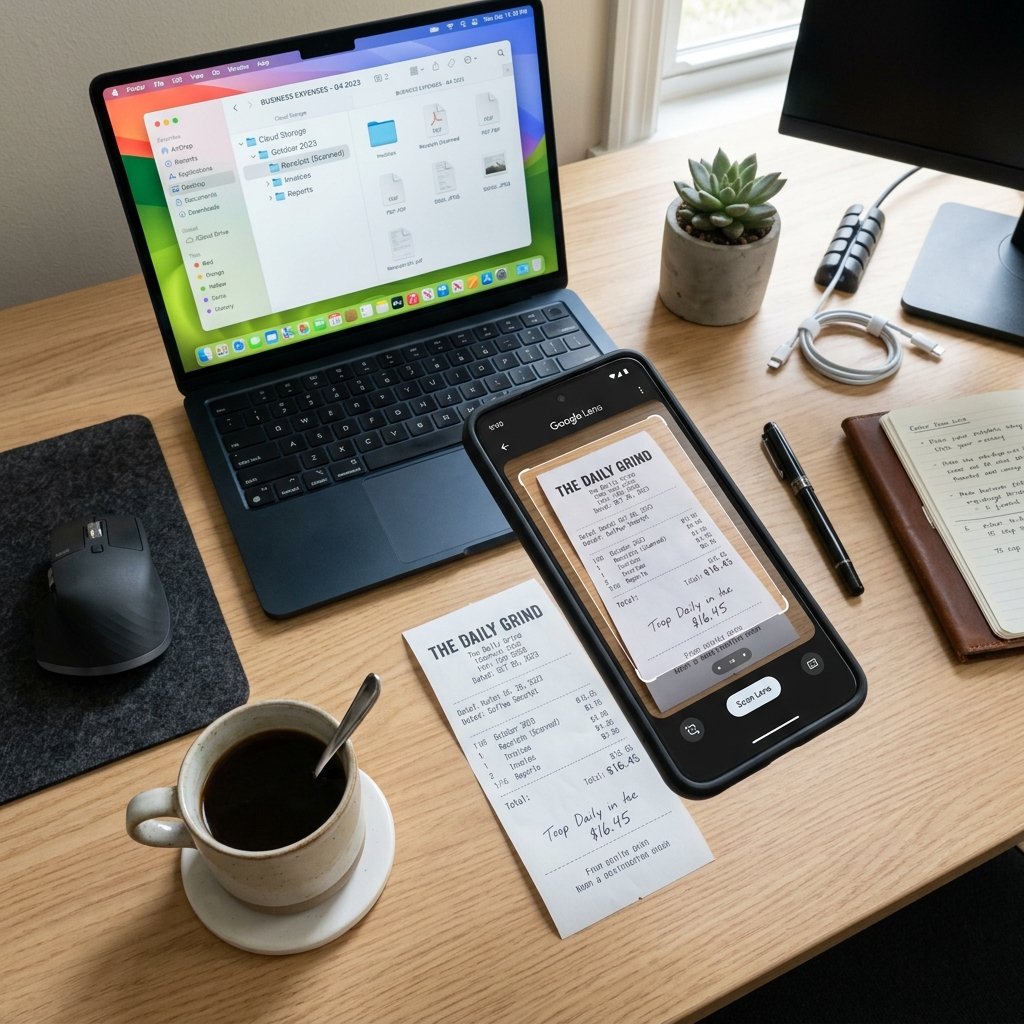
The Key Rule: Physical receipts are the enemy of the Lazy Girl. They fade, they get lost, and they create clutter. The moment a receipt enters your life, it must become digital.
Thermal paper (the shiny paper most receipts are printed on) degrades when exposed to heat, light, or even just sitting in a wallet for too long. If you get audited three years from now, that blank piece of white paper isn’t going to save you. You need to digitize immediately.
Step-by-Step: The Digital Setup
- Create a Dedicated Email Folder: Open your email client right now and create a folder named ‘TAX RECEIPTS 2024’ (or whatever the current year is). Every time you buy something online for your business or side hustle, instantly drag that email into this folder. Do not wait until later.
- Set Up Email Rules (The Ultimate Lazy Hack): Go into your email settings and create filters. For example, if you get a monthly invoice from Adobe, Canva, or your web host, set a rule: If sender is ‘Canva’, automatically move to ‘TAX RECEIPTS 2024’. Boom. Zero effort tracking.
- Download a Scanner App: You do not need a clunky desktop scanner. Download a free app like Adobe Scan, Google Drive (which has a built-in scan feature), or Evernote. These apps use your phone’s camera to turn a physical receipt into a crisp, searchable PDF.
- Create a Cloud Hub: Set up a folder in Google Drive or Dropbox called ‘Tax Documents [Year]’. Inside, make subfolders: ‘Income’, ‘Expenses’, ‘Charity’, and ‘Medical’. Whenever you scan a receipt, upload it directly here.
By forcing everything into a digital format, you are completely eliminating the shoebox. You can search your cloud drive by keyword, date, or merchant, making tax time a breeze.
The 5-Minute Weekly System
The reason most people fail at organizing their taxes is that they let it pile up until it becomes a massive, multi-day chore. The Lazy Girl method relies on micro-habits. We are going to implement the ‘Financial Friday’ (or Sunday, whatever works for you) 5-Minute Routine.
Your 5-Minute Checklist
- Empty the Wallet: Take out any physical receipts you accumulated this week.
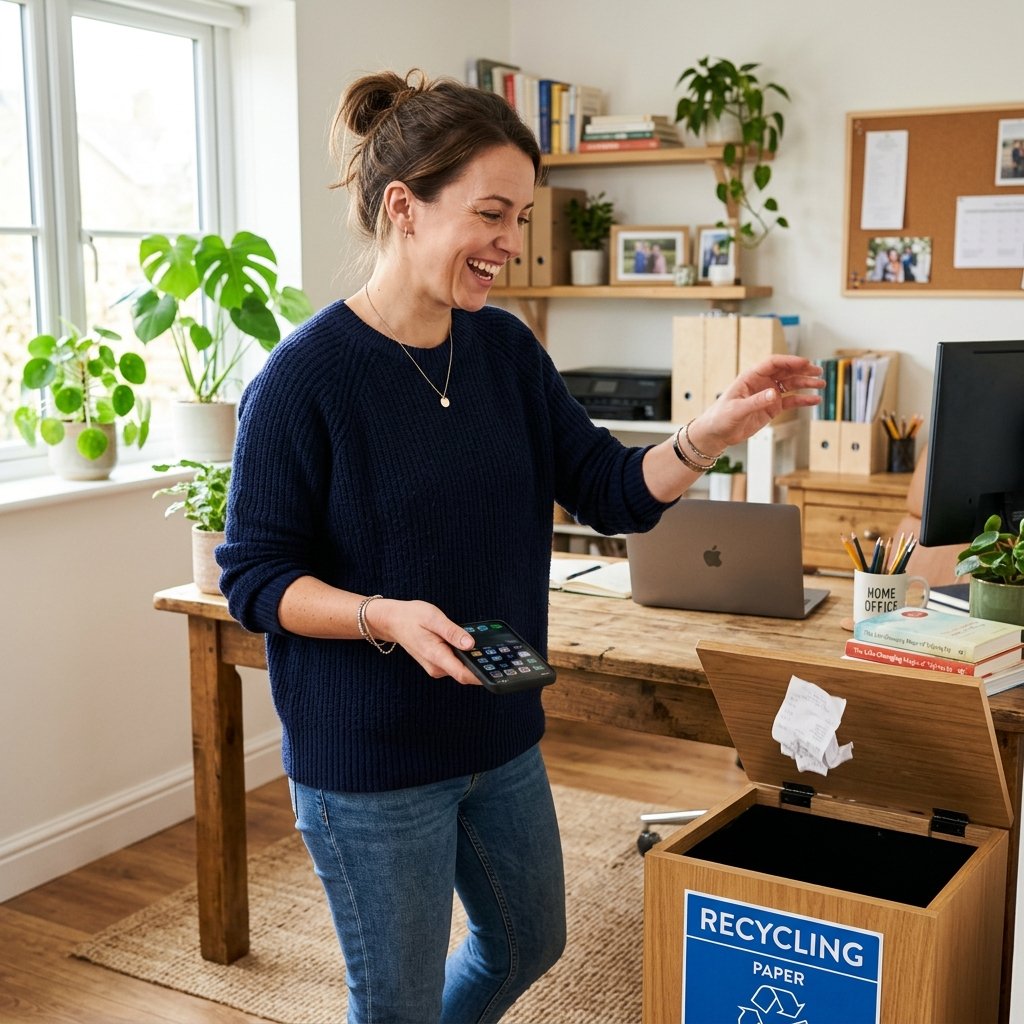
- Snap and Trash: Open your scanner app, snap a picture of each receipt, and immediately throw the physical paper into the recycling bin. (Yes, the IRS accepts digital copies as long as they are legible!).
- Name the File Smartly: Do not leave the file name as ‘IMG_9483.pdf’. Rename it using this format: YYYY-MM-DD_Merchant_Amount_Category. For example: 2024-03-15_Staples_45.99_OfficeSupplies.pdf. This takes ten seconds but saves you hours in April.
- Check the Email Folder: Do a quick scan of your main inbox. Did any digital receipts slip through the cracks? Move them to your dedicated tax folder.
That is it. Five minutes. Put on a fun song, do it while your coffee is brewing, and you are done for the week. By breaking it down into bite-sized pieces, you completely eliminate the overwhelm.
What Actually Counts as a Write-Off? (The Frugal Cheat Sheet)

You cannot maximize your refunds if you do not know what you are allowed to claim. Many frugal hackers miss out on deductions simply because they didn’t realize an everyday expense qualified. If you have a side hustle, freelance gig, or small business, the IRS allows you to deduct expenses that are ‘ordinary and necessary’ for your trade.
Commonly Forgotten Deductions
- Home Office Deduction: If you use a portion of your home exclusively for your side hustle, you can deduct a percentage of your rent, mortgage interest, utilities, and internet.
- Mileage: Driving to pick up supplies, meet a client, or drop off packages? Track those miles! Use a free app like Stride to run in the background while you drive. Every mile is worth around $0.67 (check current IRS rates) in deductions!
- Education & Learning: Did you buy an online course to learn graphic design for your side hustle? Buy a book on marketing? Those are deductible educational expenses.
- Software and Subscriptions: Web hosting, domain names, Canva Pro, Microsoft Office, and even specialized apps needed to run your gig.
| Expense Type | Is it Deductible? | Documentation Needed |
|---|---|---|
| Business Meals (with clients) | Yes (Usually 50%) | Itemized receipt + note of who you met and business purpose |
| Personal Groceries | No | None (Do not claim this!) |
| Cell Phone Bill | Yes (Partial) | Monthly bill + calculation of business use percentage |
| Office Furniture (Desk, Chair) | Yes (100%) | Receipt of purchase |
Always remember to separate your personal and business expenses. The easiest way to do this is to open a free, separate checking account specifically for your side hustle. It automatically filters your business transactions into one neat bank statement.
Scam Warnings & Audit Proofing Your Life

As the ultimate frugal hacker, your goal is to keep your money safe. This means protecting yourself from tax scams and ensuring that if the IRS ever comes knocking, you are completely bulletproof.
Scam Warning: The IRS will NEVER call you demanding immediate payment via gift cards, wire transfers, or cryptocurrency. They will never threaten you with immediate arrest over the phone. If you get a call like this, hang up immediately. It is a scam.
How to Audit-Proof Your Receipts
An audit sounds terrifying, but if you have followed the Lazy Girl System, it is nothing more than a minor inconvenience. To make sure your digital receipts hold up under scrutiny, follow these rules:
- Keep them for the right amount of time: The general rule of thumb is to keep your tax records and receipts for at least three years from the date you filed your original return. If you claim a loss for worthless securities or bad debt deduction, keep them for seven years.
- Ensure Legibility: When you snap that photo, make sure the date, the merchant name, the amount, and the items purchased are clearly visible. A blurry photo of a receipt is as good as no receipt.
- Add Context: For meals or travel, the IRS wants to know the business purpose. Use the text tool on your PDF scanner to type a quick note directly onto the receipt image: ‘Lunch with Jane Doe to discuss Q3 marketing strategy.’
- Back it Up: Do not just keep your receipts on your phone. Phones break, drop in toilets, and get lost. Ensure your scanner app automatically syncs to a secure cloud server like Google Drive or iCloud.
Conclusion
Time to Claim Your Cash
Organizing your tax receipts does not have to be a soul-crushing endeavor. By embracing the Lazy Girl method—digitizing immediately, relying on automations, and dedicating just five minutes a week to maintenance—you are setting yourself up for financial success. You work way too hard for your money to let it slip through the cracks of a disorganized shoebox. Implement this system today, and when tax season rolls around, you will be sipping your coffee, uploading a single zip file to your accountant or tax software, and waiting for that beautiful, maximized refund to hit your bank account.
Stay smart, stay frugal, and go get your money!
Financial Disclaimer: I am “The Ultimate Frugal Hacker,” sharing my personal organizational strategies, but I am not a certified CPA or a financial advisor. Tax laws change frequently and vary by location. Always consult with a licensed tax professional or financial advisor before making decisions regarding your taxes, deductions, or business finances.


Makenzie is the founder and lead writer at MoneyHackTips.com — a personal finance blog dedicated to delivering street-smart financial wisdom for real people on real budgets. With 300+ published articles covering everything from debt management to investing fundamentals, Makenzie’s mission is to make every dollar work harder. When not writing about money hacks, Makenzie is testing frugal living strategies, optimizing side hustles, and helping readers build financial freedom from scratch.