
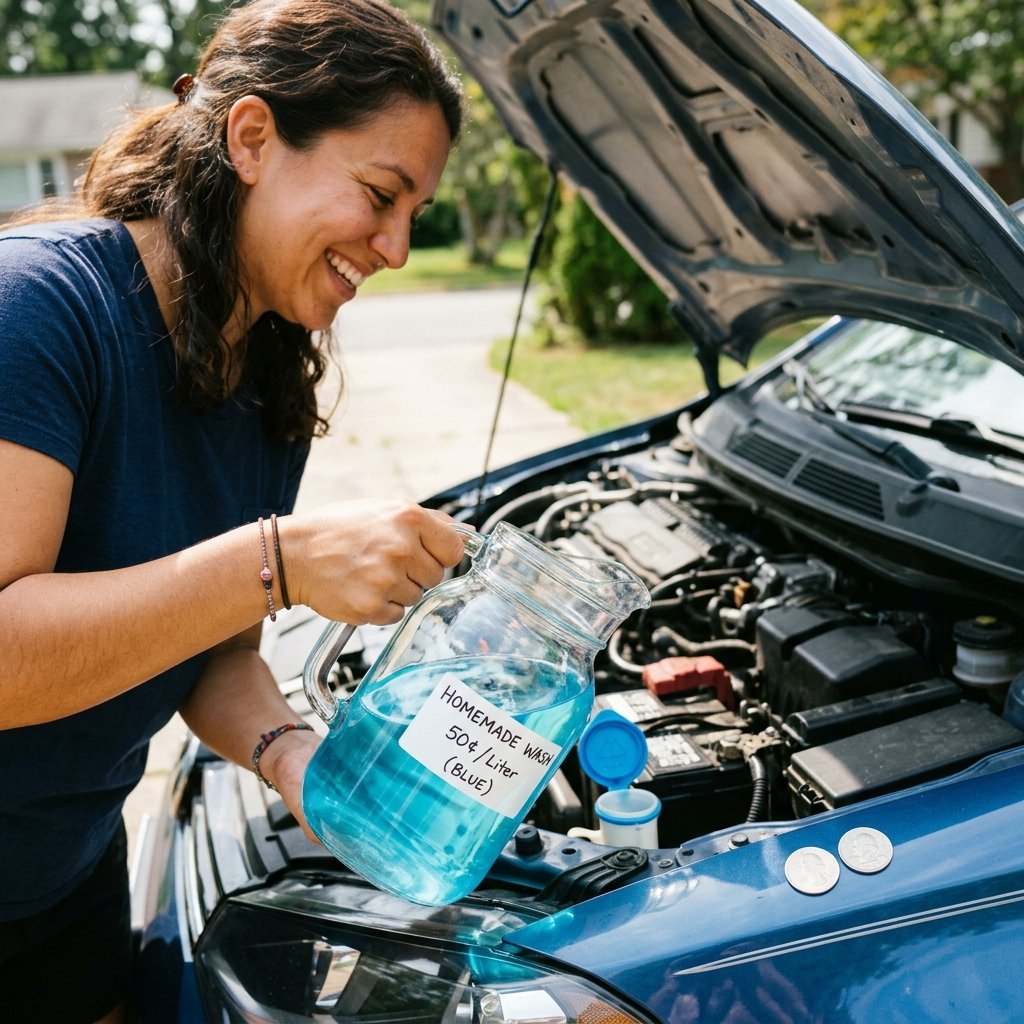

Hey there, fellow frugal hackers! Let us talk about one of the biggest highway robberies hiding in plain sight in the automotive aisle: windshield washer fluid. If you are reading this, you are probably tired of watching your hard-earned cash go down the drain—or in this case, splashed across your windshield. You walk into a big-box store or a gas station, and they expect you to pay $4.99, $5.99, or even $7.99 for a plastic jug of what is essentially blue-dyed water with a tiny bit of soap and alcohol. It is a brilliant business model for them, but a terrible deal for your wallet.
As frugal living enthusiasts, we know that the secret to building wealth and keeping our budgets intact is not just about clipping coupons; it is about questioning everyday expenses. Why buy something you can make yourself for pennies? That is exactly what we are diving into today. I am going to show you the ultimate $0.50 car hack: how to make professional-grade windshield fluid right in your own kitchen or garage. Not only will this hack save you money, but it also allows you to control exactly what goes into your car, avoiding harsh chemicals that can degrade your wiper blades and paint over time.
Whether you are dealing with summer bug splatters or freezing winter ice, I have got you covered. We are going to break down the exact recipes, the science behind why they work better than the store-bought stuff, and the massive savings you will rack up over a lifetime of driving. Grab an empty gallon jug, and let us get ready to hack your car maintenance budget!
The Math: Why You Need to Stop Buying Blue Water
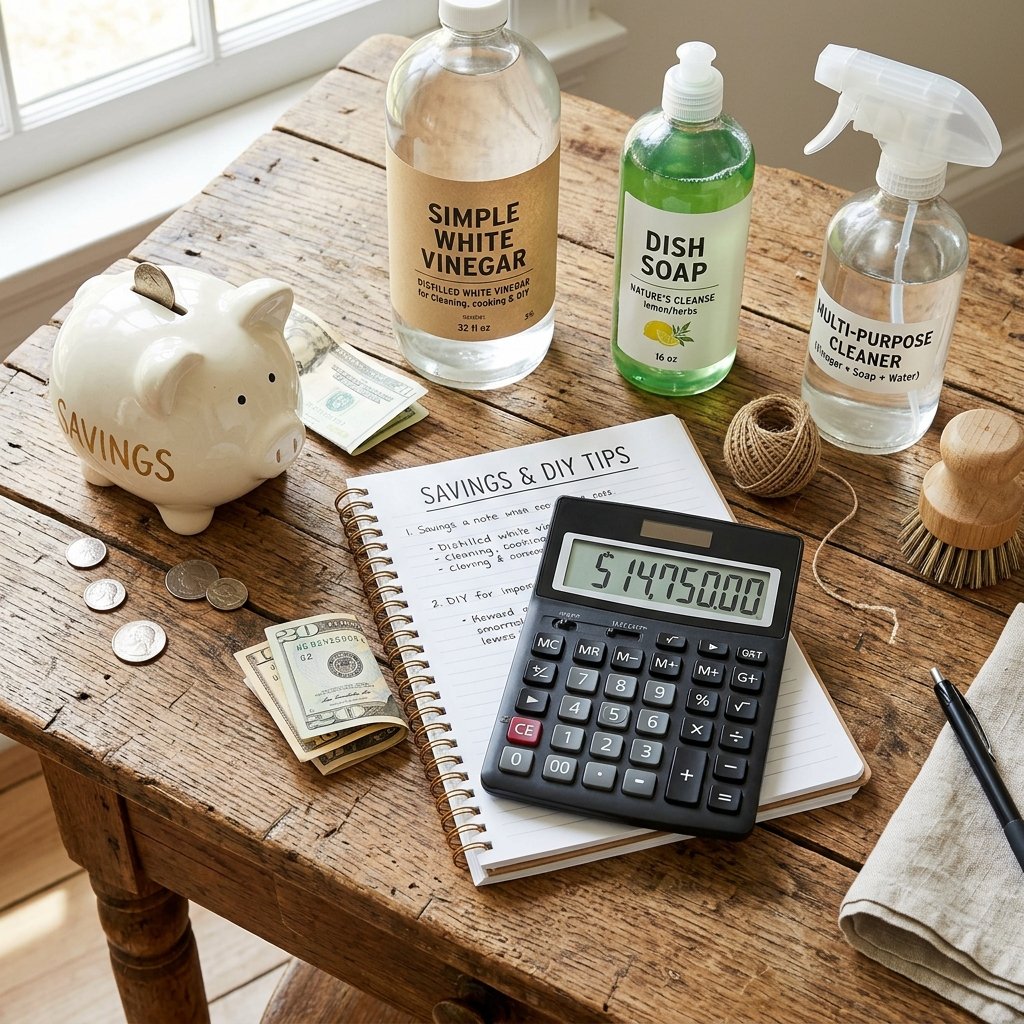
Before we get our hands dirty (or rather, squeaky clean), let us look at the numbers. Frugal living is all about the math, and when you break down the cost of commercial windshield washer fluid, the markup is absolutely staggering. Most commercial fluids are about 95% water. You are paying a premium for a plastic jug, shipping weight, and marketing. When you make it at home, you are only paying for the active ingredients, which cost mere pennies.
Let us look at a direct cost comparison. If you live in an area with distinct seasons, you are likely buying both summer bug-wash fluid and winter de-icing fluid. Over the course of a year, a family with two cars can easily go through 10 to 15 gallons of this stuff. Here is the breakdown of why the DIY route is an absolute no-brainer for your budget.
| Fluid Type | Store-Bought Cost (Per Gallon) | DIY Cost (Per Gallon) | Your Savings (Per Gallon) |
|---|---|---|---|
| Summer Bug Wash | $4.50 | $0.50 | $4.00 |
| Winter De-Icer | $6.99 | $1.75 | $5.24 |
| Annual Cost (2 Cars, 12 Gallons) | $68.94 | $13.50 | $55.44 |
As you can see, you are saving over $50.00 a year just by mixing water and a few household staples. Take that $50.00, put it into a high-yield savings account or use it to pay down debt, and you are practicing true financial hacking. Over a decade, that is over $500.00 saved on something you literally spray away into the wind!
The Secret Ingredients You Already Have at Home
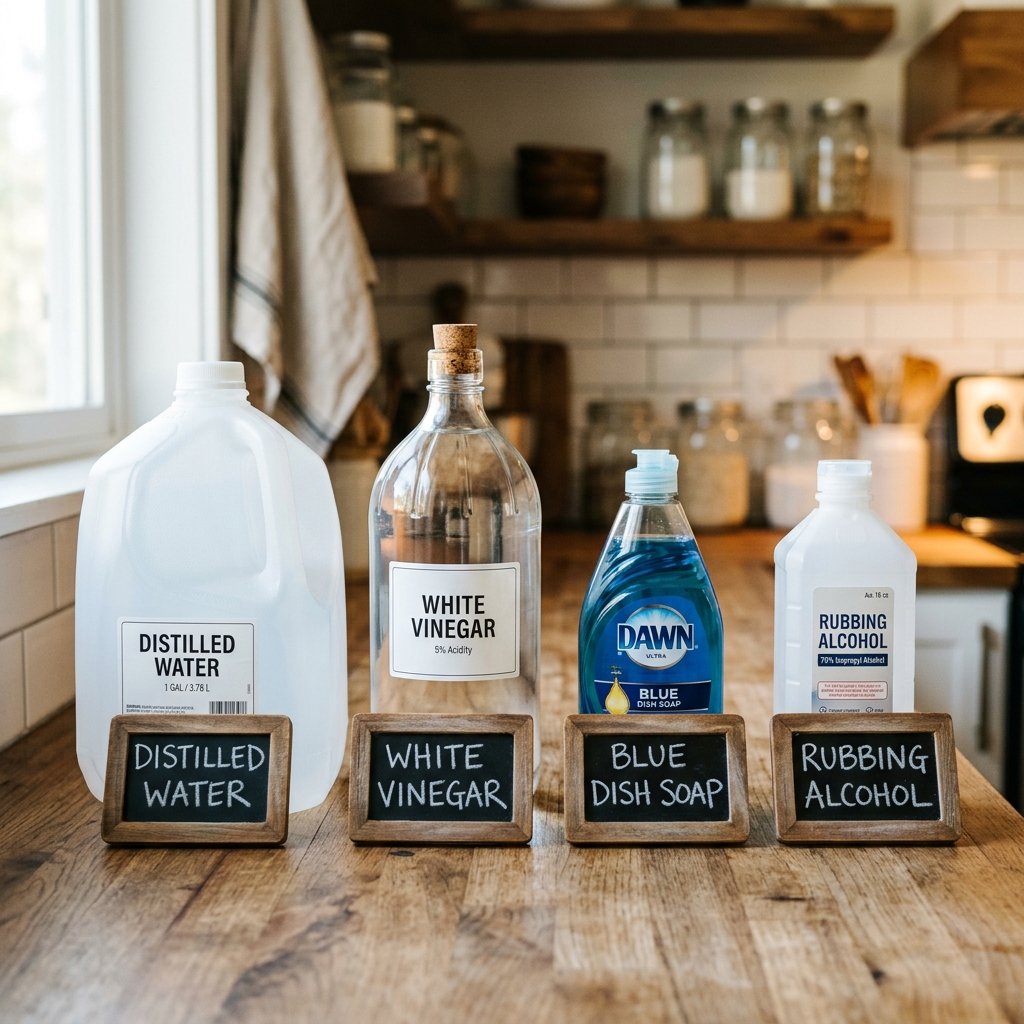
The beauty of this frugal hack is that you do not need to order strange chemicals from the internet. The ingredients required to make professional windshield fluid are likely sitting under your kitchen sink right now. Let us break down the anatomy of a perfect washer fluid and understand exactly why each ingredient is crucial for keeping your windshield clear and your car safe.
1. Distilled Water (The Foundation)
This is the most critical component. You cannot just use water straight from the garden hose. Tap water contains minerals like calcium and magnesium. Over time, these minerals will calcify and clog the tiny nozzles that spray the fluid onto your windshield. A gallon of distilled water costs around $1.25 at the grocery store, but it acts as the perfect, pure base for your fluid.
2. White Vinegar (The Grime Fighter)
White vinegar is the frugal hacker’s best friend. It is mildly acidic, which makes it incredible at cutting through road grime, bird droppings, and hard water spots. It leaves glass streak-free and sparkling. Plus, it is incredibly cheap when bought in bulk.
3. Liquid Dish Soap (The Bug Buster)
Dish soap is designed to cut through grease and organic matter, making it the perfect weapon against summer bug splatters. You only need a tiny drop—too much will cause a sudsy mess on your windshield. A standard bottle of blue dish soap will last you years if you only use it for this hack.
4. Isopropyl Alcohol (The Winter Warrior)
If you live in a cold climate, water and vinegar will freeze in your reservoir, which can crack the plastic tank and cost you hundreds of dollars in repairs. High-percentage rubbing alcohol (70% or 91%) lowers the freezing point of your mixture, turning it into a powerful de-icer.
The $0.50 Hack: Step-by-Step Summer Recipe
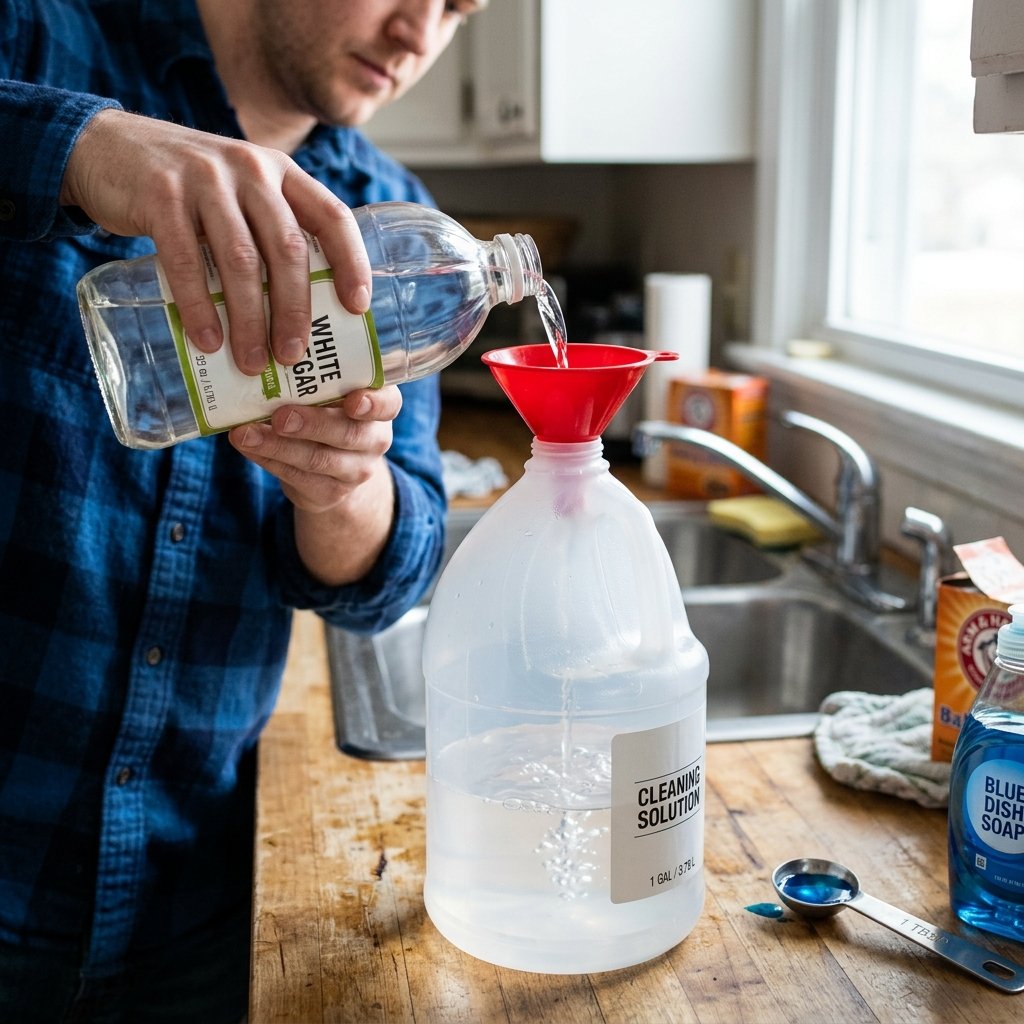
Ready to mix up your first batch? This summer recipe is perfect for temperatures above freezing (32 degrees Fahrenheit). It excels at removing dust, pollen, and bug guts. Follow these steps carefully to ensure you get a perfect, streak-free finish every single time.
Key Rule: Never mix this solution directly inside your car’s reservoir. Always mix it in a clean, separate jug first to ensure the ingredients are perfectly blended before they enter your vehicle’s system.
- Prep your container: Find a clean, empty one-gallon jug. An old, thoroughly rinsed milk jug or a previous commercial washer fluid jug works perfectly. Ensure there is no residue left inside.
- Add the base: Pour exactly one gallon of distilled water into the jug. If your jug is exactly one gallon, pour out about one cup of water to make room for the other ingredients.
- Add the grime fighter: Pour in 1 cup of white vinegar. Use a funnel if necessary to avoid spilling. The vinegar will immediately start bonding with the water.
- Add the bug buster: Squeeze in exactly one tablespoon of liquid dish soap. Do not get generous here! If you add too much soap, your wipers will smear suds across your windshield, blinding you in the rain. Stick to one tablespoon.
- Mix it up: Cap the jug tightly and gently invert it a few times. Do not shake it vigorously, or you will create a mountain of foam inside the jug. Just a gentle rock back and forth to mix the soap and vinegar into the water.
- Label it: Use a permanent marker to label the jug “SUMMER Washer Fluid” so nobody mistakes it for drinking water.
That is it! For roughly $0.50 in ingredients, you now have a gallon of premium, streak-free summer washer fluid. Pour it into your car’s reservoir and hit the road.
Winterizing Your Mix: Say Goodbye to Icy Windshields
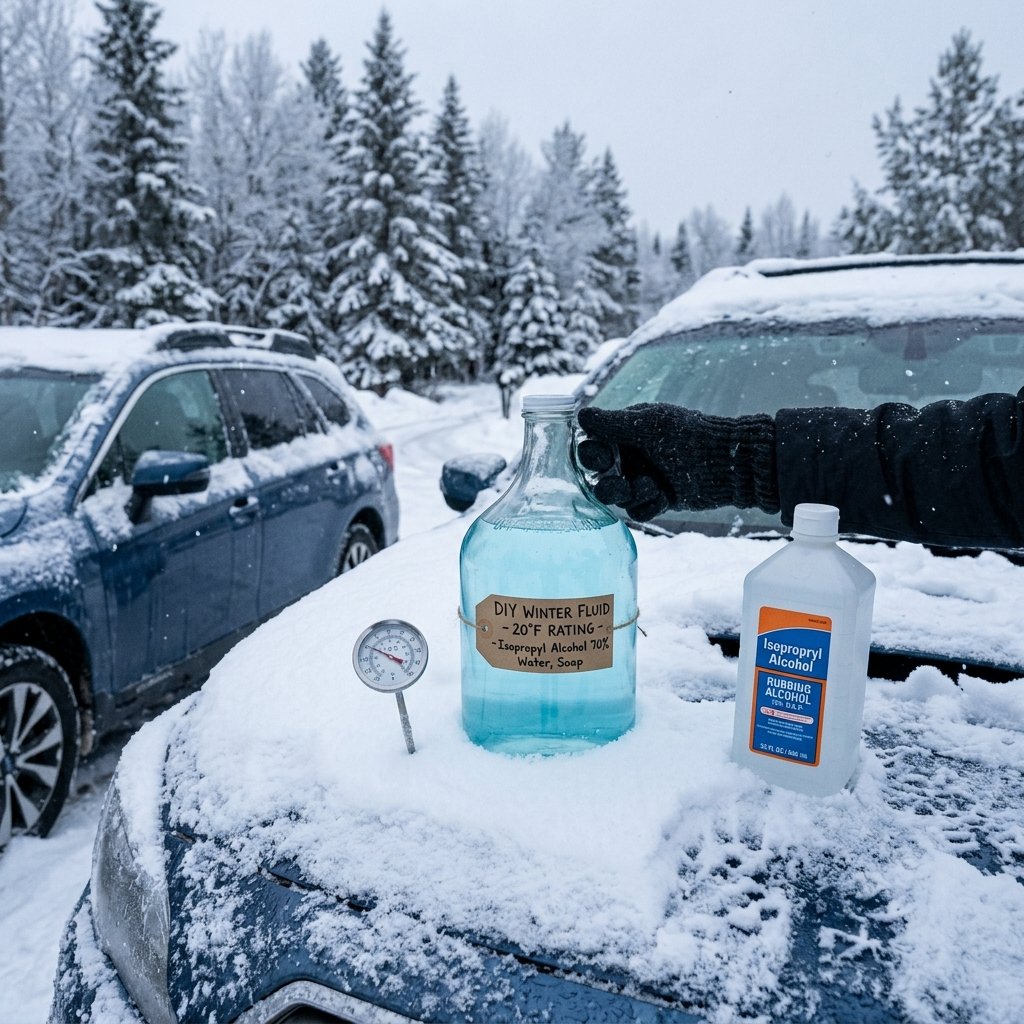
When the temperature drops, the summer mix will not cut it. Freezing washer fluid is a nightmare—it can burst your reservoir tank, destroy your fluid pump, and leave you dangerously blinded by ice on the highway. To winterize our frugal hack, we need to manipulate the freezing point of the liquid using rubbing alcohol.
The Winter De-Icer Recipe
To make a winter-safe batch, you will modify the summer recipe. Instead of a full gallon of distilled water, you will use 3 quarts of distilled water and 1 cup of white vinegar. The magic happens when you add 1 cup of 91% isopropyl alcohol. The alcohol prevents the water from freezing and acts as an active de-icer when you spray it on a frosty windshield.
- For Mild Winters (Down to 15 degrees F): Use 1 cup of 91% Isopropyl Alcohol.
- For Harsh Winters (Down to 0 degrees F): Use 2 cups of 91% Isopropyl Alcohol.
- For Extreme Cold (Below 0 degrees F): It is highly recommended to test your mixture before putting it in your car.
The Freezer Test Hack: Before you pour your winter mix into your car, pour a small amount into a plastic cup and leave it in your home freezer overnight. Most home freezers are set to 0 degrees Fahrenheit. If the liquid in the cup freezes or turns into slush, you need to add more alcohol to your main jug!
Even with the added cost of the rubbing alcohol, this winter mix will only cost you about $1.75 per gallon, compared to the $6.99 or more you would pay for premium commercial de-icing fluid. That is a massive win for your winter budget!
Frugal Fails: What NOT to Put in Your Reservoir
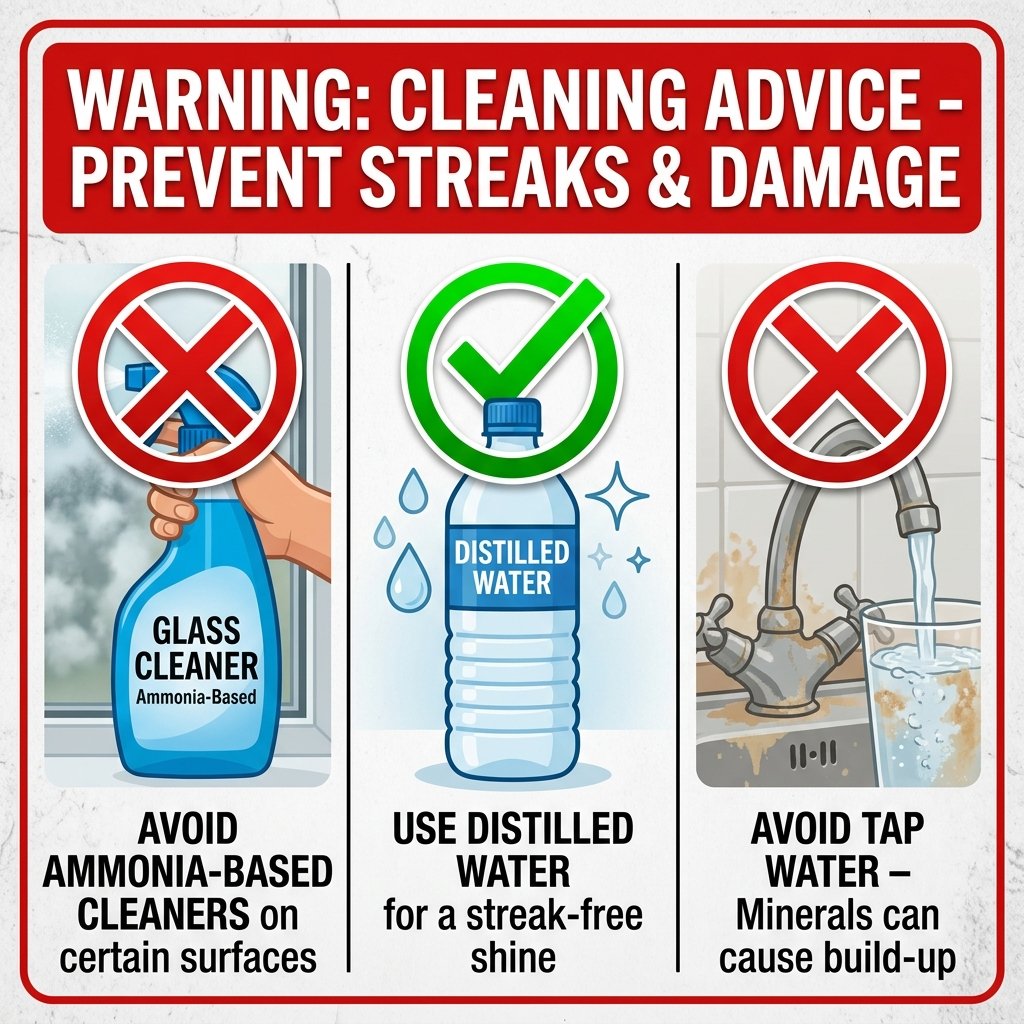
As the Ultimate Frugal Hacker, it is my job to not only show you how to save money but also how to avoid costly mistakes. Sometimes, people try to get a little too creative with their DIY car maintenance, and it ends up costing them hundreds of dollars at the mechanic. Here are the absolute “Do Nots” of homemade windshield fluid.
Scam Warning: Beware of online recipes that tell you to use ammonia or glass cleaners like Windex in your car’s reservoir. While ammonia is great for household mirrors, the automotive industry warns that ammonia will dry out and crack the rubber on your wiper blades, and it can eat away at your car’s clear-coat paint finish over time. Do not fall for the Windex myth!
Here are a few more frugal fails to avoid:
- Never use tap water: As mentioned earlier, tap water is full of minerals. Over time, these minerals will form hard white deposits inside your fluid lines and spray nozzles. Replacing a clogged washer pump will cost you upwards of $150.00—wiping out all your DIY savings.
- Never use laundry detergent: Laundry detergents contain thickeners and harsh chemicals that will leave a thick, blinding film on your glass and clog your fluid pump. Stick to a tiny drop of basic dish soap.
- Do not skip the alcohol in winter: Trying to save $1.00 by skipping the rubbing alcohol in December is a recipe for disaster. A cracked reservoir tank can cost between $200.00 and $400.00 to replace. Always use alcohol in freezing temperatures and always do the freezer test!
Conclusion
And there you have it, folks—the Ultimate $0.50 Car Hack! By taking just five minutes out of your weekend to mix up your own windshield washer fluid, you are taking a stand against unnecessary markups and keeping more of your hard-earned money exactly where it belongs: in your pocket. Frugal living is not about deprivation; it is about working smarter, understanding the products you use, and finding clever ways to bypass the system.
Start with the summer mix, see how beautifully it cleans your windshield, and I guarantee you will never go back to buying those expensive blue plastic jugs at the gas station. Remember to label your jugs, always use distilled water, and respect the freezing temperatures of winter by adding your rubbing alcohol. Share this hack with your friends, family, and fellow frugal enthusiasts—let us all stop paying for blue water!
Disclaimer: I am a frugal living enthusiast and life hacker, not a certified mechanic or financial advisor. Always consult your vehicle’s owner manual before introducing DIY solutions to your car’s systems. If you live in extreme sub-zero climates, ensure your DIY winter fluid passes the freezer test to prevent automotive damage. Drive safely and save smartly!


Makenzie is the founder and lead writer at MoneyHackTips.com — a personal finance blog dedicated to delivering street-smart financial wisdom for real people on real budgets. With 300+ published articles covering everything from debt management to investing fundamentals, Makenzie’s mission is to make every dollar work harder. When not writing about money hacks, Makenzie is testing frugal living strategies, optimizing side hustles, and helping readers build financial freedom from scratch.