


The Art of the Invisible Save
There is a specific kind of heartbreak that occurs when you hear that sharp snag and realize your favorite set of lace curtains has fallen victim to a stray cat claw, a sharp window latch, or simply the passage of time. For the frugal decorator, these curtains aren’t just fabric; they are light-filtering masterpieces that add a touch of masculine-elegant texture or vintage charm to a room. Before you even think about browsing a catalog for expensive replacements, stop. As a resourceful crafter, I’m here to tell you that a tear in lace is not a death sentence—it is an opportunity to exercise a nearly lost art: invisible mending.
In this guide, we aren’t just ‘fixing’ things; we are restoring them with the precision of a master tailor and the budget-savvy wit of a seasoned upcycler. Whether you are dealing with a tiny pinhole or a jagged three-inch gash, you can disappear that damage in 10 minutes or less using items you likely already have in your junk drawer. Let’s roll up our sleeves and save those curtains.
The Zero-Budget Repair Kit: What You Actually Need
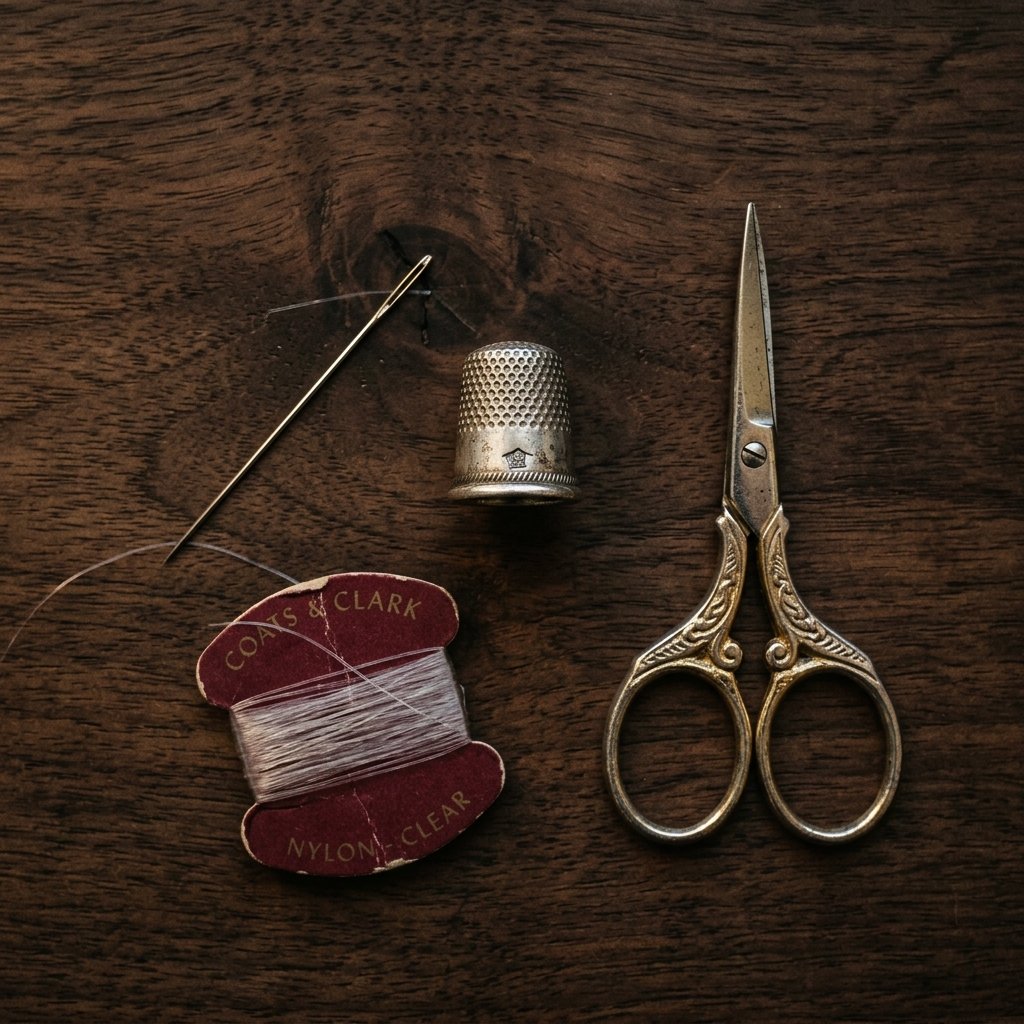
You don’t need a high-end sewing machine or a professional studio to perform this surgery. In fact, for lace, a machine is often too aggressive. We are going for a rugged, practical approach that relies on finesse. The secret lies in the ‘donor thread’—a trick that ensures your repair is literally invisible because it uses the curtain’s own DNA.
| Material | The Frugal Source | Estimated Cost |
|---|---|---|
| Fine Needle | Size 10 or 12 ‘Betweens’ or Beading needle | $0.00 (Check your old sewing kit) |
| Invisible Thread | Nylon monofilament or a single ply of polyester | $1.25 (Dollar Tree) |
| Donor Thread | Unraveled from the hidden side seam of the curtain | FREE |
| Small Scissors | Snips or embroidery scissors | $0.00 (Existing tools) |
Pro Tip: If you cannot find a matching thread, look at the bottom hem of your curtain. Use your snips to carefully pull a single long thread from the inner seam. This is the ultimate ‘clever’ hack because the color and fiber match will be 100% perfect.
Step-by-Step: The ‘Spider-Web’ Stitch Technique
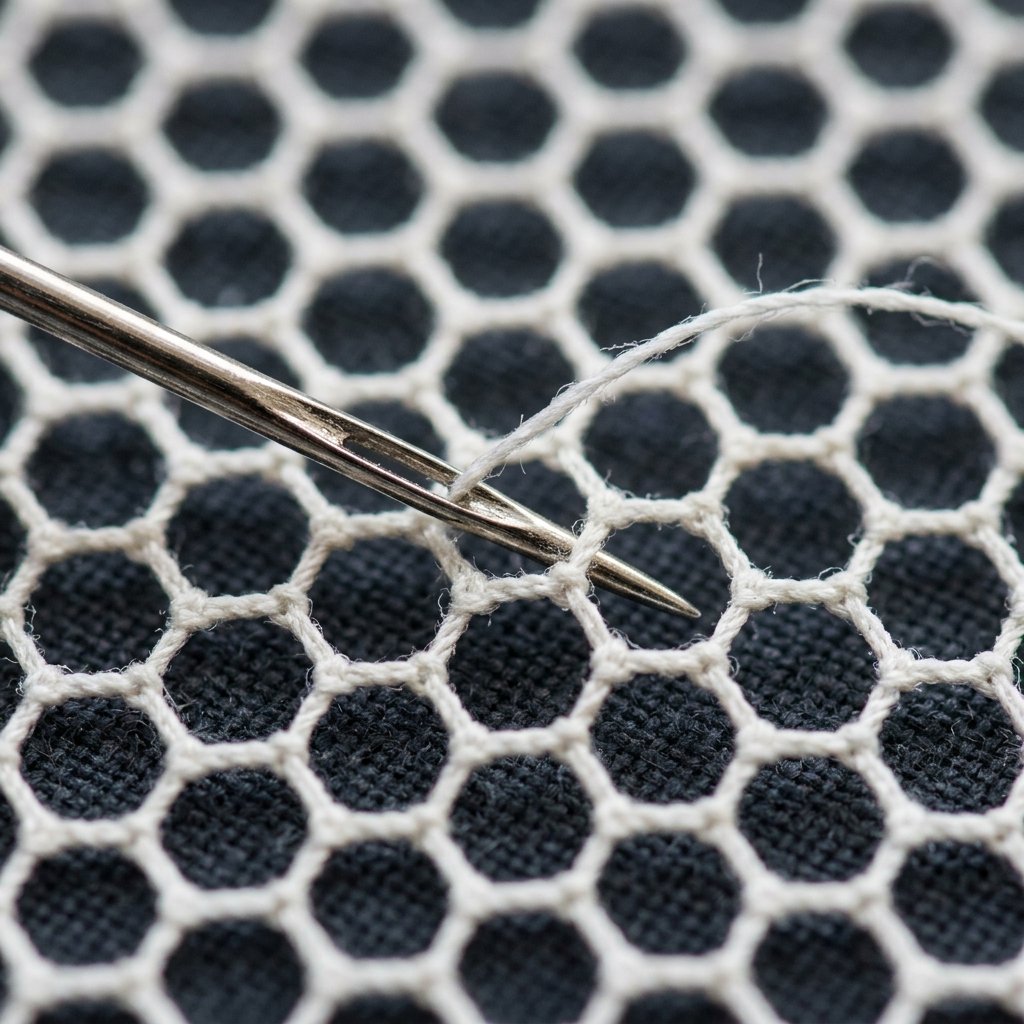
1. Preparation and Tension
Place the torn area over a contrasting surface—a dark book or a piece of navy cardboard works wonders. This allows you to see the ‘grid’ of the lace clearly. Do not pull the tear wide; instead, gently nudge the frayed edges back toward each other until they touch.
2. The Anchor
Thread your needle with a 12-inch length of donor thread. Do not tie a bulky knot. Instead, start your first stitch about 1/4 inch away from the tear in a ‘healthy’ section of the lace. Loop the thread through itself to anchor it firmly but flatly.
3. Reconstructing the Grid
Lace is essentially a series of hexagons or squares. Your goal is to mimic that geometry. Use a ‘ladder stitch’ or ‘zig-zag’ motion across the gap:
- Insert the needle into a loop on the left side of the tear.
- Cross over and catch the corresponding loop on the right side.
- Do not pull tight! If you pull too hard, the lace will pucker, making the repair obvious. Keep the tension ‘relaxed’ so the gap closes naturally.
- Repeat this until you have bridged the entire length of the tear.
4. The Finishing Knot
Once the gap is closed, weave the needle back through your new ‘stitches’ for about 1/2 inch to lock it in place, then snip the thread flush with the fabric.
Comparing the Costs: DIY vs. Replacement

Why spend 10 minutes doing this? Because the math of a frugal DIYer always wins. When you consider the cost of high-quality lace panels, mending isn’t just crafty—it’s a financial victory. Let’s look at the breakdown of what you save by choosing to mend rather than toss.
| Option | Time Investment | Total Cost | Outcome |
|---|---|---|---|
| New High-End Lace Panel | 2 Hours (Shopping/Hanging) | $45.00 – $120.00 | Wasteful & Expensive |
| Professional Tailor Repair | 3 Days (Wait time) | $25.00 – $40.00 | Inconvenient |
| The 10-Minute DIY Mend | 10 Minutes | $0.00 | Resourceful & Invisible |
By mastering this 10-minute skill, you are essentially ‘earning’ a high hourly rate in savings. That is the definition of budget-savvy living.
The ‘Grandma Secret’ for Large Rips

If the hole is larger than a silver dollar, a simple stitch won’t cut it. You need a patch. But don’t go buying a generic patch from the store—that’s for amateurs. We are going to use the ‘Shadow Patch’ method.
“If the hole is wide, don’t try to hide. Find a scrap of the same, and join the game.” — A Frugal Mending Mantra
- Harvest a scrap: If your curtains were too long and you hemmed them, use one of those scraps. If not, cut a small circle of lace from the very top ‘header’ of the curtain where it bunches up on the rod—no one will ever see it.
- Align the Pattern: This is the clever part. Rotate the patch until the floral or geometric pattern matches the area around the hole perfectly.
- The Whipstitch: Use your invisible thread to ‘whipstitch’ the edges of the patch to the edges of the hole. Because the patterns align, the seam disappears into the design of the lace.
- Trim the Excess: Carefully trim any overlapping lace from the back side using sharp snips to keep the repair flat.
Longevity and Care: Making the Mend Last

Once you’ve completed your masculine-elegant repair, you need to ensure it holds up to the rigors of household life. A mended curtain is strong, but it requires a bit of respect during cleaning.
- Avoid the Agitator: Never throw mended lace into a top-loading washing machine with a central agitator. It will find your repair and rip it right back open.
- The Soaking Method: Wash your curtains in a bathtub or a large sink with a gentle detergent. 5 minutes of soaking is all it takes.
- Air Dry Only: Hang them back up while damp. The weight of the water will naturally ‘steam’ out the wrinkles, and the lack of dryer heat will protect your delicate thread work.
Safety Note: When using very fine needles, always work over a tray or a magnetic mat. These tiny needles are easy to lose in carpets and can be a hazard for pets or bare feet.
Conclusion
Victory Over the Trash Can
You’ve done it. In the time it takes to brew a pot of coffee, you have rescued a piece of your home’s character and kept a perfectly good textile out of the landfill. This is the essence of being a resourceful and crafty expert: seeing the potential in what others call ‘broken.’ Your lace curtains now carry a secret—a testament to your skill and your refusal to spend money where a bit of ingenuity will suffice.
Next time you see a snag, don’t panic. Reach for your needle, find your donor thread, and remember that everything is fixable if you have ten minutes and a clever spirit. Happy mending!

Makenzie is the founder and lead writer at MoneyHackTips.com — a personal finance blog dedicated to delivering street-smart financial wisdom for real people on real budgets. With 300+ published articles covering everything from debt management to investing fundamentals, Makenzie’s mission is to make every dollar work harder. When not writing about money hacks, Makenzie is testing frugal living strategies, optimizing side hustles, and helping readers build financial freedom from scratch.