
Unlock the Luxury of Hand-Dyed Yarn Without the Boutique Price Tag
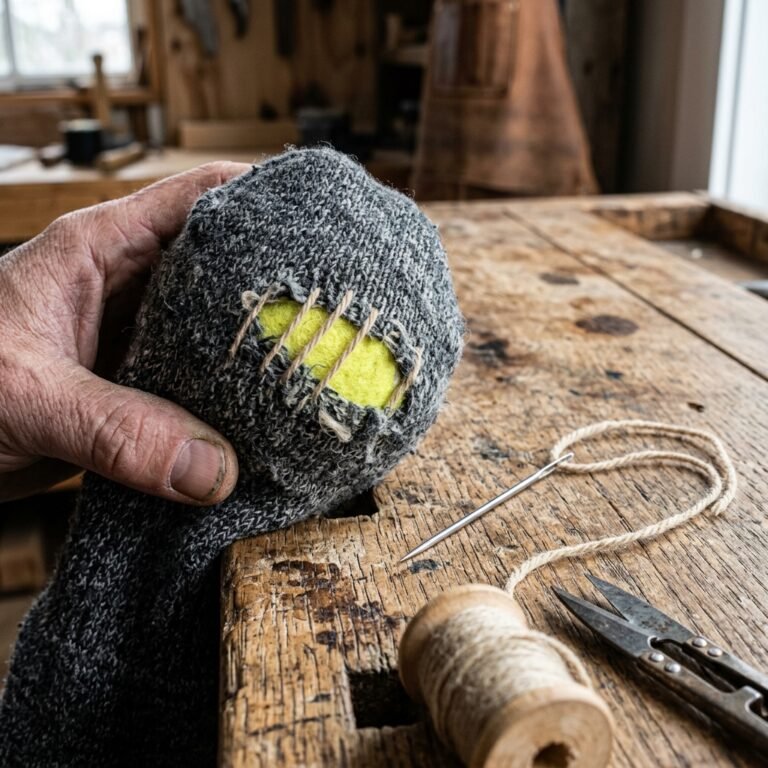
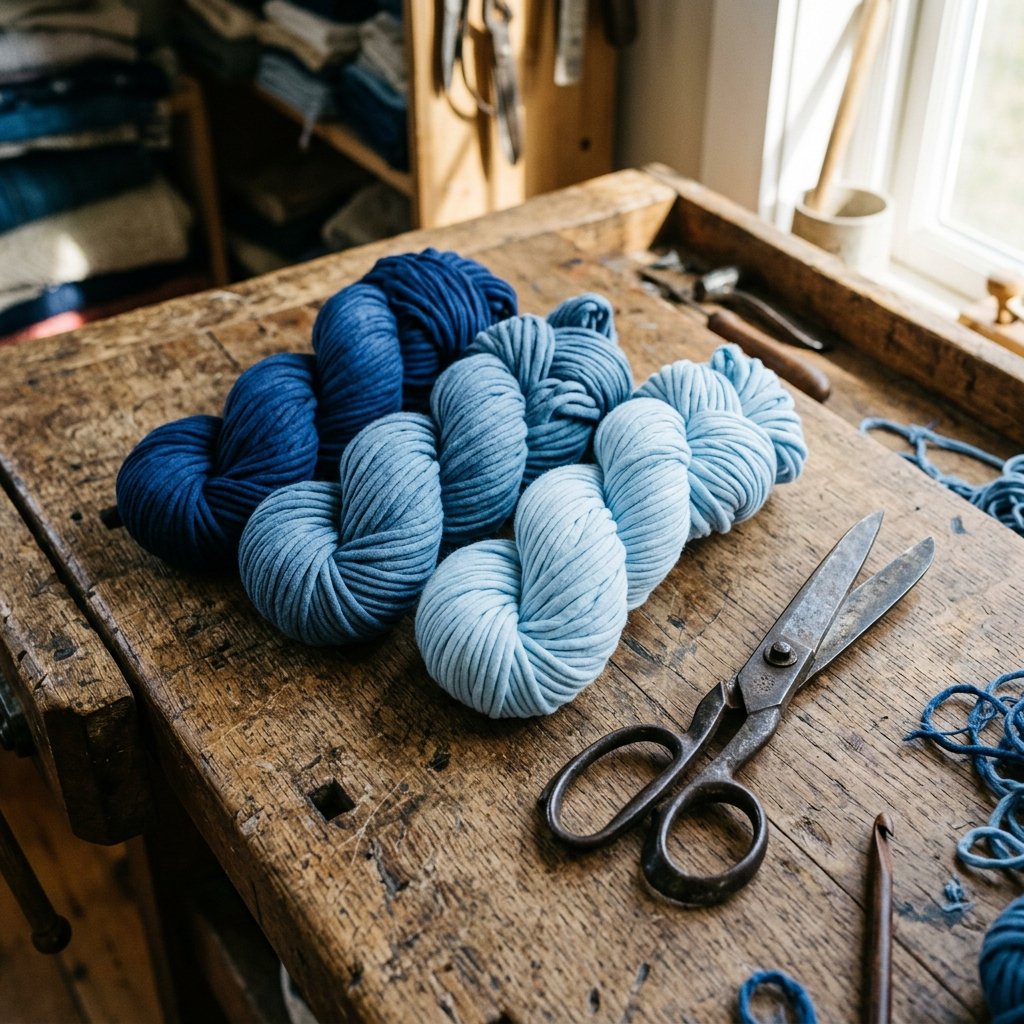
We have all been there: staring at a pile of old, oversized promotional t-shirts or worn-out basics that are destined for the rag bin. But as a resourceful crafter, you see more than just scrap fabric. You see the potential for high-end, bulky yarn that normally retails for $20 to $30 per skein at specialty shops. T-shirt yarn, or ‘tarn,’ is a staple for rugged, practical projects like crochet baskets, macrame wall hangings, and durable bath mats. However, the ‘boring’ factor is real—solid grey or white yarn can look a bit clinical. The secret to elevating this humble material into something truly ‘masculine-elegant’ and designer-worthy lies in the art of the ombre dye. By using a graduated immersion technique, we can turn a single t-shirt into a masterpiece of color transition. This guide will walk you through the clever, budget-savvy steps to sourcing, prepping, and dyeing your way to a professional-grade yarn stash for nearly zero cost.
Sourcing and Preparing Your ‘Tarn’ Foundation
Before we get to the magic of color, we need a high-quality base. Not all t-shirts are created equal when it comes to yarn. For the best results, you want 100% cotton or at least a 95% cotton blend. Synthetic fibers like polyester won’t take the dye as readily, leading to a muted, washed-out look that lacks that rugged punch we’re after.
The Material Selection Guide
| Fabric Type | Dye Absorption | Best Use Case |
|---|---|---|
| 100% Organic Cotton | Superior | Deep, vibrant ombre gradients |
| Cotton/Spandex Blend | Excellent | Stretchy yarn for apparel/headbands |
| Polyester Blend | Poor | Heathered, vintage ‘faded’ looks |
| Heavyweight Jersey | Good | Structural items like baskets and rugs |
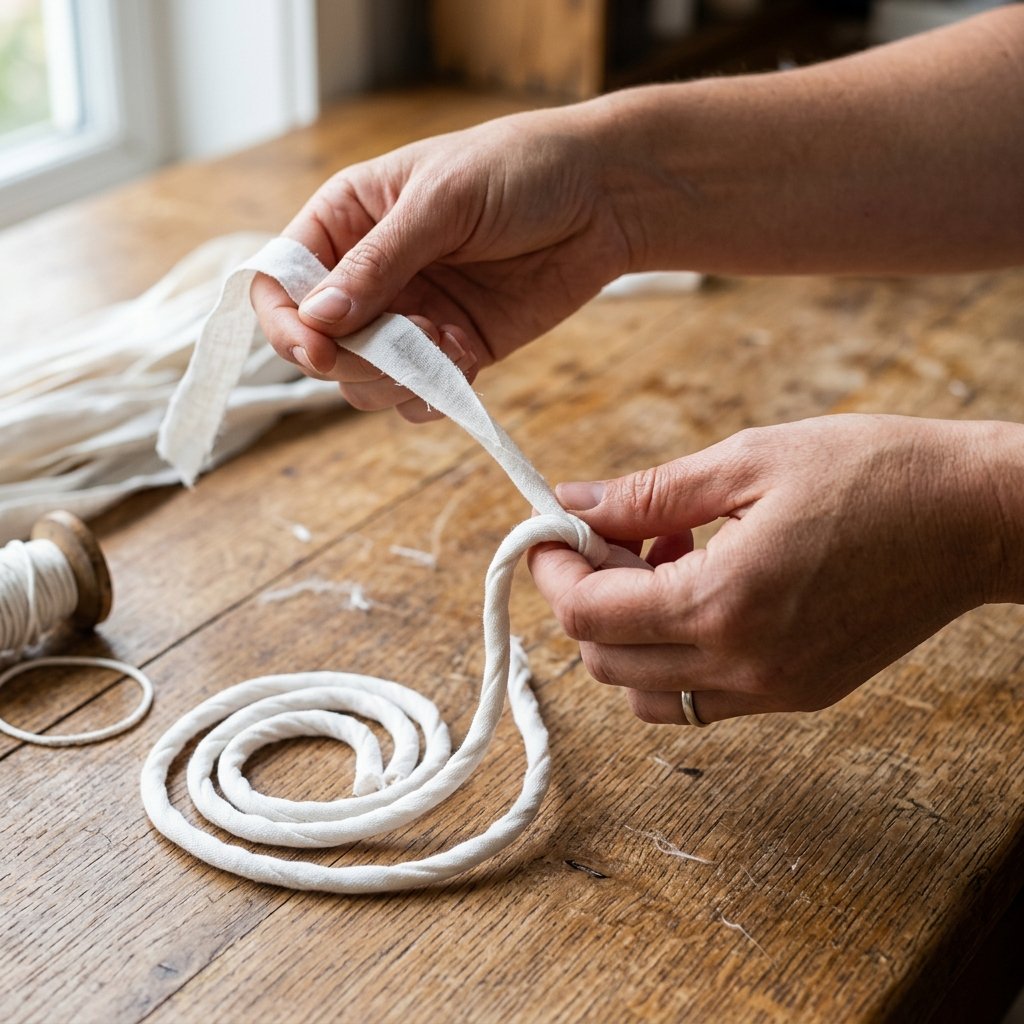
To create the yarn, cut the body of the shirt into a continuous spiral. The clever trick is to stop your cuts about 1 inch from the side seam, then cut diagonally across the bridge to create one long, unbroken strand. Once cut, pull the yarn taut. This causes the edges to curl inward, hiding the raw ‘trashy’ edges and creating a professional, tubular cord.
Pro-Tip: Always wash your shirts in hot water first to remove any factory sizing or fabric softeners, which can act as a barrier to the dye.
The Ombre Secret: The Slow-Immersion Technique
Mastering the Gradient
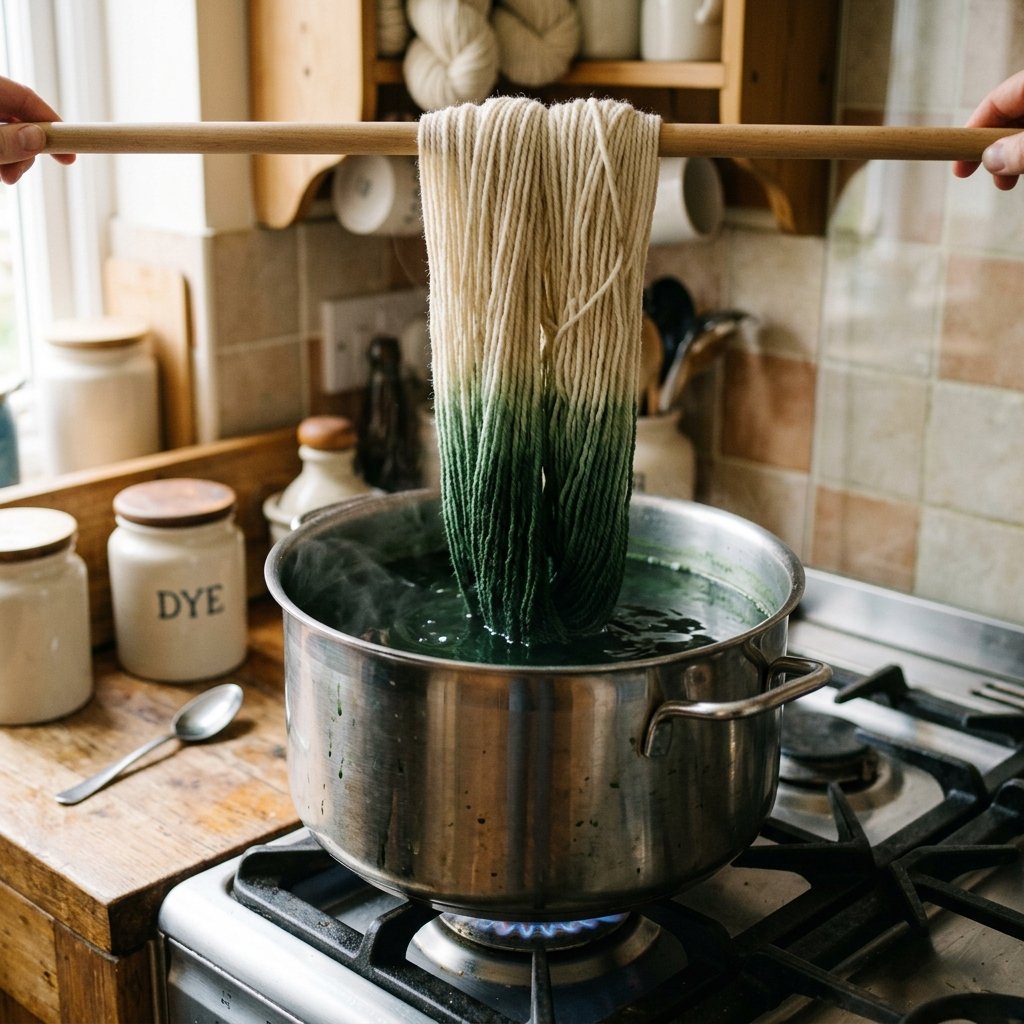
The ‘secret’ to a perfect ombre isn’t a special chemical; it is controlled timing. We use a single dye bath but vary the exposure time for different sections of the yarn. This creates a seamless transition from a deep, saturated ‘midnight’ hue to a whisper-light tint. To do this, you will need to wound your yarn into a large, loose loop (a ‘hank’) rather than a tight ball.
The Step-by-Step Gradient Process
- The Pre-Soak: Submerge your entire yarn hank in warm water with a splash of white vinegar. This opens the fibers and ensures even dye penetration.
- The Concentrated Bath: Prepare your dye in a deep stainless steel pot. For a rugged look, indigo, charcoal, or forest green work beautifully.
- The First Dip: Lower the bottom 1/3 of the yarn hank into the dye. Let it sit for 15 minutes. This will be your darkest ‘anchor’ color.
- The Second Dip: Lower the next 1/3 of the yarn into the pot. Let the whole submerged section (now 2/3 of the yarn) sit for another 5 minutes.
- The Final Flash: Quickly submerge the remaining 1/3 for just 60 seconds, then pull the entire skein out immediately.
This method ensures that the bottom section has had 21 minutes of absorption, the middle has had 6 minutes, and the top has just a hint of color. The result is a sophisticated, professional ombre transition.
The Budget Chemist: Materials and Ratios
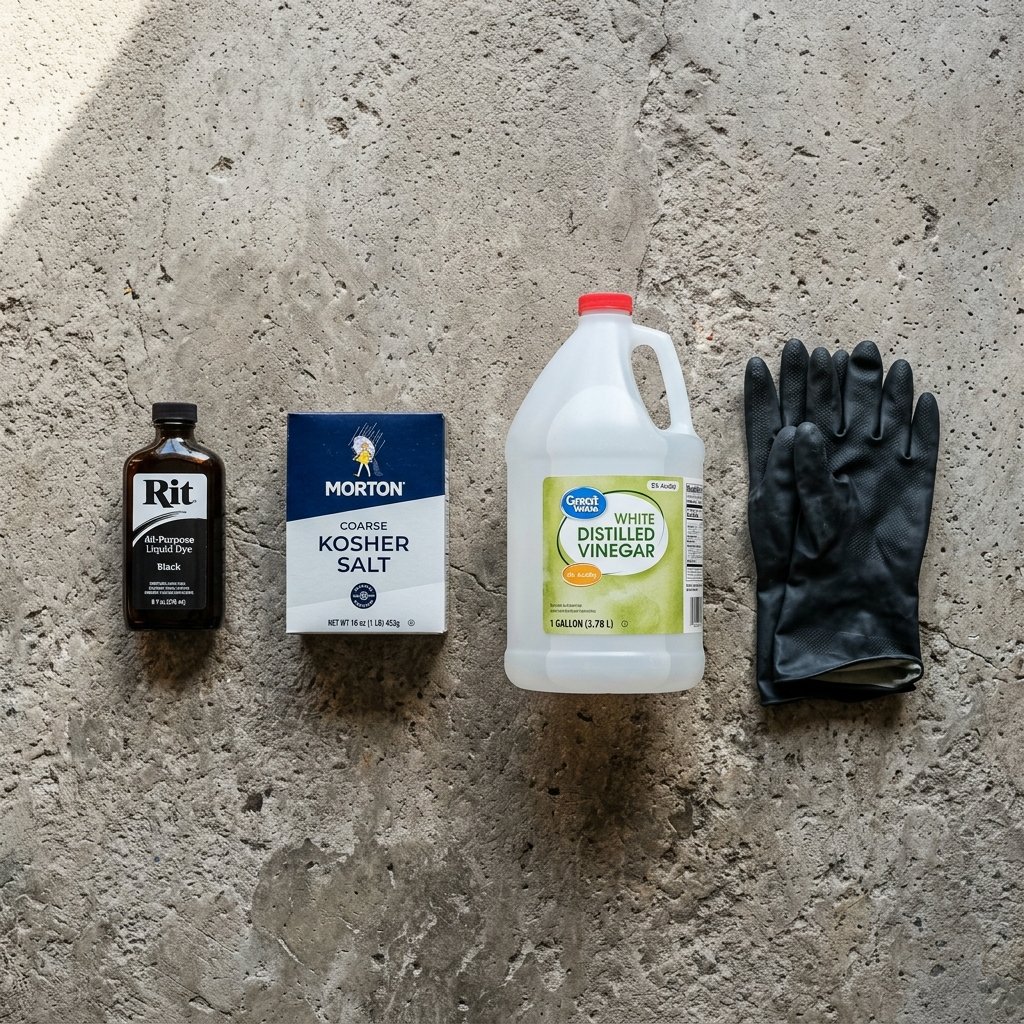
You don’t need an expensive chemistry set to achieve permanent, vibrant color. Most of what you need is already in your pantry. Using salt as a fixative is a classic budget-savvy move that ensures your hard work doesn’t wash down the drain during the first rinse.
Dye Bath Recipe & Cost Breakdown
| Item | Purpose | Estimated Cost |
|---|---|---|
| Liquid or Powder Dye | Pigment | $4.00 (multi-use) |
| Non-Iodized Salt | Color Fixative | $0.50 |
| White Vinegar | Fiber Preparant | $0.20 |
| Upcycled T-Shirt | Yarn Base | $0.00 (Free!) |
| Total Per Skein | – | ~$1.25 |
Safety First: When working with dyes, always use dedicated ‘craft only’ pots and wear rubber gloves. While household dyes are generally low-toxicity, they will permanently stain your favorite countertop or fingernails!
Setting the Color and The ‘Rugged’ Drying Rack
Ensuring Longevity
Once your yarn has been dyed, it is crucial to ‘lock’ the color in. Rinse the skein in cold water until the water runs clear. This is the part where many beginners quit too early—keep rinsing! If you leave excess dye in the fibers, it will bleed onto your crochet hooks or your finished projects.
The Drying Secret
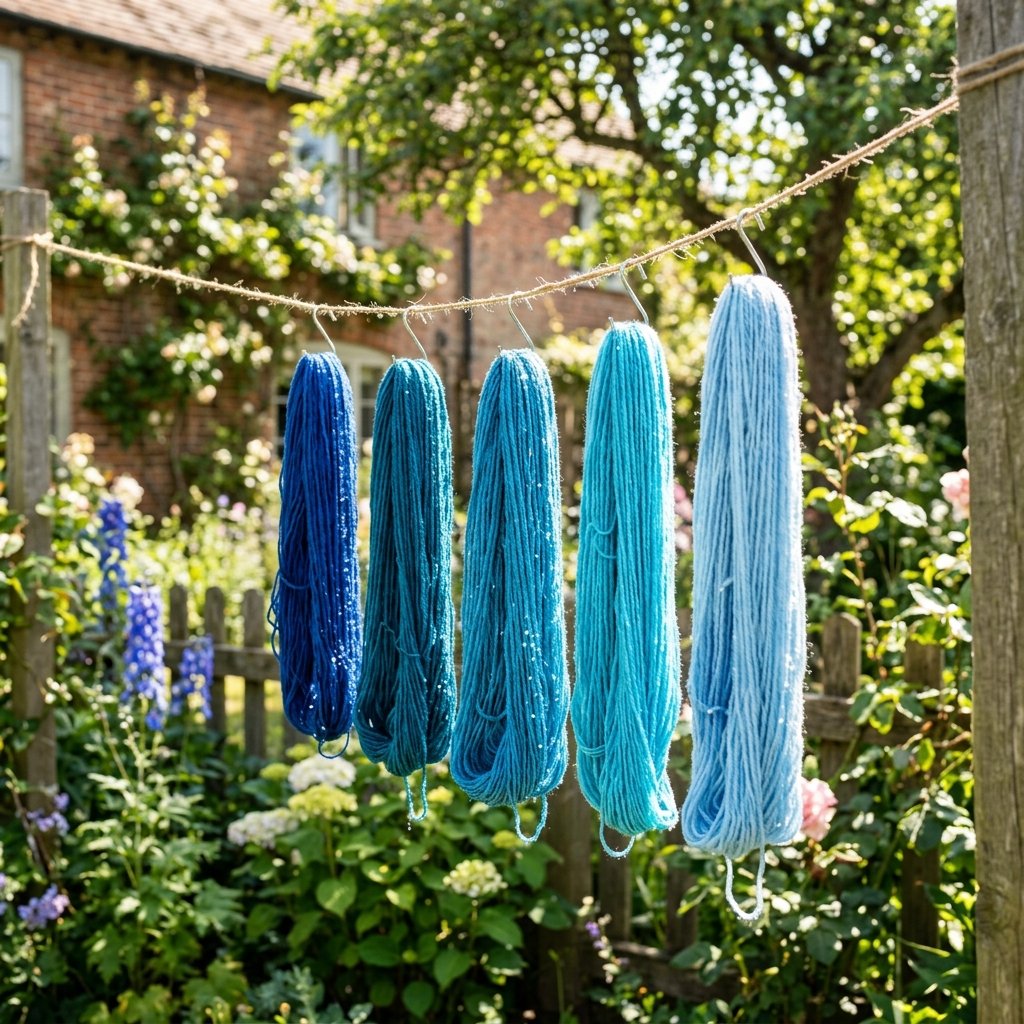
Don’t toss your beautiful ombre yarn into the dryer. The high heat can make the cotton brittle and may cause the colors to shift. Instead, hang the hanks outdoors. The weight of the water actually helps stretch the yarn, further improving its ‘curl’ and texture. Use a rugged outdoor clothesline or even a clean tree branch for an authentic, crafty feel. The air circulation will give you a much softer finish than a machine ever could.
Time Investment: Rinsing takes 10 minutes, and air drying typically takes 12-24 hours depending on humidity. Patience is the only cost here!
From Trash to Treasure: High-End Project Ideas

What to Make with Your Custom Ombre Tarn
Now that you have a collection of gorgeous, custom-dyed skeins, it’s time to put them to use. Because t-shirt yarn is thick and durable, it works up incredibly fast. You can complete a stunning gift in a single afternoon.
- The Minimalist Plant Hanger: Use the dark end of the ombre for the base of the pot and the lighter end for the hanging straps to create a visual ‘lift.’
- The Rugged Storage Basket: A thick 10mm crochet hook and your ombre yarn create a stiff-walled basket perfect for holding tools, toys, or firewood.
- The Statement Macrame Wall Hanging: Let the ombre do the work for you. Simple knots look intricate when the color transitions naturally through the piece.
By using your DIY yarn, you are saving approximately 85% compared to buying pre-made designer t-shirt yarn, while also keeping textile waste out of landfills. That is what I call crafty expertise.
Conclusion
The Frugal Guru’s Final Word
Transforming ‘boring’ t-shirts into gorgeous ombre skeins is more than just a craft project; it is a masterclass in resourcefulness. You have taken something destined for the trash and, with a few cents worth of salt and dye, turned it into a luxury material that rivals boutique offerings. Whether you are building a rugged home aesthetic or looking for the perfect, thoughtful DIY gift, this ombre technique gives you the power to customize your world without breaking the bank. So, raid those closets, fire up the dye pot, and start creating. Remember: the best materials aren’t bought; they are made.


Makenzie is the founder and lead writer at MoneyHackTips.com — a personal finance blog dedicated to delivering street-smart financial wisdom for real people on real budgets. With 300+ published articles covering everything from debt management to investing fundamentals, Makenzie’s mission is to make every dollar work harder. When not writing about money hacks, Makenzie is testing frugal living strategies, optimizing side hustles, and helping readers build financial freedom from scratch.