

The High-End Look We All Crave (Without the Price Tag)
Let’s be real for a second. We’ve all scrolled through Pinterest or flipped through a Restoration Hardware catalog and felt that pang of ‘couch envy.’ There is something about those oversized, Belgian linen sofas that screams luxury, comfort, and sophisticated living. But then you look at the price tag—$5,000, $8,000, or even $12,000—and you look back at your current couch. Maybe it’s a hand-me-down with a questionable floral pattern from 1998. Maybe it’s a beige microfiber beast that has seen too many juice box spills. Or maybe it’s just… ugly.
As the Ultimate Frugal Hacker, I’m here to tell you that you don’t need a five-figure bank account to have a five-figure living room. You just need a trip to the hardware store and a little bit of creative muscle. We aren’t talking about those cheap, stretchy polyester slipcovers from the big-box stores that never stay in place and look like a giant sock. We are talking about the Heavy-Duty Canvas Drop Cloth Hack. It’s durable, it’s washable, and when done right, it looks identical to high-end stonewashed linen. Let’s dive into how you can save thousands of dollars while making your home look like a million bucks.
The Math: Why This Hack Wins Every Time
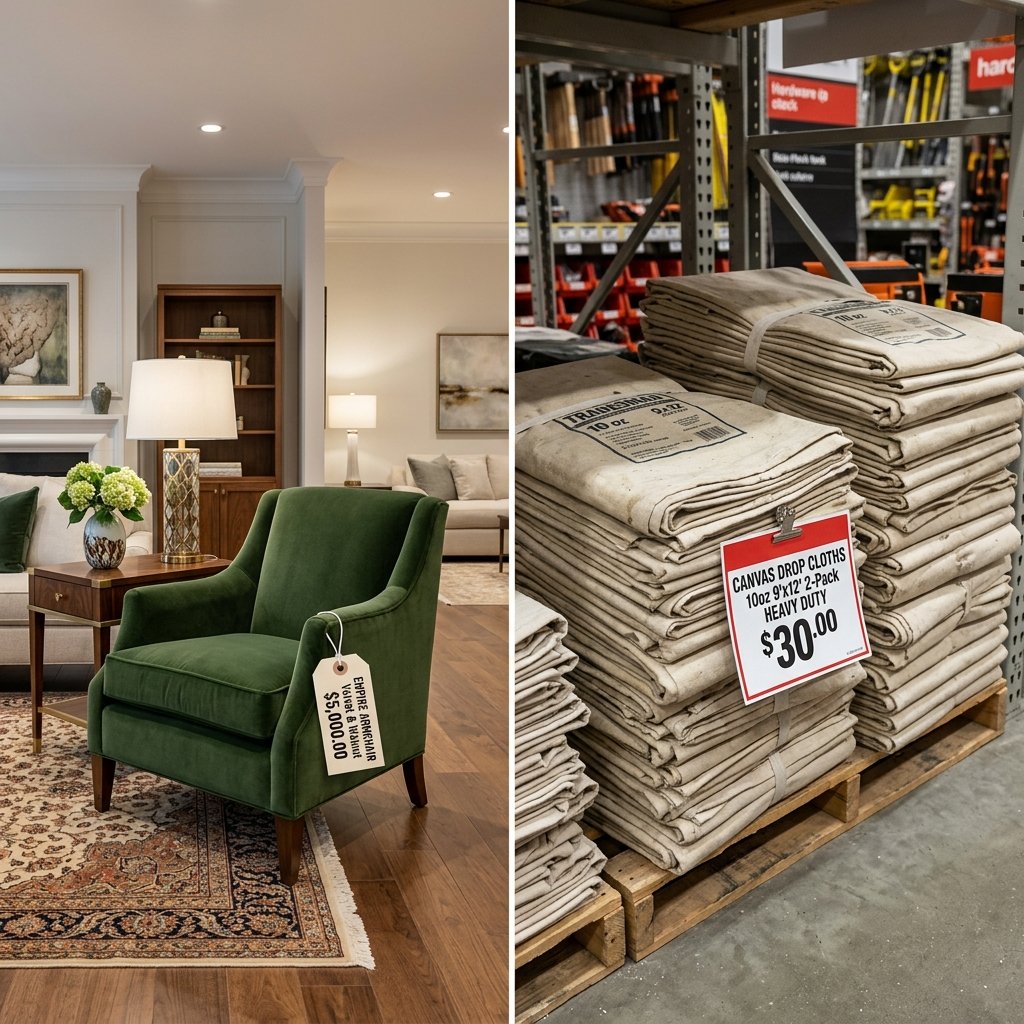
Before we pick up a single piece of fabric, let’s talk numbers. Frugal living isn’t just about spending less; it’s about the value proposition. If you buy a cheap slipcover for $40 and it rips in three months, you’ve wasted money. If you buy a drop cloth for $30 that lasts five years and looks like luxury linen, you’ve won the game.
Cost Breakdown: DIY vs. Store Bought
| Item / Brand | Estimated Cost | Material Quality |
|---|---|---|
| Restoration Hardware Maxwell Sofa | $5,495 – $9,200 | Premium Belgian Linen |
| Pottery Barn Custom Slipcover | $800 – $1,500 | Cotton/Linen Blend |
| Generic Elastic Slipcover (Amazon) | $45 – $85 | Thin Polyester/Spandex |
| The Frugal Drop Cloth Hack | $60 – $110 | Heavy-Duty 100% Cotton Canvas |
As you can see, the savings are astronomical. By choosing the DIY route, you are keeping roughly $5,000 in your pocket. That is money that could go toward your emergency fund, a high-yield savings account, or your next big frugal adventure. Plus, drop cloths are designed to take a beating. They are literally made to protect floors from paint and chemicals, making them the ultimate ‘kid and pet-proof’ solution.
The Supplies You Actually Need

You don’t need a sewing machine for this. I repeat: zero sewing skills required. However, you do need the right type of drop cloth. Not all canvas is created equal. Some have plastic backings (avoid these!), and some are a weird ‘oatmeal’ color with recycled colored threads woven in. You want the good stuff.
- 2 to 3 Heavy-Duty Canvas Drop Cloths: For a standard 84-inch sofa, two 9’x12′ cloths are usually enough. If you have a sectional, grab four.
- Safety Pins or Upholstery Tacks: These will help secure the fabric in the ‘tuck’ zones.
- Large Bottle of Bleach: This is the secret to getting that ‘Restoration Hardware White’ or ‘Cloud Grey.’
- Fabric Softener: To break down the stiffness of the industrial canvas.
- Wooden Dowels or PVC Pipe: Small scraps to shove into the creases to keep the fabric from popping out when you sit down.
Pro-Tip: Look for ‘Seamless’ drop cloths. Some cheaper brands have a seam running right down the middle, which can ruin the high-end look if it ends up across your seat cushions.
Step 1: The ‘Softening’ Secret (Don’t Skip This!)
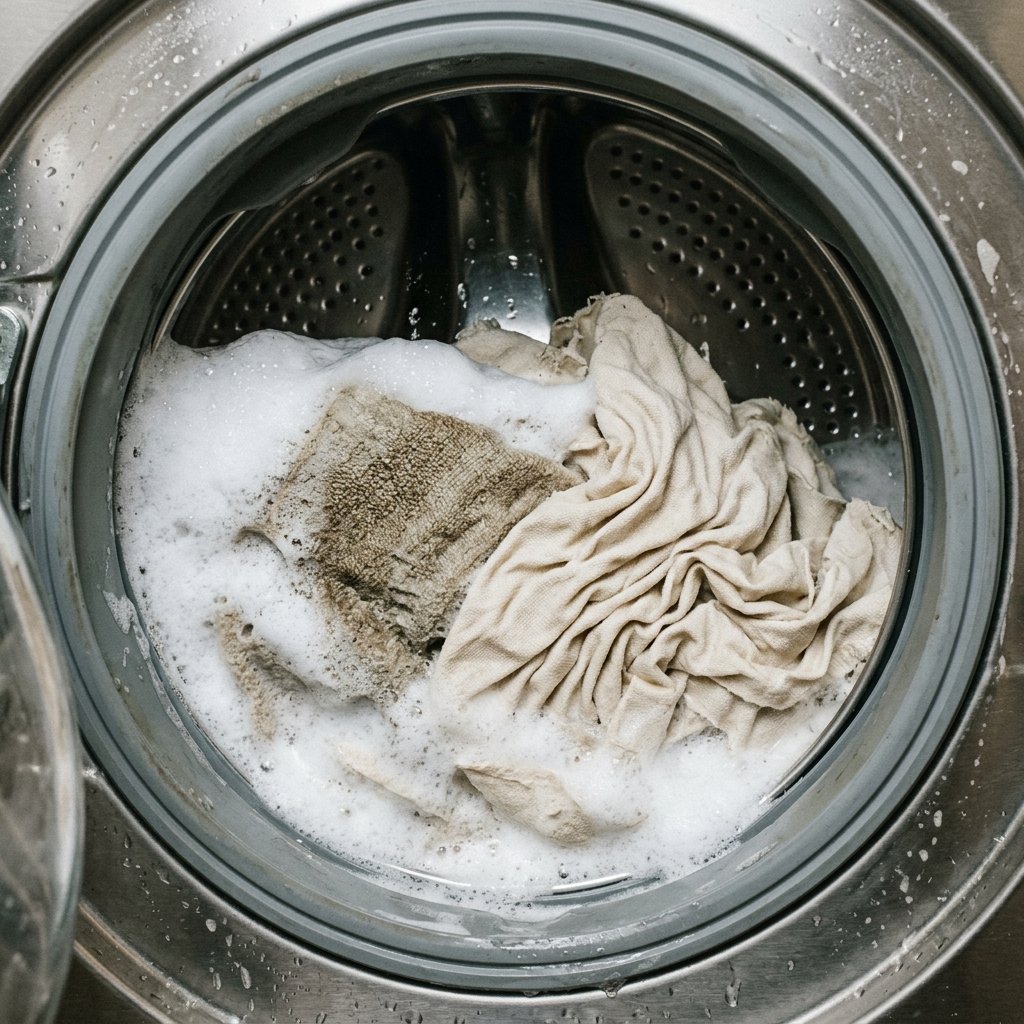
If you take a drop cloth straight from the package and throw it on your couch, it will feel like sitting on a tent. It’s stiff, it’s scratchy, and it smells like a warehouse. To get that soft, draped linen look, you have to process the fabric. This is where the magic happens.
The Bleaching Process
- The Hot Wash: Put one drop cloth at a time in your washing machine on the hottest setting possible.
- The Bleach Bath: Add 2-3 cups of bleach. This does two things: it lightens the dark tan ‘construction’ color to a beautiful creamy off-white, and it begins to break down the fibers.
- The Double Rinse: Use plenty of fabric softener in the final rinse.
- The High-Heat Dry: Dry it on high heat. This will shrink the fabric now so it doesn’t shrink later when you need to wash it for real. It also beats the fabric against the dryer drum, softening it further.
By the time you pull it out of the dryer, the canvas should feel thick, heavy, and surprisingly soft—very similar to expensive 12oz linen. You may need to repeat this process twice to get the exact shade of white you want. If you prefer a ‘greige’ look, skip the bleach and just do two hot washes with plenty of softener.
Step 2: The Art of the ‘No-Sew’ Drape
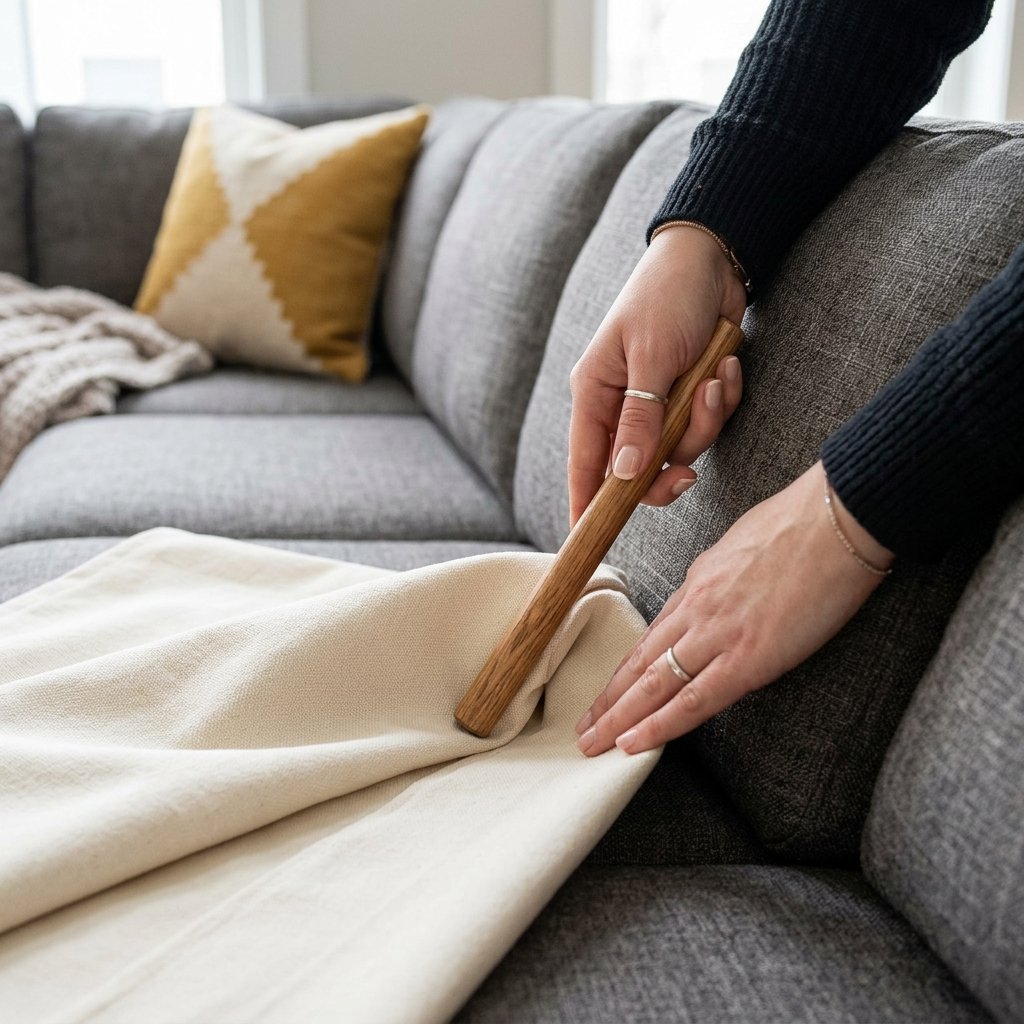
Now comes the fun part. We are going to ‘upholster’ your couch using the draping technique. The goal is to make it look intentional, not like you’re hiding from the ghost of Christmas past.
How to Drape Like a Pro
- Center the Fabric: Take your first 9’x12′ cloth and find the center. Drape it over the back of the couch, ensuring it touches the floor in both the front and the back.
- The Deep Tuck: This is the most important step. Push the fabric deep into the creases between the back cushions and the seat cushions. Use your wooden dowels or PVC pipes to ‘lock’ the fabric into the cracks. This prevents the cover from sliding when someone sits down.
- The Armrest Fold: For the arms, think of it like wrapping a present. Fold the excess fabric neatly and use a safety pin on the *inside* or underside where it can’t be seen.
- The Second Cloth: If your couch is deep, use the second cloth specifically for the seat cushions. You can wrap the cushions individually (like a burrito) or drape it over the entire base.
The ‘Ultimate Hacker’ Secret: If you have a staple gun and you don’t mind a semi-permanent change, you can staple the fabric to the underside of the wooden frame for a crisp, professional finish that never moves.
Step 3: Styling for the Luxury Aesthetic

A drop cloth on its own is just fabric. To truly sell the Restoration Hardware vibe, you need to style it. Luxury is all about texture and layers. If you just leave a flat piece of canvas, it looks unfinished. If you layer it, it looks like a design choice.
The Styling Checklist
- Add Texture: Toss a chunky knit wool blanket over one arm. The contrast between the smooth canvas and the rough knit looks expensive.
- Pillow Power: Use oversized (22×22 or 24×24) pillows. Go for neutral tones: charcoals, olives, or deep creams. Frugal Tip: Buy high-quality down inserts from thrift stores (wash them well!) and put new covers on them. Down pillows look much more ‘high-end’ than polyester-fill pillows because they hold a ‘chop.’
- The Floor Factor: Make sure the bottom of the drop cloth either ‘puddles’ slightly on the floor (very French Country) or is tucked neatly under the legs for a tailored look.
By focusing on these small details, you distract the eye from the fact that your couch cover cost $30 and convince the brain that it’s a bespoke piece of furniture.
Maintenance: Keeping it Clean
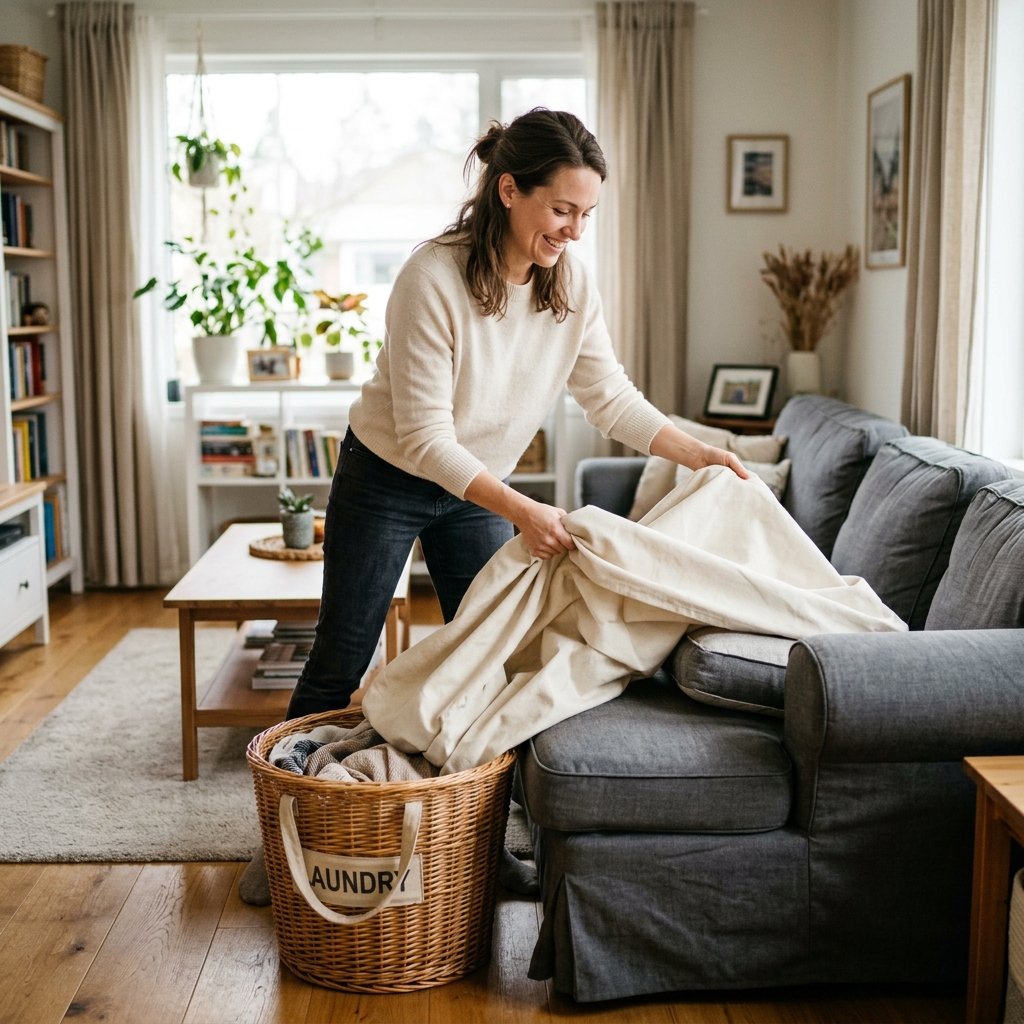
One of the biggest ‘hacks’ of this project is the ease of maintenance. When your dog jumps up with muddy paws or your toddler drops a chocolate bar, you don’t need a professional steam cleaner. You don’t need to panic. You just unpin, untuck, and throw it in the wash.
The Cleaning Protocol
Because you already pre-shrunk the fabric in the initial softening phase, you can wash these covers on a regular cycle. If there’s a tough stain, use a bit of OxiClean or more bleach. The beauty of the drop cloth is that it’s nearly indestructible. Unlike delicate silk or thin cotton slipcovers, canvas can handle industrial-strength cleaning. Over time, the more you wash it, the softer and more ‘linen-like’ it becomes. You are essentially ‘aging’ the fabric into a vintage patina that people pay thousands of dollars for at high-end boutiques.
Conclusion
You’ve Officially Hacked Your Living Room
There you have it. For the price of a few pizzas, you have successfully transformed an ‘ugly’ couch into a centerpiece that looks like it belongs in a luxury magazine. You’ve saved yourself thousands of dollars, kept a piece of furniture out of the landfill, and created a home environment that feels both high-end and incredibly livable. Frugal living isn’t about deprivation; it’s about being smarter than the marketing departments of big furniture brands. Now, grab a cup of coffee, sink into your ‘new’ linen sofa, and enjoy the $5,000 you just saved. You earned it!


Makenzie is the founder and lead writer at MoneyHackTips.com — a personal finance blog dedicated to delivering street-smart financial wisdom for real people on real budgets. With 300+ published articles covering everything from debt management to investing fundamentals, Makenzie’s mission is to make every dollar work harder. When not writing about money hacks, Makenzie is testing frugal living strategies, optimizing side hustles, and helping readers build financial freedom from scratch.