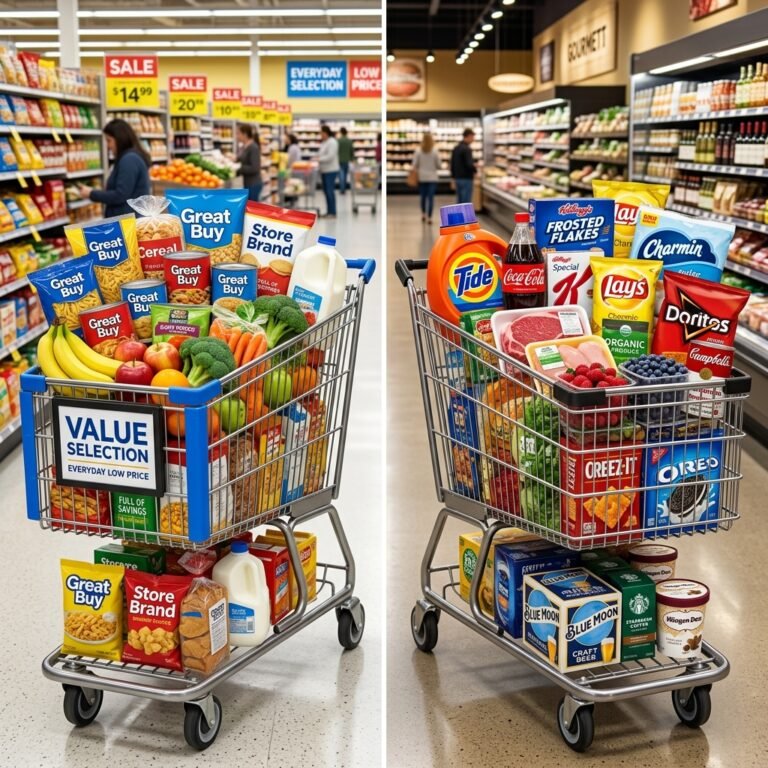


Hey there, fellow deal hunters and budget warriors! If you are anything like me, you absolutely love the convenience of clicking a button and having a package magically appear on your doorstep just two days later. It feels like living in the future, right? But let us be completely real with each other—that incredible convenience can quickly become a massive money pit if you are not paying attention. The Prime Effect is a real psychological phenomenon where we end up spending significantly more money just because the shipping is free and the checkout process is frictionless. I am here to share the ultimate insider secrets, the kind of street-smart tactics that will transform you from a casual, impulsive shopper into an absolute master of frugal living. We are diving deep into The Secret Amazon Hacks They Don’t Want You To Know About.
You see, the retail giant is not just a simple storefront. It is a massive, complex algorithm with hidden corners, secret tools, and pricing quirks that, when used correctly, can keep hundreds—if not thousands—of dollars in your pocket every single year. Most people just log on, search for what they want, click Add to Cart, and pay whatever price is listed on the screen. That is the quickest way to overpay! As frugal hackers, we do not settle for the retail price. We dig deeper. Whether you are stocking up on household essentials, hunting for a specific high-tech gadget, or buying gifts for the holidays, these hacks are about to become your new best friends. We are going to look at everything from hidden clearance sections to algorithmic price tracking that does the heavy lifting for you. Grab a cup of coffee, pull up your browser, and let us start hacking your shopping habits to maximize your savings without sacrificing the things you need and love!
The Hidden Amazon Outlet & Warehouse (The Hack)

Did you know Amazon has a digital clearance rack? Actually, they have two distinct hidden areas: Amazon Warehouse and Amazon Outlet. Most shoppers completely miss these sections because they are not heavily advertised on the main homepage. They are tucked away in the drop-down menus, waiting for savvy shoppers to uncover them.
Unlocking Amazon Warehouse
Amazon Warehouse is your ultimate go-to destination for open-box, refurbished, and returned items. Think about how many millions of items are returned to Amazon every week simply because someone changed their mind or the outer cardboard box got a little dented in transit. Amazon cannot sell these as Brand New, so they undergo a rigorous testing and grading process (ranging from Like New to Acceptable) and are resold at a steep discount. You can snag a perfectly good item for a fraction of the cost just because the packaging is not pristine.
The Frugal Rule: Never, ever buy a high-ticket item on Amazon without checking the Warehouse section first. A damaged box does not mean a damaged product, and the savings can be astronomical!
Exploring Amazon Outlet
On the flip side, Amazon Outlet is where overstock items go to be liquidated. Think brand-new products that just need to be cleared out of the massive fulfillment centers to make room for new inventory. This is where you find massive discounts on seasonal items, clothing, pet supplies, and even furniture.
| Item Type | Standard Retail Price | Warehouse/Outlet Price | Estimated Savings |
|---|---|---|---|
| High-End Kitchen Blender | $400.00 | $280.00 (Like New) | $120.00 |
| Overstock Pet Supplies | $45.00 | $22.00 | $23.00 |
| Returned Ergonomic Office Chair | $150.00 | $85.00 (Very Good) | $65.00 |
| Seasonal Holiday Decor | $60.00 | $15.00 (Outlet Clearance) | $45.00 |
The best part? Warehouse deals still fall under the standard Amazon return policy. If the item arrives and it is more damaged than you expected, you can simply return it for free. It is a completely risk-free way to hack your way to massive savings.
Price Tracking Tools You Need (The Strategy)

Here is a massive secret that retailers do not want you to focus on: Amazon prices fluctuate constantly. Sometimes they change multiple times a single day based on demand, competitor pricing, and inventory levels! If you are buying an item the exact moment you think of it without checking its history, you are almost certainly overpaying. To combat this algorithmic pricing, you need to arm yourself with third-party price tracking tools. The absolute best in the business are CamelCamelCamel and Keepa.
How to Use CamelCamelCamel
CamelCamelCamel tracks the historical price data of almost every item on the platform. By looking at the price history chart, you can instantly tell if that $50.00 sale banner is actually a good deal, or if the exact same item was priced at $35.00 just last week. It completely removes the fear of missing out from your shopping experience.
- Set Up Alerts: This is where the magic happens. Drop the product URL into their site, set your desired price threshold, and simply wait. When the price drops to your target, you get an email alert. You let the tool do the waiting for you!
- Browse Top Price Drops: They have a section dedicated to the biggest price drops of the day. It is a great place to find deeply discounted gifts or household staples.
Visual Tracking with Keepa
If you are a visual person, Keepa is a browser extension that embeds a highly detailed price history graph directly onto the Amazon product page, right below the product image. You do not even have to navigate away from the page to know if you are getting ripped off. It shows you the price history for Amazon-sold items, third-party new items, and even used items. By using these tools, you take all the emotion out of shopping and let hard data dictate exactly when you open your wallet.
Subscribe & Save Mastery (The Math)
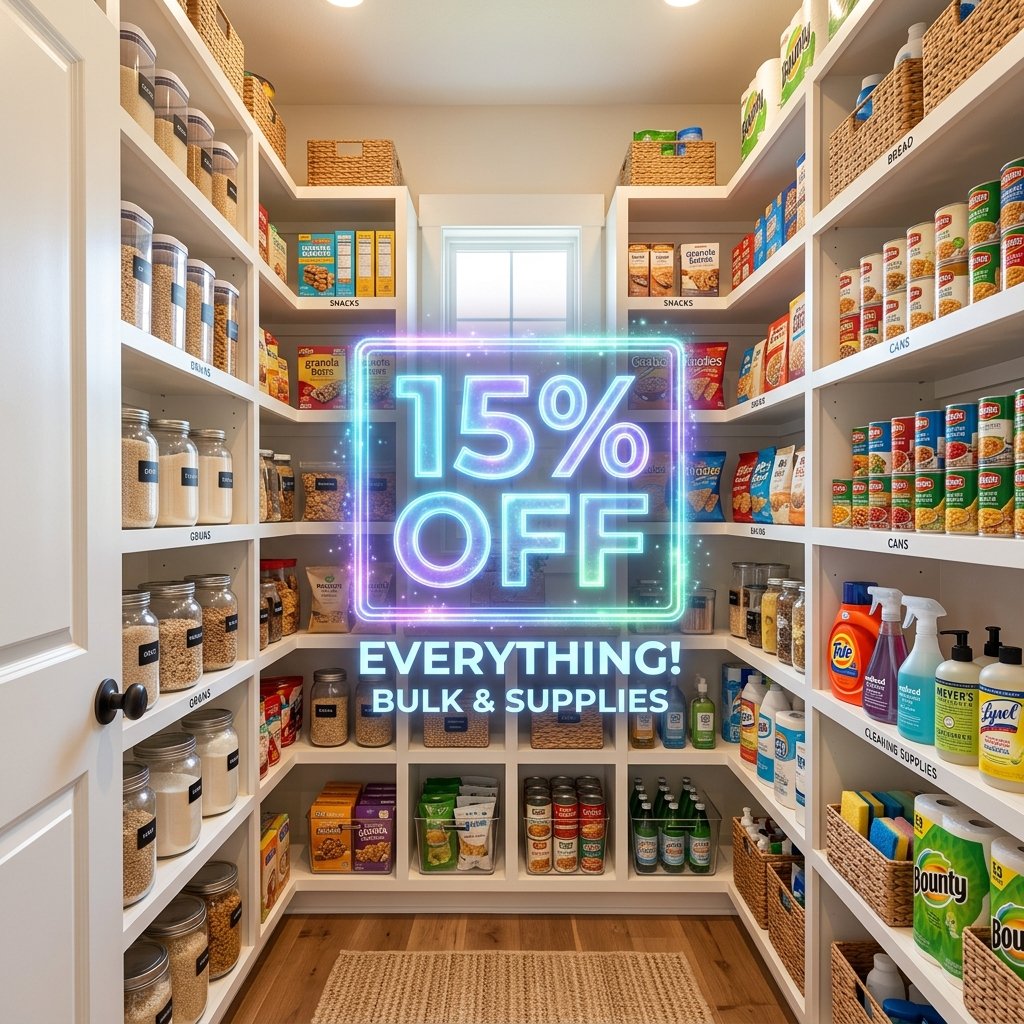
The Subscribe & Save program is heavily promoted, so it is not exactly a secret. But knowing how to actually hack it to your maximum advantage absolutely is. Amazon offers up to a 15% discount on your entire subscription order if you subscribe to five or more items arriving on your designated delivery day in the same month. The trick is reaching that crucial five-item threshold without buying things you do not actually need, which would defeat the purpose of being frugal.
The Filler Item Strategy
Here is the street-smart approach: Find incredibly cheap filler items. Think a $1.00 pack of lip balm, a $1.50 box of baking soda, or a $2.00 pack of travel tissues. By adding these inexpensive items to your subscription list, you unlock the 15% tier for your much more expensive items, like premium dog food, bulk laundry detergent, or expensive vitamins.
The Savings Math
Let us break down exactly how this simple, mathematical trick saves you serious money over time:
| Monthly Purchase | Standard Cost | 15% Subscribe & Save Cost | Annual Savings |
|---|---|---|---|
| Premium Dog Food | $60.00 | $51.00 | $108.00/year |
| Bulk Paper Towels | $30.00 | $25.50 | $54.00/year |
| Specialty Coffee Pods | $40.00 | $34.00 | $72.00/year |
| Daily Multivitamins | $25.00 | $21.25 | $45.00/year |
By just optimizing four regular household purchases and adding a cheap filler item, you save nearly $280.00/year. Now imagine doing that for all your cleaning supplies, personal care items, and pantry staples!
Pro Tip: You are in complete control. You can cancel a subscription immediately after your first order ships. You are not locked into a contract forever! Just be sure to monitor the prices before your next shipment, as Subscribe & Save prices can fluctuate month to month.
The Cart Abandonment & Coupon Tricks (The Action Plan)

Let us talk about digital coupons and the fine art of playing hard to get with the algorithm. Amazon actually has a dedicated, massive coupon page that the vast majority of people never visit. Before you buy anything, especially groceries or beauty products, search the Amazon Coupons section. You simply click to clip the digital coupon, and the discount is automatically applied at checkout. It is literally free money waiting to be clicked.
The Cart Abandonment Strategy
But what if there is no coupon available for the item you want? It is time to use the Cart Abandonment trick. Retailers absolutely hate it when you leave items in your cart. It messes with their conversion metrics and signals that a customer is hesitating. If you are logged into your account, add the item you want to your cart, go all the way to the final checkout page, and then… just close the browser tab. Walk away.
The Strategy Script: Wait 24 to 48 hours. Often, Amazon (or specifically the third-party seller who is desperate for the sale) will send an automated email saying, Did you forget something? Here is a 10% off code to complete your purchase! or they will quietly drop the price of the item in your cart.
While this trick does not work 100% of the time, when it does, it is the easiest money you will ever save. Combine this patience with searching for generic alternatives. Many Amazon Basics items are manufactured in the exact same overseas factories as the big-name premium brands, just without the massive marketing markup. If you can wait a day or two before clicking buy, you give the algorithm time to offer you a better deal.
Getting Paid: Free Stuff & Trade-Ins (The Cheat Sheet)
Who does not love free money and perks? If you are paying for a Prime membership, you are probably used to the standard two-day shipping. But did you know Amazon will literally pay you to be patient and wait a few extra days? When you are on the checkout screen, always look for the No-Rush Shipping option.
No-Rush Shipping Credits
If you do not need your item immediately (and let us be honest, we rarely need things in 48 hours), selecting this option rewards you with digital credits. These credits can be used for Kindle books, Prime Video movie rentals, or sometimes even cash off your next physical purchase. Over a year, collecting these $1.50 and $2.00 credits adds up significantly, essentially paying for your digital entertainment budget entirely.
The Amazon Trade-In Program
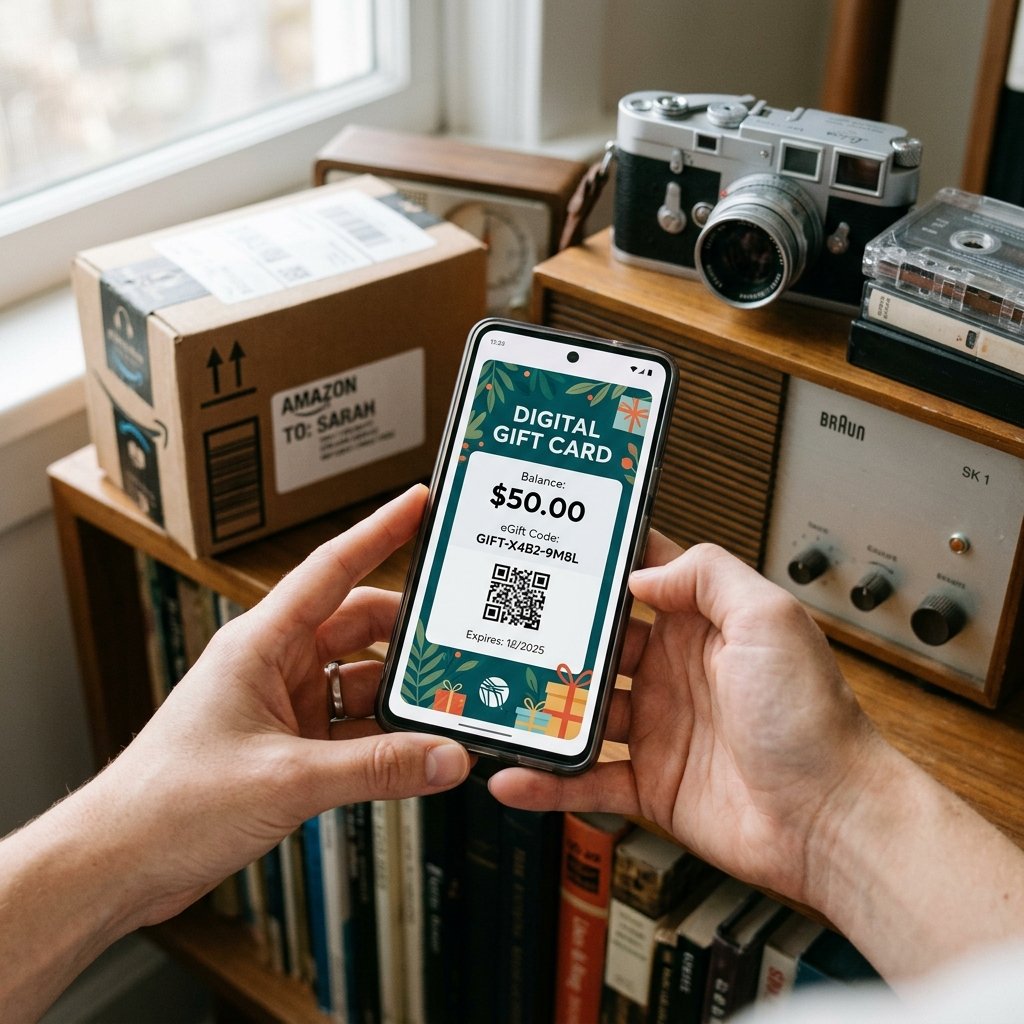
Another incredibly lucrative hack is the Amazon Trade-In Program. Do you have an old Kindle, an outdated Echo dot, a used smartphone, or even old video games collecting dust in a drawer? Trade them in! Amazon will give you an immediate electronic gift card for the appraised value of the item, plus a bonus discount (often 20% to 25% off) on a new, qualifying Amazon device.
- Gather all your old, unused electronics and media.
- Check their exact trade-in value on the official Amazon Trade-In page.
- Ship them for completely free using the provided prepaid shipping label.
- Receive your free Amazon gift card and bonus discount applied directly to your account!
This is the ultimate frugal way to upgrade your tech without paying full retail price, while simultaneously decluttering your home.
Scam Warnings & Fake Reviews (The Frugal Hacker’s Shield)

As the ultimate frugal hacker, your job is not just to save money—it is to protect the money you have from scams and low-quality junk. Amazon is flooded with third-party sellers, and unfortunately, not all of them are playing by the rules. The biggest trap that catches unsuspecting shoppers? Fake reviews.
Spotting the Fakes with Fakespot
You find a product with thousands of five-star reviews, and the price is unbelievably low. Before you hit buy, you need to verify those reviews. Sellers often pay for fake reviews or use review brushing tactics to artificially inflate their product’s rating. To protect yourself, use a free tool like Fakespot or ReviewMeta. You simply paste the Amazon product URL into their site, and their algorithm analyzes the reviews, filtering out the fake ones to give you an adjusted, honest rating.
Scam Warning: Be highly suspicious of products where all the five-star reviews were posted within a few days of each other, or if the reviews mention a completely different product. This is a classic listing hijacking scam!
Understand Who You Are Buying From
Always check the Ships from and Sold by lines under the buy button.
- Ships from and Sold by Amazon: The safest option. Genuine products and easy returns.
- Sold by [Third Party] and Fulfilled by Amazon: Generally safe. The seller owns the item, but Amazon handles the shipping and returns.
- Ships from and Sold by [Third Party]: Proceed with caution. You are relying entirely on that seller’s shipping speed and return policy.
By staying vigilant and using review analyzers, you ensure that the money you save is not wasted on counterfeit or defective products.
Conclusion
There you have it—your ultimate, comprehensive cheat sheet to hacking Amazon and keeping significantly more of your hard-earned cash where it belongs: in your bank account. From diving deep into the hidden Warehouse deals and Outlet clearance sections, to outsmarting the complex pricing algorithm with tools like Keepa, and mastering the math behind Subscribe & Save, you are now fully equipped to shop like a true frugal hacker.
Remember, frugal living is not about depriving yourself; it is about maximizing the value of every single dollar you spend. Every twenty dollars you save on everyday household essentials is money you can redirect toward your ultimate financial freedom, your emergency fund, or that dream family vacation. Do not let the convenience of one-click shopping lull you into overspending. Start applying these street-smart tricks today, share them with your friends, and watch your savings multiply year after year. Stay smart, stay vigilant, and happy hacking!


Makenzie is the founder and lead writer at MoneyHackTips.com — a personal finance blog dedicated to delivering street-smart financial wisdom for real people on real budgets. With 300+ published articles covering everything from debt management to investing fundamentals, Makenzie’s mission is to make every dollar work harder. When not writing about money hacks, Makenzie is testing frugal living strategies, optimizing side hustles, and helping readers build financial freedom from scratch.