
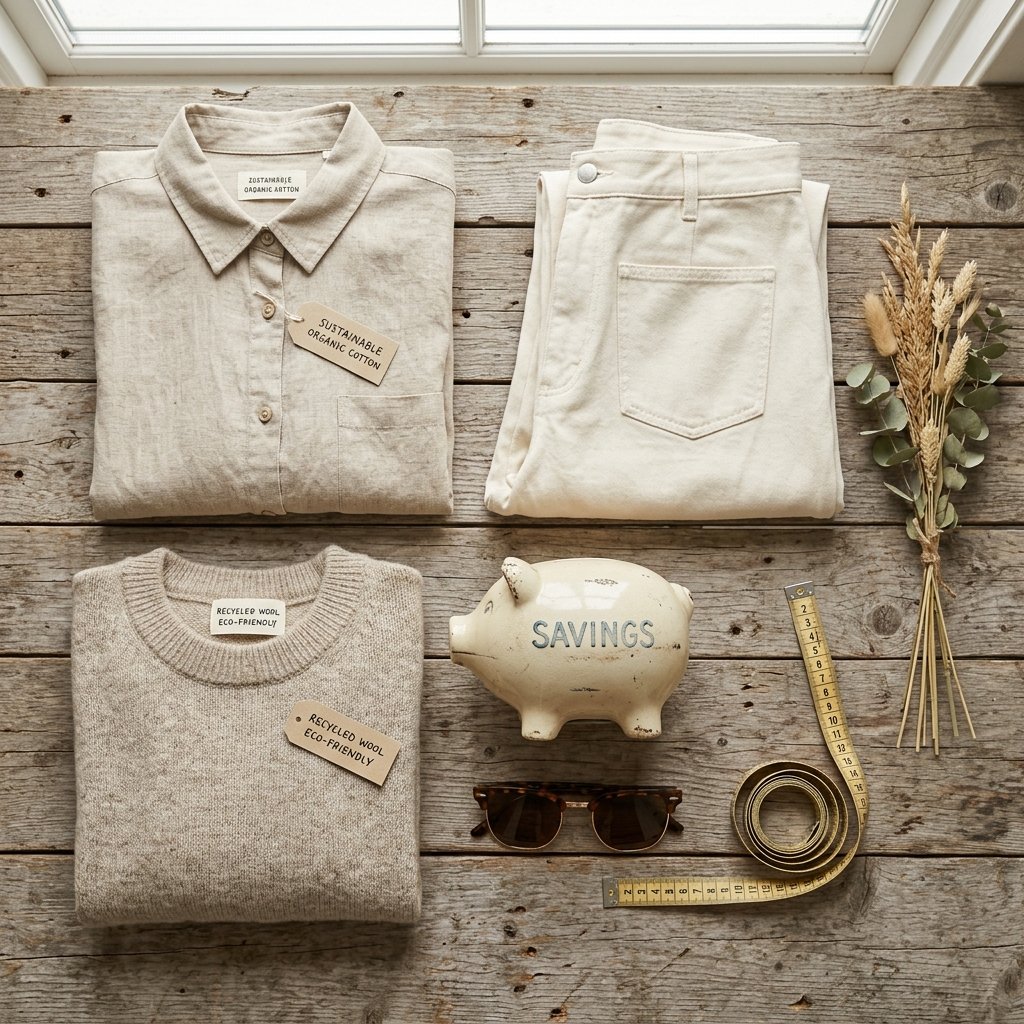

Hey there, frugal hackers! Welcome to your ultimate guide on building a wardrobe that is as kind to your wallet as it is to the planet. We all know the feeling of staring into a closet full of clothes and feeling like we have absolutely nothing to wear. The temptation to run to the nearest fast-fashion mall and drop $100 on trendy pieces is real. But what if I told you that you could look like a million bucks, save the earth, and keep your hard-earned cash right where it belongs? That is the magic of eco-chic living.
Sustainable fashion has a reputation for being incredibly expensive. When you see ethical brands charging $250 for a basic linen dress, it is easy to think that saving the planet is only for the wealthy. But as frugal living enthusiasts, we know that the best hacks require a little street smarts, not a massive budget. In this guide, we are going to dive deep into the strategies that will help you build a stunning, sustainable wardrobe on a thrifty budget. Grab your favorite cup of home-brewed coffee, and let us get started!
The Mindset Shift: Cost Per Wear vs. Fast Fashion
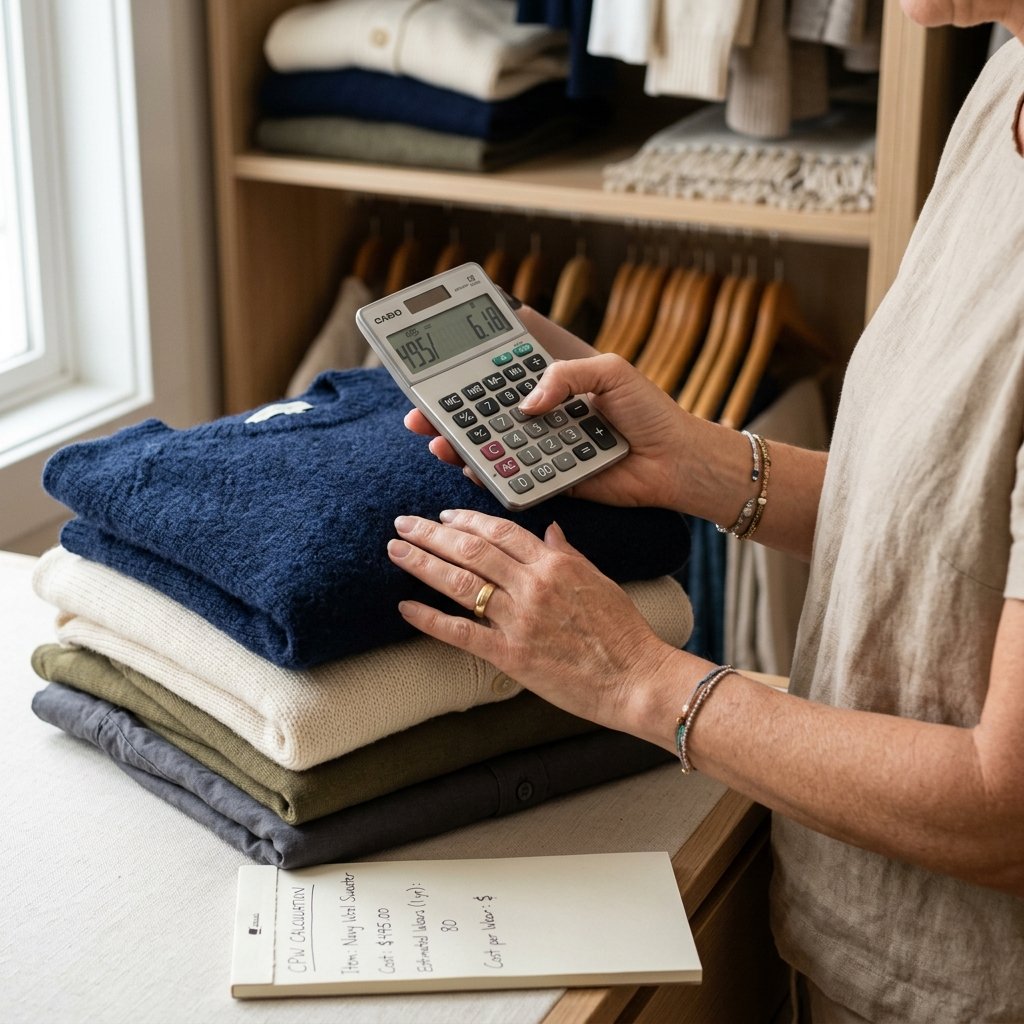
Before we hit the thrift stores or download any apps, we need to talk about the math. Fast fashion is designed to be cheap upfront but expensive in the long run. A $15 sweater that unravels after three washes is a terrible investment compared to a $40 high-quality thrifted wool sweater that lasts for a decade.
Understanding Cost Per Wear
The golden rule of the frugal hacker is focusing on ‘Cost Per Wear’ (CPW). To calculate this, you simply divide the cost of the item by the number of times you wear it. Let us look at a real-world example to see how much you can save.
| Wardrobe Strategy | Upfront Cost | Wears Before Ruined | Cost Per Wear (CPW) | Total Cost Over 5 Years |
|---|---|---|---|---|
| Fast Fashion T-Shirt | $10 | 10 | $1.00 | $150 (buying replacements) |
| Thrifted Organic Cotton Tee | $6 | 100+ | $0.06 | $6 (lasts for years) |
| Designer Denim (Retail) | $200 | 200 | $1.00 | $200 |
| Thrifted Vintage Levi’s | $25 | 500+ | $0.05 | $25 |
As you can see, investing in quality secondhand items saves you hundreds of dollars over time. By avoiding the fast-fashion trap, you could easily save $600/year or more on clothing alone!
Key Rule: Never buy an item unless you can immediately think of three different ways to style it with clothes you already own. If it does not match your current wardrobe, it is a waste of money, no matter how cheap it is.
The Thrift Store Cheat Sheet
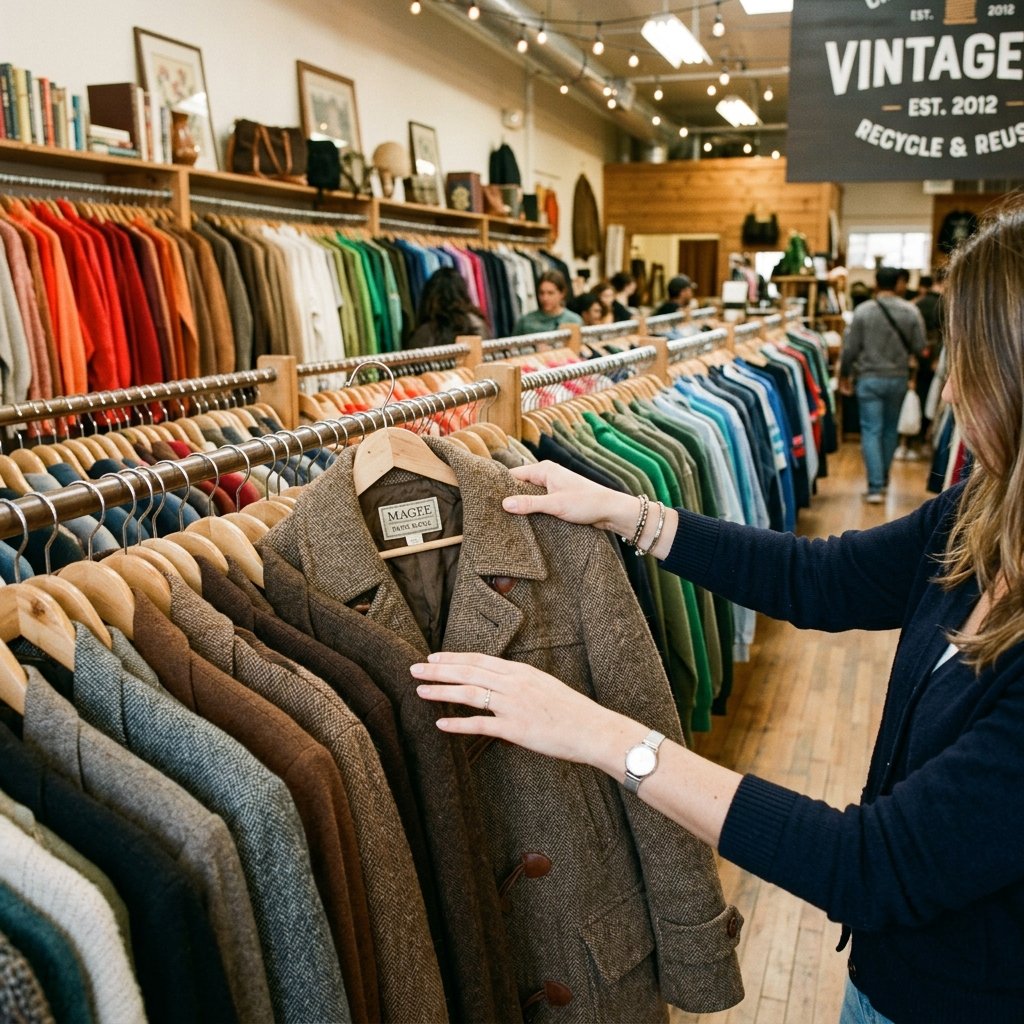
Thrift stores are the ultimate treasure troves for the eco-chic frugal hacker. But walking into a massive secondhand store can be overwhelming. You need a game plan to score the best deals on high-quality fabrics.
How to Thrift Like a Pro
- Know the Sale Days: Most thrift stores have specific days where certain tag colors are 50% off. Ask the cashier for their schedule. You can turn an $8 silk blouse into a $4 steal.
- Touch Everything: Train your hands to recognize natural fibers. Scan the racks and feel for 100% cotton, linen, silk, wool, and cashmere. Skip the scratchy polyester.
- Check the Men’s Section: Do not limit yourself! The men’s section is incredible for oversized vintage blazers, thick flannel shirts, and perfectly worn-in denim jackets.
- Inspect for Flaws: Always check the armpits for stains, test the zippers, and make sure all the buttons are there. A cheap item is not a deal if it costs you $20 at the tailor to fix.
Scam Warning: Beware of ‘vintage’ boutiques that buy cheap fast-fashion items, cut the tags off, and mark them up by 300%. Always check the inner care tags to verify the brand and fabric composition before paying a premium!
Digital Thrifting: Best Apps and Websites

If digging through dusty racks is not your vibe, welcome to the digital age of thrifting. You can build an incredible sustainable wardrobe from the comfort of your couch. Here are the top platforms you need to download right now.
Top Resale Platforms
- Poshmark: Great for mid-tier to high-end brands. You can negotiate prices using the ‘Make Offer’ button. Never pay full asking price!
- ThredUp: The largest online thrift store. They constantly run sales where you can get up to 50% off your first order. It is perfect for replacing basics.
- Depop: The go-to for trendy, vintage, and streetwear aesthetics. It skews younger but has amazing unique pieces.
- Vinted: The frugal hacker’s favorite because there are zero selling fees for sellers, which means prices are generally lower than on Poshmark.
| App/Website | Best For | Frugal Hack |
|---|---|---|
| Poshmark | Name brands, shoes, bags | Bundle items from one seller to save on shipping and get a bundle discount. |
| ThredUp | Everyday basics, office wear | Filter by ‘New With Tags’ to get brand new sustainable clothes at 80% off. |
| Vinted | Ultra-cheap casual wear | Sort by lowest price; you can often find great items for under $5. |
By utilizing these apps, you bypass the retail markup entirely. Plus, you can sell your old clothes on these platforms to fund your new eco-chic purchases, creating a zero-dollar wardrobe cycle!
The Art of the Clothing Swap
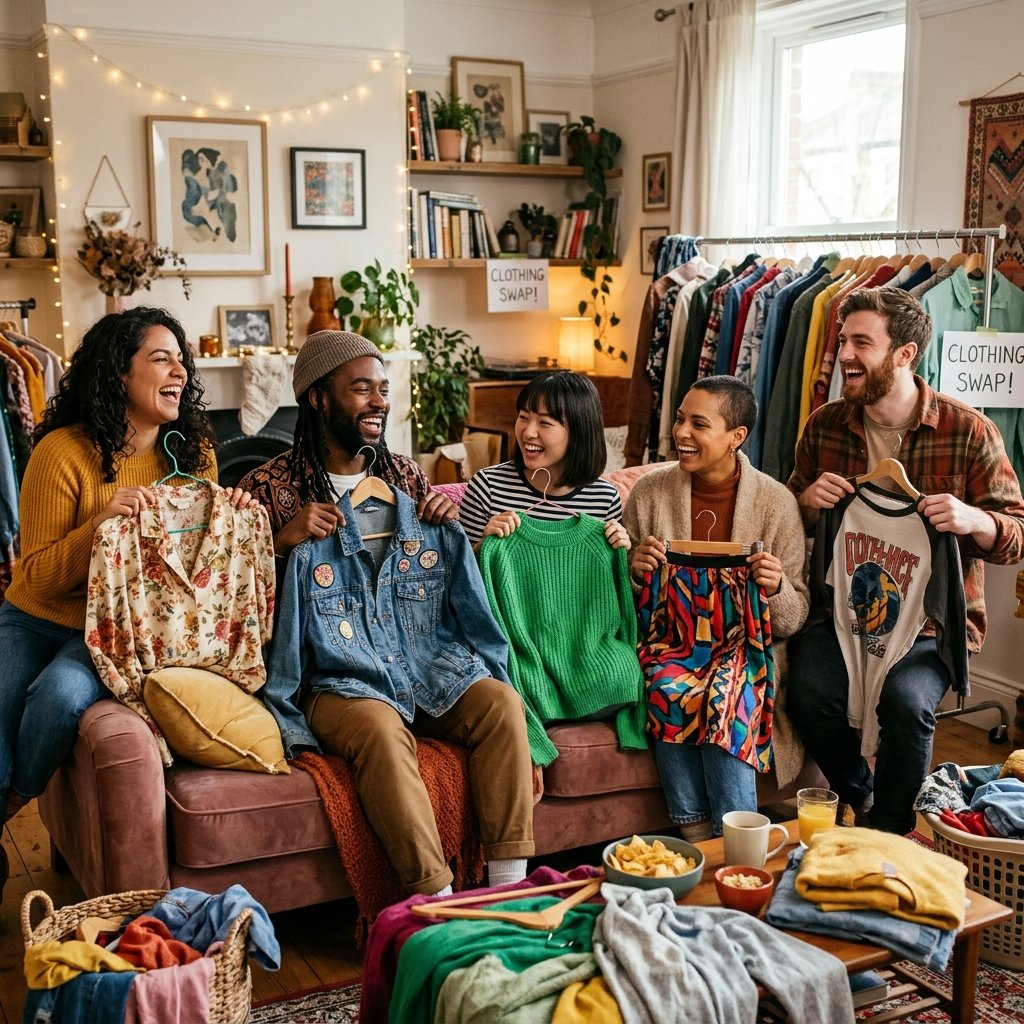
What is better than cheap clothes? Free clothes! Hosting a clothing swap is the ultimate frugal hack for sustainable fashion. It is a fantastic way to refresh your wardrobe, socialize, and keep textiles out of landfills.
How to Host a Successful Swap
Gather a group of friends, coworkers, or local community members. Ask everyone to bring 5 to 10 gently used items they no longer wear. Set up some snacks, put on a great playlist, and let the swapping begin!
The Invitation Script:
‘Hey [Name]! I am hosting an eco-chic clothing swap at my place on [Date]. We are all trying to save money and shop sustainably this year. Bring 5-10 items of clothing or accessories you no longer wear, and you can swap them for new-to-you pieces! Let me know if you can make it—wine and snacks are on me!’
Whatever is left over at the end of the night can be bagged up and donated to a local women’s shelter or charity. You get a wardrobe refresh for absolutely $0, and you help your community. It is a win-win!
Make It Last: DIY Repairs and Upcycling
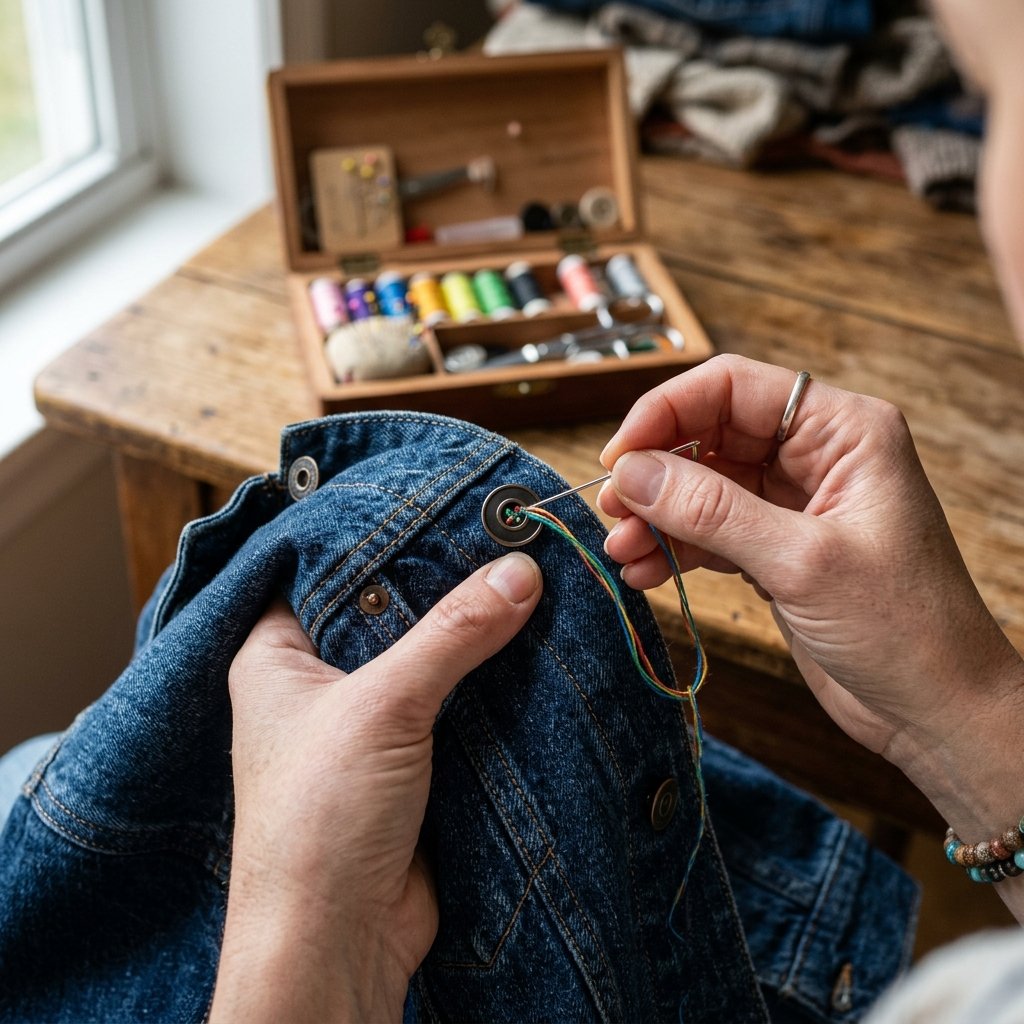
The most sustainable and frugal item of clothing is the one you already own. Extending the life of your garments is a crucial skill for any eco-chic enthusiast. You do not need to be a master tailor to do basic repairs.
Essential DIY Wardrobe Skills
- Sewing a Button: Do not throw away a $60 cardigan just because a button popped off. A basic sewing kit costs $3 and watching a five-minute YouTube tutorial will teach you a skill for life.
- Dyeing Faded Clothes: Black jeans looking a little gray? A box of fabric dye costs about $4 and can make your favorite pants look brand new again.
- Hemming with Hem Tape: If you find the perfect trousers at the thrift store but they are too long, use iron-on hem tape. It costs $5 and requires zero sewing.
By learning these basic maintenance skills, you protect your investments. Taking care of your clothes by washing them on cold and air-drying them will also prevent shrinkage and fading, saving you countless dollars in replacement costs.
Conclusion
Building an eco-chic, sustainable wardrobe on a thrifty budget is not just possible; it is incredibly rewarding. By shifting your mindset from fast fashion to cost-per-wear, mastering the art of thrifting, utilizing digital resale apps, hosting clothing swaps, and learning basic DIY repairs, you become the ultimate frugal hacker of your closet.
Remember, true style is not about how much money you spend; it is about how creatively you can put things together while staying true to your values and your budget. You can save the planet and your bank account at the exact same time. Now, go out there, hit the thrift store racks, and start building the sustainable wardrobe of your dreams!
Disclaimer: The Ultimate Frugal Hacker is a lifestyle and budgeting enthusiast, not a licensed financial advisor. The savings and math examples provided are for illustrative purposes. Always evaluate your own budget before making purchasing decisions!


Makenzie is the founder and lead writer at MoneyHackTips.com — a personal finance blog dedicated to delivering street-smart financial wisdom for real people on real budgets. With 300+ published articles covering everything from debt management to investing fundamentals, Makenzie’s mission is to make every dollar work harder. When not writing about money hacks, Makenzie is testing frugal living strategies, optimizing side hustles, and helping readers build financial freedom from scratch.