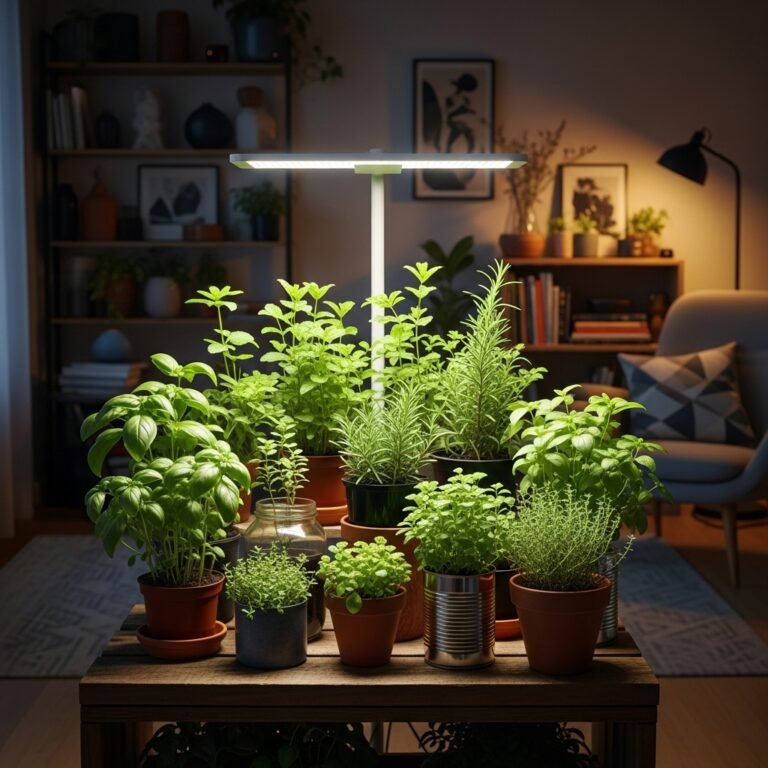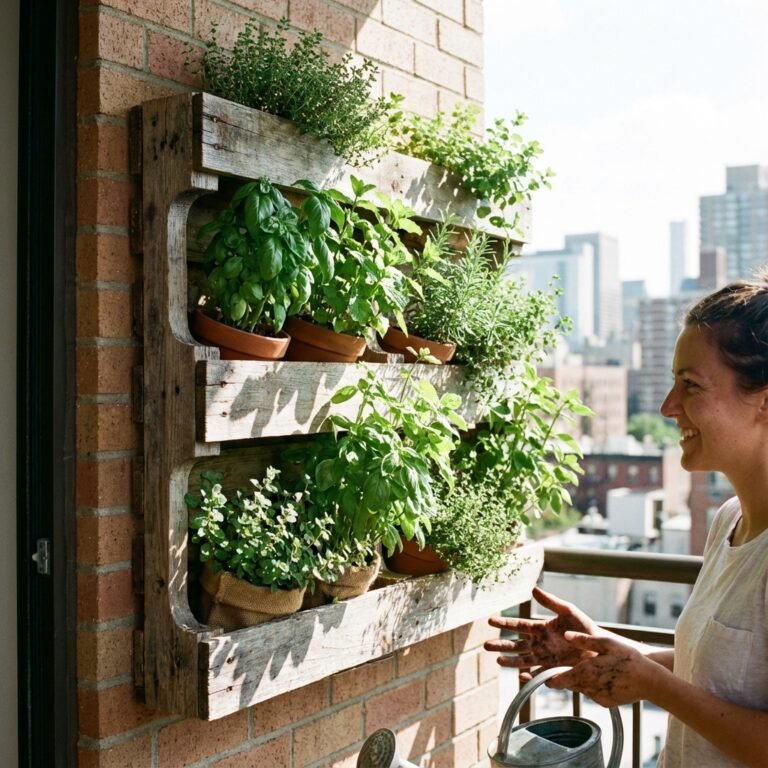
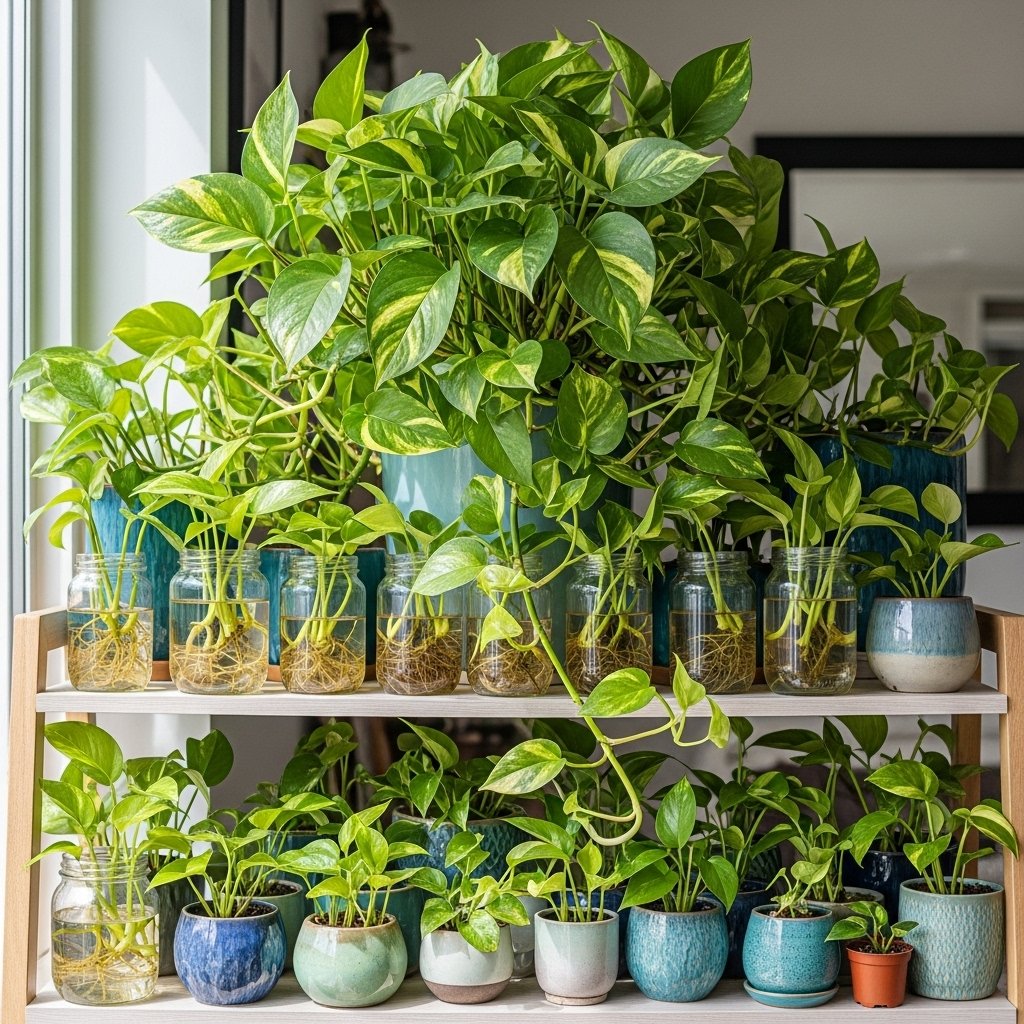

Look, we all want that lush, Instagram-worthy jungle vibe in our homes. But let’s be real: buying houseplants gets expensive fast. A single trendy plant can set you back $30, $50, or even more. What if I told you that you could fill your entire home with greenery for free? And what if you could turn that free greenery into a legit, low-effort side hustle that pads your bank account? It’s not a scam; it’s propagation. This is the ultimate frugal hack for anyone who wants more green in their life and their wallet. Forget the garden center price tags. We’re about to turn you into a plant-cloning boss, using nothing but a plant you already own, some water, and a little bit of hustle.
The Propagation Game: Your Crash Course on Free Plants
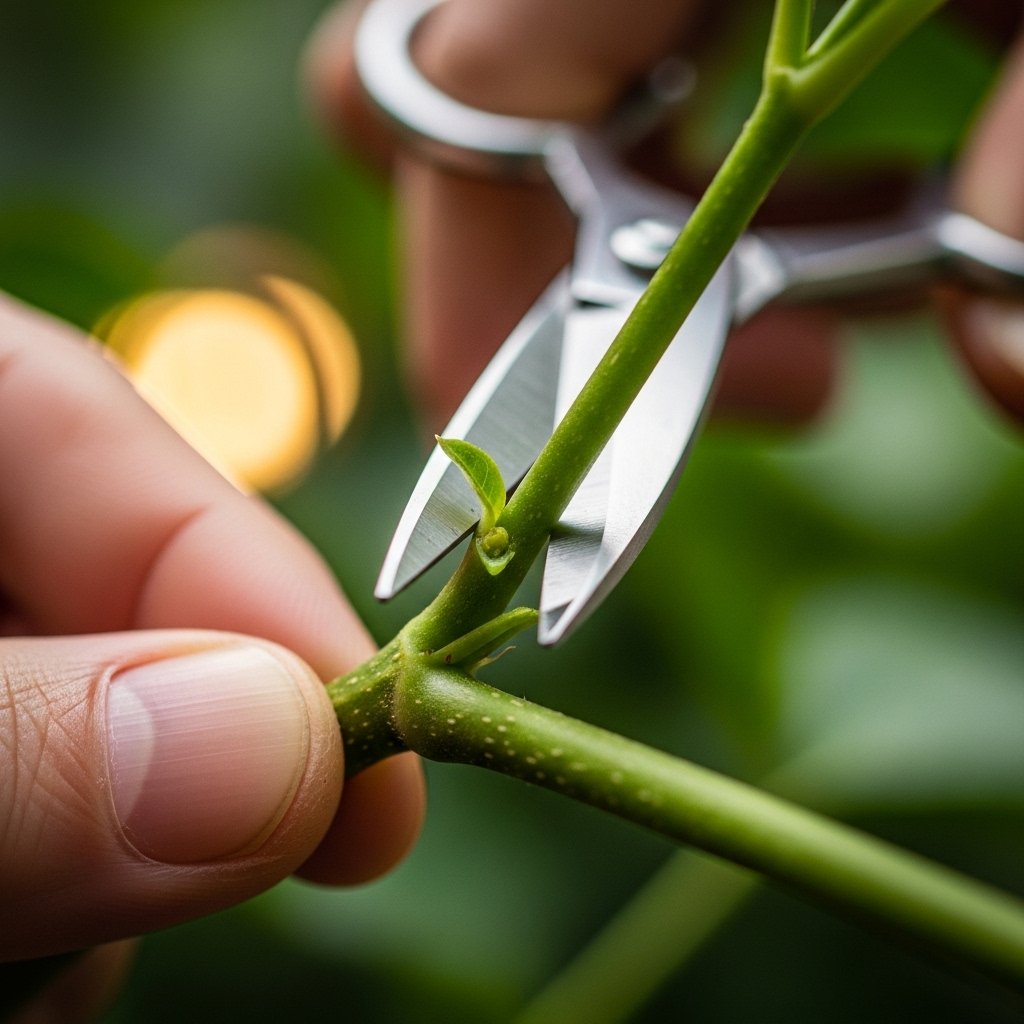
Before you start seeing dollar signs, you need to understand the game. Propagation is just a fancy word for making baby plants from a parent plant. No seeds, no fancy equipment. You’re essentially a plant cloner. The most common and dead-simple method is using stem cuttings. You snip a piece off a healthy ‘mother plant,’ stick it in water, and wait for it to grow its own roots. That’s it. That new root system means you have a brand new, independent plant ready to be potted.
Key Terms to Know:
- Mother Plant: This is your OG plant, the source of all your future wealth and greenery. Treat it well.
- Cutting: The piece of stem and leaves you snip from the mother plant.
- Node: This is the magic spot. It’s a little bump on the stem where leaves and roots grow from. When you take a cutting, you MUST include at least one node. No node, no roots, no plant. It’s the golden rule of propagation.
Think of it like this: the mother plant is your master copy. Each cutting is a perfect duplicate that can grow into another full-sized master copy. By taking a few cuttings every month, you create a perpetual plant-making machine that costs you nothing to run.
Your ‘Can’t-Mess-This-Up’ Plant List
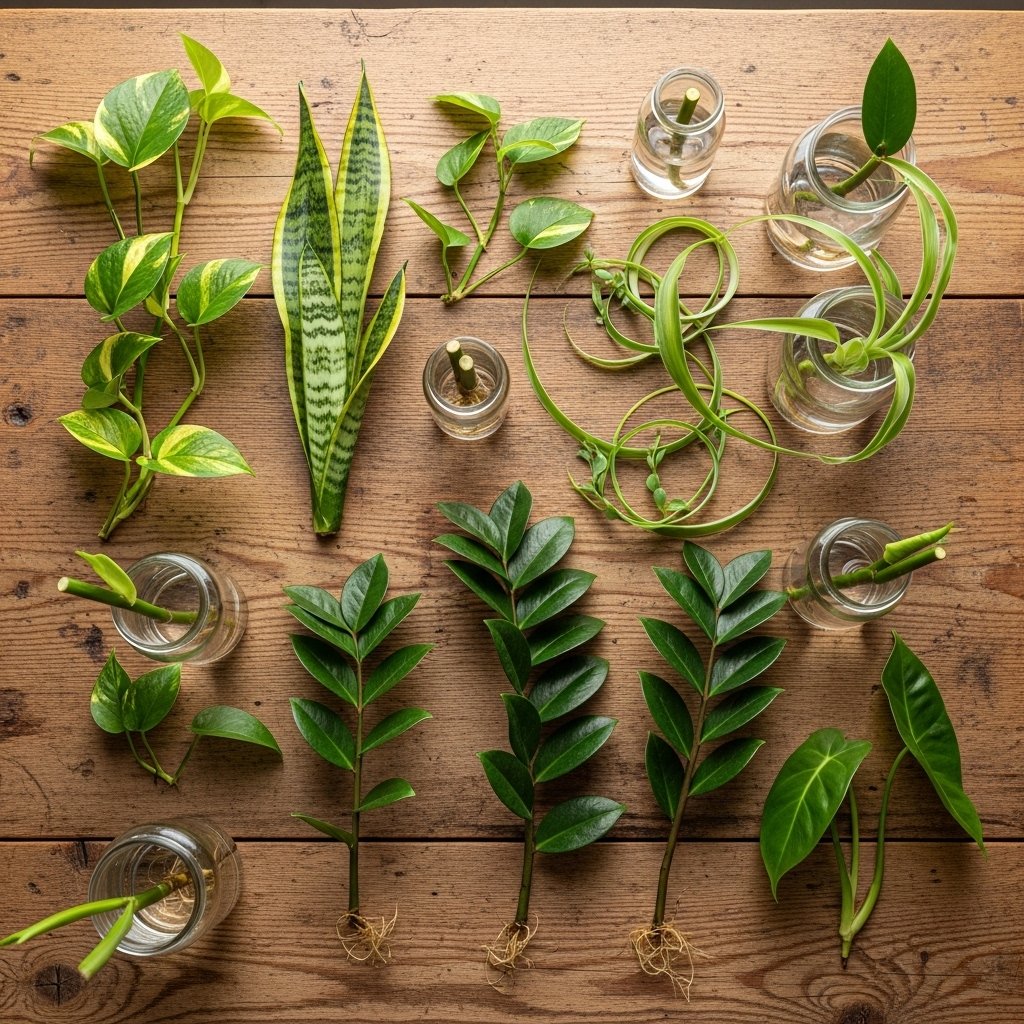
Not all plants are created equal in the propagation game. Some are divas, but others are so easy to clone it feels like cheating. If you’re just starting out, stick to these champions. They’re popular, they’re tough, and they root so fast you’ll feel like a genius.
- Pothos (Epipremnum aureum): The undisputed king of easy propagation. This trailing vine is practically begging you to chop it up and make more. It roots in water in a couple of weeks and is incredibly forgiving.
- Snake Plant (Dracaena trifasciata): You can propagate these from leaf cuttings. Literally, you cut a piece of the leaf off, stick it in water, and it will grow roots and new baby plants (pups). It’s slower, but ridiculously cool.
- Spider Plant (Chlorophytum comosum): These guys do the work for you, sending out little baby ‘spiderettes’ on long stems. You just snip them off and pot them up. It’s the easiest win you’ll ever get.
- ZZ Plant (Zamioculcas zamiifolia): Another one that can be propagated by a single leaf or a stem cutting. They’re known for being nearly indestructible, and their clones are just as tough.
- Philodendron Heartleaf: Very similar to Pothos, this vining plant roots super fast in water. Its charming heart-shaped leaves make it a bestseller for side hustlers.
Start with one or two of these. Buy one healthy mother plant, and you have the genetic code to create an infinite supply for your home and for your future customers.
The Step-by-Step Playbook: From Cutting to Cash Cow
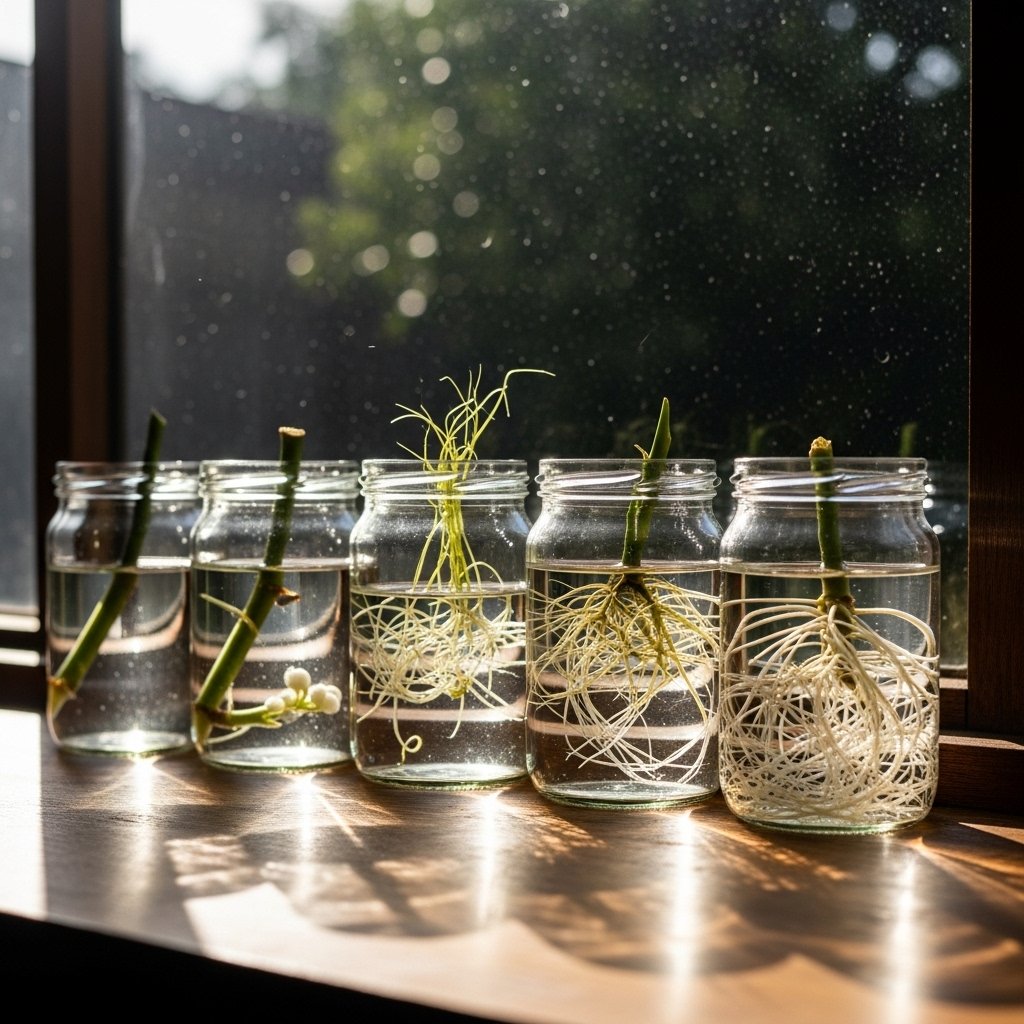
Alright, it’s time to get your hands dirty. Well, not really, since we’re starting with water. Here’s the exact, no-fluff playbook to go from a single stem to a sellable plant.
The Frugal Tutorial
- Gear Up (For Free): You don’t need special stuff. Grab a clean pair of scissors or a sharp knife. Find a glass jar, an old pasta sauce jar, a wine bottle—anything clear so you can watch the roots grow. That’s it.
- Make the Cut: Identify a healthy vine on your mother plant. Look for the nodes. Count down 2-4 leaves from the tip of the vine and find a node right below the last leaf. Make your cut about a quarter-inch below that node. Your cutting should have a few leaves and at least one node. Pro tip: take a few cuttings at once to increase your chances of success.
- Strip & Dip: Pluck off the bottom leaf or two—the ones that would be underwater in your jar. You don’t want leaves rotting in the water. It’s gross and can ruin the cutting. Now, place your cutting in the jar and fill it with room-temperature tap water, making sure the node is fully submerged.
- The Waiting Game: Place your jar in a spot with bright, indirect sunlight. A windowsill that doesn’t get scorched by the sun is perfect. Now, you wait. Change the water every few days to keep it fresh and oxygenated. In a few weeks, you’ll see little white roots sprouting from the node. It’s genuinely exciting.
- Potting Day: Once the new roots are about one to two inches long, it’s time to move your cutting to soil. Get a small pot with drainage holes and fill it with standard potting mix. Plant your rooted cutting, water it well, and you’re done. You’ve officially created a new plant from thin air.
Cost Breakdown: The Real Savings
Still not convinced? Let’s run the numbers. The math doesn’t lie.
| Item | DIY Propagation Cost | Store-Bought Cost (per plant) |
|---|---|---|
| 10 Small Potted Pothos Plants | $5 – $10 (for one bag of soil) | $100 – $150 (at $10-$15 per plant) |
| Tools & Supplies | $0 (using household items) | N/A |
| Mother Plant | $15 – $20 (one-time purchase) | N/A |
| Total for 10 Plants | ~$25 (and you still have the mother plant!) | $100 – $150 |
| Your Savings | Over $100, easy. | |
The Hustle: How to Flip Your Free Plants for Real Cash
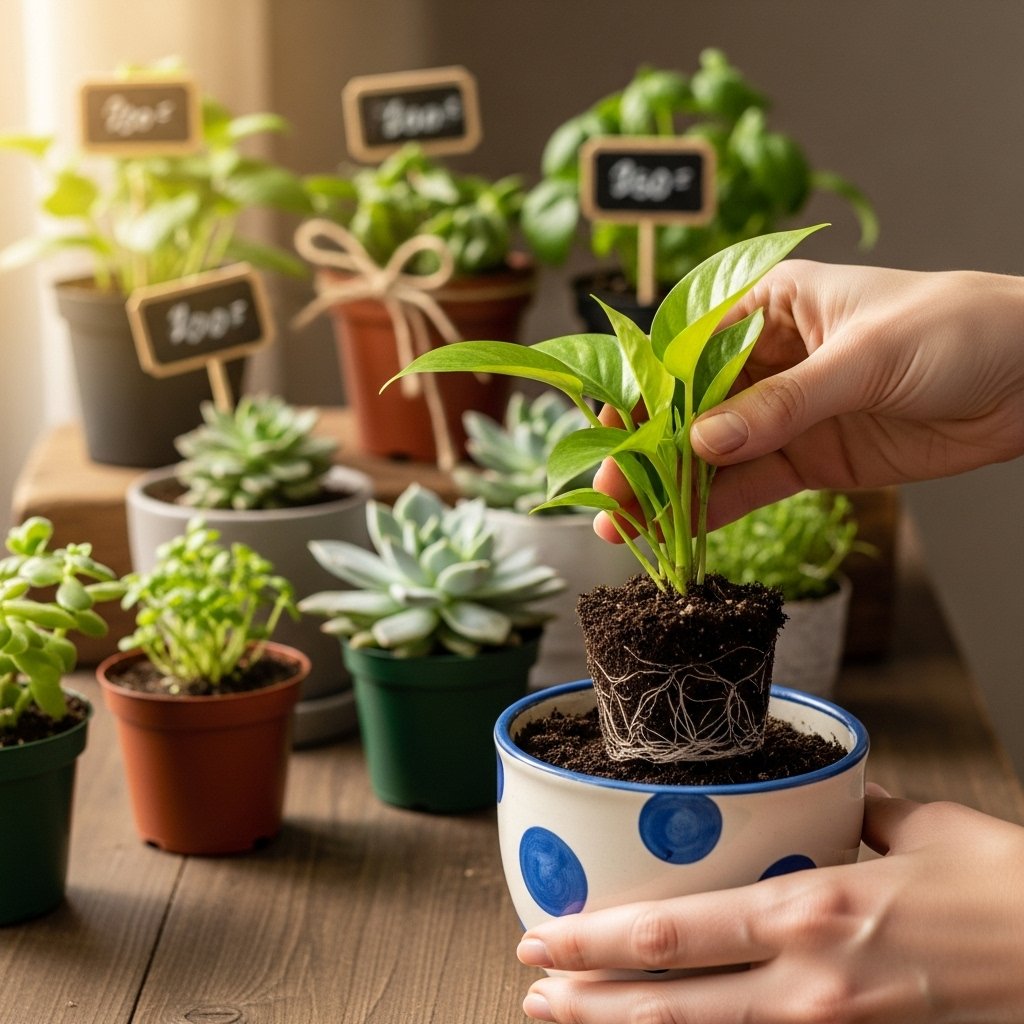
Filling your house with plants for free is a major win. But making money from it? That’s a boss move. The market for houseplants is huge, and people love buying from local growers. You have an advantage: zero overhead. Your product is literally free.
Pricing Your Green
- Rooted Cuttings: Sell these in small bundles. A bundle of 3-5 rooted cuttings can easily go for $5-$10. People love these for DIY planting projects.
- Starter Plants: Once you pot your cuttings in small, cheap nursery pots (you can buy these in bulk for pennies), you have a ‘starter plant.’ These typically sell for $8-$20 depending on the plant type and size.
Where to Sell
Forget complicated websites. Keep it simple and local.
- Facebook Marketplace: Your number one tool. It’s local, it’s free, and the audience is massive. Take good, bright photos of your plants. Show the healthy roots if you’re selling cuttings.
- Local Plant Groups on Facebook: Find your local ‘Plant Swap’ or ‘Gardening’ group. It’s a built-in community of eager buyers.
- Nextdoor: Hyper-local and great for selling to your neighbors.
- Etsy: If you get serious, you can ship cuttings. But start local first to avoid the hassle of shipping plants.
The Perfect Listing Script
Don’t just post a photo and a price. Sell the story. Here’s a script you can steal for your Facebook Marketplace listing:
Healthy, rooted Pothos starter plant, ready for a new home! Grown with love right here in [Your Town]. Super easy to care for, perfect for beginners. Great for purifying the air and making your space look amazing. Only $10. Porch pickup in [Your Neighborhood]. I have a few available!
With this hustle, turning those first 10 free plants into $100 is completely realistic. Imagine you get 50 plants from your one mother plant over a few months. That’s a potential $500 side income stream for doing something you enjoy anyway.
Scam Warning: Avoid These Rookie Mistakes
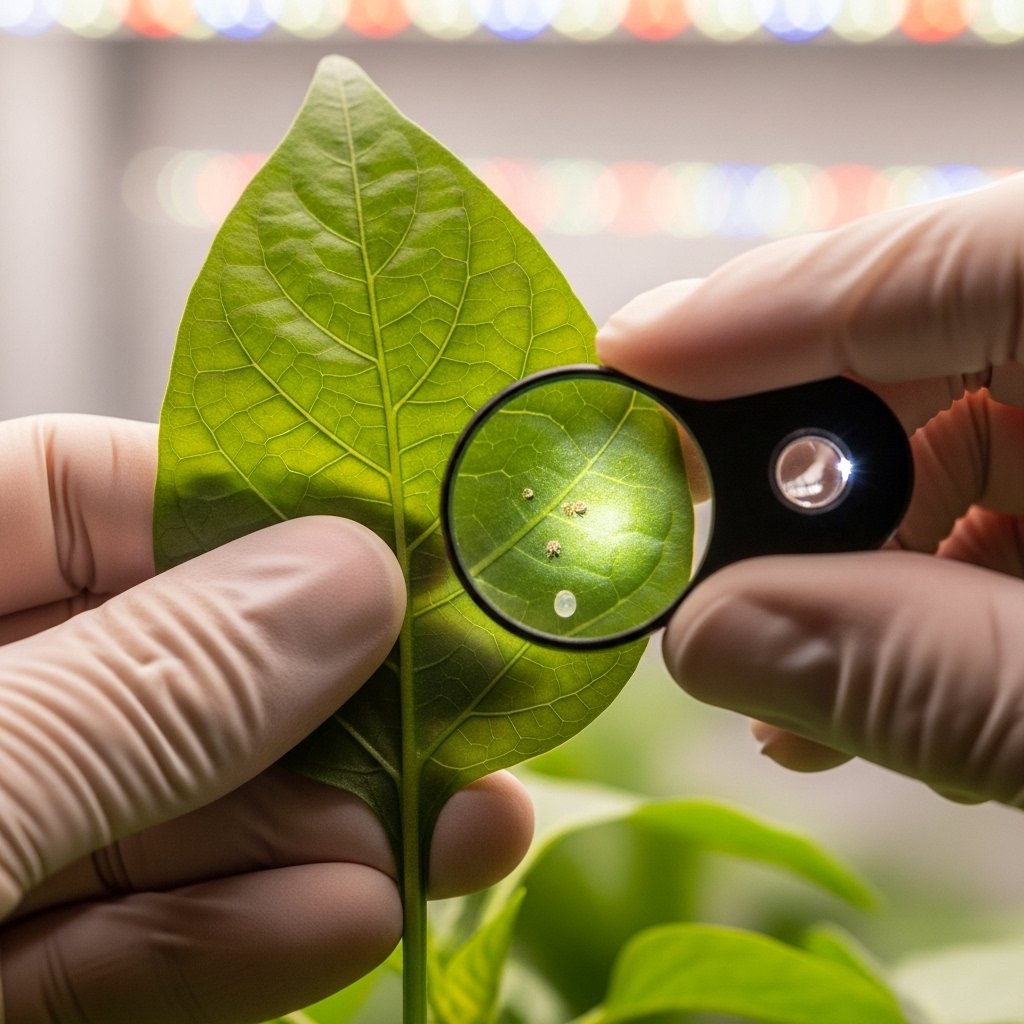
The plant world has its share of shady sellers and rookie mistakes that can kill your reputation before you even start. Don’t be that person. Your goal is to be a trusted local source, not a one-time scammer.
The Red Flags to Avoid
- Selling Unrooted Cuttings as ‘Ready to Plant’: This is the biggest scam. Be honest. If it doesn’t have roots, sell it as a ‘fresh cutting’ and price it lower. People will respect your transparency.
- Ignoring Pests: Before you sell any plant, inspect it like a hawk. Look under leaves for pests like spider mites or mealybugs. Selling an infested plant will destroy your credibility. A clean plant is a non-negotiable.
- Mislabeling Plants: Don’t try to pass off a common Golden Pothos as a rare, expensive variety. Plant people know their stuff. If you’re not sure what it is, say so. Honesty is always the best policy.
- Using Bad Soil: Don’t cheap out and use dirt from your backyard. A bag of quality indoor potting mix is your only real expense. It ensures the plant is healthy and gives the buyer a good experience.
Key Rule: Your reputation is your most valuable asset in this hustle. One bad review in a local plant group can sink your entire operation. Always sell healthy, pest-free, and honestly-labeled plants.
By staying honest and providing quality, you’ll get repeat customers and word-of-mouth referrals, turning your tiny side hustle into a reliable source of extra cash.
Conclusion
You now have the complete playbook to transform your home and your finances. It starts with a single snip. You’re not just creating plants; you’re creating value out of thin air. You’re hacking the system that says you need to spend a lot of money to have a beautiful home. Whether you choose to simply create an indoor jungle for yourself or start slinging plants on Marketplace for extra cash, the power is in your hands. So grab those scissors, pick a plant, and start cloning. Your future self—and your wallet—will thank you.


Makenzie is the founder and lead writer at MoneyHackTips.com — a personal finance blog dedicated to delivering street-smart financial wisdom for real people on real budgets. With 300+ published articles covering everything from debt management to investing fundamentals, Makenzie’s mission is to make every dollar work harder. When not writing about money hacks, Makenzie is testing frugal living strategies, optimizing side hustles, and helping readers build financial freedom from scratch.