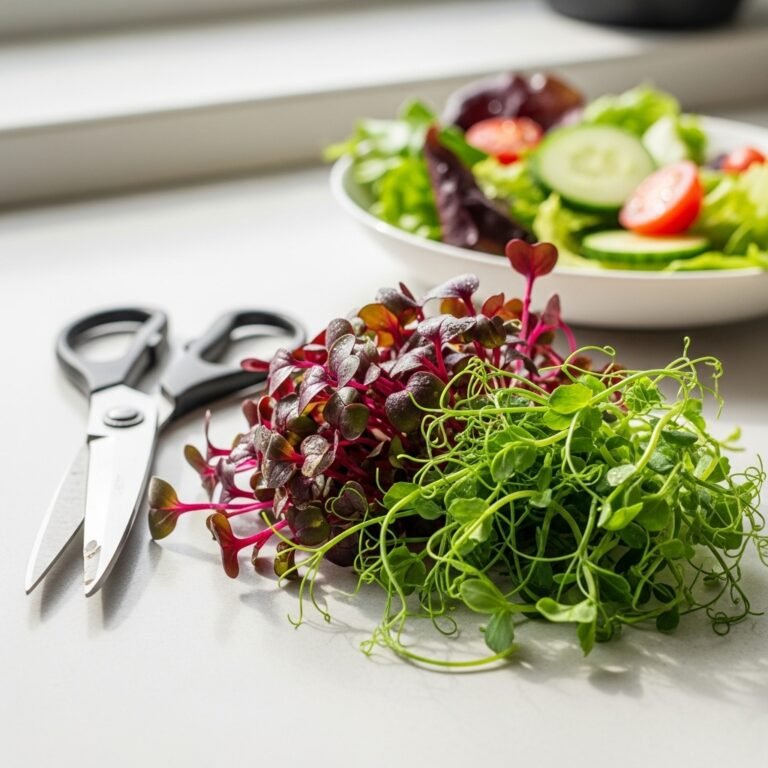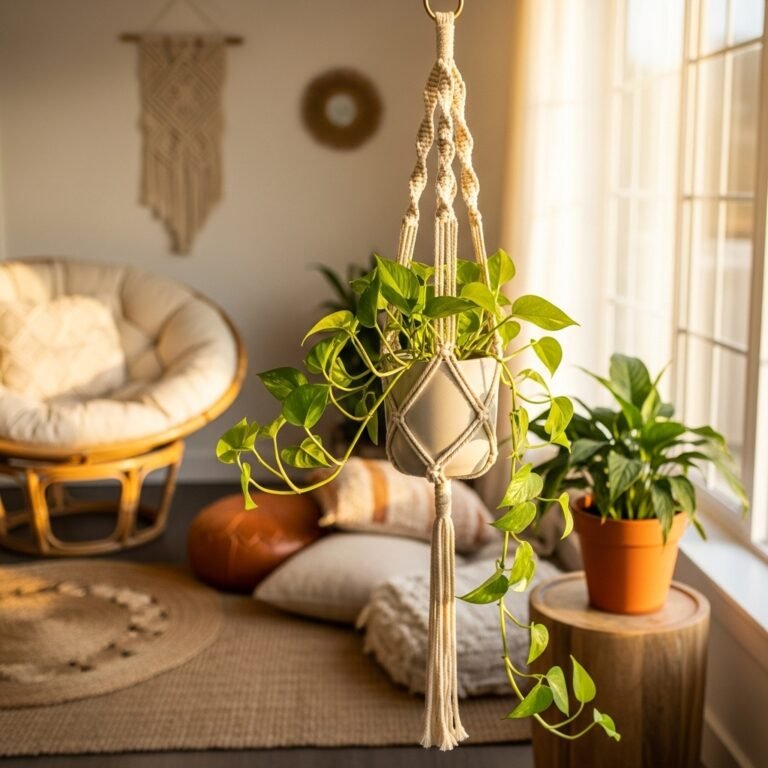
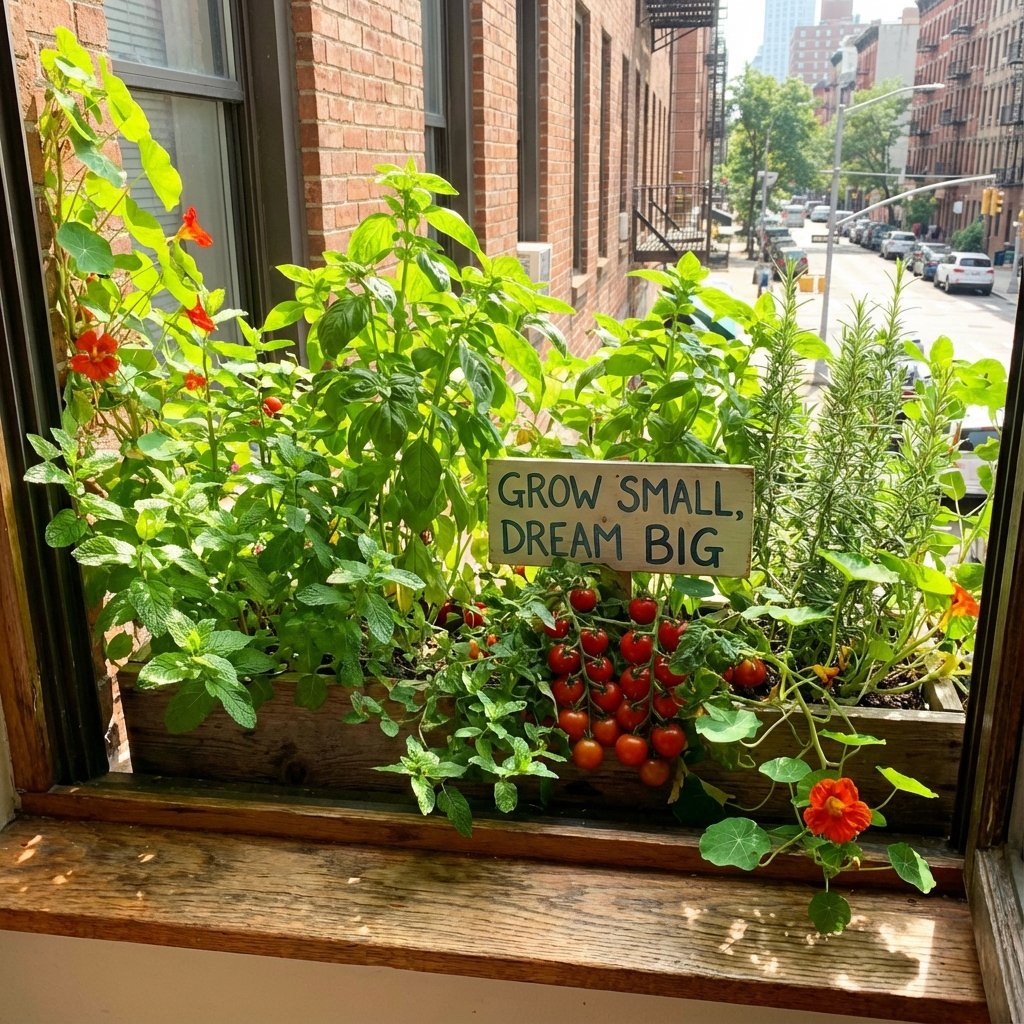

Let’s get real. You’ve seen that tiny plastic clamshell of ‘fresh’ basil at the grocery store. You look at the price—$5.00 for a handful of leaves—and you do the mental gymnastics. You need it for a recipe, but you know half of it will turn into a slimy black mess in your fridge by Friday. It’s a rip-off, plain and simple. You’re paying a premium for convenience that isn’t even convenient.
What if I told you that for less than the cost of two of those sad little herb packages, you could have an endless supply of fresh basil, mint, and more, right on your windowsill? And what if I told you that you could do it with minimal effort, even if you live in a tiny apartment and have a track record of killing succulents? This isn’t about becoming a master gardener with a half-acre plot. This is about being street-smart with your money. This is the lazy beginner’s guide to hacking the grocery store and growing your own food on a budget. Your wallet—and your taste buds—are about to thank you.
Why Bother? The Real Cost of ‘Convenience’
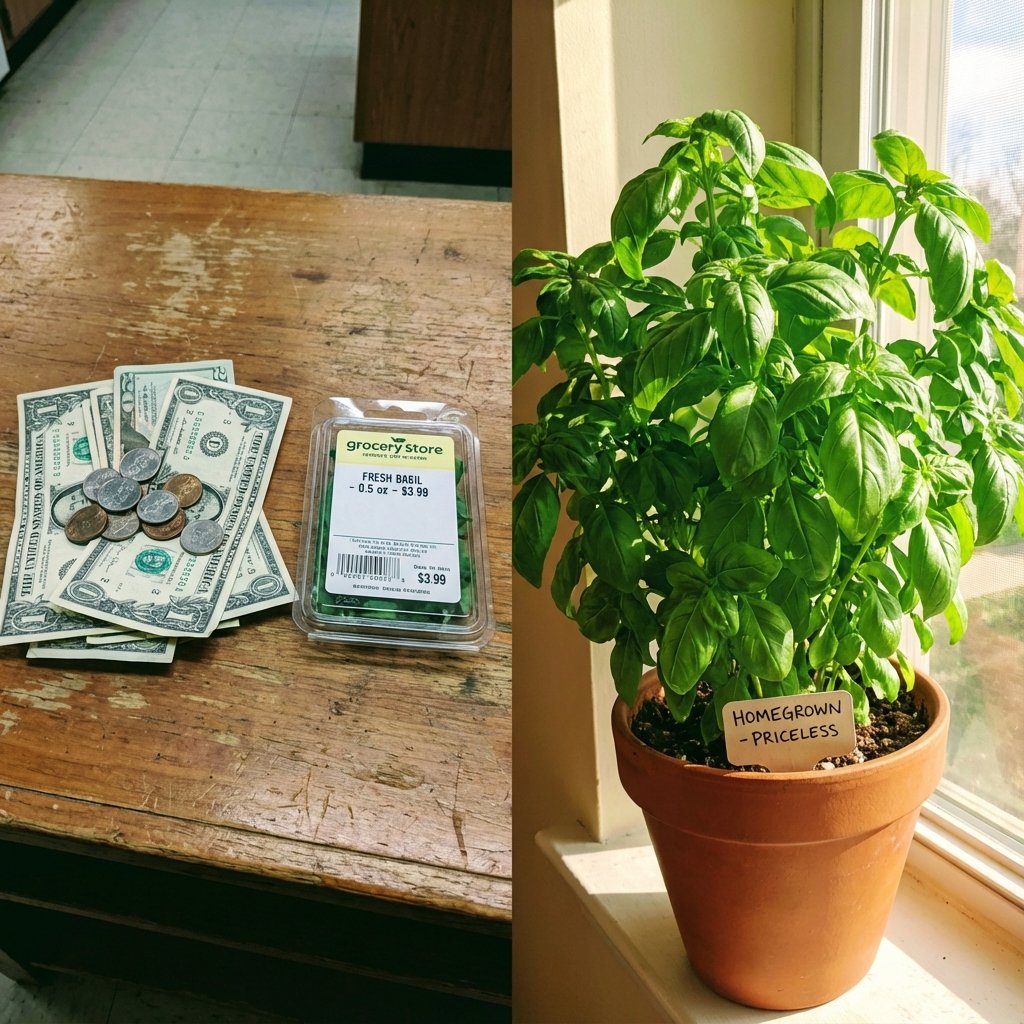
You think you’re just buying herbs and lettuce. What you’re really buying is packaging, transportation, refrigeration, and retail markup. The grocery industrial complex has us convinced that we need them for everything, but they’re laughing all the way to the bank.
The Math Doesn’t Lie
Let’s break it down. Say you buy a packet of fresh basil ($5), rosemary ($4), and a bag of mixed salad greens ($6) every two weeks. That’s $15 every other week. Doesn’t sound like much, right? Wrong.
- Monthly Cost: $30
- Yearly Cost: $360
You’re spending over $300 a year on a few plants that are ridiculously easy to grow. That’s cash you could be putting toward debt, savings, or something you actually enjoy. And that’s not even counting the food waste. How many times have you thrown out half a bag of spinach? When you grow your own, you snip what you need, when you need it. Zero waste. It’s about taking back control over your food and your finances, one leaf at a time.
The Lazy Gardener’s Toolkit: What You *Actually* Need (and What to Skip)
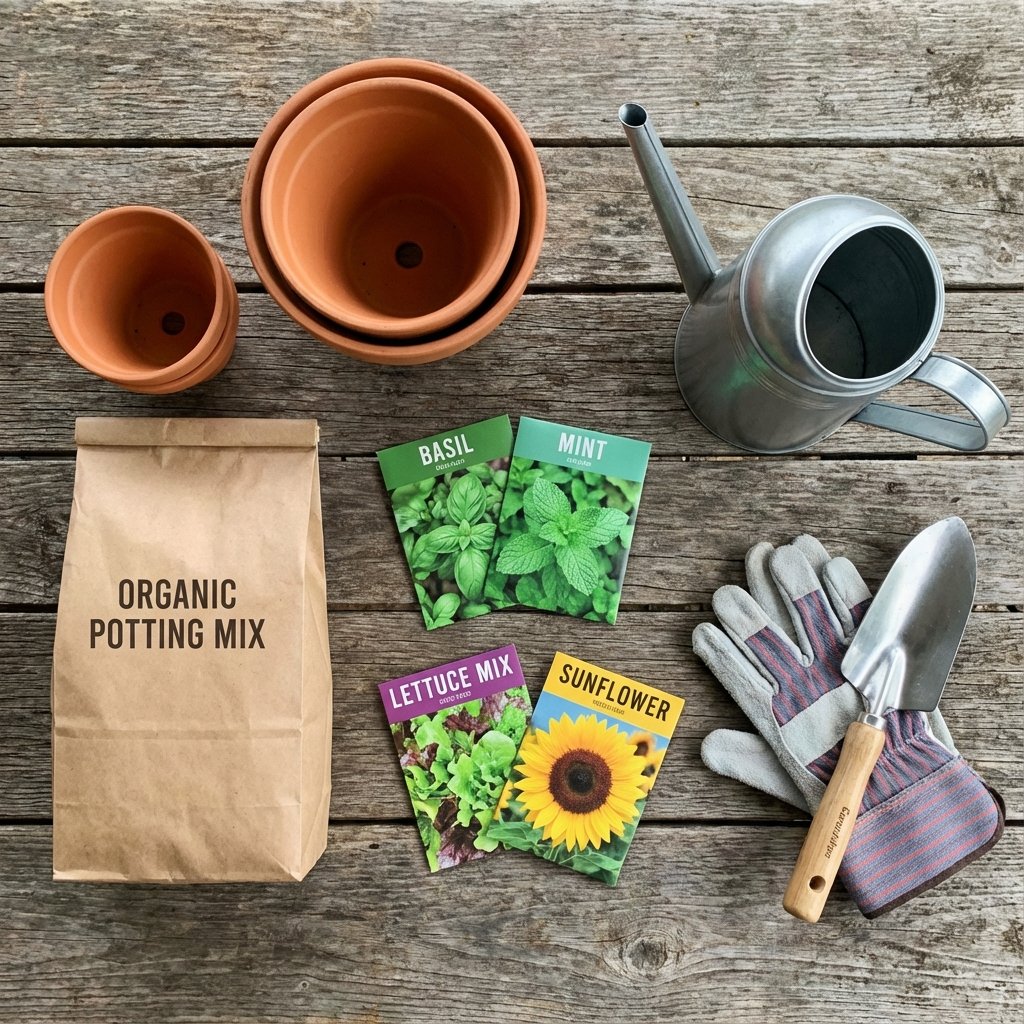
Forget those glossy gardening magazines trying to sell you a hundred different tools and fancy gadgets. That’s just another way for them to get your money. A lazy, budget-friendly garden requires a bare-bones setup. Here’s your no-fluff shopping list.
Your Must-Haves:
- Containers: You don’t need expensive matching pots. Use old buckets (drill drainage holes!), fabric grow bags, terracotta pots from a thrift store, or even sturdy plastic containers. As long as it can hold soil and has drainage, it’s a go.
- Good Potting Mix: Don’t just scoop dirt from outside. Buy one bag of quality potting mix. This is the one thing worth spending a few bucks on, as it’s designed for containers and will save you a lot of headaches.
- Seeds or Starter Plants: Seeds are the cheapest option, but if you’re truly lazy, starter plants from a nursery give you a head start for just a couple of dollars each.
- Sunlight: This one’s free. Find a spot that gets at least 5-6 hours of direct sunlight a day. A south-facing window, a balcony, or a patio step is perfect.
What to Skip (The Money Traps):
- Fancy Tool Kits: You don’t need a 10-piece set. Your hands and an old spoon are your best tools.
- Specialized Fertilizers: For lazy gardening, the nutrients in your potting mix are enough to get you started. You can add crushed eggshells or used coffee grounds later for a free boost.
- Pest Control Sprays: Most common pests on these easy-to-grow plants can be handled with a simple spray of soapy water. Don’t buy chemicals you don’t need.
The main rule is to keep it simple. You’re not aiming for the cover of Better Homes & Gardens. You’re aiming for fresh food and a fatter wallet.
Step-by-Step: The 5 Easiest Plants to Grow (That Save You the Most Money)
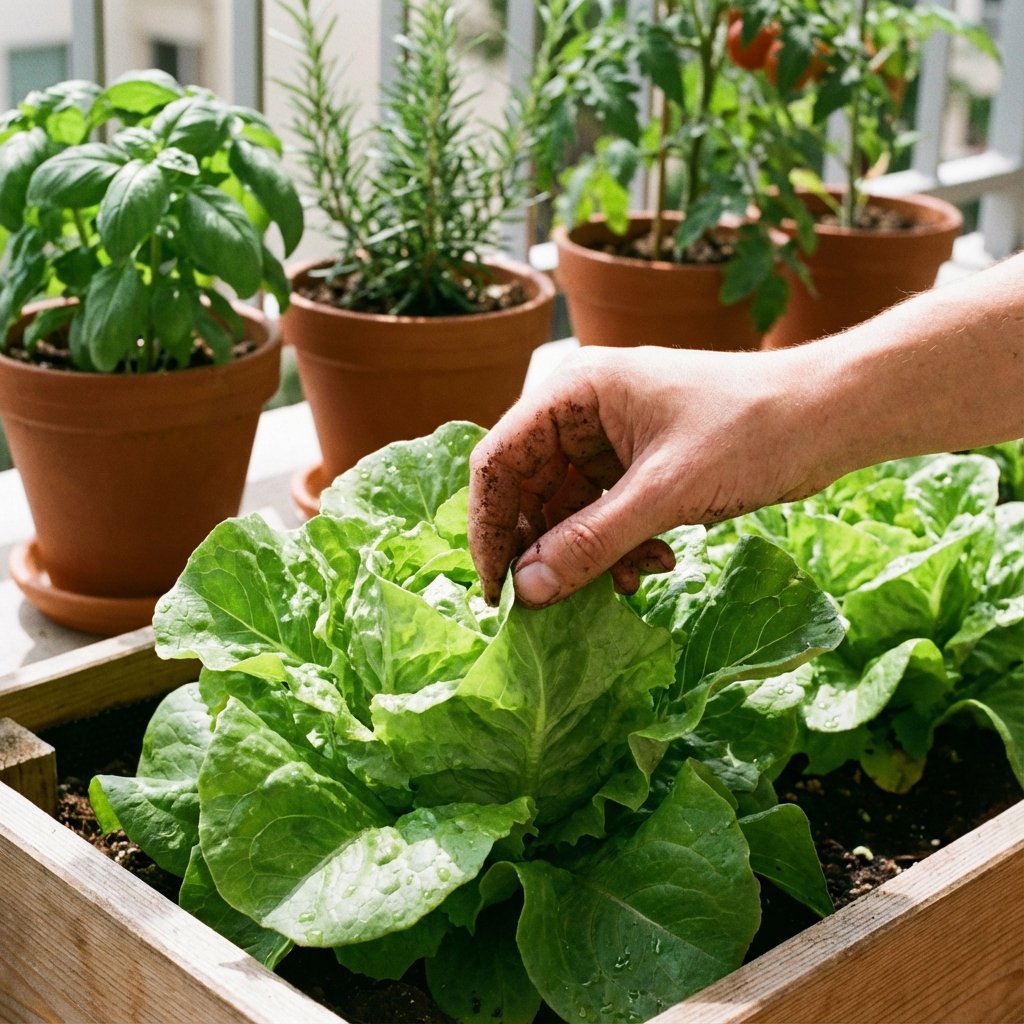
Alright, this is where the magic happens. We’re not trying to grow prize-winning watermelons. We’re targeting the high-cost, high-convenience items from the produce aisle. Here is your step-by-step plan for the five best money-saving plants for lazy beginners.
- Herbs (Basil, Mint, Rosemary): These are the gateway drug to gardening. They’re expensive at the store but grow like weeds. Mint is so aggressive you’ll want to keep it in its own pot unless you want it to take over your entire balcony.
How-To:
Fill a pot with soil, sprinkle a few seeds on top (or plant your starter), cover lightly, and water. Place in a sunny spot. Snip leaves as needed, which actually encourages the plant to grow bushier. You’ll never buy a $5 packet of basil again.
- Salad Greens (Loose-Leaf Lettuce): Stop buying bags of air with a few sad leaves inside. Loose-leaf lettuce is a ‘cut-and-come-again’ crop.
How-To:
Use a wider, shallower container. Scatter seeds over the soil, cover with a very thin layer, and keep moist. In a few weeks, you can start harvesting the outer leaves. Don’t pull the whole plant! Just take what you need for a salad, and it will keep producing for months.
- Green Onions: This is the ultimate lazy hack. You don’t even need soil to start.
How-To:
Buy one bunch of green onions from the store. Use the green tops, but save the white bottom part with the little roots. Place these root-ends in a glass with an inch of water and put it on your windowsill. Within a week, you’ll have brand new green onions growing. You can do this over and over. It’s basically free food forever.
- Cherry Tomatoes: Nothing tastes better than a sun-warmed cherry tomato you picked yourself. Many varieties are bred specifically for containers (‘Patio’ or ‘Determinate’ types).
How-To:
Get a larger pot for this one (at least 5 gallons). Plant one starter plant deep in the soil, give it a good watering, and provide a small stake or cage for support as it grows. Put it in your sunniest spot and water regularly. You’ll be swimming in tomatoes all summer long.
- Hot Peppers (like Jalapeños): Like tomatoes, these love sun and containers. A single plant can produce dozens of peppers, saving you a ton if you love a little heat in your cooking.
How-To:
The process is nearly identical to cherry tomatoes. One starter plant per pot, lots of sun, and consistent watering. They are surprisingly low-maintenance for such a high-value crop.
The Cost Breakdown: DIY Garden vs. Store-Bought Sadness
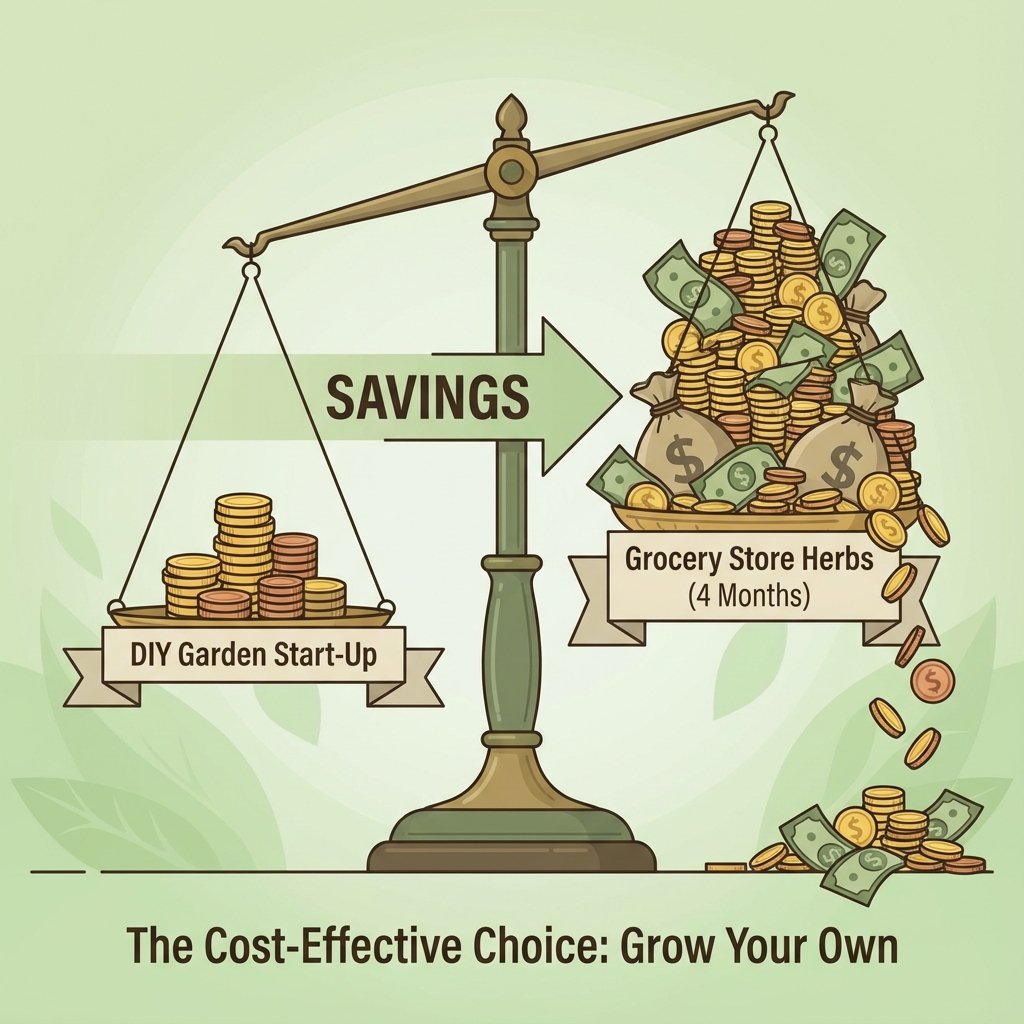
Talk is cheap. Let’s look at the cold, hard numbers. We’ll compare the one-time setup cost for a small herb garden against what you’d typically spend buying those same herbs at the grocery store over a single 4-month growing season.
| Item | One-Time DIY Garden Cost | Recurring Grocery Store Cost (4 Months) |
|---|---|---|
| Basil | $2.50 (1 starter plant) | $40.00 ($5 pack every 2 weeks) |
| Mint | $2.50 (1 starter plant) | $32.00 ($4 pack every 2 weeks) |
| Rosemary | $3.00 (1 starter plant) | $32.00 ($4 pack every 2 weeks) |
| Containers (3) | $10.00 (budget pots) | N/A |
| Potting Soil | $8.00 (1 bag) | N/A |
| TOTAL | $26.00 | $104.00 |
The results are staggering. You spend $26.00 ONE TIME for a setup that provides you with fresh herbs for the entire season (and likely beyond, as plants like rosemary can last for years). To get the same amount from the grocery store, you’d shell out $104.00. That’s a net savings of $78.00 in just your first season. The next year, your only cost might be a few dollars for new soil or plants. This isn’t just a hobby; it’s a financial strategy.
Level Up: Turning Your Lazy Garden into a Side Hustle
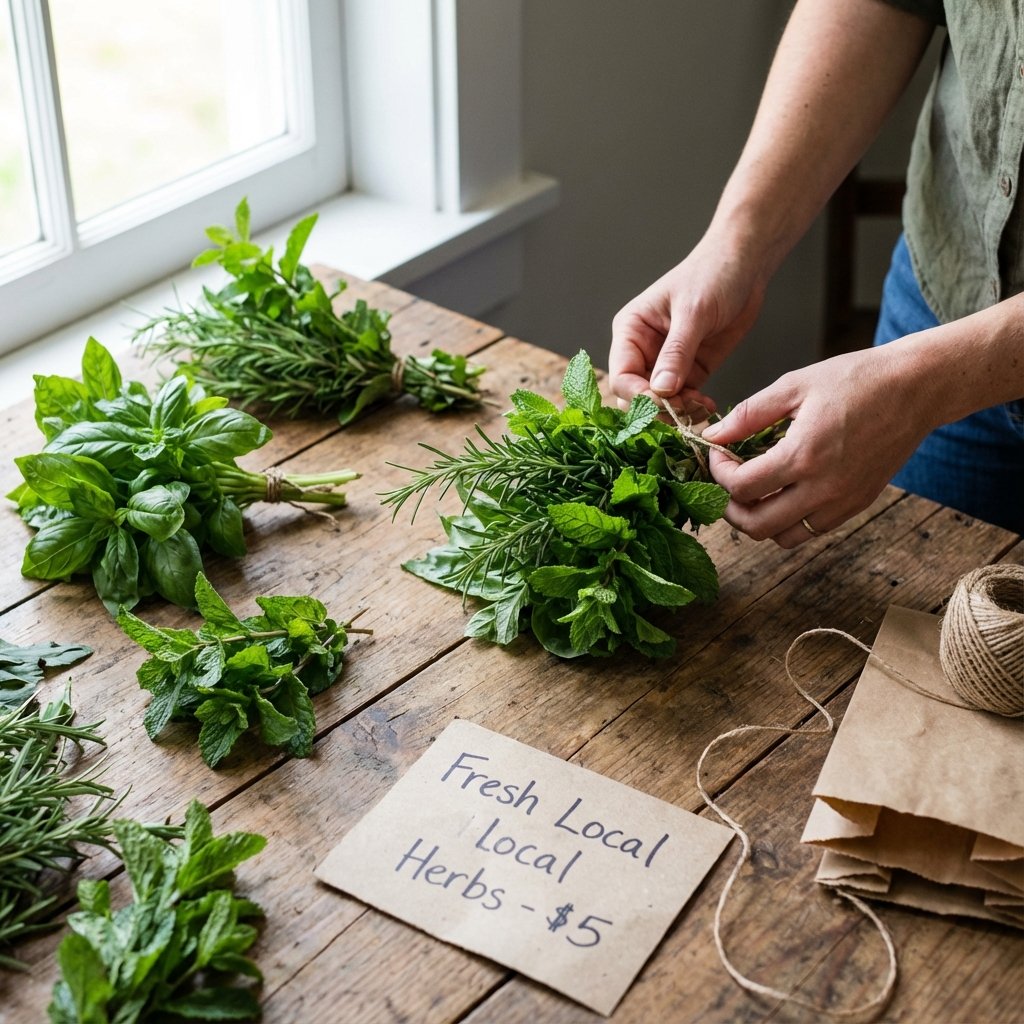
Once you get the hang of this, you might find you have a surplus. A mint plant can go wild, a single tomato plant can produce more than you can eat. Don’t let it go to waste—turn it into cash. Your frugal hobby can easily become a micro side hustle.
Simple Ways to Sell Your Surplus:
- Farmer’s Market Lite: You don’t need a huge stall. Team up with a friend or just set up a small table at a local community market. Fresh, hyperlocal herbs and produce are a huge draw.
- Neighborhood Bundles: Use a community Facebook group or Nextdoor. Offer ‘Fresh Herb Bundles’ for $5 or a ‘Salad Lover’s Bag’ for $8. People love buying from their neighbors, and you can offer better prices and quality than the supermarket.
- Sell to Local Restaurants: This is a pro move. Small, independent cafes or restaurants often prize fresh, local ingredients. A chef might be thrilled to buy your specialty basil or unique hot peppers.
Script to Use: When approaching a local cafe, keep it simple. Say, “Hi, I’m a local gardener and I have a surplus of incredibly fresh, chemical-free basil. Would you be interested in buying small batches directly from me? It’s fresher than what the suppliers bring, and I live just down the street.”
This isn’t about getting rich. It’s about your hobby paying for itself and then some. Selling just a few herb bundles a month could cover your initial investment and put an extra $50 in your pocket.
Conclusion
The next time you’re in the produce aisle, staring at overpriced, underwhelming greens, remember you have a choice. You don’t have to keep playing their game. Growing your own food is one of the most empowering, anti-consumerist things you can do. It’s a rebellion that takes place on your windowsill. It’s a declaration that you’re smart enough to see the markup and savvy enough to do something about it.
Don’t get overwhelmed. You don’t need to do everything at once. Just start. Pick one thing from the list—green onions in a glass of water, a pot of basil, a packet of lettuce seeds. Your initial investment is tiny, but the payoff in savings, flavor, and satisfaction is massive. Stop letting big grocery chains dictate your budget. Start growing today, and watch your savings pile up right alongside your harvest.


Makenzie is the founder and lead writer at MoneyHackTips.com — a personal finance blog dedicated to delivering street-smart financial wisdom for real people on real budgets. With 300+ published articles covering everything from debt management to investing fundamentals, Makenzie’s mission is to make every dollar work harder. When not writing about money hacks, Makenzie is testing frugal living strategies, optimizing side hustles, and helping readers build financial freedom from scratch.