
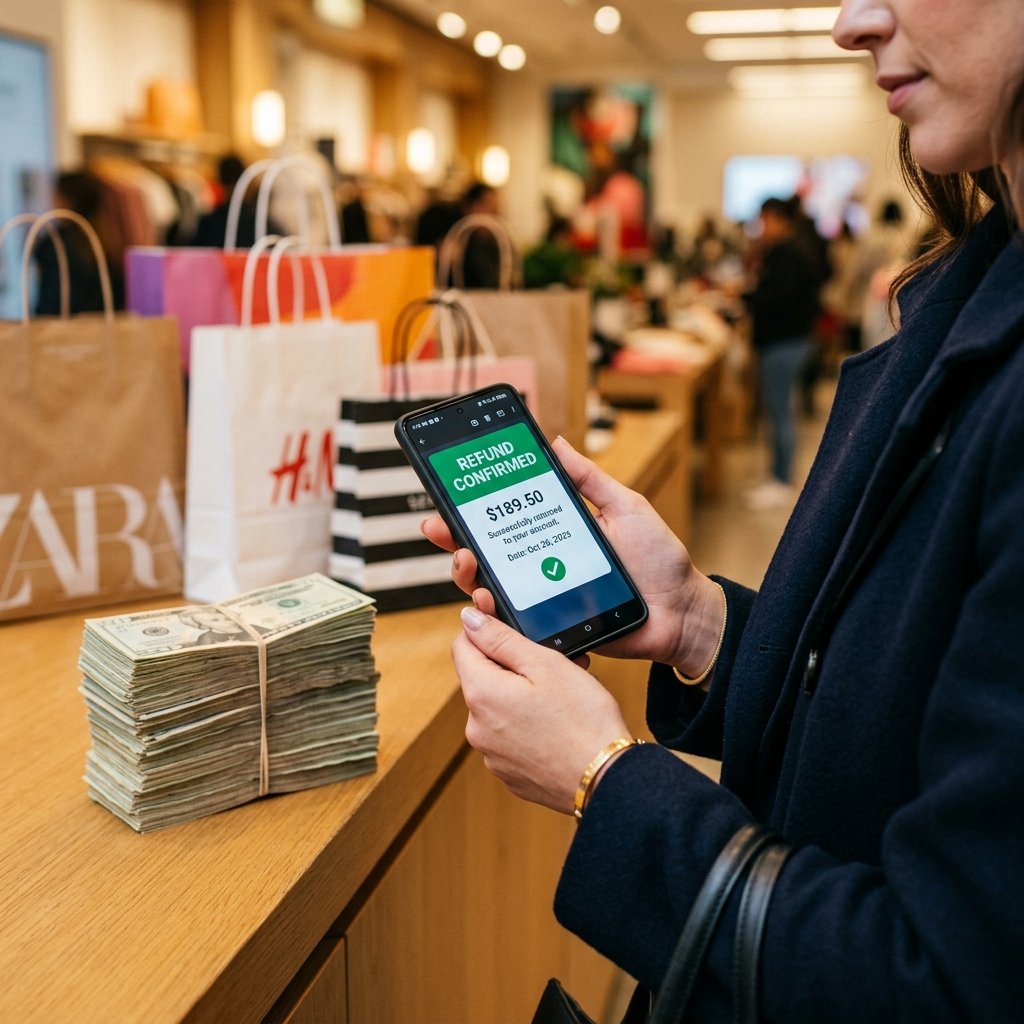

Welcome to the Inner Circle of Frugal Hacking
Hey there, fellow money-saver! Have you ever felt that slight sting of regret when you buy something, only to see it go on sale two days later? Or maybe you’ve received a package that was slightly dinged up, but you didn’t want the hassle of shipping it back? Most people just shrug their shoulders and move on, but not us. We are the Frugal Hackers, and we know that those few dollars here and there add up to a mountain of savings over a year. Retailers spend millions of dollars on psychological pricing and marketing to get us to part with our cash. It is time we leveled the playing field. In this guide, I am going to pull back the curtain on the secret refund tricks that big-box stores and online giants hope you never find out. We are talking about Price Protection, Returnless Refunds, and the art of the Post-Purchase Negotiation. By the time you finish reading this, you will have the tools to potentially save $500 to $1,500 per year just by knowing how to ask. So, grab a cup of coffee, and let’s dive into the secrets the retail world keeps under lock and key.
The Price Adjustment Loophole: Never Pay Full Price Twice
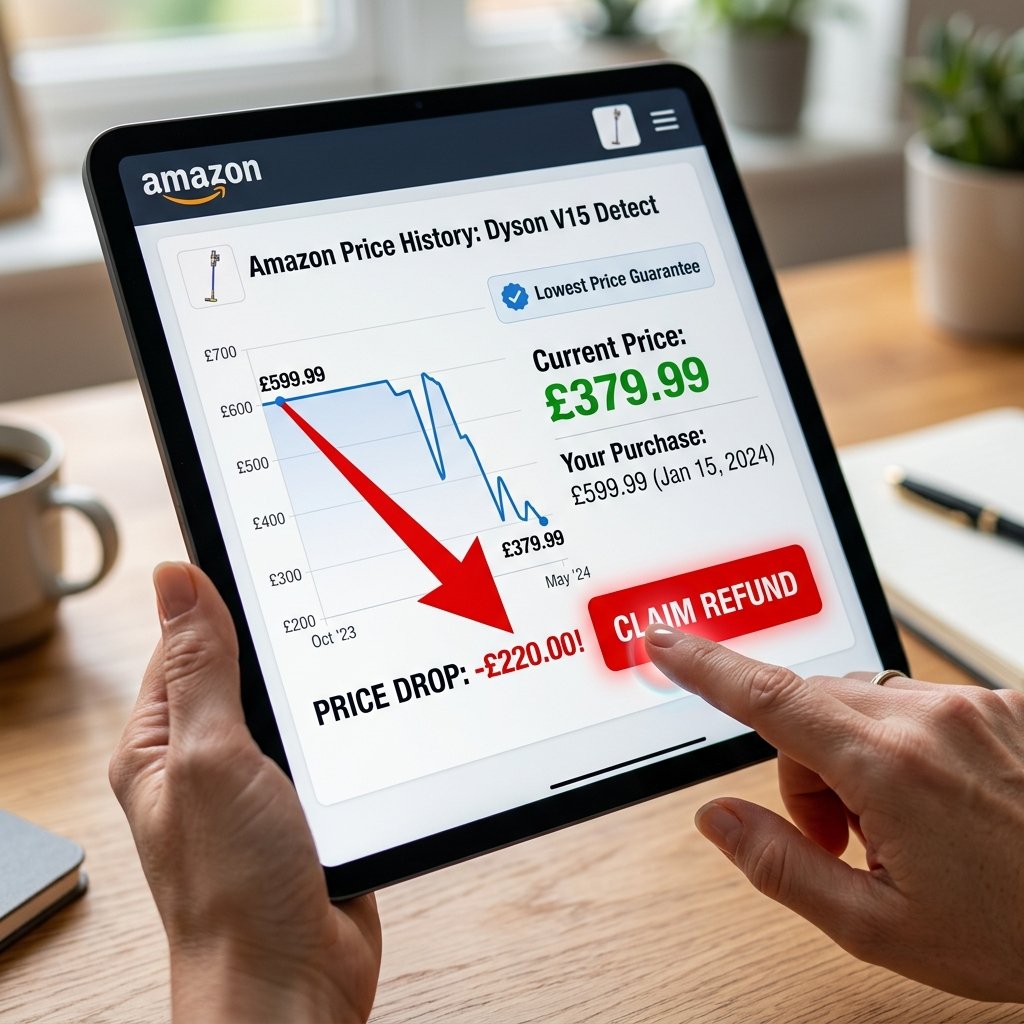
The most common way retailers keep your money is through price fluctuations. You buy a blender for $120, and a week later, it is $89. Most people think they just had bad timing. However, many major retailers like Target, Best Buy, and even some high-end department stores have a 14-day price adjustment policy. If the price drops within that window, they owe you the difference! But they won’t just send you a check; you have to ask for it.
How to Track Prices Automatically
You don’t have to spend your life refreshing web pages. Use tools like Capital One Shopping or Honey to track your purchases. These apps scan your email for receipts and alert you when a price drops. Some even automate the refund request process for you.
The Math of Price Adjustments
| Purchase Item | Original Price | Sale Price | Refund Amount |
|---|---|---|---|
| Smart TV | $650 | $520 | $130 |
| Designer Jeans | $110 | $75 | $35 |
| Kitchen Mixer | $350 | $280 | $70 |
| Total Savings | $235 |
“I noticed this item is now listed for $30 less than I paid last week. Since I am within the 14-day price adjustment window, I would like to process a credit for the difference to my original payment method.”
The ‘Keep It’ Refund: The Logistics Secret

Did you know that for many online retailers, the cost of processing a return is higher than the value of the item itself? This is especially true for items under $25. When you initiate a return for a low-cost item that is bulky or heavy, the retailer’s algorithm might decide it is cheaper to just give you your money back and let you keep the product. This is known as a Returnless Refund.
When to Expect a Returnless Refund
This usually happens with Amazon, Walmart, and Wayfair. If the item is liquid (like shampoo), heavy (like a bag of pet food), or cheap to manufacture, they don’t want it back. They would have to pay for the return shipping, inspect the item, and then likely liquidate it anyway. By letting you keep it, they save on logistics and keep you as a happy customer.
The Script for Damaged Goods
If an item arrives with a minor flaw that doesn’t affect its use, don’t just settle. Use this script to see if you can get a partial or full refund without sending it back:
“Hello, I received my order today, but the packaging was damaged and there is a small scuff on the corner of the product. I’d like to keep it to avoid the environmental impact of shipping it back, but I don’t feel I should pay full price for a ‘New’ item in this condition. Is there a partial refund or credit you can offer?”
The ‘Open Box’ Negotiation Hack

Retailers hate ‘Open Box’ inventory. It takes up valuable floor space and depreciates every day it sits there. This is your leverage. Whether you are at a physical store like Best Buy or shopping online, you can often negotiate an even deeper discount on items that have already been returned.
The Floor Model Strategy
If you see a floor model or an open-box item with a tag that says 10% off, don’t stop there. Managers often have the authority to go up to 20% or 30% off just to get the item out of the store. This is especially effective on the last day of the month when they are trying to hit sales targets.
Comparison: Retail vs. Hacker Strategy
| Shopper Type | Action Taken | Final Price | Savings |
|---|---|---|---|
| Standard Shopper | Buys New Item | $1,000 | $0 |
| Sale Hunter | Waits for 10% Sale | $900 | $100 |
| Frugal Hacker | Negotiates Open Box | $700 | $300 |
By simply asking for an additional discount on an already reduced item, you can save hundreds on electronics and appliances. Always check the ‘Outlet’ or ‘Open Box’ section of websites like Amazon (Amazon Warehouse) or Best Buy.
Credit Card Price Protection: The Hidden Safety Net

Many people don’t realize that the best refund tricks aren’t offered by the store, but by your credit card issuer. Even if a store says ‘No Refunds’ or doesn’t offer price matching, your credit card might have your back. This is called Price Protection or Return Protection.
How It Works
If you buy an item with a qualifying card and find it cheaper elsewhere within 60 to 90 days, the credit card company will reimburse you the difference, up to a certain limit (usually $250 to $500 per item). Similarly, if a store refuses to take a return, your card’s Return Protection might cover it.
The Math Over a Year
- Example 1: You buy a laptop for $900. It drops to $750 on Black Friday. Your card pays you $150.
- Example 2: You buy a dress for $100 but miss the 30-day return window. Your card’s Return Protection covers the $100.
- Annual Potential: Easily $300+ in ‘lost’ money recovered.
Scam Warning: Be wary of third-party websites that ask for your credit card login to ‘automate’ these refunds. Only use reputable apps or deal directly with your bank’s official portal.
The Abandoned Cart and Chat Box Secret

Retailers are desperate to close the sale. If you have an item in your cart but haven’t checked out, you have the power. But did you know this works *after* you buy, too? The customer service chat box is a goldmine for refunds and credits.
The ‘Late Delivery’ Credit
If you pay for expedited shipping or even if your ‘Prime’ delivery is late, the retailer has failed their contract. A quick jump into the chat box can often result in a $5 to $10 credit or a refund of your shipping fees.
The Script for Shipping Delays
“Hi, I noticed my order was guaranteed to arrive by Tuesday, but it didn’t show up until Thursday. I rely on these delivery dates. Is there anything you can do to compensate for the delay?”
Most agents are authorized to give a small credit immediately just to resolve the ticket. If you do this consistently for every late package, you could pay for your entire year of Amazon Prime or Walmart+ just through ‘apology’ credits.
Avoiding the Dreaded Restocking Fee
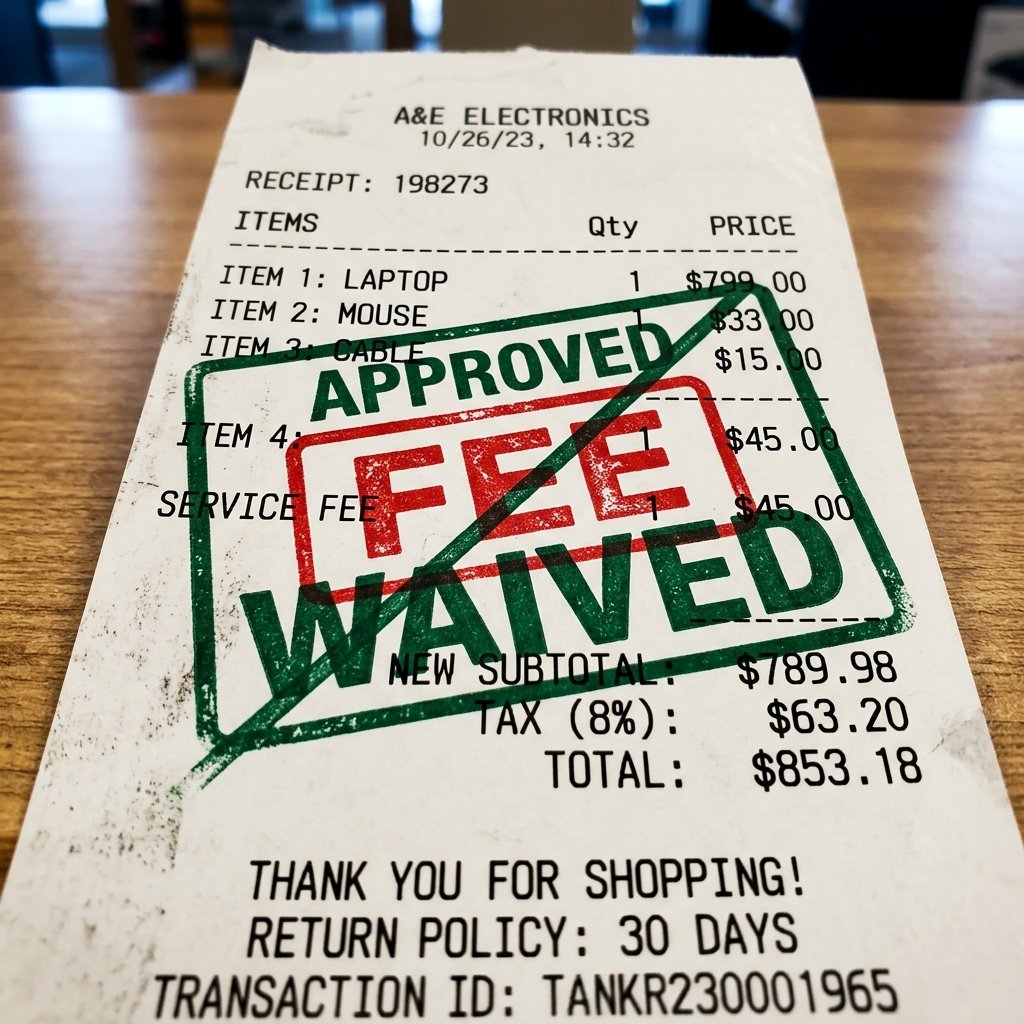
Nothing kills a refund like a 15% restocking fee. This is common with electronics and furniture. However, there are ways to get around it. Most retailers will waive the fee if the item is defective or if the description on the website was misleading.
The ‘Inaccurate Description’ Hack
Before you return an item, go back to the product page. Did it say the battery lasts 10 hours but it only lasts 8? Was the color ‘Midnight Blue’ but it looks black? If you cite a specific discrepancy between the website and the product, the retailer will almost always waive the restocking fee and provide a free return shipping label.
Cost Breakdown: Fee vs. No Fee
| Item Value | Restocking Fee (15%) | Hacker Result | Savings |
|---|---|---|---|
| $500 Smartphone | $75 | Fee Waived | $75 |
| $1,200 Sofa | $180 | Fee Waived | $180 |
| $300 Camera | $45 | Fee Waived | $45 |
By simply being observant and communicating effectively, you keep your money where it belongs—in your pocket.
Conclusion
Final Thoughts from the Frugal Hacker
There you have it—the keys to the kingdom. Retailers aren’t necessarily ‘evil,’ but they are businesses designed to maximize profit. By knowing their policies better than they do, you turn the tables and ensure you are never overpaying. Remember, the goal isn’t just to get free stuff; it is to get the value you were promised for the price you deserve. Start small. The next time a package is late or a price drops, don’t let it slide. Use the scripts provided, be polite but firm, and watch your savings grow. You’ve got this! Stay savvy, stay frugal, and keep hacking your way to financial freedom.
Disclaimer: I am a frugal living enthusiast, not a financial advisor. These tips are based on general retail policies and personal experience. Individual store policies may vary, and I recommend reading the fine print of your specific credit card and retailer agreements.


Makenzie is the founder and lead writer at MoneyHackTips.com — a personal finance blog dedicated to delivering street-smart financial wisdom for real people on real budgets. With 300+ published articles covering everything from debt management to investing fundamentals, Makenzie’s mission is to make every dollar work harder. When not writing about money hacks, Makenzie is testing frugal living strategies, optimizing side hustles, and helping readers build financial freedom from scratch.