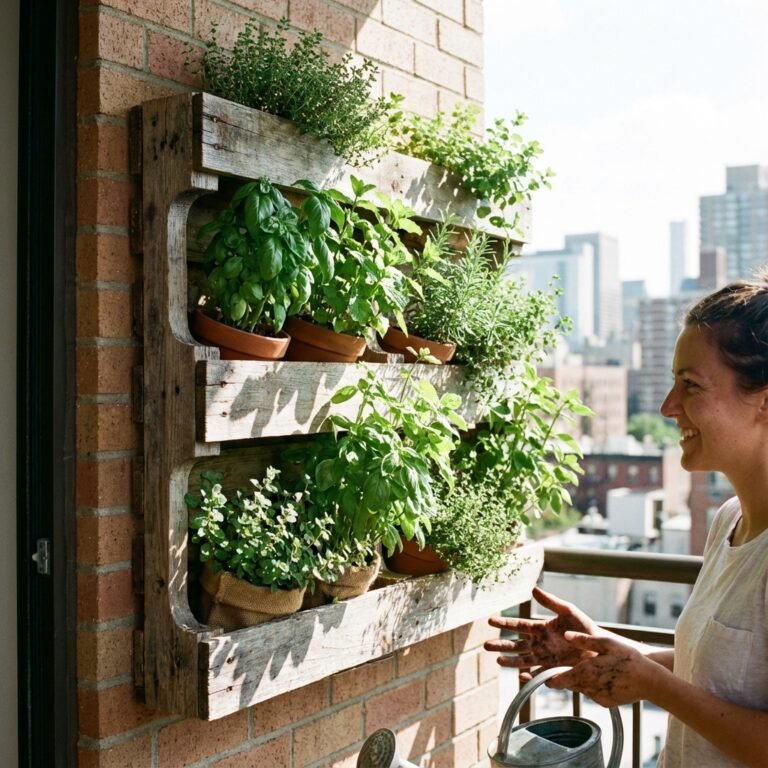
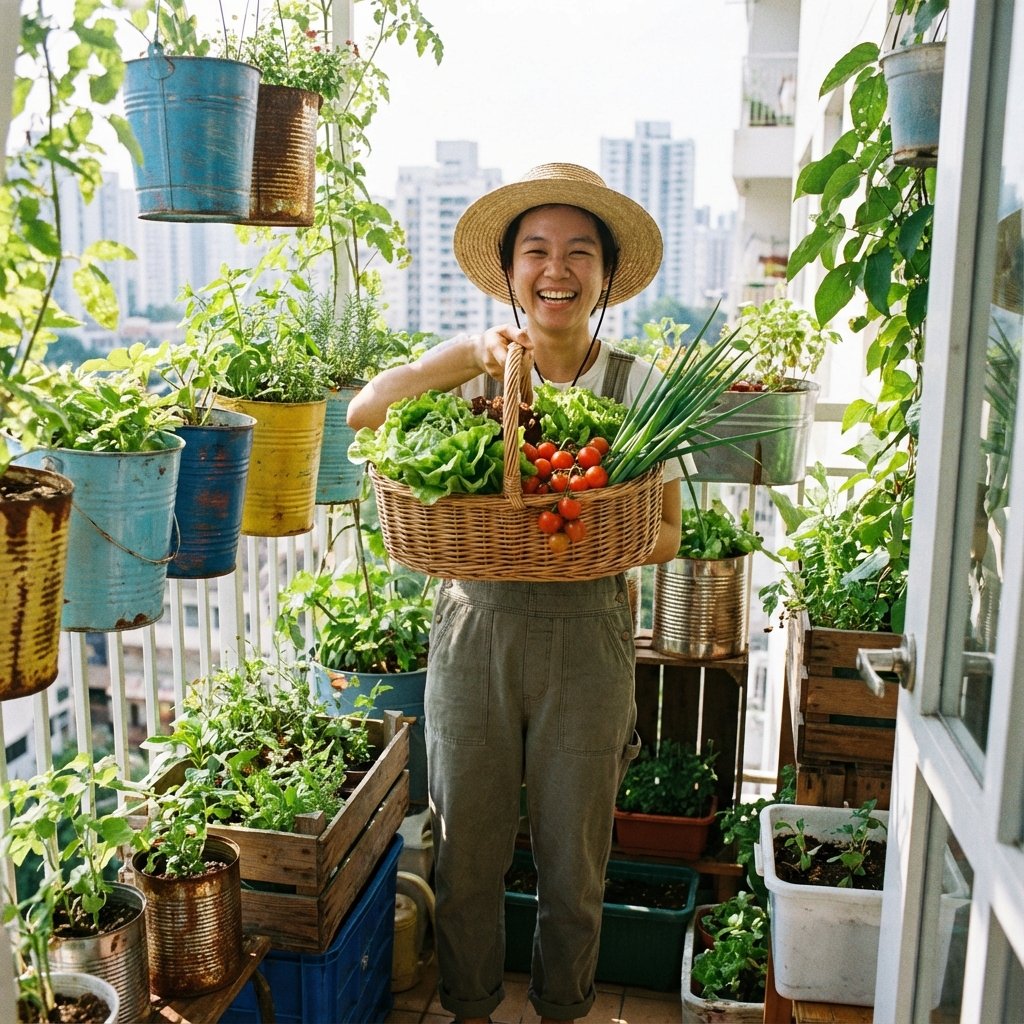

Let’s get real: your grocery bill is a monster. Every week, it feels like the price of a simple head of lettuce goes up another dollar. You’ve probably thought about growing your own food, but then the excuses kick in: ‘I don’t have a yard,’ ‘I don’t have time,’ ‘Gardening supplies are expensive.’ Forget all that. That’s the old way of thinking. This is the lazy gardener’s manifesto, your street-smart guide to hacking the food system and growing an impressive amount of food without spending a single dime. We’re not talking about buying fancy organic seeds or expensive raised beds. We’re talking about using the ‘waste’ you already have to create an endless supply of fresh produce. This guide will break down the exact, no-fluff steps to set up your zero-dollar garden, get free plants, and start slashing your food budget. It’s time to stop trading your hard-earned cash for vegetables and start growing them for free.
The Foundation: Your Zero-Dollar Garden Setup
The Foundation: Your Zero-Dollar Garden Setup
First things first, you need a place for your plants to live. Walk into any big-box store, and they’ll try to sell you $50 pots and $20 bags of ‘premium’ soil. That’s a sucker’s game. We’re playing by a different set of rules. Your mission is to acquire everything you need for free by thinking like a resourceful scavenger.
Hunting for Free Containers
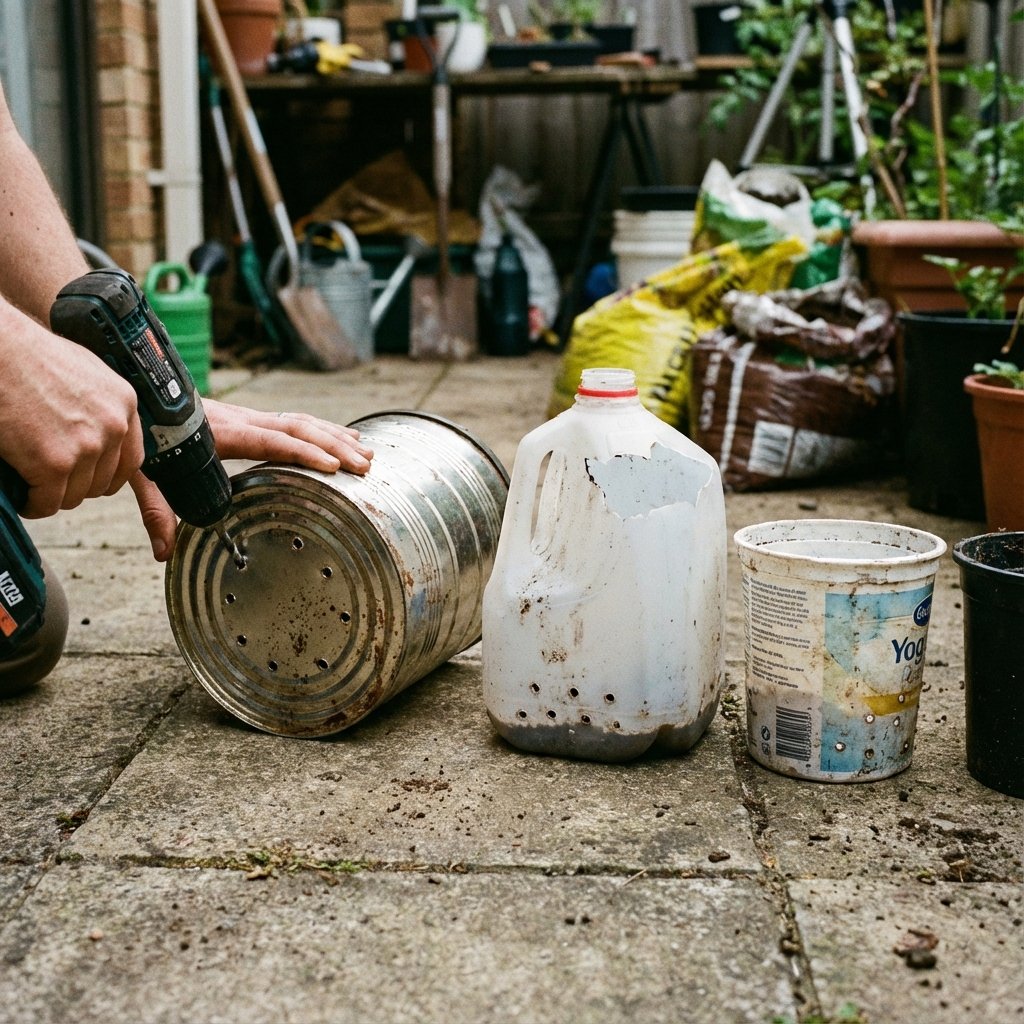
Anything that can hold soil and have holes poked in the bottom is a potential home for your plants. You are surrounded by free containers; you just need to start seeing them. Your goal is to divert items from the landfill and into your personal food factory.
- Kitchen Gold: Large yogurt tubs, coffee cans, 2-liter soda bottles (cut in half), milk jugs, and takeout containers are perfect. Just wash them out and you’re good to go.
- Community Hauls: Check out Facebook Marketplace, Craigslist, or your local Buy Nothing group. People are constantly getting rid of old plastic pots, buckets, and storage totes. Their trash is your treasure.
- Restaurant & Bakery Hookup: Food service businesses go through giant food-grade buckets (for things like frosting and pickles). Politely ask a local spot if you can take some off their hands. Most are happy to give them away to avoid disposal fees.
Key Rule: Whatever you use, it MUST have drainage. Drill, poke, or cut holes in the bottom. Plants sitting in stagnant water will rot, and all your non-effort will be for nothing.
The Dirt on Free Soil
Now for the soil. Again, don’t buy it. High-quality soil is literally being created in your kitchen right now.
The Ultimate Lazy Hack – Compost: Start a simple compost pile or bin. It sounds complicated, but it’s not. Just collect your kitchen scraps—fruit and veggie peels, coffee grounds, eggshells—and mix them with ‘browns’ like shredded newspaper, cardboard, or dry leaves from the sidewalk. It’s a set-it-and-forget-it system. Over time, this ‘garbage’ breaks down into ‘black gold,’ the richest, most nutrient-dense soil you can get, and it costs you $0.
Quick-Start Options: If you’re too impatient for compost, look for ‘free fill dirt’ listings online. You can also contact local tree trimming services; they often have mountains of wood chips and shredded leaves (great for mixing into soil or using as mulch) that they need to get rid of.
The Game-Changer: Get Free Plants by Regrowing Scraps
The Game-Changer: Get Free Plants by Regrowing Scraps
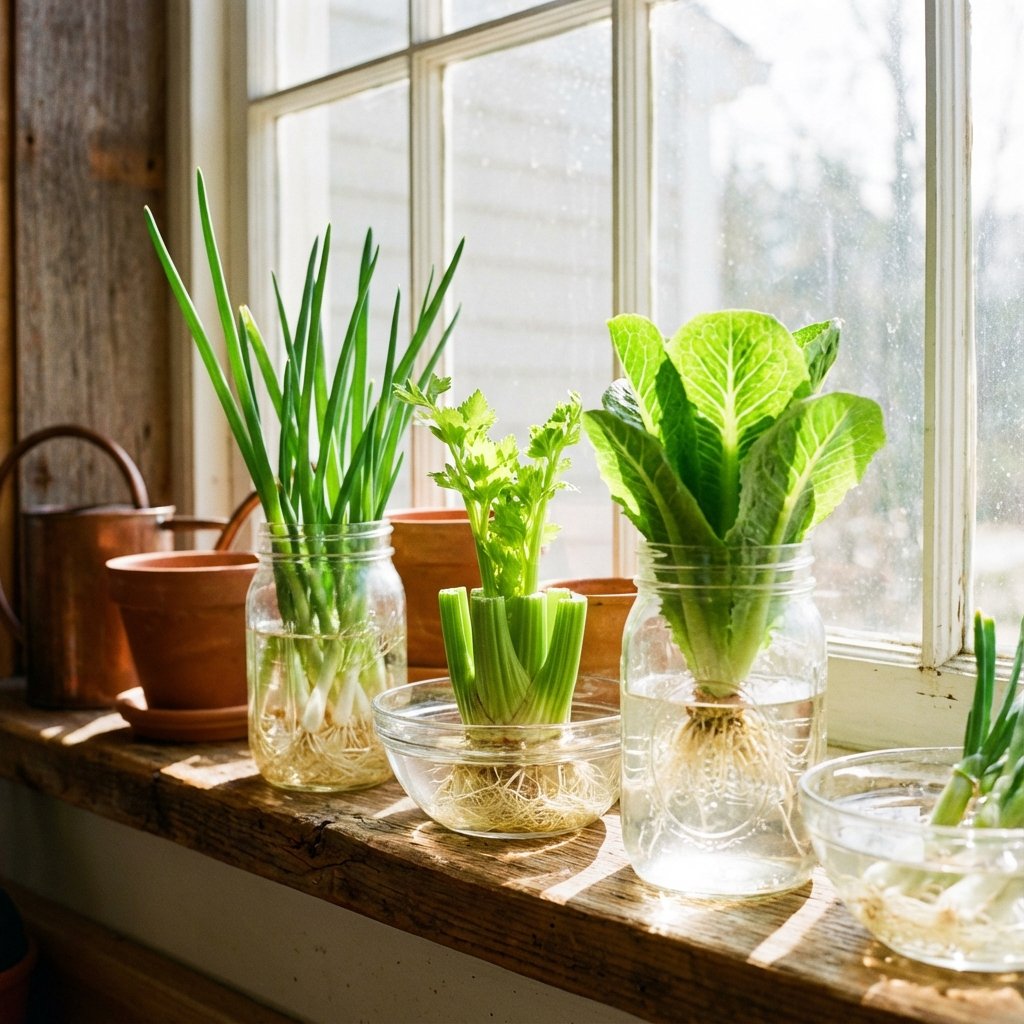
This is where the magic happens. You’re going to stop throwing away the parts of vegetables that can be turned into entirely new plants. It’s the ultimate frugal hack and feels like you’re printing your own food. All you need is a sunny windowsill and a glass of water to get started.
Your First Regrowth Projects: An Easy Step-by-Step Guide
- Green Onions: This is the easiest win and will make you feel like a gardening genius. When you use green onions, save the white root ends (about an inch long). Place them root-down in a small glass with just enough water to cover the roots. In a few days, you’ll see new green shoots emerge from the top. You can harvest them with scissors and they’ll just keep growing. You’ll never buy green onions again.
- Lettuce & Celery: Same principle. Chop off the bottom base of a head of romaine lettuce or a bunch of celery. Place it in a shallow bowl with about a half-inch of water. New leaves will start to grow from the center within a week. Once you have a good amount of new growth and some small roots, you can transplant it into one of your free pots with your free soil.
- Garlic & Onions: Ever had a clove of garlic or an onion start to sprout a little green shoot? Don’t throw it out! That’s a new plant. Plant the sprouting garlic clove directly in soil. For an onion, you can use the root-end-in-water trick just like celery to get new green shoots (chives!), or plant the whole sprouting bulb to grow a new onion.
- Potatoes: Any potato that has started to grow ‘eyes’ (little sprouts) is a seed potato. Cut the potato into chunks, making sure each piece has at least one or two eyes. Let them dry on the counter for a day, then plant them in a deep bucket or bag. One forgotten potato can yield pounds of new ones.
Seed Saving 101
Don’t forget the seeds inside the produce you already buy. When you cut open a tomato, bell pepper, or squash, scoop out the seeds, rinse them, let them dry on a paper towel for a few days, and store them in an envelope. These are free seeds for your next round of plants.
The Payoff: DIY Free Garden vs. The Grocery Store
The Payoff: DIY Free Garden vs. The Grocery Store
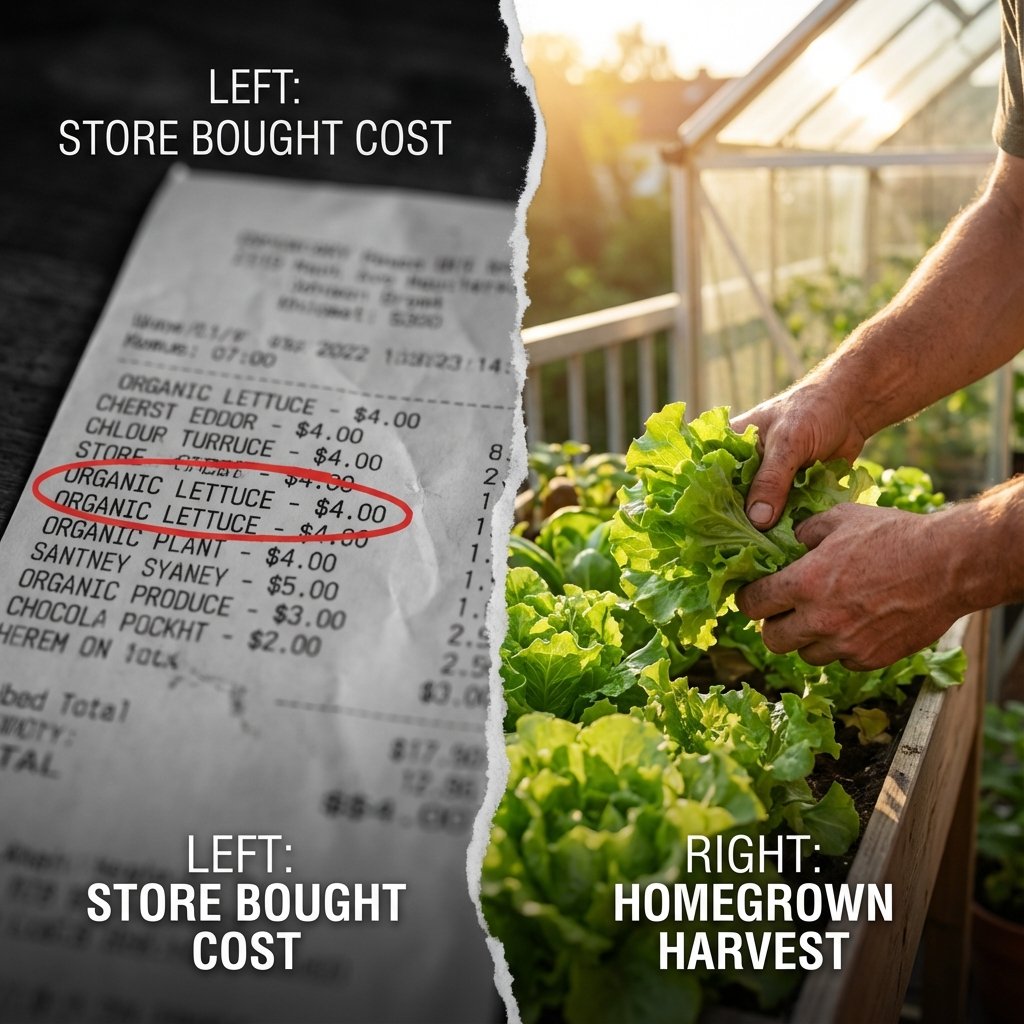
Alright, let’s talk numbers. This isn’t just a feel-good hobby; this is a strategic financial move. Growing your own food, especially using these zero-cost methods, directly translates into cash staying in your pocket. We’re talking about a recurring return on an investment of… well, nothing. Let’s break down the potential savings on just a few basic items over a year.
Look at this chart. The ‘Store Cost’ is a conservative estimate of buying these items weekly or bi-weekly. The ‘Lazy Garden Cost’ is $0 because you’re using free containers, free soil, and free plants from scraps. The difference is staggering.
| Produce Item | Typical Annual Store Cost | Lazy Garden Annual Cost | Your Annual Savings |
|---|---|---|---|
| Organic Lettuce (1 head/week) | $208 (at $4/head) | $0 | $208 |
| Green Onions (1 bunch/week) | $78 (at $1.50/bunch) | $0 | $78 |
| Fresh Herbs (Basil, Mint – 1 pack/week) | $156 (at $3/pack) | $0 | $156 |
| Cherry Tomatoes (1 pint/week, 4-month season) | $64 (at $4/pint for 16 weeks) | $0 | $64 |
| Garlic (4 heads/month) | $48 (at $1/head) | $0 | $48 |
| TOTAL POTENTIAL SAVINGS | $554 | $0 | $554 per year |
And that’s just the beginning. This table only covers five basic items. Imagine adding potatoes, peppers, beans, and more. You’re not just saving $554; you’re building a system that produces value, season after season. This is money you can redirect to paying off debt, investing, or funding another side hustle. It’s a tangible asset that literally grows on your balcony or porch.
Beat the Bugs & Weeds for $0: Your Frugal Arsenal
Beat the Bugs & Weeds for $0: Your Frugal Arsenal
Just when your free plants start thriving, pests might show up to the party. Your first instinct might be to panic and buy a chemical spray. Don’t. You’re a frugal gardener, and you have an arsenal of free or nearly-free solutions to protect your investment.
DIY Pest Control
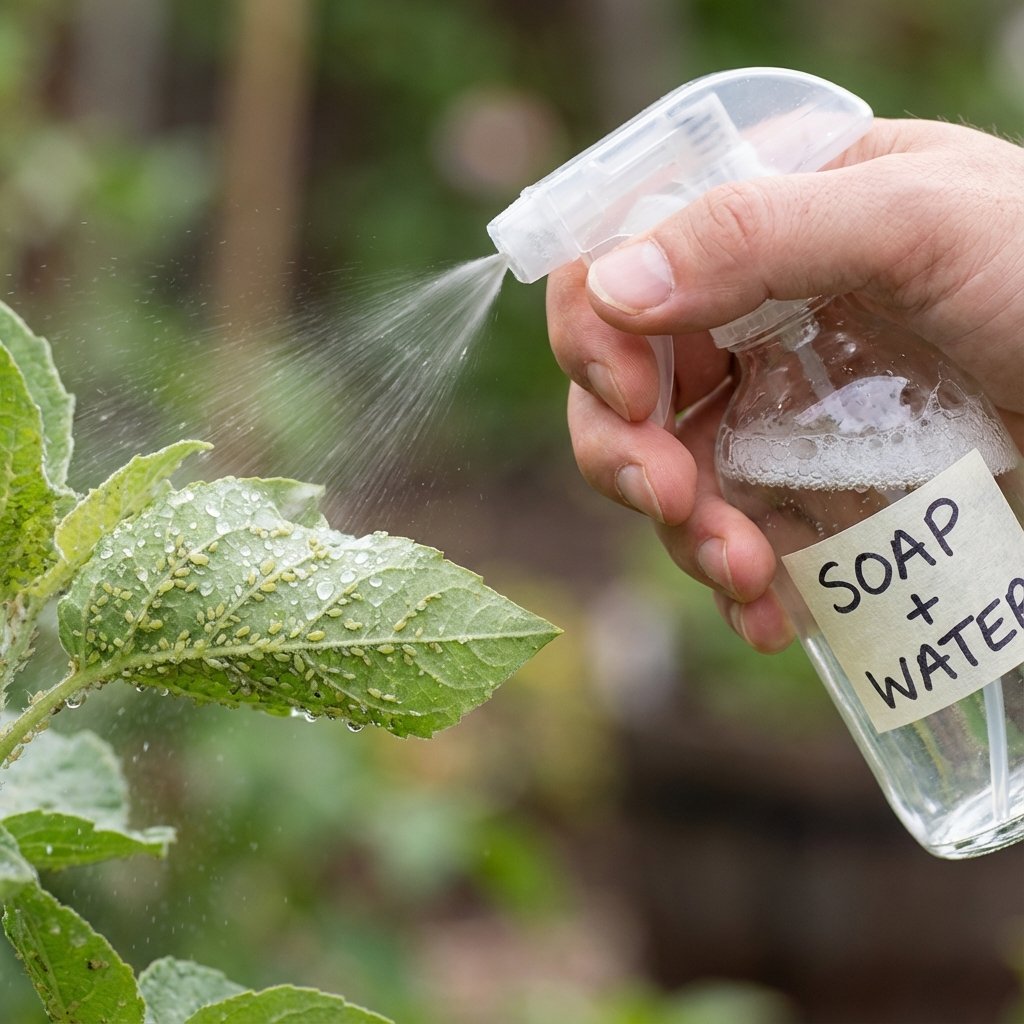
Most common garden pests, like aphids, can be dealt with using things you already have in your kitchen. No need for toxic, expensive chemicals.
The Only Bug Spray You Need
In a spray bottle, mix a few drops of plain dish soap (avoid anything with degreaser or bleach) with water. That’s it. Spray it directly on the pests. The soap breaks down their outer shell. It’s incredibly effective and costs pennies.
You can also use companion planting. Some plants naturally repel pests. While you might not be buying seeds, you can look for these plants at seed swaps or ask friends for cuttings. And don’t underestimate the power of simply blasting bugs off with a sharp spray of water from a hose or spray bottle.
Zero-Effort Weed Control
Weeds compete with your plants for nutrients and water. The lazy gardener’s best friend for weed control is mulch. Mulch is simply a layer of material you put on top of your soil. It blocks sunlight, preventing weeds from sprouting, and it has the added bonus of retaining moisture so you have to water less.
- Free Mulch Sources: Lay down flattened cardboard boxes (remove the tape) or a few layers of newspaper right on the soil around your plants. Then, cover it with free organic matter like grass clippings from a neighbor’s lawn, shredded fall leaves, or wood chips from a local tree service.
- The Benefit: You’ll spend virtually zero time pulling weeds. As the cardboard and organic matter break down, they’ll add nutrients to your soil, improving it for next year’s crop. It’s a win-win-win solution that costs nothing but a little bit of scavenging.
Conclusion
You now have the complete playbook. Growing your own food isn’t some exclusive club for people with huge yards and wads of cash. It’s a practical, empowering skill that anyone with a windowsill can master. We’ve busted the myth that you need to spend money to get started. You have access to free containers, free soil, and an endless supply of free plants right in your kitchen trash.
The choice is yours. You can keep paying inflated prices for produce that’s been shipped across the country, or you can start your own zero-dollar food factory today. Start small. Regrow one bunch of green onions. Plant one sprouting potato. Once you taste that first free harvest, you’ll be hooked. You’re not just a gardener; you’re a hacker, taking control of your food supply and your budget. Now go get your hands dirty.


Makenzie is the founder and lead writer at MoneyHackTips.com — a personal finance blog dedicated to delivering street-smart financial wisdom for real people on real budgets. With 300+ published articles covering everything from debt management to investing fundamentals, Makenzie’s mission is to make every dollar work harder. When not writing about money hacks, Makenzie is testing frugal living strategies, optimizing side hustles, and helping readers build financial freedom from scratch.