

Listen up, hustlers. Being broke isn’t a character flaw; it is a temporary math problem. When you are living paycheck to paycheck, one blown tire, an unexpected medical bill, or a sudden drop in freelance clients can send you into a devastating tailspin of credit card debt. That is exactly why you need a $1,000 emergency fund right now. It is your financial shock absorber. We are not talking about skipping lattes for a decade to save pennies; we are talking about a ruthless, focused 30-day sprint to get your ass covered. This guide is your street-smart blueprint to hacking your budget, flipping your skills, and banking that first grand. As a side hustler, you already have the grit and the drive. Now you just need the strategy. We are going to attack this from two sides: stopping the financial bleeding and aggressively increasing your cash flow. Let’s get to work and build that safety net.
The Math: Breaking Down the $1,000 Target
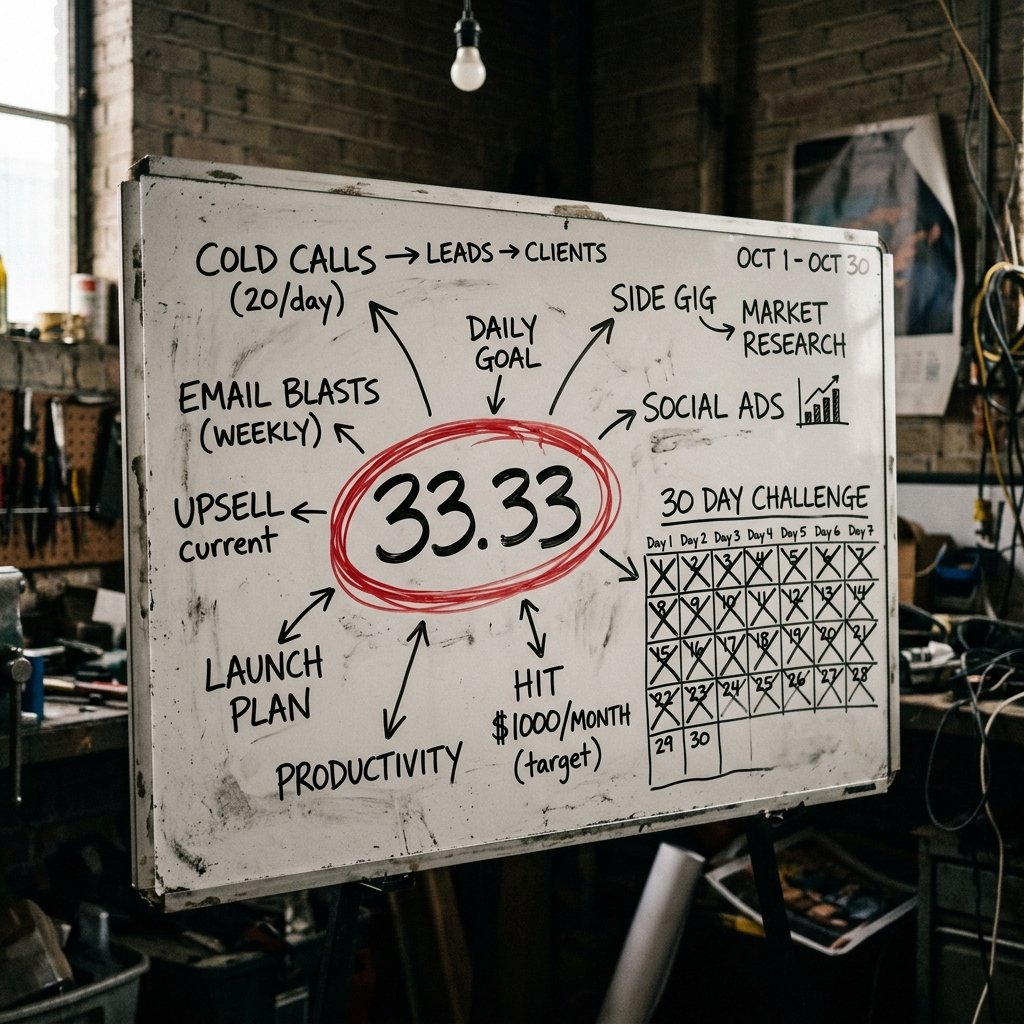
To hit $1,000 in 30 days, you need to find exactly $33.33 per day. When you look at it that way, the mountain becomes a molehill. It is just a couple of extra food deliveries, negotiating one major bill, or selling that old router collecting dust in your closet. You don’t need a lottery win; you need a calculated strategy and relentless execution. Let’s break down this 30-day sprint into weekly micro-targets to keep you focused and build psychological momentum.
Your 30-Day Blueprint
| Week | Target Goal | Strategy Focus |
|---|---|---|
| Week 1 | $250 | Slashing expenses, canceling subscriptions, and negotiating bills |
| Week 2 | $500 | Selling household clutter, electronics, and old clothes |
| Week 3 | $750 | Weekend side hustles, gig economy work, and odd jobs |
| Week 4 | $1,000 | Pitching freelance services and closing high-ROI gigs |
Hitting these weekly micro-goals will build the momentum you need to cross the finish line. Do not just leave this money in your checking account where you can accidentally spend it. Open a separate High-Yield Savings Account (HYSA) today. Every time you save or earn an extra twenty bucks, transfer it immediately. Out of sight, out of mind, and growing with interest.
Stop the Bleed: Instant Cash by Slashing Expenses
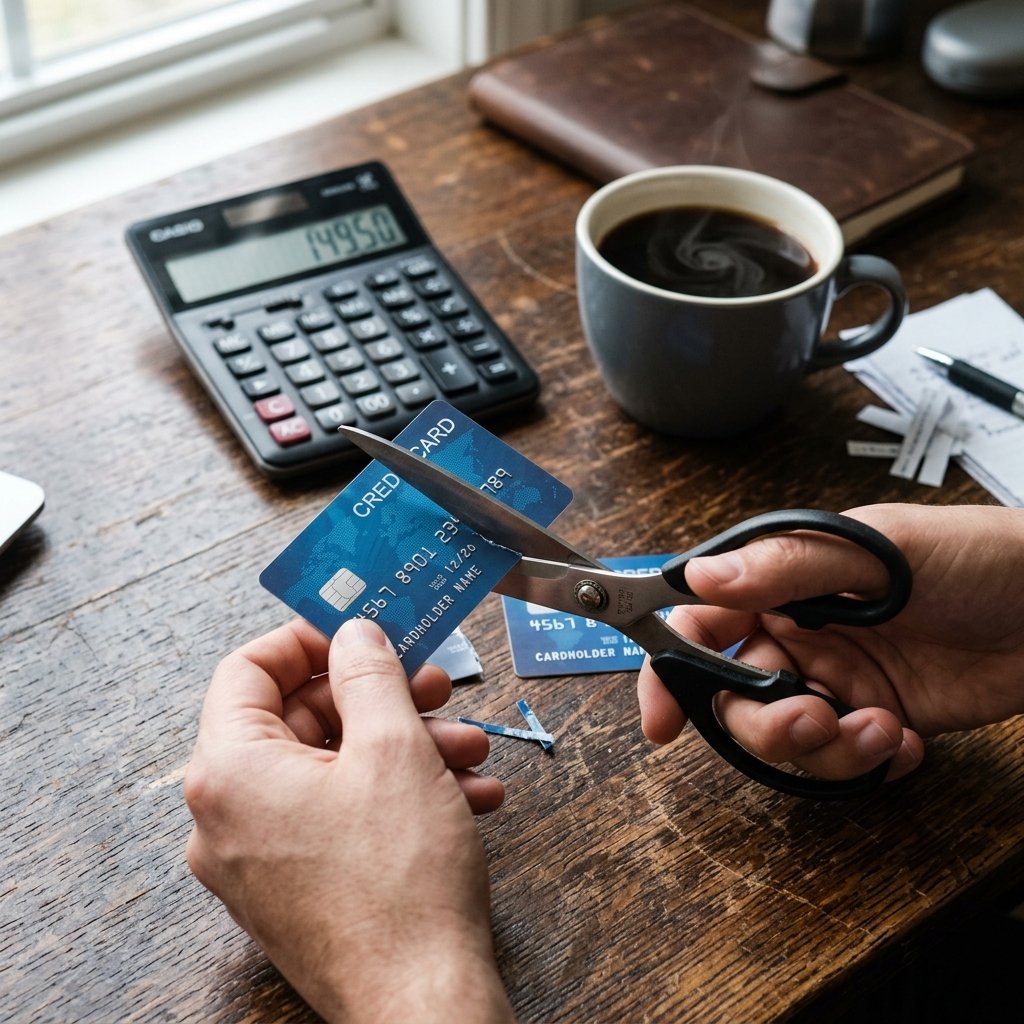
Before you hustle for new money, you need to stop your current money from leaking out. We call this plugging the holes in your bucket. There is no point in grinding for 10 hours on UberEats if you are throwing away that exact amount on subscriptions you don’t use and inflated insurance premiums. Get on the phone with your internet provider, your car insurance, and your cell phone company. You are going to negotiate everything.
The Negotiation Script
When you get a representative on the line, use this exact script:
“Hi, I have been a loyal customer for a while, but I am currently reviewing my budget and found a better rate with a competitor. Can you match their price or offer me a retention discount so I don’t have to cancel my service today?”
If you do this right across three services, you can easily save $50/month, which translates to a massive $600/year in savings. Put that first $50 straight into the emergency fund. Next, ruthlessly cut every subscription you haven’t used in 7 days. Netflix, Spotify, that premium gym membership—pause them all for 30 days. You are in survival mode. Cook at home. A standard meal out costs around $20, while a home-cooked meal is about $4. By skipping restaurants for just 30 days, you can easily save $200/month to $400/month. That is almost half your goal right there.
Sell Your Clutter: The Weekend Flip
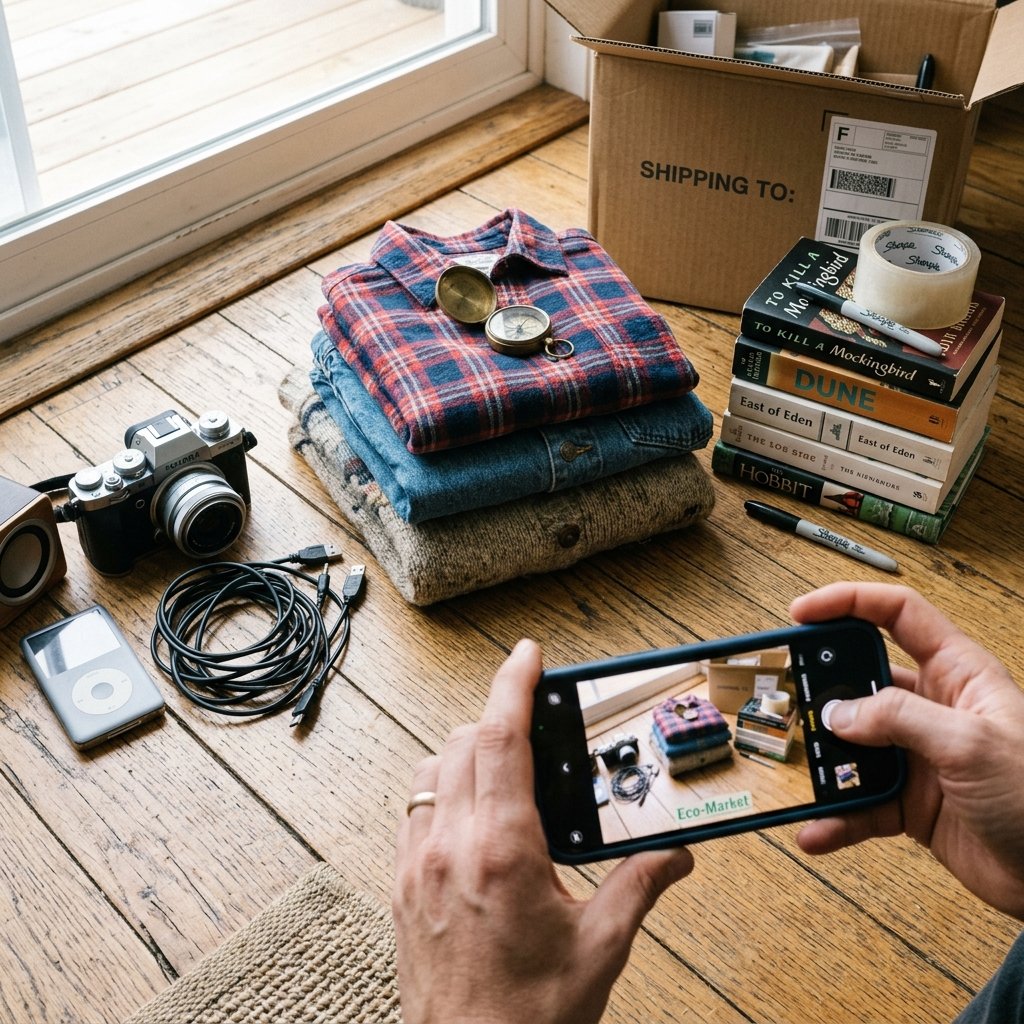
Look around your apartment. You are probably sitting on a goldmine of unused stuff. Old phones, designer clothes you wore once, video games, and furniture. Facebook Marketplace, eBay, and OfferUp are your best friends this week. Your goal isn’t to hold out for the absolute highest retail price; your goal is liquidity. You need to turn that physical clutter into digital numbers in your bank account today.
Earning Potential for Common Items
| Item Category | Average Resale Value | Effort Level |
|---|---|---|
| Old Smartphones (Unlocked) | $100 – $300 | Low |
| Name Brand Sneakers (Used) | $40 – $150 | Medium |
| Video Game Consoles | $100 – $250 | Low |
| Vintage or Branded Clothing | $20 – $50 per item | High |
How to Win the Resale Game
- Lighting is Everything: Take high-quality photos in natural daylight. Clear your background. A good photo adds $20 to the perceived value.
- Write Honest Descriptions: List any flaws to avoid returns, but highlight the benefits. Use keywords people actually search for.
- Cross-Post Aggressively: Put the same item on Facebook Marketplace, Mercari, and Poshmark to triple your eyeballs.
Spend this Saturday taking photos and listing 20 items. By Sunday night, you should have at least $200 in cash or pending payouts.
The Hustle: High-Profit Gigs to Close the Gap

You have cut your bills and sold your junk. Now it is time to hustle for the rest of the cash. As a side hustler, you already have skills. It is time to monetize them aggressively. We are talking about high-ROI gigs: power washing, freelance copywriting, social media management for local diners, or even just grinding out delivery apps on a busy Friday night. If you want fast cash, B2B (business to business) is where the money is.
The Local Pitch Script
Walk into a local business or send a direct message on Instagram using this script:
“Hey [Owner Name], I noticed your Google Business profile hasn’t been updated in a while and you’re missing out on local searches. I am a local freelancer and I can optimize it and take fresh photos for $150 this weekend to help you get more foot traffic. Are you interested in getting this fixed?”
Send that to 20 businesses, and you only need two to say yes to hit $300. If you prefer the gig economy, sign up for TaskRabbit to assemble furniture, or Rover to walk dogs. People pay $25/hour just to have someone put together their IKEA desk.
Protect Your Time and Money
Scam Warning: If a gig requires you to pay upfront for ‘training’, buy your own ‘starter kit’ from their weird website, or asks you to cash a check and send money back to them, RUN. It is a scam. Real hustles pay YOU. Never pay to work.
Keep your head on a swivel. Push hard, stack the cash, and do not let off the gas until you see that $1,000 balance.
Conclusion
Building a $1,000 emergency fund in 30 days isn’t just about the money; it is about proving to yourself that you have absolute control over your financial destiny. You are a hustler. You have the grit to slash your budget, flip your unused junk, and grind out those extra gigs when everyone else is binge-watching TV. Once that grand is sitting safely in a high-yield savings account, the panic of living paycheck to paycheck starts to fade. You will breathe easier, you will walk taller, and you will have the solid foundation required to start building real, generational wealth. Now close this tab, look at your budget, and get to work. Your 30-day clock starts right now.
Disclaimer: The information provided in this article is for educational and informational purposes only. I am not a certified financial advisor, tax professional, or legal expert. Always do your own research or consult with a licensed professional before making any major financial decisions, investments, or tax-related moves.


Makenzie is the founder and lead writer at MoneyHackTips.com — a personal finance blog dedicated to delivering street-smart financial wisdom for real people on real budgets. With 300+ published articles covering everything from debt management to investing fundamentals, Makenzie’s mission is to make every dollar work harder. When not writing about money hacks, Makenzie is testing frugal living strategies, optimizing side hustles, and helping readers build financial freedom from scratch.