

Listen up. That feeling of dread when you see the ‘Required Reading’ list on your syllabus? The cold sweat when you walk into the campus bookstore and see a single science textbook priced like a used car? That ends today. For too long, students have been caught in the textbook racket—a system designed to squeeze every last dollar out of you for information that should be accessible. Publishers release ‘new’ editions with shuffled chapters, bundle them with one-time-use access codes, and work with universities to make you feel like you have no other choice.
But you do. The system is rigged, but any system can be hacked. There’s an underground network of resources—a secret list of websites and strategies—that savvy students have been using for years to fight back. They’re getting the exact same books, the same required knowledge, for a fraction of the cost, and often for absolutely nothing. I’m here to give you the keys to the kingdom. Forget paying $300 for a book you’ll use for four months. It’s time to learn the hustle, reclaim your money, and put it towards things that actually matter, like rent, food, or a much-needed weekend trip. Let’s get started.
Why You’re Getting Played: The Textbook Racket Explained
Before we get to the hacks, you need to understand who you’re up against. This isn’t just about a store marking up a product. The college textbook industry is a multi-billion dollar machine, and it’s built on a few key tactics designed to keep you paying top dollar.
The ‘New Edition’ Scam
Ever notice how your professor requires the 9th edition of a chemistry book, but you can find the 8th edition online for $10? That’s not a coincidence. Publishers frequently release new editions with minimal changes—maybe a new foreword, reordered chapters, or slightly updated images. The core information is almost always identical. They do this to render the massive used book market obsolete, forcing students to buy the latest, most expensive version.
The Access Code Hostage Situation
This is the industry’s masterstroke. By bundling textbooks with a one-time-use online access code required for homework, quizzes, and labs, they make it impossible to buy a used book. The code is the golden ticket, and you can only get a new one by buying their overpriced bundle. It effectively kills the resale market and forces every single student in the class to buy a new product, year after year. It’s a brilliant, predatory business model.
Campus Bookstore Collusion
Your campus bookstore isn’t always your friend. They often have exclusive deals with publishers, locking in high prices and ensuring they’re the most ‘convenient’ option for students who don’t know any better. They prey on the urgency of the first week of classes, knowing you’ll pay anything to not fall behind. Understanding these tactics is the first step to beating them. You’re not just buying a book; you’re outsmarting a system designed to take your money.
The Free-For-All Zone: Top-Tier Websites for $0 Textbooks
Alright, let’s get to the good stuff. Your first line of attack should always be to find the book for free. It takes a little digging, but the payoff is huge. These are the go-to resources for legally (and sometimes, not-so-legally) acquiring digital versions of your books without spending a dime.
- OpenStax: This is a non-profit initiative out of Rice University, and it’s a game-changer. They produce high-quality, peer-reviewed, openly licensed college textbooks for the highest-enrollment courses. We’re talking Physics, Biology, Sociology, Economics—the big ones. Their books are 100% free online. Before you buy anything, check if there’s an OpenStax equivalent.
- Project Gutenberg: The OG of free e-books. They have over 70,000 titles, focusing on older books for which the U.S. copyright has expired. This is your absolute best friend for any literature, philosophy, or history class. Shakespeare, Jane Austen, Plato, Marcus Aurelius? It’s all here, free and formatted for any device.
- Your University Library’s Digital Portal: Don’t sleep on this. You’re already paying for it with your tuition! Most university libraries have massive digital databases like JSTOR, ProQuest, and EBSCOhost, where you can often find entire textbooks or required journal articles as PDFs. Log in to your school’s library website and learn to use the search function. It’s a goldmine.
- The Internet Archive & Open Library: The Internet Archive is a non-profit library of millions of free books, movies, and more. Their Open Library project aims to create a web page for every book ever published. They have a massive collection of scanned textbooks that you can often ‘borrow’ digitally for a set period, just like a real library.
A Word of Caution: You’re going to hear about sites like Library Genesis (LibGen) or Z-Library. These are shadow libraries that operate in a legal gray area, providing access to millions of articles and books, including current textbooks. While they can be incredibly effective, using them may constitute copyright infringement depending on your country’s laws. We’re not telling you to use them, we’re just telling you they exist. Proceed with your own judgment.
The Deep Discount Crew: When Free Isn’t an Option
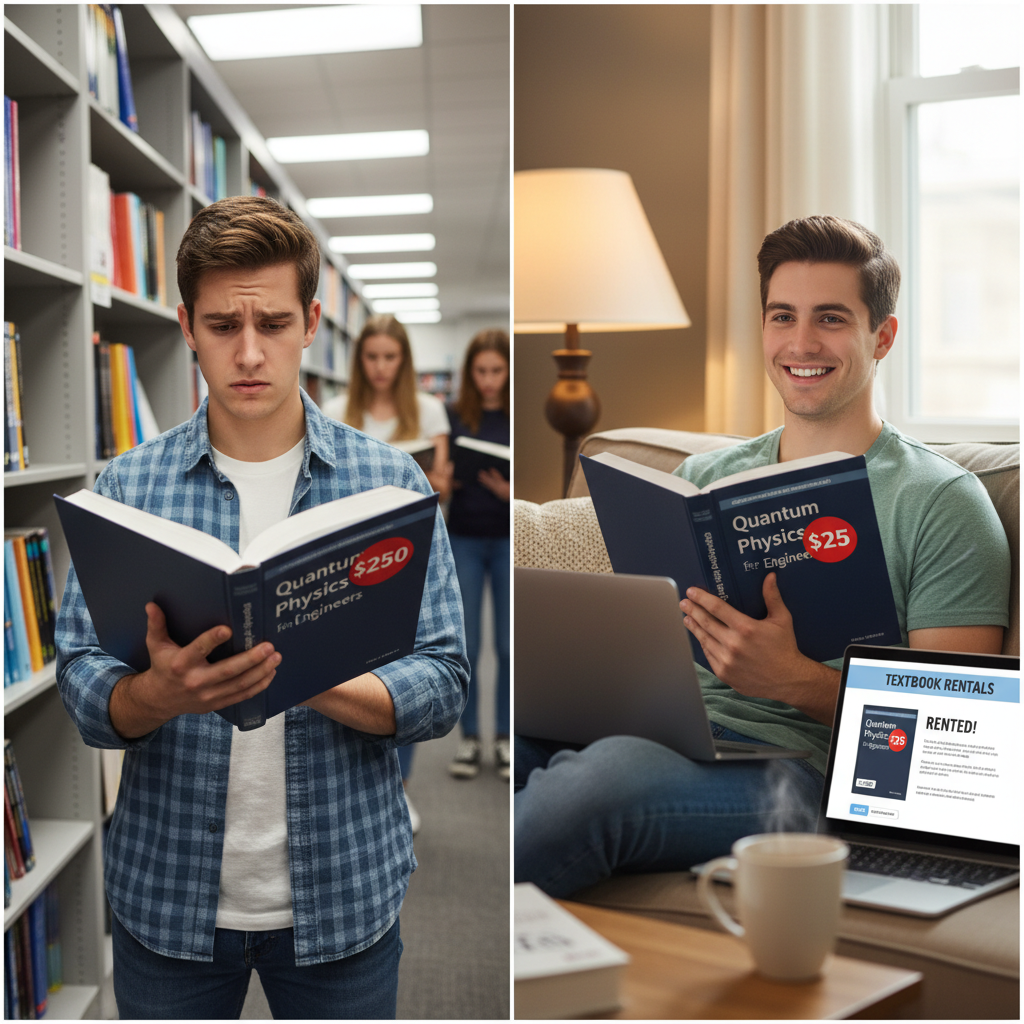
Sometimes, you just can’t find a free version. Maybe it’s a niche subject, or you absolutely need that dreaded access code. All good. The goal now is to pay as little as humanly possible. Forget the bookstore’s $250 price tag; we’re aiming for $50 or less. These sites are your new best friends for renting and buying used.
For Buying Used:
- AbeBooks: This is a massive online marketplace for books, connecting you with thousands of independent sellers. You can find almost any book here, including international editions (which are often identical to the U.S. version but way cheaper) for pennies on the dollar. Pay close attention to the seller ratings and shipping costs.
- ThriftBooks: Another giant in the used book space. They have a great loyalty program (ReadingRewards) and often offer free shipping on orders over $15. Their condition grading is usually very reliable, so you know what you’re getting.
For Renting:
- Chegg: Probably the biggest name in textbook rentals. Renting is a fantastic option for a book you know you’ll never open again after the final exam. You rent it for the semester and ship it back for free when you’re done. They also offer digital versions and homework help, but stick to the physical rentals to save the most cash.
- Amazon Textbook Rental: Yep, the big guy is in on it too. Amazon’s rental service is competitive and integrated right into their ecosystem. If you have a Prime Student account, the shipping is fast and free. Always compare their rental price against Chegg’s before committing.
The Ultimate Price Checker:
- SlugBooks: This isn’t a store; it’s a weapon. SlugBooks is a price comparison engine for textbooks. You type in your book’s ISBN, and it instantly scours the internet, comparing prices for new, used, rental, and digital versions from all the major players (Amazon, Chegg, AbeBooks, etc.). Never buy or rent a book without running it through SlugBooks first. It’s the fastest way to ensure you’re not getting ripped off.
The Pro-Level Hack: Mastering the System
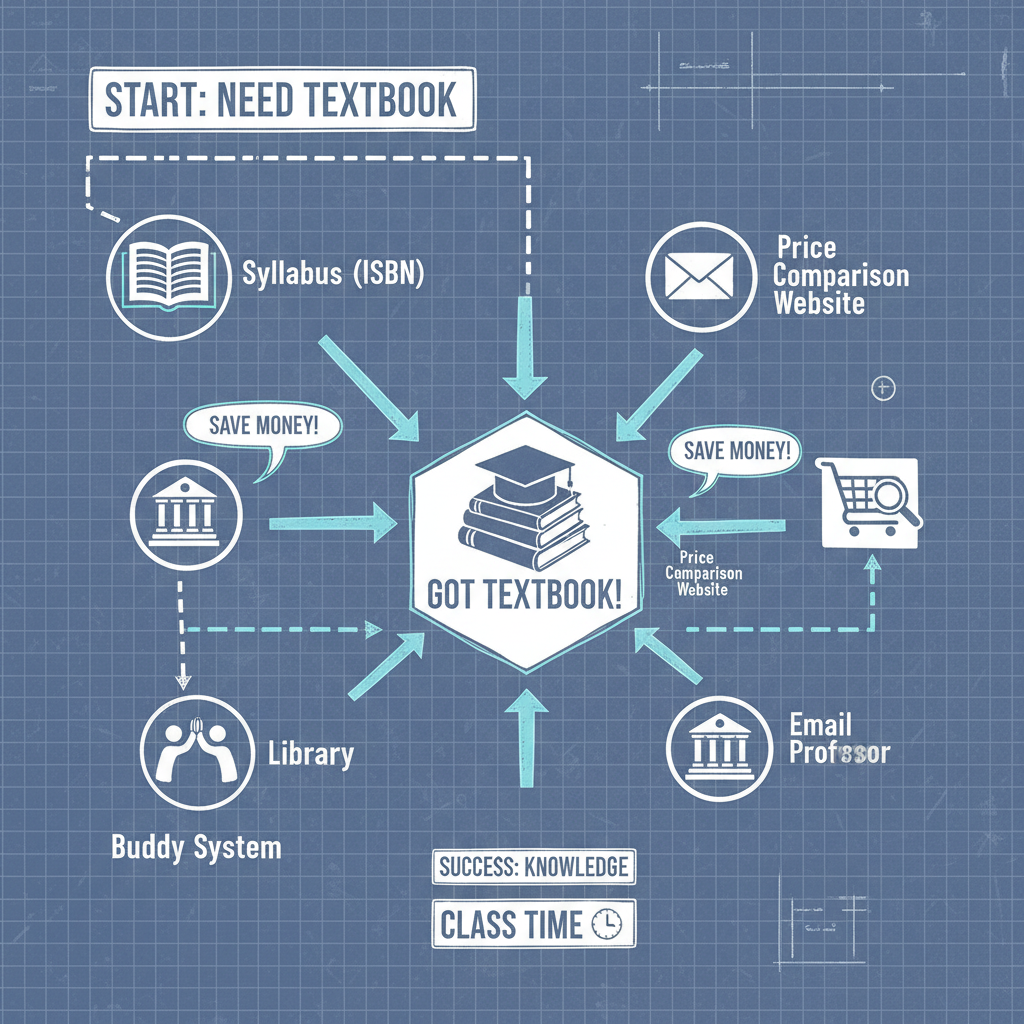
Having the right websites is half the battle. The other half is strategy. A true frugal hacker knows how to work the angles and find savings where others don’t even think to look. These are the next-level moves that separate the amateurs from the pros.
Rule #1: The ISBN is Your Holy Grail
The International Standard Book Number (ISBN) is a unique 10 or 13-digit code for a book. Don’t search by title; publishers release different versions and bundles with the same title. Get the exact ISBN from your syllabus or professor. This ensures you’re comparing prices for the *exact* edition you need.
Rule #2: Question the ‘New Edition’
As we discussed, new editions are often a scam. The secret weapon here is your professor. Most of them are aware of the textbook cost burden and are surprisingly cool about it. Use this script to email them before the semester starts:
Hi Professor [Name],
I’m an incoming student in your [Course Name & Number] class this semester and I’m getting my textbooks lined up. The syllabus lists the [10th edition], but I’ve found a much more affordable copy of the [9th edition].
Would using the older edition be acceptable for the course, or are there significant changes that would make it difficult to follow along?
Thanks so much for your guidance.
Best,
[Your Name]
Nine times out of ten, they’ll either say it’s fine or tell you exactly what few pages are different, which you can often photocopy from a friend or a library copy.
Rule #3: Leverage the Library
Go old school. Your university library will almost certainly have at least one physical copy of your textbook on reserve. You usually can’t check it out for long, but it’s perfect for scanning a chapter you need or catching up if your ordered book is late. Also, ask about the Interlibrary Loan (ILL) program. If your library doesn’t have a book, they can often get it for you from another library, completely free.
Rule #4: The Buddy System
Find a friend in your class and go in on a book together. This works especially well for classes where the textbook is more of a reference than a primary reading tool. You can split the cost of a rental or a used copy 50/50. You just saved half the price with zero effort.
The Ultimate Price Showdown: Bookstore vs. The Hacks
Still not convinced? Let’s look at the cold, hard numbers. We took three common undergraduate courses and compared the typical new price at a university bookstore (including access code bundles where applicable) against what you’d pay using the strategies we just outlined. The results speak for themselves.
| Textbook Title | Typical University Bookstore Price | Frugal Hacker Price (Using These Sites) | Your Savings |
|---|---|---|---|
| Campbell Biology, 12th Edition (w/ Access Code) | $285.00 | $55.00 (Rent used book from Chegg + buy code separately) | $230.00 |
| Calculus: Early Transcendentals, 9th Edition | $195.00 | $0.00 (Found free equivalent on OpenStax) | $195.00 |
| The Norton Anthology of English Literature | $82.50 | $0.00 (Most works available on Project Gutenberg) | $82.50 |
| Introduction to Psychology, 11th Edition | $150.00 | $22.50 (Bought used international edition on AbeBooks) | $127.50 |
| Total Cost | $712.50 | $77.50 | $635.00 |
Look at that. By spending an hour or two online instead of blindly walking into the bookstore, you could save over $600 in a single semester. Multiply that by eight semesters, and you’re looking at a savings of nearly $5,000 over your college career. That’s a used car. That’s a down payment on a house. That’s a life-changing amount of money, and it’s yours for the taking.
Conclusion
The days of being a passive victim of the textbook industry are over. You now have the playbook, the websites, and the strategies to take back control of your finances. This isn’t just about saving a few bucks; it’s about a mindset shift. It’s about recognizing that you have power as a consumer and learning to use the resources at your disposal to make smarter decisions. Every dollar you save on an overpriced textbook is a dollar you can invest in yourself, your future, or just your own well-being.
So, the next time you get that syllabus, don’t sigh. See it as a challenge. A game. Open up your browser, fire up these websites, and go on the hunt. The satisfaction of finding that $200 book for free is a feeling you won’t forget. You work too hard for your money to just hand it over. Now go out there and hack the system.

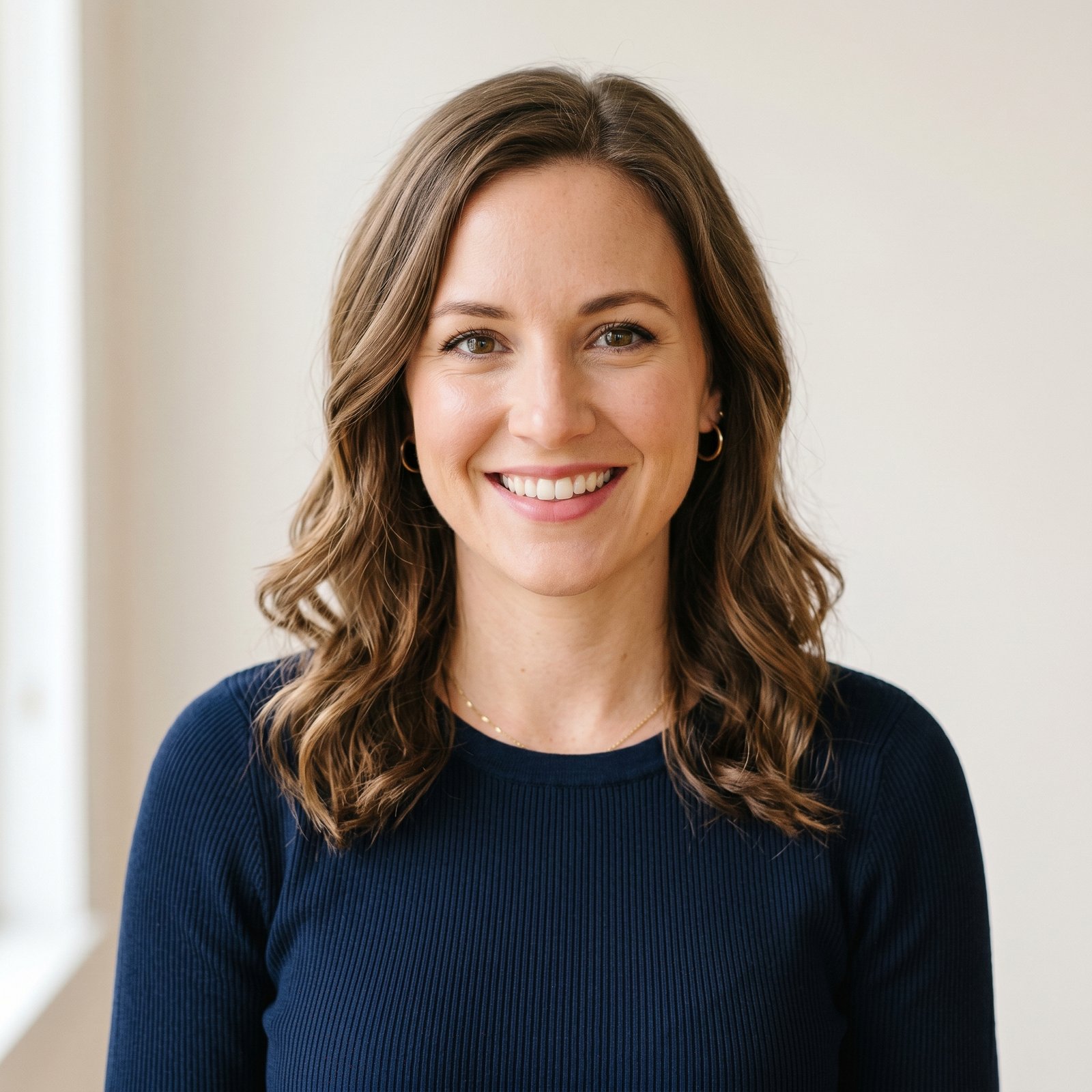
Makenzie is the founder and lead writer at MoneyHackTips.com — a personal finance blog dedicated to delivering street-smart financial wisdom for real people on real budgets. With 300+ published articles covering everything from debt management to investing fundamentals, Makenzie’s mission is to make every dollar work harder. When not writing about money hacks, Makenzie is testing frugal living strategies, optimizing side hustles, and helping readers build financial freedom from scratch.