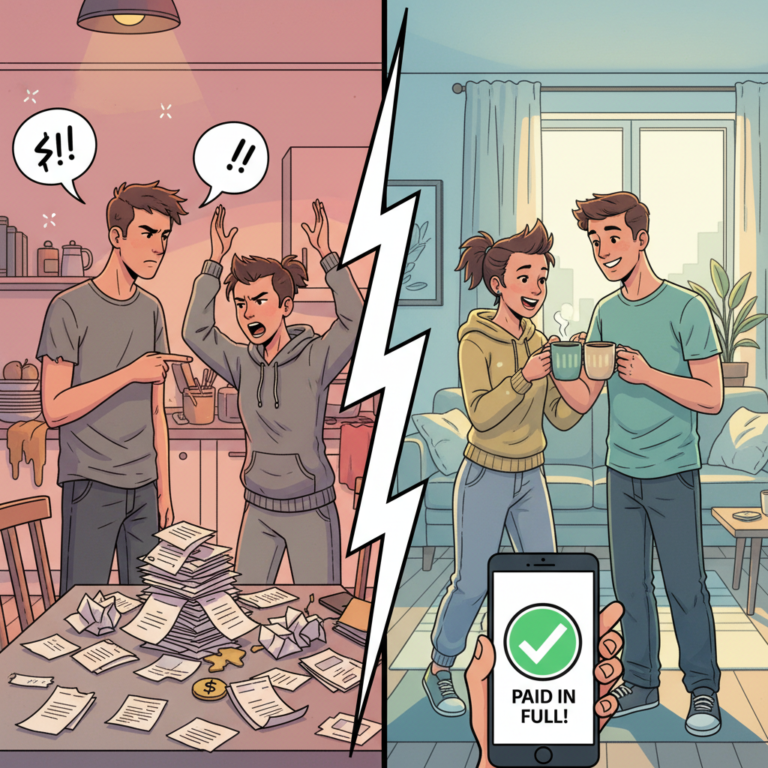


Love is Grand, But Going Broke is a Rookie Mistake
Listen up, hustlers and frugal hackers. We spend hours grinding on our side hustles, clipping digital coupons, and mastering the envelope system just to build a little financial freedom. But here is the brutal truth: all that hard work can vanish overnight if you tie your life to a partner who treats your bank account like a bottomless ATM. Love might be blind, but your bank account absolutely cannot be.
When you are a newbie to the personal finance game or a dedicated frugal living enthusiast, your financial peace is your most valuable asset. You cannot afford to merge your life with someone who has toxic money habits. Financial compatibility is not just about who pays for dinner; it is about survival, trust, and protecting your future. If you ignore the warning signs early on, you will end up paying for it—literally. Today, we are breaking down the 7 Financial Red Flags in Relationships You Should Never Ignore. We are going to look at the math, the warning signs, and the exact scripts you need to confront these issues like a street-smart boss.
Red Flag #1: Financial Infidelity (The Secret Stash)

Financial infidelity is the ultimate betrayal for anyone trying to build a solid financial foundation. This happens when your partner hides debt, maintains secret credit cards, or lies about their income and spending. If you are sharing expenses or planning a future together, a hidden debt bomb can blow up your combined financial security.
The Street-Smart Reality Check
When you are working a side hustle to save an extra $500 a month, and your partner is secretly racking up $5,000 on a hidden credit card, your hard work is being actively canceled out. Secret spending is a massive breach of trust. If they can lie about a credit card, what else are they hiding?
Key Rule: Transparency is non-negotiable. If you are planning to merge finances or sign a lease together, you both need to lay all your cards (and credit scores) on the table.
How to Confront the Secret Spender
Do not attack them, but do not back down either. Use this script to force the issue into the light.
The Script: “I noticed some inconsistencies with our budgeting and a piece of mail that came in. If we are going to build a life together, I need 100% honesty about our debts and assets. Let’s sit down this weekend and look at everything together. No judgment, just facts.”
Red Flag #2: The Debt Denier

Having debt is not a red flag. Let’s be real—most of us have student loans or a bit of credit card balance we are aggressively hacking away at. The red flag is how they handle that debt. The “Debt Denier” ignores collection calls, tosses unopened bills into the trash, and refuses to get on a payment plan. They live in a fantasy world while their interest rates compound into an absolute nightmare.
The Math of Ignorance
Ignoring debt does not make it disappear; it makes it multiply. Let’s look at the brutal math of what happens when a partner ignores a simple credit card balance versus tackling it head-on with a frugal mindset.
| Scenario ($5,000 Debt at 20% APR) | Action Taken | Total Paid Over 5 Years | Financial Damage |
|---|---|---|---|
| The Frugal Hacker | Pays $250/month consistently | $5,895 total (Out of debt in 2 years) | Zero late fees, credit score improves |
| The Debt Denier | Ignores bills, pays random minimums late | $9,000+ (Still in debt after 5 years) | Late fees, tanked credit, collections |
If you marry a Debt Denier, their financial chaos will eventually become your financial burden. Do not let their denial drag down your net worth.
Red Flag #3: The Financial Dictator (Control Issues)

This is a serious one, folks. Financial abuse is a real and dangerous trap. The Financial Dictator wants to control every single penny that flows in and out of the household. They might demand to see your receipts for a $3 coffee, insist that all your side hustle income goes into an account only they control, or put you on a strict “allowance” while they spend freely.
Protect Your Peace and Your Wallet
In a healthy relationship, money is managed as a team. If your partner is micromanaging your spending or making you feel guilty for buying basic necessities, that is not budgeting—that is control.
- They demand your banking passwords but refuse to share theirs.
- They make large purchases without consulting you, but berate you for small ones.
- They actively discourage you from working or building your side hustle to keep you dependent.
Scam Warning: Never, ever surrender total control of your income to a partner. Always maintain your own independent bank account. Having an emergency “F-You Fund” is the ultimate street-smart move to ensure you can always walk away from a toxic situation.
Red Flag #4: The “Money is Taboo” Mindset

If your partner completely shuts down, gets defensive, or walks out of the room every time you bring up budgeting, you have a massive problem on your hands. The “Money is Taboo” partner believes that talking about finances is unromantic, rude, or unnecessary. But guess what? Evictions and bankruptcies are pretty unromantic, too.
Breaking the Silence
You cannot build a frugal empire with someone who refuses to look at a spreadsheet. You need to normalize talking about money. Start by scheduling a casual, low-stress “Money Date.” Grab some cheap takeout, pour a drink, and keep the vibe positive.
The Script: “I want us to achieve our goals, like traveling or buying a house. To do that, we need a game plan. Let’s spend 20 minutes tonight looking at our combined income and setting a fun savings goal for the month.”
If they consistently refuse to engage in this conversation, it is a glaring red flag that they are not ready for an adult partnership.
Red Flag #5: The Chronic Moocher (Entitlement)

We all fall on hard times, and supporting a partner through a job loss is what a good teammate does. But there is a massive difference between temporary bad luck and chronic mooching. The Chronic Moocher always “forgets” their wallet, expects you to fund their lifestyle, and makes zero effort to increase their own income or cut their expenses.
The Cost of the Moocher
Let’s break down the math. If you are constantly picking up the tab for someone who refuses to hustle, it drains your savings fast. Let’s say you cover their dinners and entertainment at $100 a week. That is $5,200/year! That is money that could have fully funded your IRA or served as seed money for your next business venture.
- They have expensive taste but a minimum-wage work ethic.
- They expect you to pay for luxury dates while you are trying to live frugally.
- They show no gratitude and treat your money as “our” money, while their money is “their” money.
Do not let anyone treat your hard-earned cash like a free ride. Set strict boundaries on what you will and will not pay for.
Red Flag #6: Wildly Different Financial Values

Opposites attract, but when it comes to money, opposite financial values can lead to divorce court. If you are a frugal hacker who tracks every dollar, buys generic brands, and invests your side hustle profits, you will clash hard with a partner who believes in “YOLO” spending and prioritizes designer clothes over an emergency fund.
Compromise vs. Dealbreaker
Having different spending styles is okay, provided you can find a middle ground. The red flag appears when they actively mock your frugal lifestyle or refuse to compromise. If they call you “cheap” for using a coupon or refuse to stick to an agreed-upon budget, they are disrespecting your values.
| The Frugal Hacker Value | The YOLO Spender Value | The Compromise (Green Flag) |
|---|---|---|
| Saving $300/month for emergencies | Spending $300/month on dining out | Allocating $150 to savings, $150 to a fun fund |
| Buying a reliable used car for cash | Leasing a brand new luxury SUV | Buying a certified pre-owned car with a small, manageable loan |
If they refuse the compromise column, you have a fundamental incompatibility that will breed resentment for years to come.
Red Flag #7: Credit Score Sabotage & Co-Signing Pressure

Your credit score is your financial reputation. It determines your ability to rent an apartment, buy a house, or get a decent rate on a car loan. If your partner has trashed their own credit and now wants to use yours, you need to hit the brakes immediately. The pressure to co-sign a loan, put a lease in your name only, or add them as an authorized user on your credit card is a massive red flag.
The Ultimate Trap
When you co-sign a loan, you are 100% legally responsible for that debt. If you break up, the bank does not care about your broken heart—they care about their money. If your ex misses a payment, your credit score tanks.
Scam Warning: Never, ever co-sign a loan for a romantic partner unless you are legally married and fully prepared to pay off the entire balance yourself. If a bank, whose entire business model is assessing risk, will not lend them money, why should you?
Protect your credit score with your life. If they get angry at you for refusing to co-sign, they are manipulating you. A good partner will understand your boundaries and work on fixing their own credit.
Conclusion
Protect Your Heart, But Bulletproof Your Wallet
Navigating relationships is tough enough without the added stress of financial ruin. As a frugal hacker, you are working too hard to let someone else’s bad habits derail your future. Look out for these 7 financial red flags: secretive spending, debt denial, financial control, refusing to talk about money, chronic mooching, value mismatches, and credit score sabotage. If you spot these signs, do not panic, but do not ignore them either. Initiate the tough conversations, set your boundaries, and demand transparency. If they refuse to step up, it might be time to walk away and protect your peace.
Remember, building wealth is a marathon, and you need a partner who will run alongside you, not one who acts like a ball and chain around your ankle. Stay street-smart, keep hustling, and never compromise your financial independence for anyone.
Disclaimer: I am The Ultimate Frugal Hacker, not a licensed financial advisor, CPA, or attorney. The content provided in this article is for informational and entertainment purposes only and should not be construed as professional financial or legal advice. Always do your own research and consult with a certified professional before making major financial decisions or legally binding agreements.

Makenzie is the founder and lead writer at MoneyHackTips.com — a personal finance blog dedicated to delivering street-smart financial wisdom for real people on real budgets. With 300+ published articles covering everything from debt management to investing fundamentals, Makenzie’s mission is to make every dollar work harder. When not writing about money hacks, Makenzie is testing frugal living strategies, optimizing side hustles, and helping readers build financial freedom from scratch.