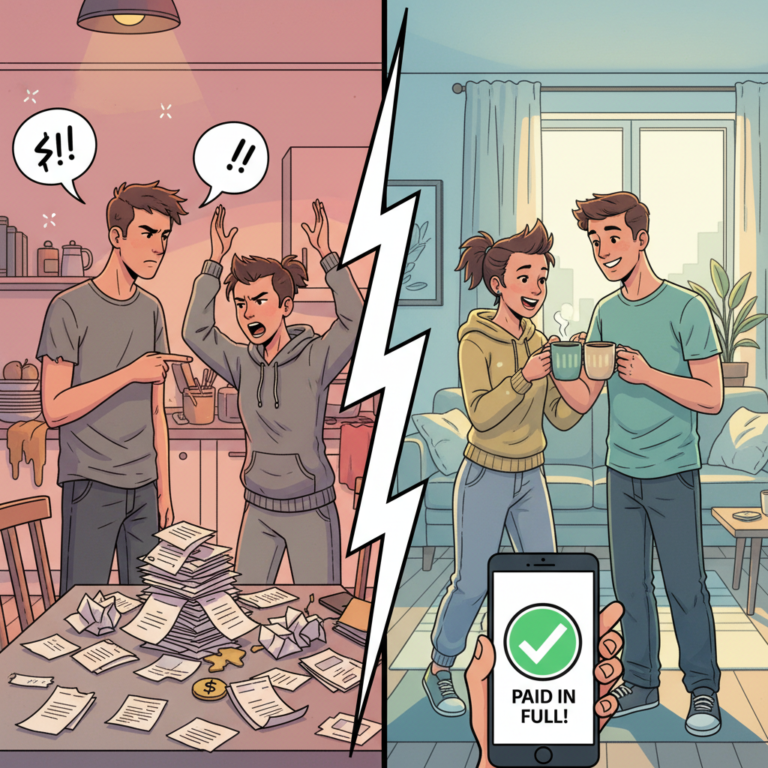


The Ugly Truth About Your Shared Finances
Listen up, my frugal hackers and side hustle warriors. We need to have a real, unfiltered talk today. You are out here grinding every single day. Maybe you are flipping furniture on the weekends to make an extra $500 a month. Maybe you are meticulously meal-prepping to slash your grocery bill down to $200. You are putting in the sweat equity to build a bulletproof financial foundation for your family. But what if the person sleeping right next to you is secretly tearing down that exact foundation? Welcome to the dark, incredibly frustrating side of personal finance: Financial Infidelity.
Financial infidelity is not just a trendy buzzword; it is a massive betrayal of trust. It happens when couples who have agreed to combine their finances or share financial goals actively lie to each other about money. We are talking about hidden debts, secret credit cards, siphoned cash, and blown budgets. It is just as devastating as romantic infidelity because it threatens your livelihood, your credit score, and your future. You work way too hard for your money to let someone else drain your empire behind your back.
If you are a beginner to budgeting or you just started taking your finances seriously, you might not know what to look for. Sneaky financial behavior thrives in the shadows. But today, we are shining a massive spotlight on it. We are putting on our detective hats and breaking down the 10 glaring red flags that your spouse is hiding money from you. More importantly, I am going to give you the street-smart action plan to handle it and protect your assets.
Red Flags 1 to 3: The Shroud of Secrecy

When the Financial Doors Suddenly Lock
Let us kick things off with the most obvious signs that something shady is going down in your household. In a healthy, financially transparent relationship, personal passwords to social media might be private, but the joint financial accounts should be an open book. When the transparency stops, the lies usually start.
Red Flag 1: Sudden Password Changes on Joint Accounts
If you used to log into the shared bank account every month to pay the $150 electric bill, and suddenly the password is changed without any heads-up, your radar should be pinging violently. If you ask for the new login and they make excuses, they are hiding the transaction history.
Red Flag 2: The Mail Intercept
Are they suddenly rushing to the mailbox the second the mail carrier arrives? If your partner is acting like a secret service agent guarding the mailbox, they are likely trying to intercept credit card statements or collection notices before you can see them.
Red Flag 3: The Screen Tilt and The App Delete
You walk into the living room and they immediately close their laptop, tilt their phone away, or furiously swipe away an app. People who have nothing to hide do not act like they are defusing a bomb when you walk into the room.
Key Rule: Transparency is the absolute currency of trust in a relationship. If the financial doors are suddenly locked and bolted, someone is hiding a massive mess behind them. Do not ignore the secrecy.
Red Flags 4 to 6: When the Math Stops Mathing

The Numbers Never Lie
You are a frugal hacker. You know your numbers, you track your expenses, and you know exactly where every dollar is supposed to go. So when the numbers stop making sense, you know something is fundamentally broken.
Red Flag 4: Unexplained Cash Withdrawals
Seeing a $20 ATM pull here and there is totally normal. But seeing regular $200 or $500 cash withdrawals with zero explanation? That is a massive, screaming red flag. Cash is untraceable. If they are pulling out hundreds of dollars, they are funding a habit or a secret life they do not want on the bank statement.
Red Flag 5: The Disappearing Paycheck
Let us say your spouse just got a raise at work, bumping their take-home pay up by $400 a month. But somehow, the balance in the joint checking account is lower than ever, and they claim money is tight. Where is the extra cash going? If the income goes up but the deposits go down, they are funneling money into a separate, secret account.
Red Flag 6: New Credit Cards Arriving in the Mail
You are cleaning off the kitchen counter and find a shiny new piece of plastic that you never discussed. Or worse, you start getting pre-approved offers in the mail thanking your spouse for being a loyal cardholder for a bank you do not even use.
| Normal Financial Behavior | Red Flag Behavior |
|---|---|
| Discussing a $500 purchase beforehand | Hiding a $500 credit card bill from the mail |
| Leaving bank statements open on the counter | Shredding financial mail before you can see it |
| Celebrating a bonus and planning how to use it | Claiming a bonus was much smaller than it actually was |
Let us do some quick frugal math. If your partner is secretly siphoning off just $50 a week, that is $2,600 a year! That is a fully-funded emergency fund just vanishing into thin air. You cannot afford to ignore the math.
Red Flags 7 to 8: Champagne Taste on a Tap Water Budget

The Lifestyle Disconnect
There is nothing more frustrating for a side hustler than sacrificing for a shared goal while your partner lives like a rockstar. You are eating rice and beans, skipping the daily coffee shop run to save $100 a month, and they are walking around in brand new designer gear.
Red Flag 7: Unexplained Luxury Purchases
If your agreed-upon budget only allows for a $50 date night, but they come home with a $1,000 watch or a brand new gaming system, you have a problem. When you ask how they afforded it, they will usually say it was on sale, it was a gift, or they saved up their allowance. If the math does not support the purchase, they are using hidden credit cards.
Red Flag 8: They Suddenly Volunteer to Manage All the Finances
If your spouse previously had zero interest in budgeting, but suddenly insists on taking over all the bill paying and account management, be very careful. While it might seem like they are just stepping up, it is often a tactic to gain complete control over the information flow so they can hide their tracks.
Scam Warning: Beware of the ‘I got a great deal’ lie. Financial cheaters will often downplay the cost of luxury items to avoid suspicion. If they claim a $800 item only cost $50, they are insulting your intelligence and manipulating your reality.
Red Flags 9 to 10: Defensiveness and Gaslighting

The Emotional Manipulation Tactics
When you corner someone who is hiding money, they rarely confess immediately. Instead, they rely on emotional manipulation to make you back down. This is where you need to stay street-smart and stand your ground.
Red Flag 9: Explosive Defensiveness About Money
You ask a simple, innocent question like, ‘Hey, did our car insurance go up by $30 this month?’ and they completely blow up at you. They accuse you of being controlling, cheap, or untrusting. This explosive anger is a defense mechanism designed to make you afraid to ever ask about money again.
Red Flag 10: Gaslighting Your Financial Reality
Gaslighting is a toxic psychological tactic where they make you doubt your own sanity. They will say things like, ‘I told you about that $400 charge last week, you just forgot!’ or ‘You are obsessed with money, you are acting crazy.’ They flip the script so that you become the problem, deflecting attention away from their financial infidelity.
- They accuse you of being a control freak when you ask to see the budget.
- They minimize the impact of their spending, claiming it is ‘their money anyway.’
- They use guilt trips to shut down legitimate financial conversations.
The Strategy Guide: Your Street-Smart Action Plan

How to Confront Financial Infidelity Like a Boss
Alright, you have spotted the flags. The math is not mathing, the secrets are piling up, and your gut is telling you something is wrong. Do not panic, and do not immediately start screaming. You are a frugal hacker; you operate with strategy. Here is your step-by-step action plan to uncover the truth and protect your assets.
- Gather Hard Evidence: Before you say a single word, do your research. Pull your free annual credit reports. Look for any joint accounts, loans, or credit cards you do not recognize. Check the balances.
- Secure Your Own Cash Flow: If you genuinely fear they will drain the joint accounts, you need to protect yourself immediately. Open a brand new, individual checking account at a completely different bank. Route your side hustle income or a portion of your paycheck there to ensure you have an emergency safety net.
- Initiate a Non-Confrontational Conversation: When you are ready to talk, do not attack. Bring the evidence, but frame it as a team problem to gauge their reaction.
Script: ‘Hey, I was looking over our budget to see how we can save an extra $300 for our vacation fund this month, and I noticed some account numbers and withdrawals I did not understand. Can we sit down and go through the statements together so we are on the same page?’
| Action Step | Expected Outcome |
|---|---|
| Pulling your credit report | Spotting hidden debts, secret credit cards, or identity theft |
| Using the non-confrontational script | Gauging their defensiveness and willingness to finally be honest |
| Consulting a financial therapist or counselor | Getting professional mediation for deep-rooted money and trust issues |
If they refuse to show you the accounts, continue to gaslight you, or the hidden debt is catastrophic (like $20,000 in secret credit cards), you have to make hard choices. You cannot build a wealthy future tied to an anchor. Demand full transparency, require them to cut up the secret cards, and consider separating your finances entirely until trust is rebuilt.
Conclusion
Protect Your Hustle, Protect Your Peace
Financial infidelity is a brutal reality check, but spotting these 10 red flags early can save you from years of financial ruin. As a side hustler and frugal living enthusiast, you know the value of a dollar. You know exactly how much sweat and discipline it takes to save $1,000. Do not let anyone, not even your spouse, disrespect your hustle by secretly draining your shared resources. Stay vigilant, trust your gut, and demand the financial transparency you deserve. You are building an empire; make sure your partner is laying bricks with you, not stealing them from the foundation.
Disclaimer: Listen up, I am The Ultimate Frugal Hacker, not a certified financial advisor, CPA, or attorney. The information in this article is for educational, informational, and entertainment purposes only. If you are dealing with severe financial abuse, hidden catastrophic debt, or are considering divorce, please seek professional legal and financial counsel immediately to protect your assets.


Makenzie is the founder and lead writer at MoneyHackTips.com — a personal finance blog dedicated to delivering street-smart financial wisdom for real people on real budgets. With 300+ published articles covering everything from debt management to investing fundamentals, Makenzie’s mission is to make every dollar work harder. When not writing about money hacks, Makenzie is testing frugal living strategies, optimizing side hustles, and helping readers build financial freedom from scratch.