
Therapy Is Expensive, These 10 Resources Are Free (And Actually Help)
You know the deal. You’re hustling, trying to get ahead, and managing the stress that comes with it. Someone suggests therapy, and you check the prices. Suddenly, you feel a new kind of anxiety. With sessions costing anywhere from $100 to over $250 an hour, professional mental health care can feel like a luxury item you just can’t afford. It’s a gut punch. You’re told to prioritize your mental health, but you’re also trying to pay rent and build your savings.
Here’s the street-smart truth: you don’t have to choose between your sanity and your solvency. Your well-being is a non-negotiable asset, and there are powerful ways to protect it without draining your bank account. We’re not talking about flimsy ‘just think positive’ advice. We’ve compiled a list of 10 battle-tested, genuinely free resources that can provide the support, tools, and community you need to navigate life’s challenges. Forget the gatekeepers and the high price tags. This is your cheat sheet to getting your head right, for free.
Hack #1: Tap Into Peer Support Groups

Before you roll your eyes, understand this: peer support isn’t group therapy run by a high-priced clinician. It’s a gathering of people who get it because they’ve been through it. It’s the ultimate ‘I’m not alone’ experience. When you’re dealing with anxiety, depression, or any other struggle, connecting with others who share your experience can be incredibly validating and empowering. You learn coping strategies that work in the real world, not just in a textbook.
Organizations like the National Alliance on Mental Illness (NAMI) and the Depression and Bipolar Support Alliance (DBSA) offer free, confidential support groups across the country, both in-person and online. You don’t need a diagnosis or a referral. You just show up. This is a space to share, listen, and learn without judgment. It’s a powerful reminder that your struggles don’t define you and that community is one of the most effective tools for healing.
How to Start:
- Visit the NAMI and DBSA websites and look for ‘Find a Support Group’.
- Search for local chapters in your city or join a virtual national group.
- Remember the ground rule: what’s said in the group, stays in the group.
Hack #2: Master the Freemium Meditation Apps
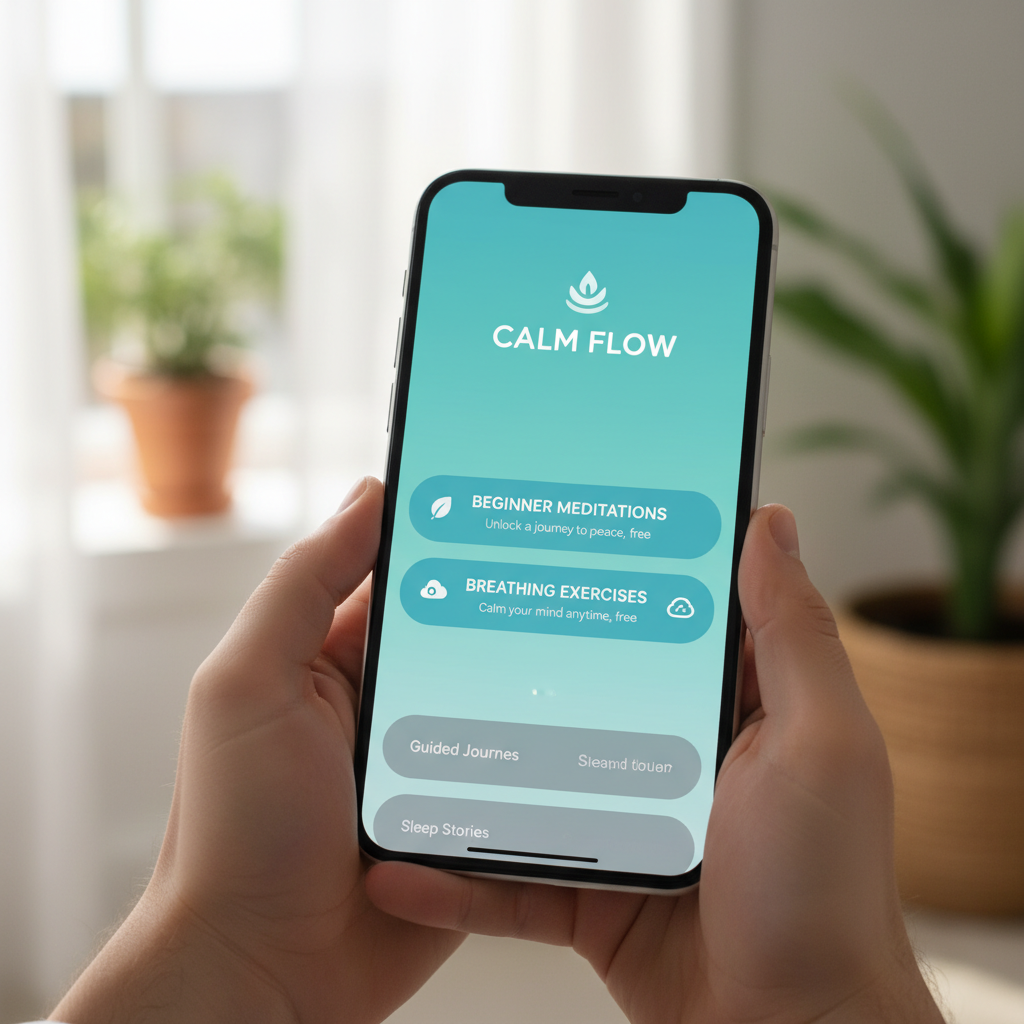
Meditation apps like Calm, Headspace, and Insight Timer are businesses. They flash their premium subscriptions constantly. But here’s the frugal hack: their free versions are packed with enough high-quality content to build a serious mindfulness practice. Don’t get distracted by the upsell; focus on the free gold.
Insight Timer is a standout, offering thousands of free guided meditations from a massive library of teachers. Headspace and Calm have foundational courses, breathing exercises, and sleep stories available for free that are more than enough to get you started. The key is consistency. Using these apps for just 10 minutes a day can train your brain to better manage stress, reduce anxiety, and improve focus—skills that directly impact your hustle and your bottom line. You’re essentially getting a free mental gym membership.
Key Rule: Ignore the pop-ups and ‘70% off!’ banners. Go straight to the free library or beginner sections and stick with them. The core benefits of mindfulness don’t live behind a paywall.
Hack #3: Uncover the University Psychology Clinic Secret

This is a fantastic, under-the-radar resource. Universities with graduate programs in psychology, social work, or counseling often run community clinics to train their students. Before you worry about getting a rookie, know this: these graduate students are highly supervised by licensed, experienced professors and clinicians. You’re essentially getting care overseen by top experts in the field.
These clinics typically offer services on a sliding scale, which often goes all the way down to $0 depending on your income. They provide high-quality, evidence-based therapy for a fraction of the cost—or for free. This is perfect for someone who wants the structure of traditional therapy without the crippling expense. You get dedicated, one-on-one support from a therapist-in-training who is using the most up-to-date methods.
How to Find One:
- Google search for: “[Your City] university psychology training clinic” or “low-cost counseling [Name of Local University]”.
- Check the university’s psychology department website directly.
- Be prepared for a potential waitlist, as these services are valuable and in demand.
Hack #4: Leverage Your Local Library (It’s More Than Books)

Your library card is one of the most powerful free tools you own. Modern libraries are community hubs that have evolved far beyond dusty shelves. They are packed with resources for mental wellness. You can find an entire section of books on cognitive behavioral therapy (CBT), mindfulness, and self-help—all free to borrow.
But it gets better. Many libraries offer free access to online learning platforms like Kanopy, which streams documentaries on mental health, or databases with academic journals. They also host free workshops on topics like stress management, yoga, and financial literacy, all of which contribute to your overall well-being. Some even have social worker programs to connect patrons with local resources. Don’t sleep on the library; it’s a quiet powerhouse of free support.
Hack #5: Use Crisis Text and Hotlines for In-the-Moment Support
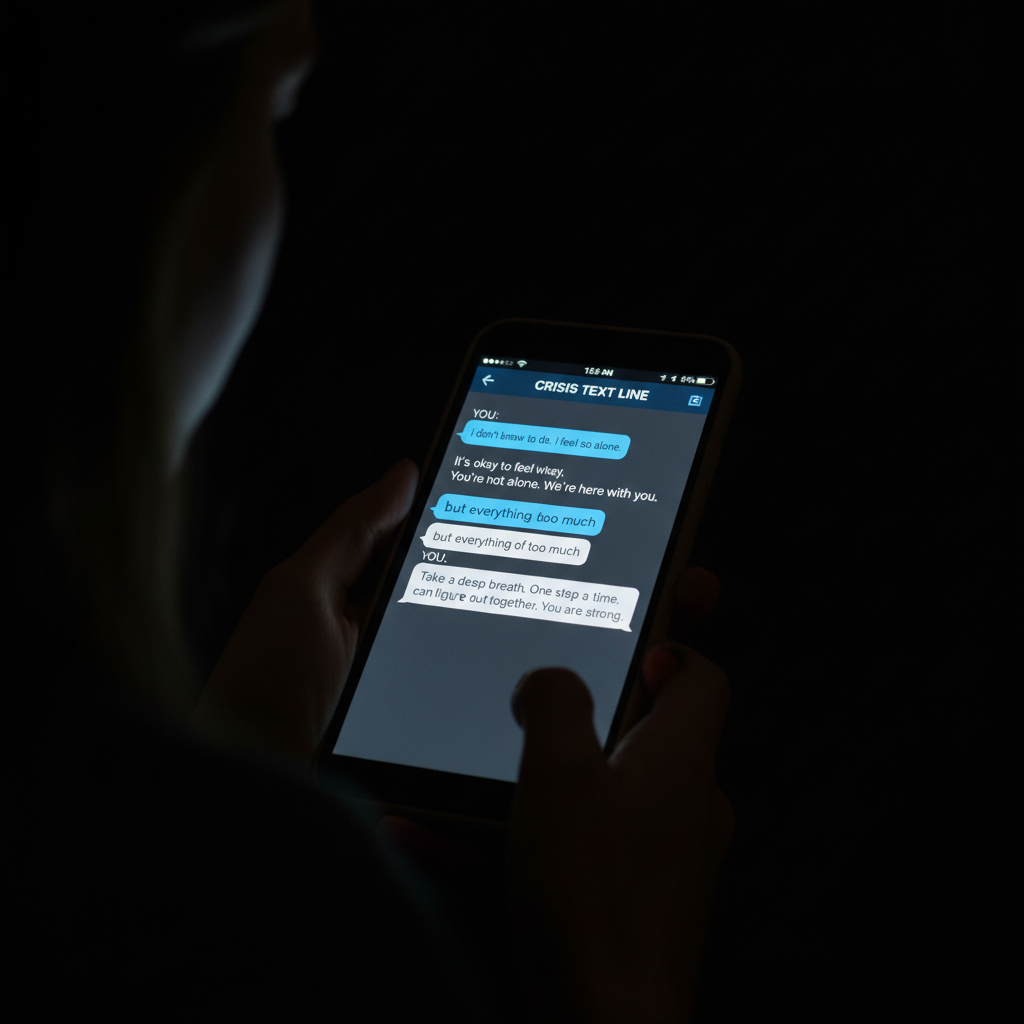
Sometimes you don’t need a weekly appointment; you need help right now. That’s where crisis lines are essential. They are free, confidential, and available 24/7. These services are staffed by trained volunteers and professionals who can help you navigate a moment of intense emotional distress, panic, or crisis. It’s an immediate lifeline when you feel like you’re drowning.
This isn’t just for suicidal thoughts. You can reach out if you’re having a panic attack, feeling overwhelmed by stress, or just need to talk to someone who will listen without judgment. It’s a safe, anonymous space to de-escalate and find your footing.
Key Resources:
- Crisis Text Line: Text HOME to 741741 to connect with a crisis counselor.
- 988 Suicide & Crisis Lifeline: Call or text 988 anytime.
- The Trevor Project: Specifically for LGBTQ young people, at 1-866-488-7386.
Save these numbers in your phone. You may never need them, but knowing they’re there is a safety net in itself.
Hack #6: Become Your Own Therapist with Self-Guided Workbooks
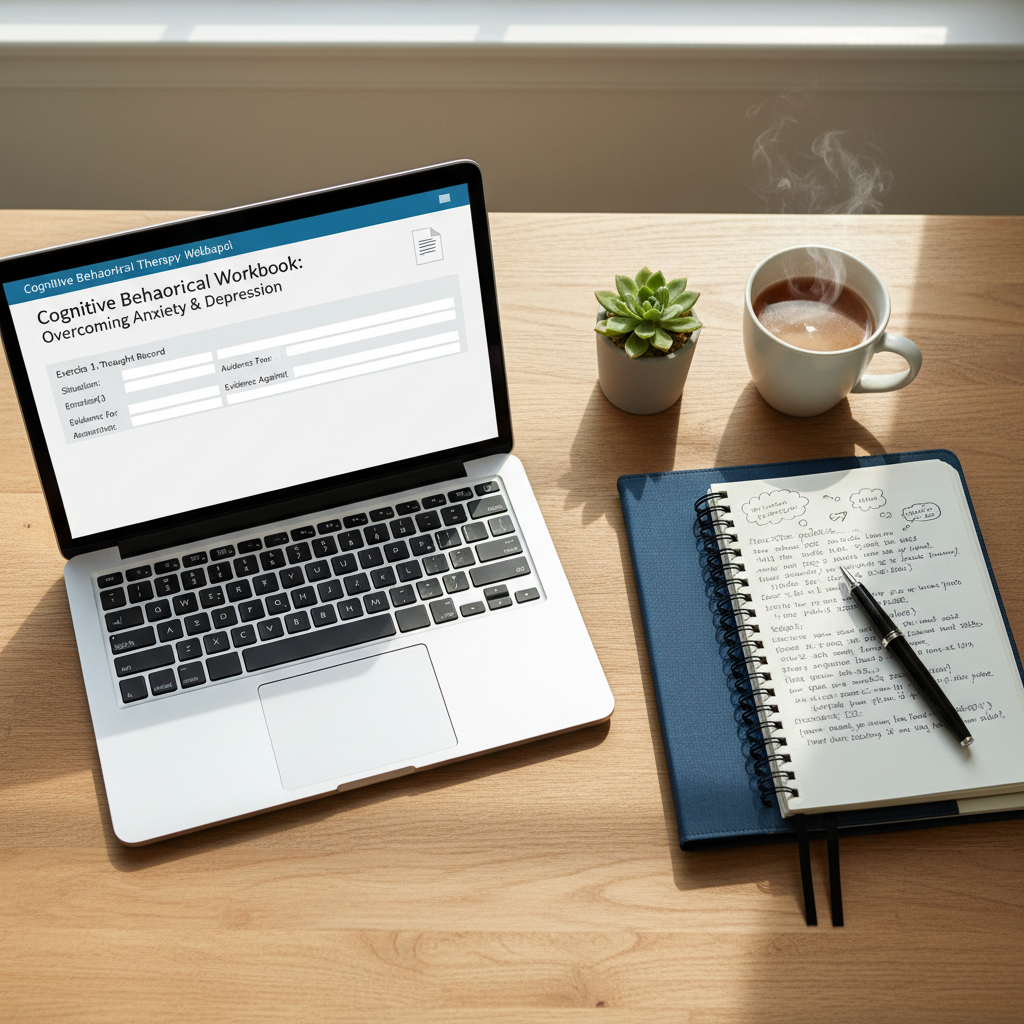
Cognitive Behavioral Therapy (CBT) and Dialectical Behavior Therapy (DBT) are two of the most effective therapy modalities out there. They are all about giving you practical skills to manage your thoughts, emotions, and behaviors. And the best part? You can learn these skills for free using self-guided workbooks.
Reputable sources, like university health services websites and government mental health organizations (like the Centre for Clinical Interventions), offer free, downloadable PDF workbooks. These aren’t just pamphlets; they are comprehensive guides that walk you through the same exercises you’d do with a therapist. You’ll learn to identify negative thought patterns, challenge them, and develop healthier coping mechanisms. It requires self-discipline, but the payoff is immense. You’re building a mental health toolkit you can use for the rest of your life.
Hack #7: Curate Your Content Feed with Pro-Level YouTubers & Podcasters
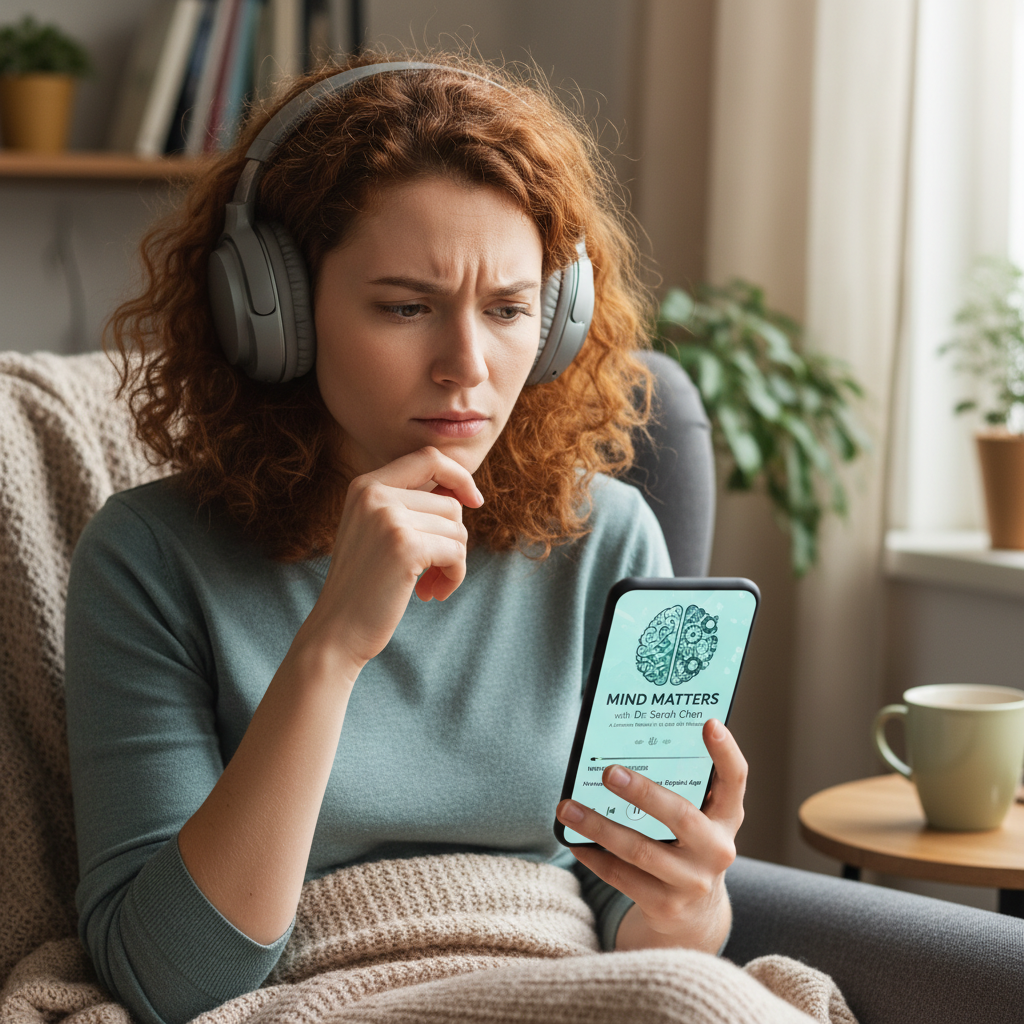
The internet is flooded with wellness influencers, but there’s a difference between a life coach and a licensed therapist. The hack is to find the actual doctors and licensed therapists who create high-quality, educational content for free. These professionals break down complex psychological concepts into actionable advice.
Look for creators who clearly state their credentials (e.g., PhD, PsyD, LMFT, LCSW). Channels like Dr. Tracey Marks or Kati Morton on YouTube, or podcasts like The Hilarious World of Depression, offer deep dives into mental health topics without the fluff. You can learn about attachment styles, anxiety management techniques, and the science behind your emotions while you’re commuting or doing chores. It’s like a free, ongoing psychology lecture that’s actually interesting and applicable to your life.
Hack #8: Don’t Forget Your Employee Assistance Program (EAP)
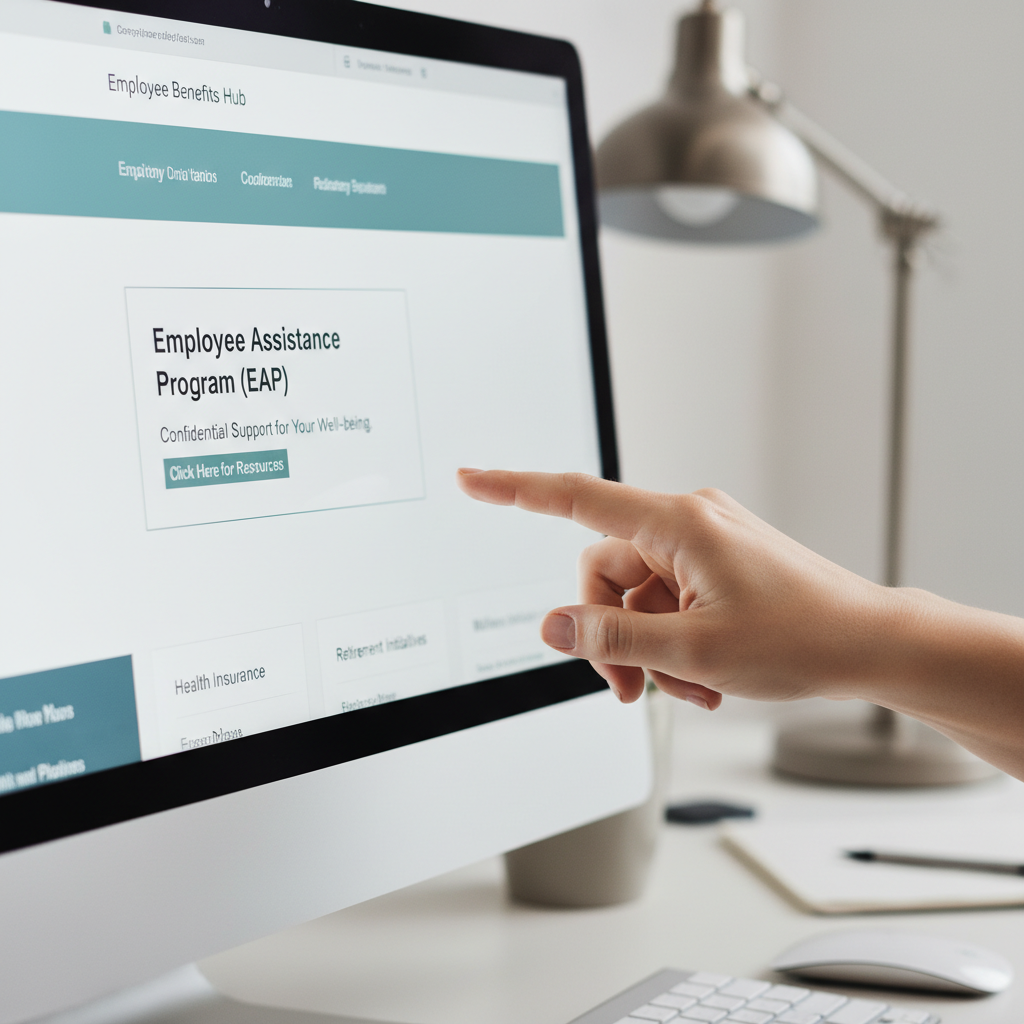
If you work for a mid-to-large-sized company, you might be sitting on a goldmine of free therapy without even knowing it. An Employee Assistance Program (EAP) is a confidential workplace benefit that provides support for a wide range of personal and work-related issues. And yes, this almost always includes a set number of free counseling sessions.
Here’s why it’s a great hack: it’s 100% confidential. Your boss and HR will not know you used it. The EAP is run by a third-party company. You can typically get 3-6 free sessions per issue, per year. This is the perfect way to work through a specific problem—like work stress or a relationship issue—with a professional, at no cost. Check your benefits portal or the HR section of your company’s intranet to find the EAP contact info. It’s a benefit you’re already paying for through your employment, so use it!
Hack #9: The Analog Power of Structured Journaling

Journaling isn’t just for angsty teenagers. When done with intention, it’s a powerful and free therapeutic tool. Structured journaling means using specific prompts and techniques to process your thoughts and emotions, rather than just venting aimlessly. This practice can help you identify triggers, recognize patterns in your thinking, and solve problems more effectively.
Try These Structured Techniques:
- Cognitive Restructuring: Write down a negative thought, identify the cognitive distortion (e.g., black-and-white thinking), and then write a more balanced, rational response.
- Gratitude Journaling: At the end of each day, write down three specific things you were grateful for. This is scientifically proven to improve mood.
- Brain Dump: When you feel overwhelmed, set a timer for 15 minutes and write down everything and anything that’s on your mind without censoring yourself. This clears your head and reduces mental clutter.
All you need is a pen and paper. It’s a free, accessible, and private way to gain clarity and self-awareness.
Hack #10: Explore Community and Faith-Based Support
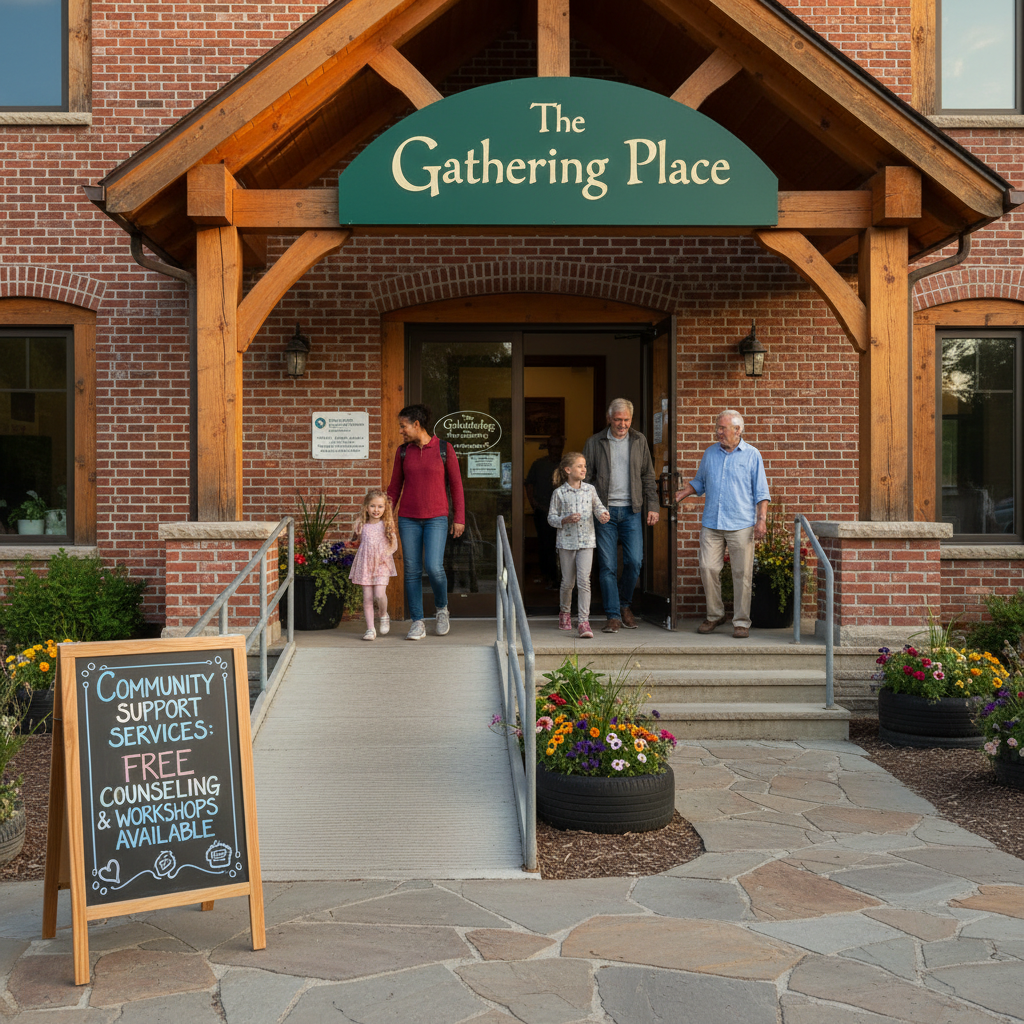
Local community centers, non-profits, and faith-based organizations (like churches, synagogues, mosques, and temples) are often dedicated to serving their communities and may offer free or very low-cost counseling and support services. You don’t always have to be a member of that faith to access their services; many are open to the general public.
These services can range from one-on-one counseling with a licensed professional who works for the organization to support groups for specific issues like grief or addiction. The key is to look for resources in your immediate local area. A simple search for “free community counseling near me” or checking the websites of local community centers can reveal programs you never knew existed. This is about leveraging the support systems that are already built into the fabric of your neighborhood.
Scam Warning: Be discerning. Ensure that any counseling offered is either from a licensed professional or is clearly defined as pastoral or peer support. Avoid any group that demands money for ‘spiritual advancement’ or makes you uncomfortable. Real support is offered without strings attached.
Conclusion
The myth that you have to be wealthy to be mentally healthy is just that—a myth. The high cost of traditional therapy is a real barrier, but it doesn’t have to be a dead end. As you can see, you are surrounded by powerful, effective, and free resources. From tapping into the collective wisdom of peer support groups to using structured workbooks and leveraging overlooked workplace benefits, you have options. Real options.
Taking care of your mental health is one of the smartest investments you can make in your life and your hustle. It builds resilience, clarity, and focus. Start with one resource from this list. Pick the one that feels most accessible to you right now and give it a try. You have the power to build your own mental wellness toolkit without spending a dime. You just have to be street-smart enough to know where to look.
Disclaimer: I am not a medical professional. This article is for informational purposes only and does not constitute medical advice. The resources listed are not a substitute for professional diagnosis or treatment, especially in a crisis situation. If you are experiencing a mental health emergency, please contact 988 or go to your nearest emergency room.