The Seasonal Eating Secret: Slash Your Grocery Bill by 40% Instantly
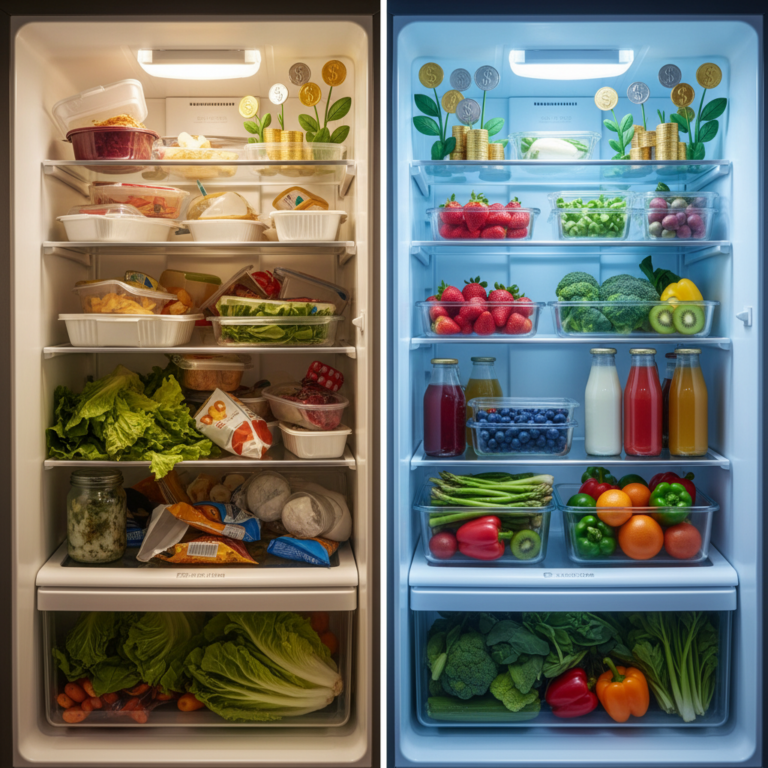
Let’s be real: your grocery bill is out of control. Every trip to the store feels like you’re getting mugged in slow motion. You walk in for milk and bread and walk out $150 lighter, wondering what just happened. The thing is, you’re getting played. The entire grocery industry is designed to keep you buying expensive, out-of-season produce that’s been flown halfway around the world, all while tasting like cardboard.
But what if I told you there’s a system—a simple, almost stupidly obvious secret—that can instantly slash your grocery bill by up to 40%? This isn’t about spending hours clipping coupons or surviving on ramen noodles. This is about flipping the script on the grocery giants by using their own supply-and-demand rules against them. It’s called seasonal eating, and it’s the ultimate financial hack for anyone serious about keeping their hard-earned cash in their pocket. Get ready to take back control of your food budget.
The System Exposed: What ‘Eating Seasonally’ Really Means
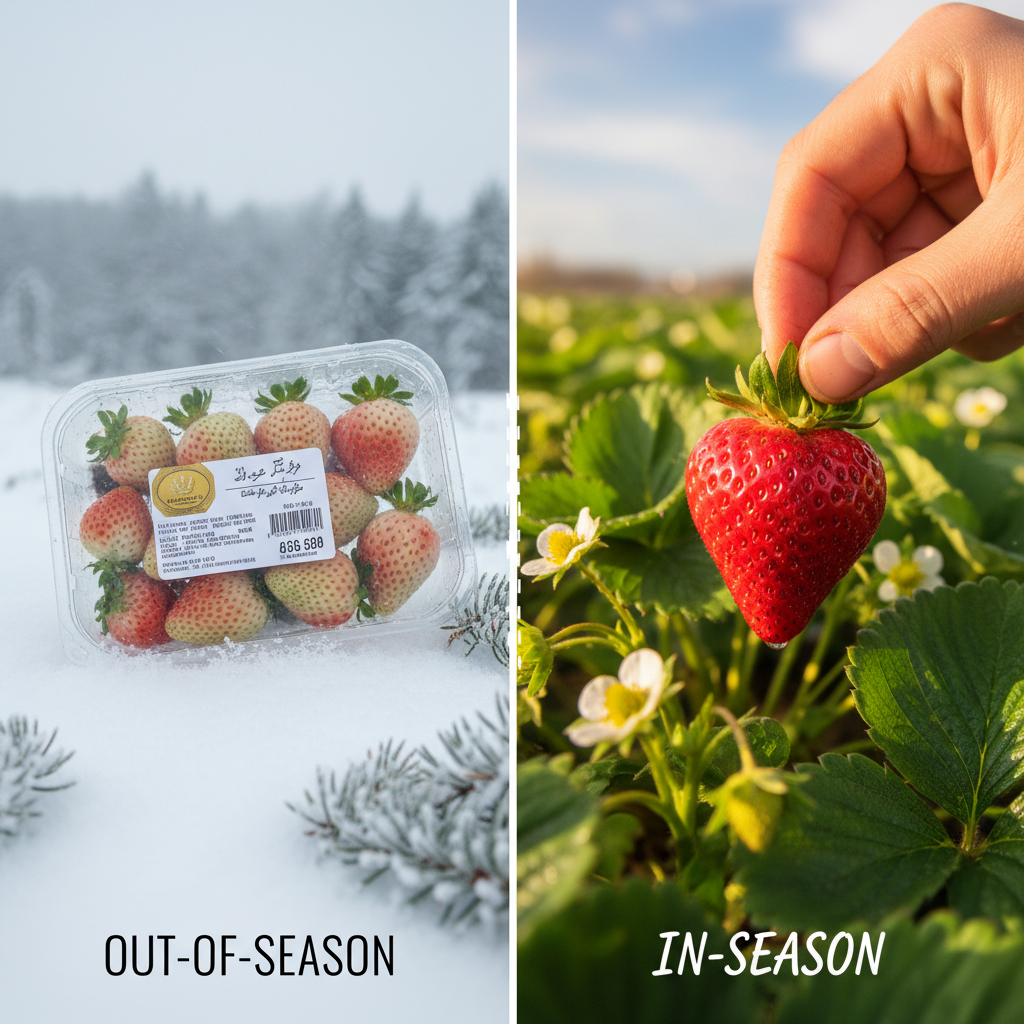
Forget the fancy diet blogs and wellness gurus. At its core, seasonal eating is a market hack, not a sacrifice. It means buying and eating food that is naturally ready to be harvested in your region at a specific time of year. That’s it. No magic, no complicated rules. It’s the way people ate for centuries before we had refrigerated trucks and global supply chains designed to sell us sad, pale strawberries in the dead of winter.
Here’s why it’s a financial game-changer: when a fruit or vegetable is in season, it’s abundant. Farmers have tons of it, which drives the price way down. It’s often grown locally, which cuts out insane transportation costs. Think about it: those perfect-looking tomatoes you see in January? They were likely grown thousands of miles away in a greenhouse, picked while still green and hard, and artificially ripened with gas. You are literally paying for jet fuel and science experiments. Compare that to a juicy, red, sun-ripened tomato from a local farm in August that costs a fraction of the price and actually tastes like a tomato.
The Golden Rule: If it had to take a plane ride to get to your plate, you’re the one paying for the ticket.
By aligning your shopping list with the natural calendar, you’re not just getting cheaper food; you’re getting food that’s more nutritious and tastes infinitely better. You’re opting out of the expensive, flavorless global logistics game and plugging directly into local abundance. This isn’t about deprivation; it’s about strategic timing to get the absolute best for the lowest price.
The Cold, Hard Numbers: Your 40% Grocery Bill Takedown
Talk is cheap. Let’s break down the actual math. The 40% figure isn’t just a headline—it’s a realistic target for the produce portion of your budget, which for many families is a huge chunk of the total bill. Let’s say your household spends about $800 a month on groceries, with $250 of that going to fruits and vegetables.
Now, let’s see what happens when you swap just a few common out-of-season items for their in-season counterparts. The price difference is staggering.
Price Smackdown: In-Season vs. Out-of-Season
| Produce | Out-of-Season Price (per lb/pint) | In-Season Price (per lb/pint) | Savings |
|---|---|---|---|
| Strawberries | $6.99/pint | $2.99/pint | 57% |
| Asparagus | $5.99/lb | $1.99/lb | 67% |
| Bell Peppers (Red) | $3.49/lb | $1.49/lb | 57% |
| Peaches | $4.99/lb | $1.79/lb | 64% |
| Corn on the Cob | $1.25/ear | $0.30/ear | 76% |
Look at those numbers. You’re not just saving a few cents; you’re cutting the cost of these items by more than half. If you apply this strategy across your entire produce shop, hitting a 40% reduction is not only possible, it’s probable.
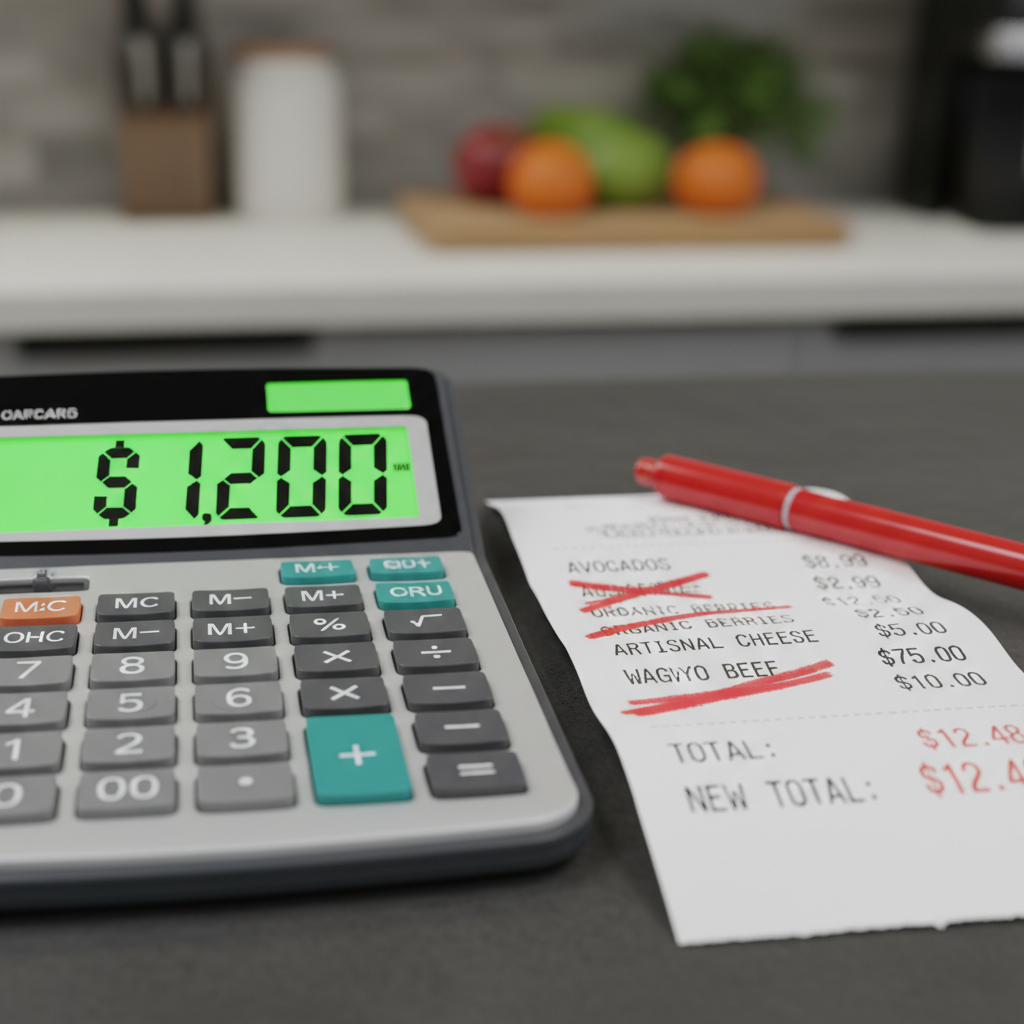
Let’s put it in real dollars. A 40% cut on a $250 monthly produce budget is a direct savings of $100. Every single month.
- Monthly Savings: $100
- Yearly Savings: $1,200
That’s $1,200 a year back in your bank account. That’s a vacation, a paid-off credit card, or a serious boost to your savings. All from making one simple shift in how you shop. This is how you stop leaking money and start building wealth, one grocery trip at a time.
Your Arsenal: The Tools and Tactics to Dominate the Aisles
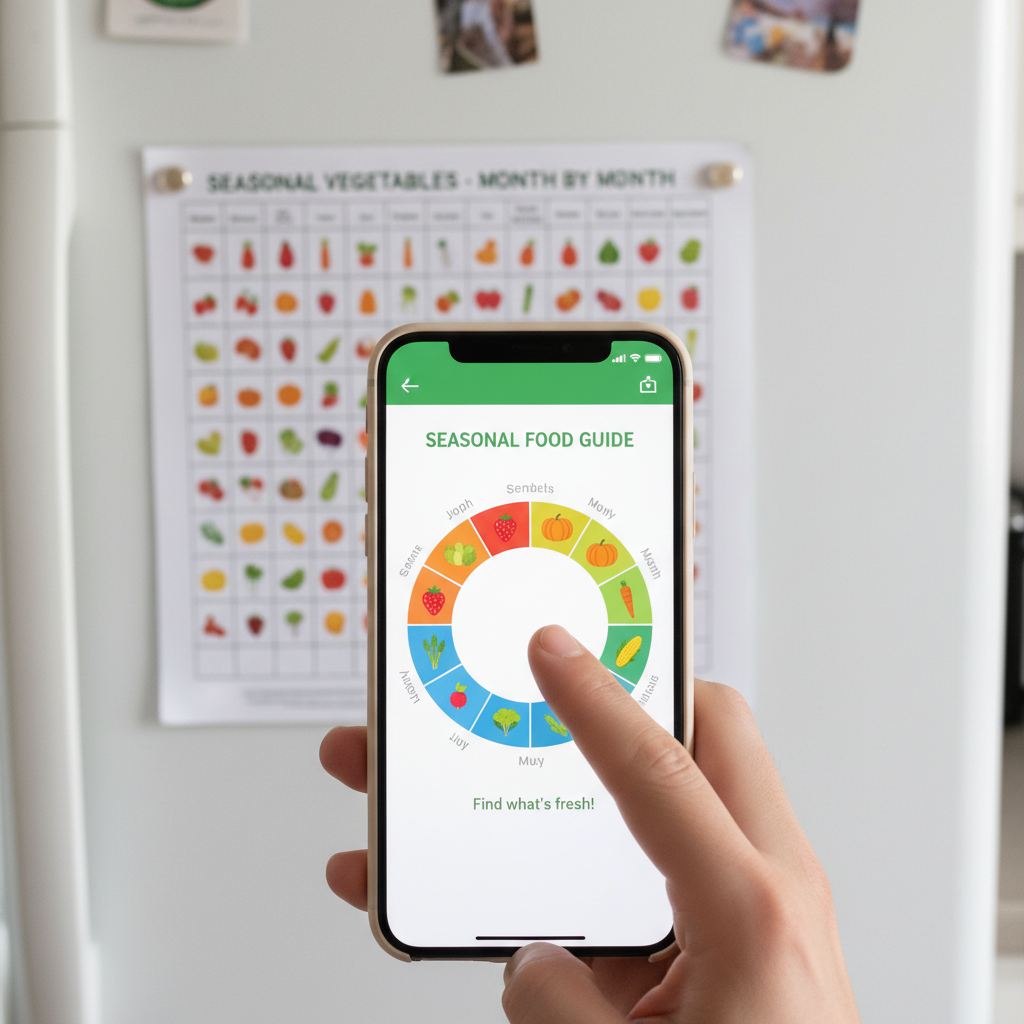
Knowing the strategy is one thing; executing it is another. You need the right tools and a street-smart approach to turn this knowledge into cash. This is your battle plan for the grocery store and beyond.
Tactic 1: Know Your Seasons Cold
You can’t win the game if you don’t know the rules. You need to know what’s in season right now, where you live. Don’t guess. Use these tools:
- Apps are Your Intel: Download a free app like ‘Seasonal Food Guide’. It uses your location to tell you exactly what’s fresh and cheap at any given moment. No more guesswork.
- Print a Cheat Sheet: Google “seasonal produce chart [your state]” and print it out. Stick it on your fridge. It’s a constant, low-tech reminder of what to look for.
Tactic 2: Master the Farmers Market
The farmers market is ground zero for seasonal eating. You’re buying directly from the source, cutting out the corporate middleman and their markup. Go late in the day—vendors would rather sell their remaining stock at a discount than haul it back to the farm. Talk to the farmers. Ask them what’s at its peak. They’ll often point you to the best-tasting and best-priced items.
Tactic 3: The Freezer Is Your Time Machine
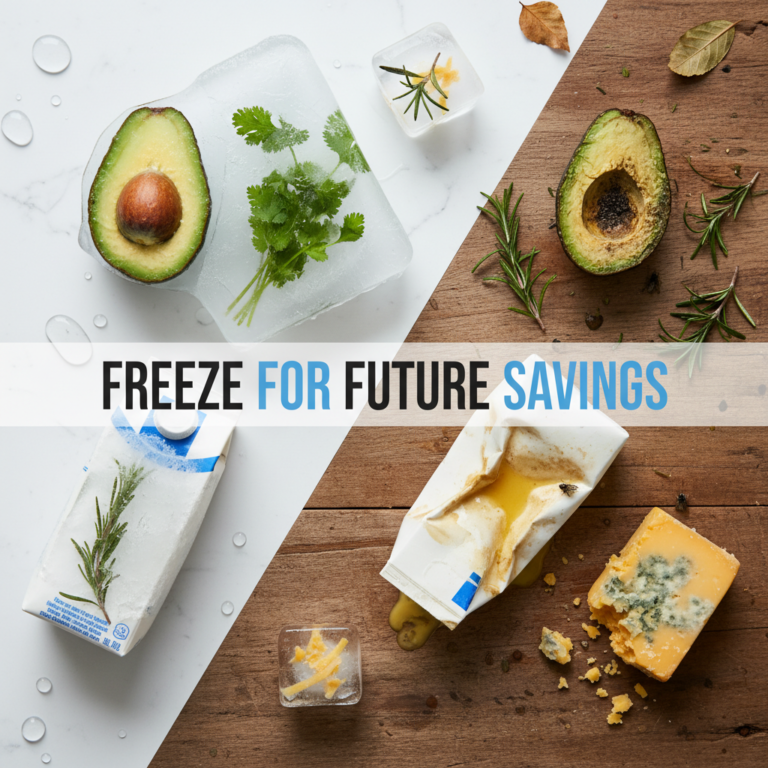
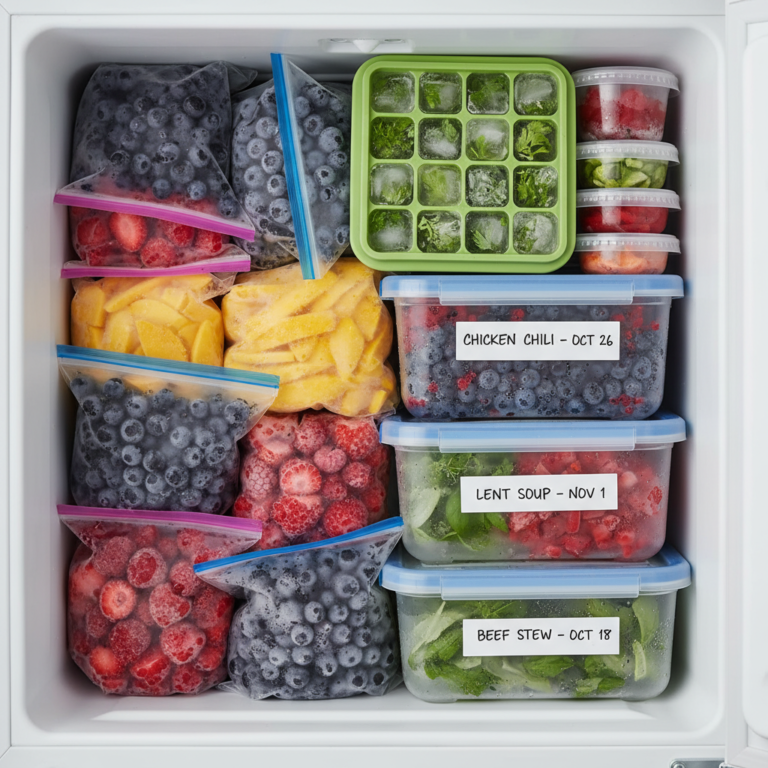
This is the power move. When a seasonal item is dirt cheap (like berries for $2.00 a pint), buy in bulk. Go big. Then, go home and prep it for the freezer. You can lock in those rock-bottom prices and enjoy summer berries in the middle of winter without paying the ridiculous $7.00 out-of-season price.
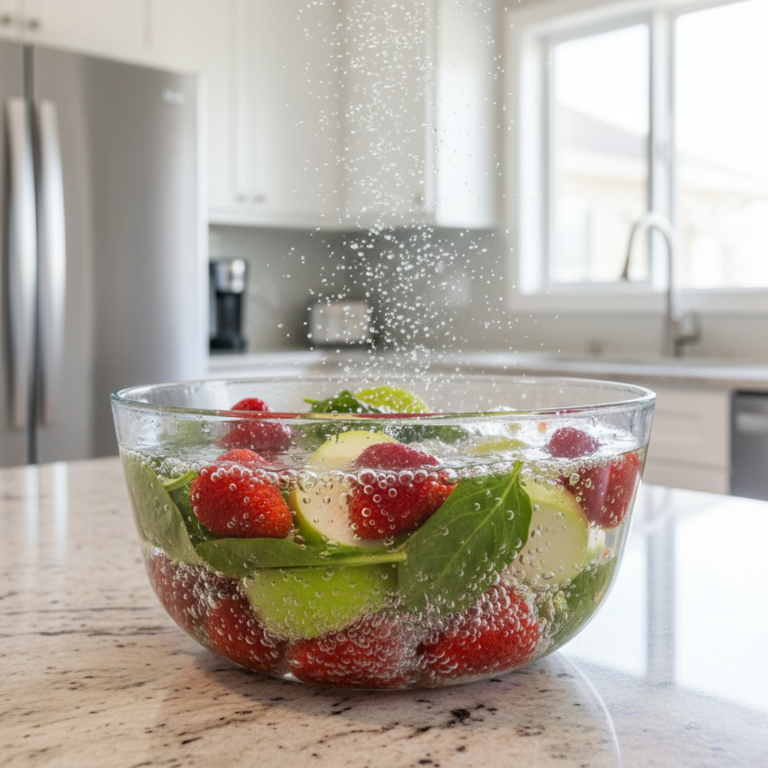
- Berries & Fruit: Wash, dry completely, and spread on a baking sheet to freeze individually. Once frozen solid, transfer to a freezer bag. They won’t clump together.
- Vegetables: Most veggies (like green beans, broccoli, carrots) need to be blanched—a quick dip in boiling water, then into an ice bath—before freezing. This preserves their color, texture, and nutrients.
Tactic 4: Read the Label, Win the Game
When you’re in a regular grocery store, become a detective. Look for the ‘Country of Origin’ sticker on produce. If you’re in Ohio in February and your asparagus is from Peru, you know you’re about to overpay. Look for the products labeled ‘USA’ or, even better, from your own state. It’s a dead giveaway for what’s likely in season and priced to move.
The Game Plan: A Sample Week of Eating Like a King on a Pauper’s Budget
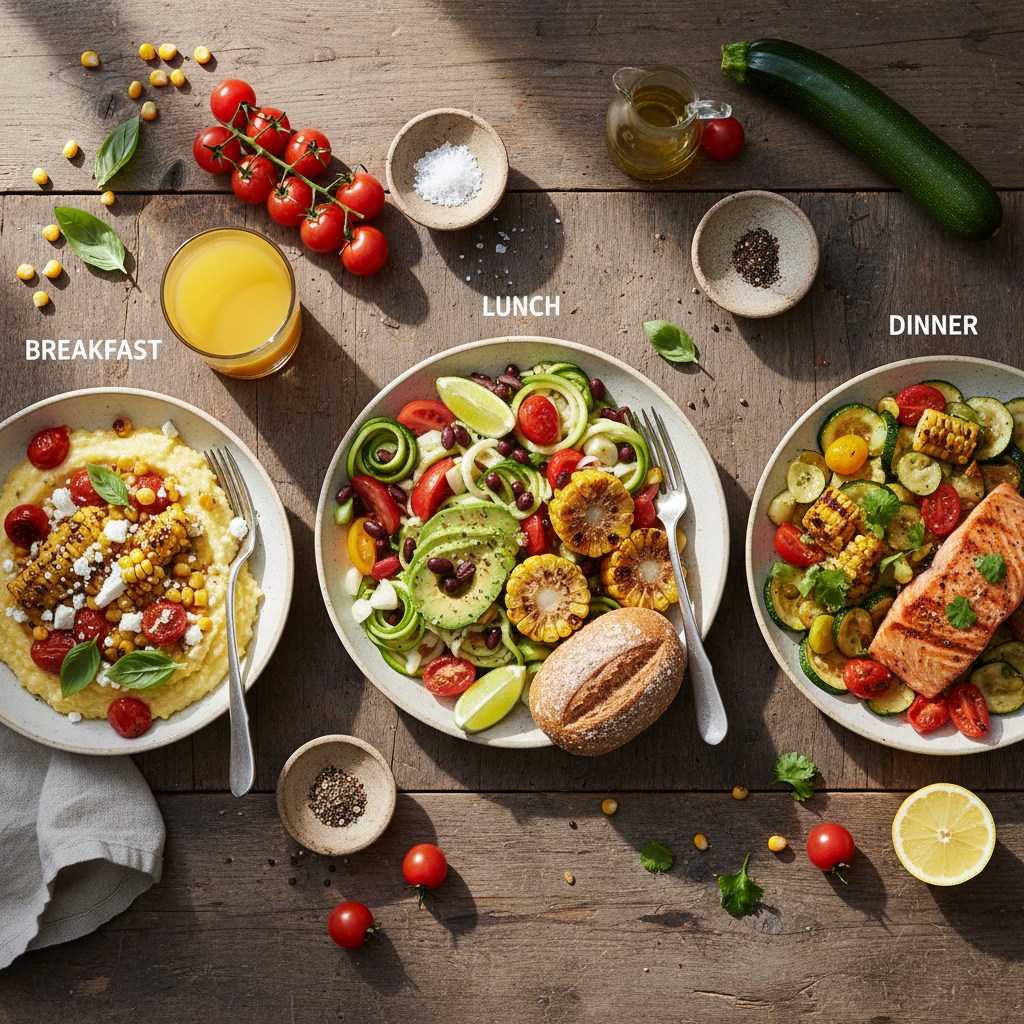
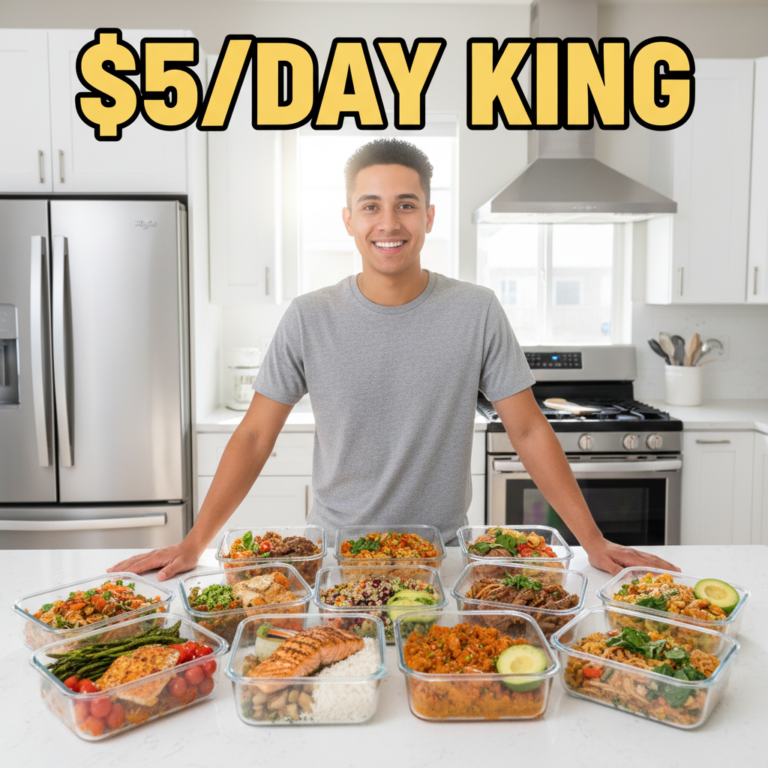
Let’s make this concrete. How does this look on your plate? It looks delicious and cheap. Here’s a sample meal template for a week in late summer/early fall, when the harvest is in full swing. This isn’t about rigid recipes; it’s about a flexible framework using what’s abundant.
The Core Ingredients (Dirt Cheap This Time of Year):
Tomatoes, Zucchini, Corn, Bell Peppers, Eggplant, Apples, Pears, Onions, Potatoes.
Sample Meal Framework:
- Monday:
– Dinner: Roasted Chicken with potatoes and a massive side of roasted zucchini and bell peppers. Use leftovers for lunch tomorrow. - Tuesday:
– Lunch: Leftover chicken and roasted veggies.
– Dinner: Big pot of tomato soup made with fresh, cheap tomatoes and a grilled cheese. Comfort food that costs pennies. - Wednesday:
– Lunch: Leftover tomato soup.
– Dinner: Corn and Zucchini Fritters. Grate zucchini, mix with corn, flour, egg, and spices, and pan-fry. Serve with a simple salad. Unbelievably cheap and filling. - Thursday:
– Lunch: Leftover fritters.
– Dinner: Pasta with a simple eggplant and tomato sauce. Sauté onions, garlic, add cubed eggplant and crushed fresh tomatoes. Let it simmer. Way better and cheaper than jarred sauce. - Friday:
– Lunch: Leftover pasta.
– Dinner: ‘Clean out the fridge’ stir-fry. Any remaining veggies—peppers, onions, zucchini—get stir-fried with a protein of your choice. Serve over rice. - Weekend Treat:
– Breakfast: Apple cinnamon baked oatmeal using fresh, in-season apples.
– Dessert: A simple apple crisp or baked pears with a sprinkle of cinnamon.
Notice the pattern? You’re using a core group of inexpensive, in-season ingredients in multiple ways. You’re leveraging leftovers to cover lunches, which obliterates the need for expensive takeout. This isn’t about eating boring food. It’s about being creative with the most flavorful and affordable ingredients available, letting you eat amazing meals while your bank account grows.
Conclusion
The idea that you have to spend a fortune to eat well is one of the biggest lies we’ve been sold. The seasonal eating secret isn’t a secret at all—it’s just common sense that the modern grocery industry has tried to make us forget. It’s a strategy, a mindset, and your single most powerful weapon for taking a sledgehammer to your food budget.
You now have the intel and the game plan. You know why it works, you’ve seen the math, and you have the tools to execute. You are in control. You decide whether to pay premium prices for mediocre food or to pay bargain prices for peak-flavor produce. The choice is yours.
Don’t try to change everything overnight. Your call to action is simple: this week, before you go shopping, look up just ONE vegetable that’s in season right now in your area. Buy it, and build one meal around it. That’s it. You’ve just started the hack. Welcome to the smarter way to shop.