
Stop Buying Green Onions! How to Regrow Veggies from Scraps Forever
Let’s be real: walking through the produce aisle feels like you’re getting punked. Prices are climbing faster than a squirrel up a tree, and that bunch of green onions you bought for $1.50 looks sad and wilted two days later. You’re literally throwing cash in the compost bin. But what if I told you that you’re tossing out a goldmine every time you chop veggies? That little white root at the end of your green onion isn’t trash—it’s a ticket to an endless supply of fresh produce, right on your windowsill.
This isn’t some complicated gardening project that requires acres of land and a degree in horticulture. This is the ultimate frugal hack. It’s about taking back control from the supermarket giants and turning your kitchen into a self-sustaining powerhouse. We’re talking about transforming scraps you were going to throw away into fresh, edible food with almost zero effort and for zero dollars. It’s time to stop playing their game and start your own. Get ready to learn the street-smart way to regrow your veggies and make your grocery budget breathe a sigh of relief.
The Kitchen Goldmine: Why You’re Throwing Away Free Food
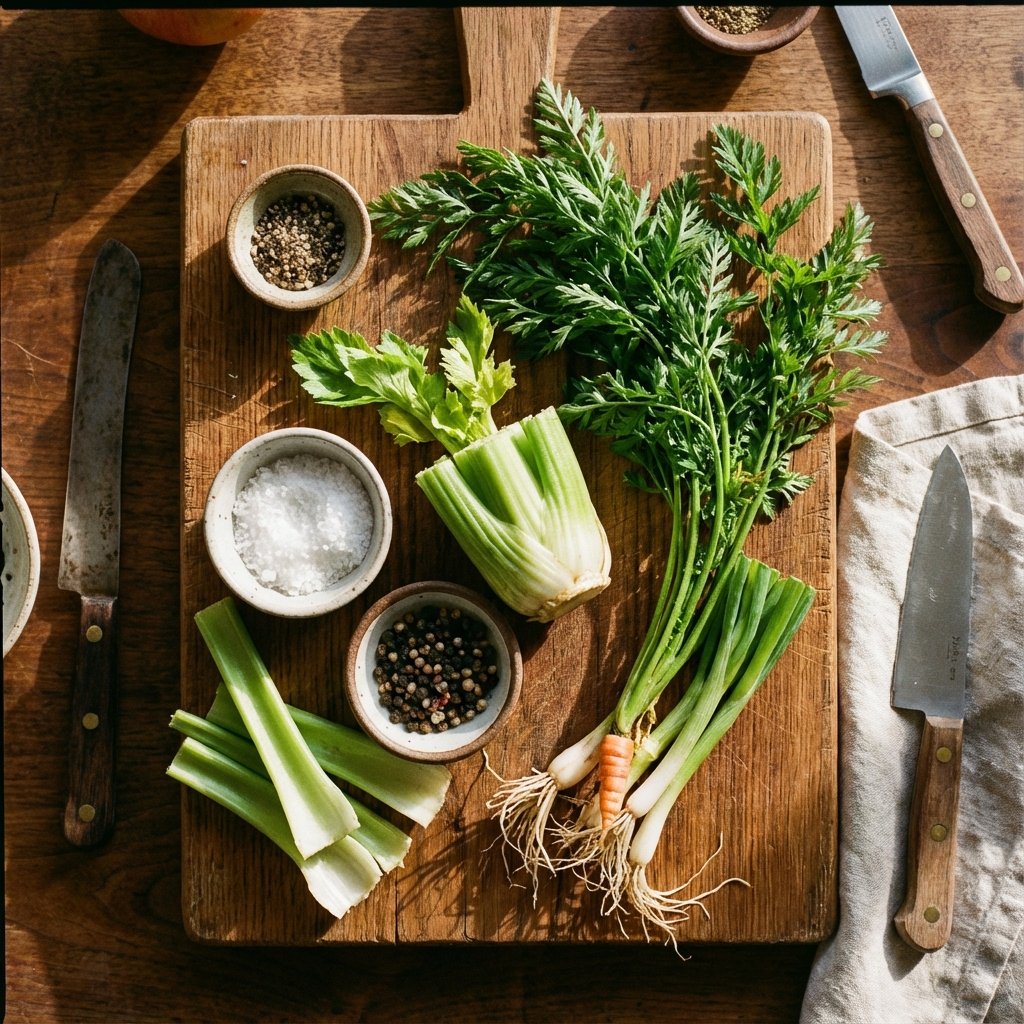
Every time you prep dinner, you’re likely tossing out the most valuable parts of your vegetables. The base of a celery stalk, the root end of a head of lettuce, the top of a carrot—we’ve been trained to see these as ‘waste.’ That’s a myth cooked up to keep you coming back to the store. In reality, these scraps are dormant powerhouses, packed with the life force needed to grow a whole new plant. Think about it: you already paid for the entire vegetable. Why would you throw away the part that can give you more for free?
This isn’t just about saving a few bucks; it’s a mindset shift. It’s about seeing potential where others see garbage. Your kitchen counter can become a mini-farm, producing fresh greens that are more nutritious and flavorful than anything that’s been sitting on a truck for a week. You control what goes into your food—no pesticides, no weird chemicals, just clean water and sunlight. By regrowing scraps, you’re not just cutting your grocery bill; you’re reducing food waste, eating healthier, and becoming more self-sufficient. It’s the ultimate win-win-win. You’re basically hacking the food system, one green onion at a time.
The Green Onion Hack: Your First Step to Food Freedom
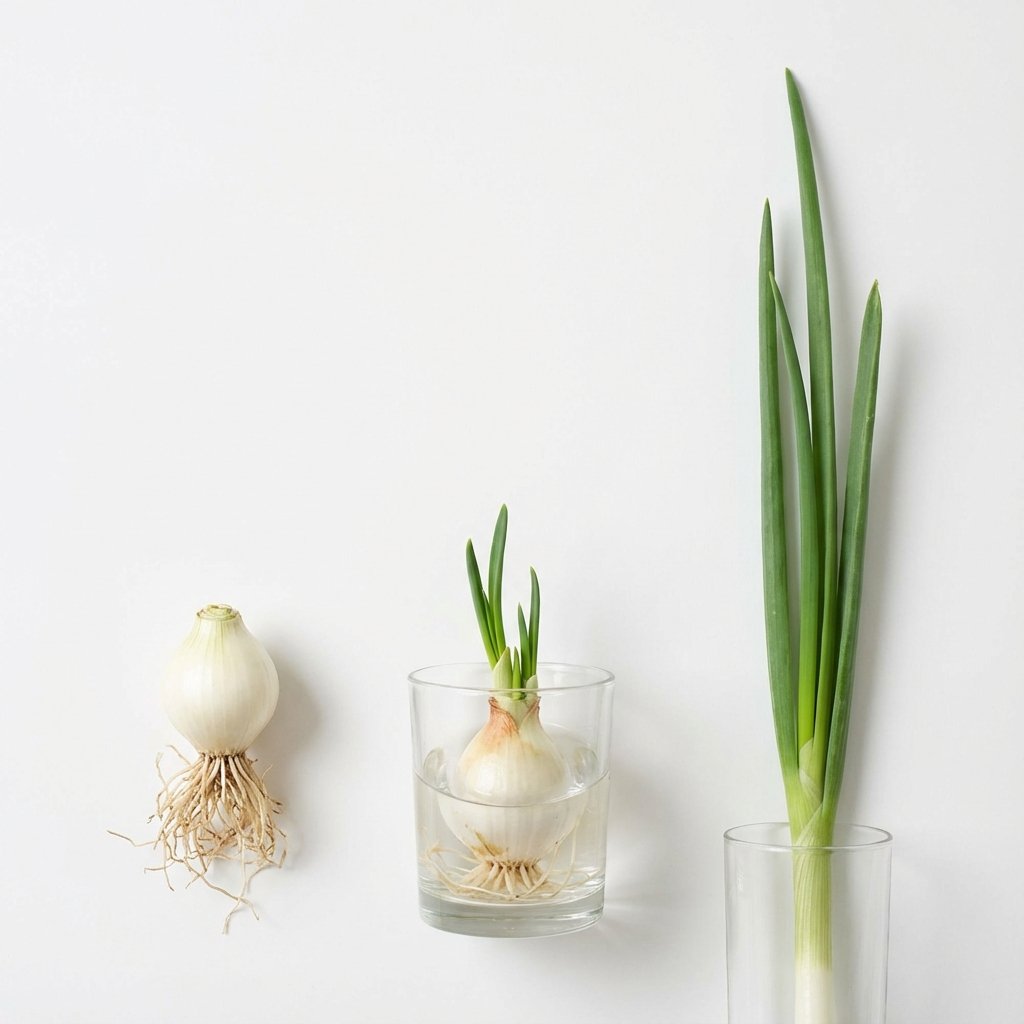
Green onions are the gateway drug to the world of regrowing. They are ridiculously easy, fast, and satisfying. You’ll see results in just a couple of days, which is the kind of instant gratification we need to stay motivated. Forget everything you think you know about gardening. You don’t need soil, pots, or fertilizer to start. All you need is a glass, some water, and the ‘trash’ ends of the green onions you already bought.
The Dead-Simple, Step-by-Step Guide:
- Make the Cut: Next time you use green onions, don’t chop them all the way down. Leave about an inch of the white bulb end with the little stringy roots still attached. This is your magic starter kit.
- Just Add Water: Find a small glass, a shot glass, or an old jar. Place the green onion bulbs inside, root-side down. Add just enough water to cover the white parts. Don’t submerge the whole thing—you don’t want the tops to get slimy.
- Find the Sun: Place your glass on a windowsill or any spot that gets a decent amount of sunlight. Your new food factory is now open for business.
- Change the Water: This is the most important rule. To keep things fresh and prevent nasty rot, change the water every 1-2 days. It takes 10 seconds. Just dump the old water and add fresh.
- Harvest Time: Within a week, you’ll see significant new green growth shooting up from the top. You can start snipping off what you need with a pair of kitchen scissors. As long as you leave the bulb in the water, it will keep producing. You can get 3-4 full regrowth cycles from one bulb before it starts to lose steam.
The Math Doesn’t Lie: DIY Regrowth vs. The Supermarket
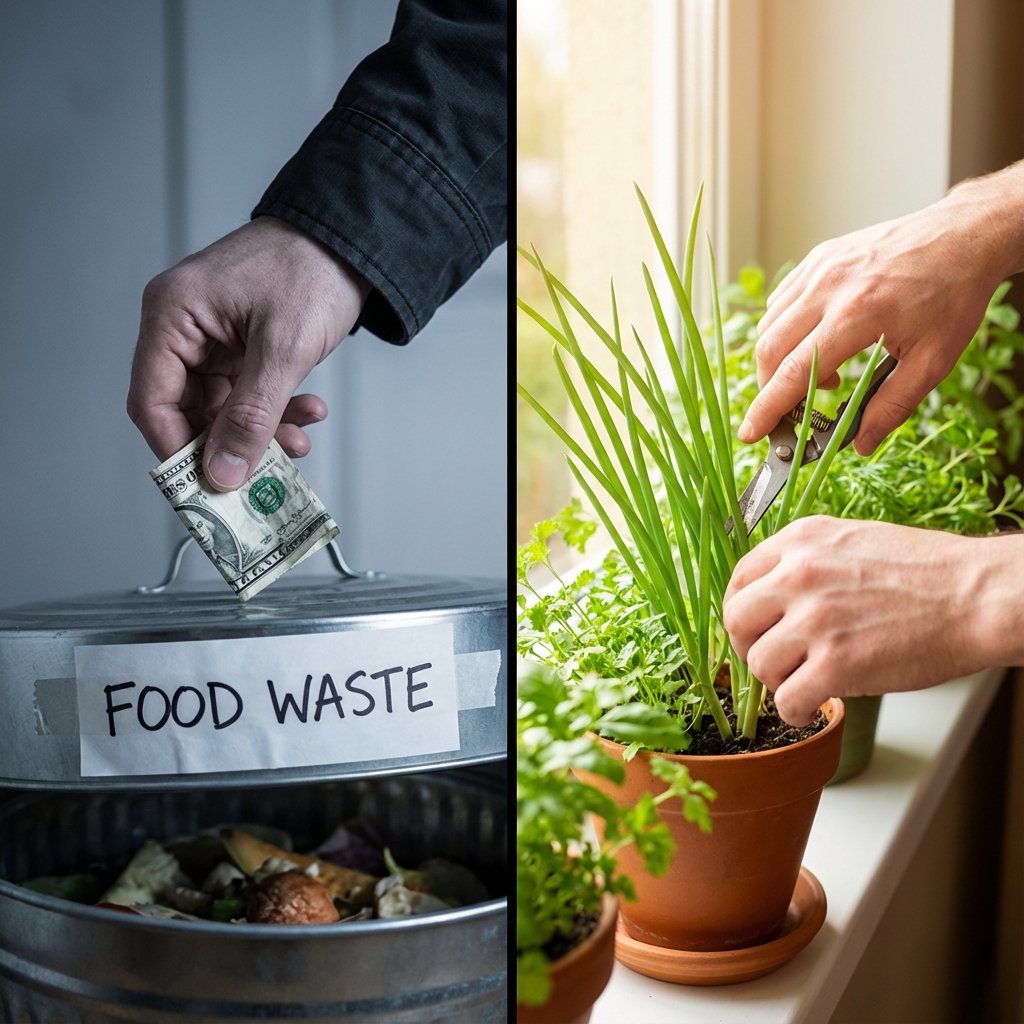
Talk is cheap. Let’s look at the cold, hard numbers. You might think, ‘It’s just a dollar for a bunch of green onions, who cares?’ But that’s sucker thinking. The small leaks sink the ship. Frugal masters know that tiny, consistent savings add up to big money over time. We’re not just saving a dollar; we’re creating a system that saves us that dollar, week after week, forever.
Let’s assume you buy one bunch of green onions per week for your eggs, soups, or tacos. The price can vary, but we’ll use a conservative average. Here’s how the costs stack up over a year:
| Expense Category | Buying at the Store (Weekly) | Regrowing from Scraps |
|---|---|---|
| Cost per Bunch | $1.50 | $0.00 (after first purchase) |
| Weekly Cost | $1.50 | $0.00 |
| Monthly Cost (avg. 4.3 weeks) | $6.45 | $0.00 |
| Annual Cost | $78.00 | $0.00 |
That’s $78 back in your pocket every year from one single vegetable hack. Now imagine you apply this logic to two or three other veggies. The savings start to get serious. This isn’t just about money, either. You’re saving gas on trips to the store, reducing your plastic waste from packaging, and eliminating food spoilage. You bought one bunch of onions and turned it into a perpetual harvest machine. That’s not just saving money; that’s printing it.
Level Up: More Veggies You Can Regrow From Scraps
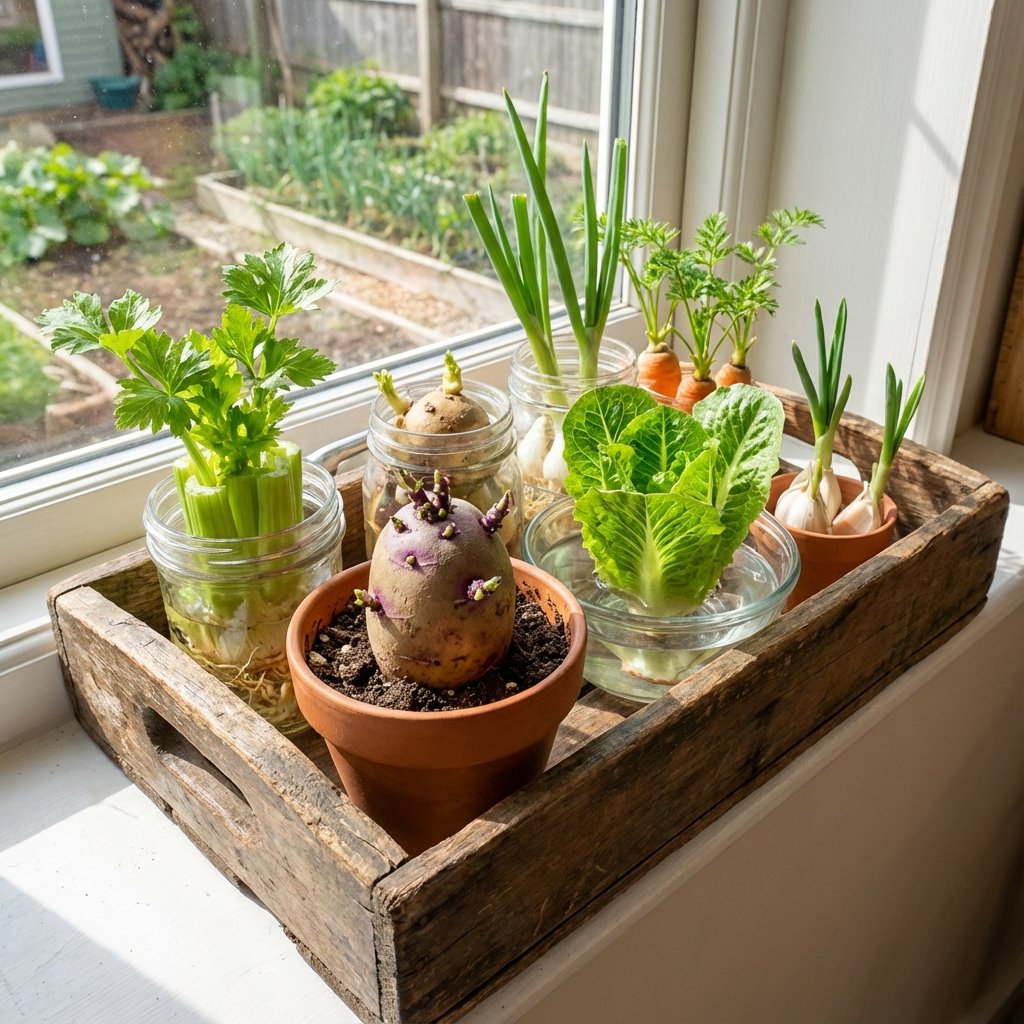
Once you’ve mastered the green onion, you’ll be hungry for more. Your windowsill is prime real estate, so let’s put it to work. Here are other common kitchen scraps you can easily turn into a free, all-you-can-eat buffet.
Romaine Lettuce, Celery & Bok Choy
These leafy vegetables work on the same principle as green onions. They regrow from their base. Cut off the bottom 2-3 inches of the stalk—the part you’d normally toss. Place it cut-side-up in a shallow bowl with about an inch of water. Make sure the water only covers the very bottom; you don’t want to drown it. Put it in a sunny spot. You’ll see new leaves sprouting from the center in just a few days. For celery and bok choy, the new growth will be smaller and great for soups or stir-fries. For romaine, you can get a whole new half-head of tender leaves perfect for a small salad. Change the water every day to keep it fresh.
Garlic
Ever had a clove of garlic start to sprout a little green shoot? Don’t throw it out! That’s a new garlic plant waiting to happen. You can plant a single sprouting clove in a small pot of soil. Bury it about two inches deep with the pointy, sprouting end facing up. Keep the soil moist but not waterlogged. Soon, you’ll have long green shoots called garlic scapes, which are delicious and have a mild garlic flavor. If you leave it long enough, the single clove will multiply underground and form a whole new head of garlic.
Carrots, Beets, & Turnips
Okay, a quick reality check: you won’t regrow a new carrot root from a carrot top. But you can regrow the leafy greens, which are edible and packed with nutrients! They have a slightly bitter, parsley-like flavor and are amazing in salads, pestos, or as a garnish. Just slice off the top inch of the carrot where the greens were. Place it cut-side-down in a shallow dish of water. In about a week, you’ll have a lush patch of feathery carrot greens to harvest.
Potatoes & Sweet Potatoes
This one is a classic. If you have a potato that’s started to grow ‘eyes’ (little sprouts), you have a seed potato. You can cut the potato into chunks, making sure each piece has at least one or two eyes. Let the cut pieces dry out on your counter for a day or two to form a ‘skin’—this prevents rot. Then, plant them in a large pot, bucket, or directly in your garden, about 4-5 inches deep. In a few months, you’ll be able to dig up a whole new batch of potatoes. For sweet potatoes, you can suspend one in a jar of water (using toothpicks to hold it up) with the bottom half submerged. It will sprout ‘slips,’ which are leafy vines. Once a slip is about 5-6 inches long, you can gently twist it off and plant it in soil to grow new sweet potatoes.
The Pro Playbook: Common Mistakes & How to Crush Them
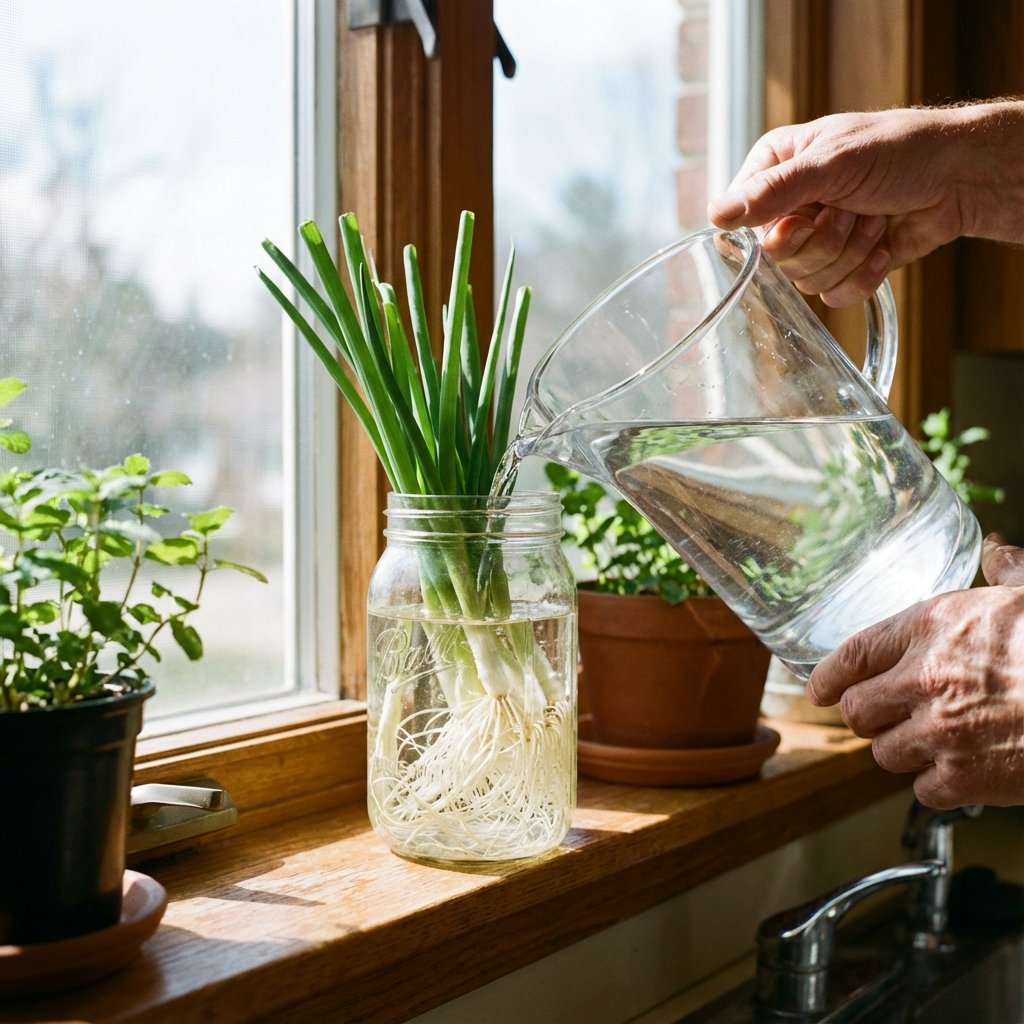
Getting started is easy, but a few simple mistakes can derail your free-food factory. Don’t let it happen. Here’s the inside scoop on how to avoid the common pitfalls and keep your indoor garden thriving.
- The Slime Factor: If your veggies get slimy or mushy, it’s almost always a water issue. You’re either using too much water or not changing it often enough. Remember, only the roots need to be wet.
- Not Enough Light: If your new growth looks pale, weak, and spindly, it’s begging for more sun. Find the brightest window in your house and make it your regrowth station.
- Impatience: While green onions are fast, other plants take more time. Don’t give up on your celery base after three days. Give it a week or two and you’ll be rewarded.
- Knowing When to Quit: Your original scrap won’t last forever. After a few harvests, it will run out of energy. The new growth will be smaller and less vigorous. That’s your cue to toss the old base into the compost and start a new one from your next grocery run.
The Golden Rule: Fresh Water is Your Best Friend. If you do nothing else, change the water every single day. This one habit prevents 90% of all problems, like mold, rot, and bad smells. It’s the secret sauce to successful scrap gardening.
Conclusion
You now have the playbook. You’ve seen the math. The days of tossing perfectly good vegetable scraps—and your hard-earned money—into the trash are over. This is more than a cute kitchen hack; it’s a declaration of independence from the endless cycle of buying and wasting. Every green shoot that pops up on your windowsill is a tiny victory, a testament to your resourcefulness.
Start with green onions. Get that first win. Then, expand your empire. Turn your kitchen into a production line of fresh, free food. You have the power to slash your grocery bill, reduce waste, and eat healthier, all by using what you already have. Stop letting the grocery store dictate your budget. Go claim your free food.